

Feature image of Travel Frog Ends Its Eight-Year Journey in China

Travel Frog Ends Its Eight-Year Journey in China

3 mins read

3 mins read

Feature image of Travel Frog Ends Its Eight-Year Journey in China
This Japanese mobile game became an unlikely cultural phenomenon among young Chinese players in 2018. Now, its licensed Chinese edition is preparing to shut down—but why?

Near the end of 2017, a four-person team at Japanese game developer Hit-Point created the independent mobile game Travel Frog (旅かえる) at the company’s Kyoto office. In the game, players look after a small frog that travels around Japan and occasionally sends postcards home. With its gentle pace, unusual mechanics, and endearing protagonist, the game soon became a viral hit. Players shared where their frogs had traveled, what they had brought home, and which friends they had met along the way.

The main interface of the frog’s home. Photo via BBC/Hit-Point.

What’s surprising is that Travel Frog became far more popular in China than in its home country. At the height of its early success, Hit-Point reported that Chinese users accounted for 95% of its more than 10 million App Store downloads, compared with just 2% in Japan. Its unexpected popularity even caught the attention of the BBC, which reported on how China had become “hooked” on the game.

For a time, the game became a cultural phenomenon in China. “Where has your frog been?” became a familiar conversation among young players, while WeChat Moments filled with postcards documenting the frogs’ latest destinations. After months of the community spontaneously translating the Japanese game into Chinese, Alibaba secured the exclusive rights to distribute Travel Frog in the Chinese mainland in April 2018. A localized H5 version, Travel Frog: China Journey (旅行青蛙·中国之旅), began testing through Taobao the following month, while the standalone mobile game launched in December 2020.
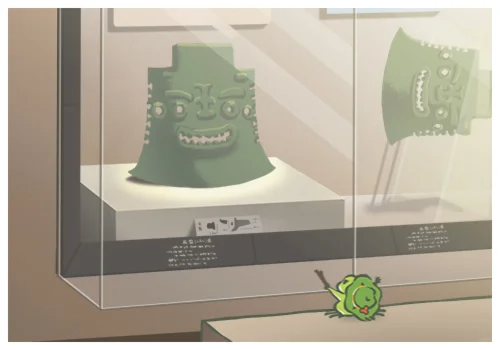
In the ‘China Journey’ version of the game, the frog has very different destinations than the Japanese version. Photo via Xiaohongshu.

That journey is now coming to an end. On September 8, the Chinese edition announced that its IP licensing agreement would expire and that the game would cease operations at 6 p.m. on December 8, 2026. Downloads, new registrations, and in-game purchases have already been suspended.

For many former players, the announcement came as a surprise. They may no longer open the app regularly to check on their “frog son” (蛙儿子)—as Chinese players affectionately nicknamed the character—but the frog has remained a quiet companion in the background. Now, its departure also marks the end of a chapter that accompanied many players through eight years of their own lives.
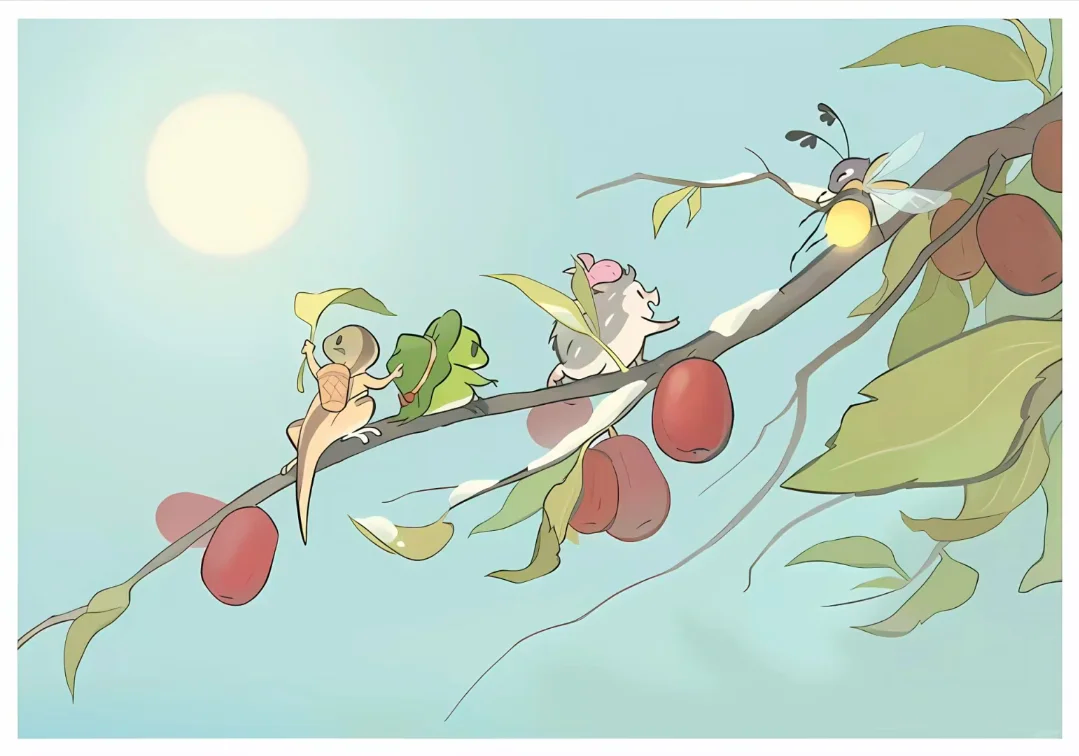
The Chinese team also designed special postcards for each of the 24 jieqi (节气), or traditional Chinese solar terms. Photo via Xiaohongshu.

There had, however, been signs of change around the game’s Chinese publisher. In August, Alibaba agreed to sell its stake in Lingxi Games to Trustar Capital. Looking back, Travel Frog arrived at an unusually fitting moment in Chinese youth culture. In early 2018, the idea of foxi (佛系), literally “Buddha-like” and loosely referring to a laid-back, low-desire approach to life, had become a popular expression among young Chinese people. Travel Frog, with its slow rhythm and independent protagonist, seemed to capture something of that mood.
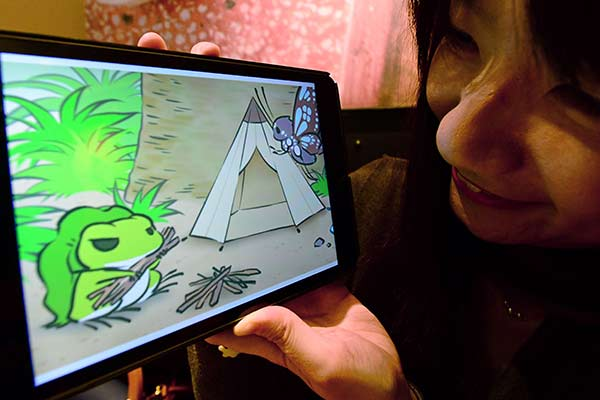
A player showing her “frog son’s” postcard in 2018. Photo via China Daily.

The frog could go where its players could not. Looking after it was a little like raising a child: You could prepare its food and pack its bag, but you could never decide when it would leave, where it would go, or when it would return. Yet every so often, a postcard arrived.

Eight years later, many of those players have presumably traveled far beyond the places they once watched their frogs explore. This time, it is the frog that is leaving. Travel Frog: China Journey is saying goodbye, but the memories of waiting for a postcard remain.

Cover Image via Xiaohongshu.

NEWSLETTER

Get weekly top picks and exclusive, newsletter only content delivered straight to you inbox.

NEWSLETTER

Get weekly top picks and exclusive, newsletter only content delivered straight to you inbox.

RADII NEWSLETTER

Get weekly top picks and exclusive, newsletter only content delivered straight to you inbox

Feature image of Travel Frog Ends Its Eight-Year Journey in China

Travel Frog Ends Its Eight-Year Journey in China

3 mins read

This Japanese mobile game became an unlikely cultural phenomenon among young Chinese players in 2018. Now, its licensed Chinese edition is preparing to shut down—but why?

Near the end of 2017, a four-person team at Japanese game developer Hit-Point created the independent mobile game Travel Frog (旅かえる) at the company’s Kyoto office. In the game, players look after a small frog that travels around Japan and occasionally sends postcards home. With its gentle pace, unusual mechanics, and endearing protagonist, the game soon became a viral hit. Players shared where their frogs had traveled, what they had brought home, and which friends they had met along the way.

The main interface of the frog’s home. Photo via BBC/Hit-Point.

What’s surprising is that Travel Frog became far more popular in China than in its home country. At the height of its early success, Hit-Point reported that Chinese users accounted for 95% of its more than 10 million App Store downloads, compared with just 2% in Japan. Its unexpected popularity even caught the attention of the BBC, which reported on how China had become “hooked” on the game.

For a time, the game became a cultural phenomenon in China. “Where has your frog been?” became a familiar conversation among young players, while WeChat Moments filled with postcards documenting the frogs’ latest destinations. After months of the community spontaneously translating the Japanese game into Chinese, Alibaba secured the exclusive rights to distribute Travel Frog in the Chinese mainland in April 2018. A localized H5 version, Travel Frog: China Journey (旅行青蛙·中国之旅), began testing through Taobao the following month, while the standalone mobile game launched in December 2020.

In the ‘China Journey’ version of the game, the frog has very different destinations than the Japanese version. Photo via Xiaohongshu.

That journey is now coming to an end. On September 8, the Chinese edition announced that its IP licensing agreement would expire and that the game would cease operations at 6 p.m. on December 8, 2026. Downloads, new registrations, and in-game purchases have already been suspended.

For many former players, the announcement came as a surprise. They may no longer open the app regularly to check on their “frog son” (蛙儿子)—as Chinese players affectionately nicknamed the character—but the frog has remained a quiet companion in the background. Now, its departure also marks the end of a chapter that accompanied many players through eight years of their own lives.

The Chinese team also designed special postcards for each of the 24 jieqi (节气), or traditional Chinese solar terms. Photo via Xiaohongshu.

There had, however, been signs of change around the game’s Chinese publisher. In August, Alibaba agreed to sell its stake in Lingxi Games to Trustar Capital. Looking back, Travel Frog arrived at an unusually fitting moment in Chinese youth culture. In early 2018, the idea of foxi (佛系), literally “Buddha-like” and loosely referring to a laid-back, low-desire approach to life, had become a popular expression among young Chinese people. Travel Frog, with its slow rhythm and independent protagonist, seemed to capture something of that mood.

A player showing her “frog son’s” postcard in 2018. Photo via China Daily.

The frog could go where its players could not. Looking after it was a little like raising a child: You could prepare its food and pack its bag, but you could never decide when it would leave, where it would go, or when it would return. Yet every so often, a postcard arrived.

Eight years later, many of those players have presumably traveled far beyond the places they once watched their frogs explore. This time, it is the frog that is leaving. Travel Frog: China Journey is saying goodbye, but the memories of waiting for a postcard remain.

Cover Image via Xiaohongshu.

NEWSLETTER

Get weekly top picks and exclusive, newsletter only content delivered straight to you inbox.

RADII NEWSLETTER

Get weekly top picks and exclusive, newsletter only content delivered straight to you inbox

RELATED POSTS

Feature image of Travel Frog Ends Its Eight-Year Journey in China

Travel Frog Ends Its Eight-Year Journey in China

3 mins read

3 mins read

Feature image of Travel Frog Ends Its Eight-Year Journey in China
This Japanese mobile game became an unlikely cultural phenomenon among young Chinese players in 2018. Now, its licensed Chinese edition is preparing to shut down—but why?

Near the end of 2017, a four-person team at Japanese game developer Hit-Point created the independent mobile game Travel Frog (旅かえる) at the company’s Kyoto office. In the game, players look after a small frog that travels around Japan and occasionally sends postcards home. With its gentle pace, unusual mechanics, and endearing protagonist, the game soon became a viral hit. Players shared where their frogs had traveled, what they had brought home, and which friends they had met along the way.

The main interface of the frog’s home. Photo via BBC/Hit-Point.

What’s surprising is that Travel Frog became far more popular in China than in its home country. At the height of its early success, Hit-Point reported that Chinese users accounted for 95% of its more than 10 million App Store downloads, compared with just 2% in Japan. Its unexpected popularity even caught the attention of the BBC, which reported on how China had become “hooked” on the game.

For a time, the game became a cultural phenomenon in China. “Where has your frog been?” became a familiar conversation among young players, while WeChat Moments filled with postcards documenting the frogs’ latest destinations. After months of the community spontaneously translating the Japanese game into Chinese, Alibaba secured the exclusive rights to distribute Travel Frog in the Chinese mainland in April 2018. A localized H5 version, Travel Frog: China Journey (旅行青蛙·中国之旅), began testing through Taobao the following month, while the standalone mobile game launched in December 2020.

In the ‘China Journey’ version of the game, the frog has very different destinations than the Japanese version. Photo via Xiaohongshu.

That journey is now coming to an end. On September 8, the Chinese edition announced that its IP licensing agreement would expire and that the game would cease operations at 6 p.m. on December 8, 2026. Downloads, new registrations, and in-game purchases have already been suspended.

For many former players, the announcement came as a surprise. They may no longer open the app regularly to check on their “frog son” (蛙儿子)—as Chinese players affectionately nicknamed the character—but the frog has remained a quiet companion in the background. Now, its departure also marks the end of a chapter that accompanied many players through eight years of their own lives.

The Chinese team also designed special postcards for each of the 24 jieqi (节气), or traditional Chinese solar terms. Photo via Xiaohongshu.

There had, however, been signs of change around the game’s Chinese publisher. In August, Alibaba agreed to sell its stake in Lingxi Games to Trustar Capital. Looking back, Travel Frog arrived at an unusually fitting moment in Chinese youth culture. In early 2018, the idea of foxi (佛系), literally “Buddha-like” and loosely referring to a laid-back, low-desire approach to life, had become a popular expression among young Chinese people. Travel Frog, with its slow rhythm and independent protagonist, seemed to capture something of that mood.

A player showing her “frog son’s” postcard in 2018. Photo via China Daily.

The frog could go where its players could not. Looking after it was a little like raising a child: You could prepare its food and pack its bag, but you could never decide when it would leave, where it would go, or when it would return. Yet every so often, a postcard arrived.

Eight years later, many of those players have presumably traveled far beyond the places they once watched their frogs explore. This time, it is the frog that is leaving. Travel Frog: China Journey is saying goodbye, but the memories of waiting for a postcard remain.

Cover Image via Xiaohongshu.

NEWSLETTER

Get weekly top picks and exclusive, newsletter only content delivered straight to you inbox.

NEWSLETTER

Get weekly top picks and exclusive, newsletter only content delivered straight to you inbox.

RADII NEWSLETTER

Get weekly top picks and exclusive, newsletter only content delivered straight to you inbox

Feature image of Travel Frog Ends Its Eight-Year Journey in China

Travel Frog Ends Its Eight-Year Journey in China

3 mins read

This Japanese mobile game became an unlikely cultural phenomenon among young Chinese players in 2018. Now, its licensed Chinese edition is preparing to shut down—but why?

Near the end of 2017, a four-person team at Japanese game developer Hit-Point created the independent mobile game Travel Frog (旅かえる) at the company’s Kyoto office. In the game, players look after a small frog that travels around Japan and occasionally sends postcards home. With its gentle pace, unusual mechanics, and endearing protagonist, the game soon became a viral hit. Players shared where their frogs had traveled, what they had brought home, and which friends they had met along the way.

The main interface of the frog’s home. Photo via BBC/Hit-Point.

What’s surprising is that Travel Frog became far more popular in China than in its home country. At the height of its early success, Hit-Point reported that Chinese users accounted for 95% of its more than 10 million App Store downloads, compared with just 2% in Japan. Its unexpected popularity even caught the attention of the BBC, which reported on how China had become “hooked” on the game.

For a time, the game became a cultural phenomenon in China. “Where has your frog been?” became a familiar conversation among young players, while WeChat Moments filled with postcards documenting the frogs’ latest destinations. After months of the community spontaneously translating the Japanese game into Chinese, Alibaba secured the exclusive rights to distribute Travel Frog in the Chinese mainland in April 2018. A localized H5 version, Travel Frog: China Journey (旅行青蛙·中国之旅), began testing through Taobao the following month, while the standalone mobile game launched in December 2020.

In the ‘China Journey’ version of the game, the frog has very different destinations than the Japanese version. Photo via Xiaohongshu.

That journey is now coming to an end. On September 8, the Chinese edition announced that its IP licensing agreement would expire and that the game would cease operations at 6 p.m. on December 8, 2026. Downloads, new registrations, and in-game purchases have already been suspended.

For many former players, the announcement came as a surprise. They may no longer open the app regularly to check on their “frog son” (蛙儿子)—as Chinese players affectionately nicknamed the character—but the frog has remained a quiet companion in the background. Now, its departure also marks the end of a chapter that accompanied many players through eight years of their own lives.

The Chinese team also designed special postcards for each of the 24 jieqi (节气), or traditional Chinese solar terms. Photo via Xiaohongshu.

There had, however, been signs of change around the game’s Chinese publisher. In August, Alibaba agreed to sell its stake in Lingxi Games to Trustar Capital. Looking back, Travel Frog arrived at an unusually fitting moment in Chinese youth culture. In early 2018, the idea of foxi (佛系), literally “Buddha-like” and loosely referring to a laid-back, low-desire approach to life, had become a popular expression among young Chinese people. Travel Frog, with its slow rhythm and independent protagonist, seemed to capture something of that mood.

A player showing her “frog son’s” postcard in 2018. Photo via China Daily.

The frog could go where its players could not. Looking after it was a little like raising a child: You could prepare its food and pack its bag, but you could never decide when it would leave, where it would go, or when it would return. Yet every so often, a postcard arrived.

Eight years later, many of those players have presumably traveled far beyond the places they once watched their frogs explore. This time, it is the frog that is leaving. Travel Frog: China Journey is saying goodbye, but the memories of waiting for a postcard remain.

Cover Image via Xiaohongshu.

NEWSLETTER

Get weekly top picks and exclusive, newsletter only content delivered straight to you inbox.

RADII NEWSLETTER

Get weekly top picks and exclusive, newsletter only content delivered straight to you inbox

RADII newsletter pop up visual

NEWSLETTER​

Get weekly top picks and exclusive, newsletter only content delivered straight to you inbox

RADII Newsletter Pop Up small banner

NEWSLETTER

Get weekly top picks and exclusive, newsletter only content delivered straight to you inbox.

Link Copied!

Share

Feature image of Travel Frog Ends Its Eight-Year Journey in China

Travel Frog Ends Its Eight-Year Journey in China

This Japanese mobile game became an unlikely cultural phenomenon among young Chinese players in 2018. Now, its licensed Chinese edition is preparing to shut down—but why?

PULSE

Tap into the latest in music, fashion, art, design, entertainment, pop culture, celebrity news, and contemporary culture

DISCOVER

Embark on a journey through food, travel, wellness, heritage, traditional culture, and lifestyle

STYLE

An insider’s look at the intersection of fashion, art, and design

FEAST

Titillate your taste buds with coverage of the best food and drink trends from China and beyond.

FUTURE

Explore the cutting edge in tech, AI, gadgets, gaming, and innovative tech-related products

FEAST

Titillate your taste buds with coverage of the best food and drink trends from China and beyond

STYLE

An insider’s look at the intersection of fashion, art, and design

PULSE

Unpacking Chinese youth culture through coverage of nightlife, film, sports, celebrities, and the hottest new music