
Roll the dice. Move your token. Start as a nobody, climb your way up. Sound familiar?
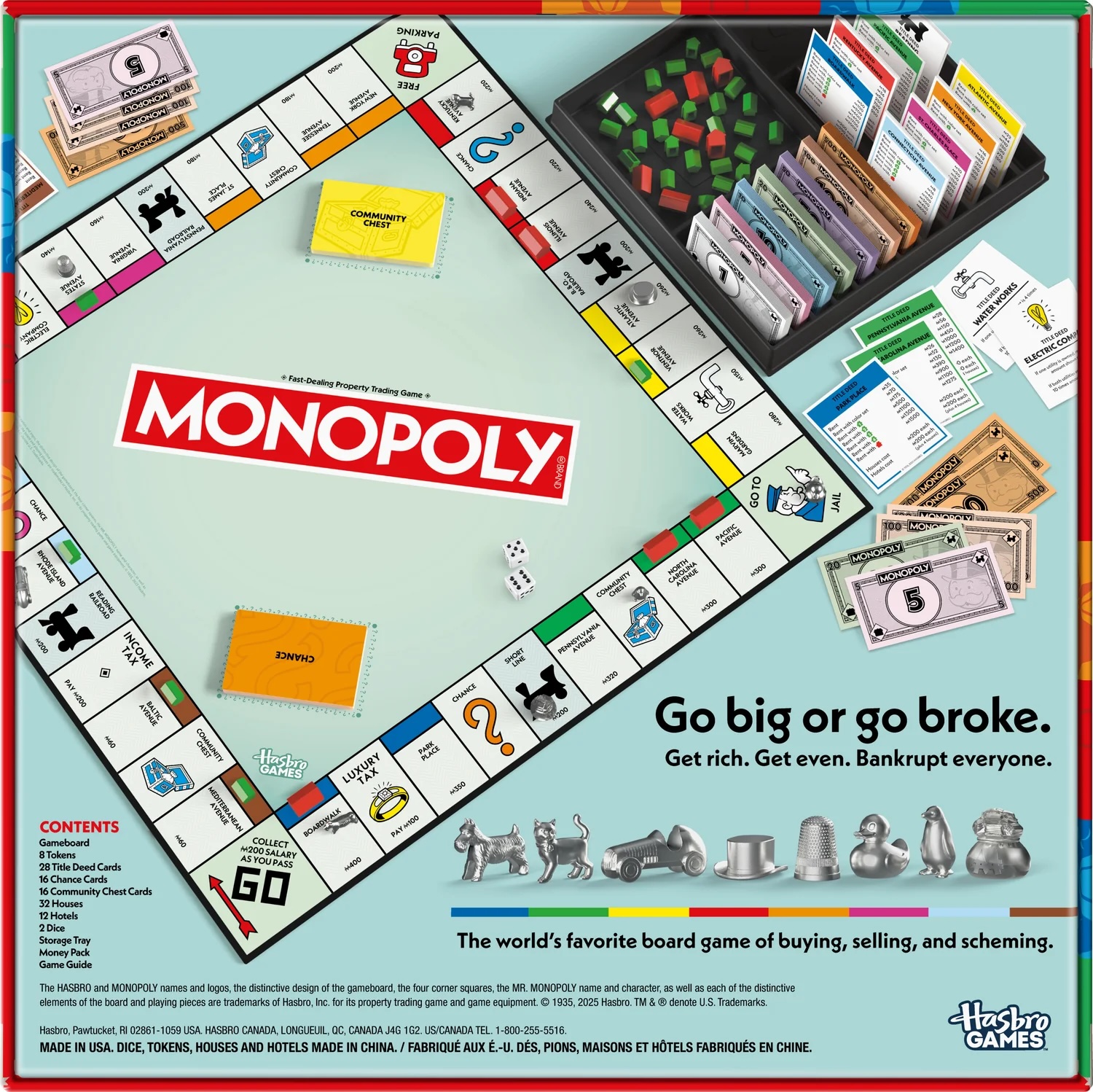
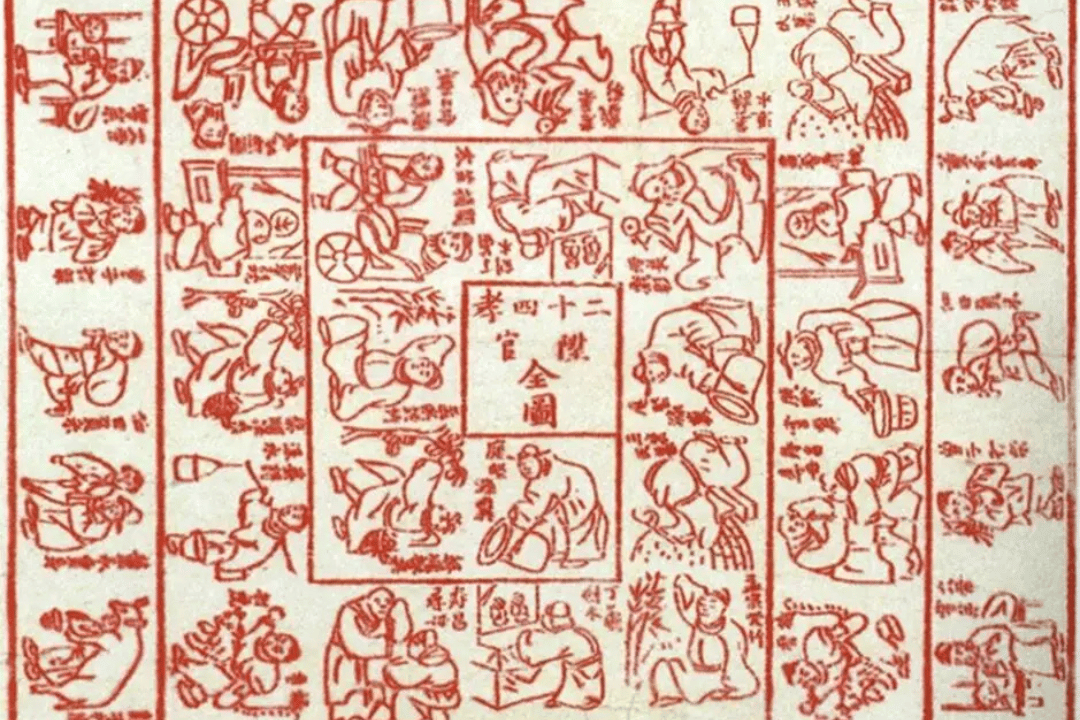
Meet Shengguan Tu (升官图, “Promoting Officials”), an ancient Chinese board game that plays remarkably like Monopoly—but with one major twist. Instead of buying up real estate or avoiding jail time, players navigate the elaborate and complex system of China’s imperial official ranks.
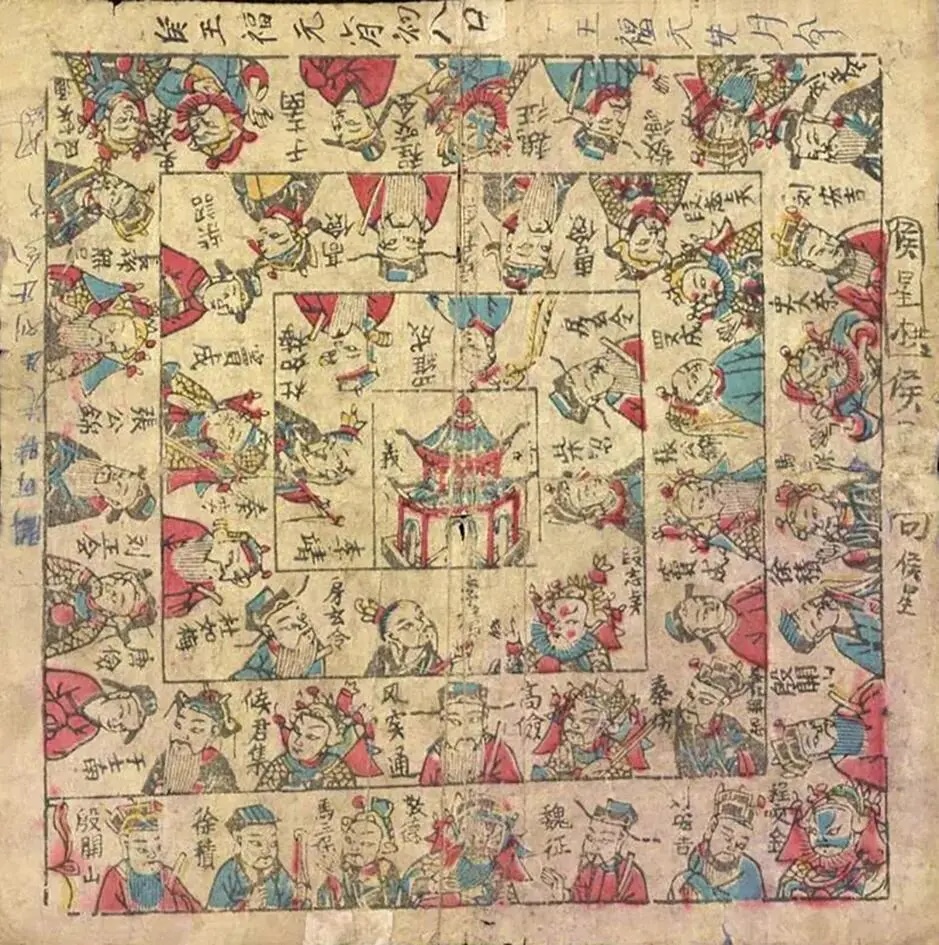
Tracing its roots back to the Ming and Qing dynasties, the game was built around the ultimate social fantasy of Imperial China: passing the grueling civil service exams and earning a prestigious bureaucratic title. Originally designed as both an educational tool for aspiring scholars and a casual pastime, Shengguan Tu transformed the daunting real-world political ladder into a thrilling tabletop race.
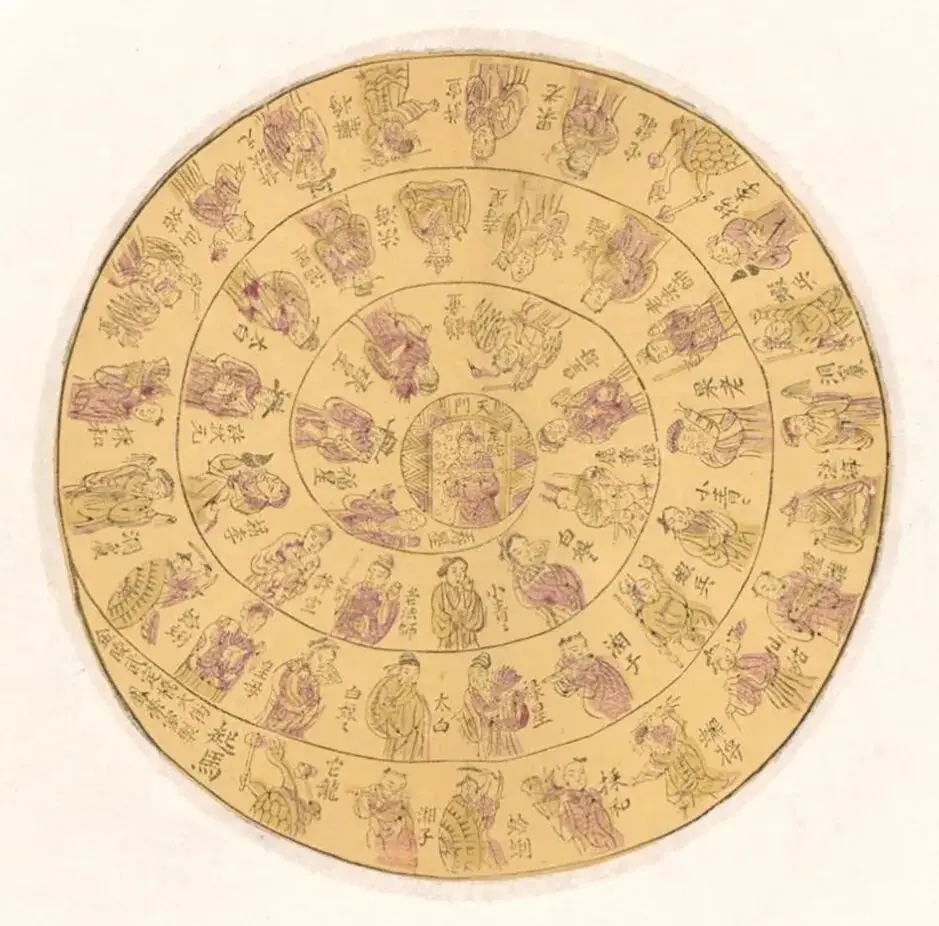
Players would spin a four-sided top or roll dice adorned with characters representing traits like “virtue,” “talent,” or “corruption.” Your rolls dictated your promotions or demotions, reflecting the volatile nature of court politics where a single misstep could mean exile, while a lucky streak could land you in the emperor’s inner circle.
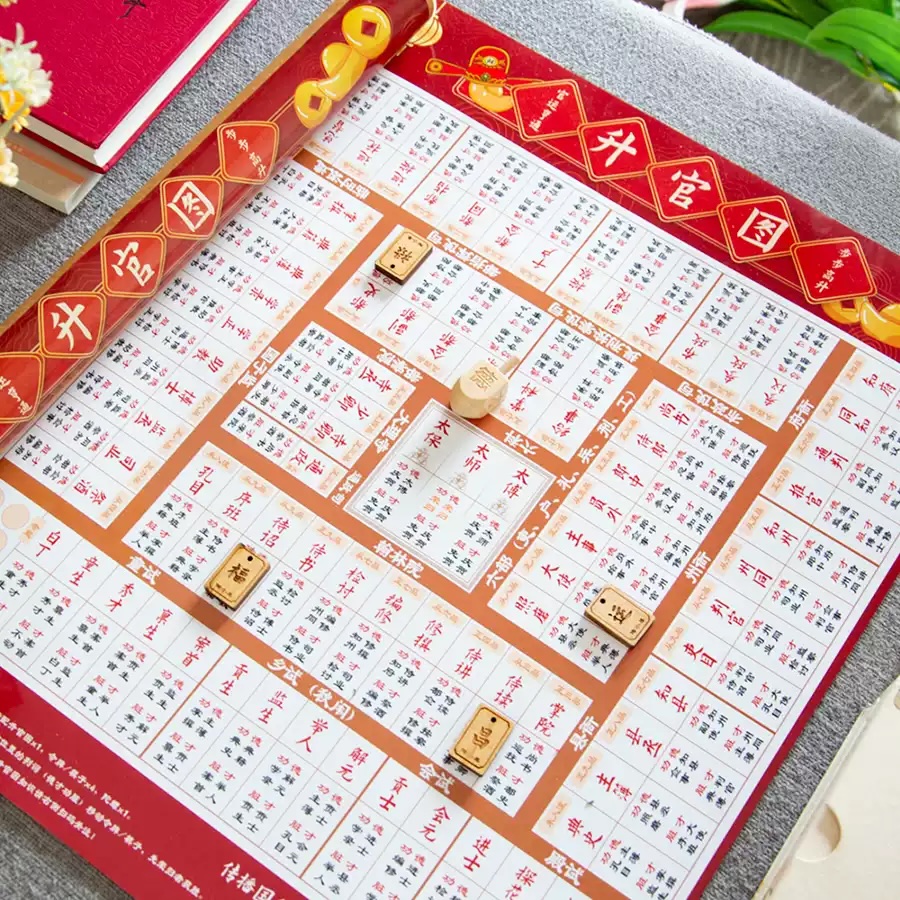
Today, as young people globally rediscover the magic of tabletop gaming, Shengguan Tu stands as a fascinating reminder that the hustle culture of climbing the ranks—and the desire to gamify it—is truly timeless.
Cover image via Sohu.