

Over a decade ago, Hasbro’s Furby captured imaginations as a “groundbreaking” interactive robotic furry toy, promising a futuristic personal pet experience. Fast forward to today, and that sci-fi dream isn’t just a reality; it’s a rapidly expanding, $4 billion industry in China, driven by the nation’s ambitious push for AI integration across society. But as these AI companions enter children’s bedrooms, the question remains: at what cost?
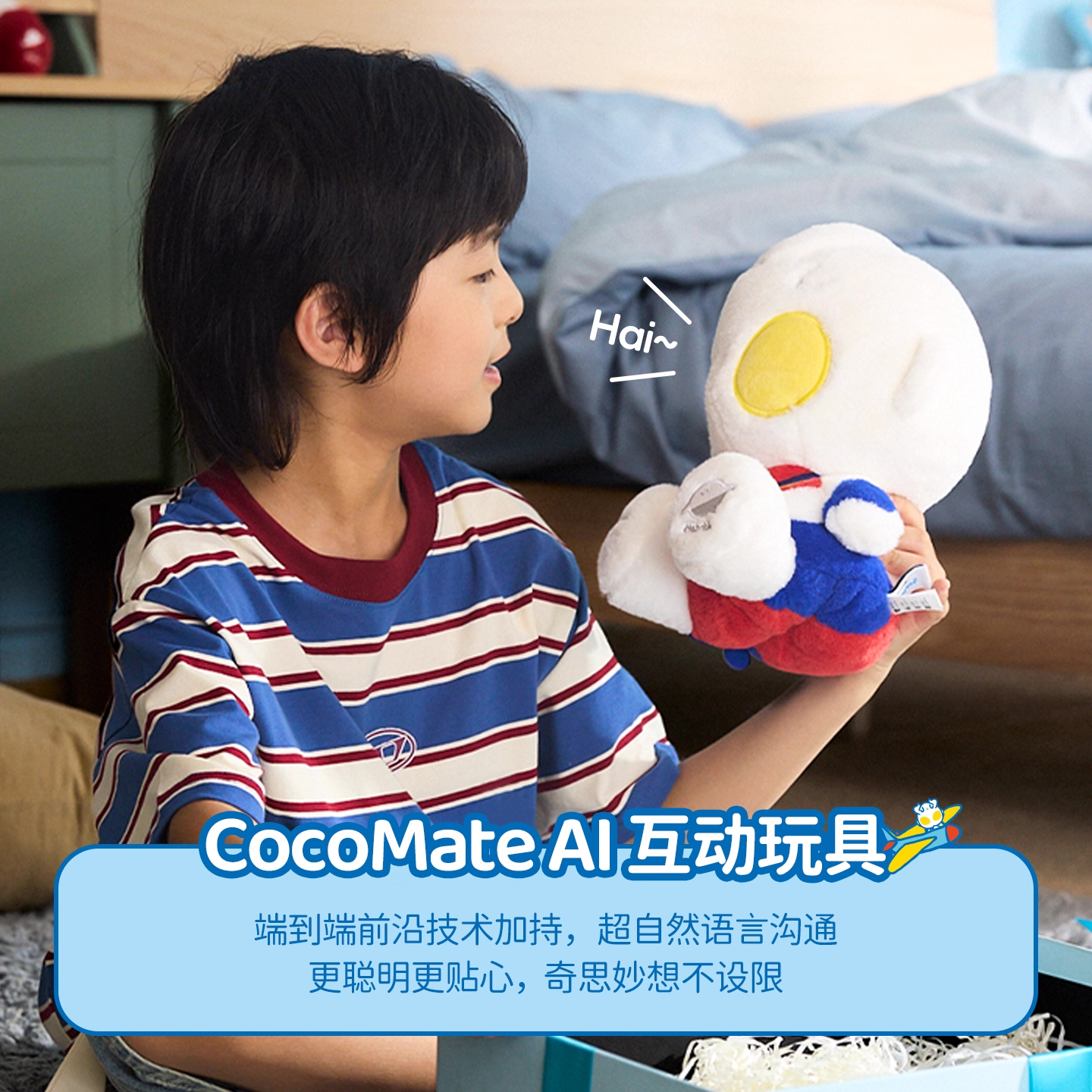
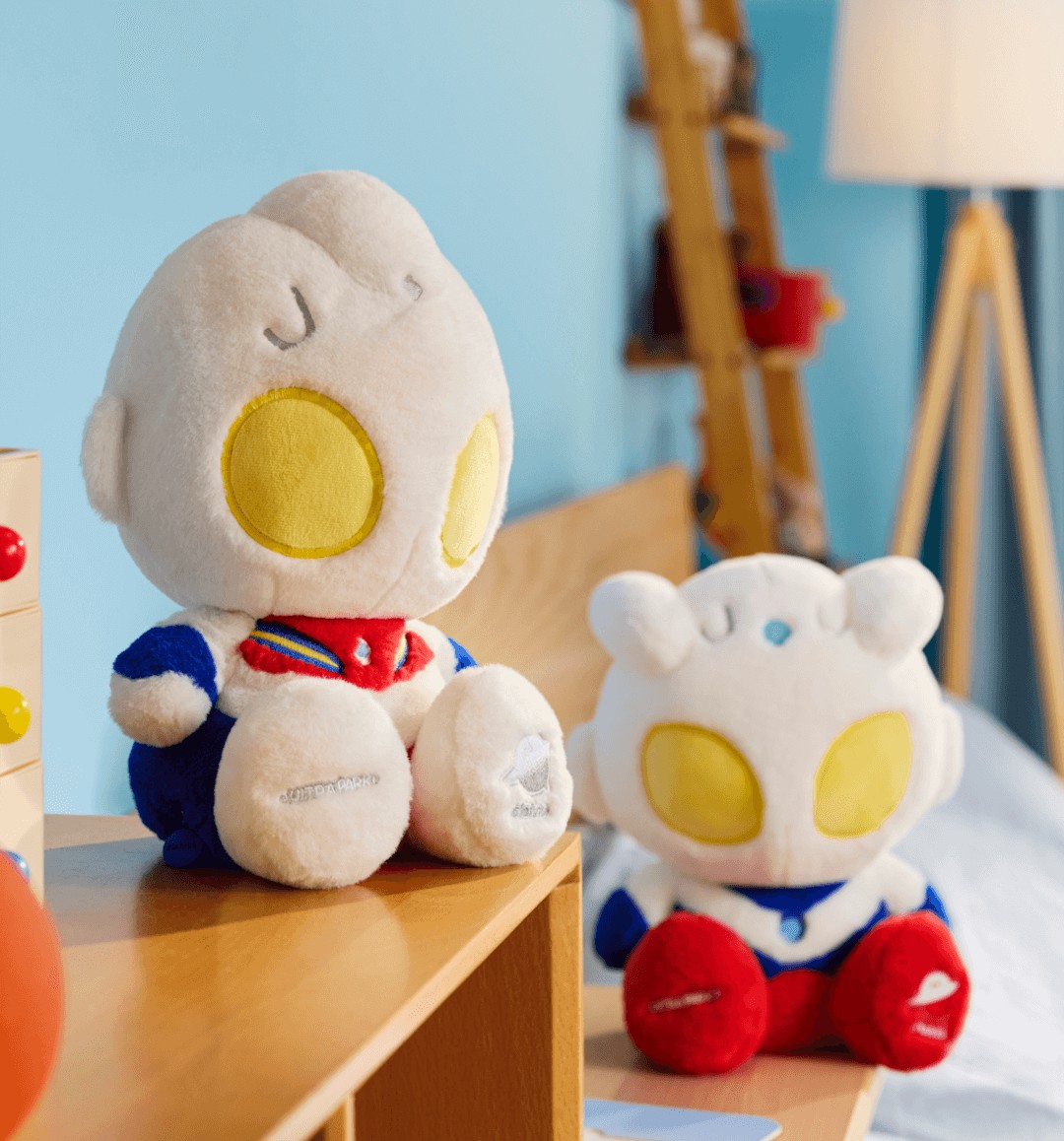
Chinese companies are leading the charge, redefining interactive play. Haivivi, for instance, offers CocoMate AI-powered plush toys, like an Ultraman that can engage in complex conversations, even advising children against peer pressure to do drugs with parental access to conversation transcripts, offering a new layer of oversight. Then there’s Chengdu-based Chongker, which developed an AI comfort cat that uses voice recognition and cloud-banked memories to adapt its behavior to its owner’s mood, complete with a simulated heartbeat for emotional connection. Keyi Tech’s Loona AI puppy zips around, recognizing up to five family members and learning the home’s layout.
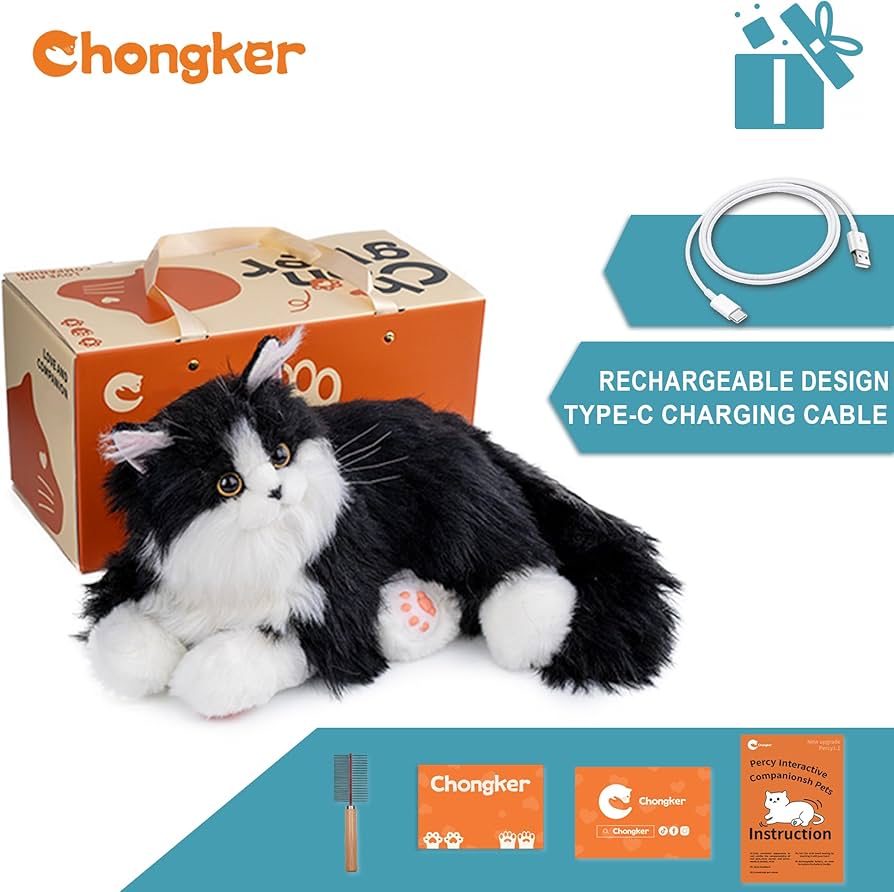

The benefits are clear: personalized companionship, adaptive behavior, and potentially even educational and emotional support. These toys can offer comfort and a unique form of interaction, learning a child’s preferences to create a truly tailored play experience.
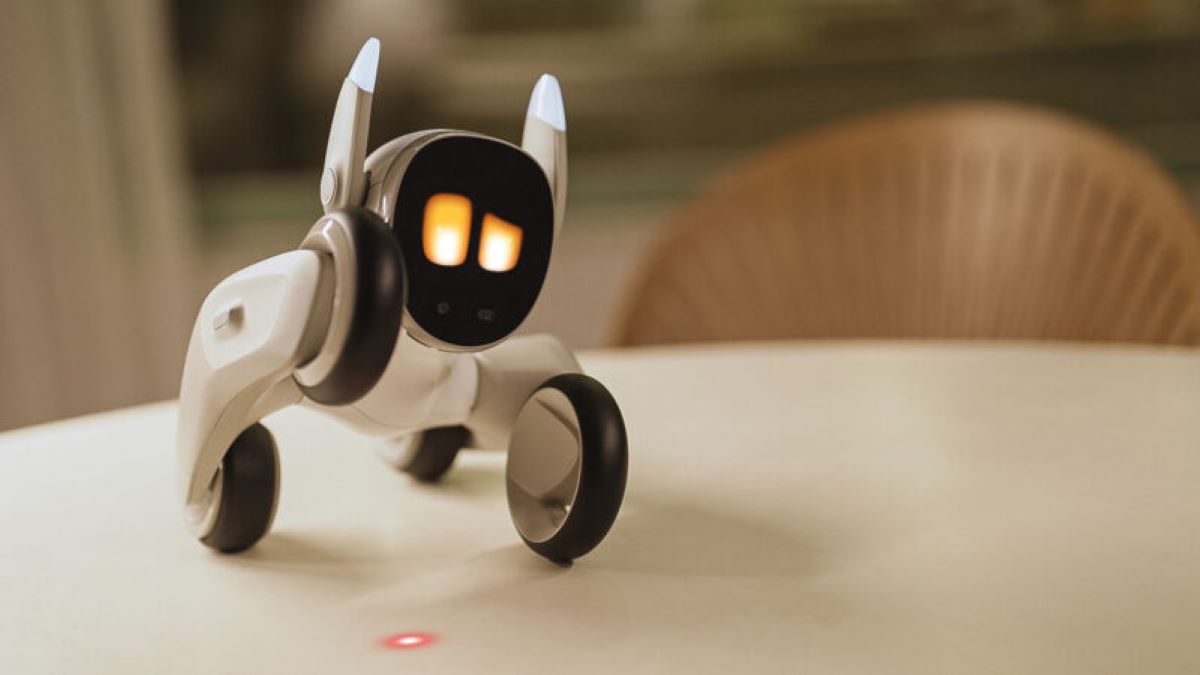
However, the integration of AI in toys designed for impressionable young minds introduces significant dangers. Research from groups like the U.S. Public Interest Research Group highlights that the long-term effects on children are largely unknown. Concerns abound regarding data privacy, as these toys often collect voice data and personal interactions. There’s also the risk of AI models “hallucinating” or providing inappropriate information, despite manufacturers implementing guardrails. Ensuring the safety, security, and developmental appropriateness of these highly intelligent playthings remains a paramount challenge.