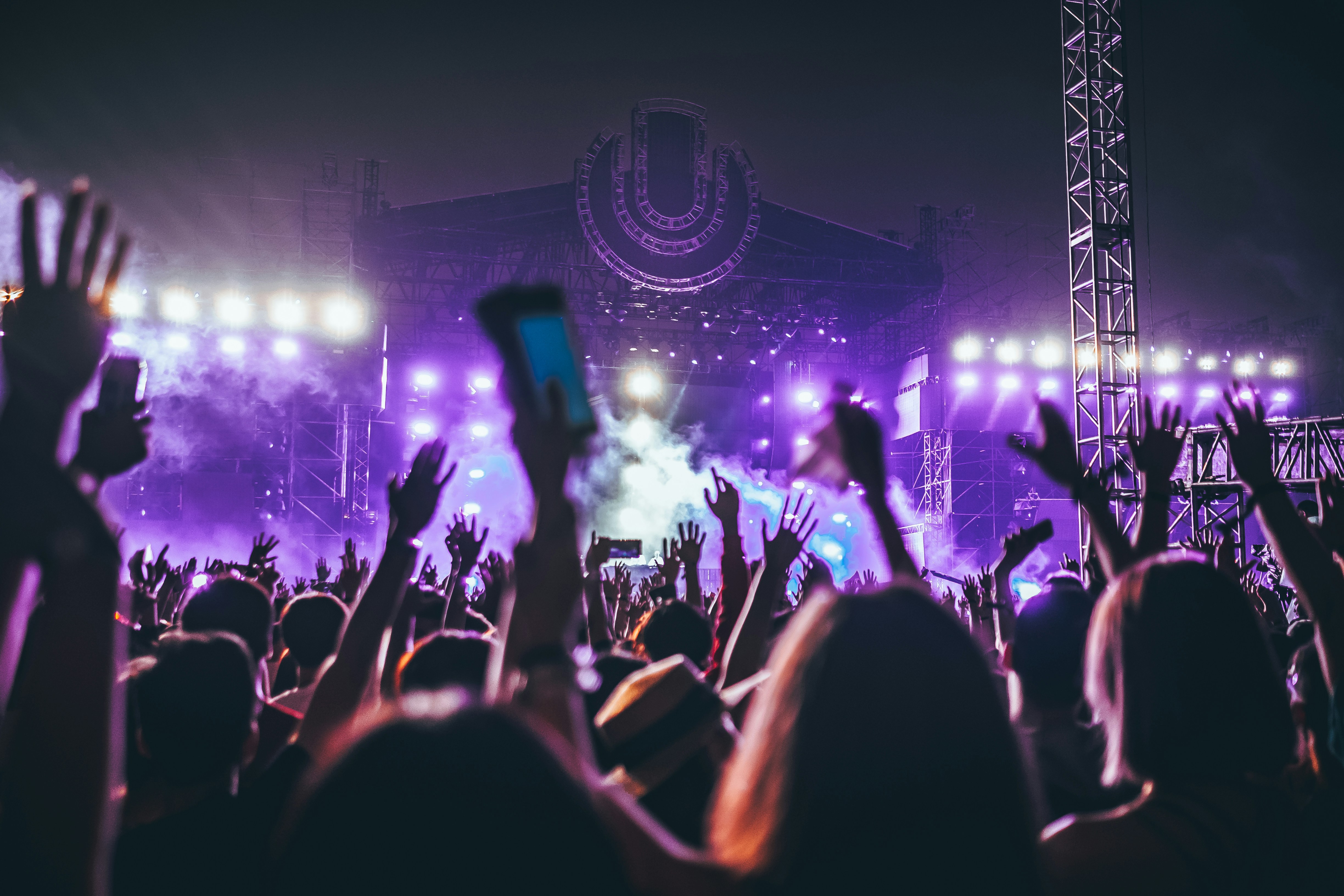
There’s a particular kind of anxiety that has clouded weekends in Shanghai. You open your phone to buy a ticket, maybe for a big upcoming concert, a festival in the mountains, or a pop-up event in Jing’an—and you find the same two words waiting for you: SOLD OUT.
Welcome to the new Shanghai problem: too much city, too many people, not enough capacity. We’ve all seen a blind box reveal or a Chanel haul, but amongst China’s Gen Z, the new flex is a screenshot of a successful ticket grab—proof you got in before everyone else. In this era, access is the new luxury.
A 22-year-old Shanghai resident interviewed by SCMP described allocating nearly 80% of her living expenses to attending three or four live performances a week. On social media, it’s clear that high-demand tickets have become a form of social currency, with young people queuing for hours in presales or even using bots. Attendance is proof that you’re in the know and gives a story to tell.
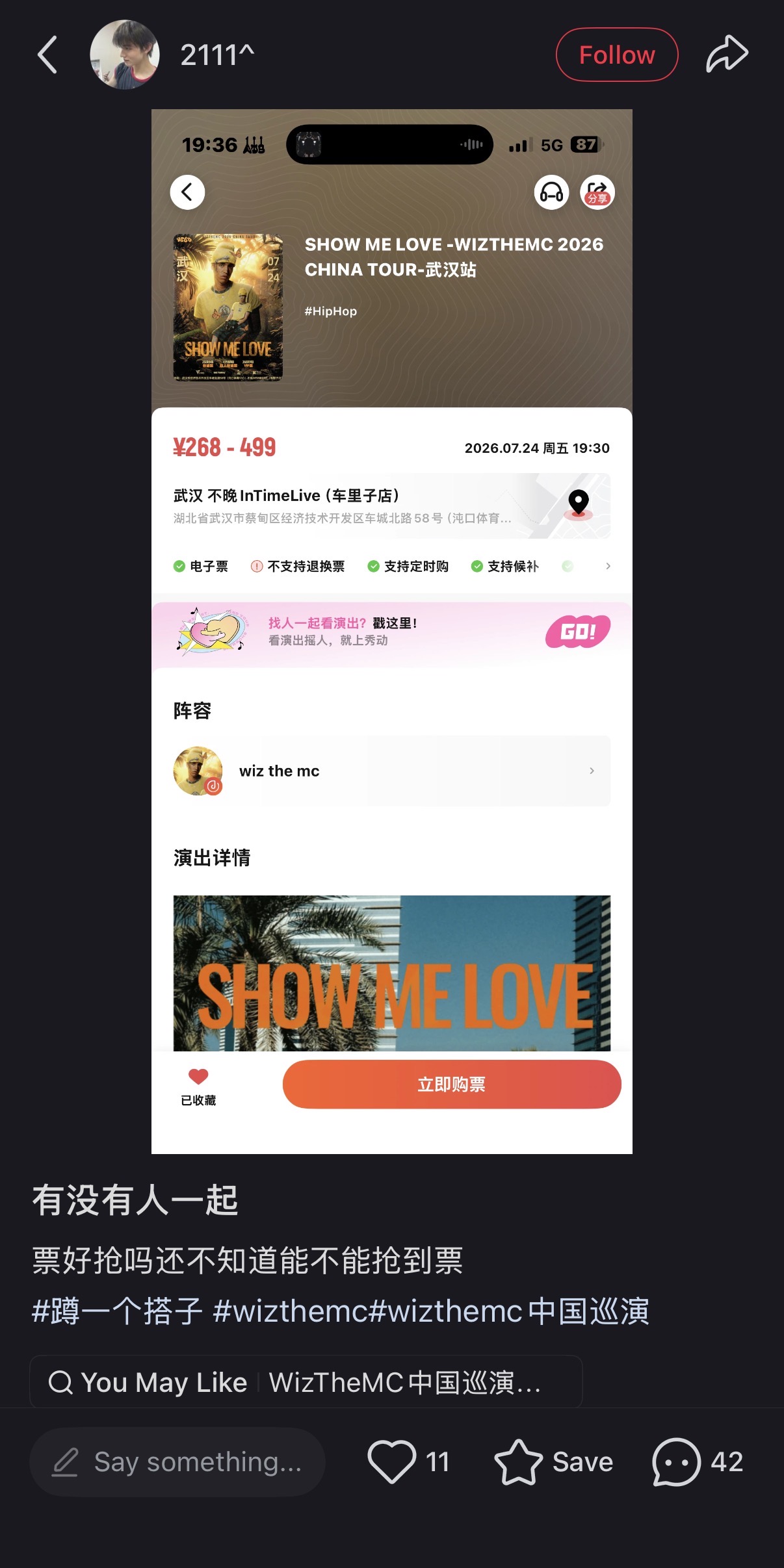
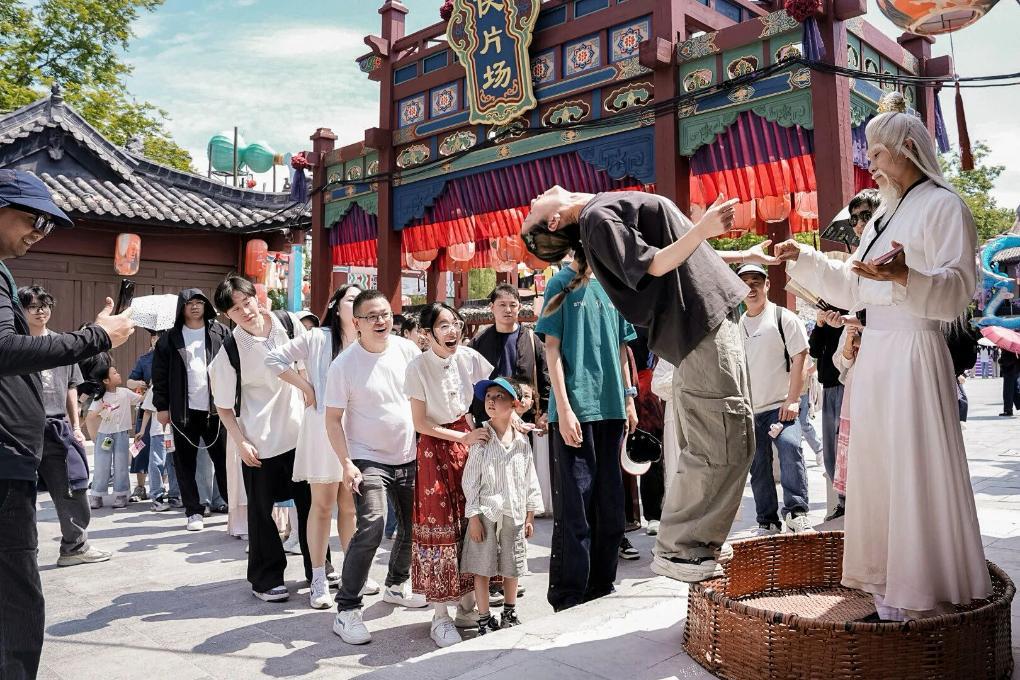
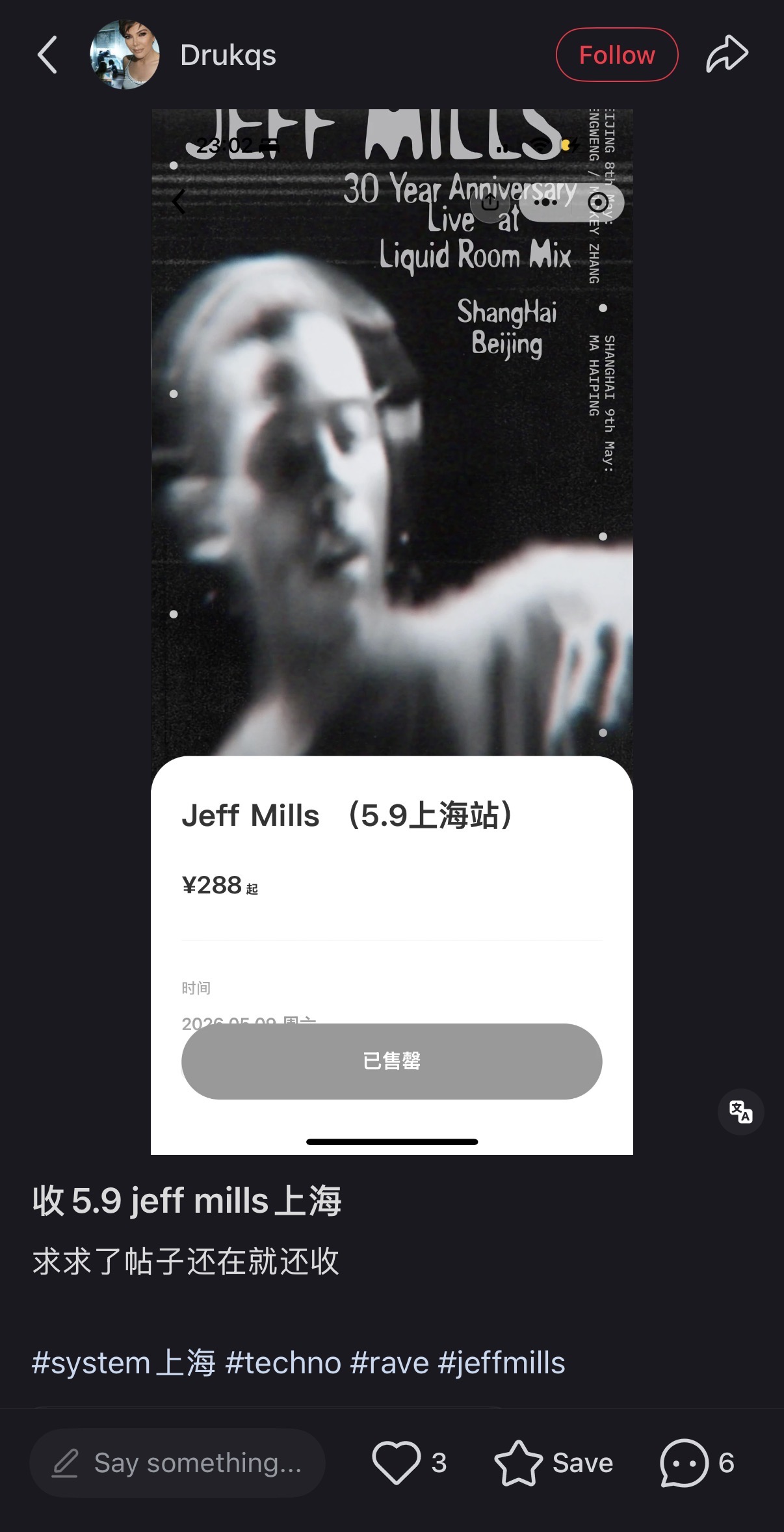
The desperation has its own term: qiupiao (求票)—literally “begging for tickets”—which has become a trend of its own on Xiaohongshu and Weibo, where people post pleading notes, sometimes with selfies, sometimes with offers to pay above face value, hoping a stranger will take pity. It’s part ad, part public cry for help. The fact that someone would broadcast their desire to attend so openly says something about how much being in the room now matters, and how being locked out feels less like missing a show and more like missing a major moment happening without you.
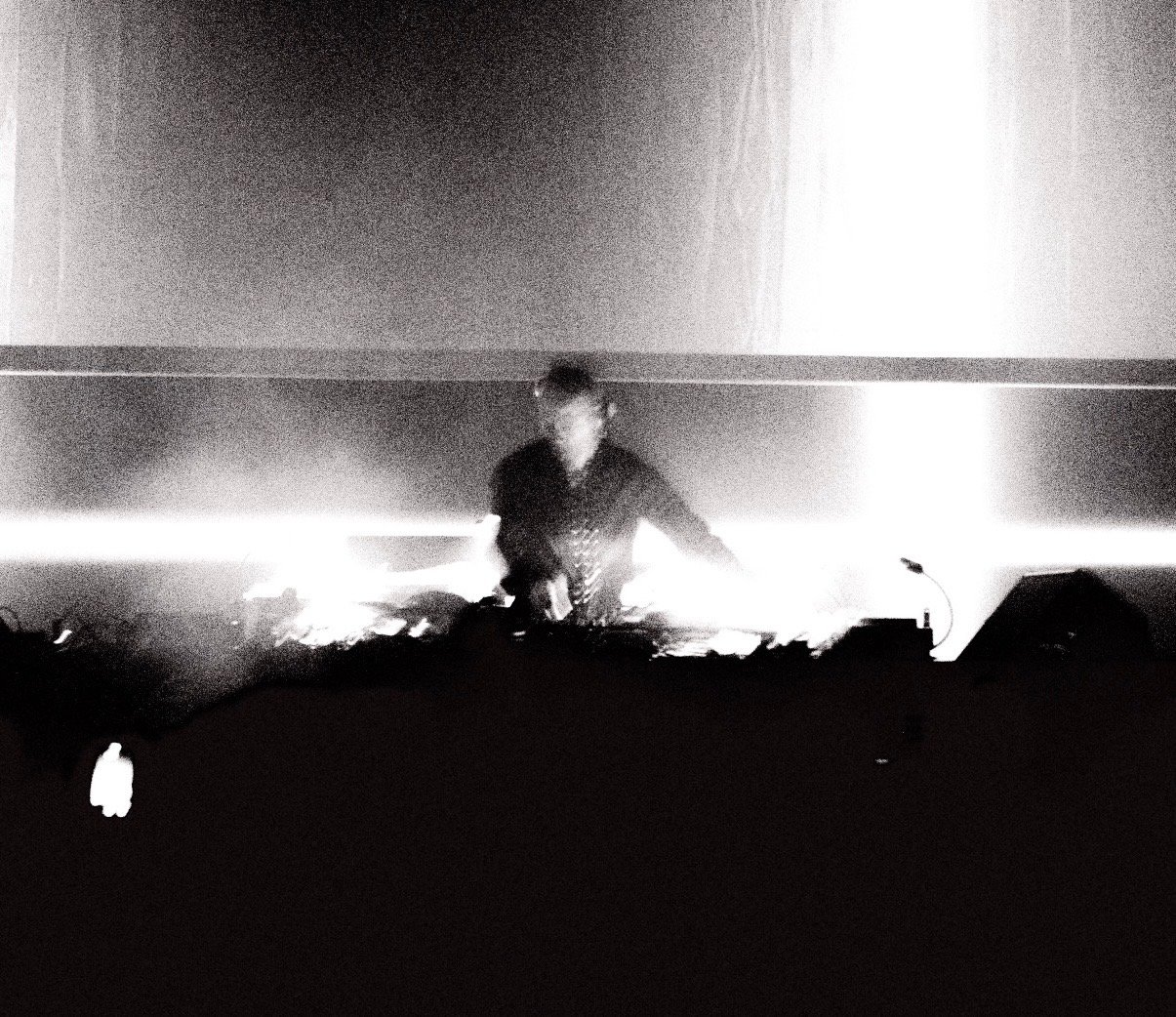
In March, Formula One returned to Shanghai for the Chinese Grand Prix, drawing an estimated 220,000 fans. The same year, Tomorrowland made its China debut at the Hero Dome on the Bund, the first indoor Tomorrowland anywhere in the world. Last month, cult British shoegaze icons Slowdive touched down, and ALTER, together with Byyb Radio, threw a much-anticipated rooftop party above Yu Garden. There’s no shortage of things to do, just spots available. In total, Shanghai plans to host 178 major sporting and entertainment events this year, according to municipal government projections.
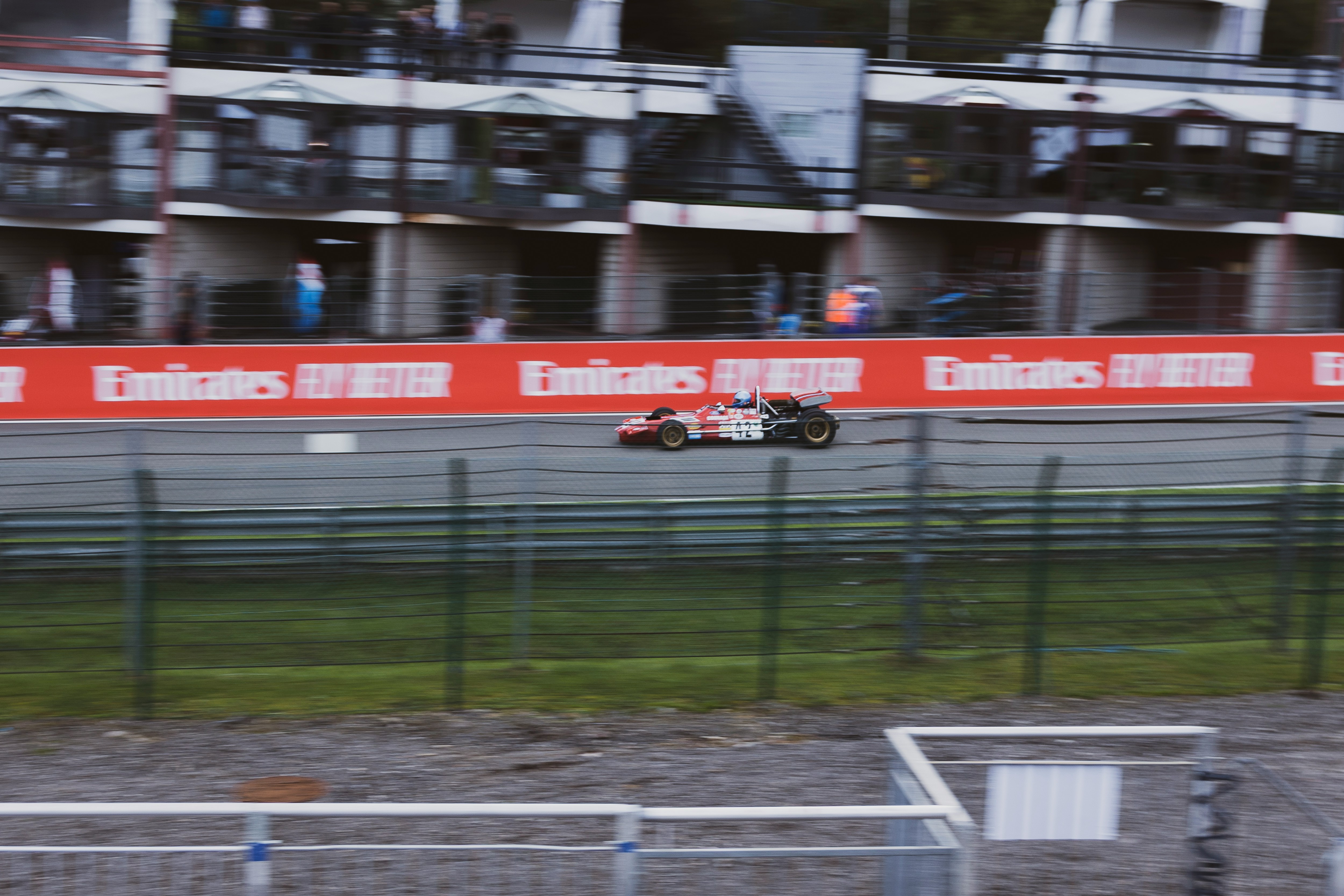
The scale is quite staggering, and the economics here are too. Researchers estimate that every 1 RMB spent on concert tickets generates at least 4.8 RMB in ancillary spending across dining, transportation, retail, and lodging, with hotel rates sometimes doubling during major events. City planners know this. Shanghai is banking on international sporting events and concerts to revive consumer spending and counter blows to confidence caused by the trade war and international instability. And with recently relaxed visa restrictions for Western travelers, the appetite is only going to increase.
Consumers aged 18 to 34 are particularly likely to engage in experience-driven consumption, prioritizing moments over material possessions. Why? Well, this is a generation navigating unpredictable inflation, post-AI economies, and a poor job market. Considering that experiences don’t depreciate, the luster is understandable.
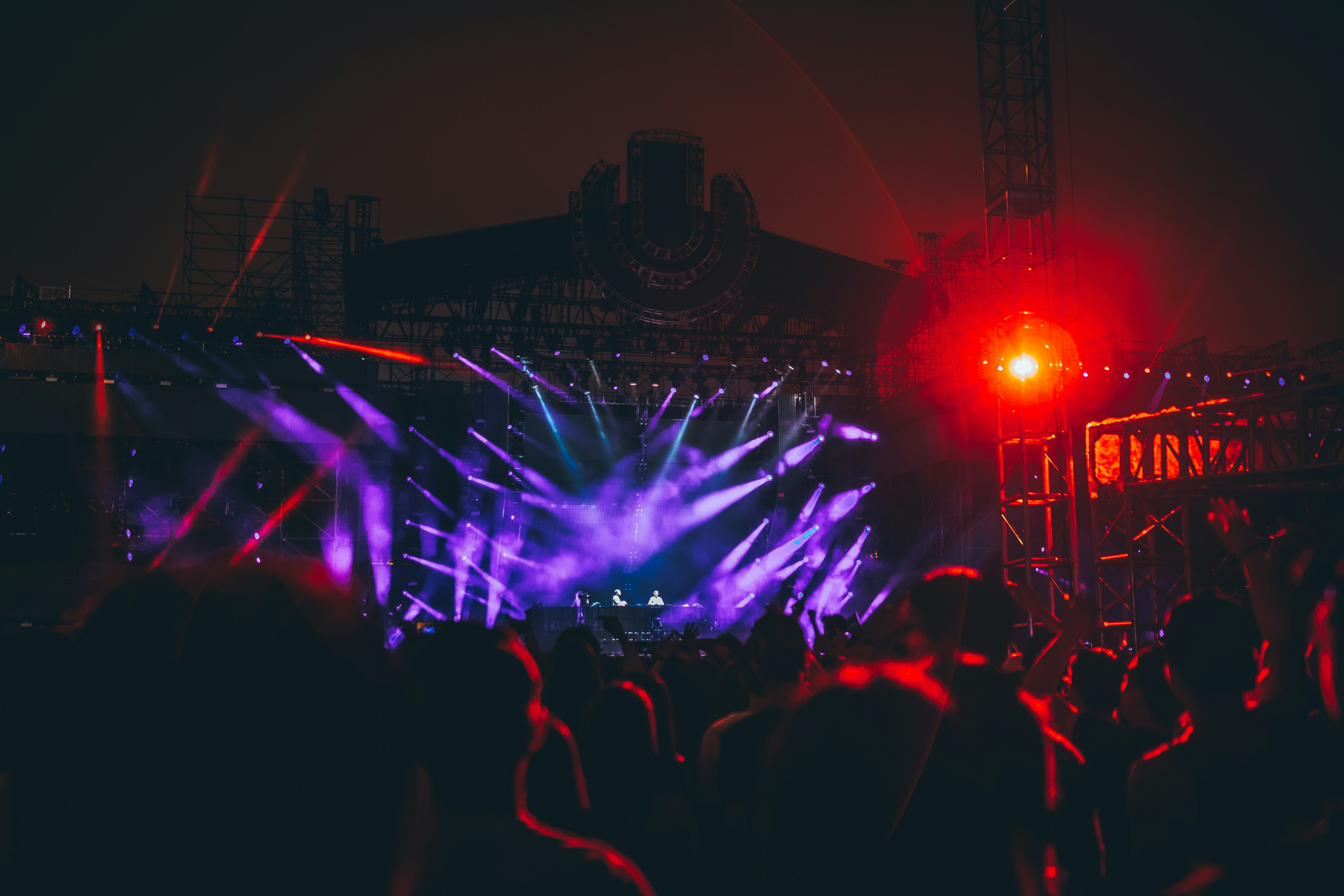
The question worth sitting with isn’t whether this is good or bad. It’s whether the experience economy, as it’s being engineered, actually belongs to the people living in it — or whether it’s just monetizing the social needs of its youth as the loneliness epidemic plagues Gen Z across the world. The open sign is up for those who can afford it, but the rest?
The status quo is flexing items: a new bag, a new watch, or a car. This recentering of gravity highlights a new luxury — access and free time. In a city where 996 culture has stripped most people of ample leisure time, “having somewhere interesting to be” is the real privilege to show off.
The weekends keep selling out, and that’s the point.
Cover image via Xiaohongshu.