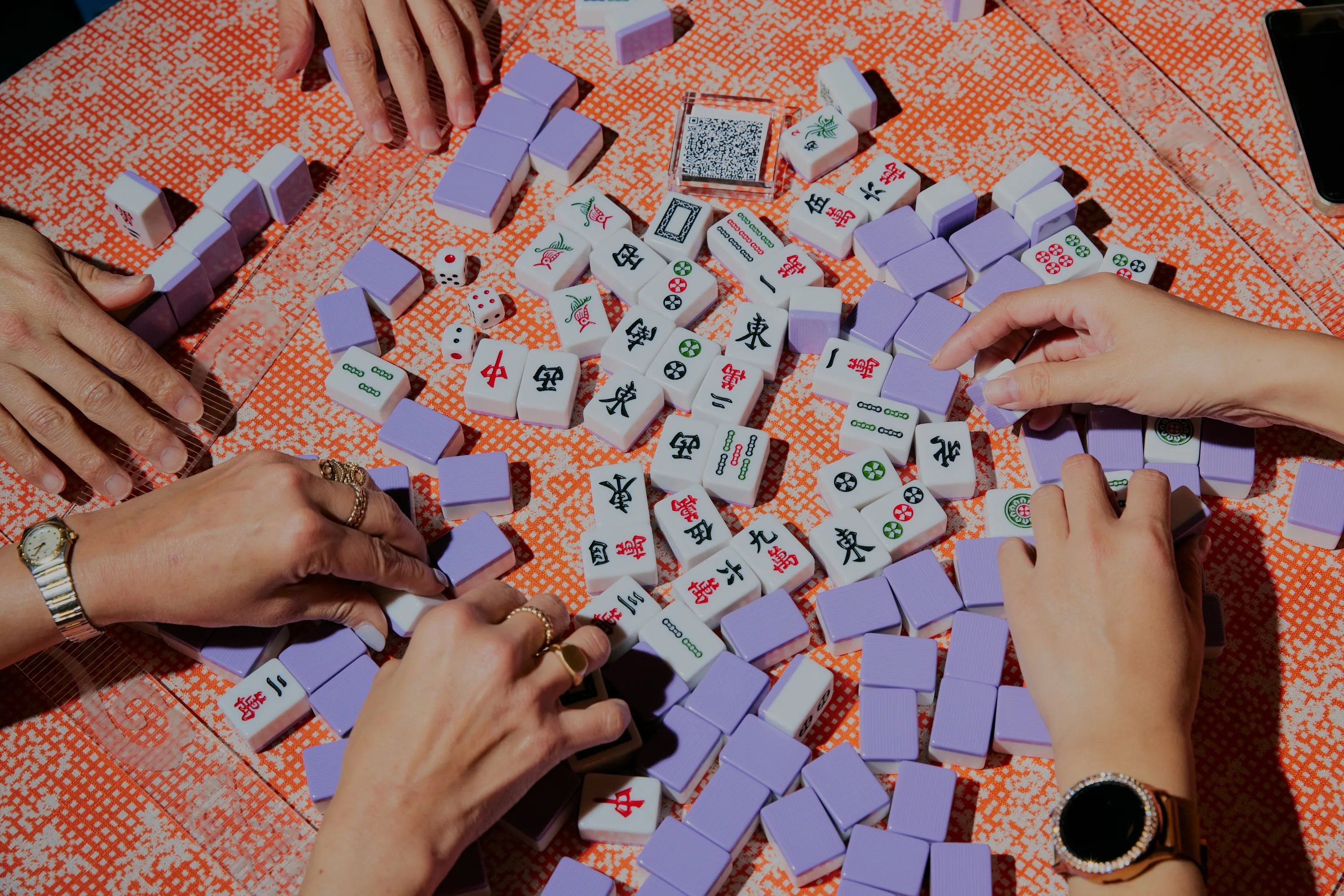
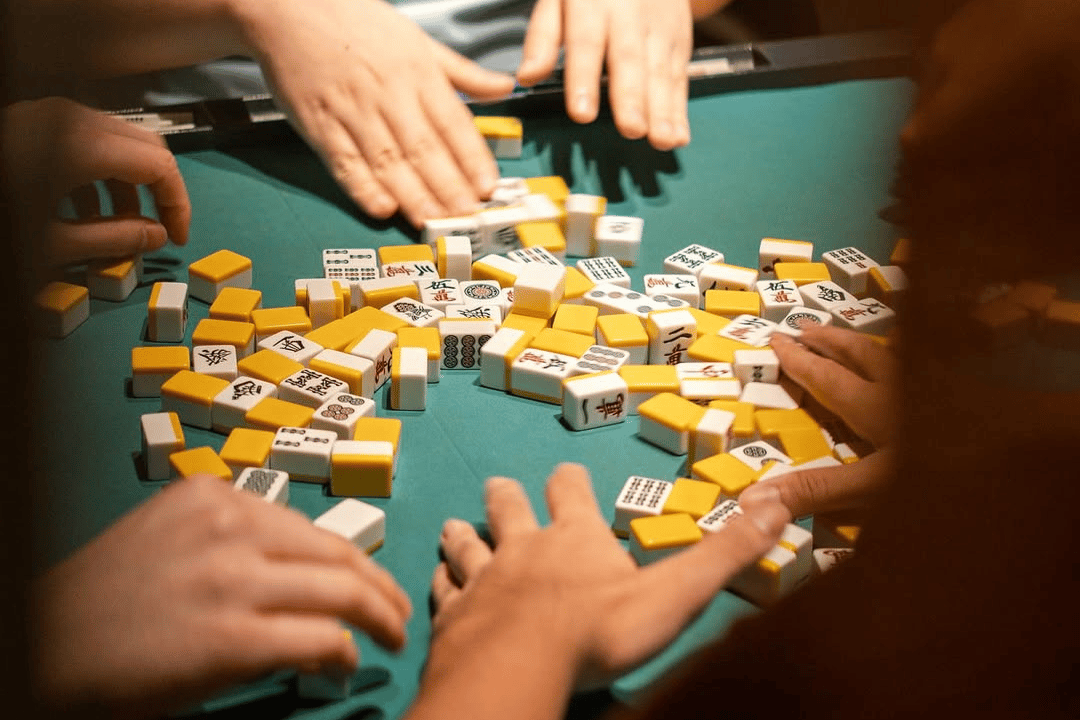

Trendy cafes across Jakarta and Surabaya have fueled mahjong’s explosive rise among Indonesia’s millennials and Gen Z, a generation raised on screens now hooked on a tactical game that demands probability management, intense observation, defensive planning, and calculated risk-taking—the same gritty skills it takes to navigate life itself.
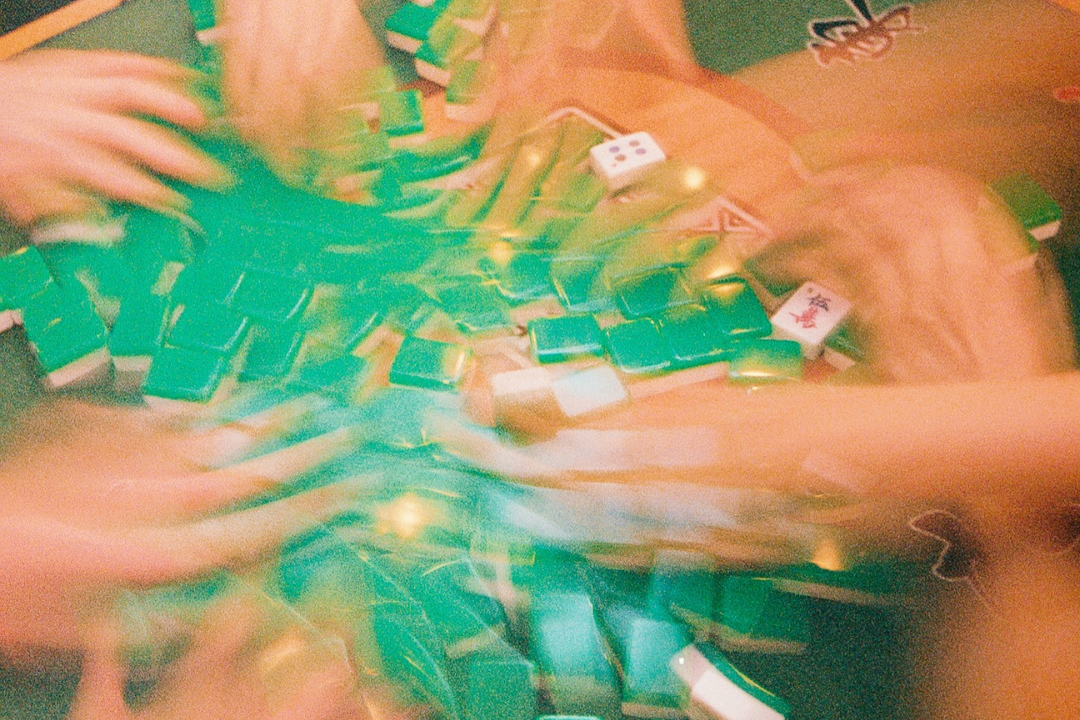
For others, though, mahjong is all about togetherness, a throwback to gathering with family and friends in an era when real-life interaction feels more necessary than ever, offering a much-needed escape from the digital noise and a chance to just vibe with the people who matter most. Thus, mahjong has exploded across Indonesia, packing lounges in Jakarta and buzzing cafes in Surabaya overnight.
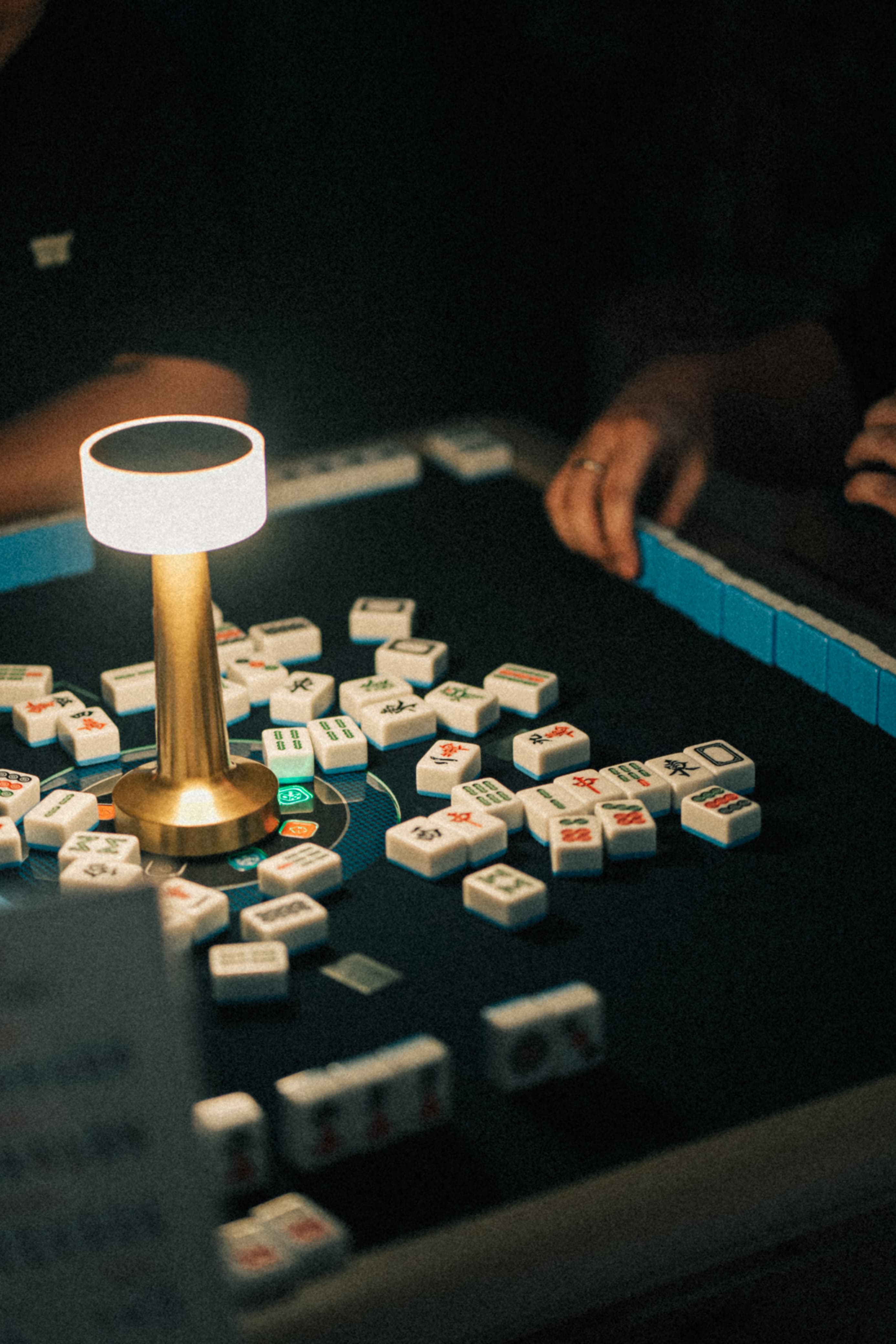
Mahjong has long been a staple of Indonesian family gatherings, especially on Chinese New Year’s Eve, though its history in the country is complicated. Under Suharto’s regime, the game was effectively restricted by Presidential Instruction No. 17, signed in December 1967. China also banned mahjong for over 40 years during the mid-20th century, linking it so closely to capitalist corruption that the state shut it down.
Christopher Kusuma, founder of Surabaya’s mahjong lounge Four Winds, got completely hooked on the game after watching Crazy Rich Asians. In that iconic scene, Rachel Chu deliberately throws a winning hand to Eleanor Young, a metaphorical showdown where the West sacrifices for the East, and for Kusuma, that moment was pure magic.
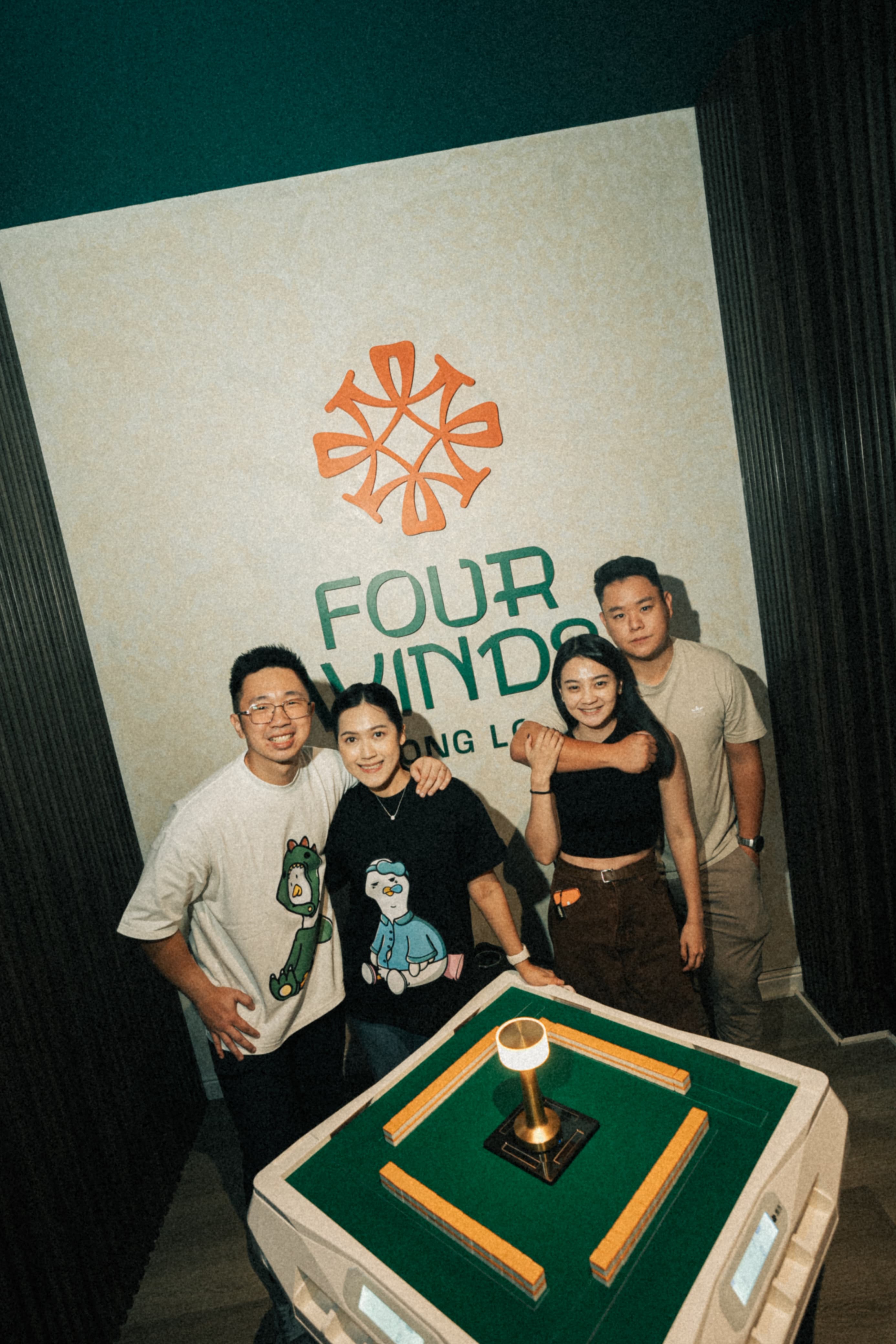
“That scene stuck with me. It wasn’t just a game. It felt like a space where people actually connect, talk, and challenge each other mentally—no physical stuff required,” Kusuma said of his first encounter with mahjong.
Opening a mahjong lounge wasn’t even on his radar at first, but watching everyone around him slowly burn out on screens shifted his thinking entirely. While padel courts kept popping up all over Surabaya, he noticed something much quieter was missing: barely any mahjong spots remained, and those old gathering places where Chinese-Indonesian families once connected had pretty much vanished.
“We’ve all been drowning in the digital world, and people are just craving a real reason to step back and look each other in the eye again, not through a screen,” Kusuma added of what pushed him to open a mahjong lounge.
“That was the moment it hit me. What if we created a place where people could actually unplug, vibe together, make real connections, and maybe even meet new people, all through something as simple but low-key deep as a game?”
The same wave has now crashed into bigger cities, including Jakarta, where Riichi Indonesia has become one of the country’s fastest-rising mahjong communities, running a version that hits different since it follows Japanese rules, a variation tracing all the way back to 1924, when a soldier named Saburo Hirayama first brought mahjong to Japan.
Formed by a group of friends in 2019 to promote Riichi Mahjong across the Greater Jakarta region, Riichi Indonesia quickly expanded to other cities by securing slots for the IORMC (International Online Riichi Mahjong Competition) and hosting offline events, notably at FORNAS (National Festival of Community Sports), which drew 56 participants. They’ve since built an international name through the WRC (World Riichi Championship) and APRC (Asia-Pacific Riichi Championship), all with one goal: to establish Riichi Mahjong as a mind sport everyone can enjoy.
The club has been spreading across multiple cities, and according to their website, scenes are popping up in Malang, Bandung, Yogyakarta, and beyond, proof that offline play has pulled in a younger crowd like never before.
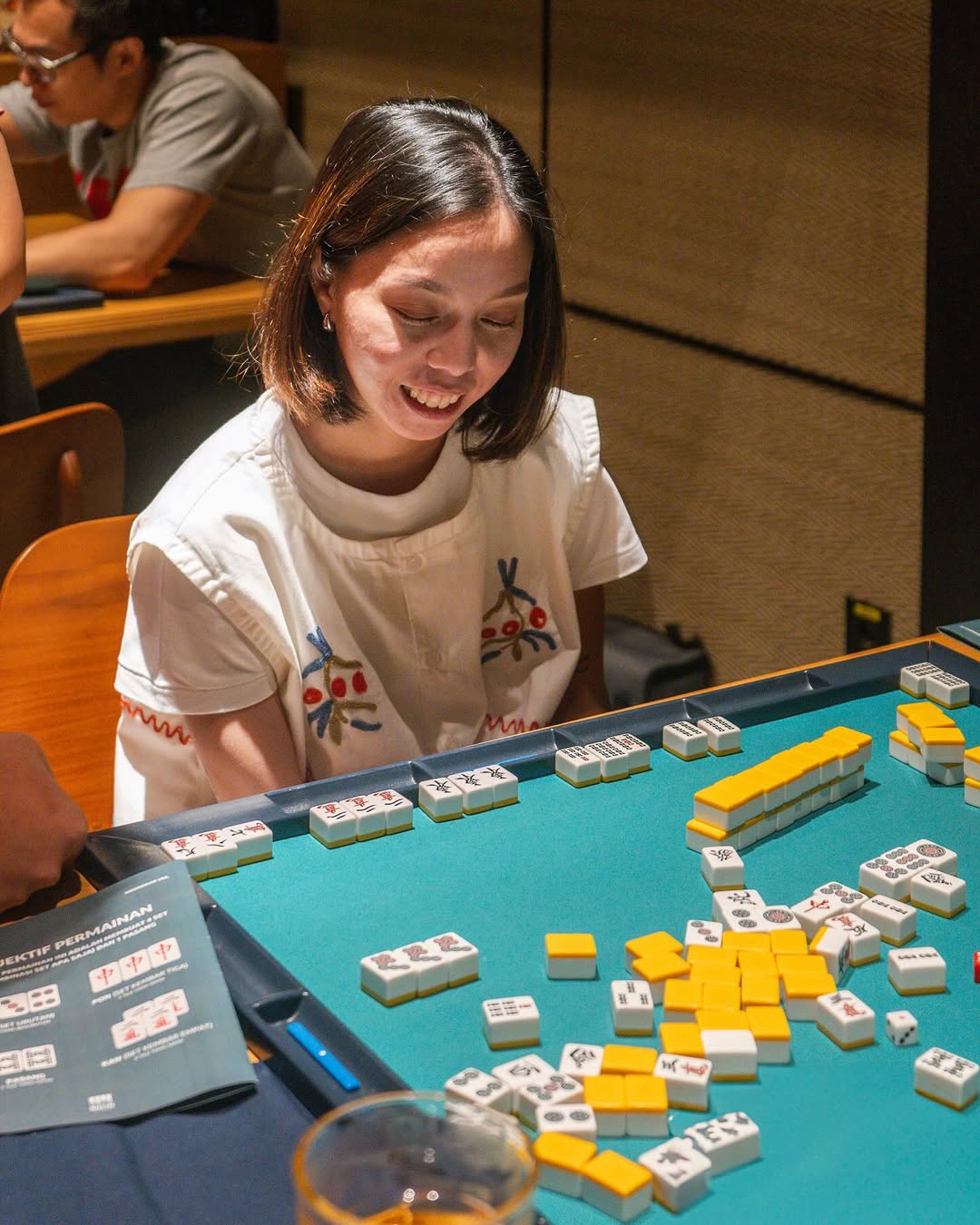
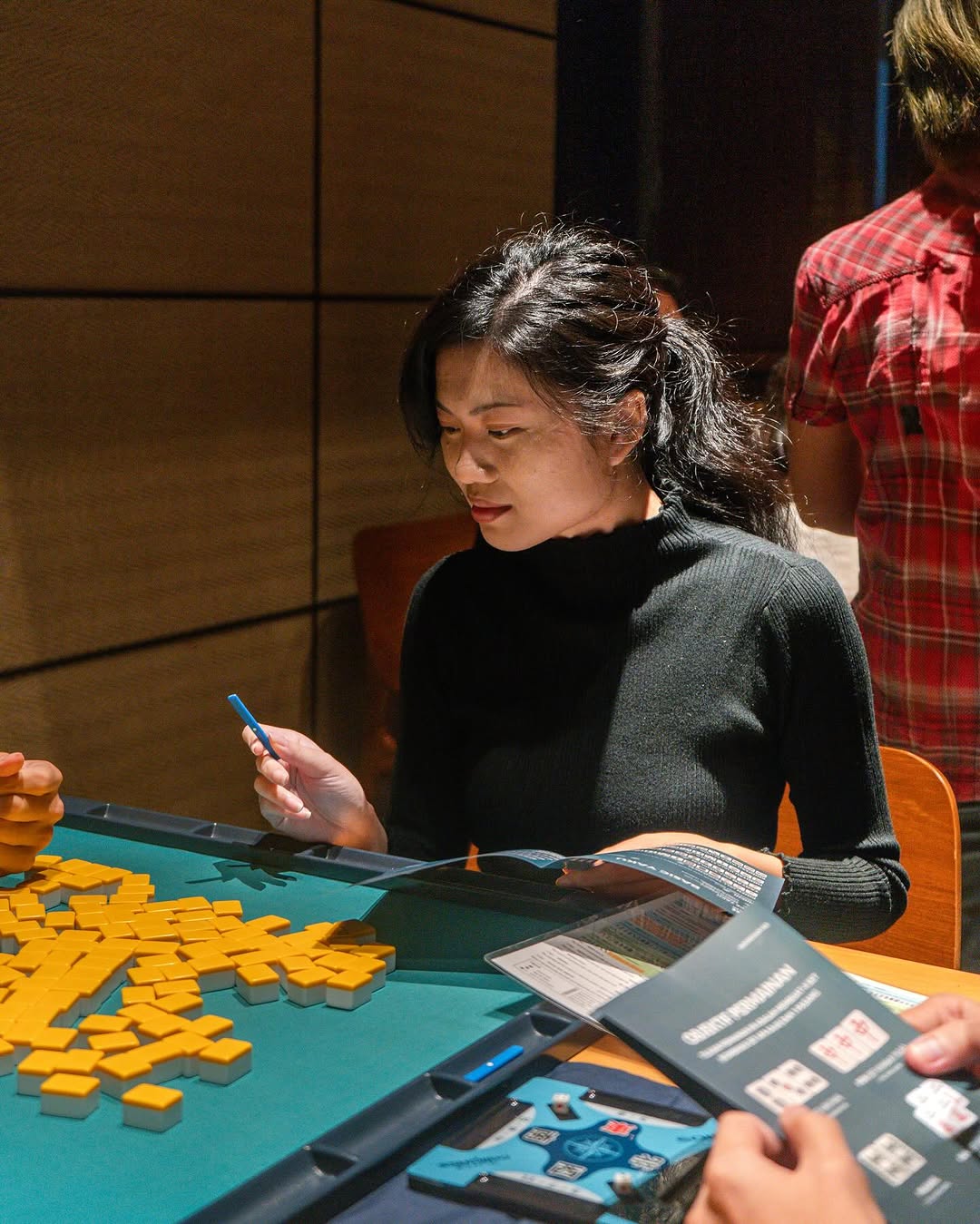
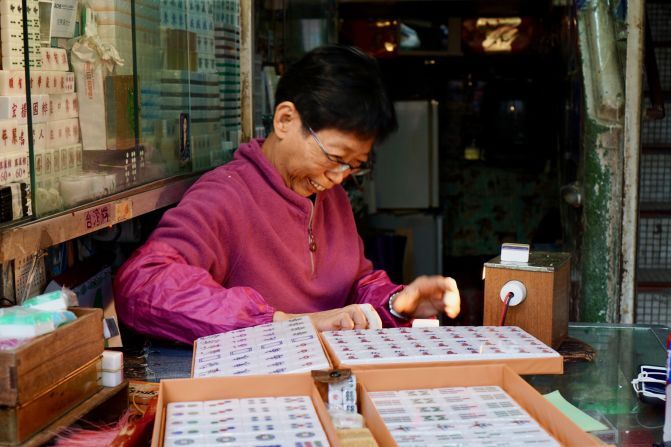
As a Chinese Indonesian who grew up watching his mother and her friends gather over classic tiles, Fai has always been into mahjong, a game that, if games had a Met Gala, would show up best dressed with its handcrafted tiles painted by masters, some even carved from bone, bamboo, or ivory.
“Mahjong is close to my heart and brings back good memories. Growing up Chinese in Indonesia, I played it my whole life. My mom always had friends over, but she didn’t like playing much, so I’d play for her while she talked. Now it’s different. I treat it like a competitive sport I grind at every day, not just a casual game,” he shared, but it wasn’t until he grew up and stumbled on the Japanese version of the game during a deep scroll through YouTube that he finally wanted to give it a shot.
“My parents taught me Chinese Mahjong when I was five, but I didn’t discover Riichi Mahjong until the YouTube algorithm dropped a video of Japanese players going head-to-head in a competitive league right on my homepage,” Fai shared, explaining when his interest really took off. Since then, the community he built has been growing little by little.
Fai shared that ever since he started the community back in 2018, he has watched a lot of his friends get seriously into it, with some even turning mahjong into a competitive sport instead of just a casual hobby. “I think Riichi Mahjong blew up because it’s finally getting international recognition, thanks to World Riichi pushing the hobby globally and M-League selling it as straight-up entertainment,” he added, wrapping up his story right after office hours in Jakarta.
Although mahjong delivers way more than just another board game experience in an industry that remains stubbornly Eurocentric, a staggering 92.6% of the designers behind BoardGameGeek’s 400 top-ranked games were white men, a reality that makes mahjong not just a refreshing shake-up but a raw opportunity to plug into Chinese culture, especially now that Chinamaxxing is absolutely owning the global spotlight.
Nostalgia has fueled mahjong’s global comeback, but the pull goes way deeper than just gameplay. A new wave now arrives, drawn purely by the aesthetic, one that collects handcrafted tiles painted by masters and often carved from bone, bamboo, or ivory, and that hands-on connection to tradition is exactly what some creators tap into.
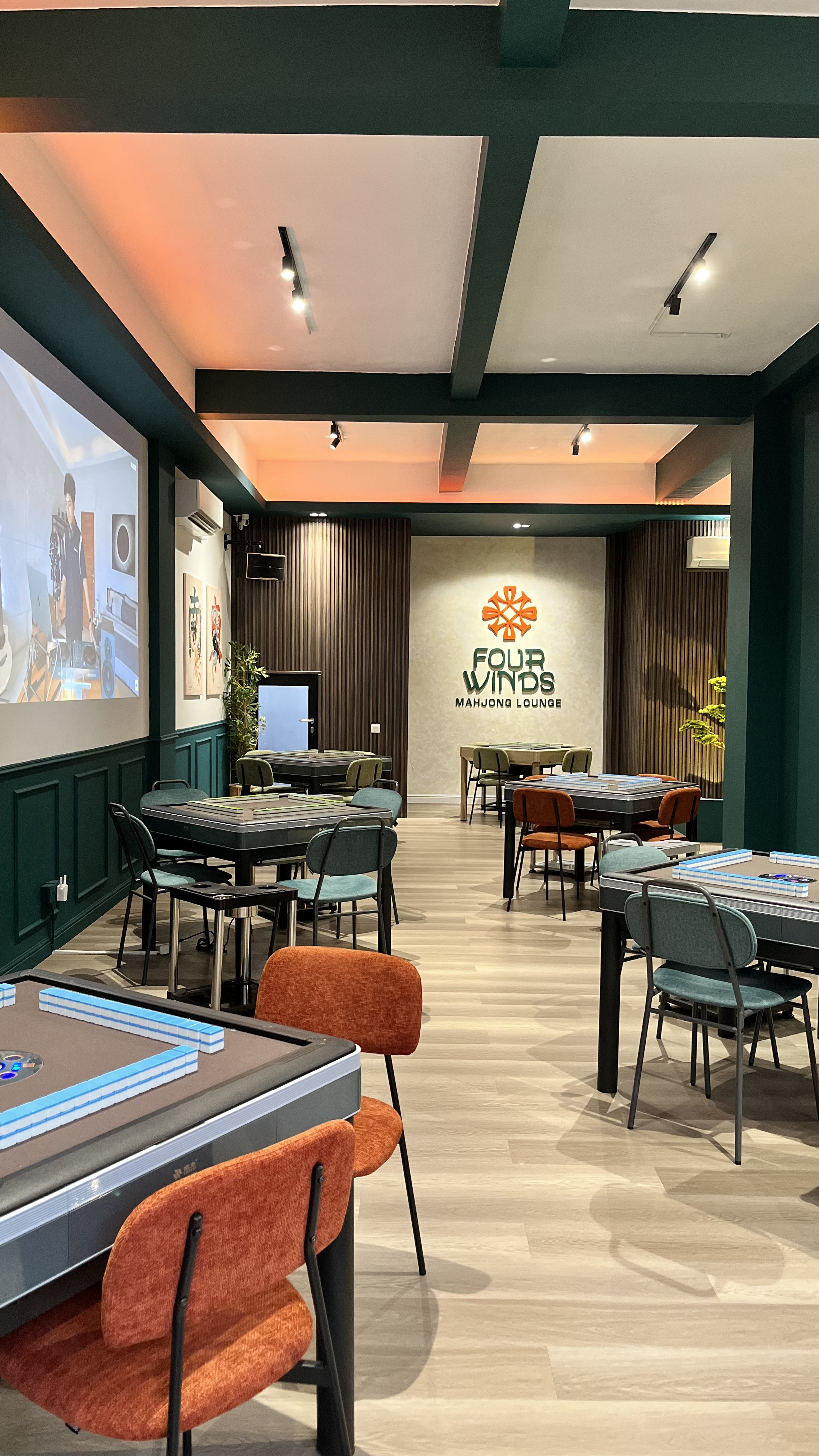
“Respecting the roots is everything to us. We’re building our whole identity around the Four Winds [concept]—East, South, West, and North—each with its own raw personality and story pulled directly from Chinese folklore. We’re even layering in deeper lore so people can truly lose themselves in the experience,” Kusuma recalled.
“That being said, we’re not about to dumb down the game or strip away its core identity because the cultural foundation is still fully there. What we are adapting is the experience itself, like rolling out our own point system to make it more accessible for people in Indonesia, all while keeping the game’s true spirit front and center.”
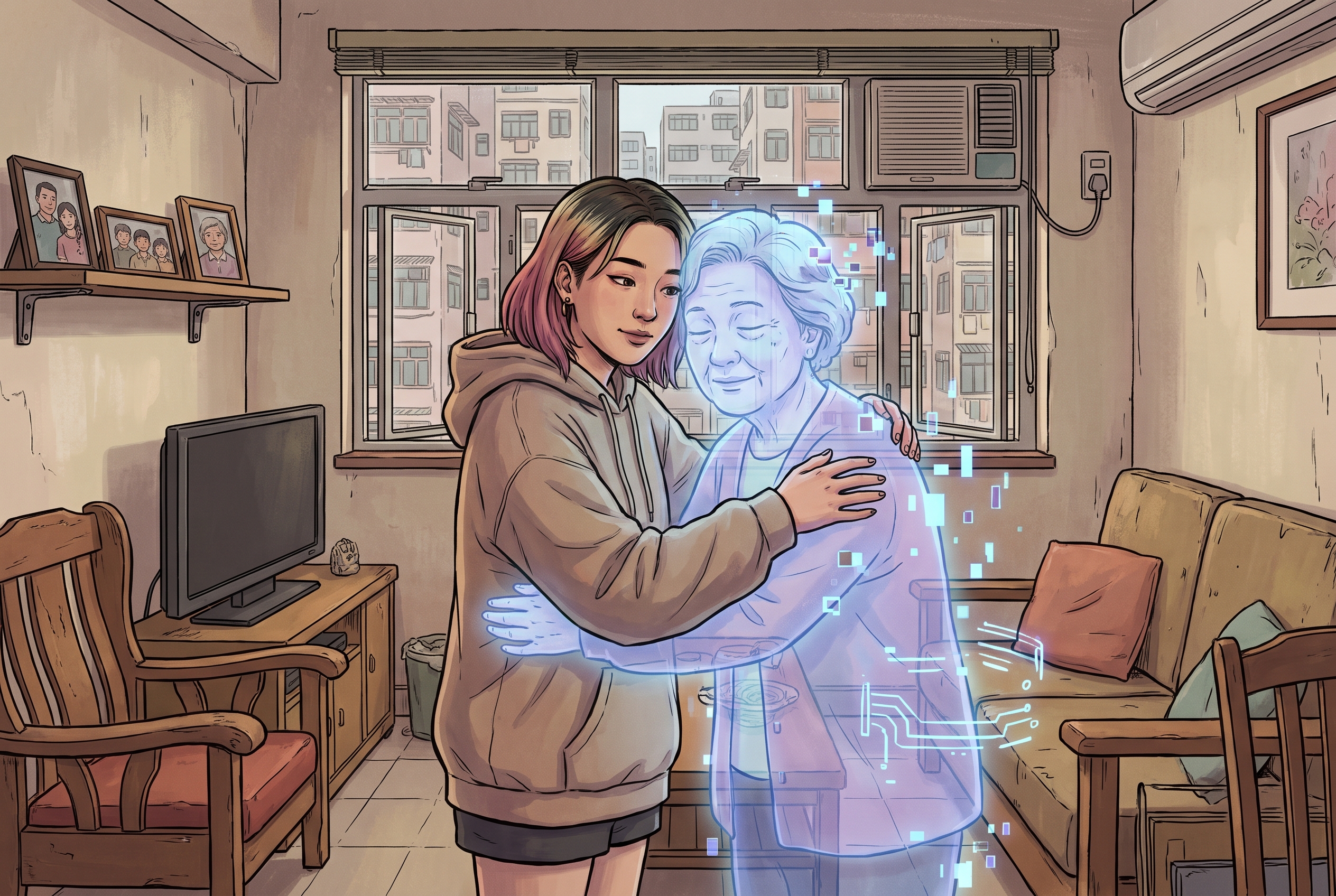
In a world where everything happens through a screen, nothing feels more refreshing than sitting across from someone, shuffling tiles, and actually showing up.
Cover image via Instagram/riichi.indonesia.