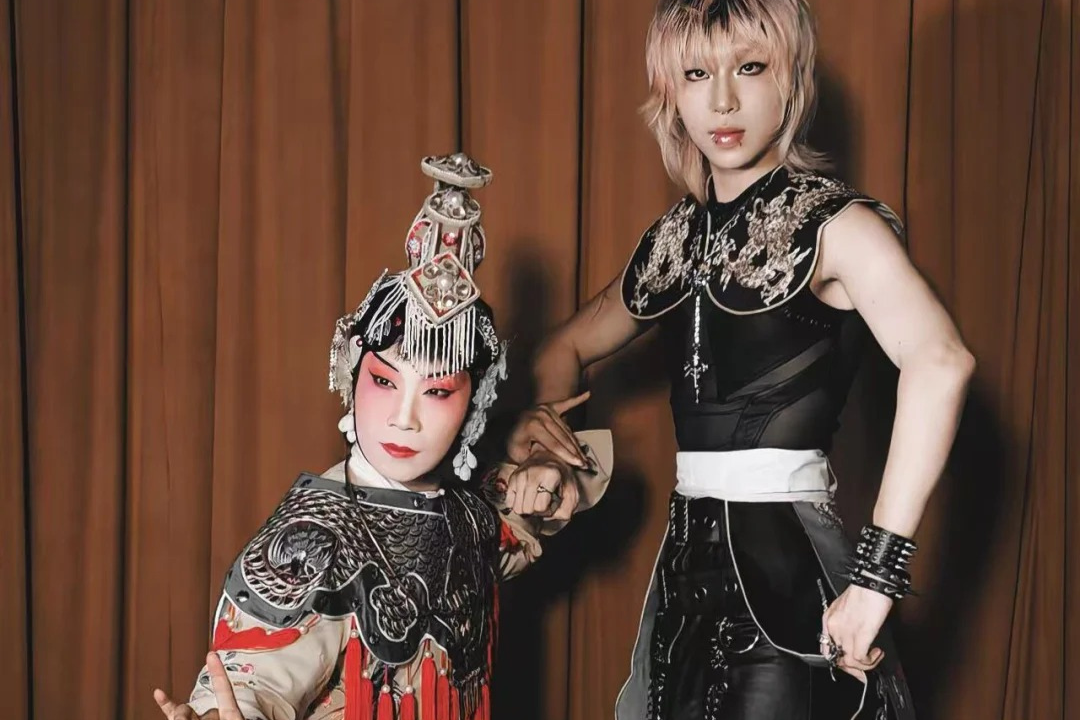
How would you imagine a young Peking Opera performer in China today? Outdated? Forced by parents? A blogger and performer who goes by the moniker Kaka is none of those. Instead, he integrates yabi (亚逼) and Japanese-influenced Visual Kei makeup (both being dramatic, bold, and eclectic in style) into traditional Peking Opera costumes, making for a unique and striking juxtaposition on stage.
Peking Opera, which emerged in Beijing in the 18th century, is a school of Chinese theatre that synchronizes music, vocal performance, mime, dance, and acrobatics. Because of its cultural influence and strong ties to traditional Chinese values—such as loyalty, xiao (filial piety), righteousness, and integrity—it has long been recognized as guocui, or the national quintessence of China.
However, by the 21st century, fewer young people were willing to carry on the tradition due to the long training periods and strict rules in xibanzi (戏班子) troupes. People respect older performers, but Peking Opera has become increasingly rigid, like a fossil—preserved but no longer evolving in form or expression. Kaka, meanwhile, brings a breath of fresh air into this rigid status quo.
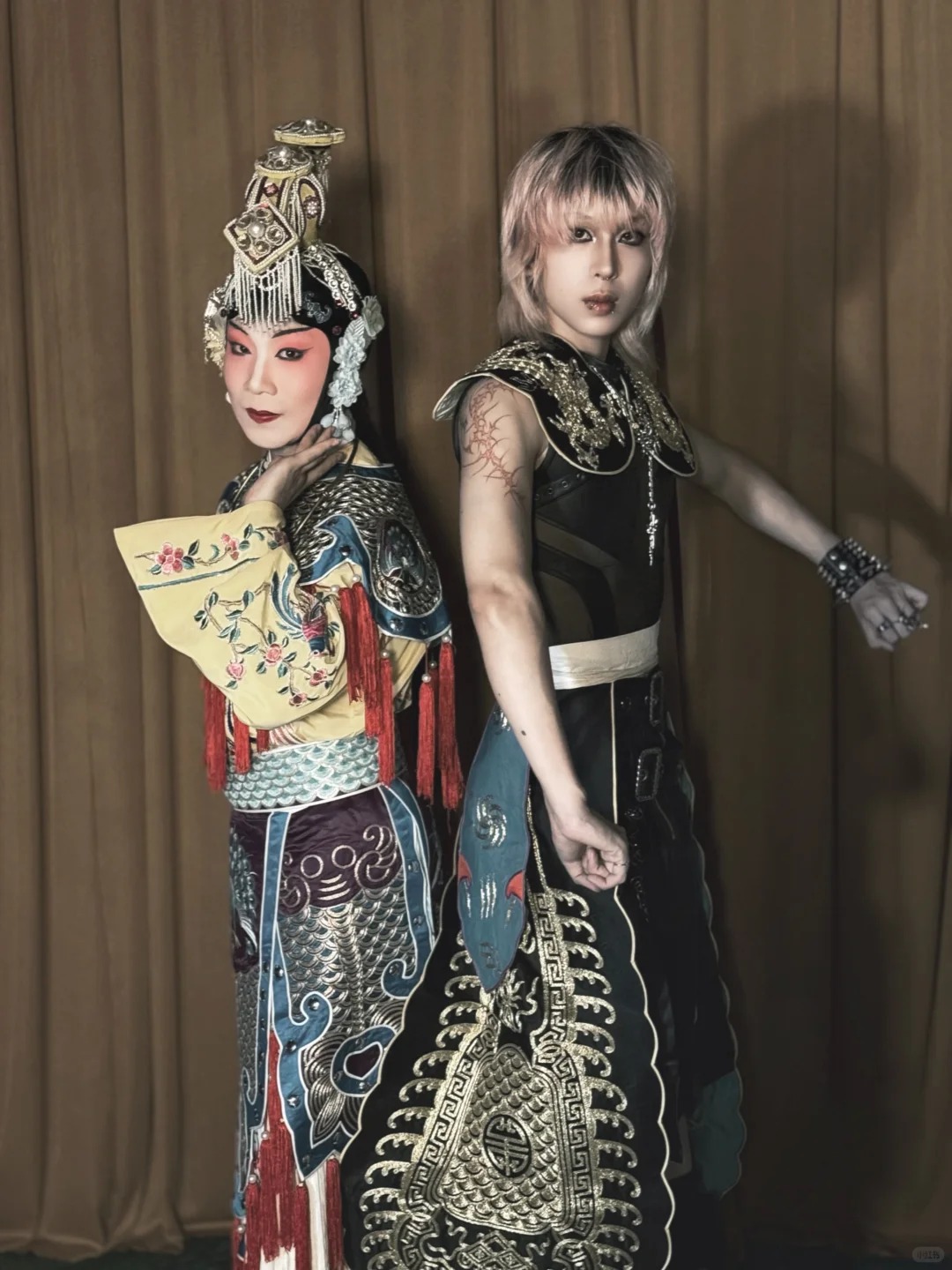
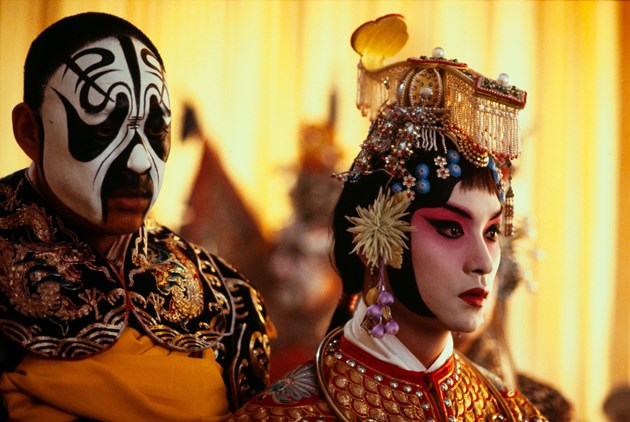
Makeup, one of the most important elements of Peking Opera culture, symbolizes different role types and is considered a disciplined and sacred art form. Usually, jing (painted-face) roles feature a white mask-like base with exaggerated eyebrows and bold colors. Kaka, however, breaks convention by adding more colors and reinventing ways of portraying facial features.
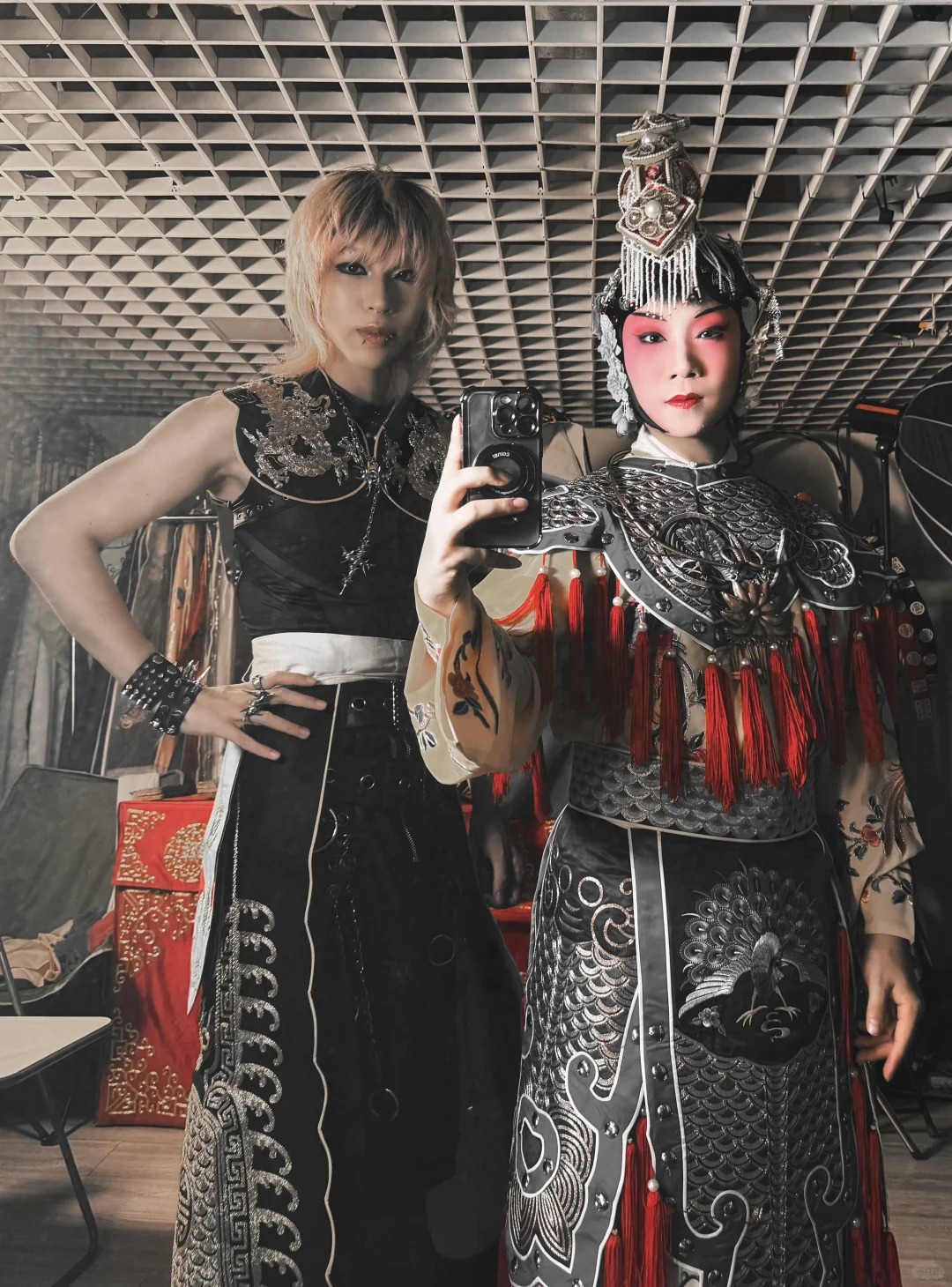
Kaka revealed in a recent interview that when he was younger, he was often bullied at school for not liking conventional masculine styles. Peking Opera had long been a family hobby, and it helped him express himself more boldly. He calls himself a “Peking Opera yabi” (a subcultural, glam-styled Peking Opera kid), while his followers see him as a positive example of subculture integrating into mainstream culture.
At first, not all of Kaka’s audience accepted his approach. Some thought he was just showing off—or even mocking the tradition. But Kaka insisted on being himself and continued posting his art. Now, more people understand and support him, including older performers who join him on stage as backing instrumentalists. Kaka is a testament to contemporary perseverance against the stubbornness of tradition. As such, he’s attracting more people to the historical art of Peking Opera, and his singing is recognized by fans both new and old.
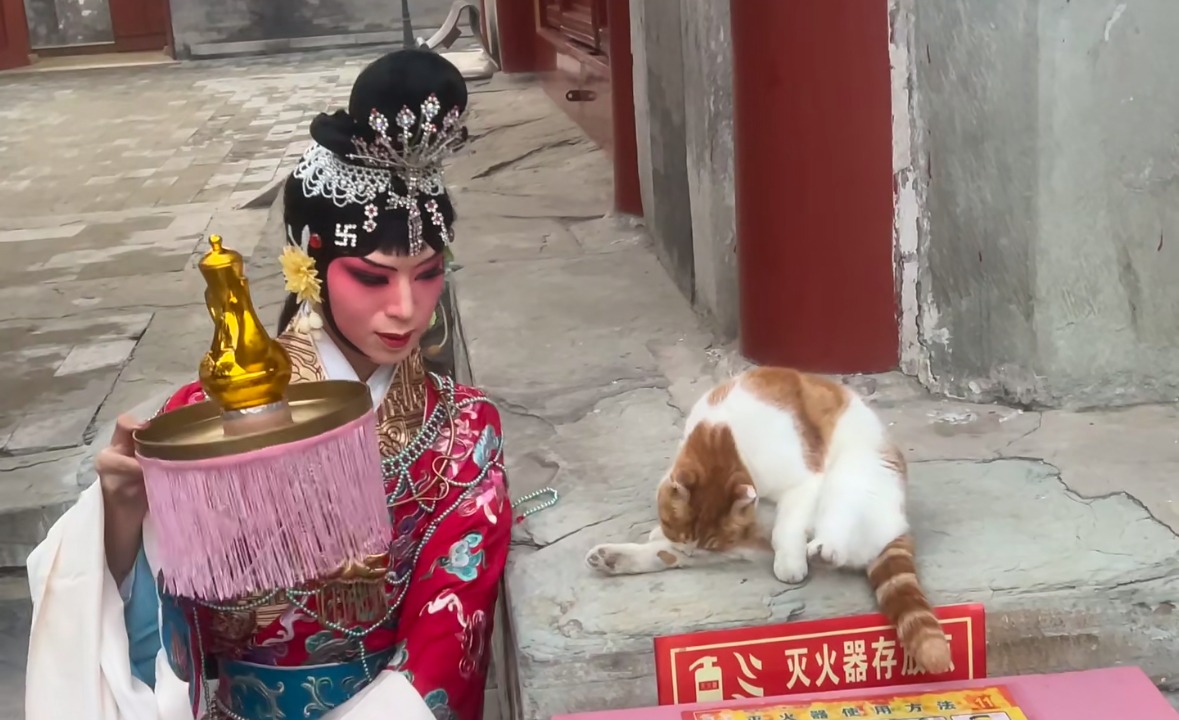
However, Kaka is not the only brave, avant-garde youngster innovating within traditional culture. Hanfu, cheongsam, and folk masks—Gen Z is adding new elements to every traditional form, making subcultures more visible to a wider audience. By exaggerating appearances, China’s youth are carrying out a mission more important than they may realize.
Cover image via Xiaohongshu.