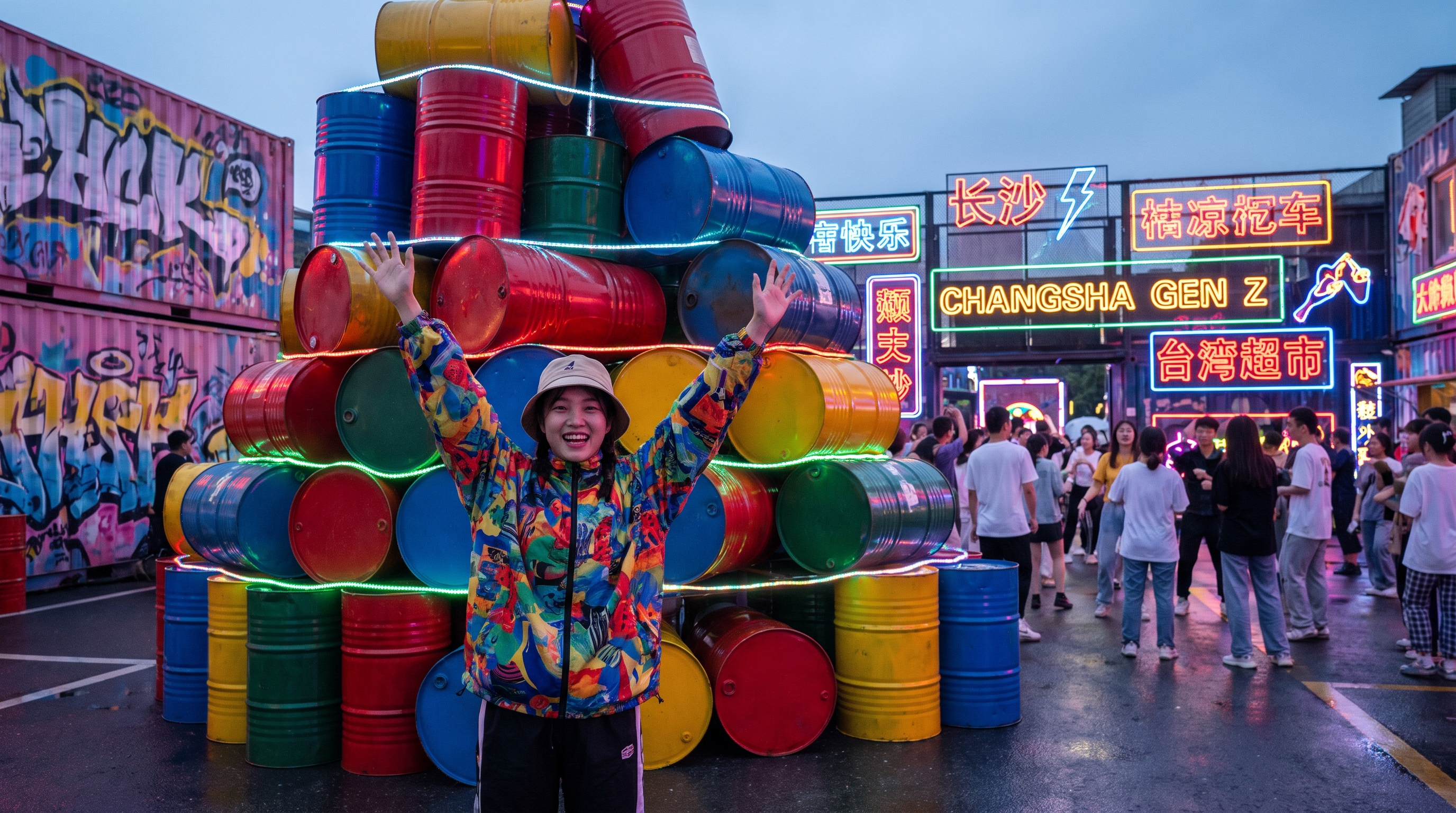


Feature image of Pingti Power: How China’s Gen Z Is Mastering “Dupe” Culture

Pingti Power: How China’s Gen Z Is Mastering “Dupe” Culture

2 mins read

2 mins read

Feature image of Pingti Power: How China’s Gen Z Is Mastering “Dupe” Culture
RADII covers why Asia's next generation of consumers are prioritizing value, authenticity, and economic savvy over status symbols.

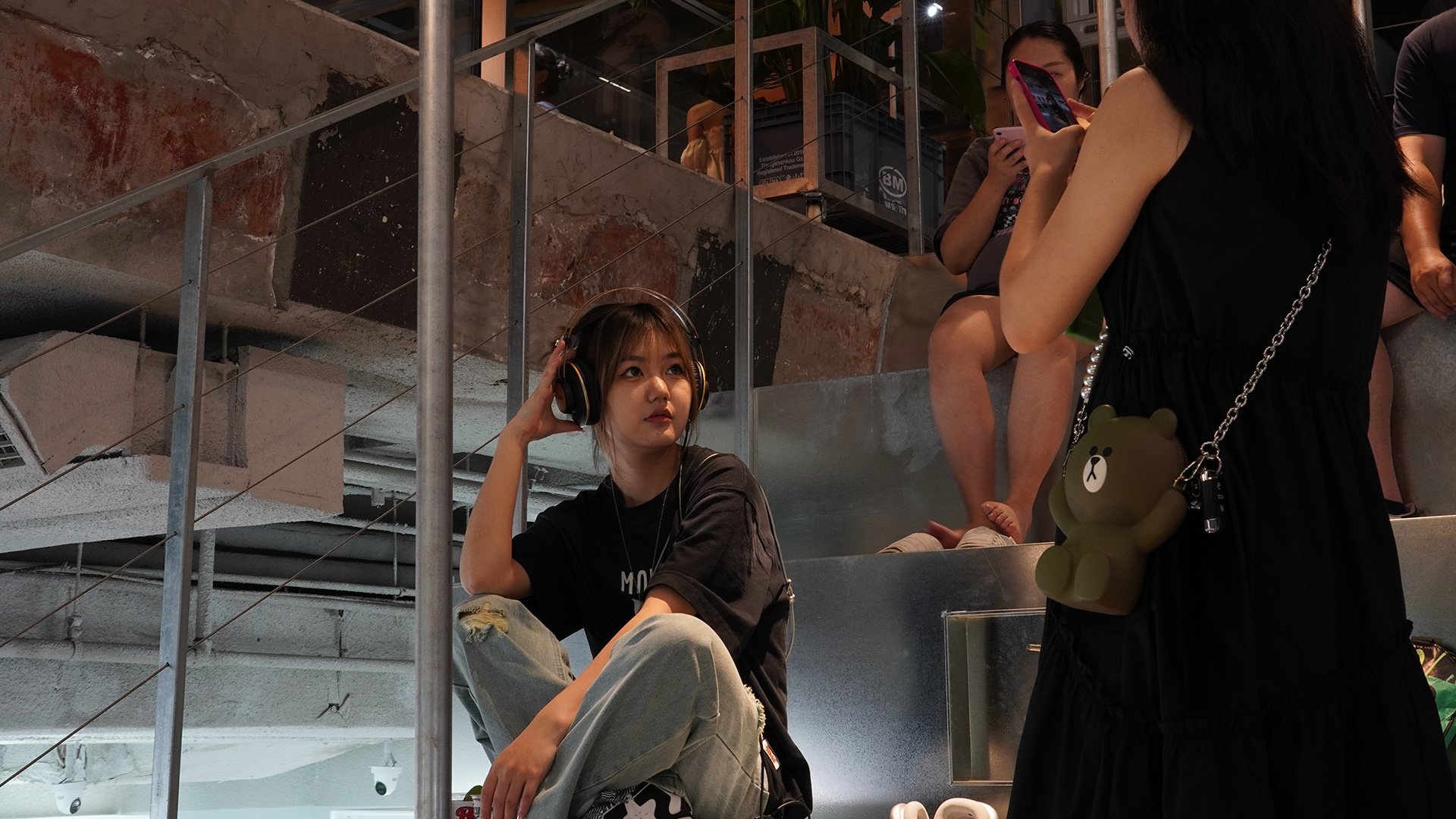
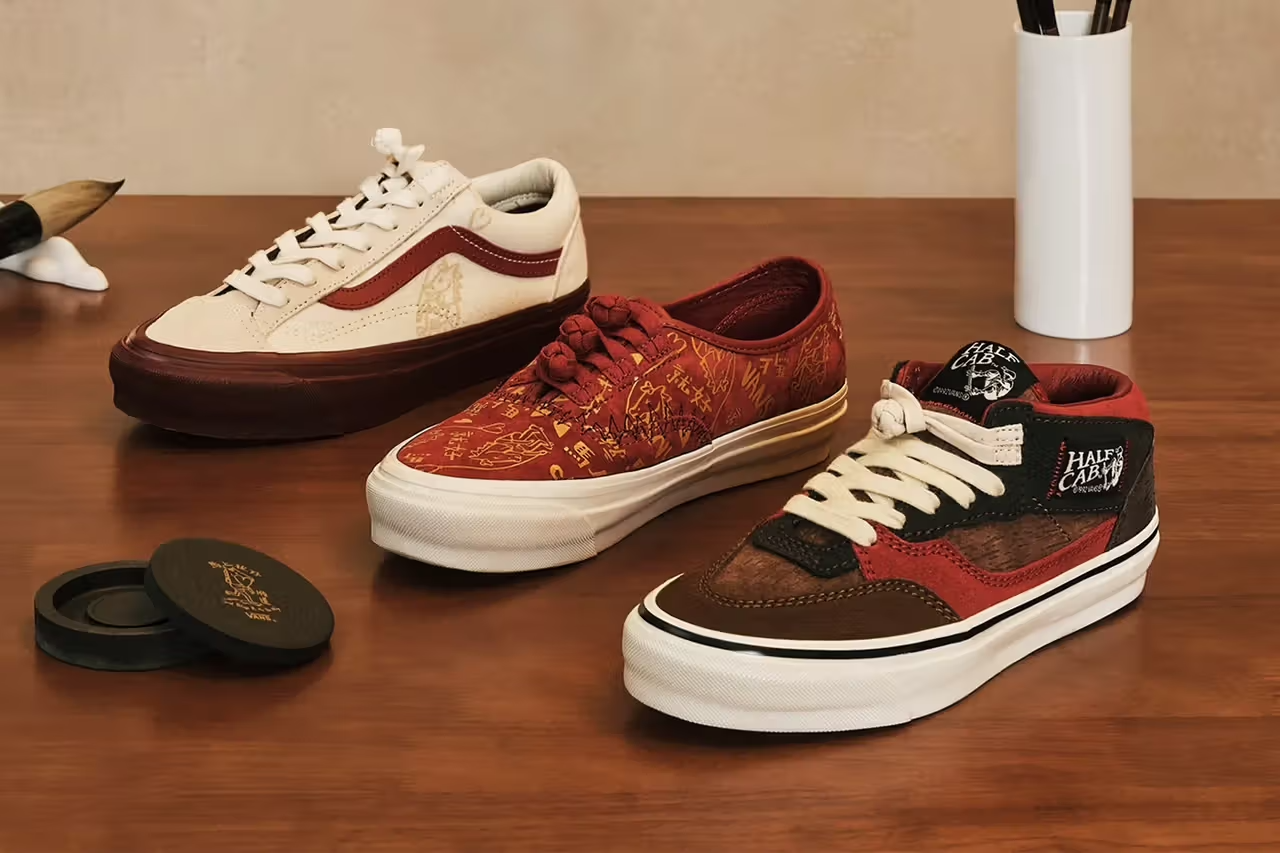
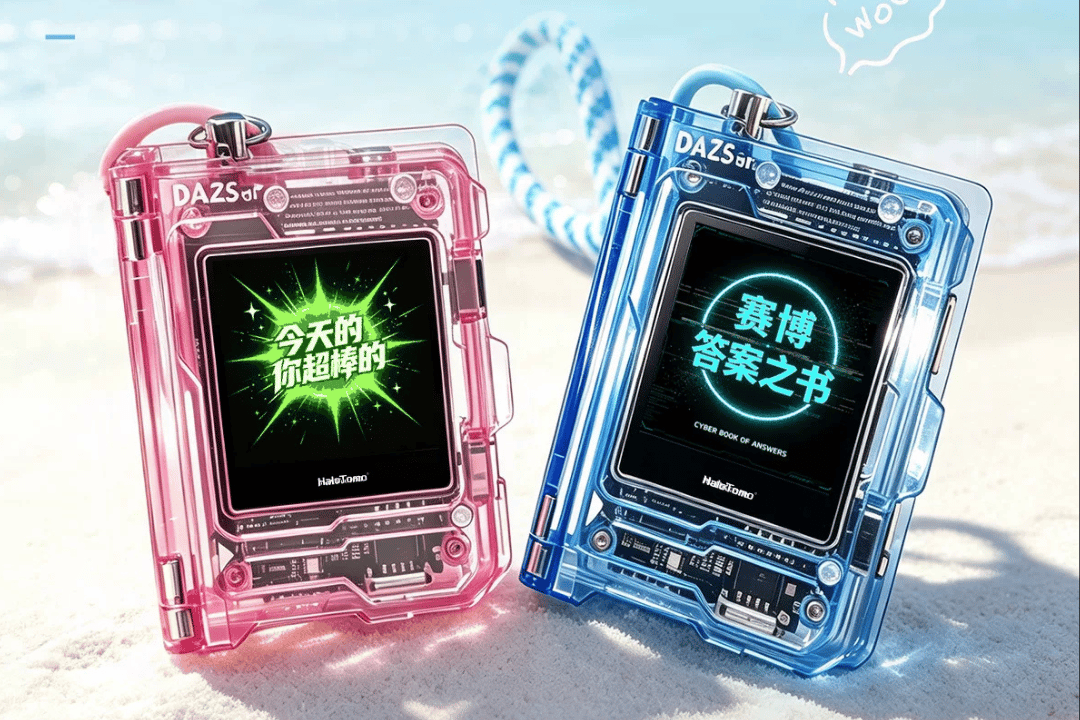
China’s Generation Z is orchestrating a silent revolution in consumer culture, characterized by a widespread embrace of pingti (平替), meaning “decoy” or “alternative.” Culture-wise, this is the pursuit of affordable alternatives that span nearly every spending category. This trend sees young people enthusiastically opting for “dupes,” bootleg versions, or cleverly sourced unbranded items that offer comparable quality or function at a fraction of the cost. Far from being a source of embarrassment, this approach is celebrated, shared, and even strategized on social media platforms, highlighting a fundamental shift in their economic mindset.


This evolution is not merely a reaction to current economic realities, such as deflation and youth unemployment, but a deliberate philosophical stance. China’s Gen Z are increasingly identifying as “professional consumers,” meticulously researching purchases and prioritizing utility and value over brand-driven impulse buys. This reframing of consumption means they are actively “living well while spending less,” rejecting the overt displays of wealth that defined previous generations. Their satisfaction stems from the savvy of their choices, viewing pingti not as a compromise, but as a smart, conscious decision.
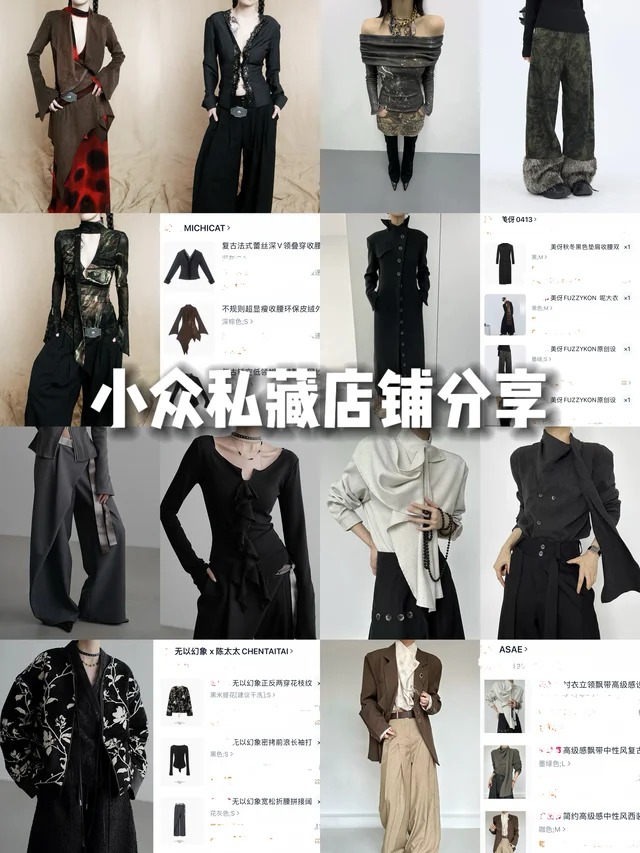
RADII trend report about Chinese Gen Z's pingti trend for "dupe" shopping.
Image via Xiaohonshu.

The rise of “frugal cool” among China’s youth signals a significant recalibration of consumer values that echoes and, in some ways, leads global trends like “underconsumption-core.” While this consumer mindset didn’t just start yesterday, the shift still holds profound implications for Asia’s Gen Z. It suggests a broader regional movement towards more intentional, value-driven consumption.
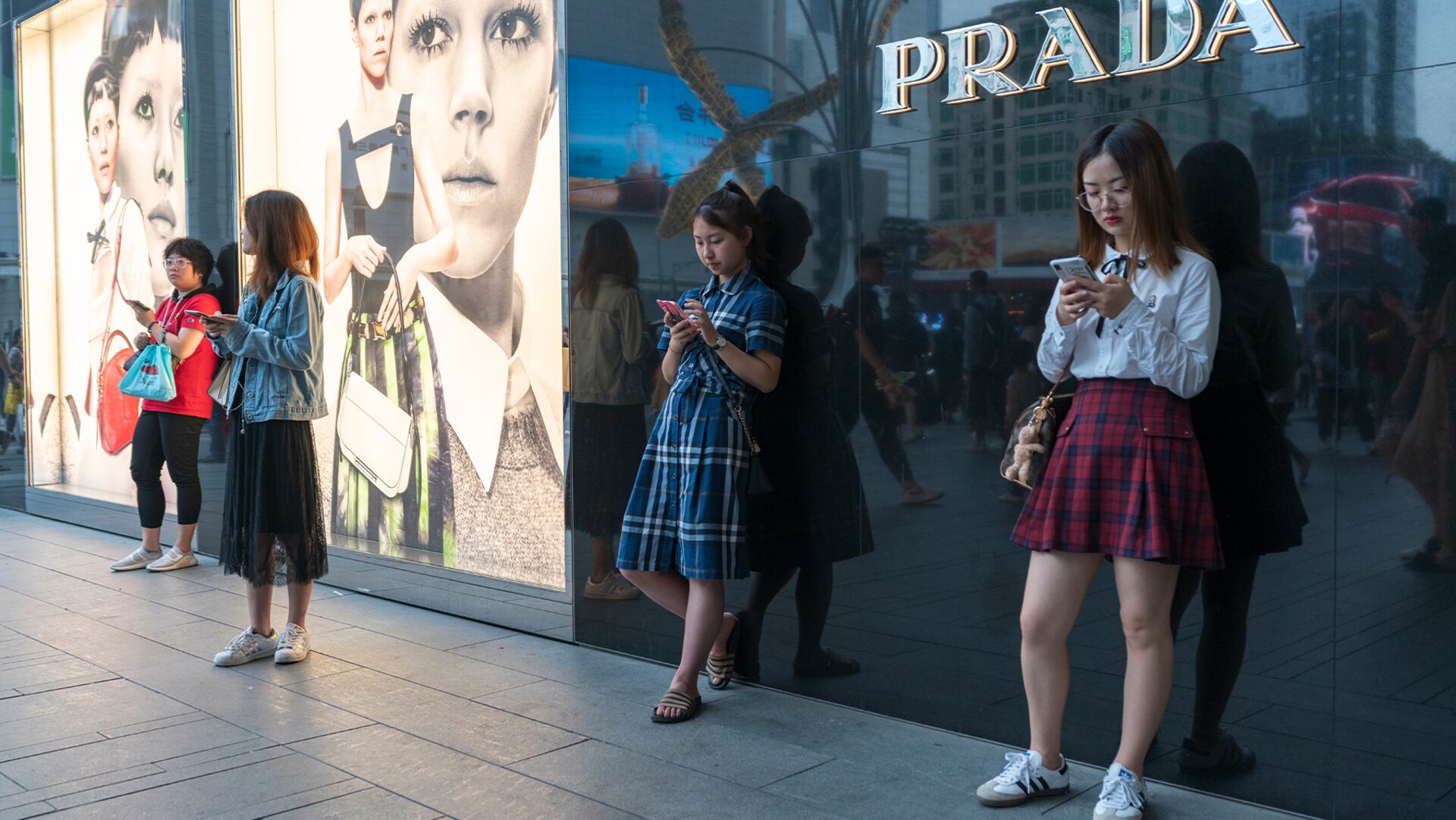
RADII trend report about Chinese Gen Z's pingti trend for "dupe" shopping.
Image via The Business of Fashion.

As young Asians navigate their own economic landscapes, the Chinese model demonstrates a powerful rejection of hyper-consumerism and an embrace of financial pragmatism blended with a discerning eye for quality. This is a generation that’s actively navigating—and shaping—a new paradigm where smart spending is the ultimate status symbol.

Cover image via Xiaohonshu.

NEWSLETTER

Get weekly top picks and exclusive, newsletter only content delivered straight to you inbox.

NEWSLETTER

Get weekly top picks and exclusive, newsletter only content delivered straight to you inbox.

RADII NEWSLETTER

Get weekly top picks and exclusive, newsletter only content delivered straight to you inbox

Feature image of Pingti Power: How China’s Gen Z Is Mastering “Dupe” Culture

Pingti Power: How China’s Gen Z Is Mastering “Dupe” Culture

2 mins read

RADII covers why Asia's next generation of consumers are prioritizing value, authenticity, and economic savvy over status symbols.

China’s Generation Z is orchestrating a silent revolution in consumer culture, characterized by a widespread embrace of pingti (平替), meaning “decoy” or “alternative.” Culture-wise, this is the pursuit of affordable alternatives that span nearly every spending category. This trend sees young people enthusiastically opting for “dupes,” bootleg versions, or cleverly sourced unbranded items that offer comparable quality or function at a fraction of the cost. Far from being a source of embarrassment, this approach is celebrated, shared, and even strategized on social media platforms, highlighting a fundamental shift in their economic mindset.

This evolution is not merely a reaction to current economic realities, such as deflation and youth unemployment, but a deliberate philosophical stance. China’s Gen Z are increasingly identifying as “professional consumers,” meticulously researching purchases and prioritizing utility and value over brand-driven impulse buys. This reframing of consumption means they are actively “living well while spending less,” rejecting the overt displays of wealth that defined previous generations. Their satisfaction stems from the savvy of their choices, viewing pingti not as a compromise, but as a smart, conscious decision.

RADII trend report about Chinese Gen Z's pingti trend for "dupe" shopping.
Image via Xiaohonshu.

The rise of “frugal cool” among China’s youth signals a significant recalibration of consumer values that echoes and, in some ways, leads global trends like “underconsumption-core.” While this consumer mindset didn’t just start yesterday, the shift still holds profound implications for Asia’s Gen Z. It suggests a broader regional movement towards more intentional, value-driven consumption.

RADII trend report about Chinese Gen Z's pingti trend for "dupe" shopping.
Image via The Business of Fashion.

As young Asians navigate their own economic landscapes, the Chinese model demonstrates a powerful rejection of hyper-consumerism and an embrace of financial pragmatism blended with a discerning eye for quality. This is a generation that’s actively navigating—and shaping—a new paradigm where smart spending is the ultimate status symbol.

Cover image via Xiaohonshu.

NEWSLETTER

Get weekly top picks and exclusive, newsletter only content delivered straight to you inbox.

RADII NEWSLETTER

Get weekly top picks and exclusive, newsletter only content delivered straight to you inbox

RELATED POSTS

Feature image of Pingti Power: How China’s Gen Z Is Mastering “Dupe” Culture

Pingti Power: How China’s Gen Z Is Mastering “Dupe” Culture

2 mins read

2 mins read

Feature image of Pingti Power: How China’s Gen Z Is Mastering “Dupe” Culture
RADII covers why Asia's next generation of consumers are prioritizing value, authenticity, and economic savvy over status symbols.

China’s Generation Z is orchestrating a silent revolution in consumer culture, characterized by a widespread embrace of pingti (平替), meaning “decoy” or “alternative.” Culture-wise, this is the pursuit of affordable alternatives that span nearly every spending category. This trend sees young people enthusiastically opting for “dupes,” bootleg versions, or cleverly sourced unbranded items that offer comparable quality or function at a fraction of the cost. Far from being a source of embarrassment, this approach is celebrated, shared, and even strategized on social media platforms, highlighting a fundamental shift in their economic mindset.

This evolution is not merely a reaction to current economic realities, such as deflation and youth unemployment, but a deliberate philosophical stance. China’s Gen Z are increasingly identifying as “professional consumers,” meticulously researching purchases and prioritizing utility and value over brand-driven impulse buys. This reframing of consumption means they are actively “living well while spending less,” rejecting the overt displays of wealth that defined previous generations. Their satisfaction stems from the savvy of their choices, viewing pingti not as a compromise, but as a smart, conscious decision.

RADII trend report about Chinese Gen Z's pingti trend for "dupe" shopping.
Image via Xiaohonshu.

The rise of “frugal cool” among China’s youth signals a significant recalibration of consumer values that echoes and, in some ways, leads global trends like “underconsumption-core.” While this consumer mindset didn’t just start yesterday, the shift still holds profound implications for Asia’s Gen Z. It suggests a broader regional movement towards more intentional, value-driven consumption.

RADII trend report about Chinese Gen Z's pingti trend for "dupe" shopping.
Image via The Business of Fashion.

As young Asians navigate their own economic landscapes, the Chinese model demonstrates a powerful rejection of hyper-consumerism and an embrace of financial pragmatism blended with a discerning eye for quality. This is a generation that’s actively navigating—and shaping—a new paradigm where smart spending is the ultimate status symbol.

Cover image via Xiaohonshu.

NEWSLETTER

Get weekly top picks and exclusive, newsletter only content delivered straight to you inbox.

NEWSLETTER

Get weekly top picks and exclusive, newsletter only content delivered straight to you inbox.

RADII NEWSLETTER

Get weekly top picks and exclusive, newsletter only content delivered straight to you inbox

Feature image of Pingti Power: How China’s Gen Z Is Mastering “Dupe” Culture

Pingti Power: How China’s Gen Z Is Mastering “Dupe” Culture

2 mins read

RADII covers why Asia's next generation of consumers are prioritizing value, authenticity, and economic savvy over status symbols.

China’s Generation Z is orchestrating a silent revolution in consumer culture, characterized by a widespread embrace of pingti (平替), meaning “decoy” or “alternative.” Culture-wise, this is the pursuit of affordable alternatives that span nearly every spending category. This trend sees young people enthusiastically opting for “dupes,” bootleg versions, or cleverly sourced unbranded items that offer comparable quality or function at a fraction of the cost. Far from being a source of embarrassment, this approach is celebrated, shared, and even strategized on social media platforms, highlighting a fundamental shift in their economic mindset.

This evolution is not merely a reaction to current economic realities, such as deflation and youth unemployment, but a deliberate philosophical stance. China’s Gen Z are increasingly identifying as “professional consumers,” meticulously researching purchases and prioritizing utility and value over brand-driven impulse buys. This reframing of consumption means they are actively “living well while spending less,” rejecting the overt displays of wealth that defined previous generations. Their satisfaction stems from the savvy of their choices, viewing pingti not as a compromise, but as a smart, conscious decision.

RADII trend report about Chinese Gen Z's pingti trend for "dupe" shopping.
Image via Xiaohonshu.

The rise of “frugal cool” among China’s youth signals a significant recalibration of consumer values that echoes and, in some ways, leads global trends like “underconsumption-core.” While this consumer mindset didn’t just start yesterday, the shift still holds profound implications for Asia’s Gen Z. It suggests a broader regional movement towards more intentional, value-driven consumption.

RADII trend report about Chinese Gen Z's pingti trend for "dupe" shopping.
Image via The Business of Fashion.

As young Asians navigate their own economic landscapes, the Chinese model demonstrates a powerful rejection of hyper-consumerism and an embrace of financial pragmatism blended with a discerning eye for quality. This is a generation that’s actively navigating—and shaping—a new paradigm where smart spending is the ultimate status symbol.

Cover image via Xiaohonshu.
NEWSLETTER

Get weekly top picks and exclusive, newsletter only content delivered straight to you inbox.

RADII NEWSLETTER

Get weekly top picks and exclusive, newsletter only content delivered straight to you inbox

NEWSLETTER​

Get weekly top picks and exclusive, newsletter only content delivered straight to you inbox

RADII Newsletter Pop Up small banner

NEWSLETTER

Get weekly top picks and exclusive, newsletter only content delivered straight to you inbox.

Link Copied!

Share

Feature image of Pingti Power: How China’s Gen Z Is Mastering “Dupe” Culture

Pingti Power: How China’s Gen Z Is Mastering “Dupe” Culture

RADII covers why Asia's next generation of consumers are prioritizing value, authenticity, and economic savvy over status symbols.

PULSE

Tap into the latest in music, fashion, art, design, entertainment, pop culture, celebrity news, and contemporary culture

DISCOVER

Embark on a journey through food, travel, wellness, heritage, traditional culture, and lifestyle

STYLE

An insider’s look at the intersection of fashion, art, and design

FEAST

Titillate your taste buds with coverage of the best food and drink trends from China and beyond.

FUTURE

Explore the cutting edge in tech, AI, gadgets, gaming, and innovative tech-related products

FEAST

Titillate your taste buds with coverage of the best food and drink trends from China and beyond

STYLE

An insider’s look at the intersection of fashion, art, and design

PULSE

Unpacking Chinese youth culture through coverage of nightlife, film, sports, celebrities, and the hottest new music