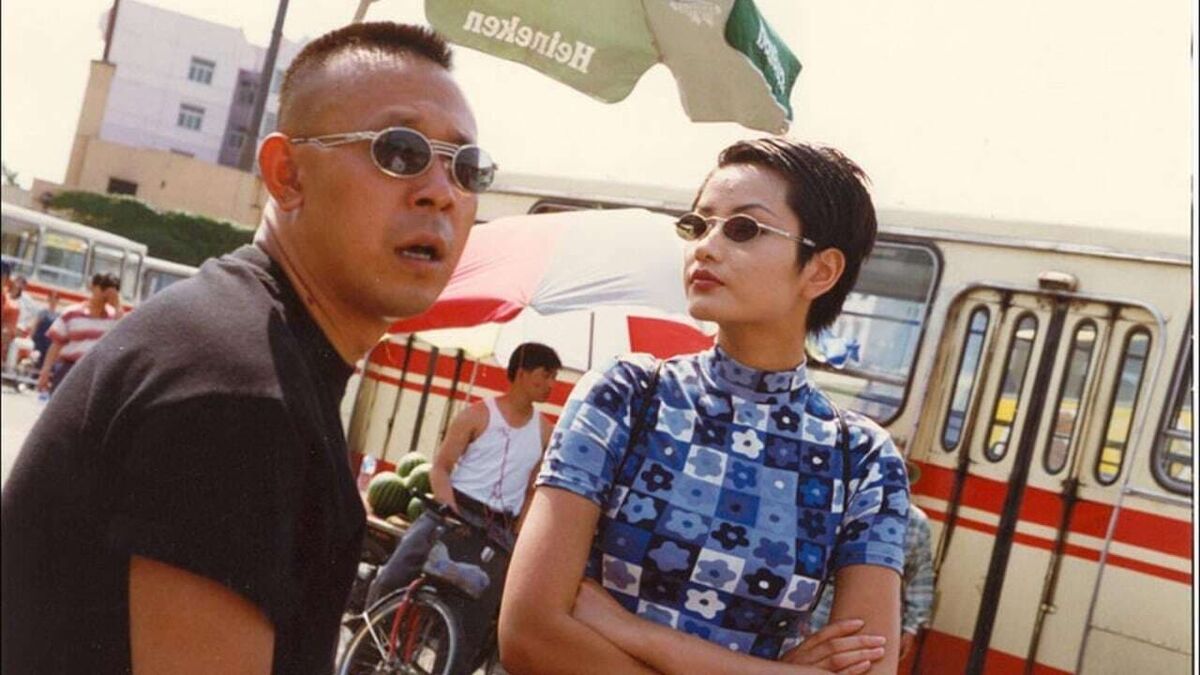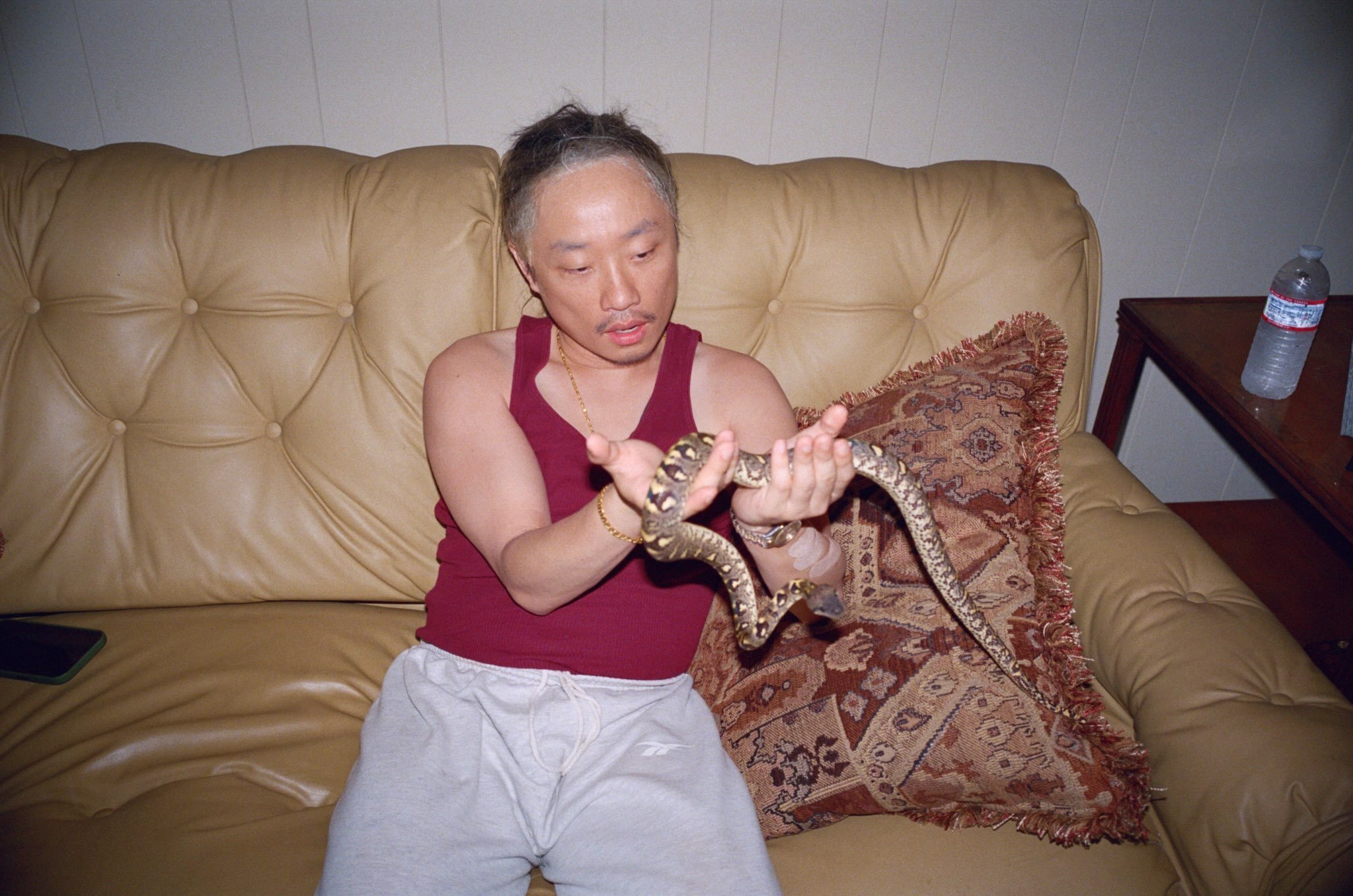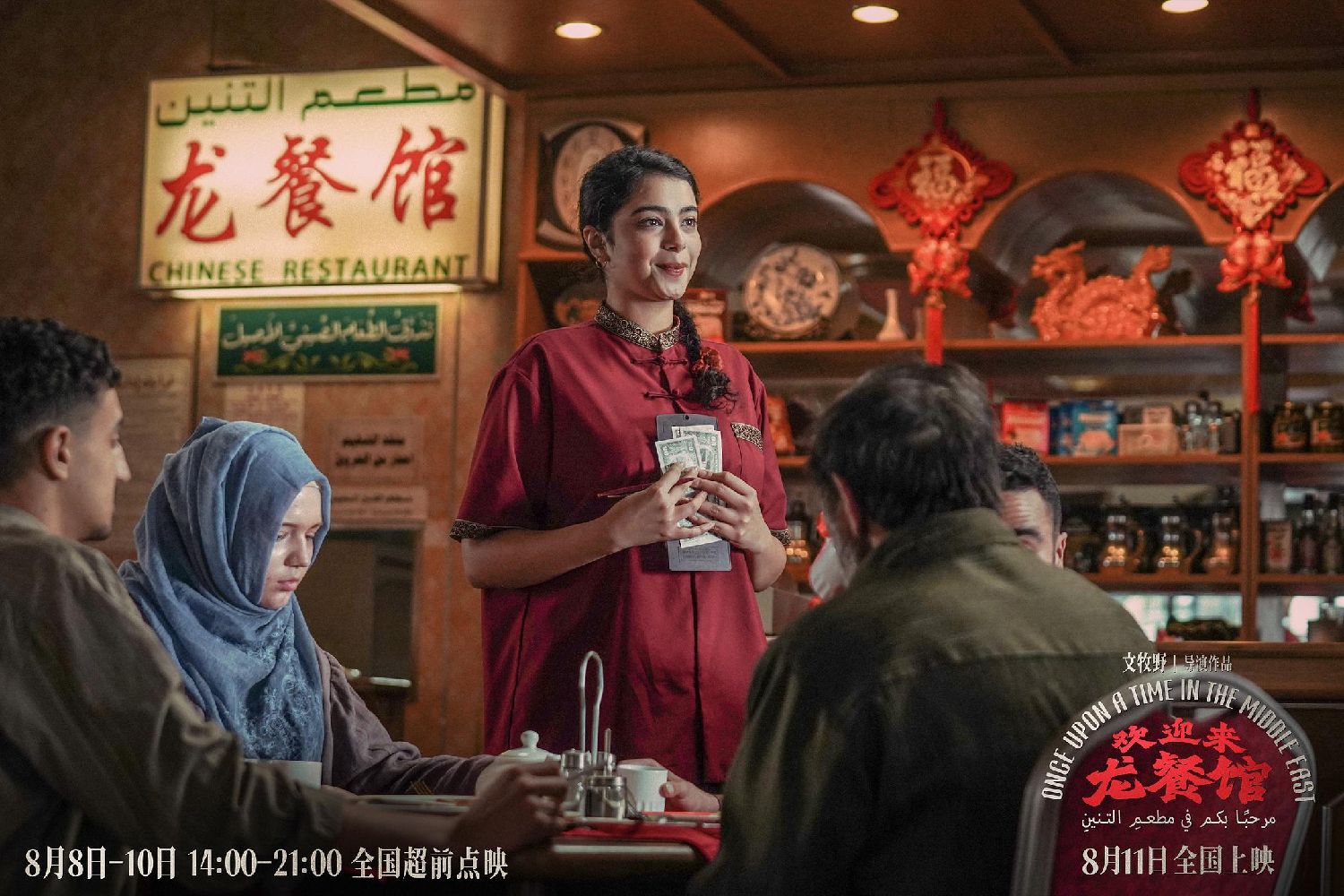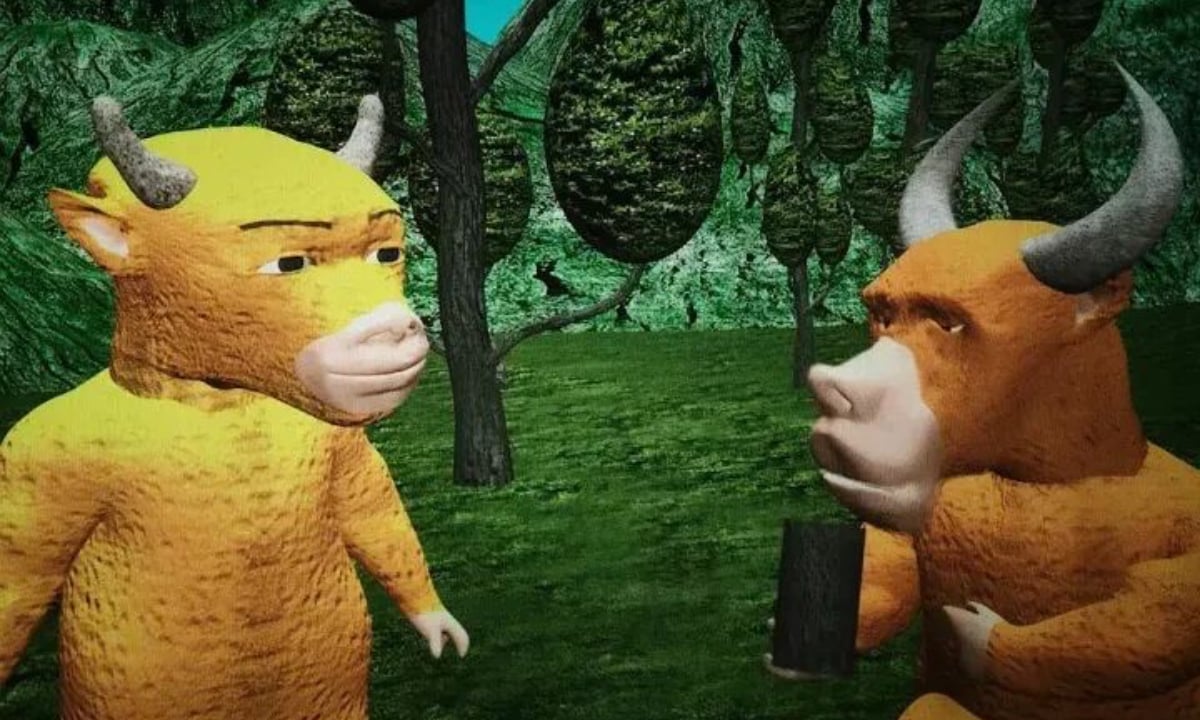

Forget the flashy explosions and dramatic plot twists this holiday season. A growing wave of young viewers is finding comfort in Chinese slow cinema and slice-of-life films, drawn to their focus on everyday moments, small journeys, and lives unfolding at an unhurried pace. For us at RADII, this counter-cultural viewing choice feels especially timely. At its core is a desire for authenticity: films like Still Life and The Piano in a Factory offer grounded portrayals of ordinary people, quiet perseverance, and nuanced relationships. In contrast to hyper-stylized mainstream cinema, these stories reflect real experiences, resonating deeply with a generation craving genuine connection.
Beyond realism, Chinese slow cinema also functions as a form of digital detox. Raised amid constant notifications and rapid-fire content, many young viewers are intentionally seeking slower, more mindful ways to engage with media. The deliberate pacing and atmospheric visuals of these films provide a calming antidote to sensory overload, aligning with broader interests in “slow living” and digital wellness. During the holidays, when pressure to be endlessly entertained can feel exhausting, these films invite viewers to simply be present. Whether watched alone or shared casually with loved ones, they create space for reflection, conversation, and connection—proving that not every meaningful holiday watch needs spectacle to leave a lasting impact.
Enjoy our list of “Chinese Films for a Different Kind of Christmas Night” below:
Vanishing Days (2018)
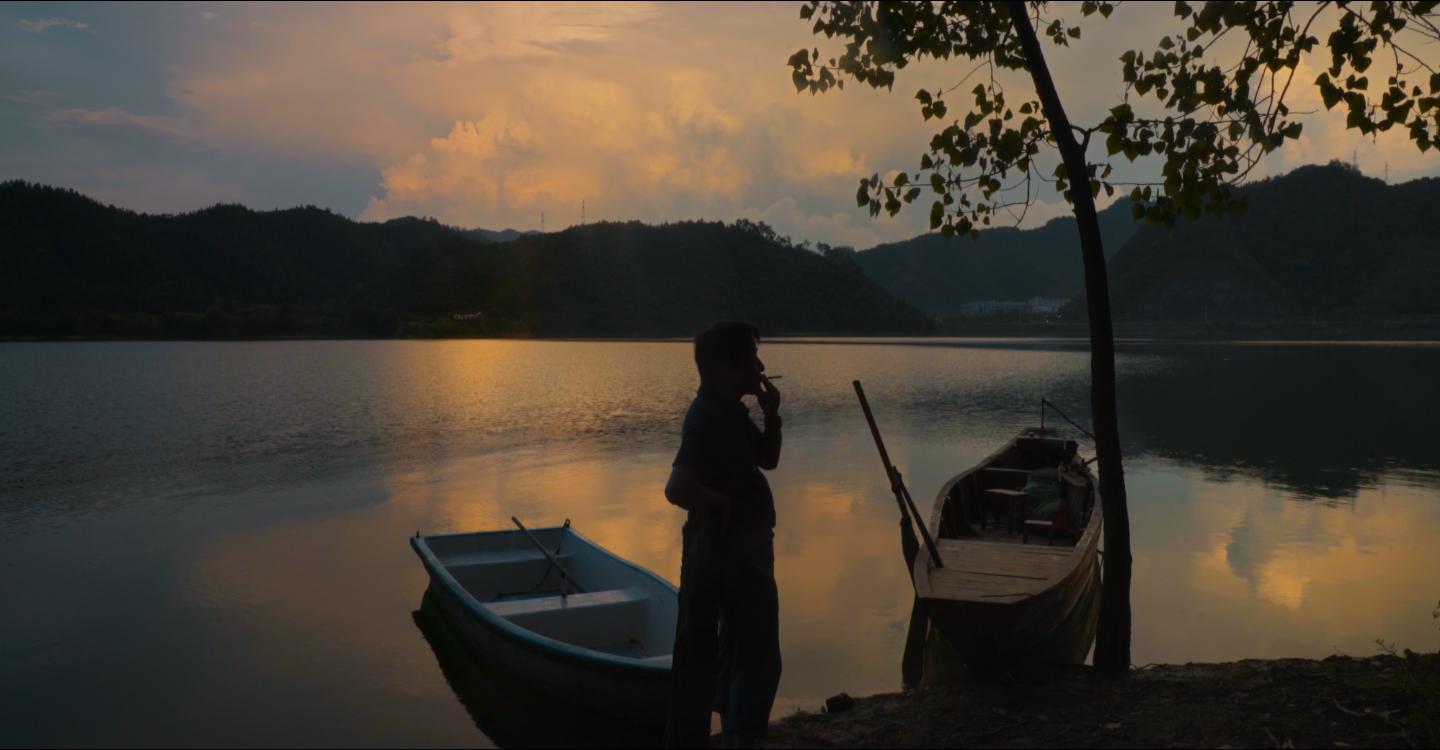
Vanishing Days (2018) is a poetic Chinese drama set in the sweltering summer of 2009, focusing on young girl Senlin as she navigates a languid holiday in her hometown of Hangzhou. As she deals with the disappearance of her pet turtle and the unexpected visit of her Auntie Qiu, the boundary between memory, reality, and imagination begins to blur. The film weaves together recollections, dreams, and everyday moments against the backdrop of canal waters and summer heat, exploring themes of loss, identity, and the fluid nature of time. Its contemplative style invites viewers into a reflective, atmospheric coming-of-age experience.
Ripples of Life (2021)
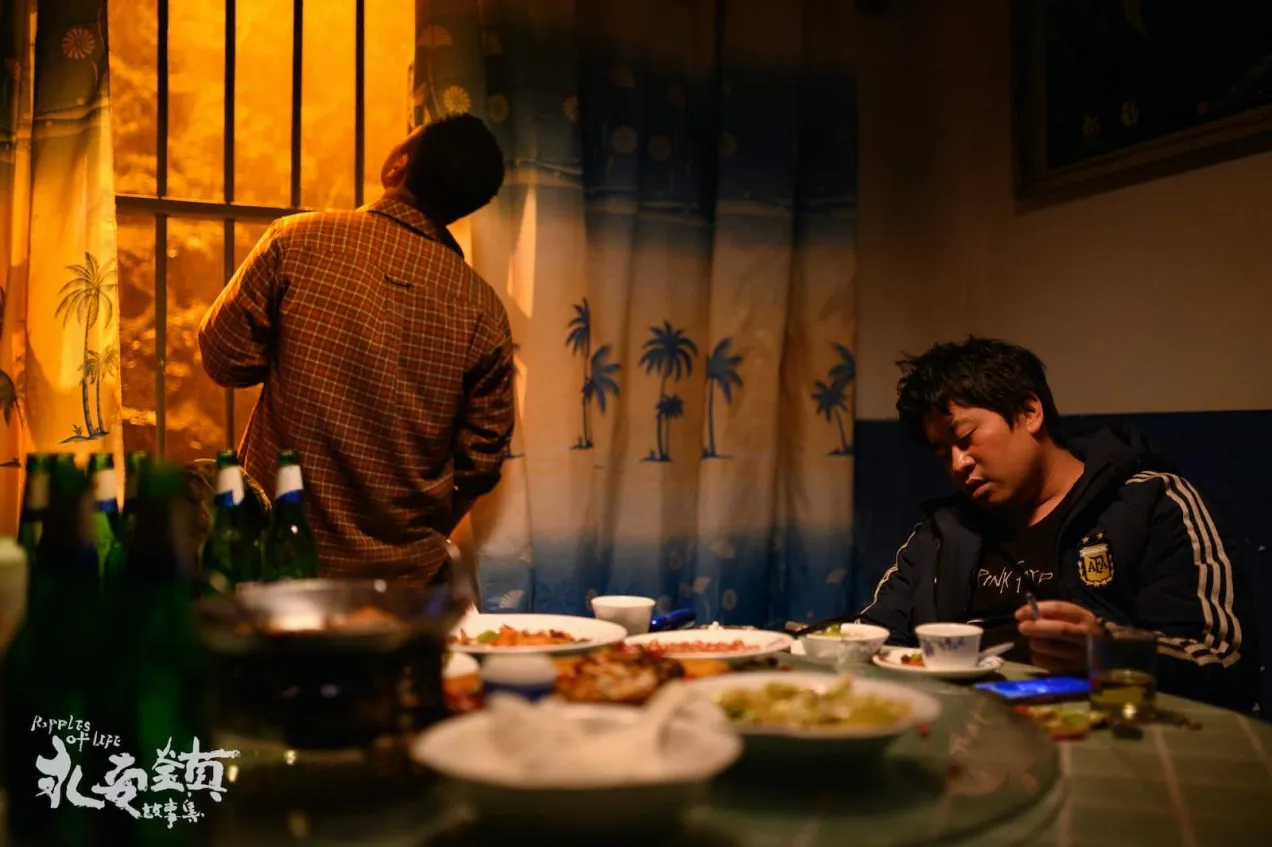
Ripples of Life (2021) is a Chinese drama about a film crew that travels to a remote southern town to prepare for shooting a movie, disrupting the community’s quiet rhythm. Over three chapters, it follows the perspectives of a local restaurant owner who dreams of something bigger, a famous actress returning home to a mixed reception, and the director and screenwriter navigating creative conflicts. As unexpected interactions unfold between the outsiders and residents, the film playfully explores authenticity, cinema’s role in depicting ordinary lives, and the ripple effects of art on everyday existence.
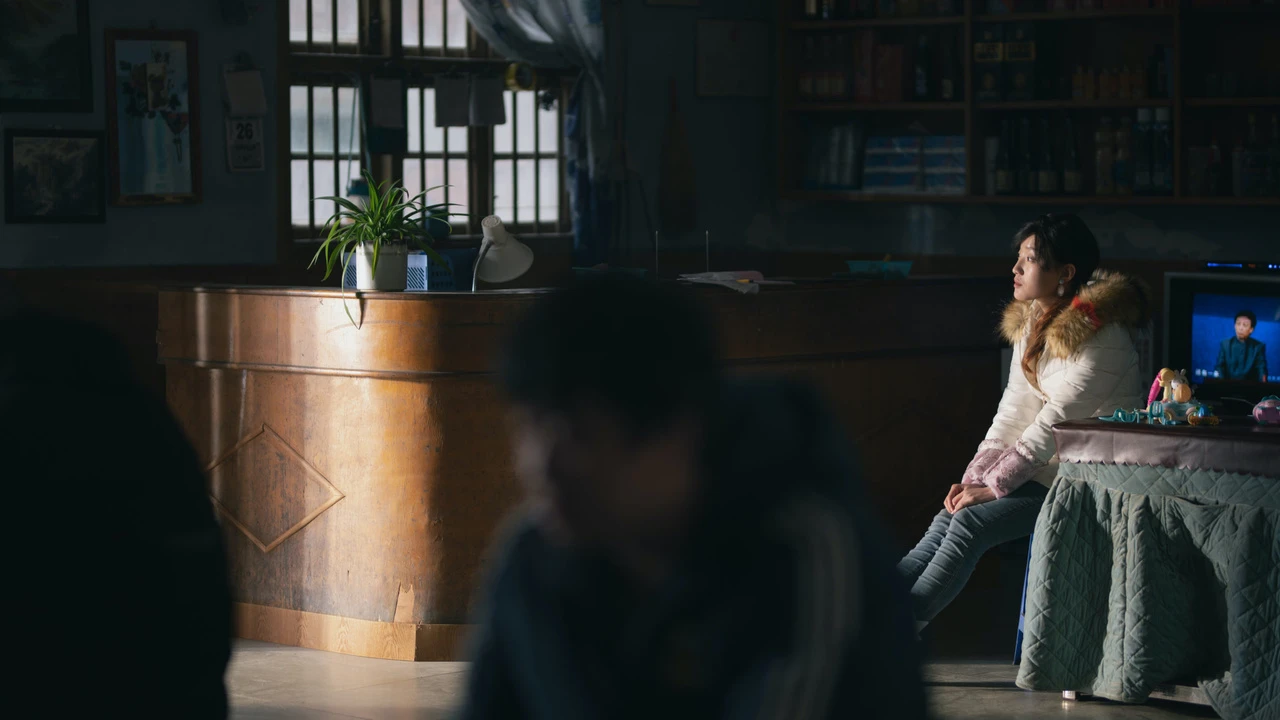
The Cloud In Her Room (2020)
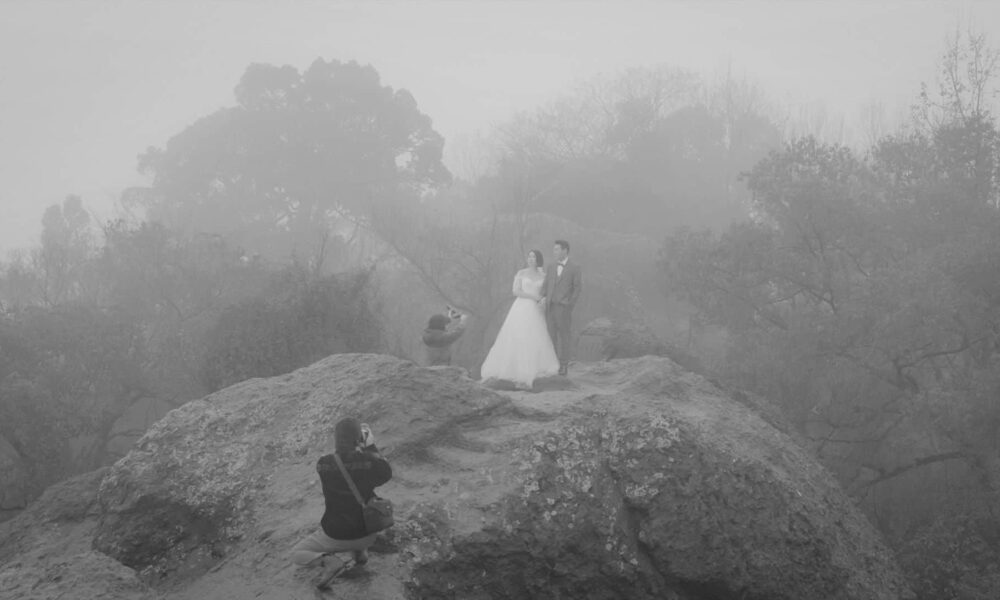
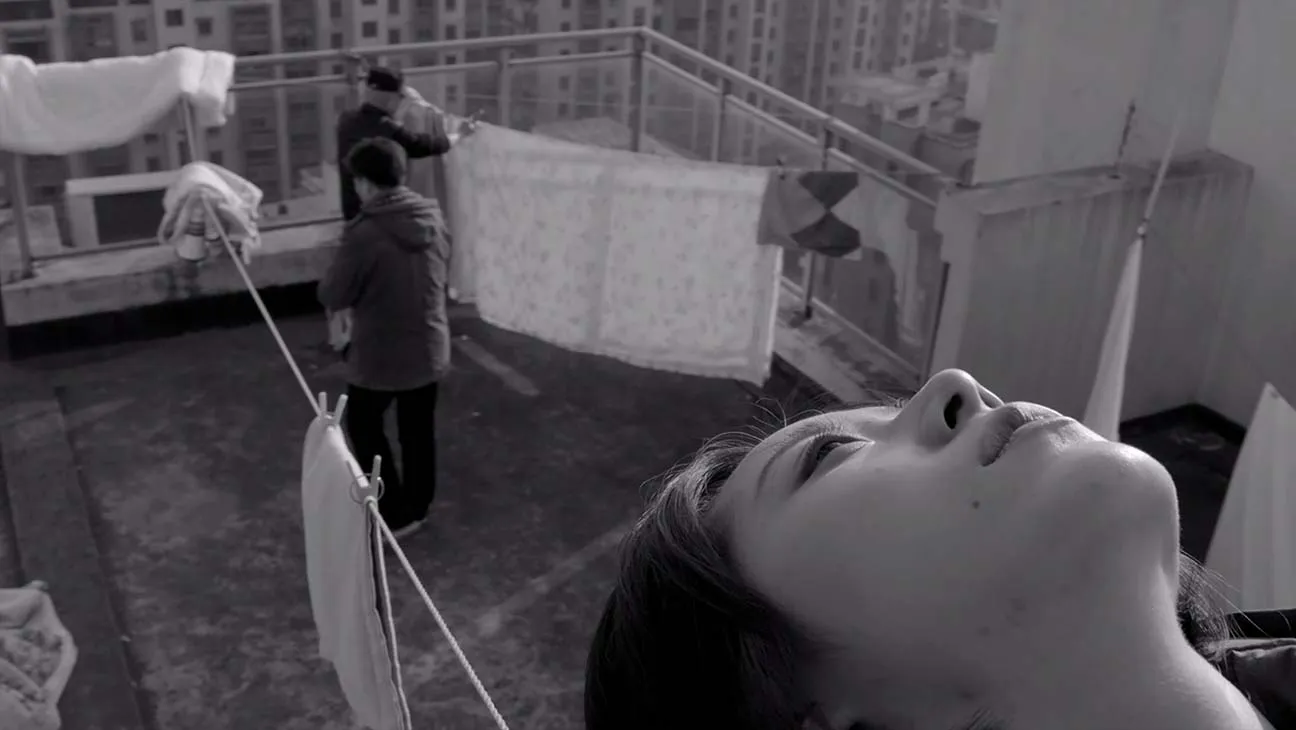
The Cloud in Her Room (2020) follows 22-year-old Muzi as she returns to her hometown of Hangzhou for Chinese New Year and drifts through familiar streets, old friends, and the remnants of family life with quiet detachment. As she navigates the awkwardness of her divorced parents’ changed lives and reconnects with people from her past, the film captures her sense of alienation and search for belonging. Told in evocative black-and-white imagery and blending observational moments with fragmented reminiscences, the movie reflects on memory, identity, and the unsettled feeling of young adulthood in a rapidly changing world.
Return To Dust (2022)
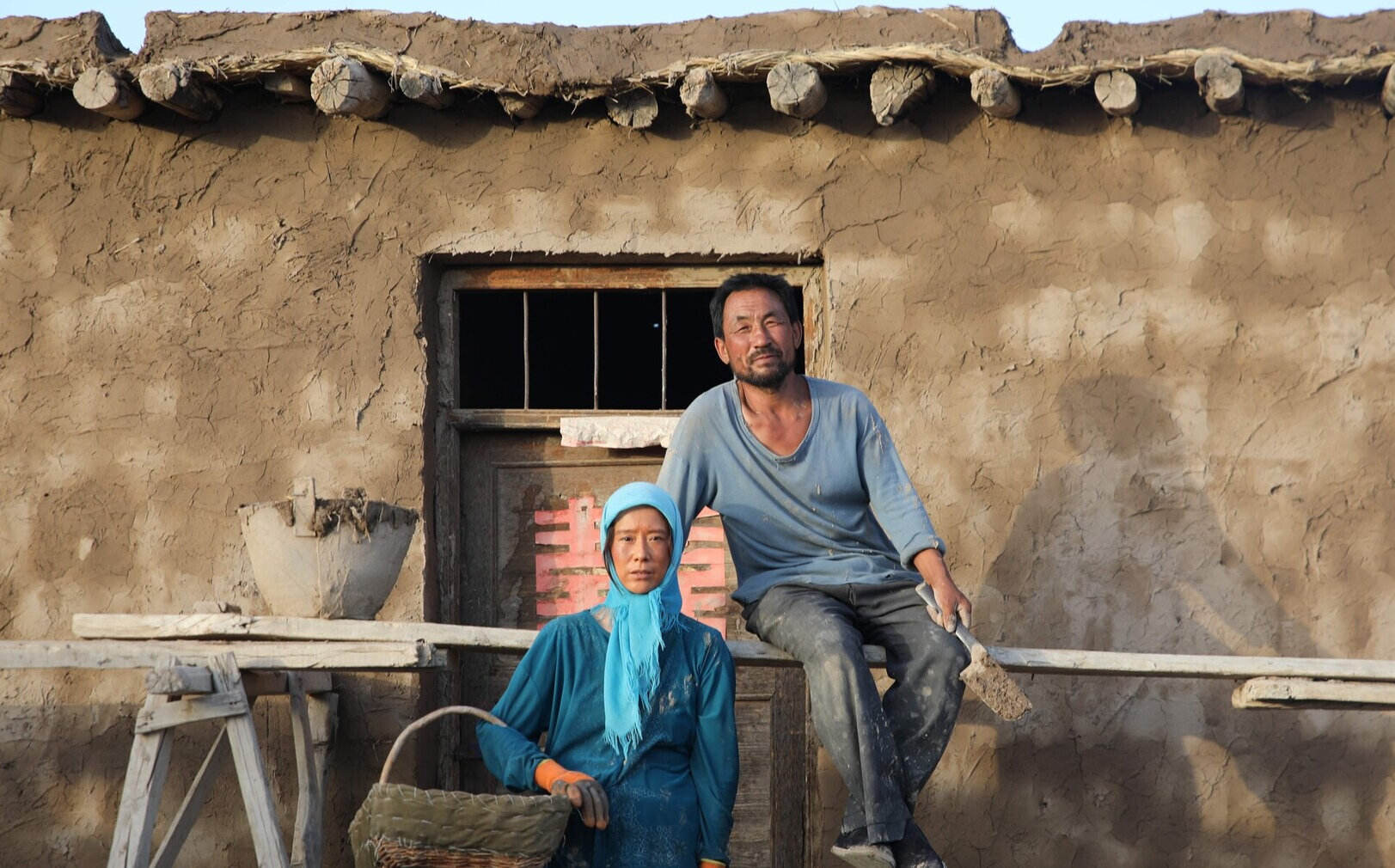
Return to Dust (2022) is a Chinese rural drama about Ma Youtie, a humble farmer, and Cao Guiying, a disabled, infertile woman past typical marrying age, whom their families arrange to wed in a remote Gansu village. As they work the land, build a home from mud bricks, and tend to crops with the help of Ma’s old donkey, an unexpected tenderness and deep companionship grows between them amid hardship. Their simple life together celebrates quiet devotion and resilience against poverty, social neglect, and the pressures of modernization and urban migration.
She, A Chinese (2009)
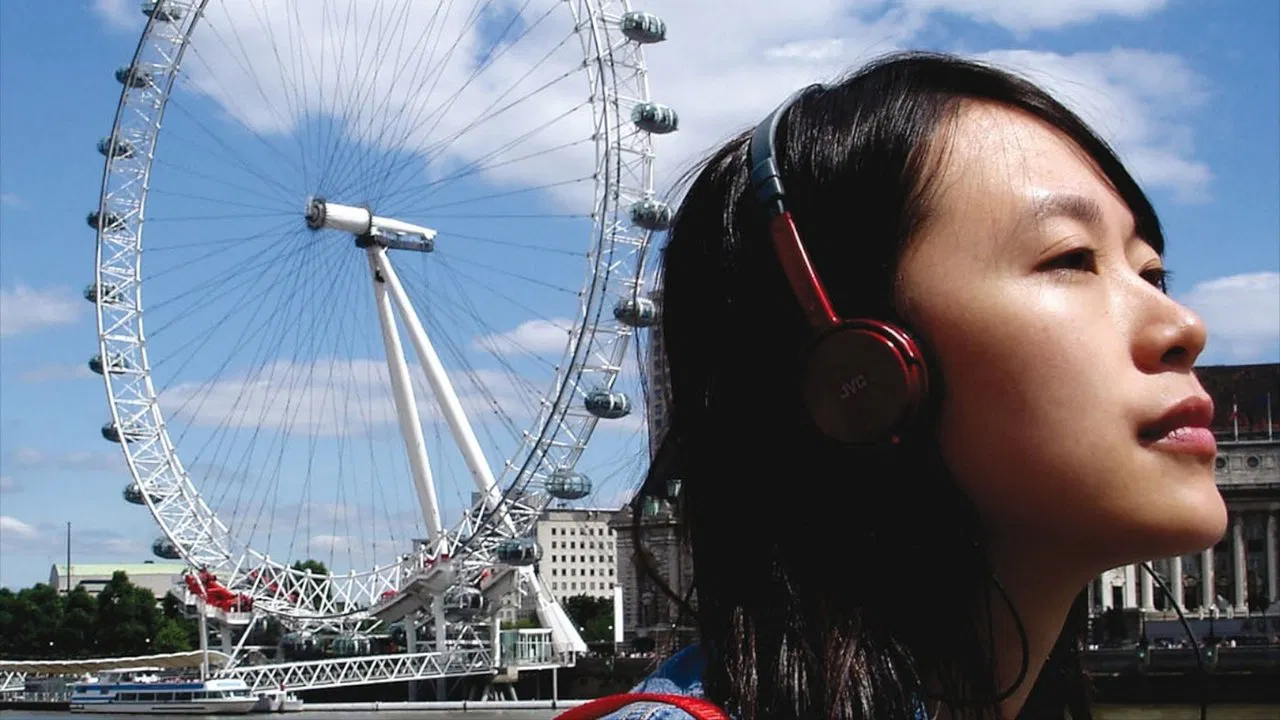
She, A Chinese (2009) follows Li Mei, a young woman from a small town in Shaanxi who leaves her troubled home life and drifts through China’s urban margins before emigrating to London. As she navigates factory work, unstable relationships, and cultural dislocation, the film traces her quiet resilience and growing self-awareness. Told with restraint and observational distance, it explores migration, loneliness, and a woman’s search for autonomy amid economic and emotional uncertainty.
Crossing The Border – Zhaoguan (2018)
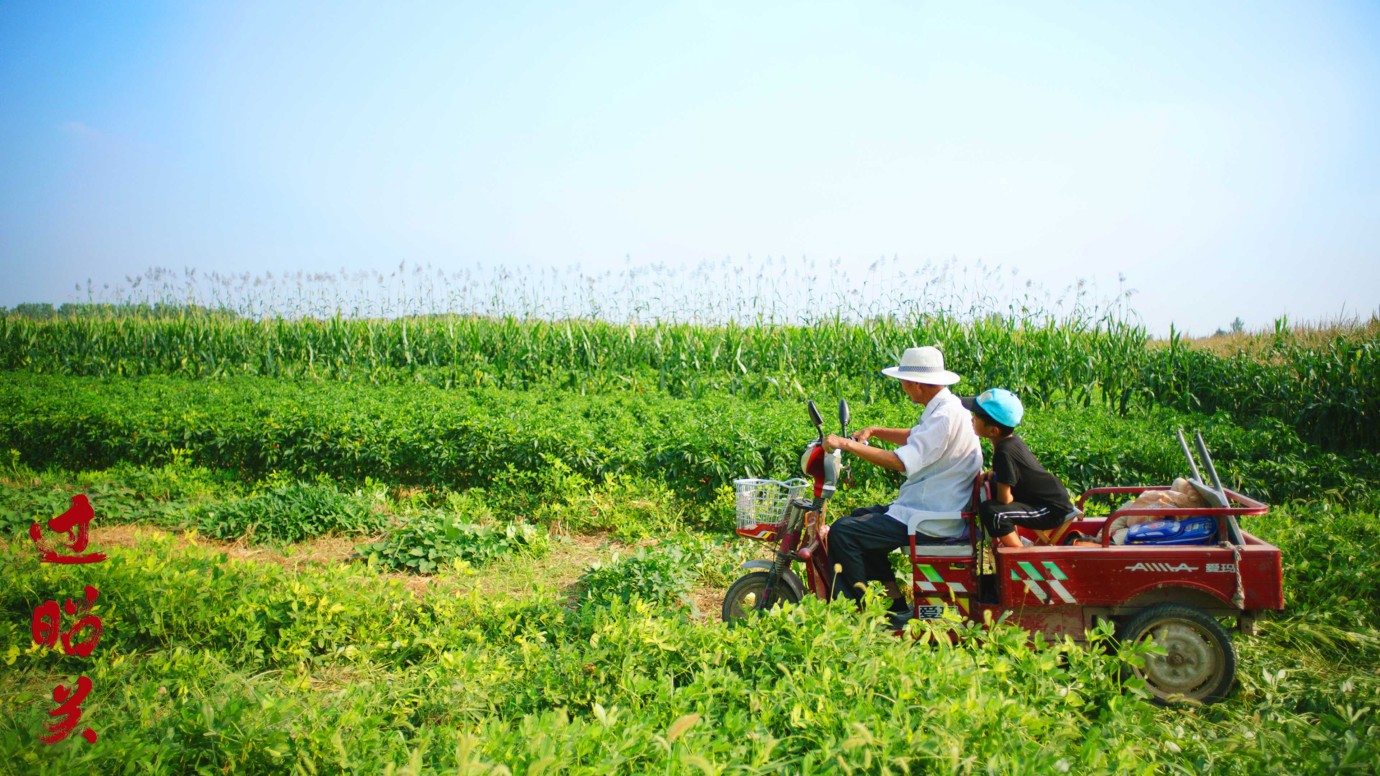
Crossing The Border – Zhaoguan is a Chinese rural road drama about 77-year-old Li Fuchang and his seven-year-old grandson Ningning, who embark on a long journey by motorcycle tricycle to visit an old friend in failing health. When Ningning is sent to spend the summer in the countryside, the unlikely duo set off across Henan province, meeting various people and sharing conversations about life, memory, and aging along the way. Their trip becomes a reflective portrait of intergenerational bonds, rural life, and the quiet wisdom of an elder determined to honor past friendships before it’s too late.
A New Old Play (2021)
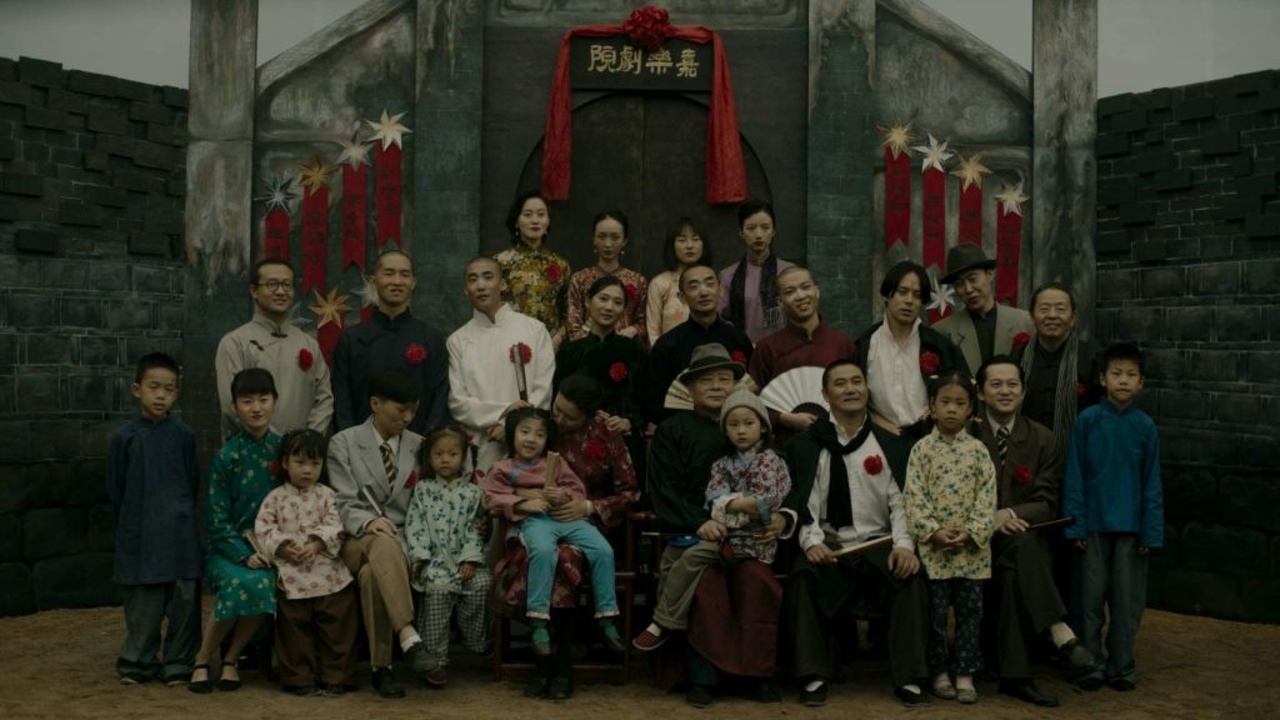
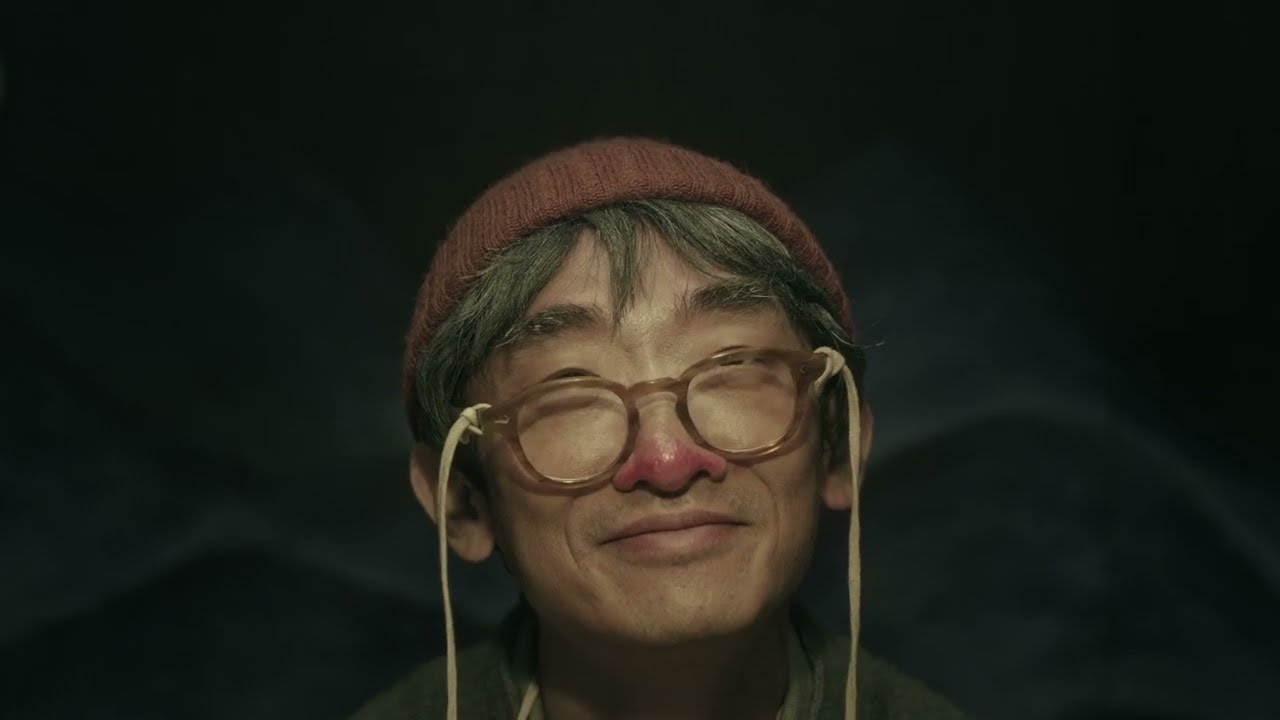
A New Old Play (2021) is a visually inventive Chinese drama that follows the life of Qiu Fu, a famed Sichuan opera clown, as he journeys into the underworld after his death. Reluctantly escorted by two underworld officials, Qiu Fu encounters memories of his past, and through these recollections the film traces his life and career against the sweeping backdrop of 20th-century China—from the 1920s through war, famine, and political upheaval. Blending theatrical tableaux, surreal sequences, and historical reflection, the movie uses opera, fantasy, and memory to explore art, struggle, and love across decades of change.
Sha Ma Te I Love You (2019)
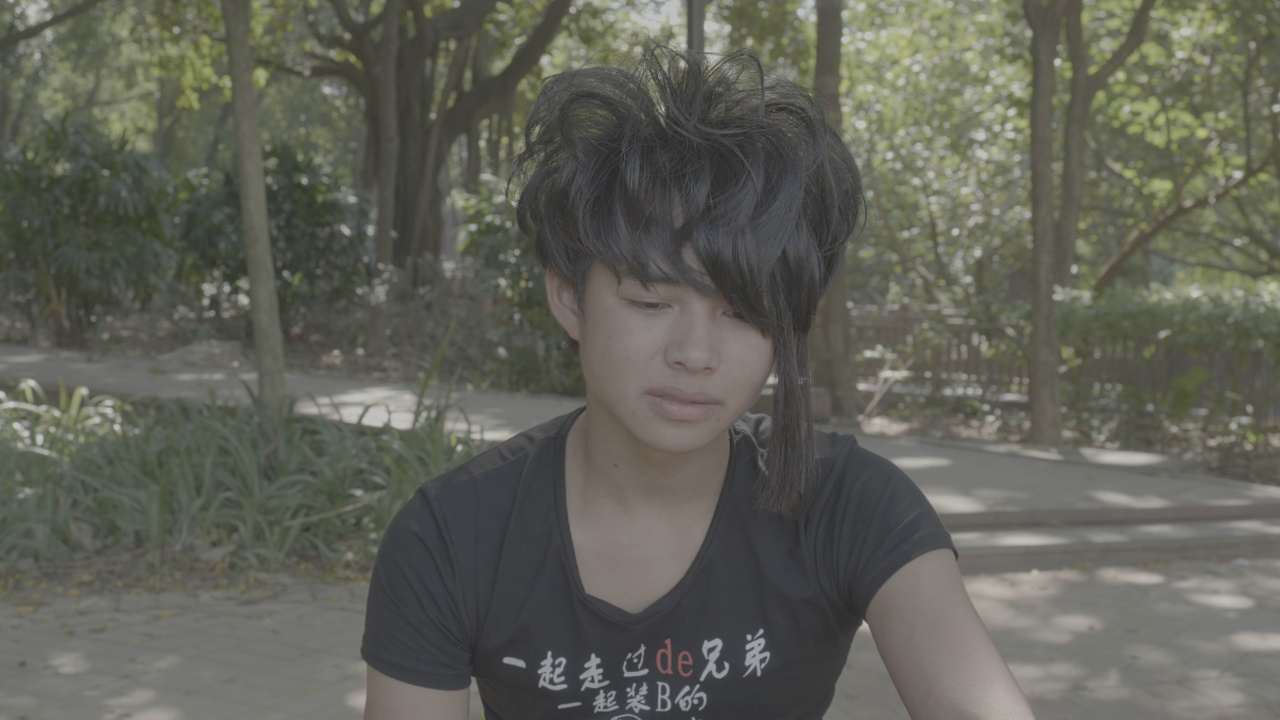
Sha Ma Te I Love You (2019), also known as We Were Smart, is a Chinese documentary that explores the rise and fall of the shamate youth subculture—an eccentric style movement adopted mainly by rural migrant workers in Chinese cities. Through firsthand videos and personal interviews, the film gives voice to marginalized, often poor young people who used flamboyant fashion and self-expression as an outlet from monotonous factory work, social isolation, and exploitation. It reflects on their search for identity and belonging amid rapid economic change, sparking conversations about class, conformity, and the hidden costs of China’s urban boom.
Tough Out (2020)
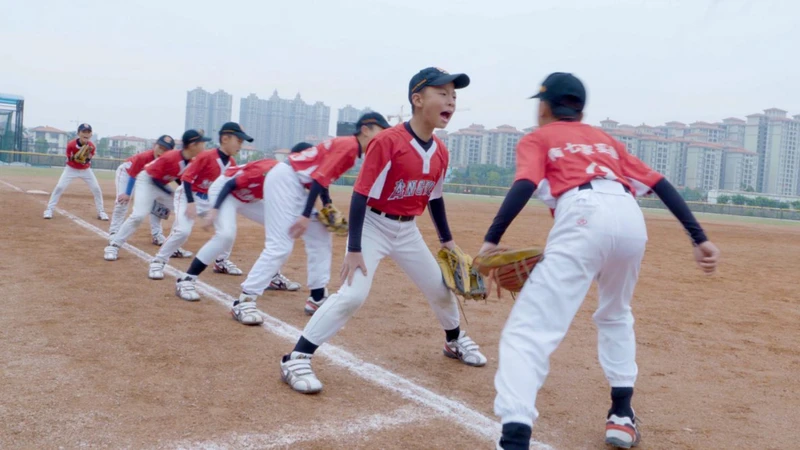
Tough Out (2020) is a Chinese documentary that follows a group of troubled, underprivileged teenagers training in baseball at a charity program on the outskirts of Beijing under a veteran coach. As they learn the sport from scratch, the film captures their personal struggles, internal conflicts, and efforts to build confidence and teamwork. With the Pony League World Series on the horizon and unexpected challenges like losing their playfield, the young players must pull together to face competition and life’s obstacles. The film blends social insight with heartfelt resilience, highlighting hope, growth, and community through sport.
Cover image via The Hollywood Reporter.