
Feature image of China’s ‘Instant Response Specialists’ Are The New “Delivery” Therapists

China’s ‘Instant Response Specialists’ Are The New “Delivery” Therapists

2 mins read

2 mins read

Feature image of China’s ‘Instant Response Specialists’ Are The New “Delivery” Therapists
From late-night vents to daily anxieties, China's Gen Z is embracing a new, on-demand emotional lifeline, comparing its pros and cons to established therapeutic practices.

The landscape of emotional support is rapidly evolving in China, with a significant shift driven by Gen Z. A new phenomenon, dubbed “instant response specialists” or “miao hui shi,” has emerged as a direct, text-based avenue for mental and emotional well-being, challenging traditional therapy models and presenting both opportunities and regulatory questions.

Operating primarily through Chinese social media marketplaces and various gig-style platforms, instant response specialists provide empathetic, often immediate, textual feedback to individuals seeking to vent, discuss life challenges, or simply find a listening ear. Clients report receiving responses within seconds, appreciating the accessibility and the sense of being valued—a critical factor for a generation often grappling with work stress and social isolation. This model directly addresses the need for immediate human connection that many find lacking in purely digital interactions or in the formal, often intimidating, structure of conventional therapy.

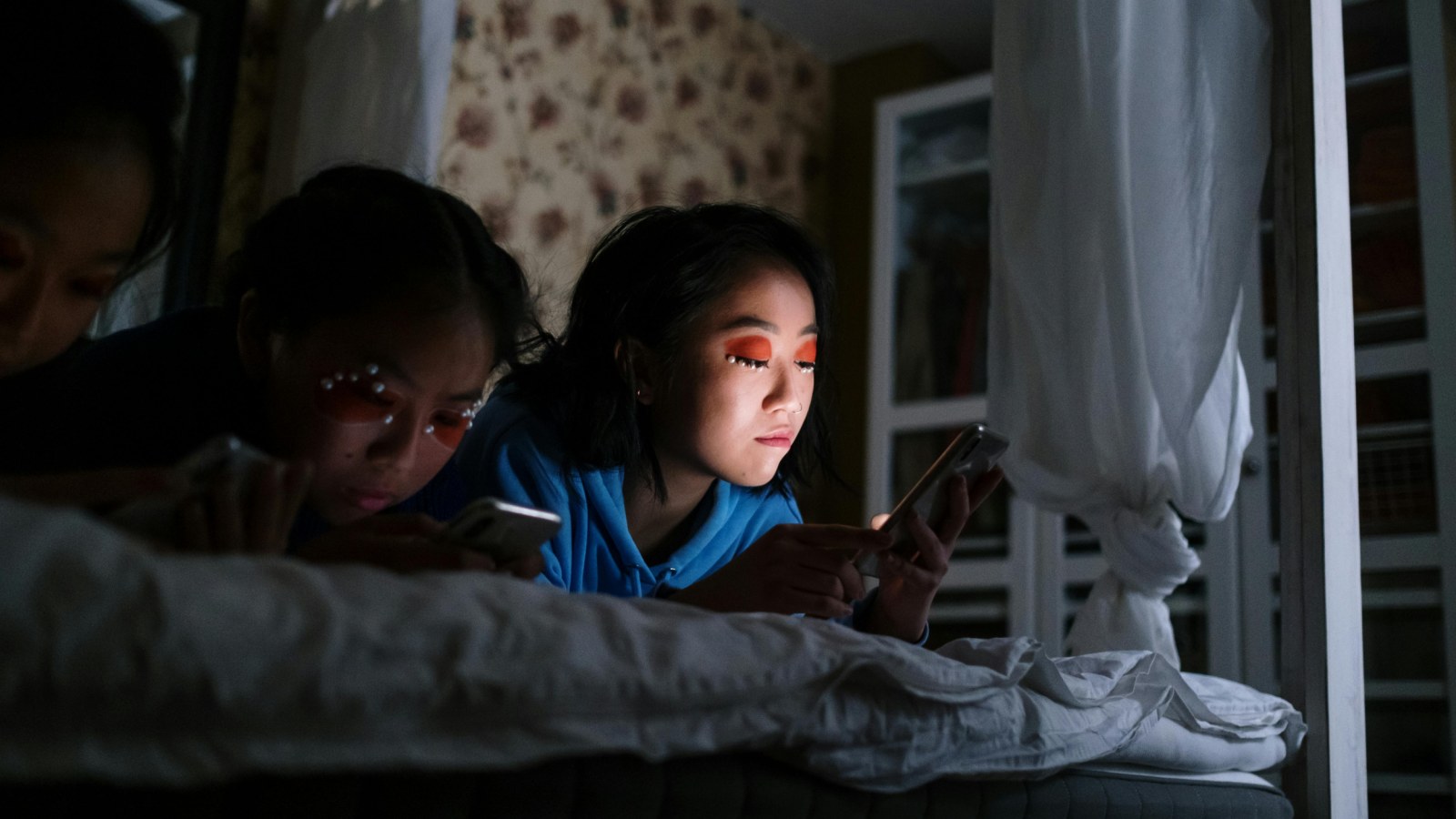
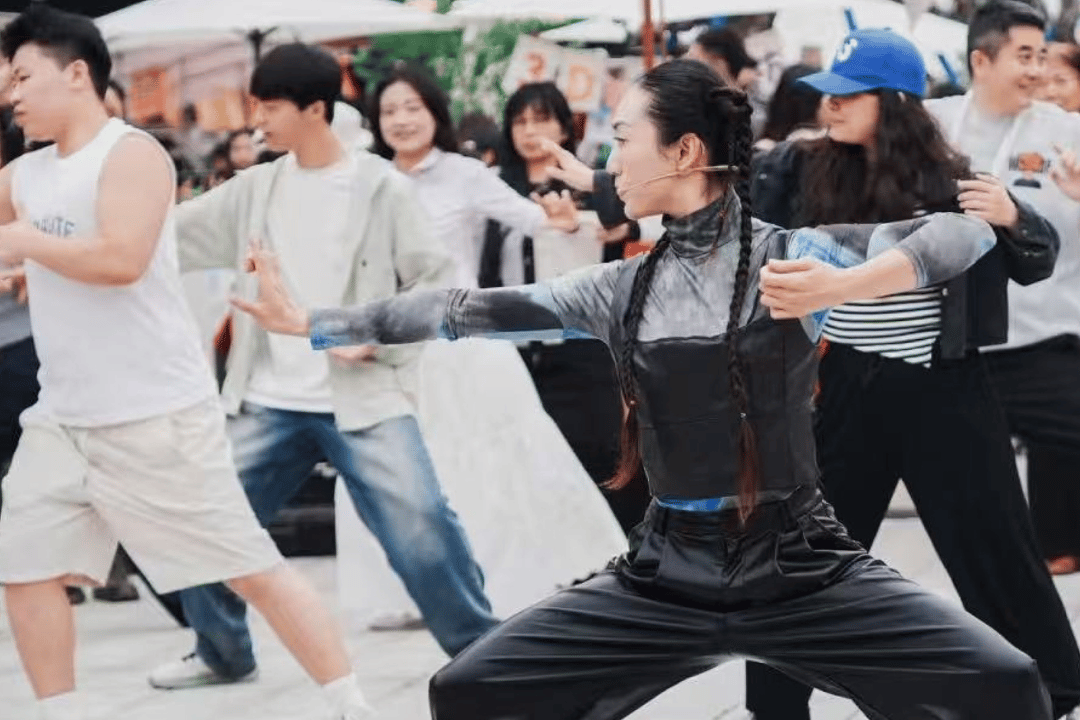
RADII talks about a new therapy trend of the "instant response specialist" among China's Gen Z.
Image via London Review of Books.

Economically, the service positions itself as an affordable middle-ground between expensive professional therapy—which can cost hundreds of yuan per session—and the perceived impersonality of AI chatbots. Instant response providers frequently charge based on time or demand, with many capable of earning approximately 10,000 RMB (around 1,400 USD) per month. This attractive earning potential draws a diverse range of individuals to the profession, including stay-at-home parents and university students seeking flexible income, underscoring its role in the broader gig economy.

The contrast with traditional therapeutic methods is stark: instant response offers unparalleled convenience and implicit 24/7 availability, eliminating geographical barriers and scheduling conflicts. For China’s large population of young individuals living alone, this on-demand emotional outlet offers a vital sense of immediate comfort.
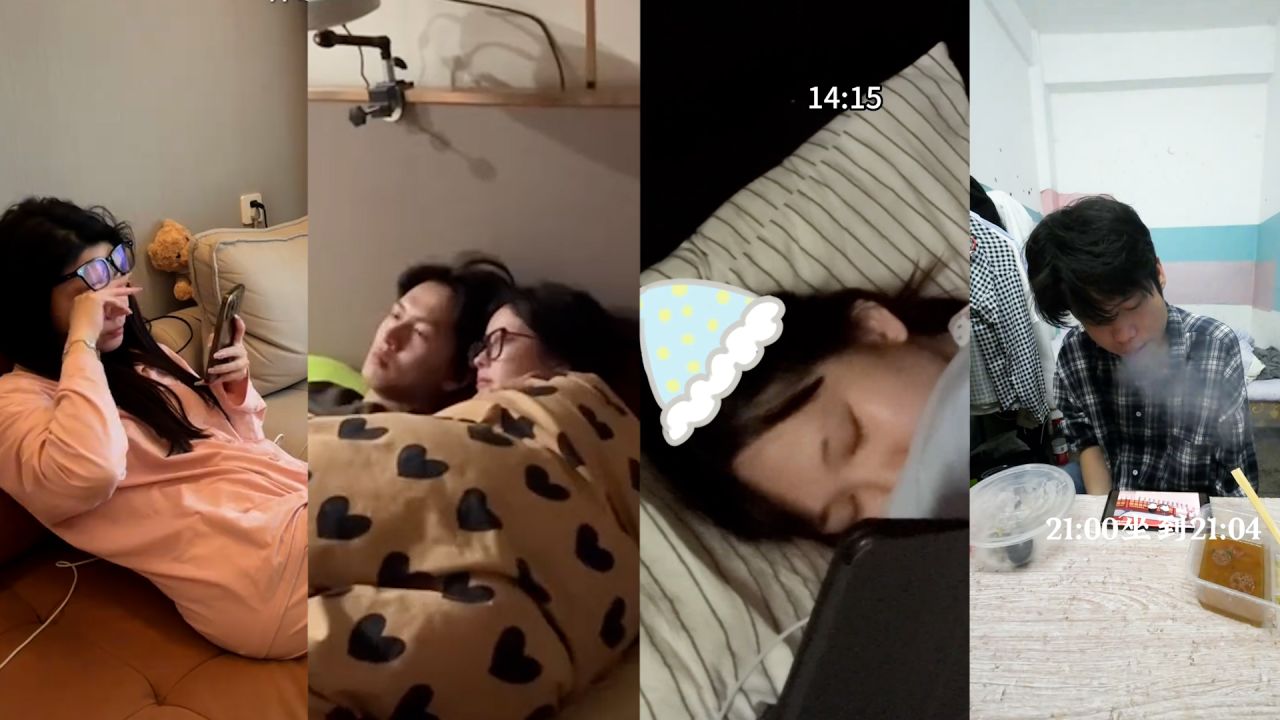
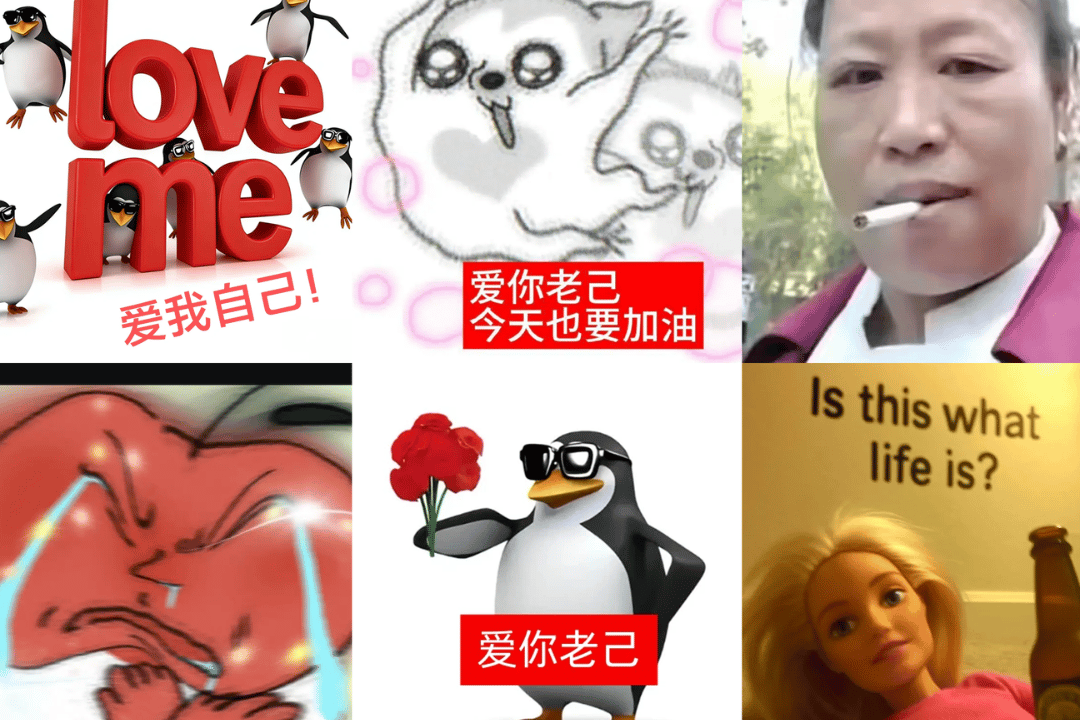
RADII talks about a new therapy trend of the "instant response specialist" among China's Gen Z.
Image via CNN.

However, the rapid growth of this unregulated sector brings forth legitimate concerns regarding professionalism and the quality of advice. Unlike licensed psychotherapists, instant response specialists typically lack formal mental health training. This absence raises critical questions about their capacity to identify severe mental health conditions, provide appropriate, evidence-based interventions, or navigate complex ethical dilemmas. While legislation passed at the end of 2025 has begun to emphasize user safety, particularly concerning chatbots, the broader regulation of human-led ‘instant reply provider’ services remains a developing challenge, demanding a careful balance between innovation and safeguarding mental well-being.

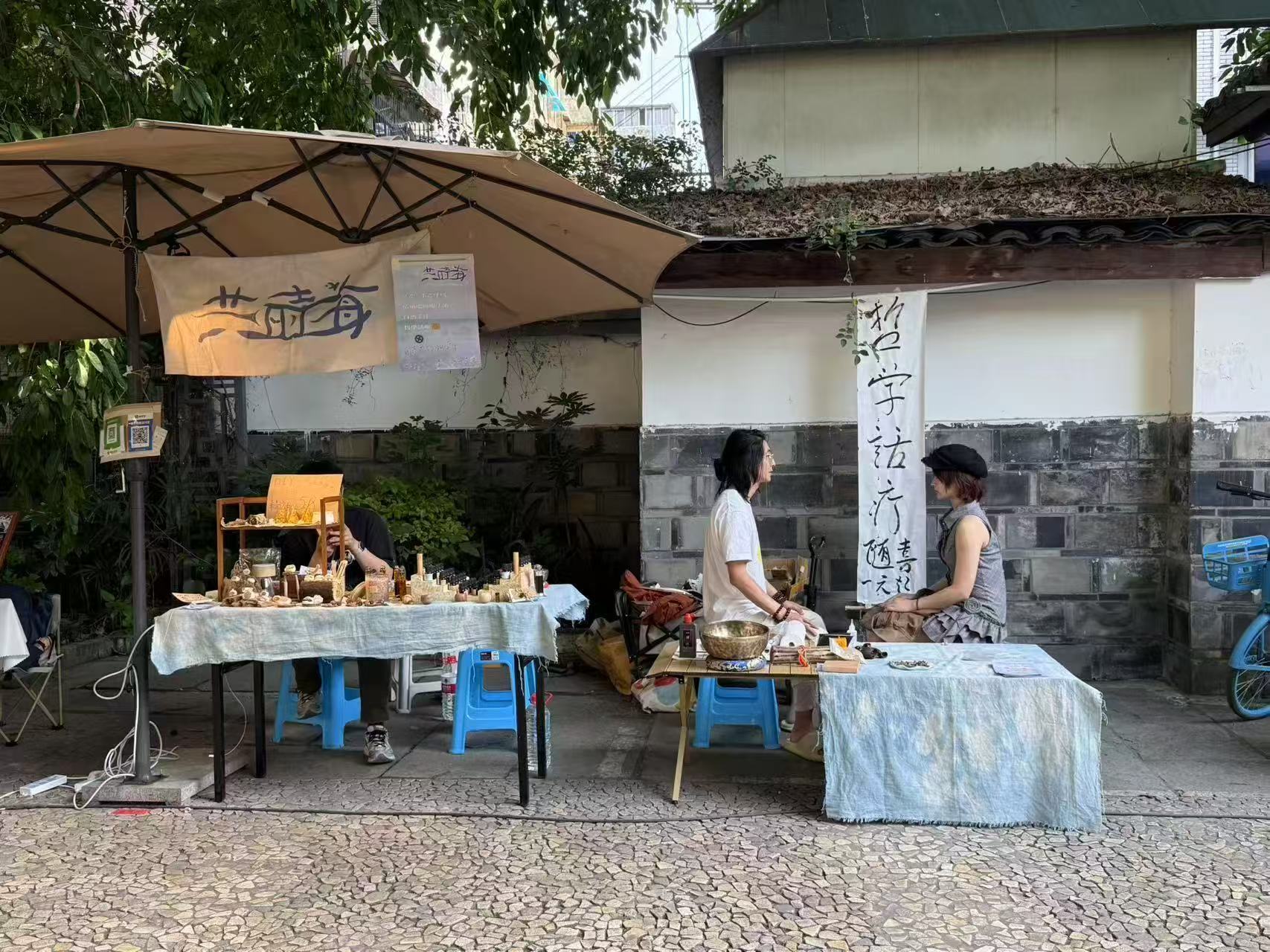
Cover image via International Business Times.

NEWSLETTER

Get weekly top picks and exclusive, newsletter only content delivered straight to you inbox.

NEWSLETTER

Get weekly top picks and exclusive, newsletter only content delivered straight to you inbox.

RADII NEWSLETTER

Get weekly top picks and exclusive, newsletter only content delivered straight to you inbox

Feature image of China’s ‘Instant Response Specialists’ Are The New “Delivery” Therapists

China’s ‘Instant Response Specialists’ Are The New “Delivery” Therapists

2 mins read

From late-night vents to daily anxieties, China's Gen Z is embracing a new, on-demand emotional lifeline, comparing its pros and cons to established therapeutic practices.

The landscape of emotional support is rapidly evolving in China, with a significant shift driven by Gen Z. A new phenomenon, dubbed “instant response specialists” or “miao hui shi,” has emerged as a direct, text-based avenue for mental and emotional well-being, challenging traditional therapy models and presenting both opportunities and regulatory questions.

Operating primarily through Chinese social media marketplaces and various gig-style platforms, instant response specialists provide empathetic, often immediate, textual feedback to individuals seeking to vent, discuss life challenges, or simply find a listening ear. Clients report receiving responses within seconds, appreciating the accessibility and the sense of being valued—a critical factor for a generation often grappling with work stress and social isolation. This model directly addresses the need for immediate human connection that many find lacking in purely digital interactions or in the formal, often intimidating, structure of conventional therapy.

RADII talks about a new therapy trend of the "instant response specialist" among China's Gen Z.
Image via London Review of Books.

Economically, the service positions itself as an affordable middle-ground between expensive professional therapy—which can cost hundreds of yuan per session—and the perceived impersonality of AI chatbots. Instant response providers frequently charge based on time or demand, with many capable of earning approximately 10,000 RMB (around 1,400 USD) per month. This attractive earning potential draws a diverse range of individuals to the profession, including stay-at-home parents and university students seeking flexible income, underscoring its role in the broader gig economy.

The contrast with traditional therapeutic methods is stark: instant response offers unparalleled convenience and implicit 24/7 availability, eliminating geographical barriers and scheduling conflicts. For China’s large population of young individuals living alone, this on-demand emotional outlet offers a vital sense of immediate comfort.

RADII talks about a new therapy trend of the "instant response specialist" among China's Gen Z.
Image via CNN.

However, the rapid growth of this unregulated sector brings forth legitimate concerns regarding professionalism and the quality of advice. Unlike licensed psychotherapists, instant response specialists typically lack formal mental health training. This absence raises critical questions about their capacity to identify severe mental health conditions, provide appropriate, evidence-based interventions, or navigate complex ethical dilemmas. While legislation passed at the end of 2025 has begun to emphasize user safety, particularly concerning chatbots, the broader regulation of human-led ‘instant reply provider’ services remains a developing challenge, demanding a careful balance between innovation and safeguarding mental well-being.

Cover image via International Business Times.
NEWSLETTER

Get weekly top picks and exclusive, newsletter only content delivered straight to you inbox.

RADII NEWSLETTER

Get weekly top picks and exclusive, newsletter only content delivered straight to you inbox

RELATED POSTS

Feature image of China’s ‘Instant Response Specialists’ Are The New “Delivery” Therapists

China’s ‘Instant Response Specialists’ Are The New “Delivery” Therapists

2 mins read

2 mins read

Feature image of China’s ‘Instant Response Specialists’ Are The New “Delivery” Therapists
From late-night vents to daily anxieties, China's Gen Z is embracing a new, on-demand emotional lifeline, comparing its pros and cons to established therapeutic practices.

The landscape of emotional support is rapidly evolving in China, with a significant shift driven by Gen Z. A new phenomenon, dubbed “instant response specialists” or “miao hui shi,” has emerged as a direct, text-based avenue for mental and emotional well-being, challenging traditional therapy models and presenting both opportunities and regulatory questions.

Operating primarily through Chinese social media marketplaces and various gig-style platforms, instant response specialists provide empathetic, often immediate, textual feedback to individuals seeking to vent, discuss life challenges, or simply find a listening ear. Clients report receiving responses within seconds, appreciating the accessibility and the sense of being valued—a critical factor for a generation often grappling with work stress and social isolation. This model directly addresses the need for immediate human connection that many find lacking in purely digital interactions or in the formal, often intimidating, structure of conventional therapy.

RADII talks about a new therapy trend of the "instant response specialist" among China's Gen Z.
Image via London Review of Books.

Economically, the service positions itself as an affordable middle-ground between expensive professional therapy—which can cost hundreds of yuan per session—and the perceived impersonality of AI chatbots. Instant response providers frequently charge based on time or demand, with many capable of earning approximately 10,000 RMB (around 1,400 USD) per month. This attractive earning potential draws a diverse range of individuals to the profession, including stay-at-home parents and university students seeking flexible income, underscoring its role in the broader gig economy.

The contrast with traditional therapeutic methods is stark: instant response offers unparalleled convenience and implicit 24/7 availability, eliminating geographical barriers and scheduling conflicts. For China’s large population of young individuals living alone, this on-demand emotional outlet offers a vital sense of immediate comfort.

RADII talks about a new therapy trend of the "instant response specialist" among China's Gen Z.
Image via CNN.

However, the rapid growth of this unregulated sector brings forth legitimate concerns regarding professionalism and the quality of advice. Unlike licensed psychotherapists, instant response specialists typically lack formal mental health training. This absence raises critical questions about their capacity to identify severe mental health conditions, provide appropriate, evidence-based interventions, or navigate complex ethical dilemmas. While legislation passed at the end of 2025 has begun to emphasize user safety, particularly concerning chatbots, the broader regulation of human-led ‘instant reply provider’ services remains a developing challenge, demanding a careful balance between innovation and safeguarding mental well-being.

Cover image via International Business Times.
NEWSLETTER

Get weekly top picks and exclusive, newsletter only content delivered straight to you inbox.

NEWSLETTER

Get weekly top picks and exclusive, newsletter only content delivered straight to you inbox.

RADII NEWSLETTER

Get weekly top picks and exclusive, newsletter only content delivered straight to you inbox

Feature image of China’s ‘Instant Response Specialists’ Are The New “Delivery” Therapists

China’s ‘Instant Response Specialists’ Are The New “Delivery” Therapists

2 mins read

From late-night vents to daily anxieties, China's Gen Z is embracing a new, on-demand emotional lifeline, comparing its pros and cons to established therapeutic practices.

The landscape of emotional support is rapidly evolving in China, with a significant shift driven by Gen Z. A new phenomenon, dubbed “instant response specialists” or “miao hui shi,” has emerged as a direct, text-based avenue for mental and emotional well-being, challenging traditional therapy models and presenting both opportunities and regulatory questions.

Operating primarily through Chinese social media marketplaces and various gig-style platforms, instant response specialists provide empathetic, often immediate, textual feedback to individuals seeking to vent, discuss life challenges, or simply find a listening ear. Clients report receiving responses within seconds, appreciating the accessibility and the sense of being valued—a critical factor for a generation often grappling with work stress and social isolation. This model directly addresses the need for immediate human connection that many find lacking in purely digital interactions or in the formal, often intimidating, structure of conventional therapy.

RADII talks about a new therapy trend of the "instant response specialist" among China's Gen Z.
Image via London Review of Books.

Economically, the service positions itself as an affordable middle-ground between expensive professional therapy—which can cost hundreds of yuan per session—and the perceived impersonality of AI chatbots. Instant response providers frequently charge based on time or demand, with many capable of earning approximately 10,000 RMB (around 1,400 USD) per month. This attractive earning potential draws a diverse range of individuals to the profession, including stay-at-home parents and university students seeking flexible income, underscoring its role in the broader gig economy.

The contrast with traditional therapeutic methods is stark: instant response offers unparalleled convenience and implicit 24/7 availability, eliminating geographical barriers and scheduling conflicts. For China’s large population of young individuals living alone, this on-demand emotional outlet offers a vital sense of immediate comfort.

RADII talks about a new therapy trend of the "instant response specialist" among China's Gen Z.
Image via CNN.

However, the rapid growth of this unregulated sector brings forth legitimate concerns regarding professionalism and the quality of advice. Unlike licensed psychotherapists, instant response specialists typically lack formal mental health training. This absence raises critical questions about their capacity to identify severe mental health conditions, provide appropriate, evidence-based interventions, or navigate complex ethical dilemmas. While legislation passed at the end of 2025 has begun to emphasize user safety, particularly concerning chatbots, the broader regulation of human-led ‘instant reply provider’ services remains a developing challenge, demanding a careful balance between innovation and safeguarding mental well-being.

Cover image via International Business Times.
NEWSLETTER

Get weekly top picks and exclusive, newsletter only content delivered straight to you inbox.

RADII NEWSLETTER

Get weekly top picks and exclusive, newsletter only content delivered straight to you inbox

NEWSLETTER​

Get weekly top picks and exclusive, newsletter only content delivered straight to you inbox

RADII Newsletter Pop Up small banner

NEWSLETTER

Get weekly top picks and exclusive, newsletter only content delivered straight to you inbox.

Link Copied!

Share

Feature image of China’s ‘Instant Response Specialists’ Are The New “Delivery” Therapists

China’s ‘Instant Response Specialists’ Are The New “Delivery” Therapists

From late-night vents to daily anxieties, China's Gen Z is embracing a new, on-demand emotional lifeline, comparing its pros and cons to established therapeutic practices.

PULSE

Tap into the latest in music, fashion, art, design, entertainment, pop culture, celebrity news, and contemporary culture

DISCOVER

Embark on a journey through food, travel, wellness, heritage, traditional culture, and lifestyle

STYLE

An insider’s look at the intersection of fashion, art, and design

FEAST

Titillate your taste buds with coverage of the best food and drink trends from China and beyond.

FUTURE

Explore the cutting edge in tech, AI, gadgets, gaming, and innovative tech-related products

FEAST

Titillate your taste buds with coverage of the best food and drink trends from China and beyond

STYLE

An insider’s look at the intersection of fashion, art, and design

PULSE

Unpacking Chinese youth culture through coverage of nightlife, film, sports, celebrities, and the hottest new music