
Feature image of AI is Giving Toys a Mind of Their Own

AI is Giving Toys a Mind of Their Own

5 mins read

5 mins read

Feature image of AI is Giving Toys a Mind of Their Own
Hong Kong's biggest toy convention is a window into the future of play.

Walk the Hong Kong Convention and Exhibition Centre during any given trade show, and you’ll see the usual machinery of commerce grinding away—the handshakes, the business cards, the deals being quietly finalized behind closed doors. Walk it from January 12 to 15, and something entirely different was happening. Collectors were lining up like they were waiting for concert tickets. Influencers were working booths with the kind of theatrical energy usually reserved for retail launches. Finance companies were actually taking notes on IP collaboration. This wasn’t a trade show in any conventional sense. It was a collision of worlds—and it was messy and alive in a way most industry events never are.

The Pop & Play pavilion, part of Hong Kong’s broader Toys & Games Fair, had somehow managed to do the impossible: it made toy collecting feel important without making it seem ridiculous. But more importantly, it revealed something genuinely interesting about where we’re headed as a culture—a place where children’s toys are starting to think.
RADII talks about the new AI toys showcased at the Hong Kong toy convention 2026.

The Toys Are Talking Back

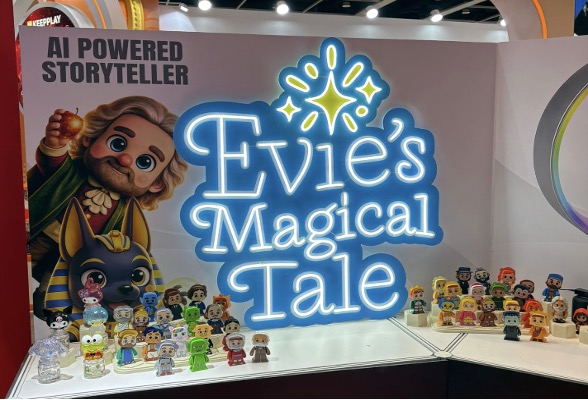
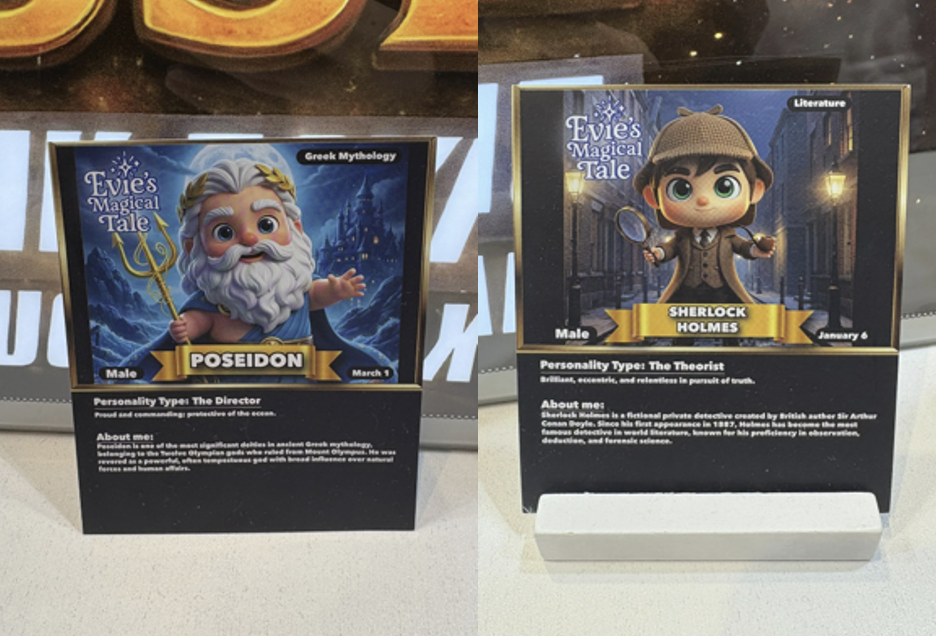
Among the plushes and collectibles that filled the pavilion was a booth showcasing something genuinely strange and wonderful: Evie’s Magical Tale. The system, which honestly felt a few years ahead of schedule, works like this: you collect figurines of famous figures—historical icons, fictional characters, myths made plastic. Dracula, Isaac Newton, Athena, Little Red Riding Hood. They’re not cheap novelties; these are collectibles designed to actually live on a shelf, to mean something to the person holding them.

Then you place one on a pedestal. This pedestal is embedded with DeepSeek AI.
RADII talks about the new AI toys showcased at the Hong Kong toy convention 2026.

Here’s where it gets interesting. The pedestal recognizes which figure you’ve placed on it. Suddenly, your kid isn’t just holding a toy—they’re in a conversation with an AI that actually understands the historical and cultural weight of that character. Ask it about Newton’s laws of motion, and you get a real explanation. The highlight of this isn’t the technology layer—anyone can bolt AI onto a toy these days. It’s that the system actually gamifies learning without triggering the “this feels like homework” alarm that makes kids shut down. The toy remains a collectible, something worth owning and displaying. The AI just adds depth to something already compelling.
RADII talks about the new AI toys showcased at the Hong Kong toy convention 2026.

This is the future Chinese manufacturers are quietly building. Manufacturers here have already moved past that debate. They’re weaving AI into learning toys as standard practice—not an added feature, not a novelty, but as a foundational design philosophy. Kids are growing up comfortable with the idea that their toys can teach them, that artificial intelligence can be a learning companion without being weird or alienating. And when the kid is genuinely having fun while learning something, it’s hard to argue that’s not a win.

The convention made clear what’s coming: AI-integrated toys aren’t some futuristic possibility anymore. They’re being manufactured at scale. They’re here. And they’re designed for a generation that will interact with learning through these tools with the same intuitive ease that previous generations had with books or television.
RADII talks about the new AI toys showcased at the Hong Kong toy convention 2026.

What Brought This Unlikely Gathering Together

But the AI toys weren’t the only draw. Collectors, kids, and curious adults crowded into the Trendy Toy Pavilion—that buzzy corner of the convention that felt less like a trade show floor and more like stepping into the fever dream of someone who’d spent the last decade collecting.

What actually made this different from the usual industry trade fair was something simpler and more profound: the organizers had deliberately torn down the wall between business and fandom. This wasn’t just corporate buyers placing bulk orders behind closed doors. The pavilion was consciously opened to the general public, mixing B2B and B2C energy in ways that made the entire space vibrate with genuine, somewhat chaotic excitement. Ray Leung, founder and CEO of Matrix Promotion, one of the convention’s key exhibitors, put it plainly: “When you mix industry players with actual fans, you create an atmosphere where real collaborations can happen.”
RADII talks about the new AI toys showcased at the Hong Kong toy convention 2026.

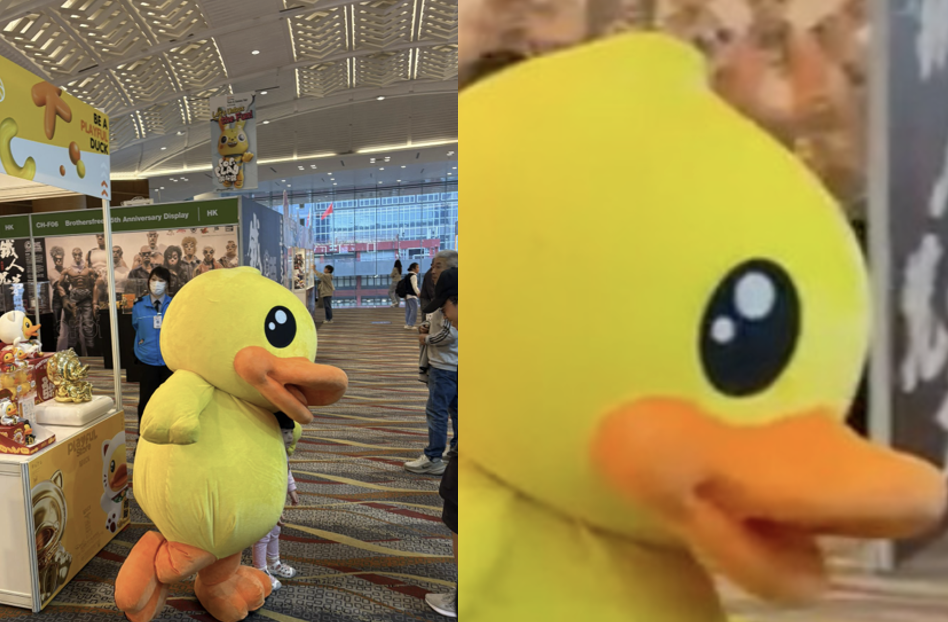
A life-size B.Duck mascot wandered through the crowds and snuck up behind some people. KOLs like Snow Suen were spotted. Actress Joey Thye was there hosting Q&A sessions about her own IP ventures. The mix of celebrity, fandom, and commerce converged without feeling forced or cynically engineered. That’s rare. That’s the kind of thing that usually gets destroyed the moment you try to manufacture it, but somehow, this felt authentic.

The Beautiful Chaos of What Actually Sells

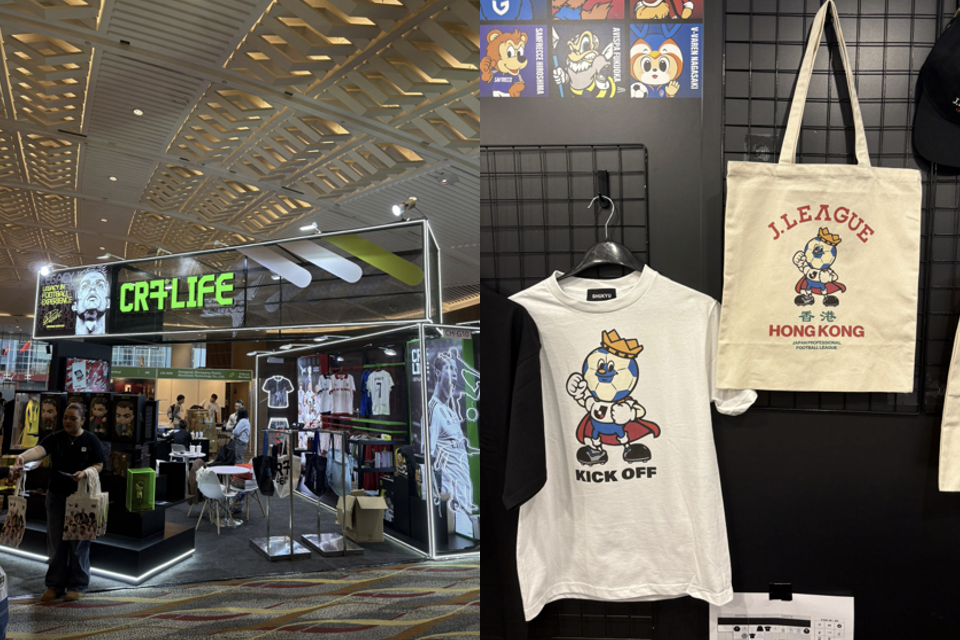
Collectible football apparel was everywhere, which shouldn’t have surprised anyone who understands Hong Kong’s relationship to sports culture. CR7Life plush dolls—little fabric versions of Cristiano Ronaldo and other football stars—were selling steadily. J.League merchandise featuring first-ever Hong Kong-exclusive prints on tees and tote bags had obvious appeal. There’s something about owning a regional variant of a global brand that transforms it from just another collectible into something that says something about who you are and where you’re from. It becomes a cultural marker.
RADII talks about the new AI toys showcased at the Hong Kong toy convention 2026.

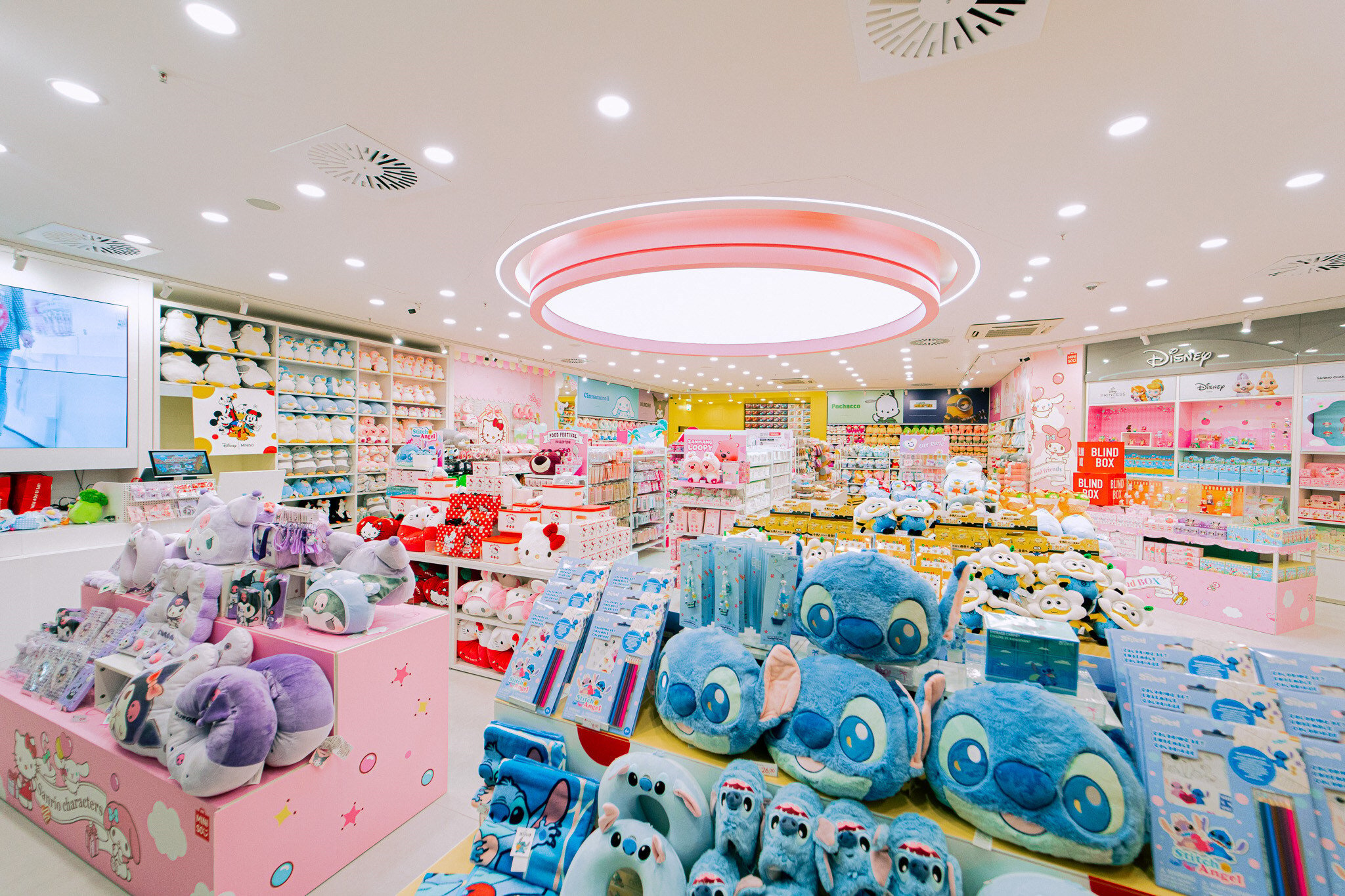
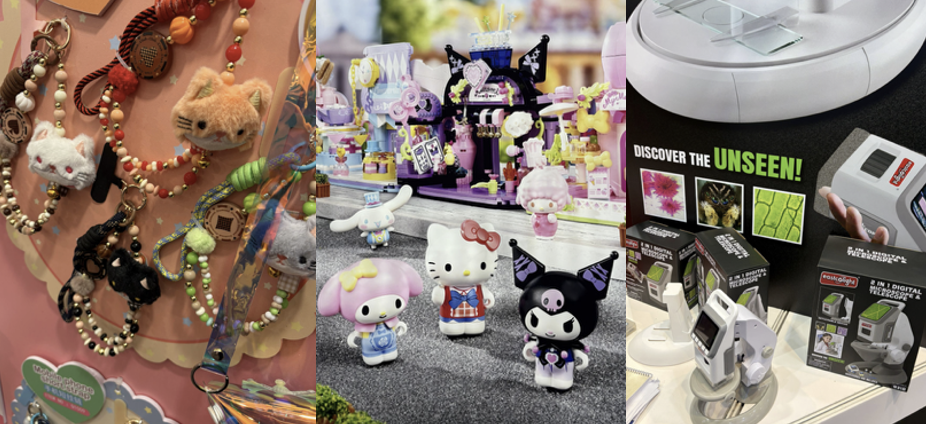
But the exhibition sprawled beautifully across genres and price points. There were kawaii charms—translucent Kirby 3D puzzles with that satisfying collector weight, glittery phone accessories for people who like their nostalgia to sparkle. K-pop demon hunter pins that bridged anime and music fan communities in ways that probably shouldn’t work but somehow did. Hello Kitty charms, because certain icons are eternal and transcend the cycles of cool. Then, on the high-tech end of the spectrum, there were toys like digital microscopes or transforming robots—the kind of thing that reminds you that toys have evolved into something stranger and more interesting than they used to be. They’re no longer purely escapist. They’re tools now. Educational, functional, capable of being genuinely cool all at once.
RADII talks about the new AI toys showcased at the Hong Kong toy convention 2026.

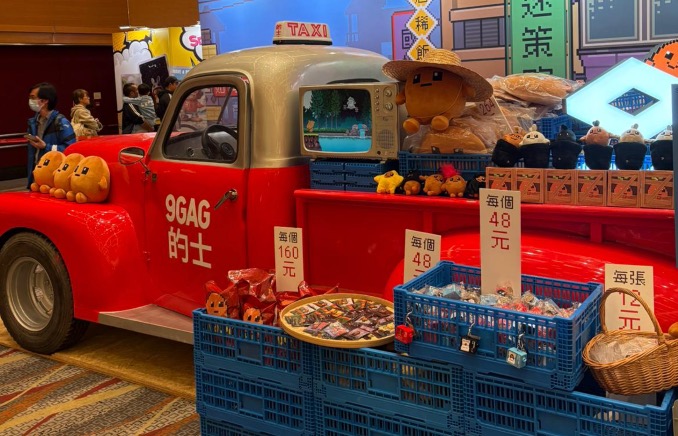
Matrix Promotion’s booth stood out, showcasing 11 original local Hong Kong IPs alongside exclusive debut products. The positioning mattered. It signaled that Hong Kong’s toy culture isn’t passively consuming international intellectual property—it’s actively generating its own. When local creators are building character universes to stand alongside global powerhouses, the entire dynamic shifts. Collectors aren’t just acquiring things from elsewhere; they’re participating in cultural output happening in their own city. That changes the emotional weight of what they’re holding.
RADII talks about the new AI toys showcased at the Hong Kong toy convention 2026.

The Bigger Picture

Toy culture has stopped being nostalgic filler for adults or simple entertainment for kids. It’s become something else entirely—a genuine cultural crossroads where IP collaborations, local makers, cross-industry partnerships, and technological innovation all collide. The regional exclusives, the energy between seasoned collectors and curious newcomers, the presence of celebrities and corporations taking the whole thing seriously—all of it signals a market that’s matured without losing its fundamental spark.

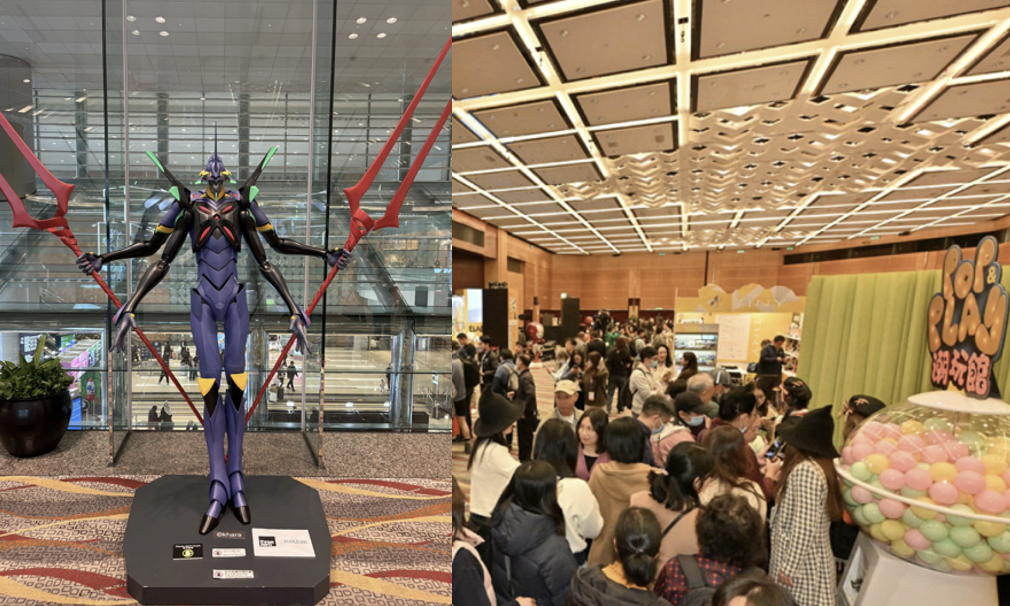
The Pop & Play pavilion revealed what play culture looks like in 2026 Hong Kong: playful, tech-literate, commercially intelligent, and somehow managing to be nostalgic and forward-looking at the same time. Whether you came hunting for a specific blind box variant, wanted to understand how toys are teaching kids to talk to AI, or just needed a moment to pose with a life-size Evangelion statue, the convention had something that worked.

That’s what made this different. It wasn’t cynical or calculated. It was a genuine convergence of people who cared about different things—collectors who wanted to own something beautiful, manufacturers who wanted to push boundaries, kids who just wanted to have fun—and somehow, for four days, all of it made sense together. The future isn’t usually this interesting. But maybe it should be.

All images via RADII/Charlie Zhang.
NEWSLETTER

Get weekly top picks and exclusive, newsletter only content delivered straight to you inbox.

NEWSLETTER

Get weekly top picks and exclusive, newsletter only content delivered straight to you inbox.

RADII NEWSLETTER

Get weekly top picks and exclusive, newsletter only content delivered straight to you inbox

Feature image of AI is Giving Toys a Mind of Their Own

AI is Giving Toys a Mind of Their Own

5 mins read

Hong Kong's biggest toy convention is a window into the future of play.

Walk the Hong Kong Convention and Exhibition Centre during any given trade show, and you’ll see the usual machinery of commerce grinding away—the handshakes, the business cards, the deals being quietly finalized behind closed doors. Walk it from January 12 to 15, and something entirely different was happening. Collectors were lining up like they were waiting for concert tickets. Influencers were working booths with the kind of theatrical energy usually reserved for retail launches. Finance companies were actually taking notes on IP collaboration. This wasn’t a trade show in any conventional sense. It was a collision of worlds—and it was messy and alive in a way most industry events never are.

The Pop & Play pavilion, part of Hong Kong’s broader Toys & Games Fair, had somehow managed to do the impossible: it made toy collecting feel important without making it seem ridiculous. But more importantly, it revealed something genuinely interesting about where we’re headed as a culture—a place where children’s toys are starting to think.

RADII talks about the new AI toys showcased at the Hong Kong toy convention 2026.

The Toys Are Talking Back

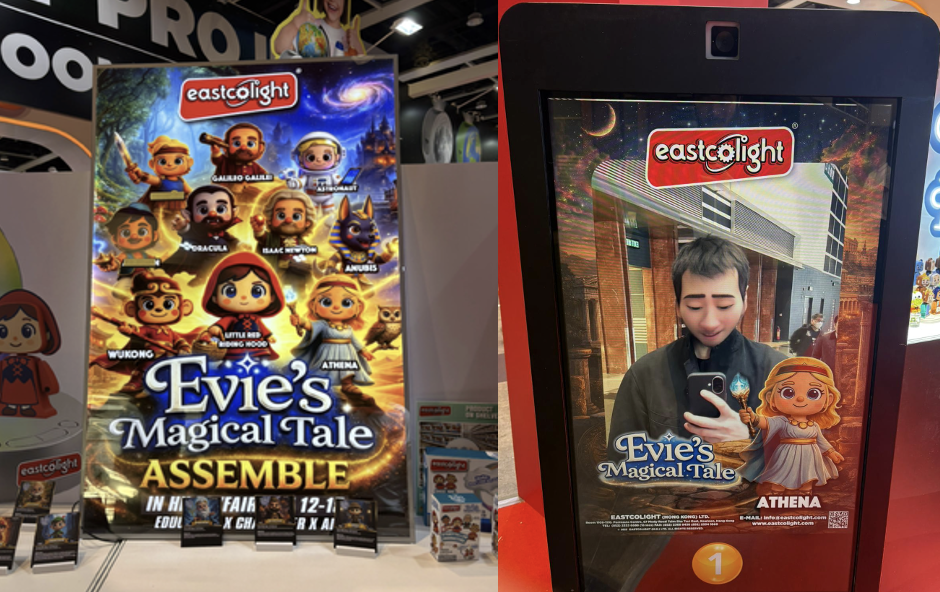
Among the plushes and collectibles that filled the pavilion was a booth showcasing something genuinely strange and wonderful: Evie’s Magical Tale. The system, which honestly felt a few years ahead of schedule, works like this: you collect figurines of famous figures—historical icons, fictional characters, myths made plastic. Dracula, Isaac Newton, Athena, Little Red Riding Hood. They’re not cheap novelties; these are collectibles designed to actually live on a shelf, to mean something to the person holding them.

Then you place one on a pedestal. This pedestal is embedded with DeepSeek AI.

RADII talks about the new AI toys showcased at the Hong Kong toy convention 2026.

Here’s where it gets interesting. The pedestal recognizes which figure you’ve placed on it. Suddenly, your kid isn’t just holding a toy—they’re in a conversation with an AI that actually understands the historical and cultural weight of that character. Ask it about Newton’s laws of motion, and you get a real explanation. The highlight of this isn’t the technology layer—anyone can bolt AI onto a toy these days. It’s that the system actually gamifies learning without triggering the “this feels like homework” alarm that makes kids shut down. The toy remains a collectible, something worth owning and displaying. The AI just adds depth to something already compelling.

RADII talks about the new AI toys showcased at the Hong Kong toy convention 2026.

This is the future Chinese manufacturers are quietly building. Manufacturers here have already moved past that debate. They’re weaving AI into learning toys as standard practice—not an added feature, not a novelty, but as a foundational design philosophy. Kids are growing up comfortable with the idea that their toys can teach them, that artificial intelligence can be a learning companion without being weird or alienating. And when the kid is genuinely having fun while learning something, it’s hard to argue that’s not a win.

The convention made clear what’s coming: AI-integrated toys aren’t some futuristic possibility anymore. They’re being manufactured at scale. They’re here. And they’re designed for a generation that will interact with learning through these tools with the same intuitive ease that previous generations had with books or television.

RADII talks about the new AI toys showcased at the Hong Kong toy convention 2026.

What Brought This Unlikely Gathering Together

But the AI toys weren’t the only draw. Collectors, kids, and curious adults crowded into the Trendy Toy Pavilion—that buzzy corner of the convention that felt less like a trade show floor and more like stepping into the fever dream of someone who’d spent the last decade collecting.

What actually made this different from the usual industry trade fair was something simpler and more profound: the organizers had deliberately torn down the wall between business and fandom. This wasn’t just corporate buyers placing bulk orders behind closed doors. The pavilion was consciously opened to the general public, mixing B2B and B2C energy in ways that made the entire space vibrate with genuine, somewhat chaotic excitement. Ray Leung, founder and CEO of Matrix Promotion, one of the convention’s key exhibitors, put it plainly: “When you mix industry players with actual fans, you create an atmosphere where real collaborations can happen.”

RADII talks about the new AI toys showcased at the Hong Kong toy convention 2026.

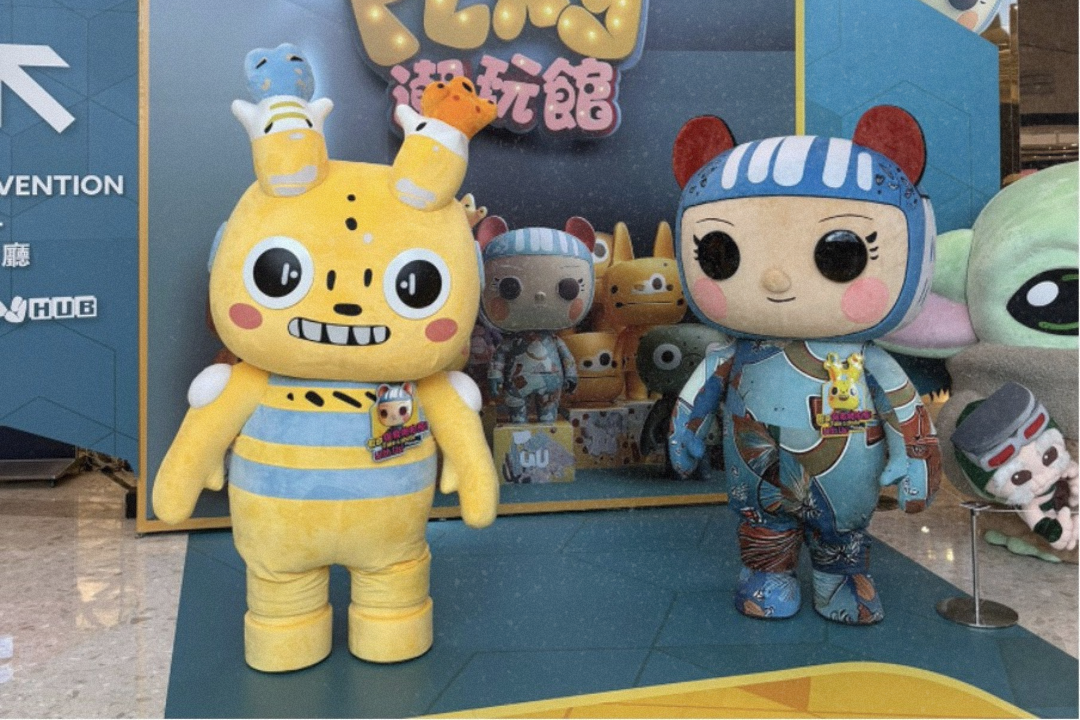
A life-size B.Duck mascot wandered through the crowds and snuck up behind some people. KOLs like Snow Suen were spotted. Actress Joey Thye was there hosting Q&A sessions about her own IP ventures. The mix of celebrity, fandom, and commerce converged without feeling forced or cynically engineered. That’s rare. That’s the kind of thing that usually gets destroyed the moment you try to manufacture it, but somehow, this felt authentic.

The Beautiful Chaos of What Actually Sells

Collectible football apparel was everywhere, which shouldn’t have surprised anyone who understands Hong Kong’s relationship to sports culture. CR7Life plush dolls—little fabric versions of Cristiano Ronaldo and other football stars—were selling steadily. J.League merchandise featuring first-ever Hong Kong-exclusive prints on tees and tote bags had obvious appeal. There’s something about owning a regional variant of a global brand that transforms it from just another collectible into something that says something about who you are and where you’re from. It becomes a cultural marker.

RADII talks about the new AI toys showcased at the Hong Kong toy convention 2026.

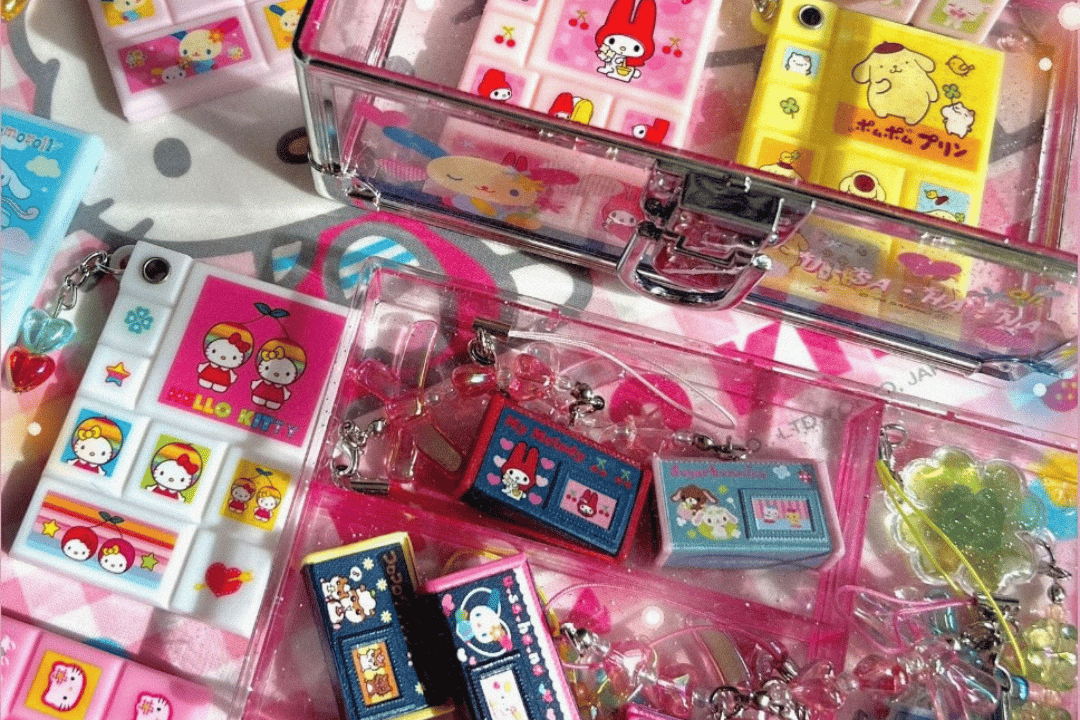
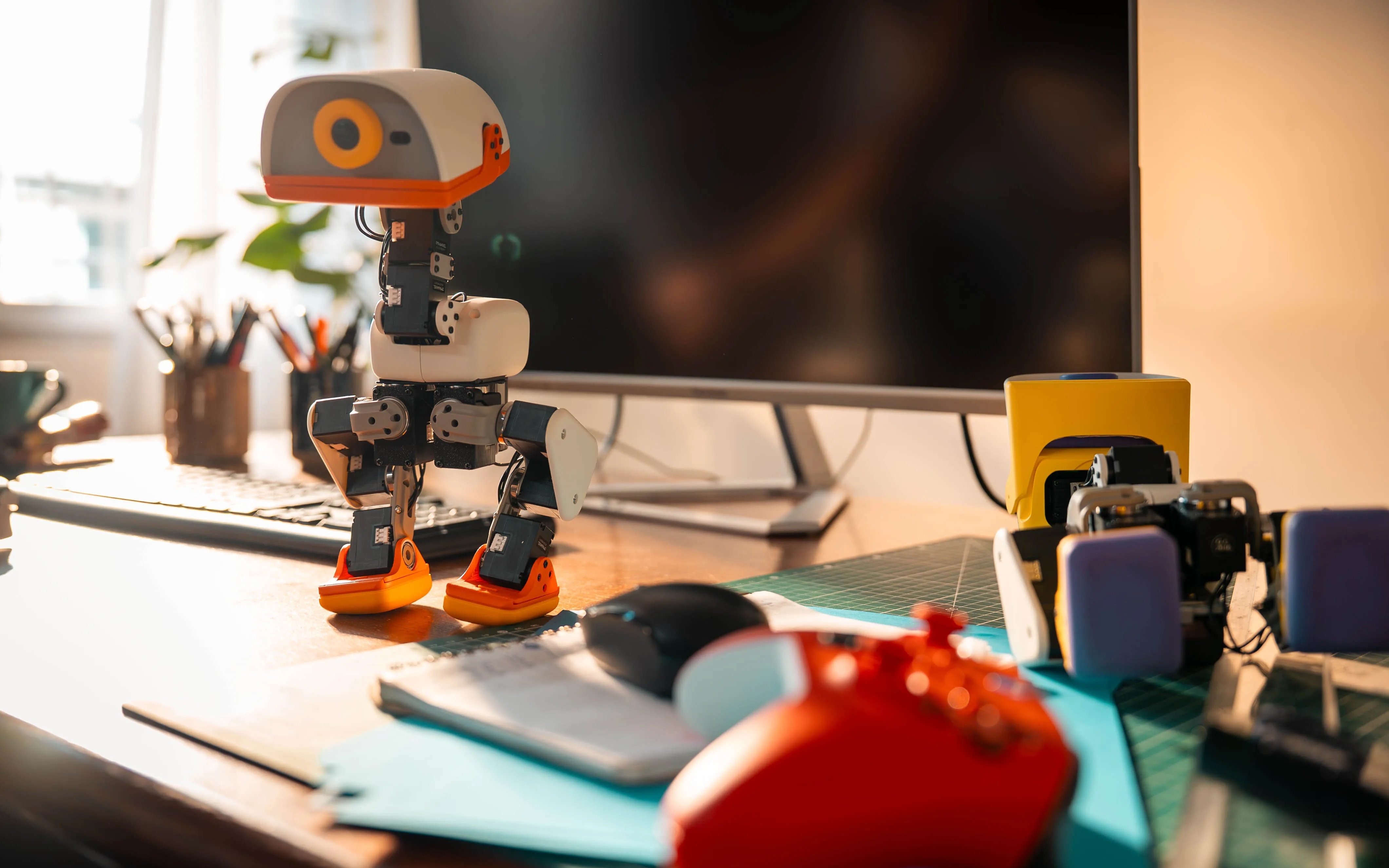
But the exhibition sprawled beautifully across genres and price points. There were kawaii charms—translucent Kirby 3D puzzles with that satisfying collector weight, glittery phone accessories for people who like their nostalgia to sparkle. K-pop demon hunter pins that bridged anime and music fan communities in ways that probably shouldn’t work but somehow did. Hello Kitty charms, because certain icons are eternal and transcend the cycles of cool. Then, on the high-tech end of the spectrum, there were toys like digital microscopes or transforming robots—the kind of thing that reminds you that toys have evolved into something stranger and more interesting than they used to be. They’re no longer purely escapist. They’re tools now. Educational, functional, capable of being genuinely cool all at once.

RADII talks about the new AI toys showcased at the Hong Kong toy convention 2026.

Matrix Promotion’s booth stood out, showcasing 11 original local Hong Kong IPs alongside exclusive debut products. The positioning mattered. It signaled that Hong Kong’s toy culture isn’t passively consuming international intellectual property—it’s actively generating its own. When local creators are building character universes to stand alongside global powerhouses, the entire dynamic shifts. Collectors aren’t just acquiring things from elsewhere; they’re participating in cultural output happening in their own city. That changes the emotional weight of what they’re holding.

RADII talks about the new AI toys showcased at the Hong Kong toy convention 2026.

The Bigger Picture

Toy culture has stopped being nostalgic filler for adults or simple entertainment for kids. It’s become something else entirely—a genuine cultural crossroads where IP collaborations, local makers, cross-industry partnerships, and technological innovation all collide. The regional exclusives, the energy between seasoned collectors and curious newcomers, the presence of celebrities and corporations taking the whole thing seriously—all of it signals a market that’s matured without losing its fundamental spark.

The Pop & Play pavilion revealed what play culture looks like in 2026 Hong Kong: playful, tech-literate, commercially intelligent, and somehow managing to be nostalgic and forward-looking at the same time. Whether you came hunting for a specific blind box variant, wanted to understand how toys are teaching kids to talk to AI, or just needed a moment to pose with a life-size Evangelion statue, the convention had something that worked.

That’s what made this different. It wasn’t cynical or calculated. It was a genuine convergence of people who cared about different things—collectors who wanted to own something beautiful, manufacturers who wanted to push boundaries, kids who just wanted to have fun—and somehow, for four days, all of it made sense together. The future isn’t usually this interesting. But maybe it should be.

All images via RADII/Charlie Zhang.
NEWSLETTER

Get weekly top picks and exclusive, newsletter only content delivered straight to you inbox.

RADII NEWSLETTER

Get weekly top picks and exclusive, newsletter only content delivered straight to you inbox

RELATED POSTS

Feature image of AI is Giving Toys a Mind of Their Own

AI is Giving Toys a Mind of Their Own

5 mins read

5 mins read

Feature image of AI is Giving Toys a Mind of Their Own
Hong Kong's biggest toy convention is a window into the future of play.

Walk the Hong Kong Convention and Exhibition Centre during any given trade show, and you’ll see the usual machinery of commerce grinding away—the handshakes, the business cards, the deals being quietly finalized behind closed doors. Walk it from January 12 to 15, and something entirely different was happening. Collectors were lining up like they were waiting for concert tickets. Influencers were working booths with the kind of theatrical energy usually reserved for retail launches. Finance companies were actually taking notes on IP collaboration. This wasn’t a trade show in any conventional sense. It was a collision of worlds—and it was messy and alive in a way most industry events never are.

The Pop & Play pavilion, part of Hong Kong’s broader Toys & Games Fair, had somehow managed to do the impossible: it made toy collecting feel important without making it seem ridiculous. But more importantly, it revealed something genuinely interesting about where we’re headed as a culture—a place where children’s toys are starting to think.

RADII talks about the new AI toys showcased at the Hong Kong toy convention 2026.

The Toys Are Talking Back

Among the plushes and collectibles that filled the pavilion was a booth showcasing something genuinely strange and wonderful: Evie’s Magical Tale. The system, which honestly felt a few years ahead of schedule, works like this: you collect figurines of famous figures—historical icons, fictional characters, myths made plastic. Dracula, Isaac Newton, Athena, Little Red Riding Hood. They’re not cheap novelties; these are collectibles designed to actually live on a shelf, to mean something to the person holding them.

Then you place one on a pedestal. This pedestal is embedded with DeepSeek AI.

RADII talks about the new AI toys showcased at the Hong Kong toy convention 2026.

Here’s where it gets interesting. The pedestal recognizes which figure you’ve placed on it. Suddenly, your kid isn’t just holding a toy—they’re in a conversation with an AI that actually understands the historical and cultural weight of that character. Ask it about Newton’s laws of motion, and you get a real explanation. The highlight of this isn’t the technology layer—anyone can bolt AI onto a toy these days. It’s that the system actually gamifies learning without triggering the “this feels like homework” alarm that makes kids shut down. The toy remains a collectible, something worth owning and displaying. The AI just adds depth to something already compelling.

RADII talks about the new AI toys showcased at the Hong Kong toy convention 2026.

This is the future Chinese manufacturers are quietly building. Manufacturers here have already moved past that debate. They’re weaving AI into learning toys as standard practice—not an added feature, not a novelty, but as a foundational design philosophy. Kids are growing up comfortable with the idea that their toys can teach them, that artificial intelligence can be a learning companion without being weird or alienating. And when the kid is genuinely having fun while learning something, it’s hard to argue that’s not a win.

The convention made clear what’s coming: AI-integrated toys aren’t some futuristic possibility anymore. They’re being manufactured at scale. They’re here. And they’re designed for a generation that will interact with learning through these tools with the same intuitive ease that previous generations had with books or television.

RADII talks about the new AI toys showcased at the Hong Kong toy convention 2026.

What Brought This Unlikely Gathering Together

But the AI toys weren’t the only draw. Collectors, kids, and curious adults crowded into the Trendy Toy Pavilion—that buzzy corner of the convention that felt less like a trade show floor and more like stepping into the fever dream of someone who’d spent the last decade collecting.

What actually made this different from the usual industry trade fair was something simpler and more profound: the organizers had deliberately torn down the wall between business and fandom. This wasn’t just corporate buyers placing bulk orders behind closed doors. The pavilion was consciously opened to the general public, mixing B2B and B2C energy in ways that made the entire space vibrate with genuine, somewhat chaotic excitement. Ray Leung, founder and CEO of Matrix Promotion, one of the convention’s key exhibitors, put it plainly: “When you mix industry players with actual fans, you create an atmosphere where real collaborations can happen.”

RADII talks about the new AI toys showcased at the Hong Kong toy convention 2026.

A life-size B.Duck mascot wandered through the crowds and snuck up behind some people. KOLs like Snow Suen were spotted. Actress Joey Thye was there hosting Q&A sessions about her own IP ventures. The mix of celebrity, fandom, and commerce converged without feeling forced or cynically engineered. That’s rare. That’s the kind of thing that usually gets destroyed the moment you try to manufacture it, but somehow, this felt authentic.

The Beautiful Chaos of What Actually Sells

Collectible football apparel was everywhere, which shouldn’t have surprised anyone who understands Hong Kong’s relationship to sports culture. CR7Life plush dolls—little fabric versions of Cristiano Ronaldo and other football stars—were selling steadily. J.League merchandise featuring first-ever Hong Kong-exclusive prints on tees and tote bags had obvious appeal. There’s something about owning a regional variant of a global brand that transforms it from just another collectible into something that says something about who you are and where you’re from. It becomes a cultural marker.

RADII talks about the new AI toys showcased at the Hong Kong toy convention 2026.

But the exhibition sprawled beautifully across genres and price points. There were kawaii charms—translucent Kirby 3D puzzles with that satisfying collector weight, glittery phone accessories for people who like their nostalgia to sparkle. K-pop demon hunter pins that bridged anime and music fan communities in ways that probably shouldn’t work but somehow did. Hello Kitty charms, because certain icons are eternal and transcend the cycles of cool. Then, on the high-tech end of the spectrum, there were toys like digital microscopes or transforming robots—the kind of thing that reminds you that toys have evolved into something stranger and more interesting than they used to be. They’re no longer purely escapist. They’re tools now. Educational, functional, capable of being genuinely cool all at once.

RADII talks about the new AI toys showcased at the Hong Kong toy convention 2026.

Matrix Promotion’s booth stood out, showcasing 11 original local Hong Kong IPs alongside exclusive debut products. The positioning mattered. It signaled that Hong Kong’s toy culture isn’t passively consuming international intellectual property—it’s actively generating its own. When local creators are building character universes to stand alongside global powerhouses, the entire dynamic shifts. Collectors aren’t just acquiring things from elsewhere; they’re participating in cultural output happening in their own city. That changes the emotional weight of what they’re holding.

RADII talks about the new AI toys showcased at the Hong Kong toy convention 2026.

The Bigger Picture

Toy culture has stopped being nostalgic filler for adults or simple entertainment for kids. It’s become something else entirely—a genuine cultural crossroads where IP collaborations, local makers, cross-industry partnerships, and technological innovation all collide. The regional exclusives, the energy between seasoned collectors and curious newcomers, the presence of celebrities and corporations taking the whole thing seriously—all of it signals a market that’s matured without losing its fundamental spark.

The Pop & Play pavilion revealed what play culture looks like in 2026 Hong Kong: playful, tech-literate, commercially intelligent, and somehow managing to be nostalgic and forward-looking at the same time. Whether you came hunting for a specific blind box variant, wanted to understand how toys are teaching kids to talk to AI, or just needed a moment to pose with a life-size Evangelion statue, the convention had something that worked.

That’s what made this different. It wasn’t cynical or calculated. It was a genuine convergence of people who cared about different things—collectors who wanted to own something beautiful, manufacturers who wanted to push boundaries, kids who just wanted to have fun—and somehow, for four days, all of it made sense together. The future isn’t usually this interesting. But maybe it should be.

All images via RADII/Charlie Zhang.
NEWSLETTER

Get weekly top picks and exclusive, newsletter only content delivered straight to you inbox.

NEWSLETTER

Get weekly top picks and exclusive, newsletter only content delivered straight to you inbox.

RADII NEWSLETTER

Get weekly top picks and exclusive, newsletter only content delivered straight to you inbox

Feature image of AI is Giving Toys a Mind of Their Own

AI is Giving Toys a Mind of Their Own

5 mins read

Hong Kong's biggest toy convention is a window into the future of play.

Walk the Hong Kong Convention and Exhibition Centre during any given trade show, and you’ll see the usual machinery of commerce grinding away—the handshakes, the business cards, the deals being quietly finalized behind closed doors. Walk it from January 12 to 15, and something entirely different was happening. Collectors were lining up like they were waiting for concert tickets. Influencers were working booths with the kind of theatrical energy usually reserved for retail launches. Finance companies were actually taking notes on IP collaboration. This wasn’t a trade show in any conventional sense. It was a collision of worlds—and it was messy and alive in a way most industry events never are.

The Pop & Play pavilion, part of Hong Kong’s broader Toys & Games Fair, had somehow managed to do the impossible: it made toy collecting feel important without making it seem ridiculous. But more importantly, it revealed something genuinely interesting about where we’re headed as a culture—a place where children’s toys are starting to think.

RADII talks about the new AI toys showcased at the Hong Kong toy convention 2026.

The Toys Are Talking Back

Among the plushes and collectibles that filled the pavilion was a booth showcasing something genuinely strange and wonderful: Evie’s Magical Tale. The system, which honestly felt a few years ahead of schedule, works like this: you collect figurines of famous figures—historical icons, fictional characters, myths made plastic. Dracula, Isaac Newton, Athena, Little Red Riding Hood. They’re not cheap novelties; these are collectibles designed to actually live on a shelf, to mean something to the person holding them.

Then you place one on a pedestal. This pedestal is embedded with DeepSeek AI.

RADII talks about the new AI toys showcased at the Hong Kong toy convention 2026.

Here’s where it gets interesting. The pedestal recognizes which figure you’ve placed on it. Suddenly, your kid isn’t just holding a toy—they’re in a conversation with an AI that actually understands the historical and cultural weight of that character. Ask it about Newton’s laws of motion, and you get a real explanation. The highlight of this isn’t the technology layer—anyone can bolt AI onto a toy these days. It’s that the system actually gamifies learning without triggering the “this feels like homework” alarm that makes kids shut down. The toy remains a collectible, something worth owning and displaying. The AI just adds depth to something already compelling.

RADII talks about the new AI toys showcased at the Hong Kong toy convention 2026.

This is the future Chinese manufacturers are quietly building. Manufacturers here have already moved past that debate. They’re weaving AI into learning toys as standard practice—not an added feature, not a novelty, but as a foundational design philosophy. Kids are growing up comfortable with the idea that their toys can teach them, that artificial intelligence can be a learning companion without being weird or alienating. And when the kid is genuinely having fun while learning something, it’s hard to argue that’s not a win.

The convention made clear what’s coming: AI-integrated toys aren’t some futuristic possibility anymore. They’re being manufactured at scale. They’re here. And they’re designed for a generation that will interact with learning through these tools with the same intuitive ease that previous generations had with books or television.

RADII talks about the new AI toys showcased at the Hong Kong toy convention 2026.

What Brought This Unlikely Gathering Together

But the AI toys weren’t the only draw. Collectors, kids, and curious adults crowded into the Trendy Toy Pavilion—that buzzy corner of the convention that felt less like a trade show floor and more like stepping into the fever dream of someone who’d spent the last decade collecting.

What actually made this different from the usual industry trade fair was something simpler and more profound: the organizers had deliberately torn down the wall between business and fandom. This wasn’t just corporate buyers placing bulk orders behind closed doors. The pavilion was consciously opened to the general public, mixing B2B and B2C energy in ways that made the entire space vibrate with genuine, somewhat chaotic excitement. Ray Leung, founder and CEO of Matrix Promotion, one of the convention’s key exhibitors, put it plainly: “When you mix industry players with actual fans, you create an atmosphere where real collaborations can happen.”

RADII talks about the new AI toys showcased at the Hong Kong toy convention 2026.

A life-size B.Duck mascot wandered through the crowds and snuck up behind some people. KOLs like Snow Suen were spotted. Actress Joey Thye was there hosting Q&A sessions about her own IP ventures. The mix of celebrity, fandom, and commerce converged without feeling forced or cynically engineered. That’s rare. That’s the kind of thing that usually gets destroyed the moment you try to manufacture it, but somehow, this felt authentic.

The Beautiful Chaos of What Actually Sells

Collectible football apparel was everywhere, which shouldn’t have surprised anyone who understands Hong Kong’s relationship to sports culture. CR7Life plush dolls—little fabric versions of Cristiano Ronaldo and other football stars—were selling steadily. J.League merchandise featuring first-ever Hong Kong-exclusive prints on tees and tote bags had obvious appeal. There’s something about owning a regional variant of a global brand that transforms it from just another collectible into something that says something about who you are and where you’re from. It becomes a cultural marker.

RADII talks about the new AI toys showcased at the Hong Kong toy convention 2026.

But the exhibition sprawled beautifully across genres and price points. There were kawaii charms—translucent Kirby 3D puzzles with that satisfying collector weight, glittery phone accessories for people who like their nostalgia to sparkle. K-pop demon hunter pins that bridged anime and music fan communities in ways that probably shouldn’t work but somehow did. Hello Kitty charms, because certain icons are eternal and transcend the cycles of cool. Then, on the high-tech end of the spectrum, there were toys like digital microscopes or transforming robots—the kind of thing that reminds you that toys have evolved into something stranger and more interesting than they used to be. They’re no longer purely escapist. They’re tools now. Educational, functional, capable of being genuinely cool all at once.

RADII talks about the new AI toys showcased at the Hong Kong toy convention 2026.

Matrix Promotion’s booth stood out, showcasing 11 original local Hong Kong IPs alongside exclusive debut products. The positioning mattered. It signaled that Hong Kong’s toy culture isn’t passively consuming international intellectual property—it’s actively generating its own. When local creators are building character universes to stand alongside global powerhouses, the entire dynamic shifts. Collectors aren’t just acquiring things from elsewhere; they’re participating in cultural output happening in their own city. That changes the emotional weight of what they’re holding.

RADII talks about the new AI toys showcased at the Hong Kong toy convention 2026.

The Bigger Picture

Toy culture has stopped being nostalgic filler for adults or simple entertainment for kids. It’s become something else entirely—a genuine cultural crossroads where IP collaborations, local makers, cross-industry partnerships, and technological innovation all collide. The regional exclusives, the energy between seasoned collectors and curious newcomers, the presence of celebrities and corporations taking the whole thing seriously—all of it signals a market that’s matured without losing its fundamental spark.

The Pop & Play pavilion revealed what play culture looks like in 2026 Hong Kong: playful, tech-literate, commercially intelligent, and somehow managing to be nostalgic and forward-looking at the same time. Whether you came hunting for a specific blind box variant, wanted to understand how toys are teaching kids to talk to AI, or just needed a moment to pose with a life-size Evangelion statue, the convention had something that worked.

That’s what made this different. It wasn’t cynical or calculated. It was a genuine convergence of people who cared about different things—collectors who wanted to own something beautiful, manufacturers who wanted to push boundaries, kids who just wanted to have fun—and somehow, for four days, all of it made sense together. The future isn’t usually this interesting. But maybe it should be.

All images via RADII/Charlie Zhang.
NEWSLETTER

Get weekly top picks and exclusive, newsletter only content delivered straight to you inbox.

RADII NEWSLETTER

Get weekly top picks and exclusive, newsletter only content delivered straight to you inbox

NEWSLETTER​

Get weekly top picks and exclusive, newsletter only content delivered straight to you inbox

RADII Newsletter Pop Up small banner

NEWSLETTER

Get weekly top picks and exclusive, newsletter only content delivered straight to you inbox.

Link Copied!

Share

Feature image of AI is Giving Toys a Mind of Their Own

AI is Giving Toys a Mind of Their Own

Hong Kong's biggest toy convention is a window into the future of play.

PULSE

Tap into the latest in music, fashion, art, design, entertainment, pop culture, celebrity news, and contemporary culture

DISCOVER

Embark on a journey through food, travel, wellness, heritage, traditional culture, and lifestyle

STYLE

An insider’s look at the intersection of fashion, art, and design

FEAST

Titillate your taste buds with coverage of the best food and drink trends from China and beyond.

FUTURE

Explore the cutting edge in tech, AI, gadgets, gaming, and innovative tech-related products

FEAST

Titillate your taste buds with coverage of the best food and drink trends from China and beyond

STYLE

An insider’s look at the intersection of fashion, art, and design

PULSE

Unpacking Chinese youth culture through coverage of nightlife, film, sports, celebrities, and the hottest new music