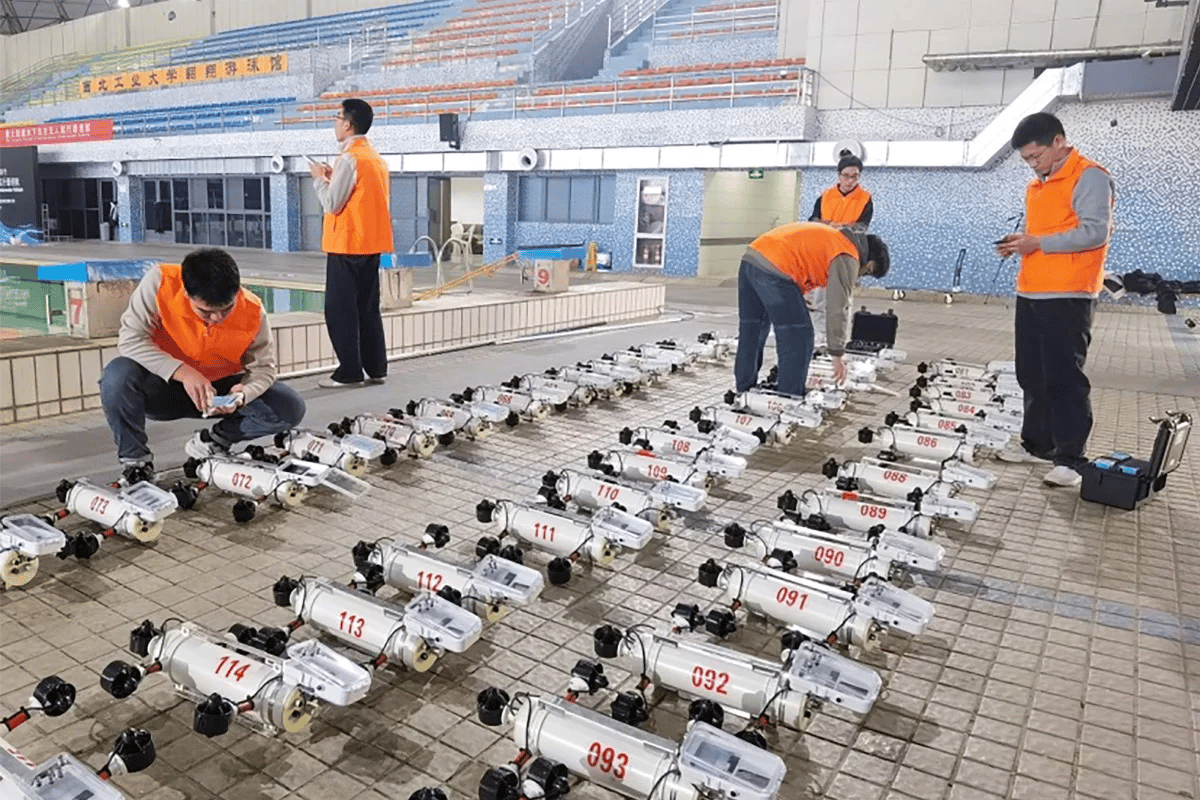


China’s megacities are locked in an unprecedented war for young talent, and they are rolling out the red carpet for Generation Z. As demographic shifts and evolving economic priorities redefine the urban landscape, top-tier cities are realizing that their future hinges on attracting and retaining vibrant young minds.
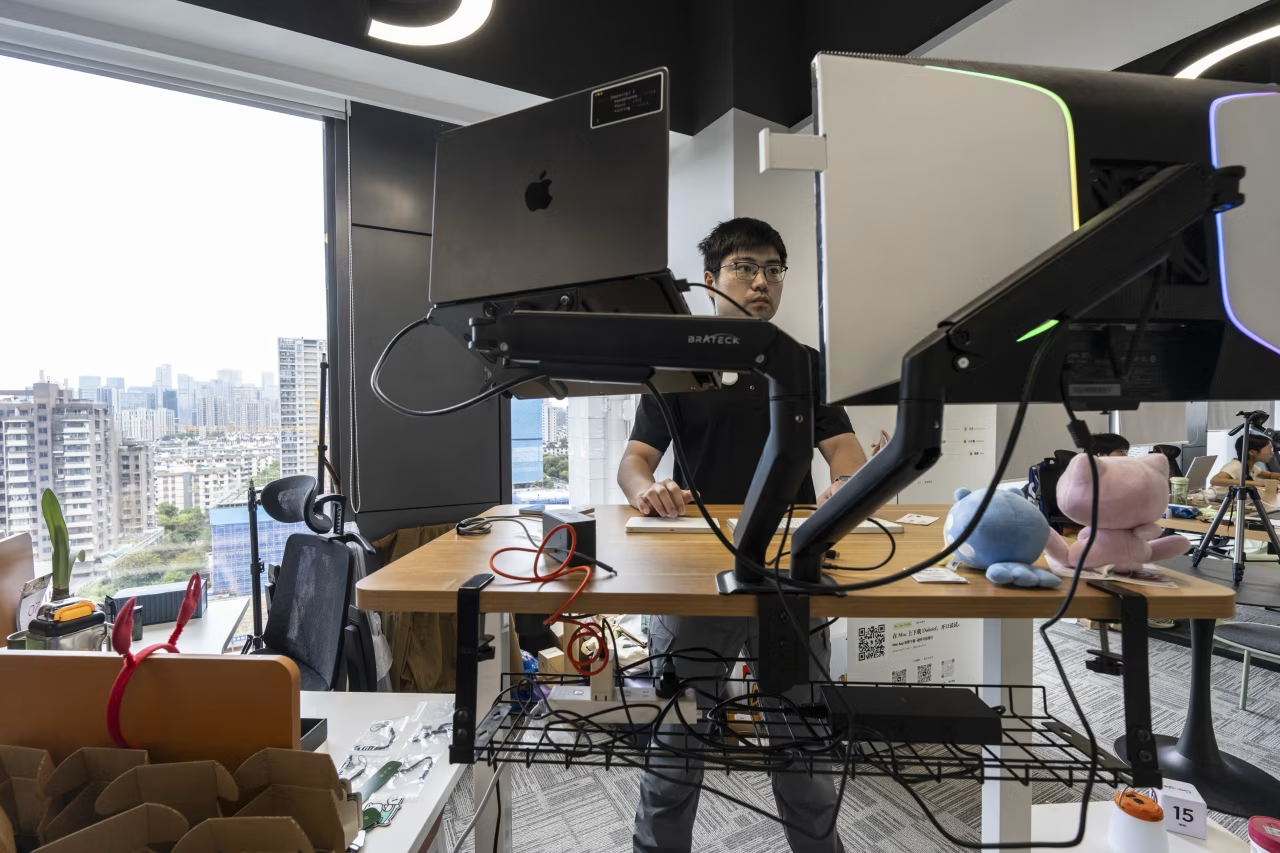
Historically, securing a foothold in a metropolis like Beijing or Shanghai required navigating notoriously strict hukou (household registration) systems and exorbitant living costs. Now, the tide is turning. In a stark departure from past rigidity, Beijing has begun loosening housing restrictions, aiming to ease the financial burden that has long deterred recent graduates. But housing is just one piece of the puzzle.
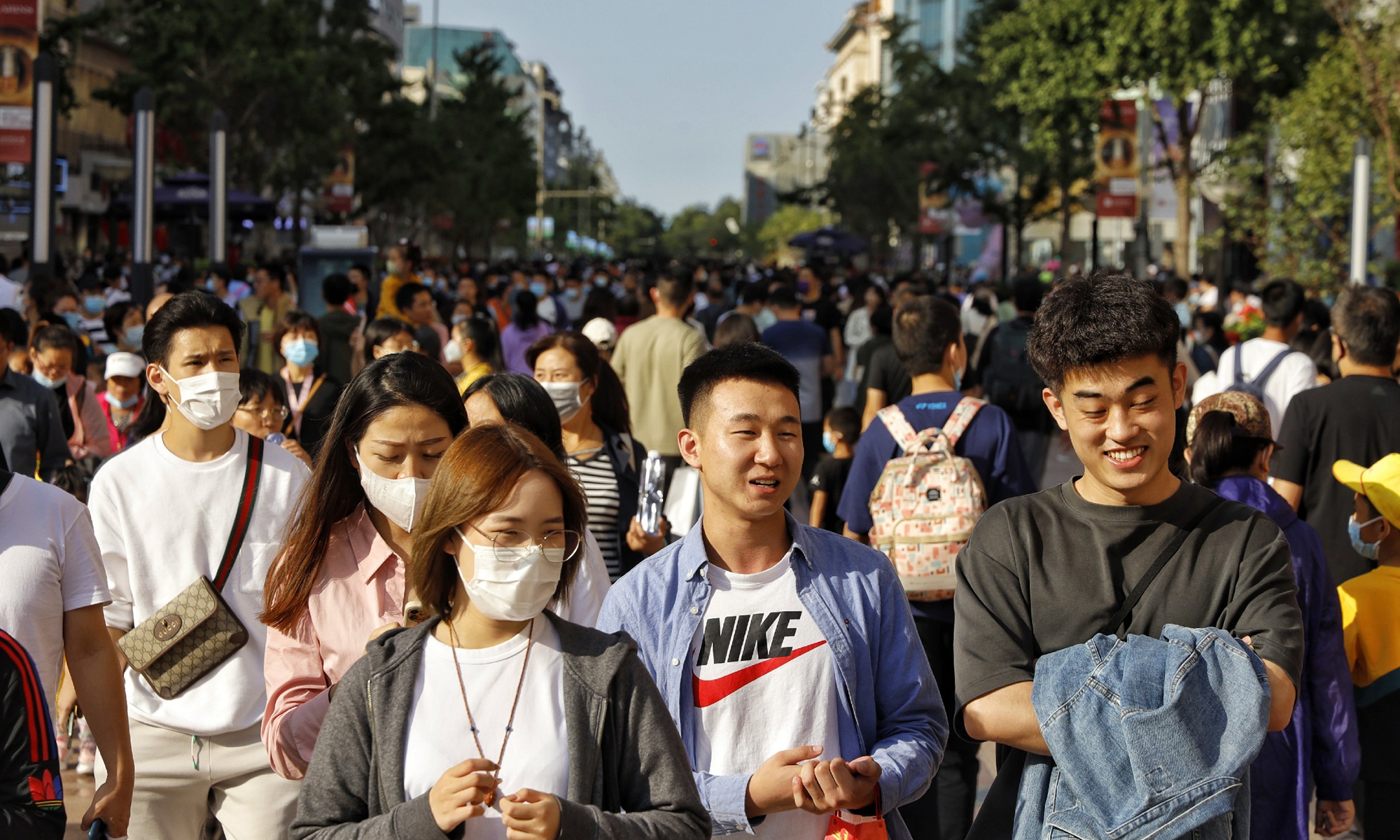
Across the nation, major hubs are aggressively offering thousands of new job opportunities, subsidized living arrangements, and entrepreneurial grants tailored specifically for Gen Z. This demographic—characterized by a desire for work-life balance, cultural vibrancy, and digital innovation—is no longer settling for the grueling “996” hustle without substantial lifestyle returns.
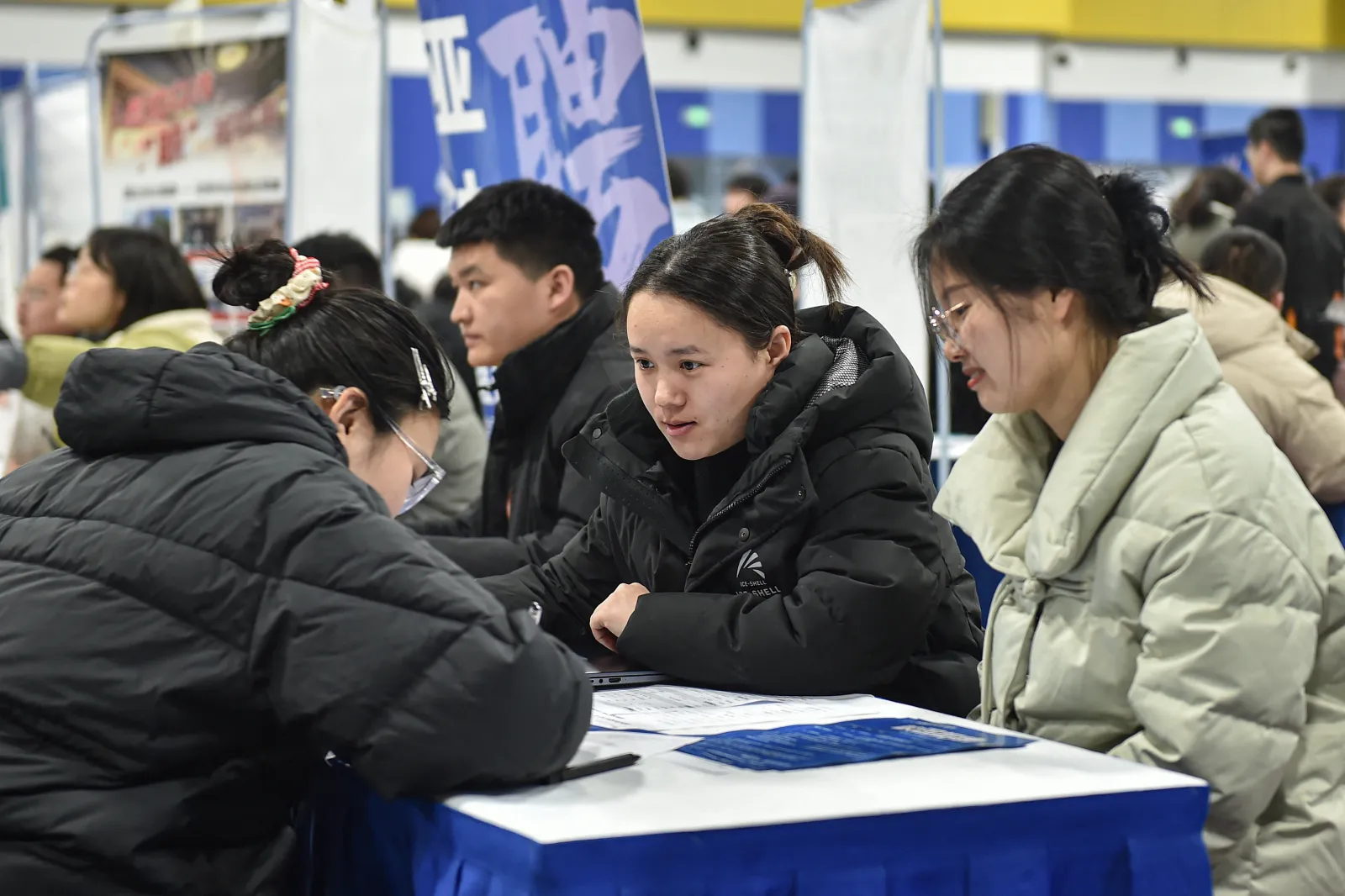
For China’s urban youth, these policies represent a significant shift in leverage. Megacities are transforming from exclusive fortresses into highly competitive recruiters, each vying to prove they can offer the best quality of life. The question isn’t just about who can concentrate on work, but which city can ultimately deliver a future worth investing in.

Cover image via CNN.