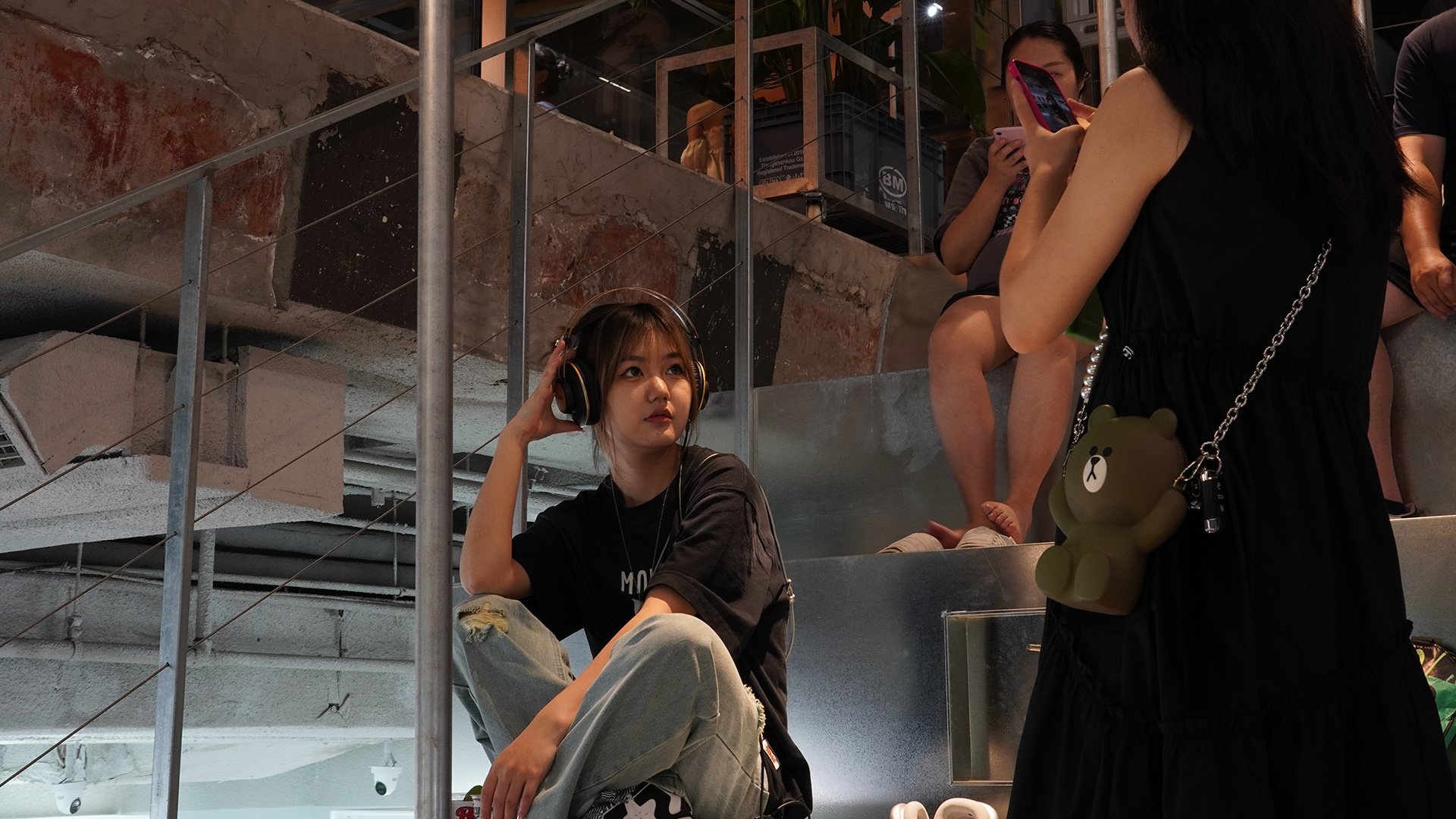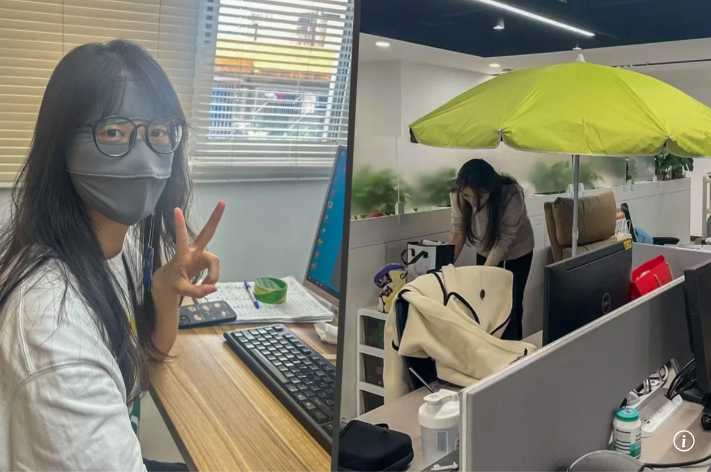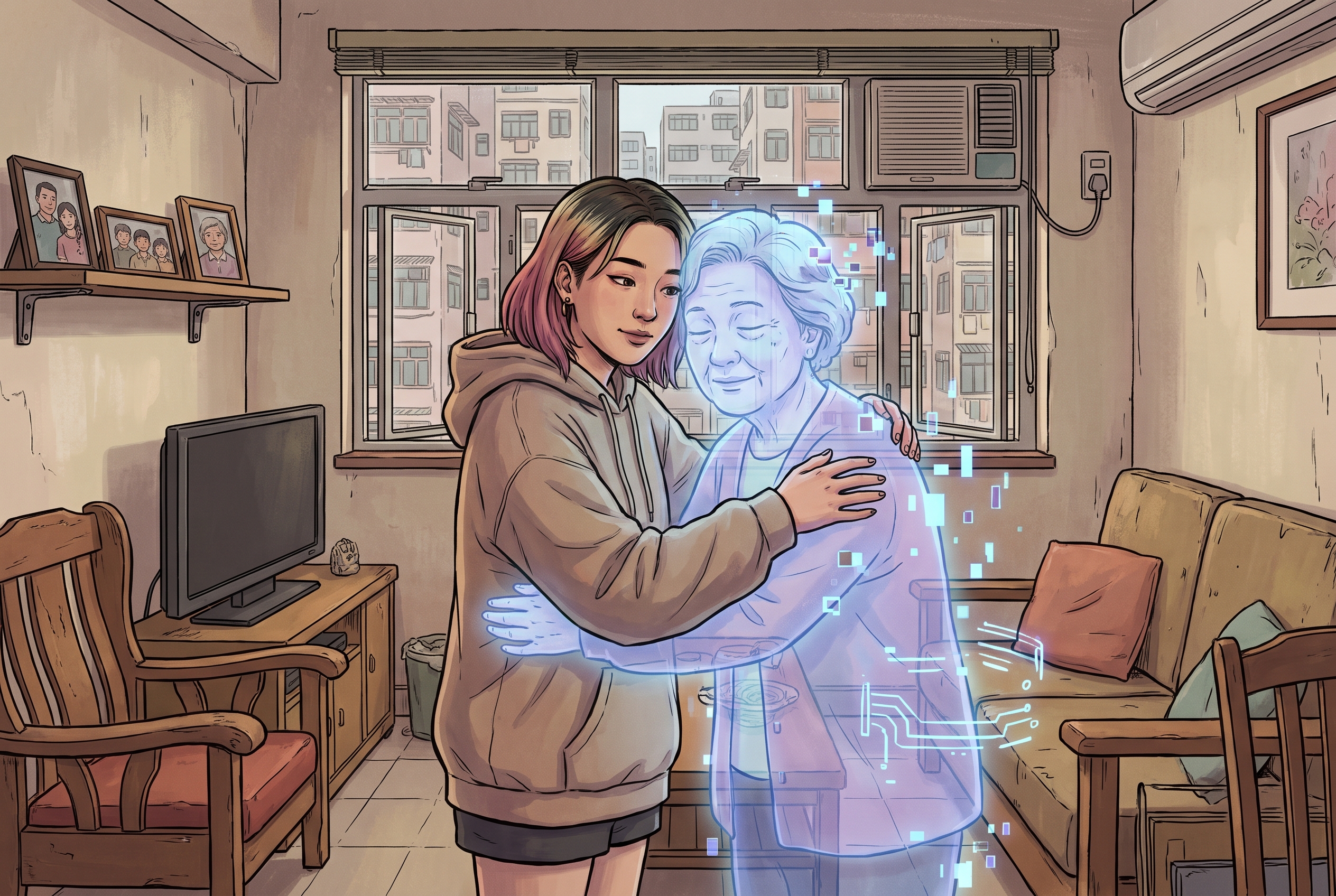
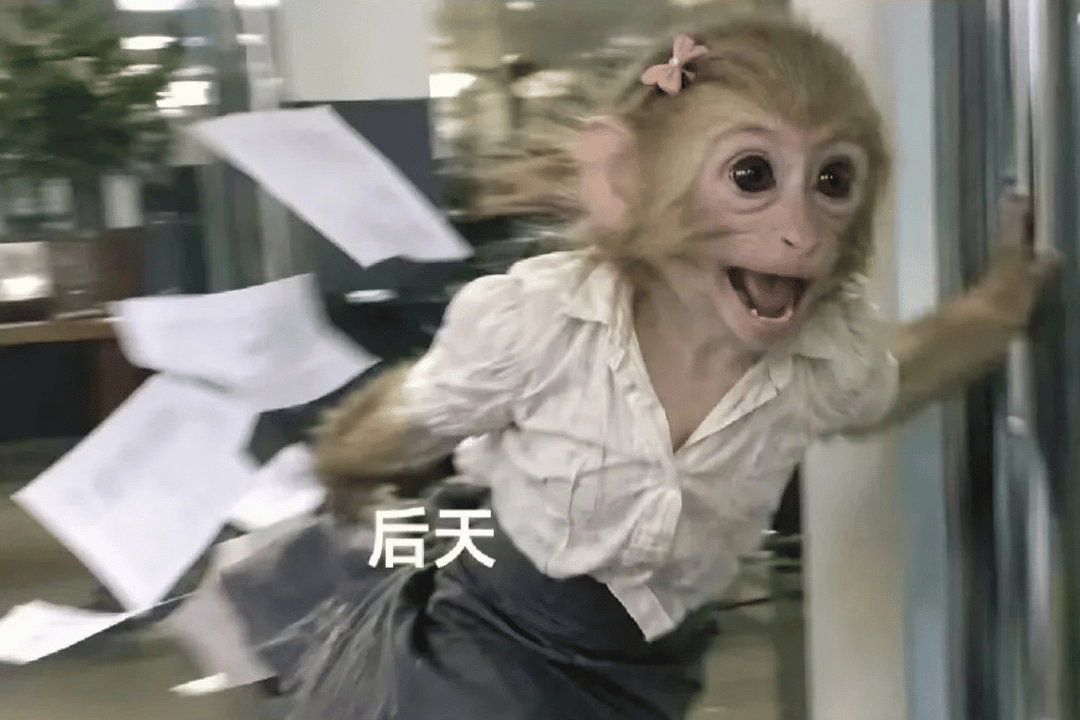

China’s youth are officially clocking out—mentally, at least.
As the country prepares for tomorrow’s highly anticipated National Day Golden Week (国庆节, Guóqìng Jié), a new viral sentiment has taken over Chinese social media: “这三天谁能有心思上班” (“Who can concentrate on work during these three days?).
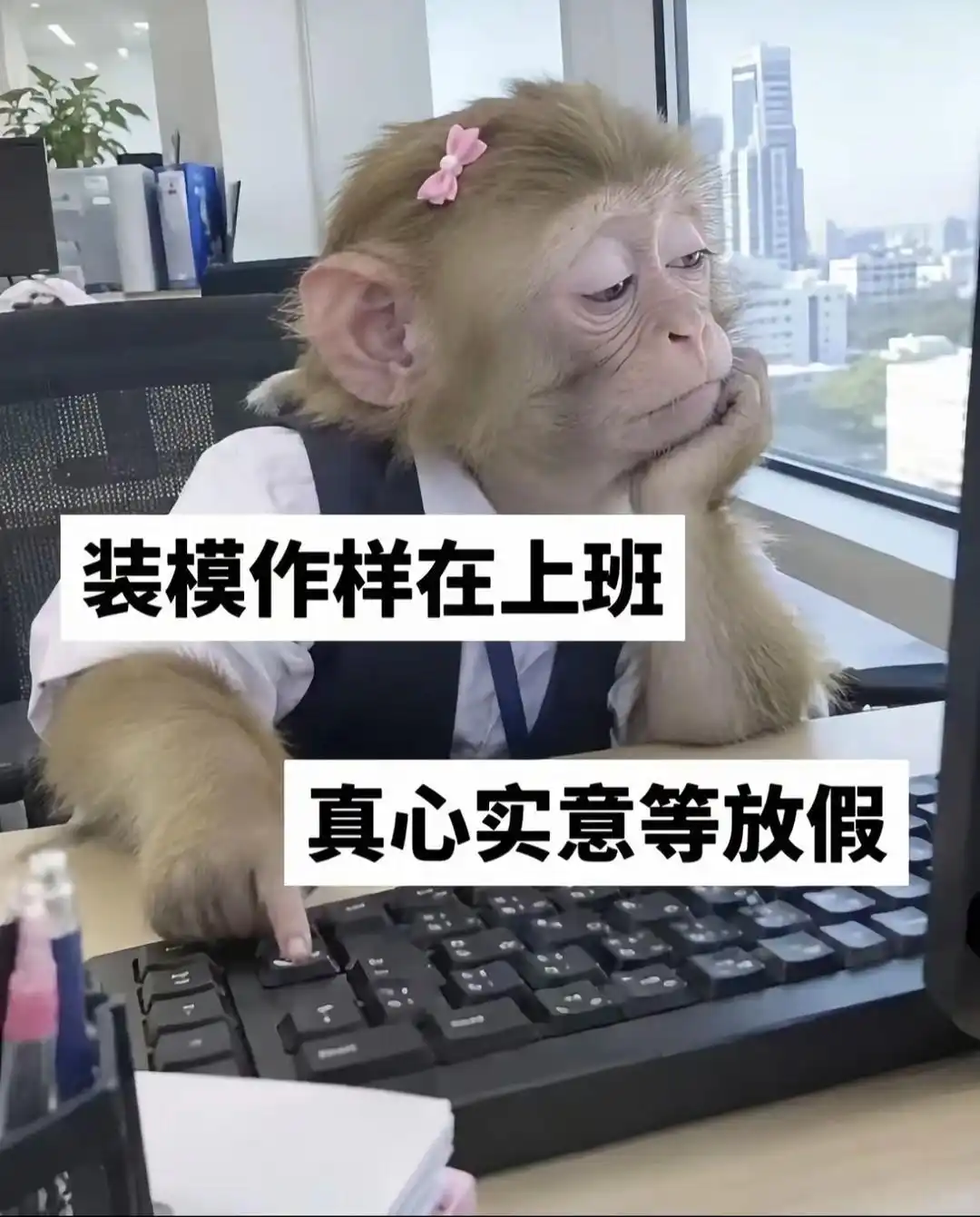
With a full week of vacation on the horizon, young professionals are collectively spiraling over the grueling Monday-to-Wednesday grind. Office efficiency has seemingly hit an all-time low. As one viral post put it, “My default mode right now is slacking off.” Young workers on the internet joke that their bodies are at the desk, but their souls are already on the highway.

While the memes are lighthearted and hilariously relatable, they carry the weight of a deeper truth. To be fair, complaining about needing to work a few days leading up to a holiday isn’t limited to just Gen Z—millennials have been doing it for over a decade. But for China’s Gen Z, this pre-holiday burnout hits different.
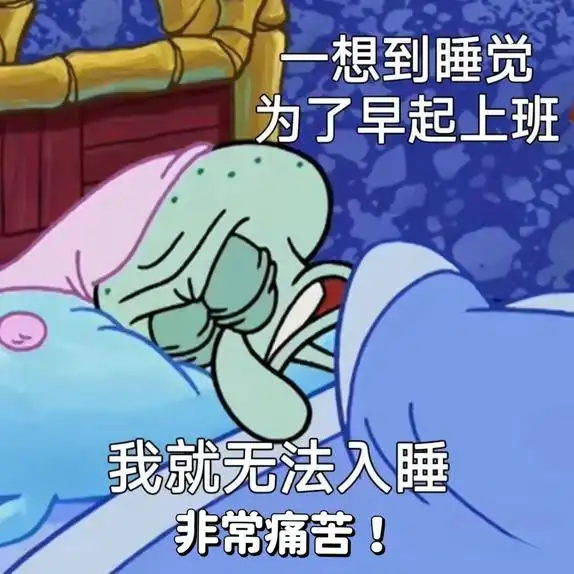
The memes stem from an exhausted mindset rooted in overwhelming work conditions. Plagued by notoriously toxic schedules, a volatile economy, the looming threat of AI, and rising inflation, young workers see little hope on the horizon. Beyond the whines and seeming laziness, the current sentiment, in joke form, is a symptom of a generation that has popularized movements like “tang ping” (lying flat) and hacking the 9-to-5 to prevent “office aging.”
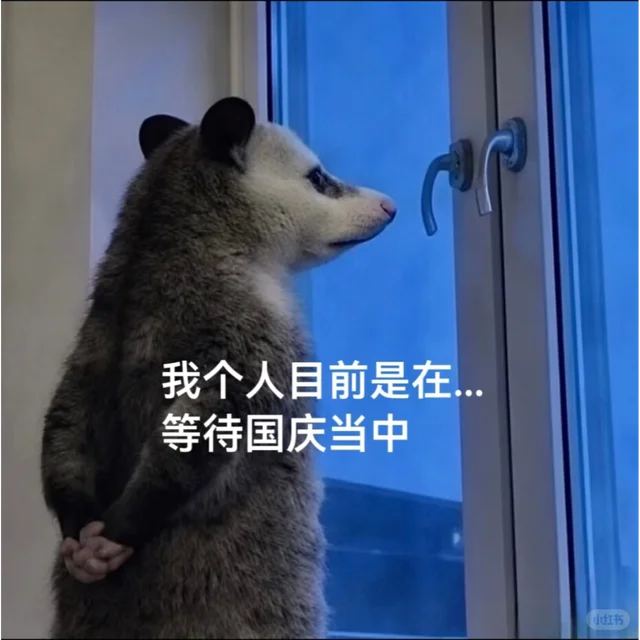
Yet, amidst the pressure, Gen Z’s ability to joke at their own expense remains a resilient coping mechanism. They might be burnt out, but their meme game is stronger than ever. And if you’re reading this now—on a Wednesday—rest assured, you’re over the hump with not much more to go till the end of the workday. Add oil!
Cover image via Xiaohongshu.