
Feature image of Cyber-Spirituality: How Smart Terminals Are Upgrading Fortune-Telling in Asia

Cyber-Spirituality: How Smart Terminals Are Upgrading Fortune-Telling in Asia

2 mins read

2 mins read

Feature image of Cyber-Spirituality: How Smart Terminals Are Upgrading Fortune-Telling in Asia
Temples across southern China and Taiwan are swapping traditional diviners for digital kiosks, proving that tech and tradition are a match made in the heavens.

Step into a temple in southern China or Taiwan today, and you might find the scent of incense mingling not with the hushed voices of human fortune-tellers, but with the quiet hum of digital kiosks. Across the region, places of worship are undergoing a quiet cyberpunk revolution, swapping out traditional diviners for smart terminals.
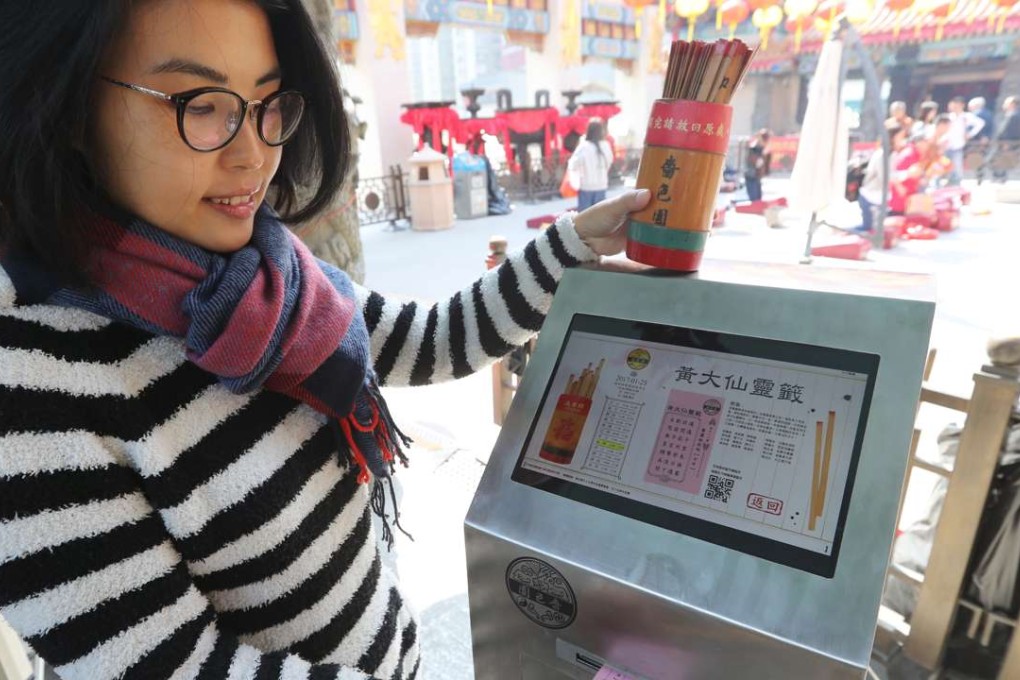
A temple in Hong Kong that has embraced a digital kiosk for Kau Cim. Image via SCMP.

For centuries, worshippers have sought guidance through kau cim—the ancient practice of shaking a bamboo cylinder until a single fortune stick falls out. Traditionally, a seasoned temple master would interpret the cryptic poem attached to the stick. Now? You just scan a QR code.

A traditional version of Kau Cim, the Chinese divination practice where you ask a question and draw a numbered bamboo stick from a cylindrical cup to receive guidance. Image via Wikipedia.

Digital kiosks equipped with automated natural language algorithms are stepping in to immediately analyze your custom kau cim results. By cross-referencing ancient texts with localized astrological data, these smart terminals spit out highly personalized, instantly readable fortunes straight to your smartphone. Want to know if your startup will survive the year or if your Hinge date is “the one”? The algorithm has an answer.

While the digitization of religion isn’t entirely a brand new concept—virtual offerings and digital merit boxes have been around for a few years—the integration of NLP and instant data-mapping represents a fascinating evolution. It’s a striking synergy between tech and spirituality, proving that ancient traditions don’t have to resist the future to survive.
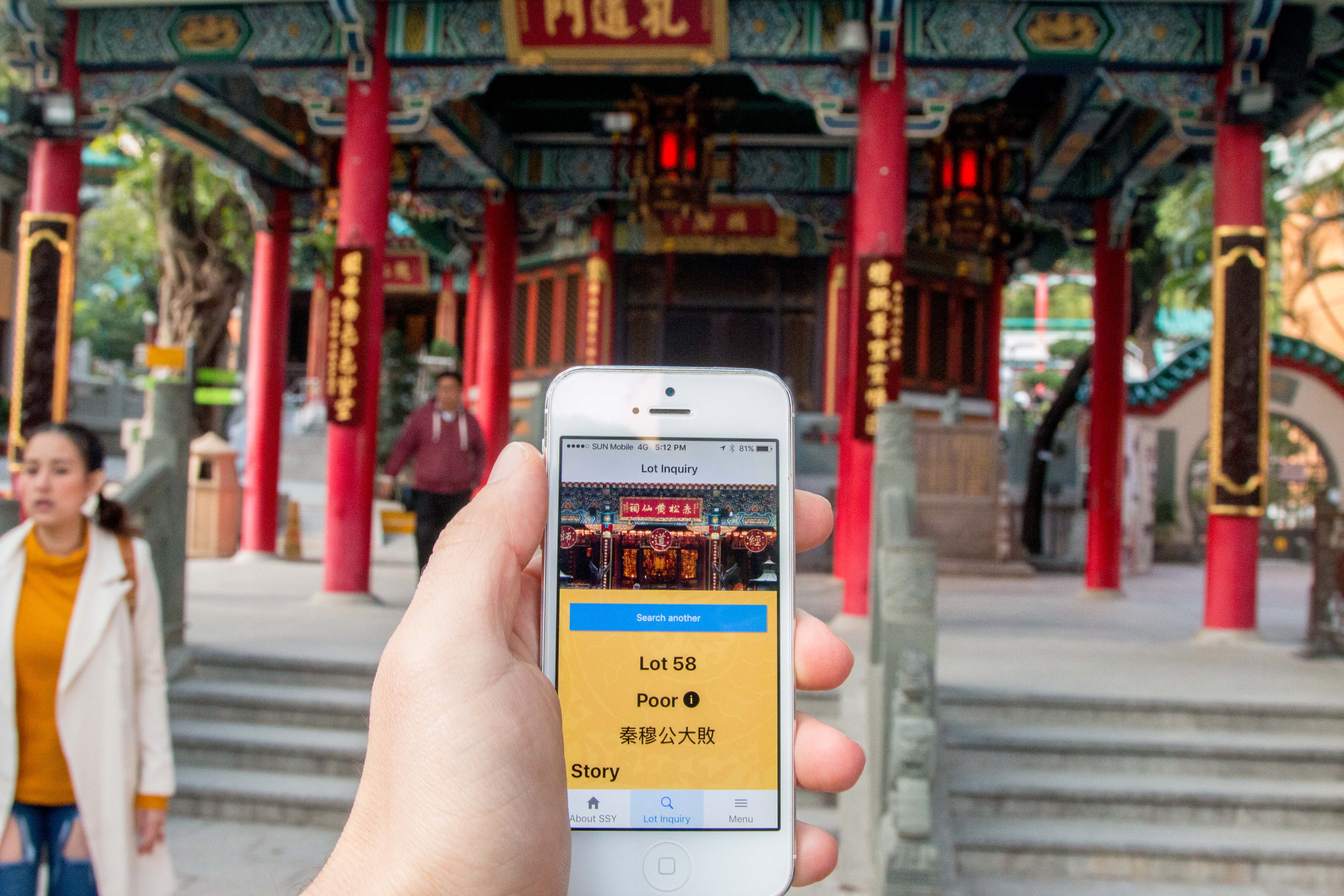
Image via TIME.

For today’s youth, a demographic already deep into embracing astrology, mysticism, and digital convenience, this hybrid approach feels right at home. It demystifies the intimidating temple experience, making ancient wisdom accessible with the simple tap of a screen. Whether it’s the divine or the data speaking, the algorithm is ready to map out your destiny.

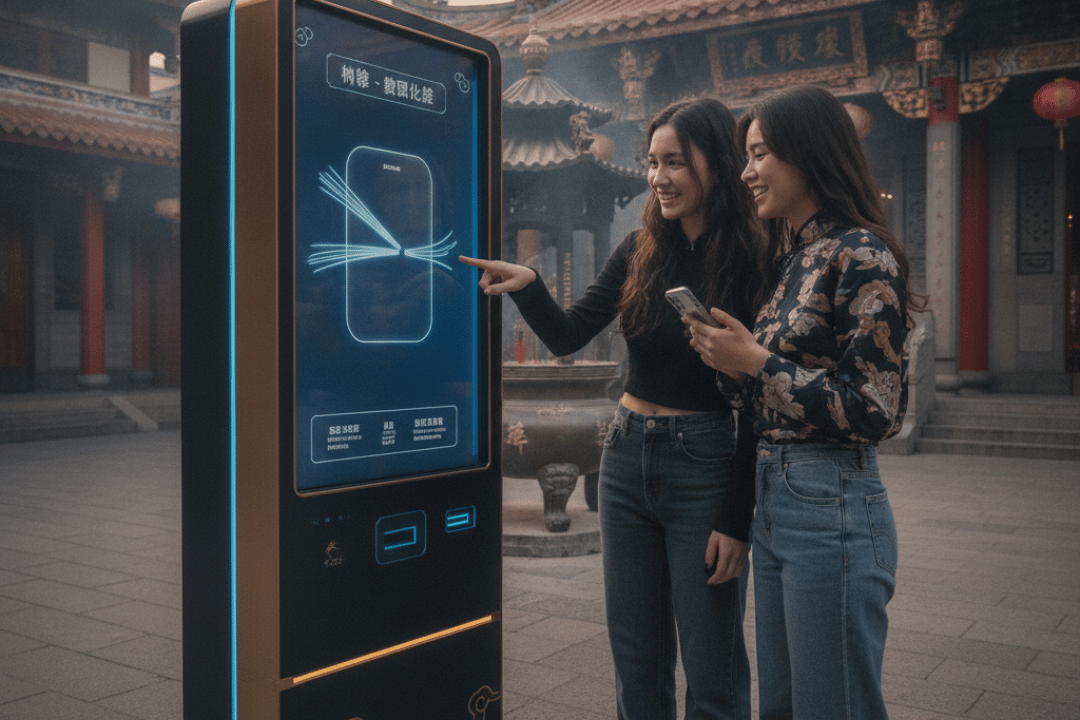
Cover image via RADII/Nano Banana.

NEWSLETTER

Get weekly top picks and exclusive, newsletter only content delivered straight to you inbox.

NEWSLETTER

Get weekly top picks and exclusive, newsletter only content delivered straight to you inbox.

RADII NEWSLETTER

Get weekly top picks and exclusive, newsletter only content delivered straight to you inbox

Feature image of Cyber-Spirituality: How Smart Terminals Are Upgrading Fortune-Telling in Asia

Cyber-Spirituality: How Smart Terminals Are Upgrading Fortune-Telling in Asia

2 mins read

Temples across southern China and Taiwan are swapping traditional diviners for digital kiosks, proving that tech and tradition are a match made in the heavens.

Step into a temple in southern China or Taiwan today, and you might find the scent of incense mingling not with the hushed voices of human fortune-tellers, but with the quiet hum of digital kiosks. Across the region, places of worship are undergoing a quiet cyberpunk revolution, swapping out traditional diviners for smart terminals.

A temple in Hong Kong that has embraced a digital kiosk for Kau Cim. Image via SCMP.

For centuries, worshippers have sought guidance through kau cim—the ancient practice of shaking a bamboo cylinder until a single fortune stick falls out. Traditionally, a seasoned temple master would interpret the cryptic poem attached to the stick. Now? You just scan a QR code.

A traditional version of Kau Cim, the Chinese divination practice where you ask a question and draw a numbered bamboo stick from a cylindrical cup to receive guidance. Image via Wikipedia.

Digital kiosks equipped with automated natural language algorithms are stepping in to immediately analyze your custom kau cim results. By cross-referencing ancient texts with localized astrological data, these smart terminals spit out highly personalized, instantly readable fortunes straight to your smartphone. Want to know if your startup will survive the year or if your Hinge date is “the one”? The algorithm has an answer.

While the digitization of religion isn’t entirely a brand new concept—virtual offerings and digital merit boxes have been around for a few years—the integration of NLP and instant data-mapping represents a fascinating evolution. It’s a striking synergy between tech and spirituality, proving that ancient traditions don’t have to resist the future to survive.

Image via TIME.

For today’s youth, a demographic already deep into embracing astrology, mysticism, and digital convenience, this hybrid approach feels right at home. It demystifies the intimidating temple experience, making ancient wisdom accessible with the simple tap of a screen. Whether it’s the divine or the data speaking, the algorithm is ready to map out your destiny.

Cover image via RADII/Nano Banana.

NEWSLETTER

Get weekly top picks and exclusive, newsletter only content delivered straight to you inbox.

RADII NEWSLETTER

Get weekly top picks and exclusive, newsletter only content delivered straight to you inbox

RELATED POSTS

Feature image of Cyber-Spirituality: How Smart Terminals Are Upgrading Fortune-Telling in Asia

Cyber-Spirituality: How Smart Terminals Are Upgrading Fortune-Telling in Asia

2 mins read

2 mins read

Feature image of Cyber-Spirituality: How Smart Terminals Are Upgrading Fortune-Telling in Asia
Temples across southern China and Taiwan are swapping traditional diviners for digital kiosks, proving that tech and tradition are a match made in the heavens.

Step into a temple in southern China or Taiwan today, and you might find the scent of incense mingling not with the hushed voices of human fortune-tellers, but with the quiet hum of digital kiosks. Across the region, places of worship are undergoing a quiet cyberpunk revolution, swapping out traditional diviners for smart terminals.

A temple in Hong Kong that has embraced a digital kiosk for Kau Cim. Image via SCMP.

For centuries, worshippers have sought guidance through kau cim—the ancient practice of shaking a bamboo cylinder until a single fortune stick falls out. Traditionally, a seasoned temple master would interpret the cryptic poem attached to the stick. Now? You just scan a QR code.

A traditional version of Kau Cim, the Chinese divination practice where you ask a question and draw a numbered bamboo stick from a cylindrical cup to receive guidance. Image via Wikipedia.

Digital kiosks equipped with automated natural language algorithms are stepping in to immediately analyze your custom kau cim results. By cross-referencing ancient texts with localized astrological data, these smart terminals spit out highly personalized, instantly readable fortunes straight to your smartphone. Want to know if your startup will survive the year or if your Hinge date is “the one”? The algorithm has an answer.

While the digitization of religion isn’t entirely a brand new concept—virtual offerings and digital merit boxes have been around for a few years—the integration of NLP and instant data-mapping represents a fascinating evolution. It’s a striking synergy between tech and spirituality, proving that ancient traditions don’t have to resist the future to survive.

Image via TIME.

For today’s youth, a demographic already deep into embracing astrology, mysticism, and digital convenience, this hybrid approach feels right at home. It demystifies the intimidating temple experience, making ancient wisdom accessible with the simple tap of a screen. Whether it’s the divine or the data speaking, the algorithm is ready to map out your destiny.

Cover image via RADII/Nano Banana.

NEWSLETTER

Get weekly top picks and exclusive, newsletter only content delivered straight to you inbox.

NEWSLETTER

Get weekly top picks and exclusive, newsletter only content delivered straight to you inbox.

RADII NEWSLETTER

Get weekly top picks and exclusive, newsletter only content delivered straight to you inbox

Feature image of Cyber-Spirituality: How Smart Terminals Are Upgrading Fortune-Telling in Asia

Cyber-Spirituality: How Smart Terminals Are Upgrading Fortune-Telling in Asia

2 mins read

Temples across southern China and Taiwan are swapping traditional diviners for digital kiosks, proving that tech and tradition are a match made in the heavens.

Step into a temple in southern China or Taiwan today, and you might find the scent of incense mingling not with the hushed voices of human fortune-tellers, but with the quiet hum of digital kiosks. Across the region, places of worship are undergoing a quiet cyberpunk revolution, swapping out traditional diviners for smart terminals.

A temple in Hong Kong that has embraced a digital kiosk for Kau Cim. Image via SCMP.

For centuries, worshippers have sought guidance through kau cim—the ancient practice of shaking a bamboo cylinder until a single fortune stick falls out. Traditionally, a seasoned temple master would interpret the cryptic poem attached to the stick. Now? You just scan a QR code.

A traditional version of Kau Cim, the Chinese divination practice where you ask a question and draw a numbered bamboo stick from a cylindrical cup to receive guidance. Image via Wikipedia.

Digital kiosks equipped with automated natural language algorithms are stepping in to immediately analyze your custom kau cim results. By cross-referencing ancient texts with localized astrological data, these smart terminals spit out highly personalized, instantly readable fortunes straight to your smartphone. Want to know if your startup will survive the year or if your Hinge date is “the one”? The algorithm has an answer.

While the digitization of religion isn’t entirely a brand new concept—virtual offerings and digital merit boxes have been around for a few years—the integration of NLP and instant data-mapping represents a fascinating evolution. It’s a striking synergy between tech and spirituality, proving that ancient traditions don’t have to resist the future to survive.

Image via TIME.

For today’s youth, a demographic already deep into embracing astrology, mysticism, and digital convenience, this hybrid approach feels right at home. It demystifies the intimidating temple experience, making ancient wisdom accessible with the simple tap of a screen. Whether it’s the divine or the data speaking, the algorithm is ready to map out your destiny.

Cover image via RADII/Nano Banana.

NEWSLETTER

Get weekly top picks and exclusive, newsletter only content delivered straight to you inbox.

RADII NEWSLETTER

Get weekly top picks and exclusive, newsletter only content delivered straight to you inbox

RADII newsletter pop up visual

NEWSLETTER​

Get weekly top picks and exclusive, newsletter only content delivered straight to you inbox

RADII Newsletter Pop Up small banner

NEWSLETTER

Get weekly top picks and exclusive, newsletter only content delivered straight to you inbox.

Link Copied!

Share

Feature image of Cyber-Spirituality: How Smart Terminals Are Upgrading Fortune-Telling in Asia

Cyber-Spirituality: How Smart Terminals Are Upgrading Fortune-Telling in Asia

Temples across southern China and Taiwan are swapping traditional diviners for digital kiosks, proving that tech and tradition are a match made in the heavens.

PULSE

Tap into the latest in music, fashion, art, design, entertainment, pop culture, celebrity news, and contemporary culture

DISCOVER

Embark on a journey through food, travel, wellness, heritage, traditional culture, and lifestyle

STYLE

An insider’s look at the intersection of fashion, art, and design

FEAST

Titillate your taste buds with coverage of the best food and drink trends from China and beyond.

FUTURE

Explore the cutting edge in tech, AI, gadgets, gaming, and innovative tech-related products

FEAST

Titillate your taste buds with coverage of the best food and drink trends from China and beyond

STYLE

An insider’s look at the intersection of fashion, art, and design

PULSE

Unpacking Chinese youth culture through coverage of nightlife, film, sports, celebrities, and the hottest new music