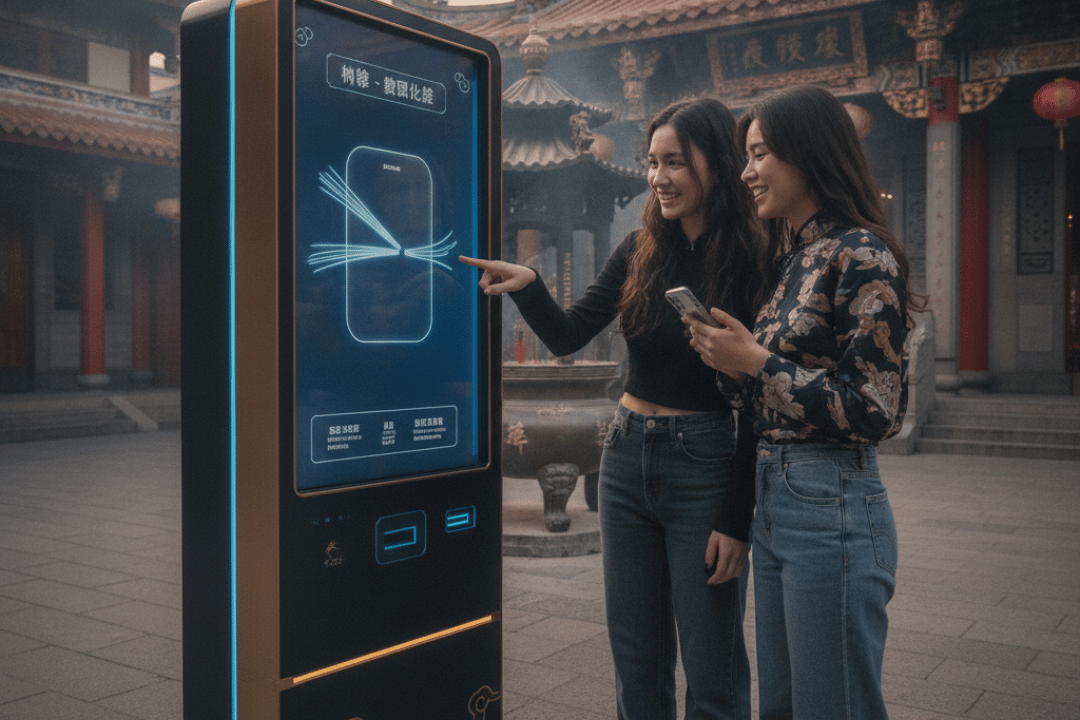

Feature image of How East Asia Has Been Using AI to Help Grieve

How East Asia Has Been Using AI to Help Grieve

2 mins read

2 mins read

Feature image of How East Asia Has Been Using AI to Help Grieve
As AI-generated avatars of deceased loved ones become accessible in countries like South Korea, Japan, and China, a deeper ethical debate emerges: Should we allow AI to alter the human grieving process?

Losing a loved one is a universal pain, but how we process that grief is rapidly changing. In East Asia, the intersection of advanced technology and deeply rooted filial piety is giving rise to a new phenomenon: the “digital afterlife.” Across countries like China, Japan, and South Korea, mourning has entered the age of artificial intelligence.
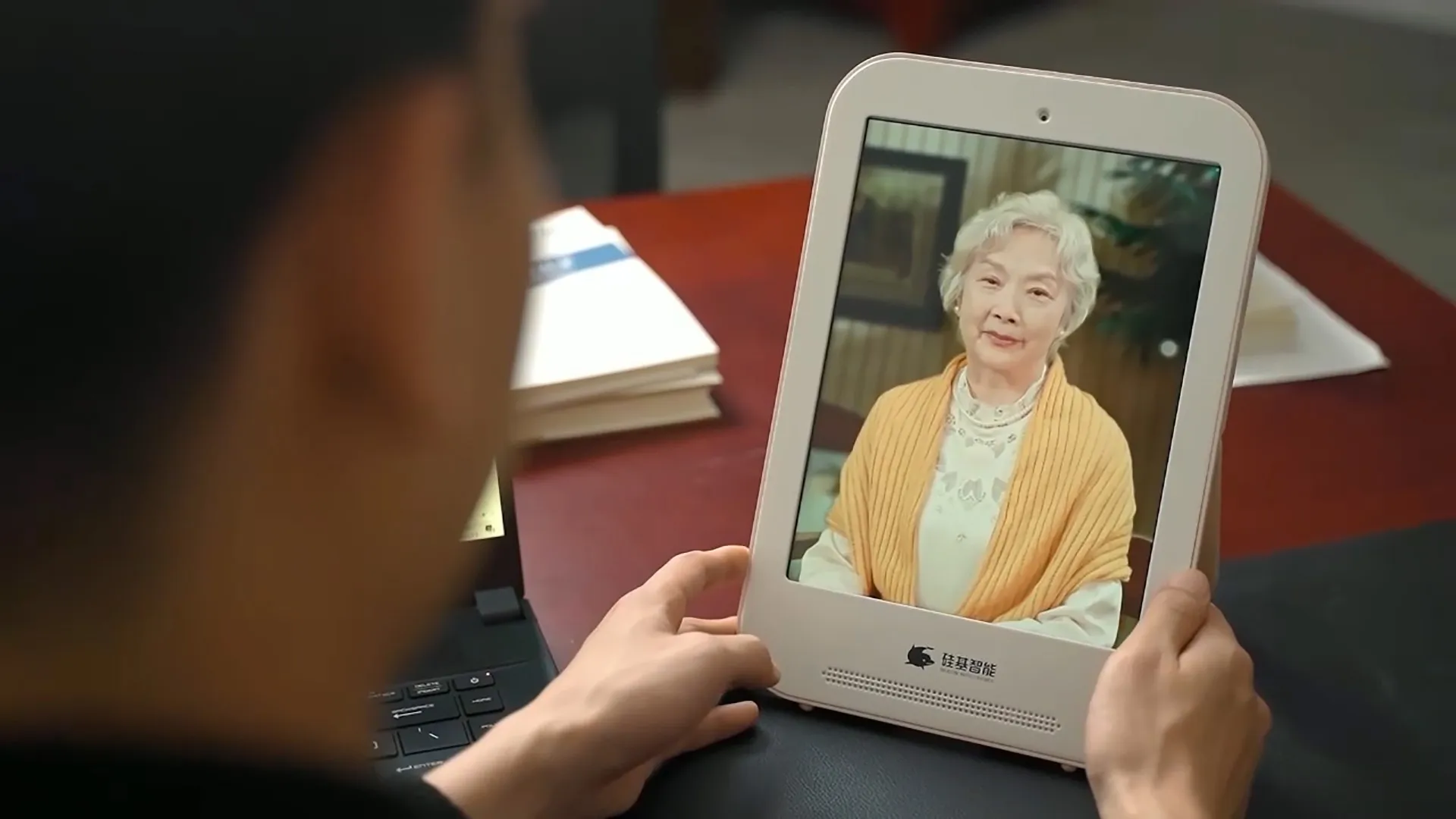
Image via MIT Technology Review.

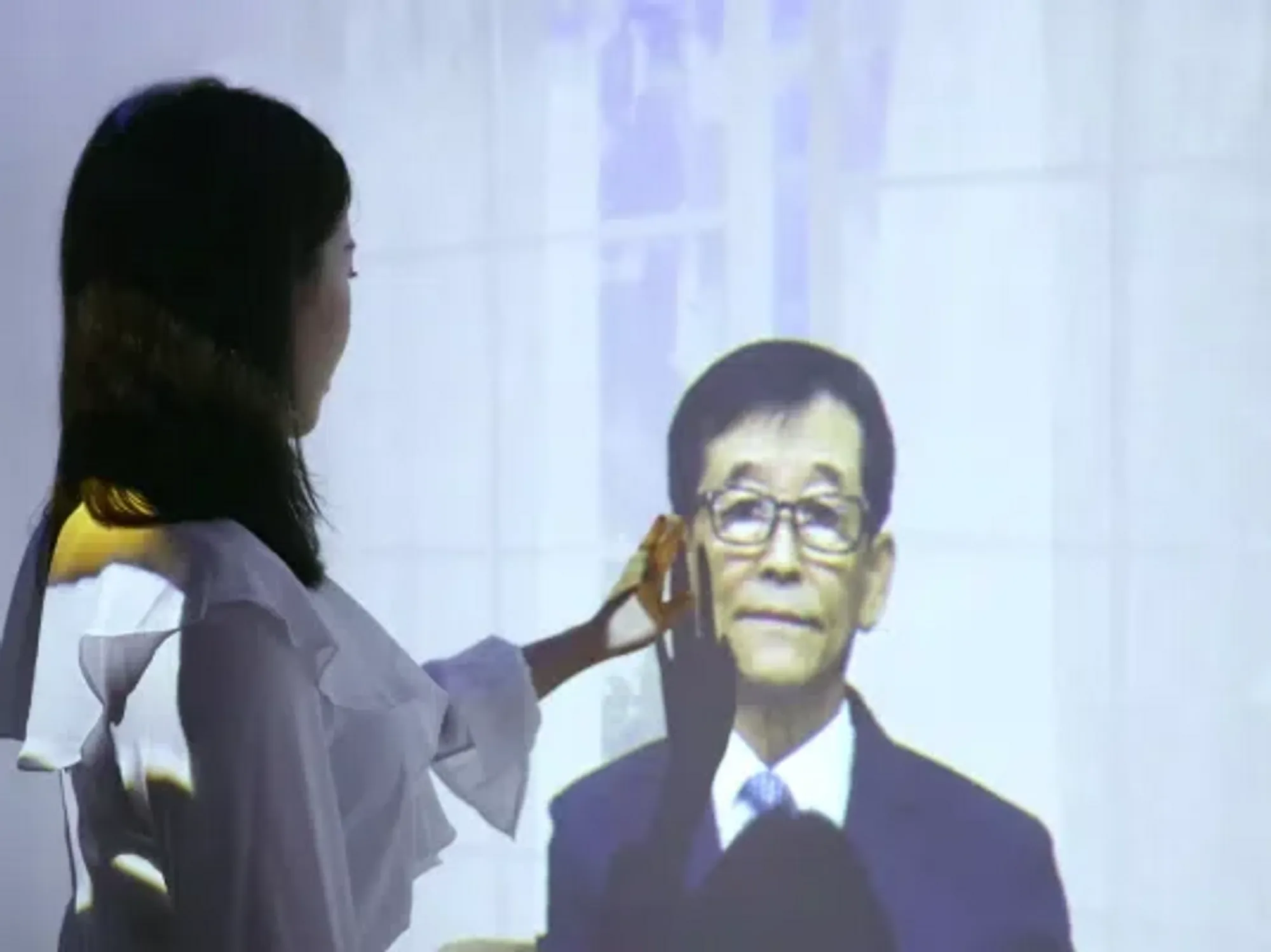
For a few years now, companies have been offering grieving families the chance to interact with AI-generated avatars of their departed relatives. South Korea’s DeepBrain AI offers a service called “re;memory,” creating virtual twins based on hours of video and audio data recorded before a person’s death. Similarly, in China, tech firms like Super Brain have been producing “griefbots” for mere hundreds of dollars, allowing bereaved parents and partners to chat with digital replicas of their loved ones on their smartphones.
South Korea’s DeepBrain AI and its re;memory service. Image via Worldcrunch.

For many, this technology provides immense comfort. It offers a space to ask unanswered questions, hear a familiar voice, or simply share a final goodbye that was perhaps unsaid. But what does this mean for the younger generation that’s already intertwined with digital realities, and who are particularly open to these alternative, tech-driven mourning tools?
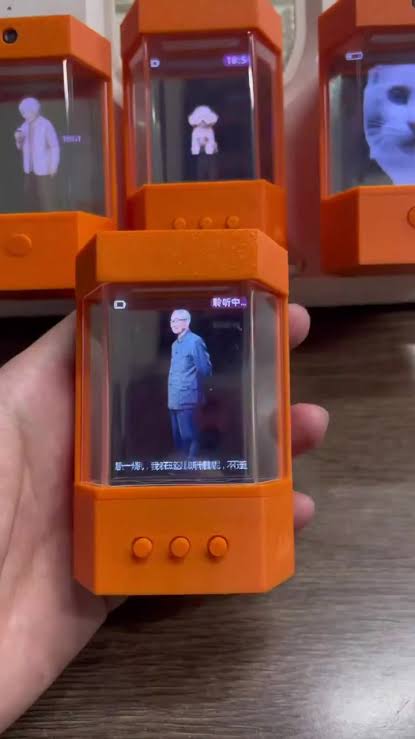
China’s Super Brain and its “Griefbot” devices. Image via Facebook.

This growing trend sparks a profound ethical dialogue. Psychologists warn that interacting with an AI avatar might disrupt the natural grieving process, tethering individuals to the past rather than helping them move forward. Does conversing with a synthetic ghost prolong denial, or is it a revolutionary step in trauma recovery? As the technology becomes eerily lifelike, society must navigate the fine line between digital solace and emotional stagnation.

What — or who — you interact with when you use DeepBrain AI’s re;memory. Image via Greek Reporter.

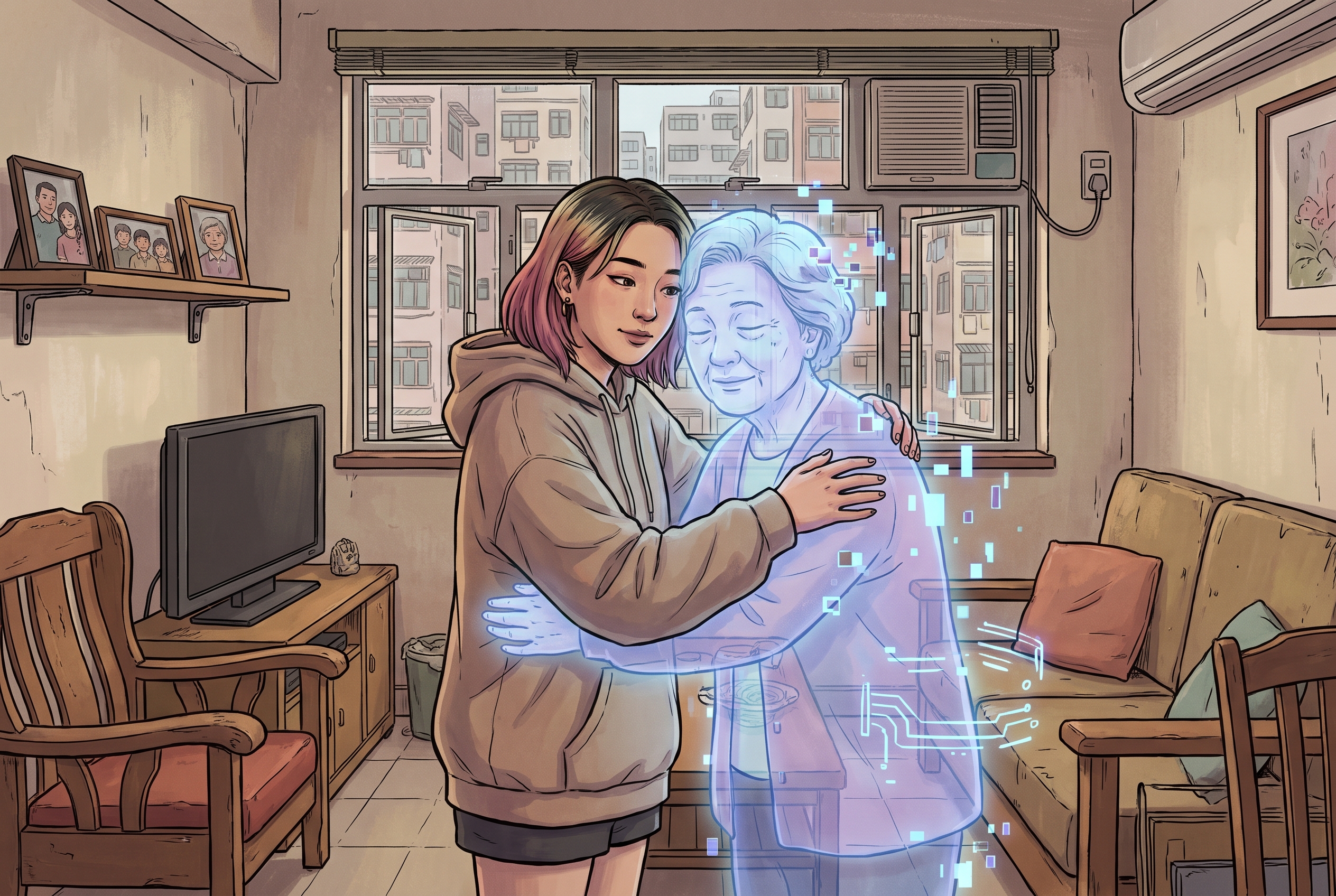
Cover image via RADII/Nano Banana Pro.

NEWSLETTER

Get weekly top picks and exclusive, newsletter only content delivered straight to you inbox.

NEWSLETTER

Get weekly top picks and exclusive, newsletter only content delivered straight to you inbox.

RADII NEWSLETTER

Get weekly top picks and exclusive, newsletter only content delivered straight to you inbox

Feature image of How East Asia Has Been Using AI to Help Grieve

How East Asia Has Been Using AI to Help Grieve

2 mins read

As AI-generated avatars of deceased loved ones become accessible in countries like South Korea, Japan, and China, a deeper ethical debate emerges: Should we allow AI to alter the human grieving process?

Losing a loved one is a universal pain, but how we process that grief is rapidly changing. In East Asia, the intersection of advanced technology and deeply rooted filial piety is giving rise to a new phenomenon: the “digital afterlife.” Across countries like China, Japan, and South Korea, mourning has entered the age of artificial intelligence.

Image via MIT Technology Review.

For a few years now, companies have been offering grieving families the chance to interact with AI-generated avatars of their departed relatives. South Korea’s DeepBrain AI offers a service called “re;memory,” creating virtual twins based on hours of video and audio data recorded before a person’s death. Similarly, in China, tech firms like Super Brain have been producing “griefbots” for mere hundreds of dollars, allowing bereaved parents and partners to chat with digital replicas of their loved ones on their smartphones.

South Korea’s DeepBrain AI and its re;memory service. Image via Worldcrunch.

For many, this technology provides immense comfort. It offers a space to ask unanswered questions, hear a familiar voice, or simply share a final goodbye that was perhaps unsaid. But what does this mean for the younger generation that’s already intertwined with digital realities, and who are particularly open to these alternative, tech-driven mourning tools?

China’s Super Brain and its “Griefbot” devices. Image via Facebook.

This growing trend sparks a profound ethical dialogue. Psychologists warn that interacting with an AI avatar might disrupt the natural grieving process, tethering individuals to the past rather than helping them move forward. Does conversing with a synthetic ghost prolong denial, or is it a revolutionary step in trauma recovery? As the technology becomes eerily lifelike, society must navigate the fine line between digital solace and emotional stagnation.

What — or who — you interact with when you use DeepBrain AI’s re;memory. Image via Greek Reporter.

Cover image via RADII/Nano Banana Pro.
NEWSLETTER

Get weekly top picks and exclusive, newsletter only content delivered straight to you inbox.

RADII NEWSLETTER

Get weekly top picks and exclusive, newsletter only content delivered straight to you inbox

RELATED POSTS

Feature image of How East Asia Has Been Using AI to Help Grieve

How East Asia Has Been Using AI to Help Grieve

2 mins read

2 mins read

Feature image of How East Asia Has Been Using AI to Help Grieve
As AI-generated avatars of deceased loved ones become accessible in countries like South Korea, Japan, and China, a deeper ethical debate emerges: Should we allow AI to alter the human grieving process?

Losing a loved one is a universal pain, but how we process that grief is rapidly changing. In East Asia, the intersection of advanced technology and deeply rooted filial piety is giving rise to a new phenomenon: the “digital afterlife.” Across countries like China, Japan, and South Korea, mourning has entered the age of artificial intelligence.

Image via MIT Technology Review.

For a few years now, companies have been offering grieving families the chance to interact with AI-generated avatars of their departed relatives. South Korea’s DeepBrain AI offers a service called “re;memory,” creating virtual twins based on hours of video and audio data recorded before a person’s death. Similarly, in China, tech firms like Super Brain have been producing “griefbots” for mere hundreds of dollars, allowing bereaved parents and partners to chat with digital replicas of their loved ones on their smartphones.

South Korea’s DeepBrain AI and its re;memory service. Image via Worldcrunch.

For many, this technology provides immense comfort. It offers a space to ask unanswered questions, hear a familiar voice, or simply share a final goodbye that was perhaps unsaid. But what does this mean for the younger generation that’s already intertwined with digital realities, and who are particularly open to these alternative, tech-driven mourning tools?

China’s Super Brain and its “Griefbot” devices. Image via Facebook.

This growing trend sparks a profound ethical dialogue. Psychologists warn that interacting with an AI avatar might disrupt the natural grieving process, tethering individuals to the past rather than helping them move forward. Does conversing with a synthetic ghost prolong denial, or is it a revolutionary step in trauma recovery? As the technology becomes eerily lifelike, society must navigate the fine line between digital solace and emotional stagnation.

What — or who — you interact with when you use DeepBrain AI’s re;memory. Image via Greek Reporter.

Cover image via RADII/Nano Banana Pro.
NEWSLETTER

Get weekly top picks and exclusive, newsletter only content delivered straight to you inbox.

NEWSLETTER

Get weekly top picks and exclusive, newsletter only content delivered straight to you inbox.

RADII NEWSLETTER

Get weekly top picks and exclusive, newsletter only content delivered straight to you inbox

Feature image of How East Asia Has Been Using AI to Help Grieve

How East Asia Has Been Using AI to Help Grieve

2 mins read

As AI-generated avatars of deceased loved ones become accessible in countries like South Korea, Japan, and China, a deeper ethical debate emerges: Should we allow AI to alter the human grieving process?

Losing a loved one is a universal pain, but how we process that grief is rapidly changing. In East Asia, the intersection of advanced technology and deeply rooted filial piety is giving rise to a new phenomenon: the “digital afterlife.” Across countries like China, Japan, and South Korea, mourning has entered the age of artificial intelligence.

Image via MIT Technology Review.

For a few years now, companies have been offering grieving families the chance to interact with AI-generated avatars of their departed relatives. South Korea’s DeepBrain AI offers a service called “re;memory,” creating virtual twins based on hours of video and audio data recorded before a person’s death. Similarly, in China, tech firms like Super Brain have been producing “griefbots” for mere hundreds of dollars, allowing bereaved parents and partners to chat with digital replicas of their loved ones on their smartphones.

South Korea’s DeepBrain AI and its re;memory service. Image via Worldcrunch.

For many, this technology provides immense comfort. It offers a space to ask unanswered questions, hear a familiar voice, or simply share a final goodbye that was perhaps unsaid. But what does this mean for the younger generation that’s already intertwined with digital realities, and who are particularly open to these alternative, tech-driven mourning tools?

China’s Super Brain and its “Griefbot” devices. Image via Facebook.

This growing trend sparks a profound ethical dialogue. Psychologists warn that interacting with an AI avatar might disrupt the natural grieving process, tethering individuals to the past rather than helping them move forward. Does conversing with a synthetic ghost prolong denial, or is it a revolutionary step in trauma recovery? As the technology becomes eerily lifelike, society must navigate the fine line between digital solace and emotional stagnation.

What — or who — you interact with when you use DeepBrain AI’s re;memory. Image via Greek Reporter.

Cover image via RADII/Nano Banana Pro.

NEWSLETTER

Get weekly top picks and exclusive, newsletter only content delivered straight to you inbox.

RADII NEWSLETTER

Get weekly top picks and exclusive, newsletter only content delivered straight to you inbox

RADII newsletter pop up visual

NEWSLETTER​

Get weekly top picks and exclusive, newsletter only content delivered straight to you inbox

RADII Newsletter Pop Up small banner

NEWSLETTER

Get weekly top picks and exclusive, newsletter only content delivered straight to you inbox.

Link Copied!

Share

Feature image of How East Asia Has Been Using AI to Help Grieve

How East Asia Has Been Using AI to Help Grieve

As AI-generated avatars of deceased loved ones become accessible in countries like South Korea, Japan, and China, a deeper ethical debate emerges: Should we allow AI to alter the human grieving process?

PULSE

Tap into the latest in music, fashion, art, design, entertainment, pop culture, celebrity news, and contemporary culture

DISCOVER

Embark on a journey through food, travel, wellness, heritage, traditional culture, and lifestyle

STYLE

An insider’s look at the intersection of fashion, art, and design

FEAST

Titillate your taste buds with coverage of the best food and drink trends from China and beyond.

FUTURE

Explore the cutting edge in tech, AI, gadgets, gaming, and innovative tech-related products

FEAST

Titillate your taste buds with coverage of the best food and drink trends from China and beyond

STYLE

An insider’s look at the intersection of fashion, art, and design

PULSE

Unpacking Chinese youth culture through coverage of nightlife, film, sports, celebrities, and the hottest new music