
Feature image of Skate of the Art: How This Shanghai Museum Presents Skateboarding’s Visual History

Skate of the Art: How This Shanghai Museum Presents Skateboarding’s Visual History

5 mins read

5 mins read

Feature image of Skate of the Art: How This Shanghai Museum Presents Skateboarding’s Visual History
Fotografiska Shanghai’s new exhibition traces fifty years of skate photography, from Venice Beach to the Qinghai-Tibet Plateau, while putting China in the frame it deserves.

What’s the first thing that comes to mind when you think about skateboarding? Probably an Ollie or Kickflip. And what’s the backdrop? Probably LA, maybe an empty pool in Venice Beach, or a kid getting kicked out of a parking lot somewhere in the Valley. Most likely it’s not a scene within China. Complicating that picture is Skate of the Art: Skateboarding Across Cultures, an exhibition that’s currently on view at Fotografiska Shanghai through October 25.
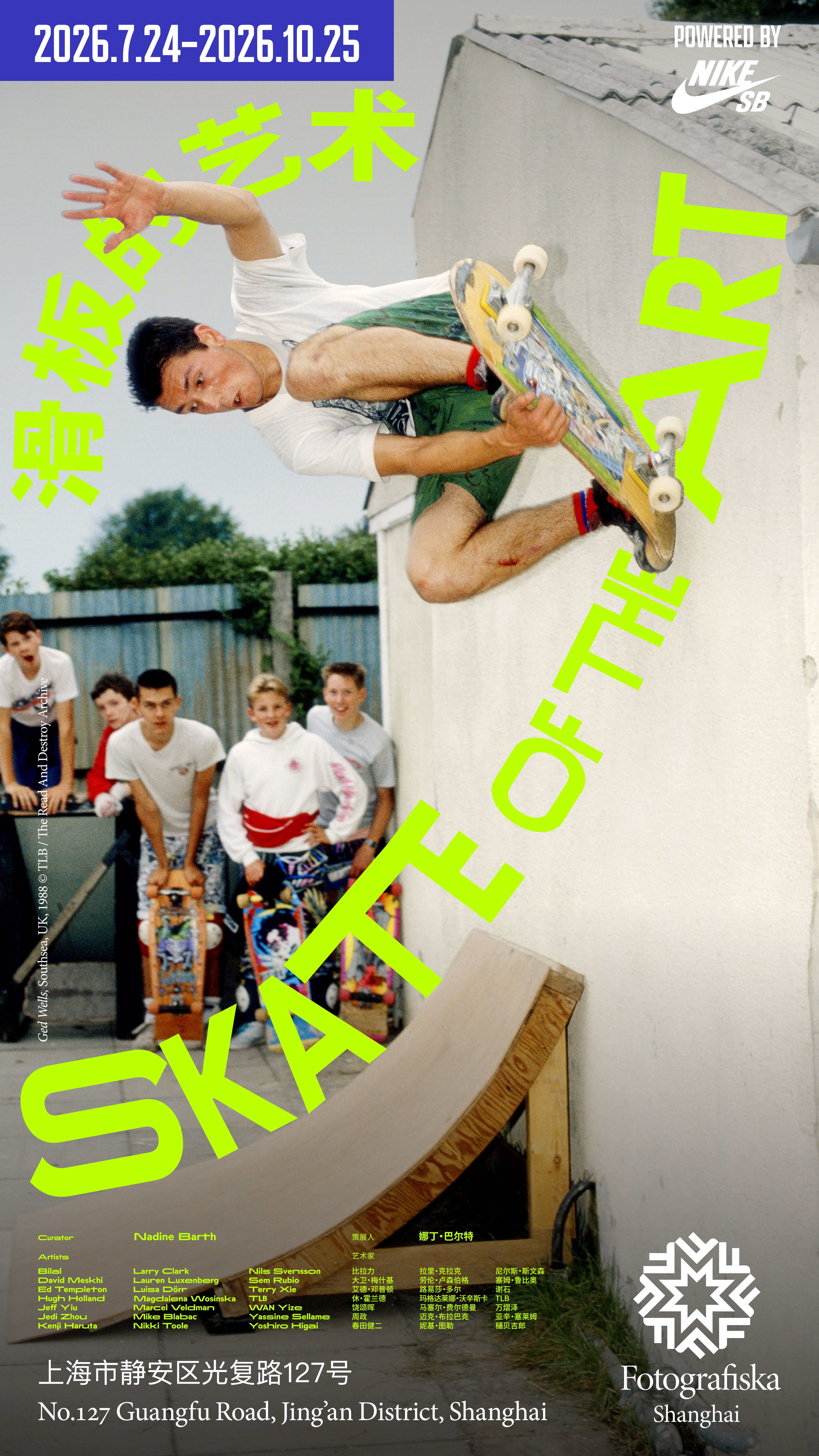
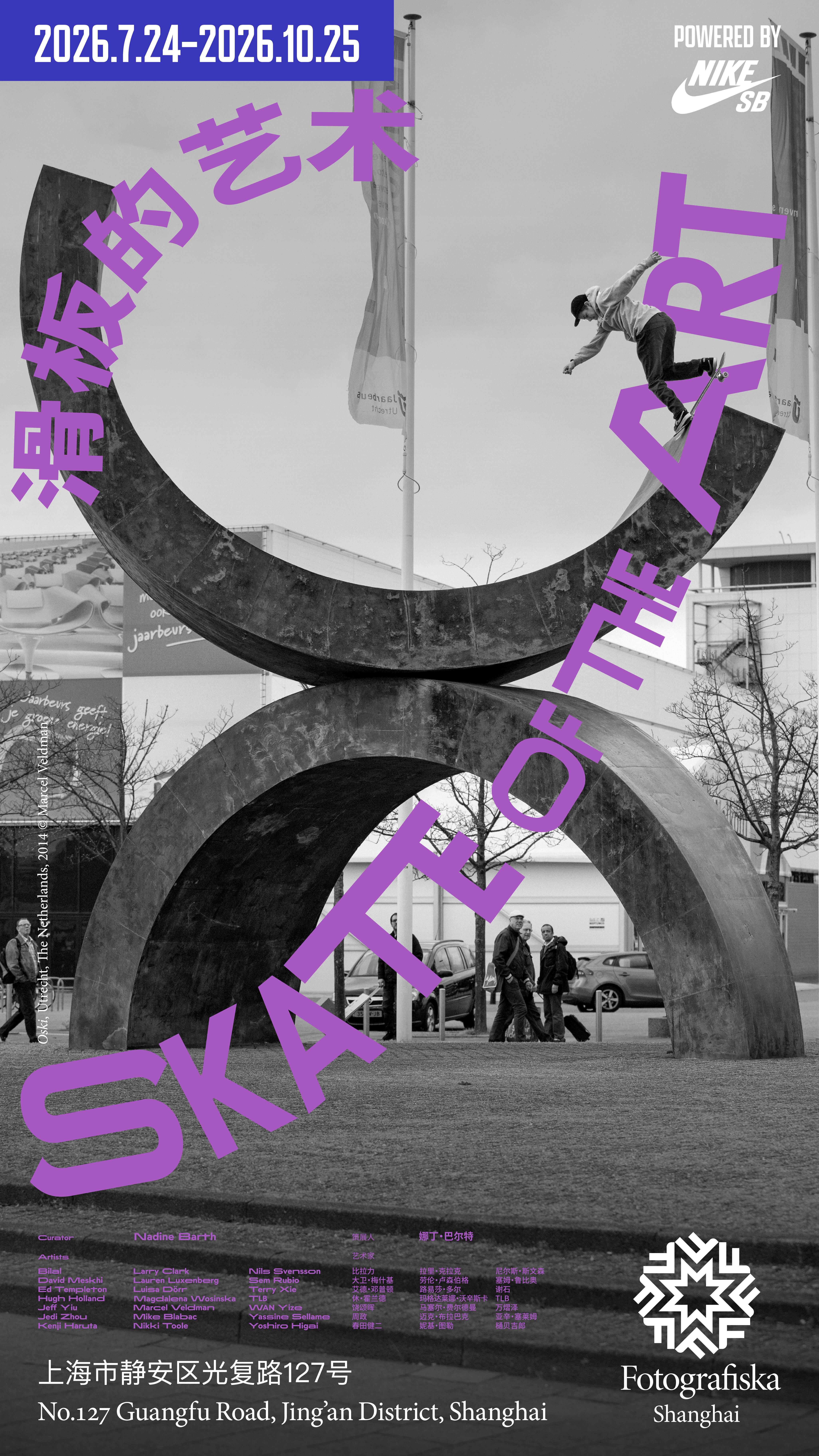
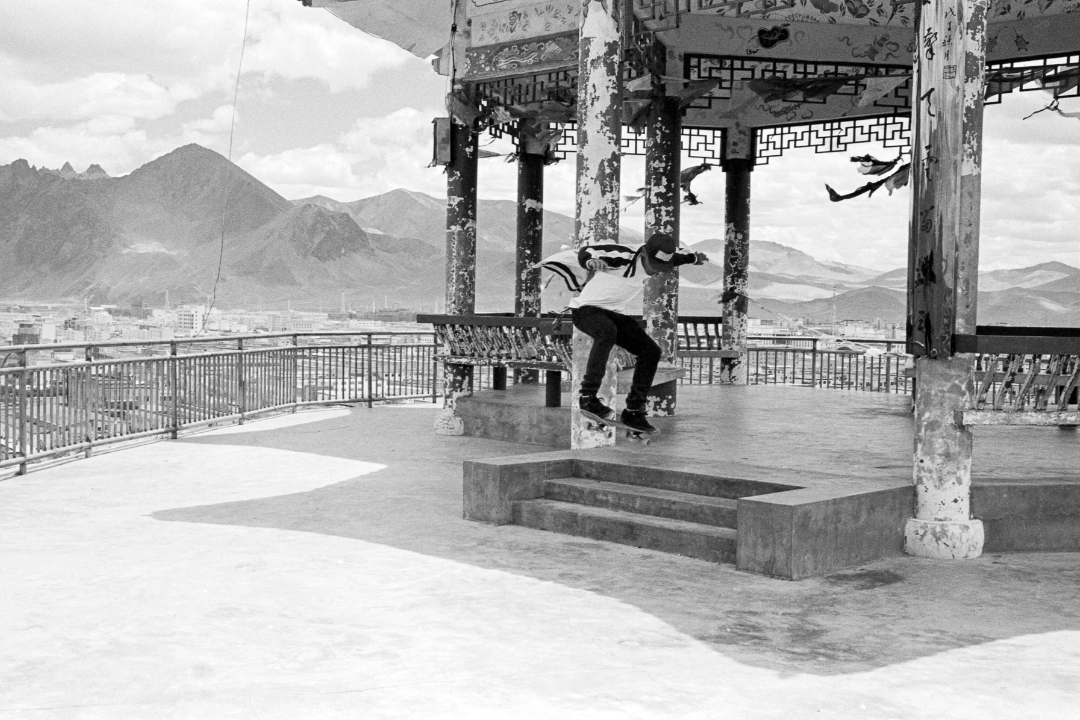
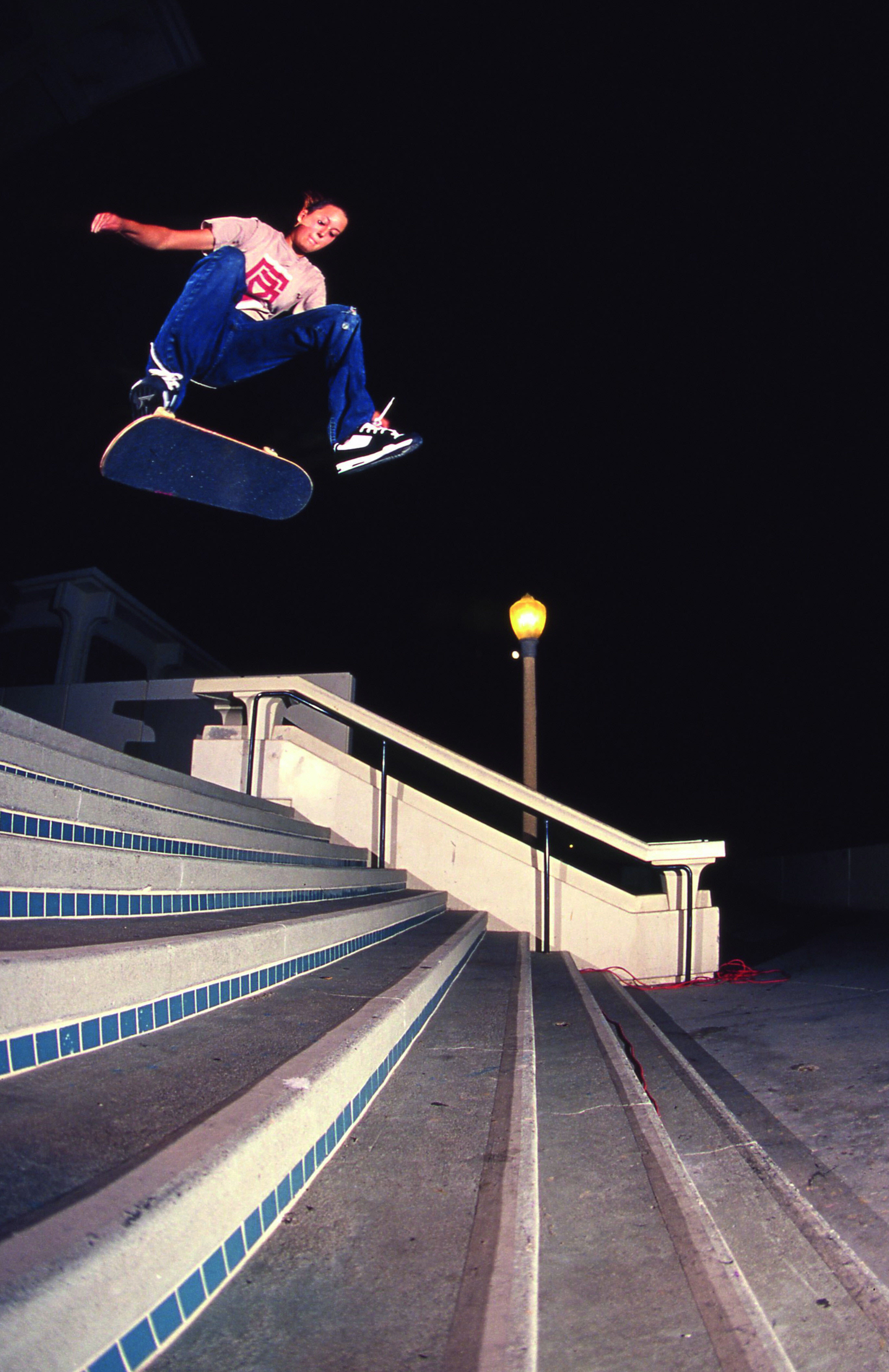
Skateboarding has always been more than a sport; it’s an attitude, a visual code, a whole aesthetic economy. And photography has been welded to it from the start, turning a bunch of kids on planks with wheels into one of the most recognizable youth cultures on the planet. Skate of the Art sits at that intersection, pulling together more than twenty photographers and artists from five continents to trace skate culture frame by frame: from Hugh Holland’s sun-bleached, empty pool in California during the 1970s, through Larry Clark’s unflinching youth-culture grit and Ed Templeton’s diary-style intimacy, all the way to the present.
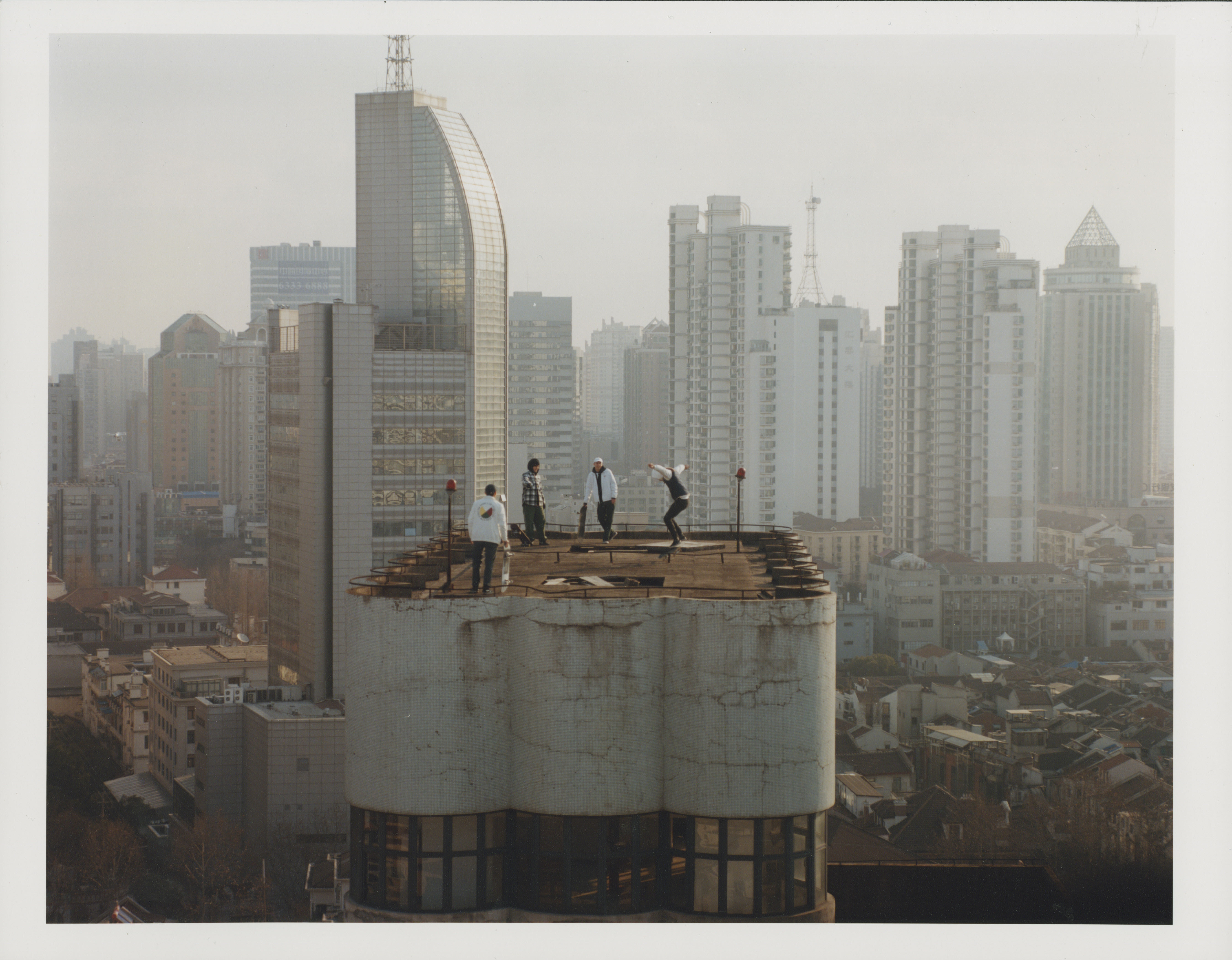
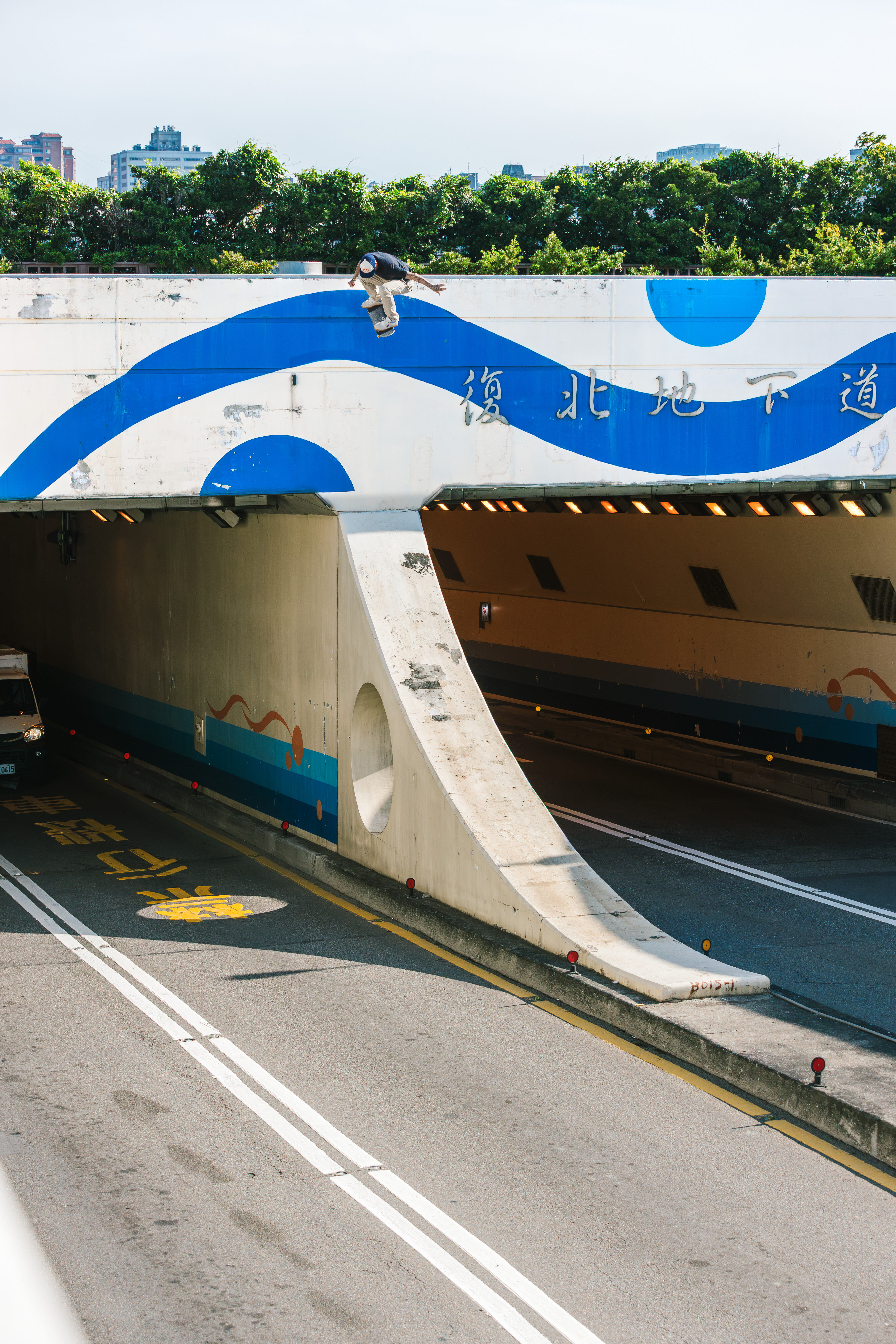
Rooftop Landscape with skaters Marcus, Saizhi, Brian, Per, in Shanghai (2018), shot by Jedi Zhou.

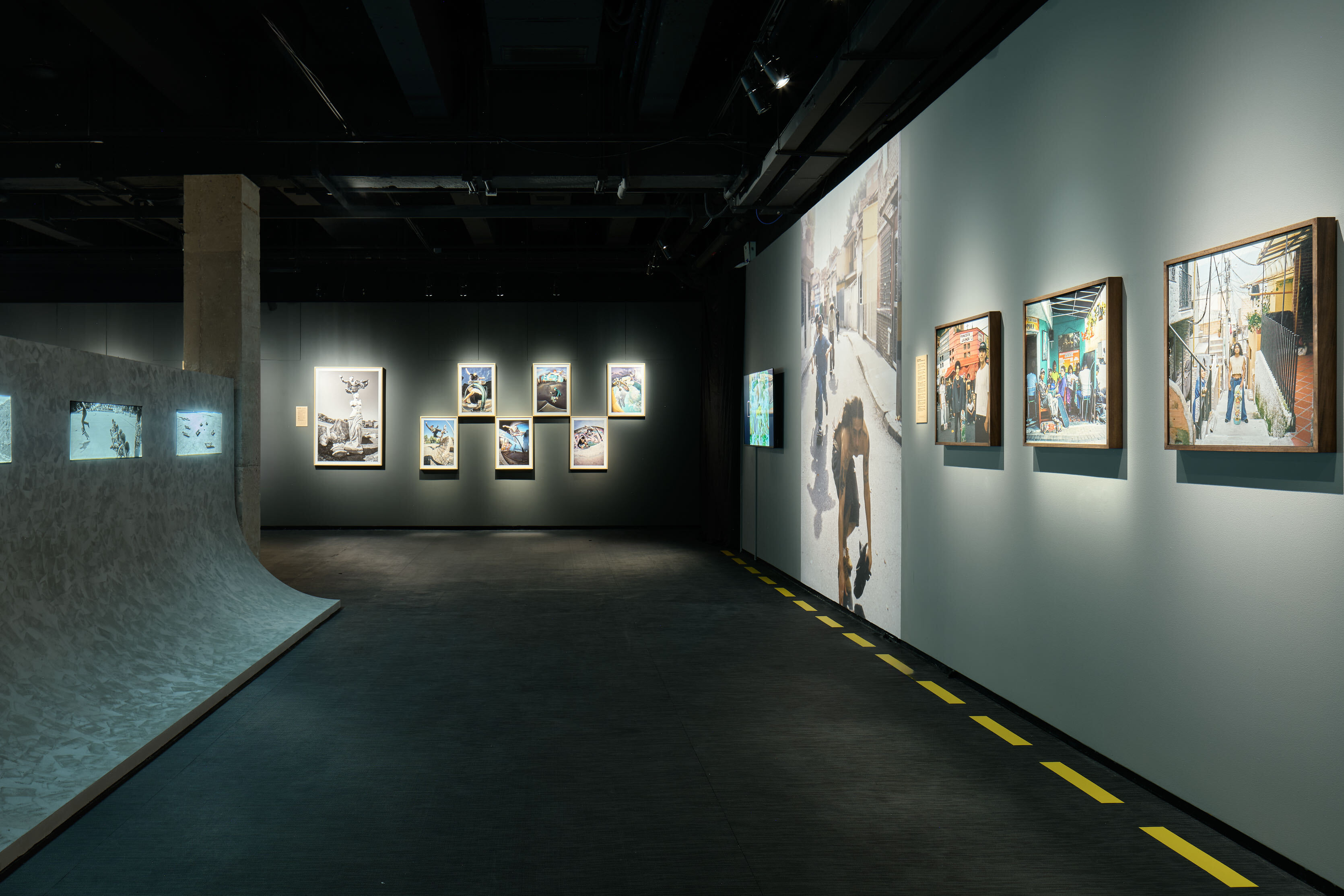
That present, increasingly, runs through China. Over the past decade, the country has become one of the newest skate scenes, and the exhibition gives it a space to prove this point. Alongside the genre’s most iconic image on Chinese soil—Mike Blabac’s 2005 photo of Danny Way jumping the Great Wall—a stunt that beamed China into skateboarding’s global visual memory almost by accident, Skate of the Art stacks up work from a new generation of local photographers. You’ve got Jedi Zhou tracing skaters through Shanghai’s traffic and skyscrapers, Jeff Yiu’s years-long documentary project on Beijing’s scene, Bilal’s street-style portraits of Shanghai skater Pi Kai, and Terry Xie’s images of Tsring, the Qinghai-Tibet Plateau’s only pro skater who travels three days and a thousand kilometers just to skate with other people on Skateboard Day in Lhasa.
Seen together, it’s less a story about skateboarding’s Western origins with China tacked on at the end, and more a reminder that skate culture has always grown its own roots wherever it lands. To learn more about how the show came together, RADII spoke with Skate of the Art‘s curator Nadine Barth.


RADII: This exhibition treats skate photography as visual culture rather than sports documentation. What made Shanghai the right place to make that argument?

Nadine Barth: Shanghai is a modern, cosmopolitan city. I expanded my original concept to include Asian photographic perspectives, which greatly benefited the exhibition. I hadn’t previously been familiar with artists like Jedi Zhou or Bilal; discovering their visual strength was an exciting experience for me. And a venue like Fotografiska—which showcases lifestyle phenomena at its other locations as well—is the ideal setting to present the aesthetically inspiring world of skateboarding.

The show spans fifty years and five continents—from Hugh Holland’s 1970s California pool photography to work being made today in Shanghai and on the Tibetan plateau. Do you see that as one continuous visual language traveling across time and geography, or as separate local stories? And how do you think something like this impacts the China of today?

There is a beautiful correspondence between the styles of Hugh Holland and Marcel Veldman, despite the more than forty years separating them: we see a similar softness and elegance in their choice of imagery, and an affectionate use of black and white that takes on a narrative quality. Spanning the intervening years up to the present day, we encounter the full range of what photography can achieve: classic portraits, sweeping landscape tableaux, technical experiments such as panoramas and fisheye lenses, studies of speed, and storytelling. It is the combination of these diverse forms of expression that creates the complete picture — one that resonates on multiple levels.
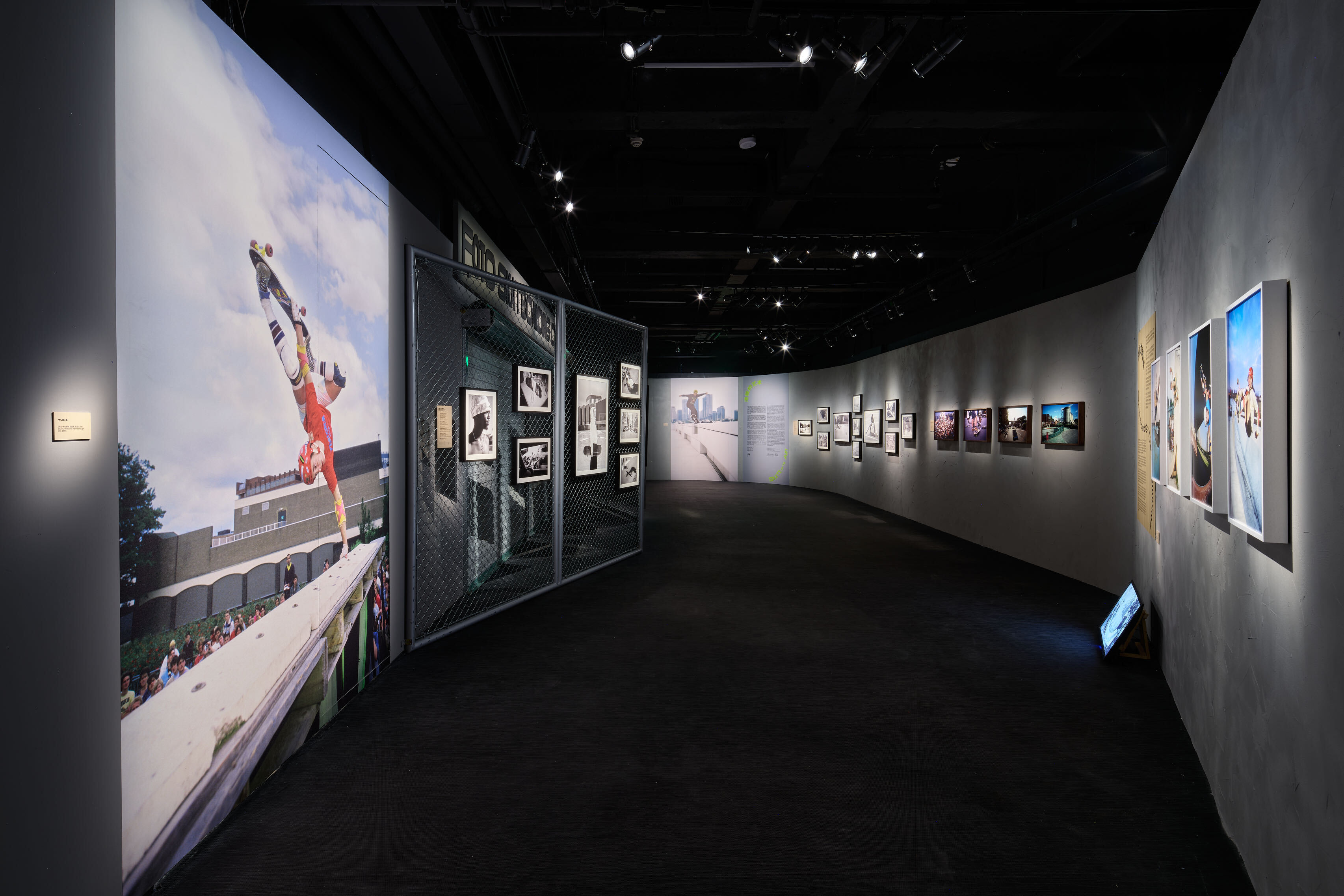
I wouldn’t presume to judge what kind of impact this complex visual narrative might have on China. However, I would like to see skateboard photography recognized as a form of artistic expression in the future.

The Danny Way Great Wall photo is probably skateboarding’s most famous image in China, but it’s an outsider’s stunt on a monument. You’re placing it against Jedi Zhou, who’s shooting his own city from the inside. What does that contrast bring up for you?

After all, we can best understand a phenomenon by viewing it from as many angles as possible—not just from the inside and the outside, but also as a singular entity in relation to the broader context. The complexity of Skate of the Art fits seamlessly into Fotografiska’s spectrum of diverse approaches to both contemporary and historical photography. I think it is fantastic that, within Skate of the Art, we are able to showcase fifty years of visual power from such varied perspectives.
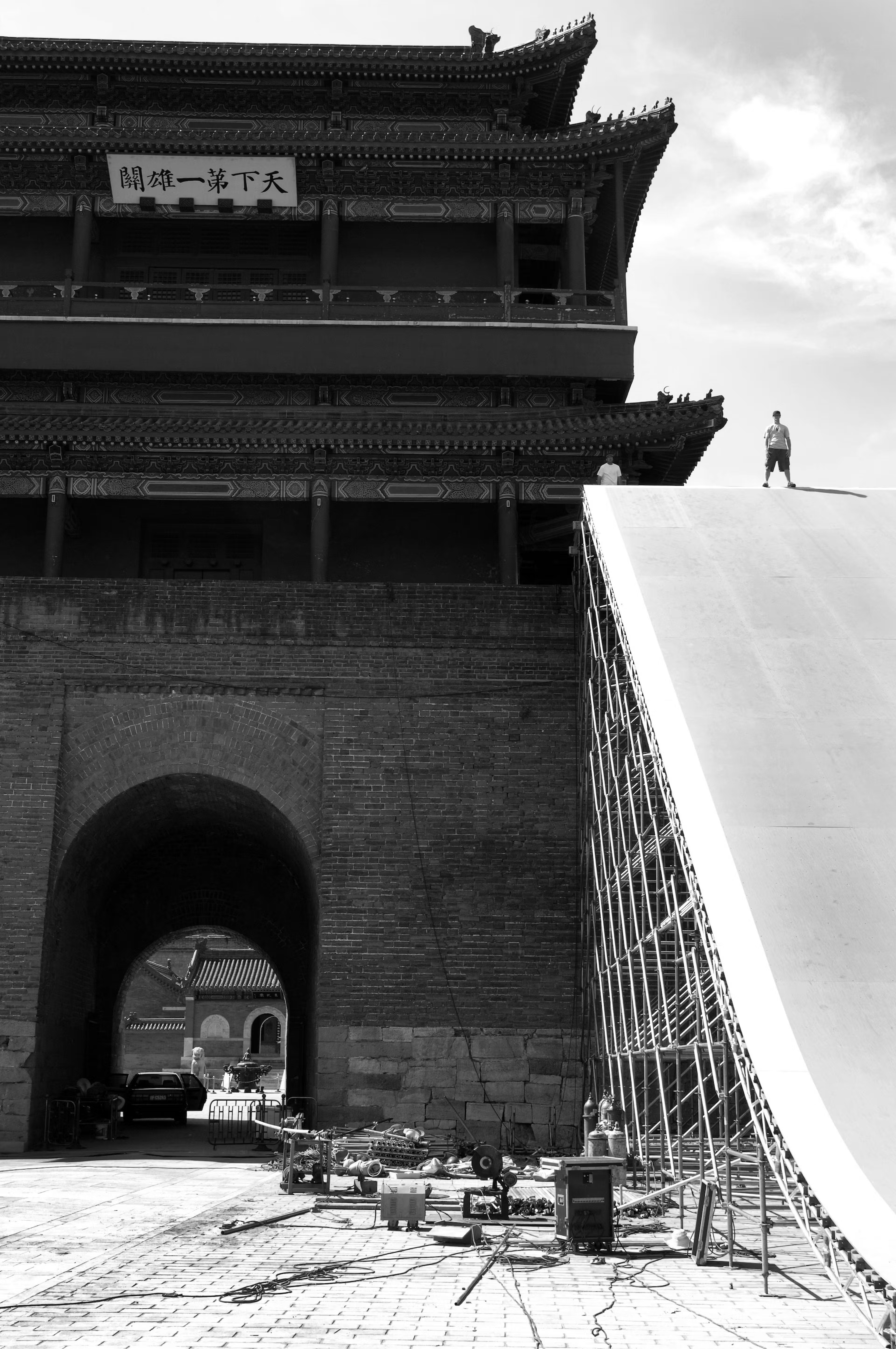
A shot by Mike Blabac of the landing ramp for the iconic Danny Way Great Wall photo.

The only professional skater on the Qinghai-Tibet Plateau travels three days just to reach a gathering in Lhasa. What does that story tell about what skateboarding means to someone practicing it where there’s no scene at all?

The story shows that you can skateboard anywhere in the world—even alone. It involves shifting your focus between yourself and your board, your skills, and your surroundings. And then, of course, it is wonderful to experience the opposite: meeting up with other skaters in Lhasa for Skateboard Day. My favorite image from the exhibition is the photo of the seven skateboards in the square—abstract, yet emotional at the same time.
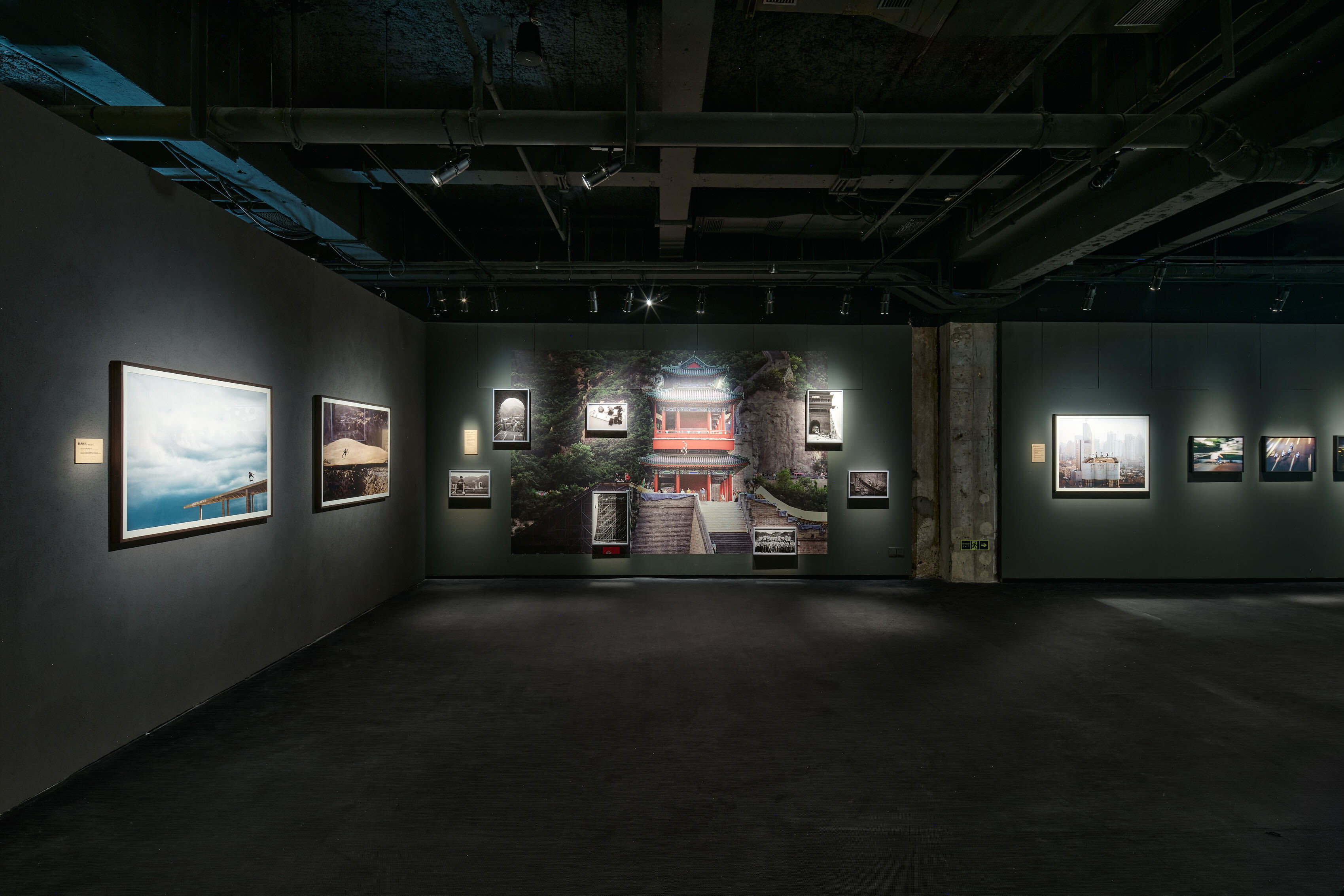
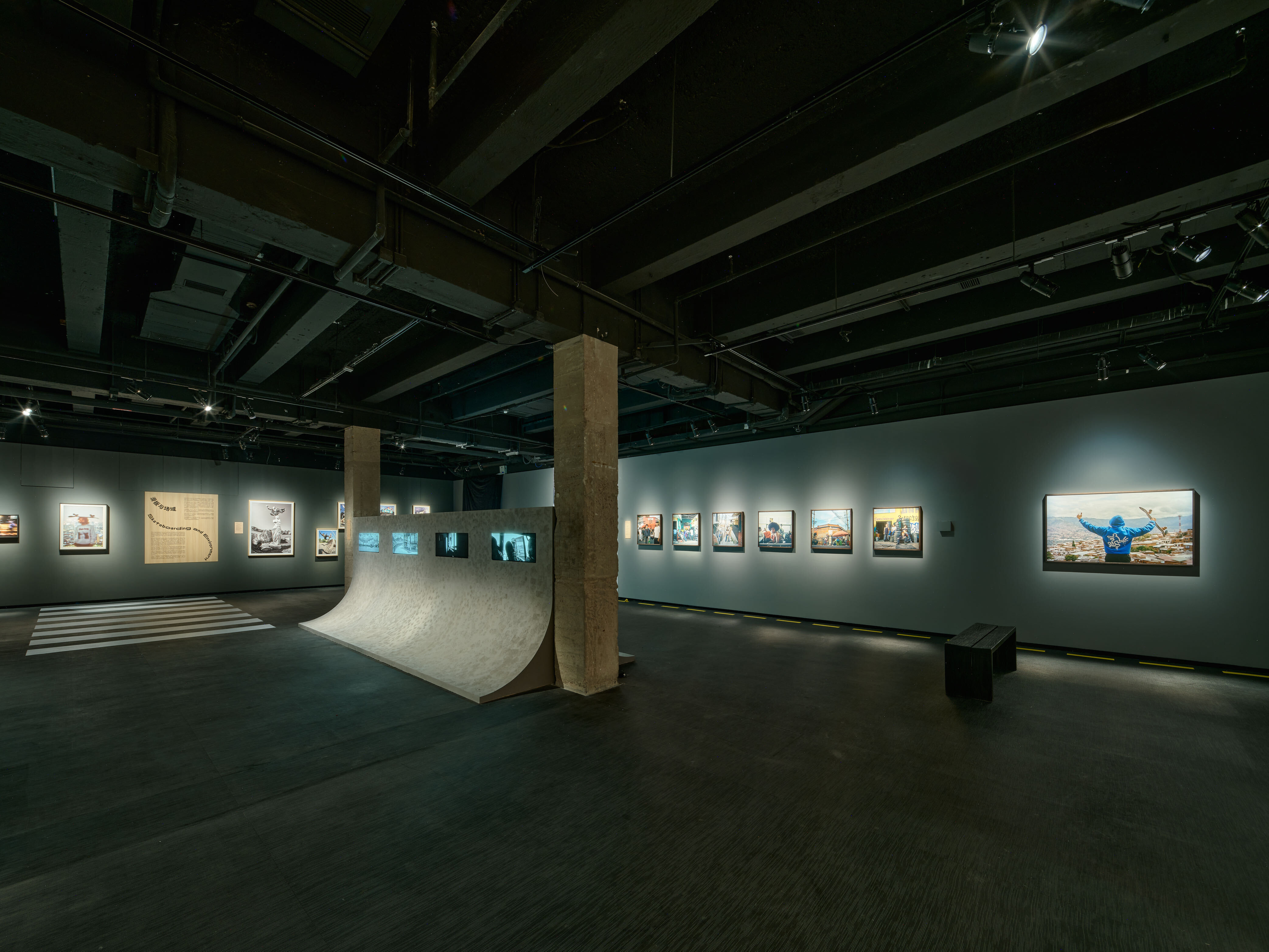
Skaters claiming streets and plazas read differently in China, where public space is governed differently than in the West. How does that change what it means for a teenager to skate through it, and for a photographer to document that?

I can speak here only as a curator who is delighted when a photographer has managed to capture those rare moments—such as night-time skating—in evocative images.
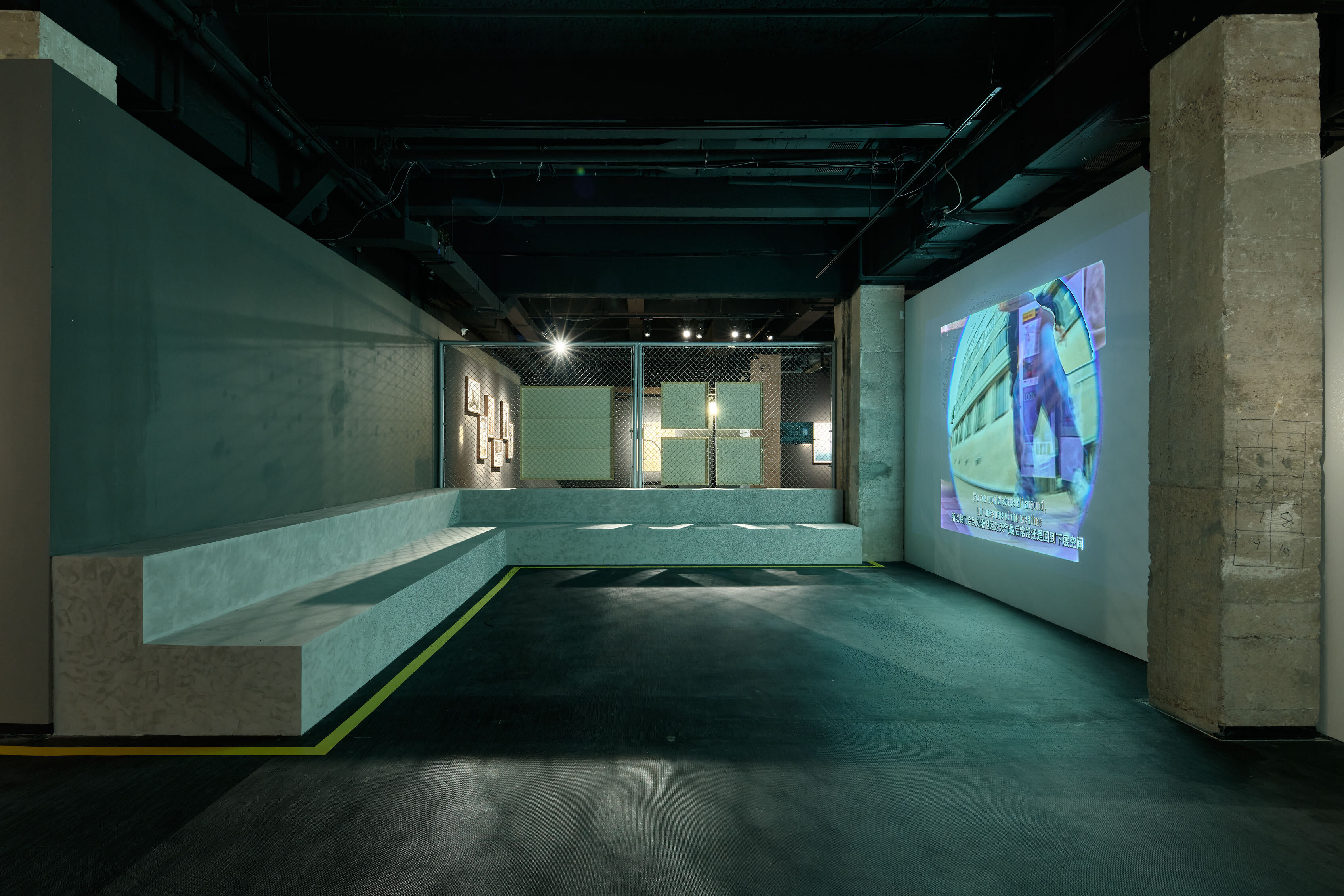
What would you love to see happen in Shanghai as a result of this exhibition—beyond the walls of the museum, in how skaters are seen and treated in public space?

It would be great if skateboarding were viewed as an expression of the joy of living and if there were more places where it could be practiced officially. And, of course, if many more people bought a board and simply started rolling…

All images via Fotografiska.

NEWSLETTER

Get weekly top picks and exclusive, newsletter only content delivered straight to you inbox.

NEWSLETTER

Get weekly top picks and exclusive, newsletter only content delivered straight to you inbox.

RADII NEWSLETTER

Get weekly top picks and exclusive, newsletter only content delivered straight to you inbox

Feature image of Skate of the Art: How This Shanghai Museum Presents Skateboarding’s Visual History

Skate of the Art: How This Shanghai Museum Presents Skateboarding’s Visual History

5 mins read

Fotografiska Shanghai’s new exhibition traces fifty years of skate photography, from Venice Beach to the Qinghai-Tibet Plateau, while putting China in the frame it deserves.

What’s the first thing that comes to mind when you think about skateboarding? Probably an Ollie or Kickflip. And what’s the backdrop? Probably LA, maybe an empty pool in Venice Beach, or a kid getting kicked out of a parking lot somewhere in the Valley. Most likely it’s not a scene within China. Complicating that picture is Skate of the Art: Skateboarding Across Cultures, an exhibition that’s currently on view at Fotografiska Shanghai through October 25.

Skateboarding has always been more than a sport; it’s an attitude, a visual code, a whole aesthetic economy. And photography has been welded to it from the start, turning a bunch of kids on planks with wheels into one of the most recognizable youth cultures on the planet. Skate of the Art sits at that intersection, pulling together more than twenty photographers and artists from five continents to trace skate culture frame by frame: from Hugh Holland’s sun-bleached, empty pool in California during the 1970s, through Larry Clark’s unflinching youth-culture grit and Ed Templeton’s diary-style intimacy, all the way to the present.

Rooftop Landscape with skaters Marcus, Saizhi, Brian, Per, in Shanghai (2018), shot by Jedi Zhou.

That present, increasingly, runs through China. Over the past decade, the country has become one of the newest skate scenes, and the exhibition gives it a space to prove this point. Alongside the genre’s most iconic image on Chinese soil—Mike Blabac’s 2005 photo of Danny Way jumping the Great Wall—a stunt that beamed China into skateboarding’s global visual memory almost by accident, Skate of the Art stacks up work from a new generation of local photographers. You’ve got Jedi Zhou tracing skaters through Shanghai’s traffic and skyscrapers, Jeff Yiu’s years-long documentary project on Beijing’s scene, Bilal’s street-style portraits of Shanghai skater Pi Kai, and Terry Xie’s images of Tsring, the Qinghai-Tibet Plateau’s only pro skater who travels three days and a thousand kilometers just to skate with other people on Skateboard Day in Lhasa.

Seen together, it’s less a story about skateboarding’s Western origins with China tacked on at the end, and more a reminder that skate culture has always grown its own roots wherever it lands. To learn more about how the show came together, RADII spoke with Skate of the Art‘s curator Nadine Barth.


RADII: This exhibition treats skate photography as visual culture rather than sports documentation. What made Shanghai the right place to make that argument?

Nadine Barth: Shanghai is a modern, cosmopolitan city. I expanded my original concept to include Asian photographic perspectives, which greatly benefited the exhibition. I hadn’t previously been familiar with artists like Jedi Zhou or Bilal; discovering their visual strength was an exciting experience for me. And a venue like Fotografiska—which showcases lifestyle phenomena at its other locations as well—is the ideal setting to present the aesthetically inspiring world of skateboarding.

The show spans fifty years and five continents—from Hugh Holland’s 1970s California pool photography to work being made today in Shanghai and on the Tibetan plateau. Do you see that as one continuous visual language traveling across time and geography, or as separate local stories? And how do you think something like this impacts the China of today?

There is a beautiful correspondence between the styles of Hugh Holland and Marcel Veldman, despite the more than forty years separating them: we see a similar softness and elegance in their choice of imagery, and an affectionate use of black and white that takes on a narrative quality. Spanning the intervening years up to the present day, we encounter the full range of what photography can achieve: classic portraits, sweeping landscape tableaux, technical experiments such as panoramas and fisheye lenses, studies of speed, and storytelling. It is the combination of these diverse forms of expression that creates the complete picture — one that resonates on multiple levels.

I wouldn’t presume to judge what kind of impact this complex visual narrative might have on China. However, I would like to see skateboard photography recognized as a form of artistic expression in the future.

The Danny Way Great Wall photo is probably skateboarding’s most famous image in China, but it’s an outsider’s stunt on a monument. You’re placing it against Jedi Zhou, who’s shooting his own city from the inside. What does that contrast bring up for you?

After all, we can best understand a phenomenon by viewing it from as many angles as possible—not just from the inside and the outside, but also as a singular entity in relation to the broader context. The complexity of Skate of the Art fits seamlessly into Fotografiska’s spectrum of diverse approaches to both contemporary and historical photography. I think it is fantastic that, within Skate of the Art, we are able to showcase fifty years of visual power from such varied perspectives.

A shot by Mike Blabac of the landing ramp for the iconic Danny Way Great Wall photo.

The only professional skater on the Qinghai-Tibet Plateau travels three days just to reach a gathering in Lhasa. What does that story tell about what skateboarding means to someone practicing it where there’s no scene at all?

The story shows that you can skateboard anywhere in the world—even alone. It involves shifting your focus between yourself and your board, your skills, and your surroundings. And then, of course, it is wonderful to experience the opposite: meeting up with other skaters in Lhasa for Skateboard Day. My favorite image from the exhibition is the photo of the seven skateboards in the square—abstract, yet emotional at the same time.

Skaters claiming streets and plazas read differently in China, where public space is governed differently than in the West. How does that change what it means for a teenager to skate through it, and for a photographer to document that?

I can speak here only as a curator who is delighted when a photographer has managed to capture those rare moments—such as night-time skating—in evocative images.

What would you love to see happen in Shanghai as a result of this exhibition—beyond the walls of the museum, in how skaters are seen and treated in public space?

It would be great if skateboarding were viewed as an expression of the joy of living and if there were more places where it could be practiced officially. And, of course, if many more people bought a board and simply started rolling…

All images via Fotografiska.
NEWSLETTER

Get weekly top picks and exclusive, newsletter only content delivered straight to you inbox.

RADII NEWSLETTER

Get weekly top picks and exclusive, newsletter only content delivered straight to you inbox

RELATED POSTS

Feature image of Skate of the Art: How This Shanghai Museum Presents Skateboarding’s Visual History

Skate of the Art: How This Shanghai Museum Presents Skateboarding’s Visual History

5 mins read

5 mins read

Feature image of Skate of the Art: How This Shanghai Museum Presents Skateboarding’s Visual History
Fotografiska Shanghai’s new exhibition traces fifty years of skate photography, from Venice Beach to the Qinghai-Tibet Plateau, while putting China in the frame it deserves.

What’s the first thing that comes to mind when you think about skateboarding? Probably an Ollie or Kickflip. And what’s the backdrop? Probably LA, maybe an empty pool in Venice Beach, or a kid getting kicked out of a parking lot somewhere in the Valley. Most likely it’s not a scene within China. Complicating that picture is Skate of the Art: Skateboarding Across Cultures, an exhibition that’s currently on view at Fotografiska Shanghai through October 25.

Skateboarding has always been more than a sport; it’s an attitude, a visual code, a whole aesthetic economy. And photography has been welded to it from the start, turning a bunch of kids on planks with wheels into one of the most recognizable youth cultures on the planet. Skate of the Art sits at that intersection, pulling together more than twenty photographers and artists from five continents to trace skate culture frame by frame: from Hugh Holland’s sun-bleached, empty pool in California during the 1970s, through Larry Clark’s unflinching youth-culture grit and Ed Templeton’s diary-style intimacy, all the way to the present.

Rooftop Landscape with skaters Marcus, Saizhi, Brian, Per, in Shanghai (2018), shot by Jedi Zhou.

That present, increasingly, runs through China. Over the past decade, the country has become one of the newest skate scenes, and the exhibition gives it a space to prove this point. Alongside the genre’s most iconic image on Chinese soil—Mike Blabac’s 2005 photo of Danny Way jumping the Great Wall—a stunt that beamed China into skateboarding’s global visual memory almost by accident, Skate of the Art stacks up work from a new generation of local photographers. You’ve got Jedi Zhou tracing skaters through Shanghai’s traffic and skyscrapers, Jeff Yiu’s years-long documentary project on Beijing’s scene, Bilal’s street-style portraits of Shanghai skater Pi Kai, and Terry Xie’s images of Tsring, the Qinghai-Tibet Plateau’s only pro skater who travels three days and a thousand kilometers just to skate with other people on Skateboard Day in Lhasa.

Seen together, it’s less a story about skateboarding’s Western origins with China tacked on at the end, and more a reminder that skate culture has always grown its own roots wherever it lands. To learn more about how the show came together, RADII spoke with Skate of the Art‘s curator Nadine Barth.


RADII: This exhibition treats skate photography as visual culture rather than sports documentation. What made Shanghai the right place to make that argument?

Nadine Barth: Shanghai is a modern, cosmopolitan city. I expanded my original concept to include Asian photographic perspectives, which greatly benefited the exhibition. I hadn’t previously been familiar with artists like Jedi Zhou or Bilal; discovering their visual strength was an exciting experience for me. And a venue like Fotografiska—which showcases lifestyle phenomena at its other locations as well—is the ideal setting to present the aesthetically inspiring world of skateboarding.

The show spans fifty years and five continents—from Hugh Holland’s 1970s California pool photography to work being made today in Shanghai and on the Tibetan plateau. Do you see that as one continuous visual language traveling across time and geography, or as separate local stories? And how do you think something like this impacts the China of today?

There is a beautiful correspondence between the styles of Hugh Holland and Marcel Veldman, despite the more than forty years separating them: we see a similar softness and elegance in their choice of imagery, and an affectionate use of black and white that takes on a narrative quality. Spanning the intervening years up to the present day, we encounter the full range of what photography can achieve: classic portraits, sweeping landscape tableaux, technical experiments such as panoramas and fisheye lenses, studies of speed, and storytelling. It is the combination of these diverse forms of expression that creates the complete picture — one that resonates on multiple levels.

I wouldn’t presume to judge what kind of impact this complex visual narrative might have on China. However, I would like to see skateboard photography recognized as a form of artistic expression in the future.

The Danny Way Great Wall photo is probably skateboarding’s most famous image in China, but it’s an outsider’s stunt on a monument. You’re placing it against Jedi Zhou, who’s shooting his own city from the inside. What does that contrast bring up for you?

After all, we can best understand a phenomenon by viewing it from as many angles as possible—not just from the inside and the outside, but also as a singular entity in relation to the broader context. The complexity of Skate of the Art fits seamlessly into Fotografiska’s spectrum of diverse approaches to both contemporary and historical photography. I think it is fantastic that, within Skate of the Art, we are able to showcase fifty years of visual power from such varied perspectives.

A shot by Mike Blabac of the landing ramp for the iconic Danny Way Great Wall photo.

The only professional skater on the Qinghai-Tibet Plateau travels three days just to reach a gathering in Lhasa. What does that story tell about what skateboarding means to someone practicing it where there’s no scene at all?

The story shows that you can skateboard anywhere in the world—even alone. It involves shifting your focus between yourself and your board, your skills, and your surroundings. And then, of course, it is wonderful to experience the opposite: meeting up with other skaters in Lhasa for Skateboard Day. My favorite image from the exhibition is the photo of the seven skateboards in the square—abstract, yet emotional at the same time.

Skaters claiming streets and plazas read differently in China, where public space is governed differently than in the West. How does that change what it means for a teenager to skate through it, and for a photographer to document that?

I can speak here only as a curator who is delighted when a photographer has managed to capture those rare moments—such as night-time skating—in evocative images.

What would you love to see happen in Shanghai as a result of this exhibition—beyond the walls of the museum, in how skaters are seen and treated in public space?

It would be great if skateboarding were viewed as an expression of the joy of living and if there were more places where it could be practiced officially. And, of course, if many more people bought a board and simply started rolling…

All images via Fotografiska.
NEWSLETTER

Get weekly top picks and exclusive, newsletter only content delivered straight to you inbox.

NEWSLETTER

Get weekly top picks and exclusive, newsletter only content delivered straight to you inbox.

RADII NEWSLETTER

Get weekly top picks and exclusive, newsletter only content delivered straight to you inbox

Feature image of Skate of the Art: How This Shanghai Museum Presents Skateboarding’s Visual History

Skate of the Art: How This Shanghai Museum Presents Skateboarding’s Visual History

5 mins read

Fotografiska Shanghai’s new exhibition traces fifty years of skate photography, from Venice Beach to the Qinghai-Tibet Plateau, while putting China in the frame it deserves.

What’s the first thing that comes to mind when you think about skateboarding? Probably an Ollie or Kickflip. And what’s the backdrop? Probably LA, maybe an empty pool in Venice Beach, or a kid getting kicked out of a parking lot somewhere in the Valley. Most likely it’s not a scene within China. Complicating that picture is Skate of the Art: Skateboarding Across Cultures, an exhibition that’s currently on view at Fotografiska Shanghai through October 25.

Skateboarding has always been more than a sport; it’s an attitude, a visual code, a whole aesthetic economy. And photography has been welded to it from the start, turning a bunch of kids on planks with wheels into one of the most recognizable youth cultures on the planet. Skate of the Art sits at that intersection, pulling together more than twenty photographers and artists from five continents to trace skate culture frame by frame: from Hugh Holland’s sun-bleached, empty pool in California during the 1970s, through Larry Clark’s unflinching youth-culture grit and Ed Templeton’s diary-style intimacy, all the way to the present.

Rooftop Landscape with skaters Marcus, Saizhi, Brian, Per, in Shanghai (2018), shot by Jedi Zhou.

That present, increasingly, runs through China. Over the past decade, the country has become one of the newest skate scenes, and the exhibition gives it a space to prove this point. Alongside the genre’s most iconic image on Chinese soil—Mike Blabac’s 2005 photo of Danny Way jumping the Great Wall—a stunt that beamed China into skateboarding’s global visual memory almost by accident, Skate of the Art stacks up work from a new generation of local photographers. You’ve got Jedi Zhou tracing skaters through Shanghai’s traffic and skyscrapers, Jeff Yiu’s years-long documentary project on Beijing’s scene, Bilal’s street-style portraits of Shanghai skater Pi Kai, and Terry Xie’s images of Tsring, the Qinghai-Tibet Plateau’s only pro skater who travels three days and a thousand kilometers just to skate with other people on Skateboard Day in Lhasa.

Seen together, it’s less a story about skateboarding’s Western origins with China tacked on at the end, and more a reminder that skate culture has always grown its own roots wherever it lands. To learn more about how the show came together, RADII spoke with Skate of the Art‘s curator Nadine Barth.


RADII: This exhibition treats skate photography as visual culture rather than sports documentation. What made Shanghai the right place to make that argument?

Nadine Barth: Shanghai is a modern, cosmopolitan city. I expanded my original concept to include Asian photographic perspectives, which greatly benefited the exhibition. I hadn’t previously been familiar with artists like Jedi Zhou or Bilal; discovering their visual strength was an exciting experience for me. And a venue like Fotografiska—which showcases lifestyle phenomena at its other locations as well—is the ideal setting to present the aesthetically inspiring world of skateboarding.

The show spans fifty years and five continents—from Hugh Holland’s 1970s California pool photography to work being made today in Shanghai and on the Tibetan plateau. Do you see that as one continuous visual language traveling across time and geography, or as separate local stories? And how do you think something like this impacts the China of today?

There is a beautiful correspondence between the styles of Hugh Holland and Marcel Veldman, despite the more than forty years separating them: we see a similar softness and elegance in their choice of imagery, and an affectionate use of black and white that takes on a narrative quality. Spanning the intervening years up to the present day, we encounter the full range of what photography can achieve: classic portraits, sweeping landscape tableaux, technical experiments such as panoramas and fisheye lenses, studies of speed, and storytelling. It is the combination of these diverse forms of expression that creates the complete picture — one that resonates on multiple levels.

I wouldn’t presume to judge what kind of impact this complex visual narrative might have on China. However, I would like to see skateboard photography recognized as a form of artistic expression in the future.

The Danny Way Great Wall photo is probably skateboarding’s most famous image in China, but it’s an outsider’s stunt on a monument. You’re placing it against Jedi Zhou, who’s shooting his own city from the inside. What does that contrast bring up for you?

After all, we can best understand a phenomenon by viewing it from as many angles as possible—not just from the inside and the outside, but also as a singular entity in relation to the broader context. The complexity of Skate of the Art fits seamlessly into Fotografiska’s spectrum of diverse approaches to both contemporary and historical photography. I think it is fantastic that, within Skate of the Art, we are able to showcase fifty years of visual power from such varied perspectives.

A shot by Mike Blabac of the landing ramp for the iconic Danny Way Great Wall photo.

The only professional skater on the Qinghai-Tibet Plateau travels three days just to reach a gathering in Lhasa. What does that story tell about what skateboarding means to someone practicing it where there’s no scene at all?

The story shows that you can skateboard anywhere in the world—even alone. It involves shifting your focus between yourself and your board, your skills, and your surroundings. And then, of course, it is wonderful to experience the opposite: meeting up with other skaters in Lhasa for Skateboard Day. My favorite image from the exhibition is the photo of the seven skateboards in the square—abstract, yet emotional at the same time.

Skaters claiming streets and plazas read differently in China, where public space is governed differently than in the West. How does that change what it means for a teenager to skate through it, and for a photographer to document that?

I can speak here only as a curator who is delighted when a photographer has managed to capture those rare moments—such as night-time skating—in evocative images.

What would you love to see happen in Shanghai as a result of this exhibition—beyond the walls of the museum, in how skaters are seen and treated in public space?

It would be great if skateboarding were viewed as an expression of the joy of living and if there were more places where it could be practiced officially. And, of course, if many more people bought a board and simply started rolling…

All images via Fotografiska.
NEWSLETTER

Get weekly top picks and exclusive, newsletter only content delivered straight to you inbox.

RADII NEWSLETTER

Get weekly top picks and exclusive, newsletter only content delivered straight to you inbox

RADII newsletter pop up visual

NEWSLETTER​

Get weekly top picks and exclusive, newsletter only content delivered straight to you inbox

RADII Newsletter Pop Up small banner

NEWSLETTER

Get weekly top picks and exclusive, newsletter only content delivered straight to you inbox.

Link Copied!

Share

Feature image of Skate of the Art: How This Shanghai Museum Presents Skateboarding’s Visual History

Skate of the Art: How This Shanghai Museum Presents Skateboarding’s Visual History

Fotografiska Shanghai’s new exhibition traces fifty years of skate photography, from Venice Beach to the Qinghai-Tibet Plateau, while putting China in the frame it deserves.

PULSE

Tap into the latest in music, fashion, art, design, entertainment, pop culture, celebrity news, and contemporary culture

DISCOVER

Embark on a journey through food, travel, wellness, heritage, traditional culture, and lifestyle

STYLE

An insider’s look at the intersection of fashion, art, and design

FEAST

Titillate your taste buds with coverage of the best food and drink trends from China and beyond.

FUTURE

Explore the cutting edge in tech, AI, gadgets, gaming, and innovative tech-related products

FEAST

Titillate your taste buds with coverage of the best food and drink trends from China and beyond

STYLE

An insider’s look at the intersection of fashion, art, and design

PULSE

Unpacking Chinese youth culture through coverage of nightlife, film, sports, celebrities, and the hottest new music