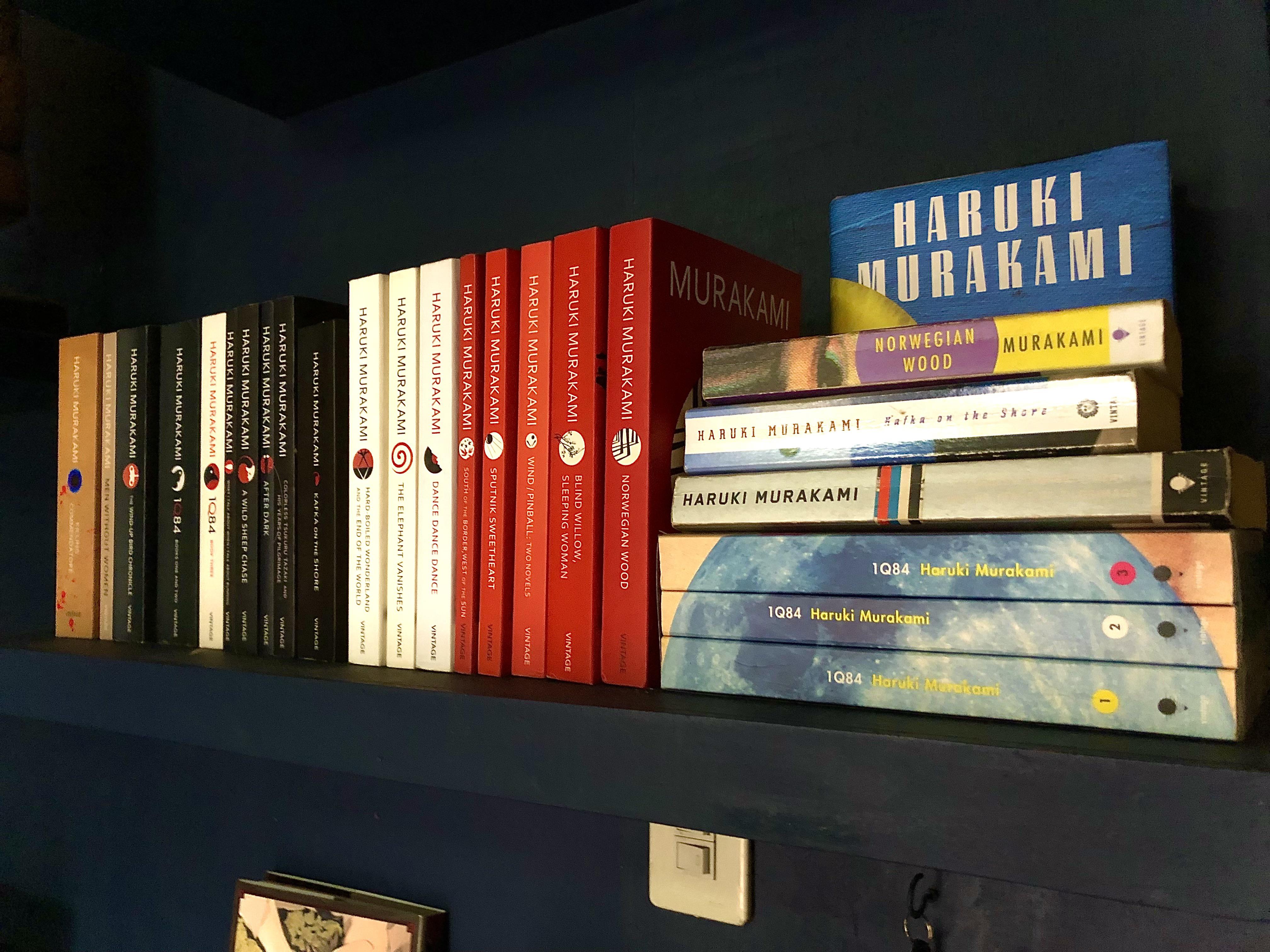

For decades, fans of legendary Japanese author Haruki Murakami have learned the art of patience. Known for his surrealist, magical-realism masterpieces like Norwegian Wood and Kafka on the Shore, Murakami’s unmistakable voice is notoriously complex to adapt into other languages. Traditionally, Chinese readers have had to wait over a year for the official Mandarin translation of his latest works. But not this time.
When Murakami’s newest novel, The Tale of KAHO, was released in Tokyo this July, a high-fidelity digital version in Chinese hit the internet just four hours later. There were no frantic publishers or exhausted human translators racing against the clock. Instead, this near-perfect Mandarin translation was executed by “Wenyi,” an AI tool designed by a 21-year-old Chinese literature student—all for a mere 13 RMB, or roughly 1.90 USD.
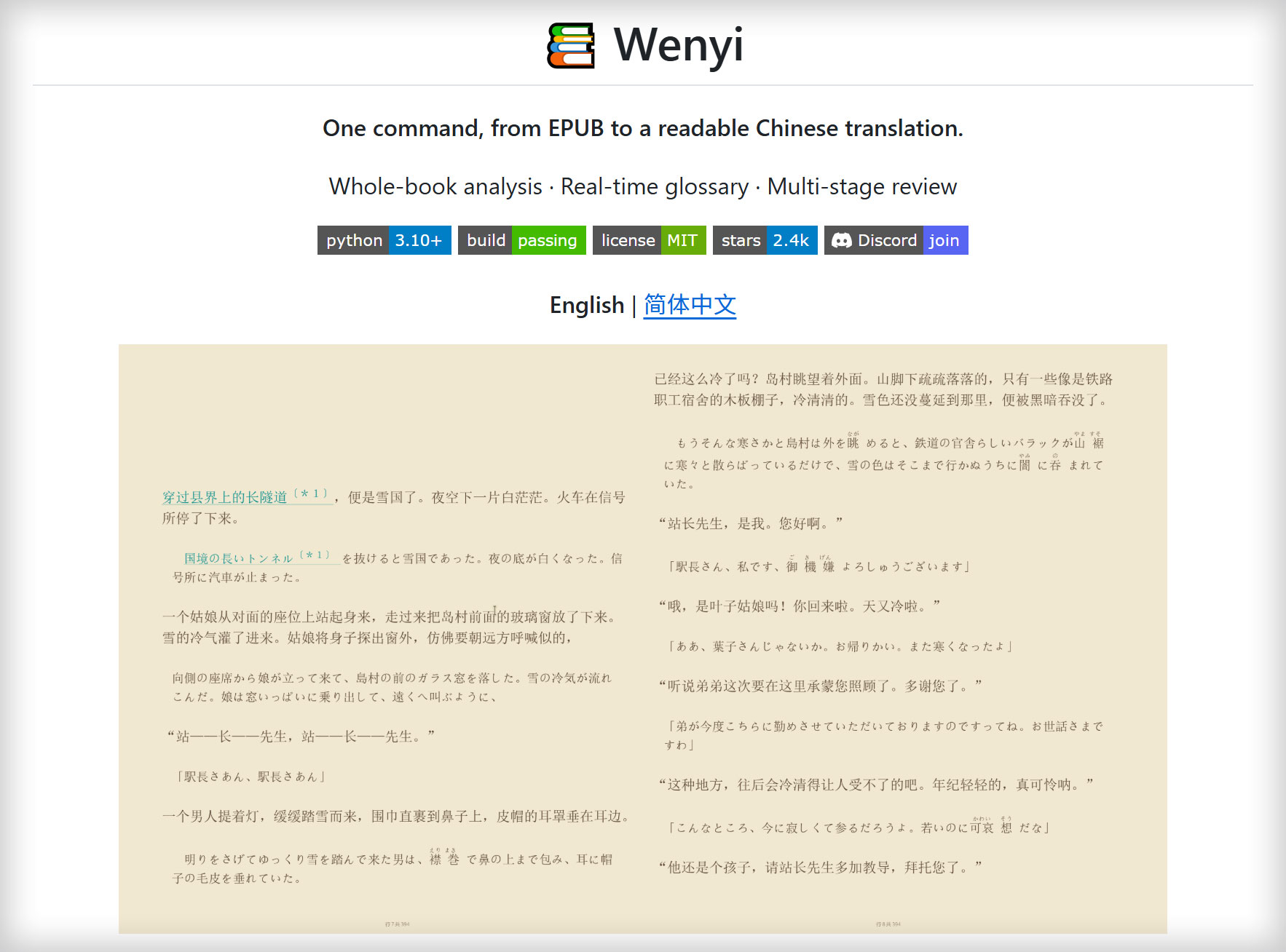
Using the DeepSeek AI model, the student, known by the pseudonym Ping Ming, instructed his program to feed chunks of text while maintaining an evolving glossary of proper nouns and overlapping context. The result? A shockingly faithful version of the novel that bypassed copyright red tape and hit underground digital libraries instantly. Human translators who were concurrently rushing out manual translations even scrapped their own work, admitting the AI version was staggeringly accurate.
While traditionalists and literary scholars argue that the AI merely captured grammatical coherence while missing Murakami‘s “true soul” and nuanced artistic tone, the underground release has sparked fierce debates around copyright infringement and the value of human touch in translation.

For young literature lovers and avid readers worldwide, this $2 experiment signals a wild new frontier. The traditional gatekeeping of global literature is collapsing as we rapidly approach an era where language barriers dissolve in real-time.
Cover image via Reddit/r/murakami.