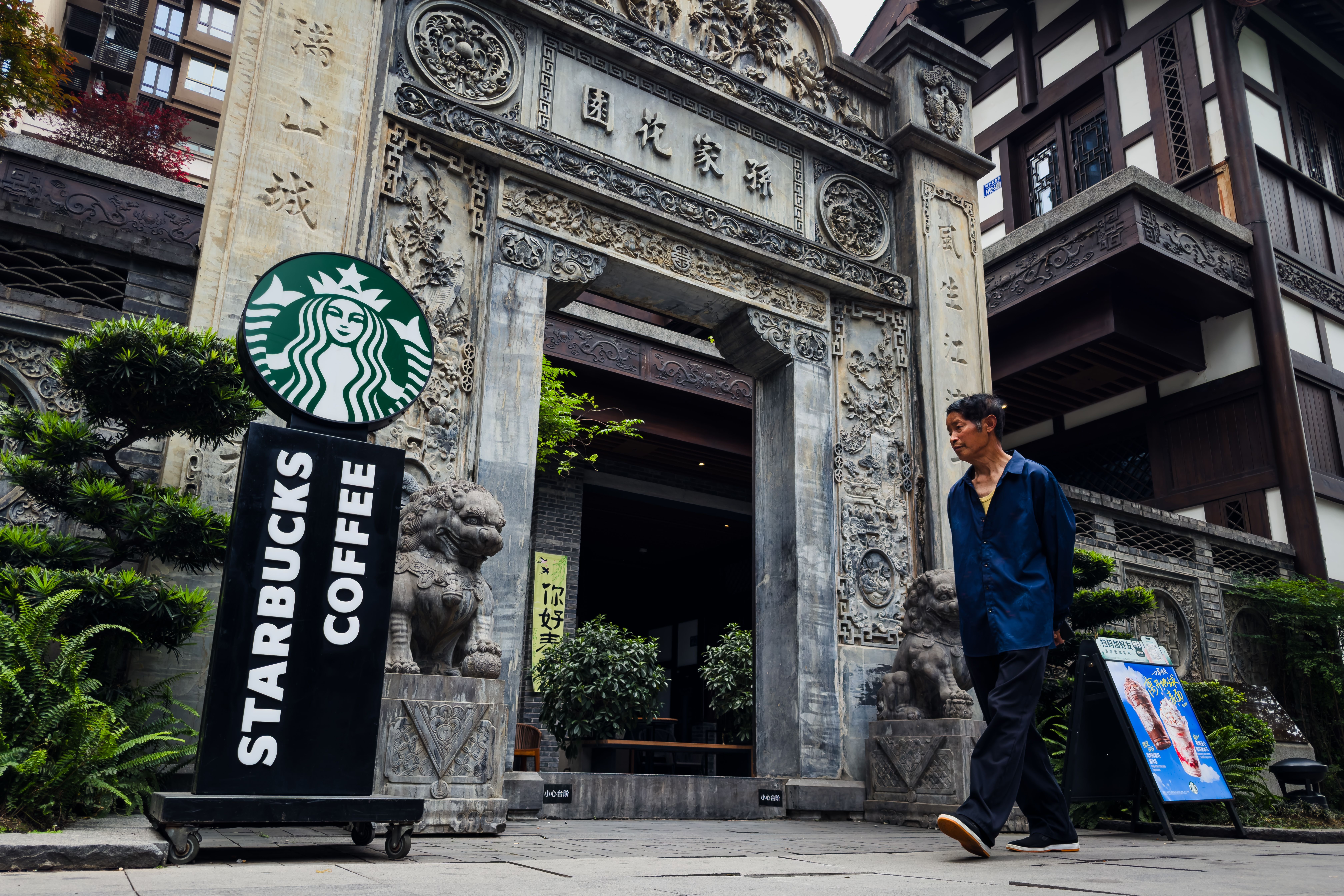

Feature image of Why Are China’s Coffee Giants Slowing Down to Grow?

Why Are China’s Coffee Giants Slowing Down to Grow?

2 mins read

2 mins read

Feature image of Why Are China’s Coffee Giants Slowing Down to Grow?
As young creatives crave “touch grass” moments, brands like Luckin and Starbucks are ditching hyper-expansion for premium, tailored user experiences. RADII looks into why.

For the past few years, the Chinese coffee scene felt like a high-speed caffeine rush. Brands raced to dominate cities, pushing the limits of rapid expansion and fueling a price war that conditioned young consumers to expect their daily brew for just 9.9 RMB (under 1.50 USD). Leading the charge was Luckin Coffee, whose meteoric rise and global explosion became the blueprint for coffee success in the Middle Kingdom.
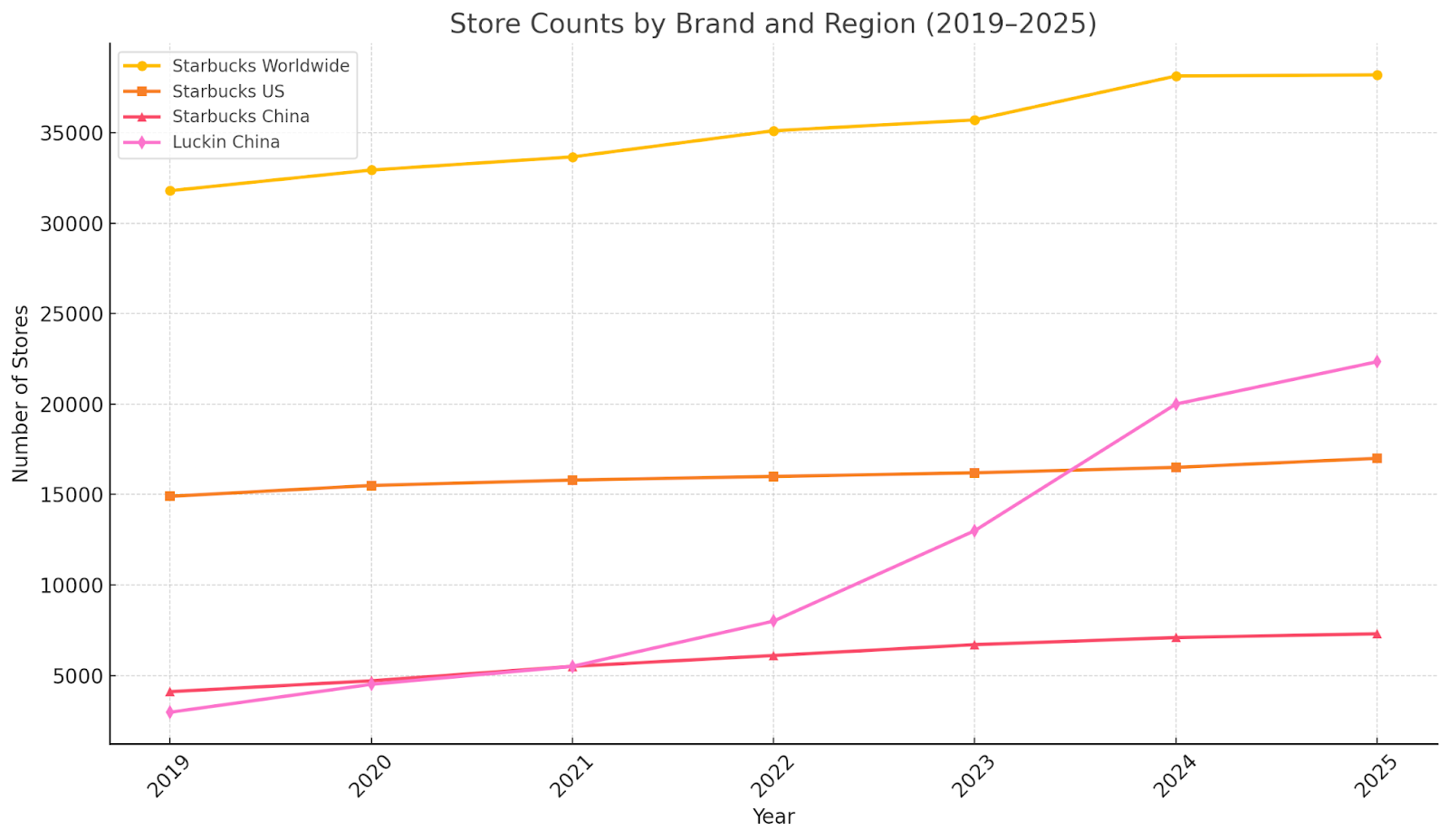
A clear indicator of Luckin’s meteoric rise in its number of stores. Image via Gad’s Newsletter.

But the rules of the game are shifting. The days of hyper-expansion are making way for a new priority: the user experience.
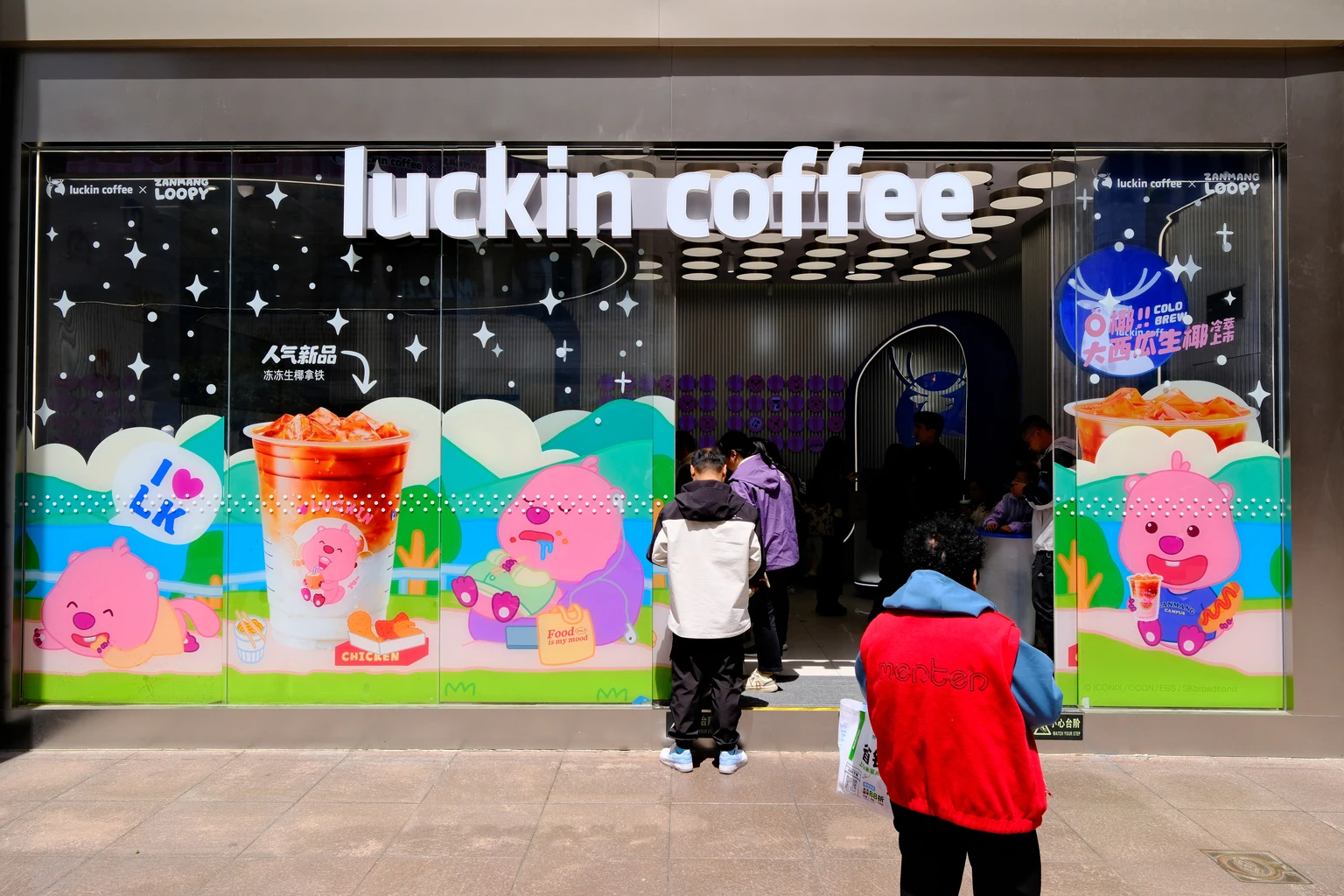
Image via Seeking Alpha.

Major players like Starbucks China and Luckin are now rewriting their playbooks. Rather than solely chasing store counts, these giants are investing heavily in premium, scenario-based spaces. Starbucks‘ unveiling of a new-generation flagship Reserve store in cities like Shanghai and in Beijing‘s luxury SKP mall highlights a “thousands of stores, thousands of faces” strategy. They are tailoring spaces to local neighborhoods and cultural vibes rather than rolling out a uniform look.
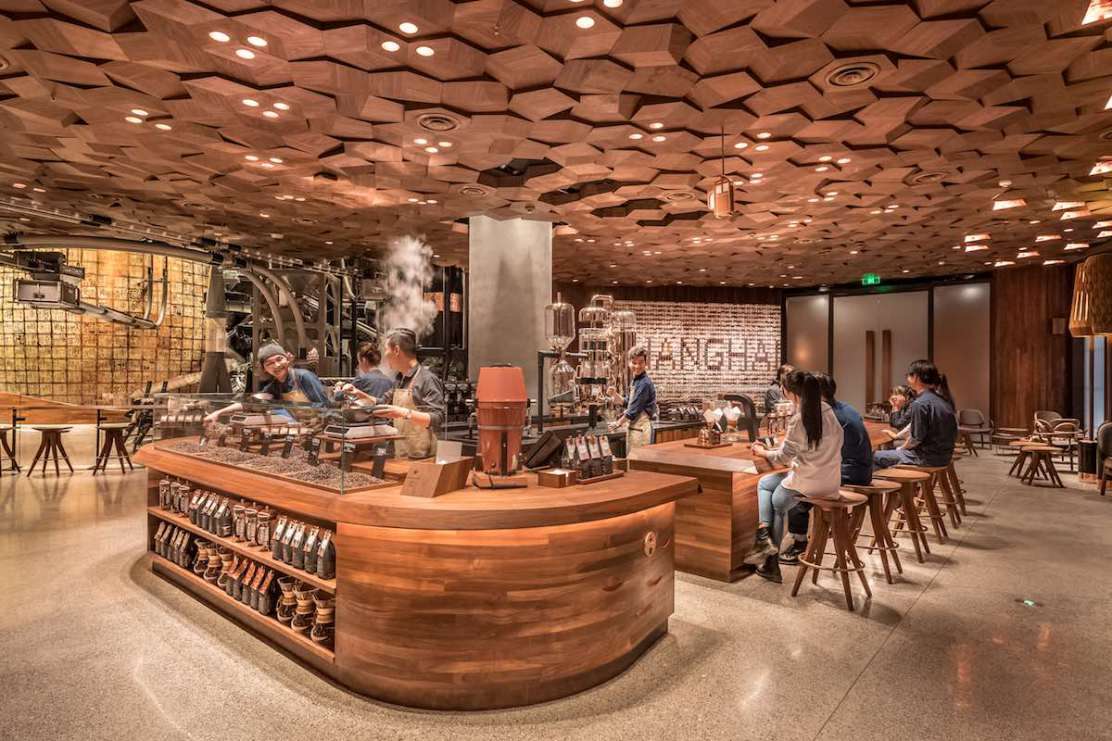
Image via Luxury Retail.

Why the sudden pivot? Look no further than the changing lifestyle of young creatives. Today’s Chinese youth are increasingly seeking “touch grass” moments—a desire to unplug, slow down, and enjoy authentic, tactile experiences amidst their hyper-digital lives. While grab-and-go convenience and efficiency will always have a place for the morning commute, young consumers are demanding more from their third spaces. They want aesthetic environments that double as social hubs and cultural destinations.
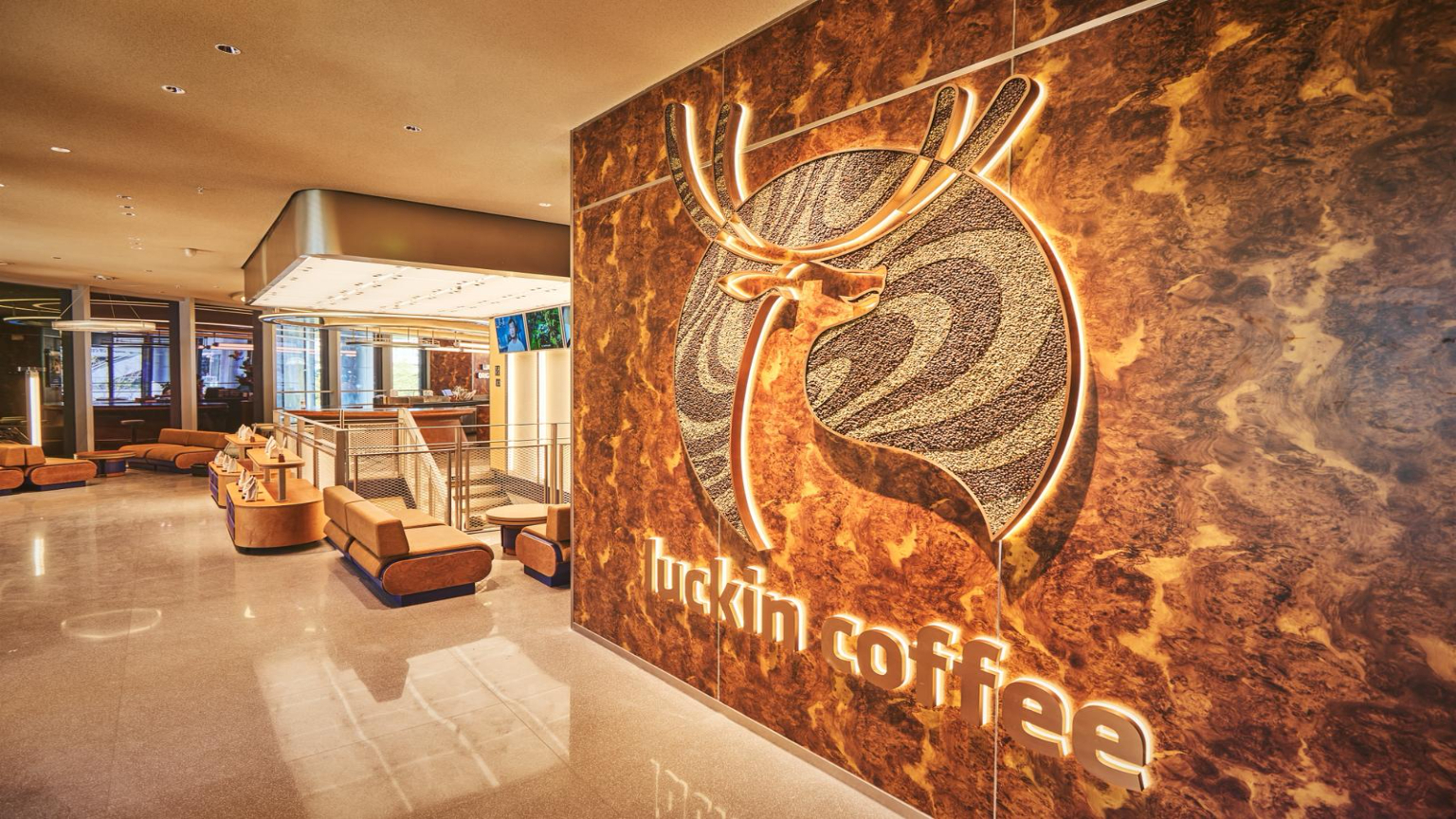
Image via Time Out.

Luckin, while still maintaining impressive growth, is also emphasizing sustainable returns and operating quality alongside its reach. The coffee market has matured, and investors are looking at profit and brand loyalty over mere geographical saturation.
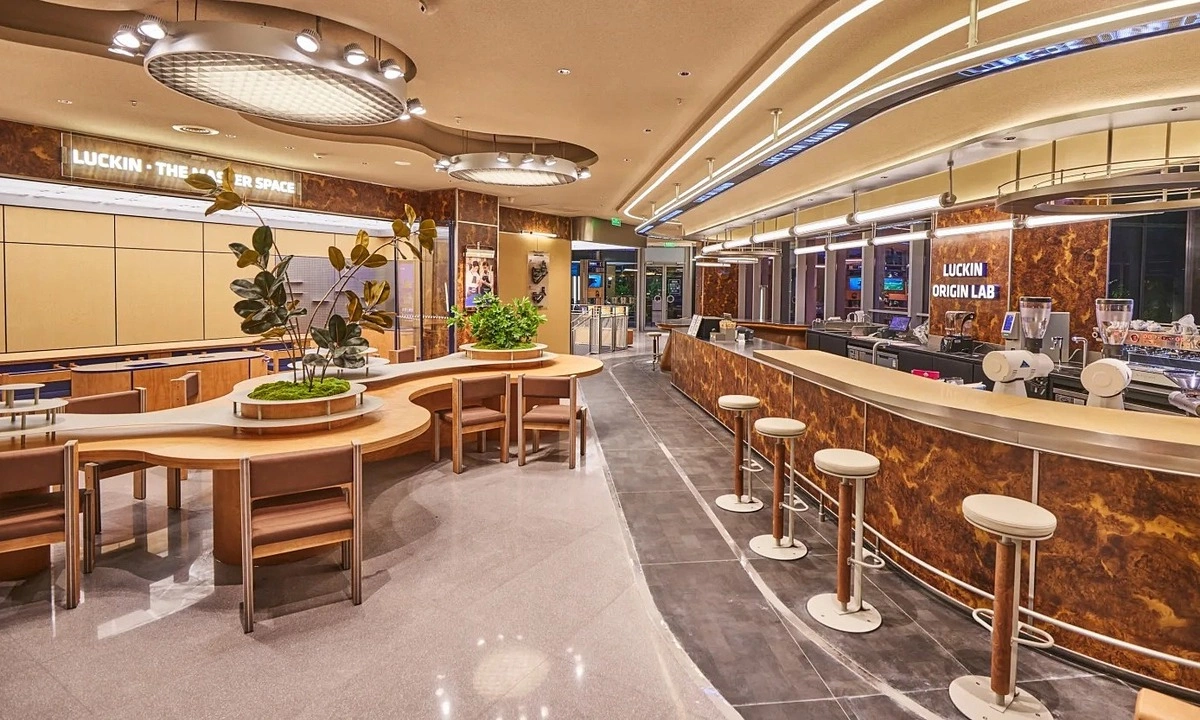
Image via VnExpress International.

As China’s coffee culture evolves, the focus is moving from how fast you can get a cup to how good it feels to drink it.

Cover image via CNN.

NEWSLETTER

Get weekly top picks and exclusive, newsletter only content delivered straight to you inbox.

NEWSLETTER

Get weekly top picks and exclusive, newsletter only content delivered straight to you inbox.

RADII NEWSLETTER

Get weekly top picks and exclusive, newsletter only content delivered straight to you inbox

Feature image of Why Are China’s Coffee Giants Slowing Down to Grow?

Why Are China’s Coffee Giants Slowing Down to Grow?

2 mins read

As young creatives crave “touch grass” moments, brands like Luckin and Starbucks are ditching hyper-expansion for premium, tailored user experiences. RADII looks into why.

For the past few years, the Chinese coffee scene felt like a high-speed caffeine rush. Brands raced to dominate cities, pushing the limits of rapid expansion and fueling a price war that conditioned young consumers to expect their daily brew for just 9.9 RMB (under 1.50 USD). Leading the charge was Luckin Coffee, whose meteoric rise and global explosion became the blueprint for coffee success in the Middle Kingdom.

A clear indicator of Luckin’s meteoric rise in its number of stores. Image via Gad’s Newsletter.

But the rules of the game are shifting. The days of hyper-expansion are making way for a new priority: the user experience.

Image via Seeking Alpha.

Major players like Starbucks China and Luckin are now rewriting their playbooks. Rather than solely chasing store counts, these giants are investing heavily in premium, scenario-based spaces. Starbucks‘ unveiling of a new-generation flagship Reserve store in cities like Shanghai and in Beijing‘s luxury SKP mall highlights a “thousands of stores, thousands of faces” strategy. They are tailoring spaces to local neighborhoods and cultural vibes rather than rolling out a uniform look.

Image via Luxury Retail.

Why the sudden pivot? Look no further than the changing lifestyle of young creatives. Today’s Chinese youth are increasingly seeking “touch grass” moments—a desire to unplug, slow down, and enjoy authentic, tactile experiences amidst their hyper-digital lives. While grab-and-go convenience and efficiency will always have a place for the morning commute, young consumers are demanding more from their third spaces. They want aesthetic environments that double as social hubs and cultural destinations.

Image via Time Out.

Luckin, while still maintaining impressive growth, is also emphasizing sustainable returns and operating quality alongside its reach. The coffee market has matured, and investors are looking at profit and brand loyalty over mere geographical saturation.

Image via VnExpress International.

As China’s coffee culture evolves, the focus is moving from how fast you can get a cup to how good it feels to drink it.

Cover image via CNN.
NEWSLETTER

Get weekly top picks and exclusive, newsletter only content delivered straight to you inbox.

RADII NEWSLETTER

Get weekly top picks and exclusive, newsletter only content delivered straight to you inbox

RELATED POSTS

Feature image of Why Are China’s Coffee Giants Slowing Down to Grow?

Why Are China’s Coffee Giants Slowing Down to Grow?

2 mins read

2 mins read

Feature image of Why Are China’s Coffee Giants Slowing Down to Grow?
As young creatives crave “touch grass” moments, brands like Luckin and Starbucks are ditching hyper-expansion for premium, tailored user experiences. RADII looks into why.

For the past few years, the Chinese coffee scene felt like a high-speed caffeine rush. Brands raced to dominate cities, pushing the limits of rapid expansion and fueling a price war that conditioned young consumers to expect their daily brew for just 9.9 RMB (under 1.50 USD). Leading the charge was Luckin Coffee, whose meteoric rise and global explosion became the blueprint for coffee success in the Middle Kingdom.

A clear indicator of Luckin’s meteoric rise in its number of stores. Image via Gad’s Newsletter.

But the rules of the game are shifting. The days of hyper-expansion are making way for a new priority: the user experience.

Image via Seeking Alpha.

Major players like Starbucks China and Luckin are now rewriting their playbooks. Rather than solely chasing store counts, these giants are investing heavily in premium, scenario-based spaces. Starbucks‘ unveiling of a new-generation flagship Reserve store in cities like Shanghai and in Beijing‘s luxury SKP mall highlights a “thousands of stores, thousands of faces” strategy. They are tailoring spaces to local neighborhoods and cultural vibes rather than rolling out a uniform look.

Image via Luxury Retail.

Why the sudden pivot? Look no further than the changing lifestyle of young creatives. Today’s Chinese youth are increasingly seeking “touch grass” moments—a desire to unplug, slow down, and enjoy authentic, tactile experiences amidst their hyper-digital lives. While grab-and-go convenience and efficiency will always have a place for the morning commute, young consumers are demanding more from their third spaces. They want aesthetic environments that double as social hubs and cultural destinations.

Image via Time Out.

Luckin, while still maintaining impressive growth, is also emphasizing sustainable returns and operating quality alongside its reach. The coffee market has matured, and investors are looking at profit and brand loyalty over mere geographical saturation.

Image via VnExpress International.

As China’s coffee culture evolves, the focus is moving from how fast you can get a cup to how good it feels to drink it.

Cover image via CNN.
NEWSLETTER

Get weekly top picks and exclusive, newsletter only content delivered straight to you inbox.

NEWSLETTER

Get weekly top picks and exclusive, newsletter only content delivered straight to you inbox.

RADII NEWSLETTER

Get weekly top picks and exclusive, newsletter only content delivered straight to you inbox

Feature image of Why Are China’s Coffee Giants Slowing Down to Grow?

Why Are China’s Coffee Giants Slowing Down to Grow?

2 mins read

As young creatives crave “touch grass” moments, brands like Luckin and Starbucks are ditching hyper-expansion for premium, tailored user experiences. RADII looks into why.

For the past few years, the Chinese coffee scene felt like a high-speed caffeine rush. Brands raced to dominate cities, pushing the limits of rapid expansion and fueling a price war that conditioned young consumers to expect their daily brew for just 9.9 RMB (under 1.50 USD). Leading the charge was Luckin Coffee, whose meteoric rise and global explosion became the blueprint for coffee success in the Middle Kingdom.

A clear indicator of Luckin’s meteoric rise in its number of stores. Image via Gad’s Newsletter.

But the rules of the game are shifting. The days of hyper-expansion are making way for a new priority: the user experience.

Image via Seeking Alpha.

Major players like Starbucks China and Luckin are now rewriting their playbooks. Rather than solely chasing store counts, these giants are investing heavily in premium, scenario-based spaces. Starbucks‘ unveiling of a new-generation flagship Reserve store in cities like Shanghai and in Beijing‘s luxury SKP mall highlights a “thousands of stores, thousands of faces” strategy. They are tailoring spaces to local neighborhoods and cultural vibes rather than rolling out a uniform look.

Image via Luxury Retail.

Why the sudden pivot? Look no further than the changing lifestyle of young creatives. Today’s Chinese youth are increasingly seeking “touch grass” moments—a desire to unplug, slow down, and enjoy authentic, tactile experiences amidst their hyper-digital lives. While grab-and-go convenience and efficiency will always have a place for the morning commute, young consumers are demanding more from their third spaces. They want aesthetic environments that double as social hubs and cultural destinations.

Image via Time Out.

Luckin, while still maintaining impressive growth, is also emphasizing sustainable returns and operating quality alongside its reach. The coffee market has matured, and investors are looking at profit and brand loyalty over mere geographical saturation.

Image via VnExpress International.

As China’s coffee culture evolves, the focus is moving from how fast you can get a cup to how good it feels to drink it.

Cover image via CNN.

NEWSLETTER

Get weekly top picks and exclusive, newsletter only content delivered straight to you inbox.

RADII NEWSLETTER

Get weekly top picks and exclusive, newsletter only content delivered straight to you inbox

RADII newsletter pop up visual

NEWSLETTER​

Get weekly top picks and exclusive, newsletter only content delivered straight to you inbox

RADII Newsletter Pop Up small banner

NEWSLETTER

Get weekly top picks and exclusive, newsletter only content delivered straight to you inbox.

Link Copied!

Share

Feature image of Why Are China’s Coffee Giants Slowing Down to Grow?

Why Are China’s Coffee Giants Slowing Down to Grow?

As young creatives crave “touch grass” moments, brands like Luckin and Starbucks are ditching hyper-expansion for premium, tailored user experiences. RADII looks into why.

PULSE

Tap into the latest in music, fashion, art, design, entertainment, pop culture, celebrity news, and contemporary culture

DISCOVER

Embark on a journey through food, travel, wellness, heritage, traditional culture, and lifestyle

STYLE

An insider’s look at the intersection of fashion, art, and design

FEAST

Titillate your taste buds with coverage of the best food and drink trends from China and beyond.

FUTURE

Explore the cutting edge in tech, AI, gadgets, gaming, and innovative tech-related products

FEAST

Titillate your taste buds with coverage of the best food and drink trends from China and beyond

STYLE

An insider’s look at the intersection of fashion, art, and design

PULSE

Unpacking Chinese youth culture through coverage of nightlife, film, sports, celebrities, and the hottest new music