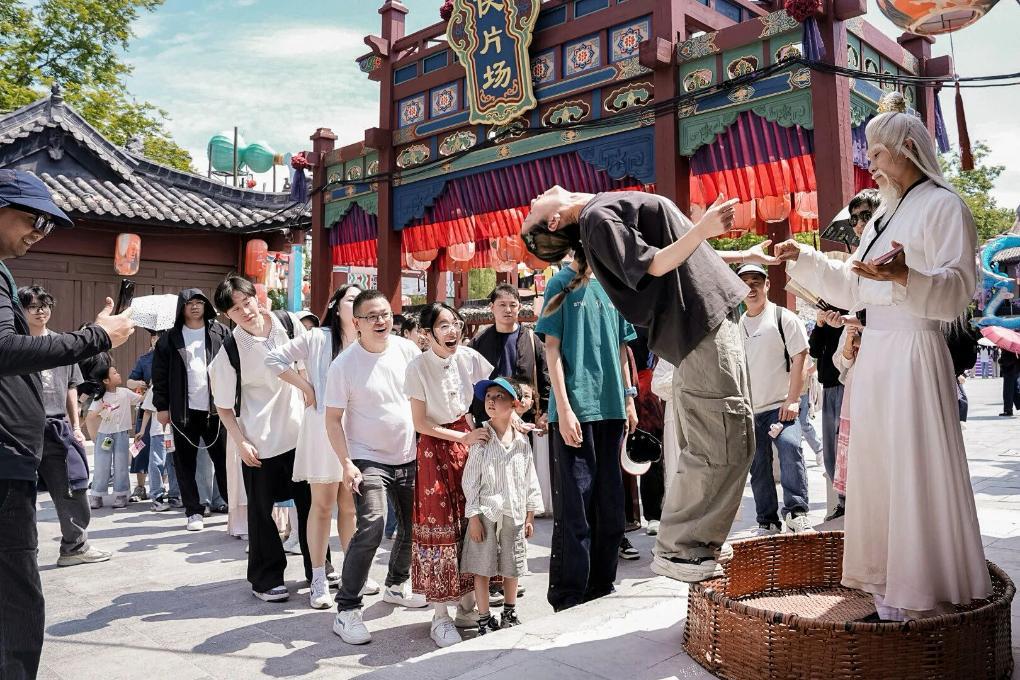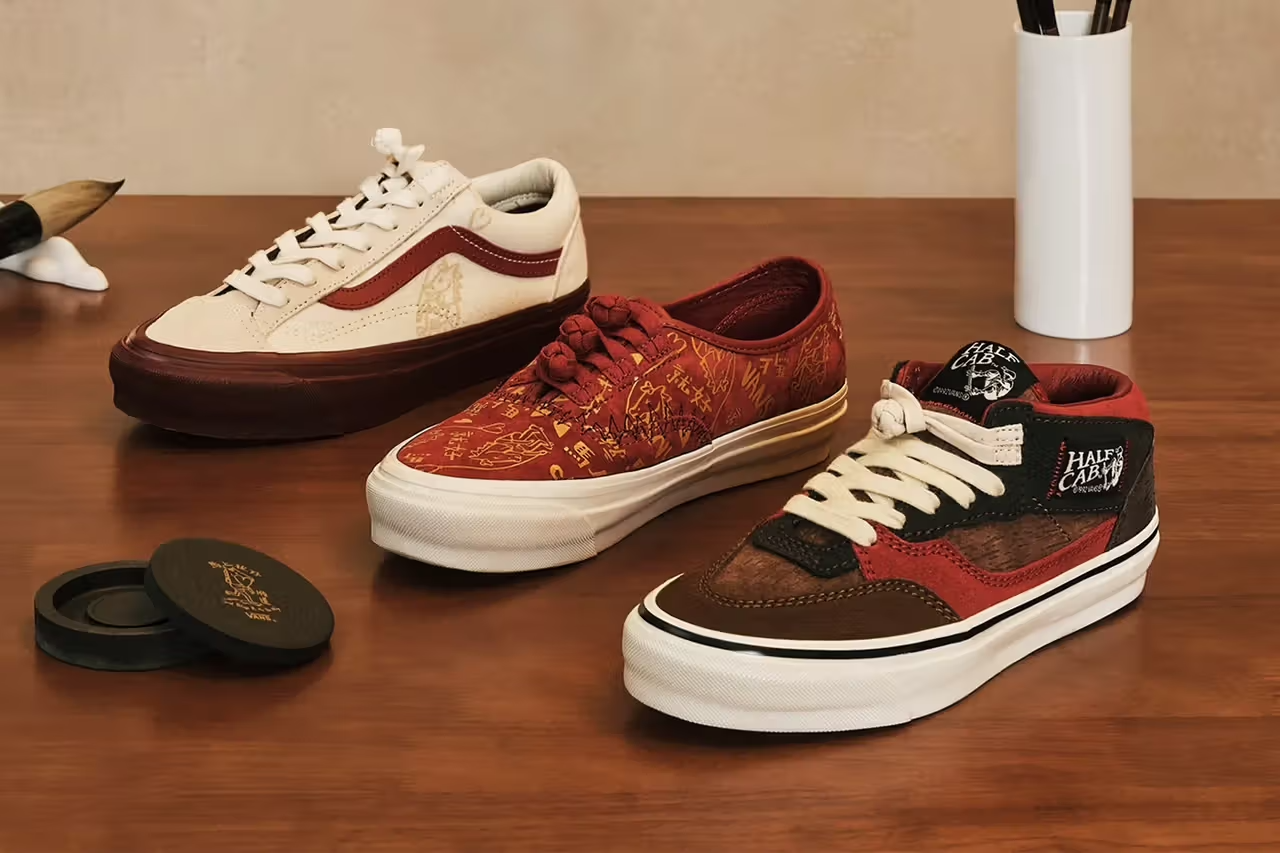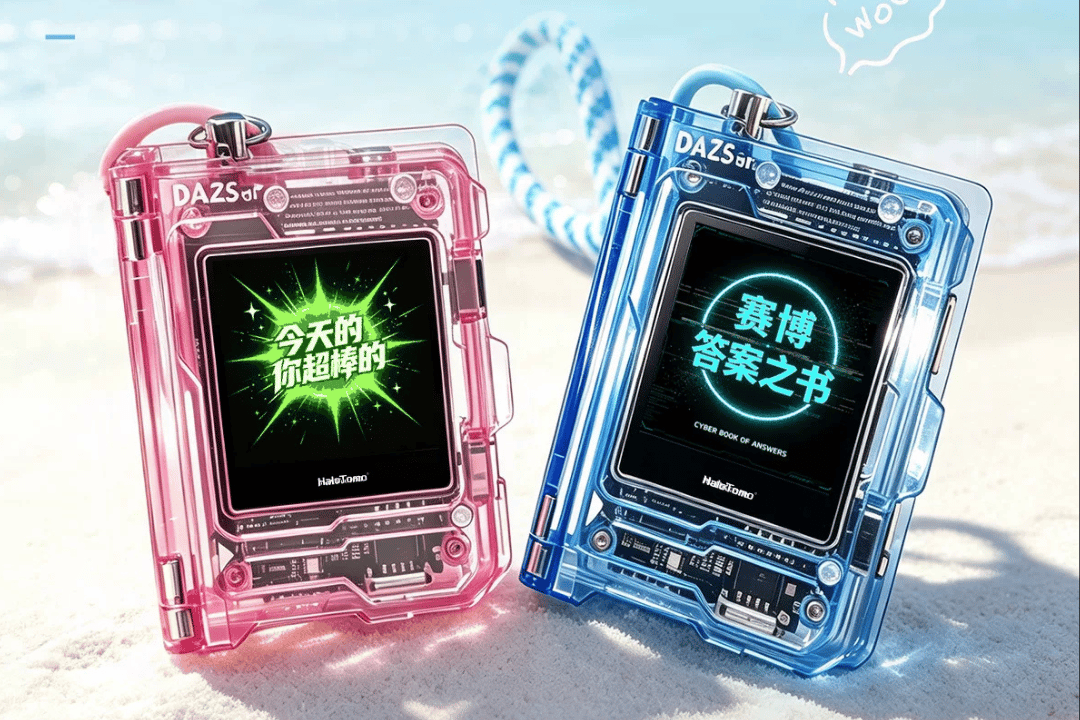
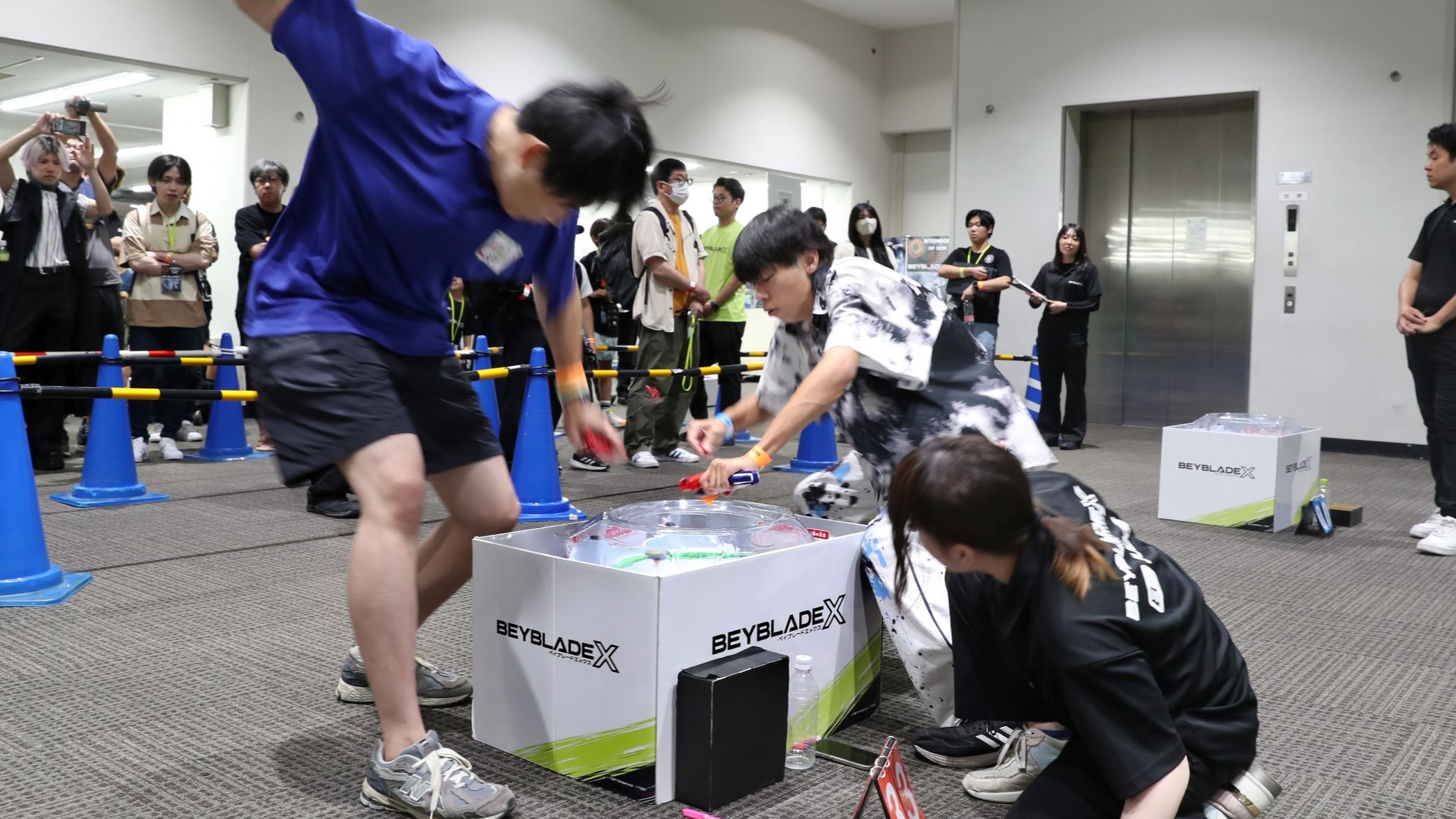

It appears that being a kid as an adult is cool lately. The trends are indicative of this claim. Just walk into a shopping mall in Kuala Lumpur, Bangkok, or Jakarta today, and you’ll see young professionals queuing outside POP MART stores for the latest Labubu drop, office workers huddling over beers talking about Pokémon cards, and weekend hobby spaces packed with adults battling spinning tops from Beyblade, a toy many last touched a decade ago or longer.
Across Southeast Asia, “kidult” culture is booming. While collectibles and blind boxes initially drove the trend into the mainstream (or made liking toys “acceptable” among adults), the phenomenon has expanded far beyond plushies and blind boxes. Today’s young adults are embracing everything from Pokémon trading cards and Gunpla model kits to Tamagotchis (Digimon soon?), claw machines, LEGO displays, retro handheld consoles, and Beyblade tournaments.
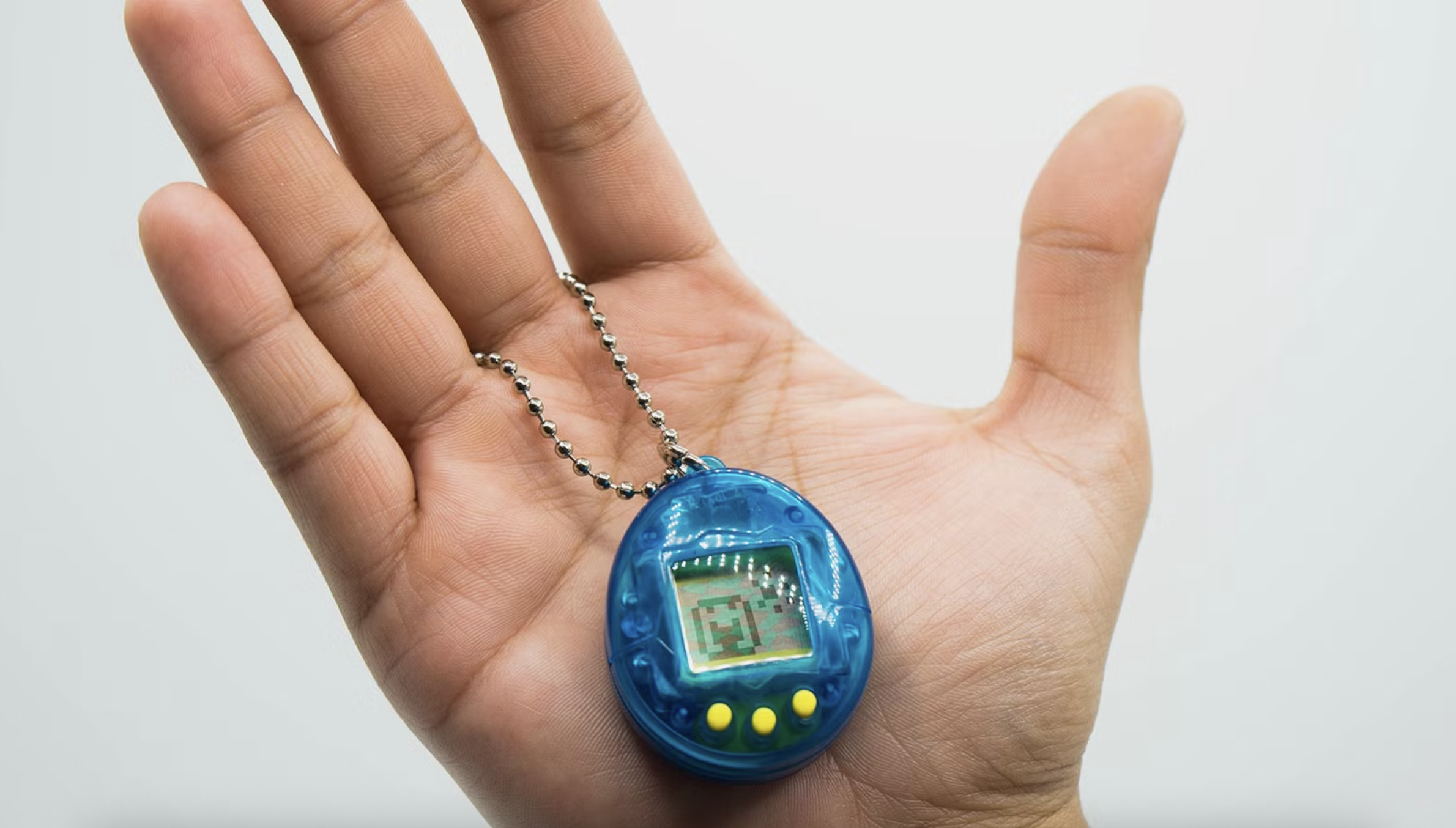
What was once dismissed as childish or niche has become something much bigger: a lifestyle, a social identity, and, for many, a coping mechanism for the complexities and existential dread of adulthood.
Beyond Cute Collectibles
The explosion of collectible culture over the past few years laid the groundwork for the region’s growing kidult economy. Plush toys that once belonged in children’s bedrooms now appear on handbags as charms and on office desks as decorative pieces. Blind boxes transformed shopping into a form of entertainment, while social media platforms like Xiaohongshu, TikTok, and Instagram elevated collectibles into aesthetic objects tied to personal branding.
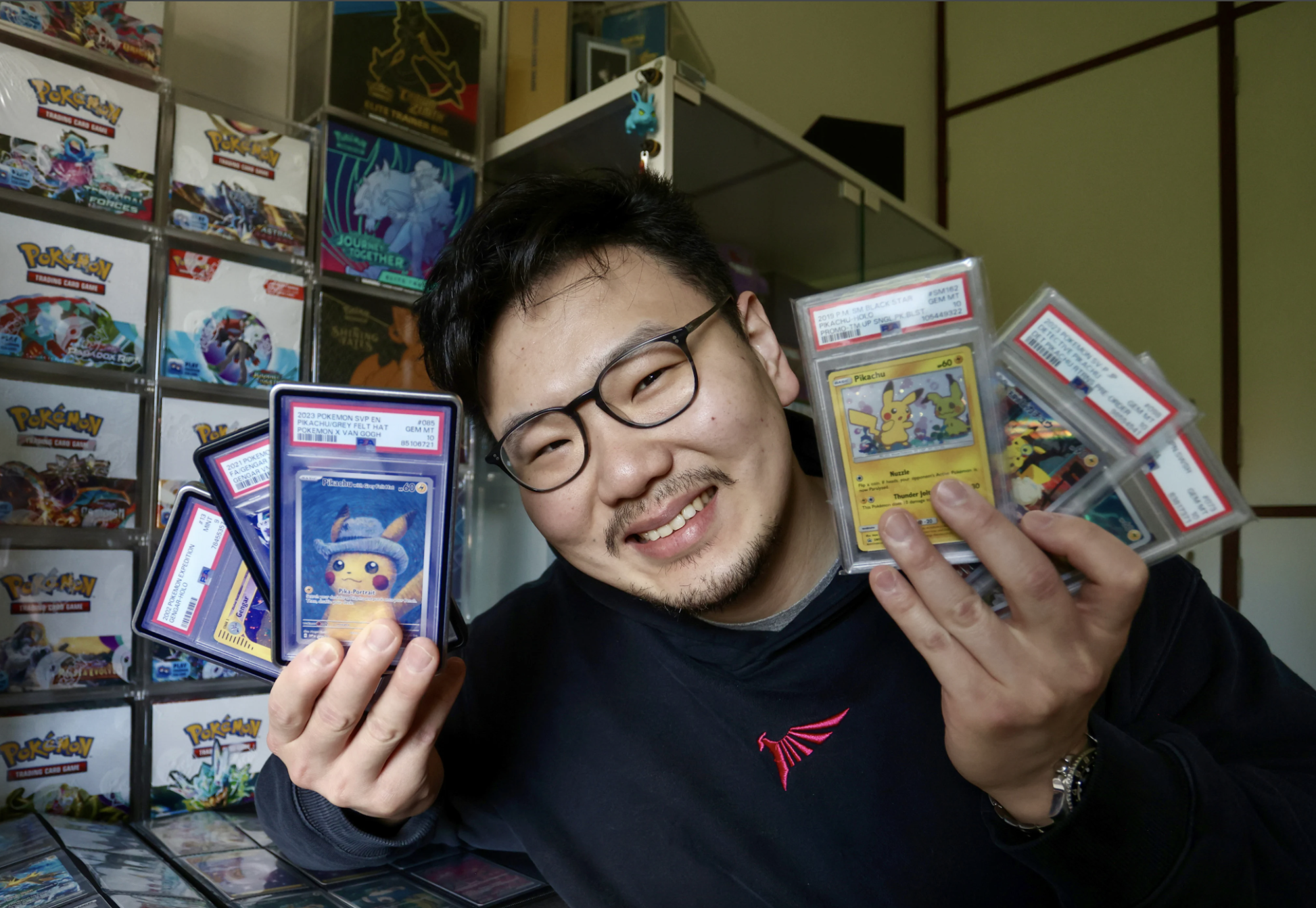
Trading card shops across Southeast Asia regularly host events for Pokémon card trading, while hobby conventions attract thousands of attendees willing to spend heavily on model kits, figurines, and retro games. In some cities, like Tokyo and Bangkok, Beyblade competitions have quietly become a recurring subculture among millennials who grew up during the franchise’s early-2000s peak.
Interestingly, the appeal of childhood nostalgia is not necessarily about reliving memories exactly as they were. Instead, it is about possibly revisiting familiar worlds with adult spending power, adult communities, and adult anxieties. For a generation navigating economic uncertainty, global uncertainty, burnout, and increasingly isolating digital lives, kidult hobbies offer something tactile and emotionally grounding. Building a Gundam model, organizing Pokémon binders, or spending an evening at an arcade provides a sense of focus and comfort that feels increasingly rare in hyper-online adulthood.
The Rise of Emotional Consumption
The growing popularity of kidult culture also reflects a larger shift in consumer behavior across Asia: the rise of emotional consumption.
Rather than spending solely on status-driven luxury goods, many young consumers are prioritizing purchases that deliver comfort, nostalgia, or small moments of joy. Collectibles and hobby items fit perfectly into that ecosystem. They are often relatively affordable compared to traditional luxury purchases while still offering emotional satisfaction and some level of online clout.
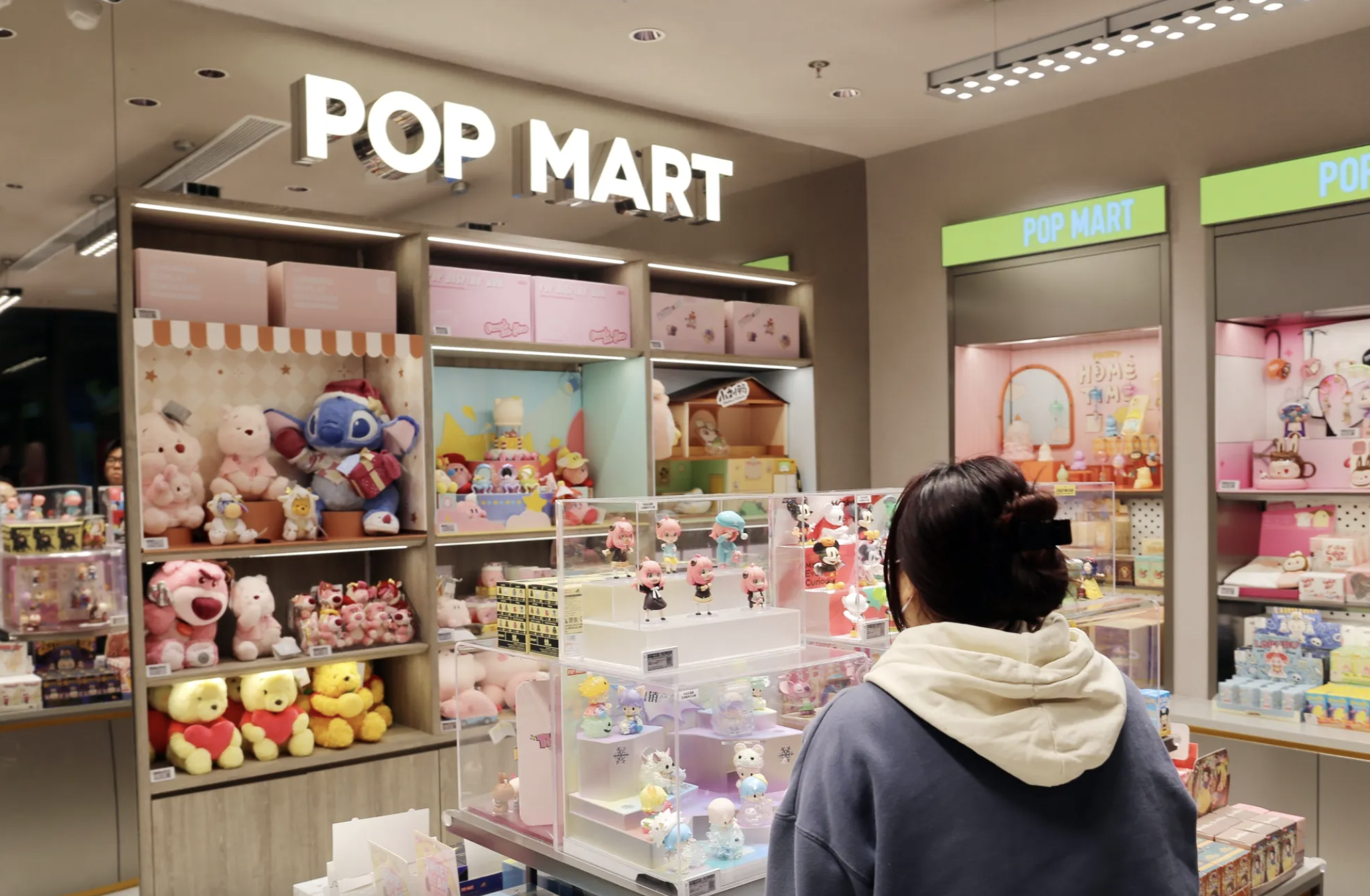
A limited-edition toy drop or a rare trading card can function simultaneously as self-expression, entertainment, retail therapy, and escapism.
Chinese brands have played a significant role in accelerating this shift throughout Southeast Asia. Companies like MINISO and POP MART helped normalize the idea that adults could openly spend money on toys, plushies, and collectibles without embarrassment. Their stores are designed less like traditional toy shops and more like immersive lifestyle spaces, merging retail with social media-friendly aesthetics.
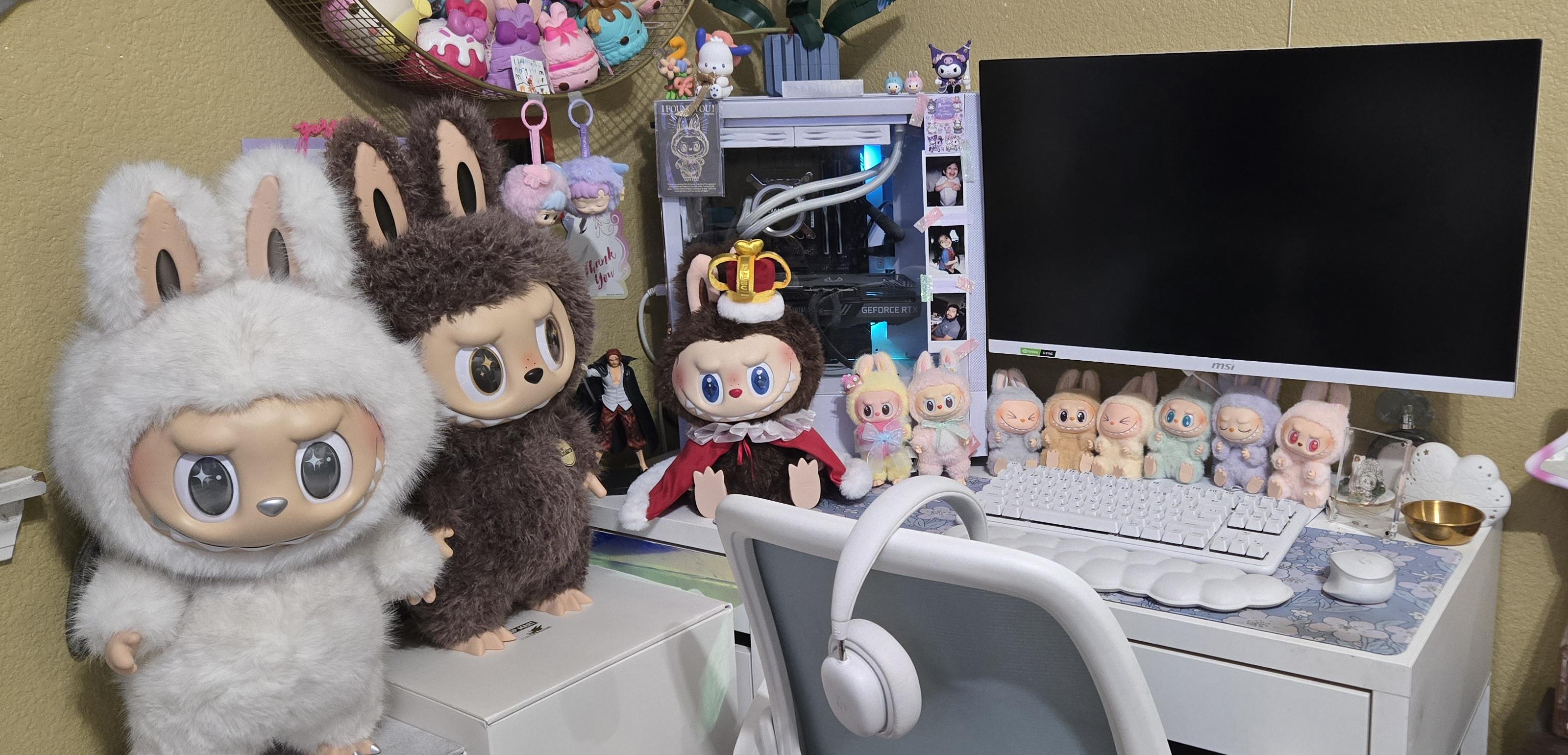
Platforms like Xiaohongshu further amplified the trend by turning collectibles into part of aspirational living. Carefully curated desk setups, shelves filled with figurines, and unboxing videos transformed hobbies into identities and signifiers of being “culturally aware,” especially among younger consumers.
But Southeast Asia proved particularly fertile ground for the phenomenon because the region already possessed strong fandom ecosystems through anime, gaming, K-pop, and mall culture.
It’s Cool to Be “Childish” Now
The rise of kidult culture also reveals changing ideas about adulthood itself.
Previous generations often associated maturity with leaving hobbies behind in favor of conventional milestones like home ownership, marriage, or career progression. But for many Gen Zs and millennials across Southeast Asia, those milestones feel increasingly delayed or financially inaccessible. In their place, smaller forms of fulfillment have become more important.
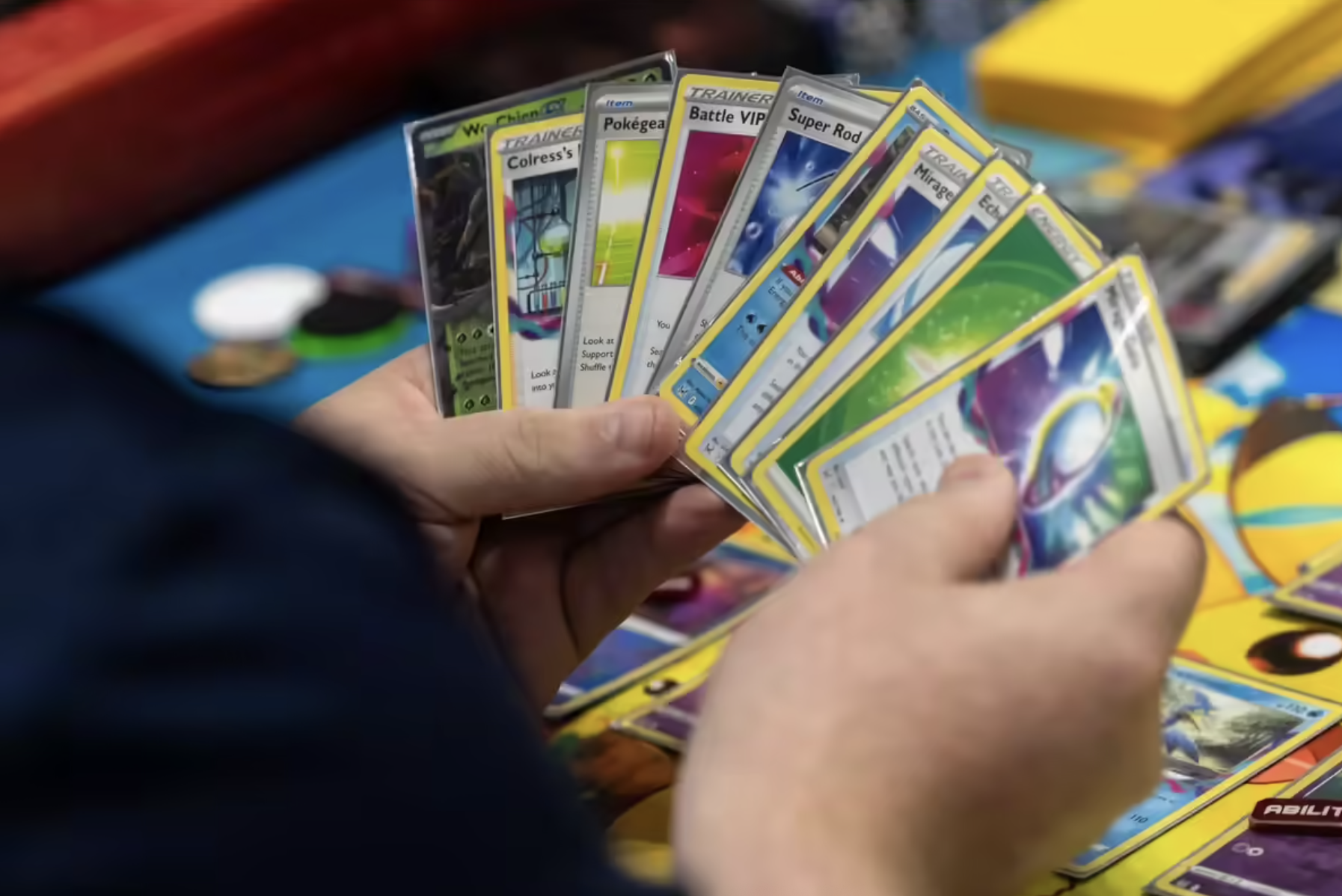
Importantly, the stigma around these once-childish hobbies has also weakened. What might once have been mocked as immature is now openly displayed online, integrated into fashion, or even treated as investment-worthy collecting.
That is partly why the kidult trend feels so expansive today. It’s no longer confined to a niche group of hardcore collectors. It has become embedded in mainstream youth culture across Southeast Asia and beyond, fueled by social media algorithms, nostalgia cycles, and the search for emotional comfort in uncertain times.
The modern kidult is not trying to stay young forever; they are just trying not to take adulthood so seriously.
Cover image via Nikkei Asia.