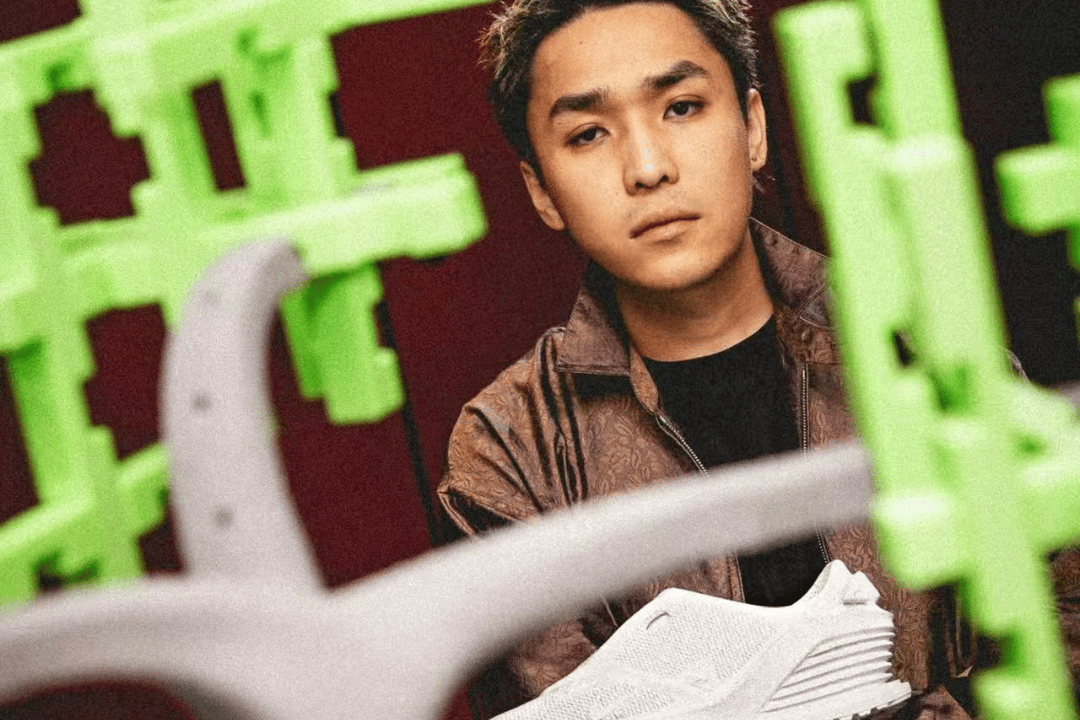

Feature image of Meet the Beijing Kid Who is Rewiring Nike’s Air Max

Meet the Beijing Kid Who is Rewiring Nike’s Air Max

5 mins read

5 mins read

Feature image of Meet the Beijing Kid Who is Rewiring Nike’s Air Max
From sneaker sketches in his high school notebooks to Nike’s global Air Works experiment, this designer is using 3D printing and Beijing street culture to imagine an Air Max built for creators, not just consumers.

Marc Su started drawing sneakers before he knew they could become a career.

At 17, the Beijing native was filling school notebooks with sketches of shoes. When Nike launched the first edition of its On Air design competition in 2018, Su was so determined to participate that he once pretended to be sick to make it happen. He submitted an Air Max 95 concept inspired by Shanghai’s maglev train—and somewhere along the way, a teenage obsession became a career plan.
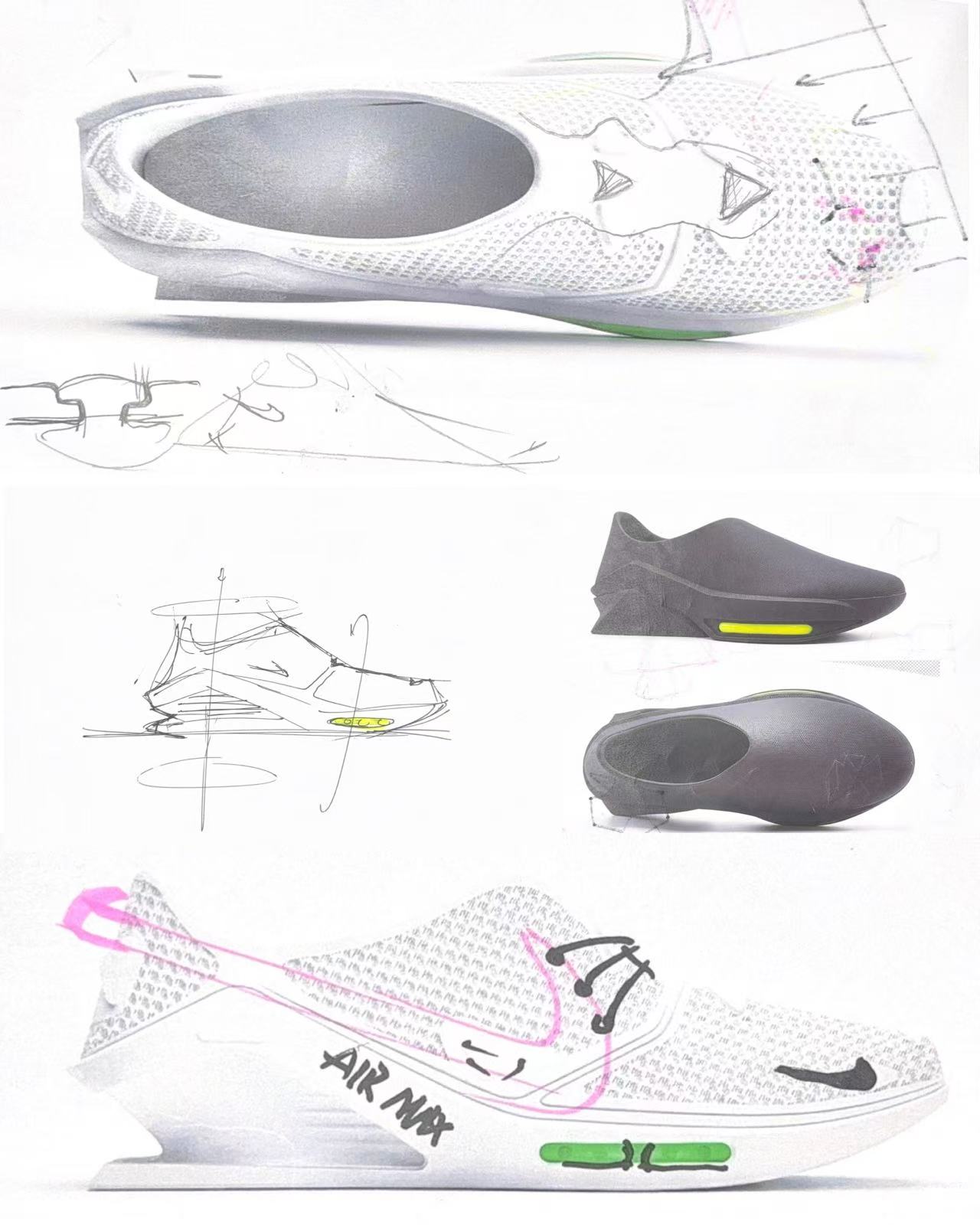
Marc Su’s concept sketches of what would become the Nike Air Max Link.

Eight years later, Su is back with Nike, this time helping imagine the future of one of the brand’s most recognizable franchises.
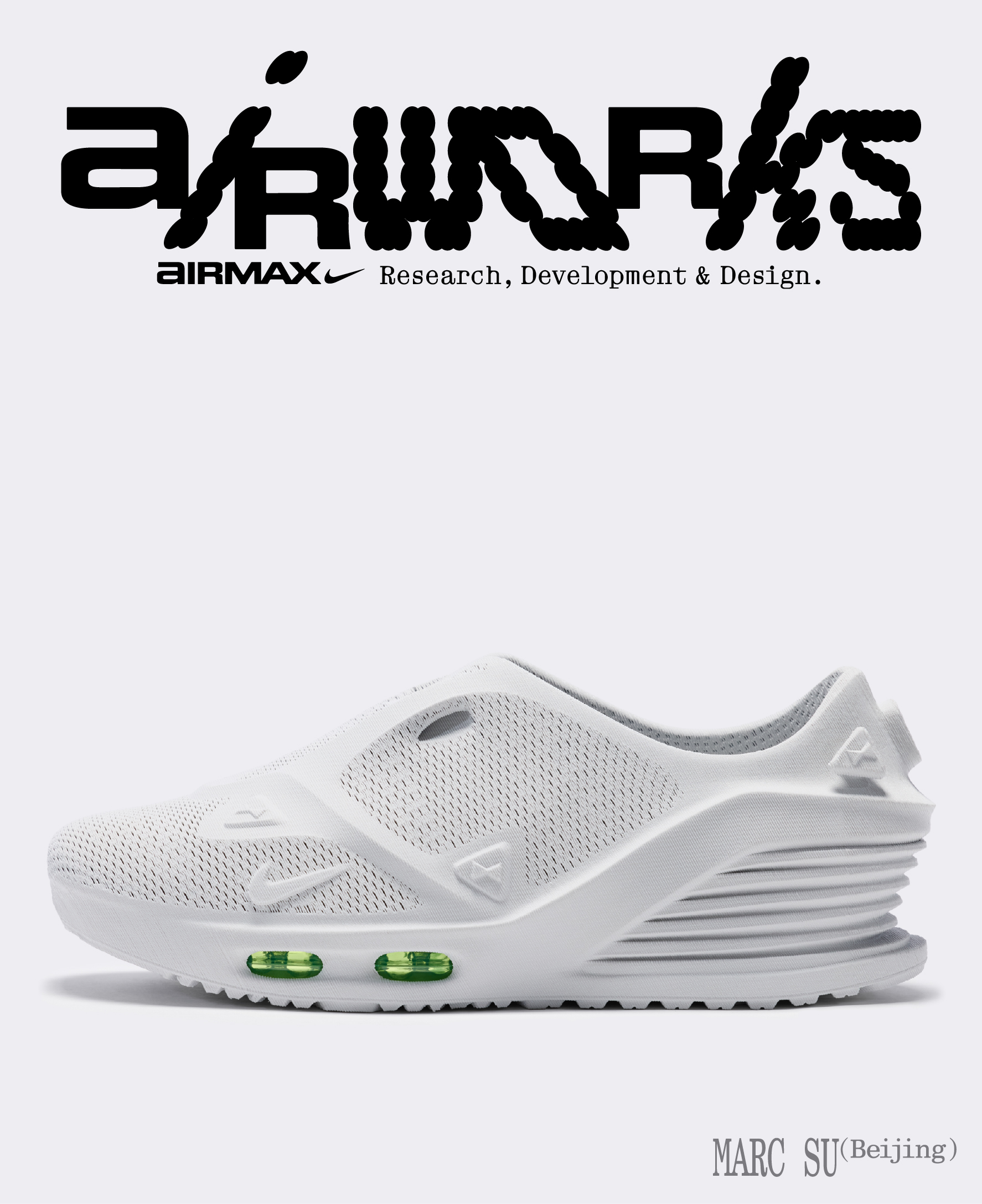
His new Air Max Link is the Beijing contribution to Nike Sportswear’s inaugural Air Works program, which brought eight independent designers from cities including London, Los Angeles, Mumbai, New York, Paris, Shanghai, and Tokyo to Nike’s headquarters in Beaverton, Oregon. Working alongside Nike mentors and 3D-footwear company Zellerfeld, the designers were tasked with imagining new expressions of Air Max using 3D printing.

Su’s answer is less a conventional sneaker collaboration than a proposal for what a sneaker could become.
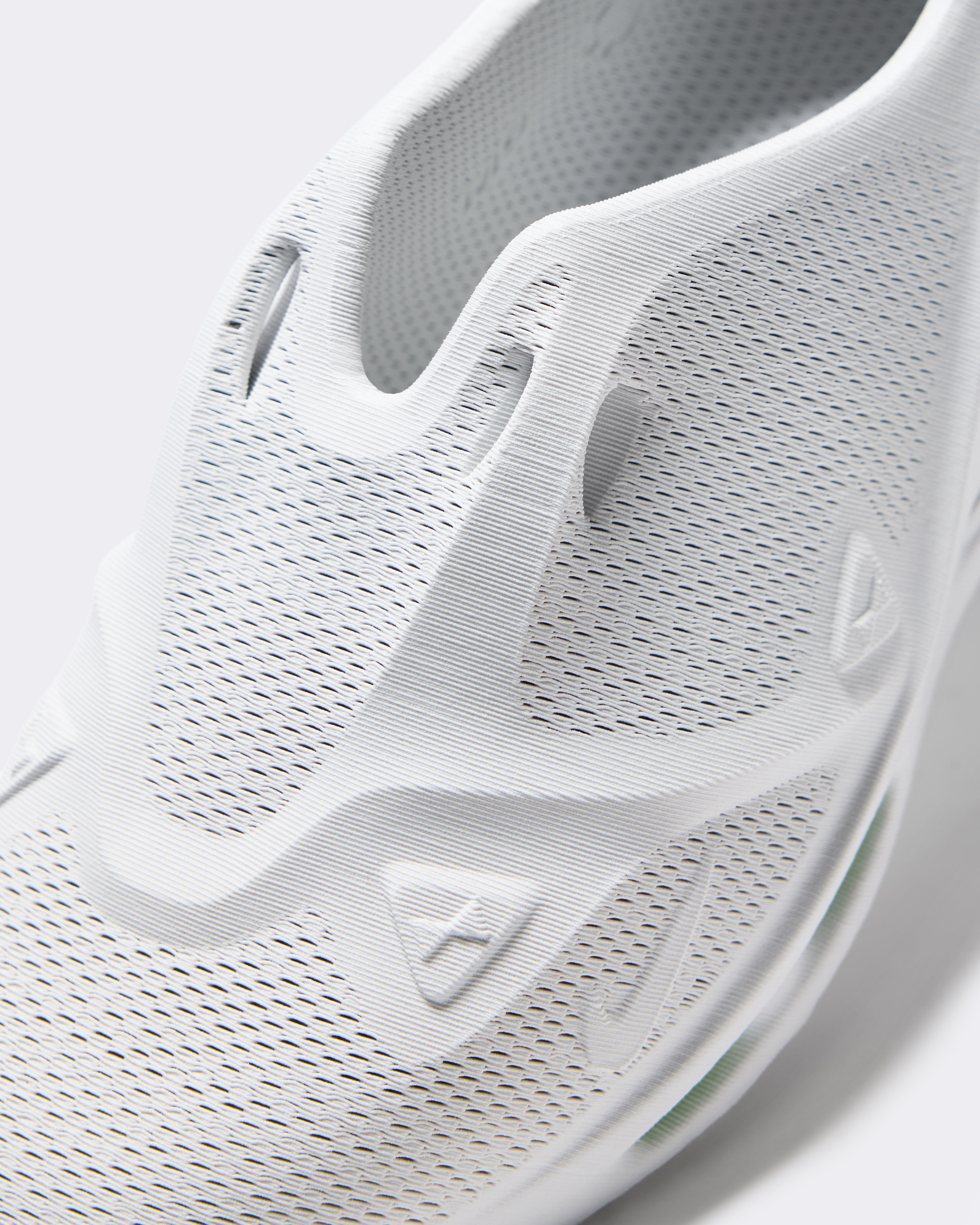
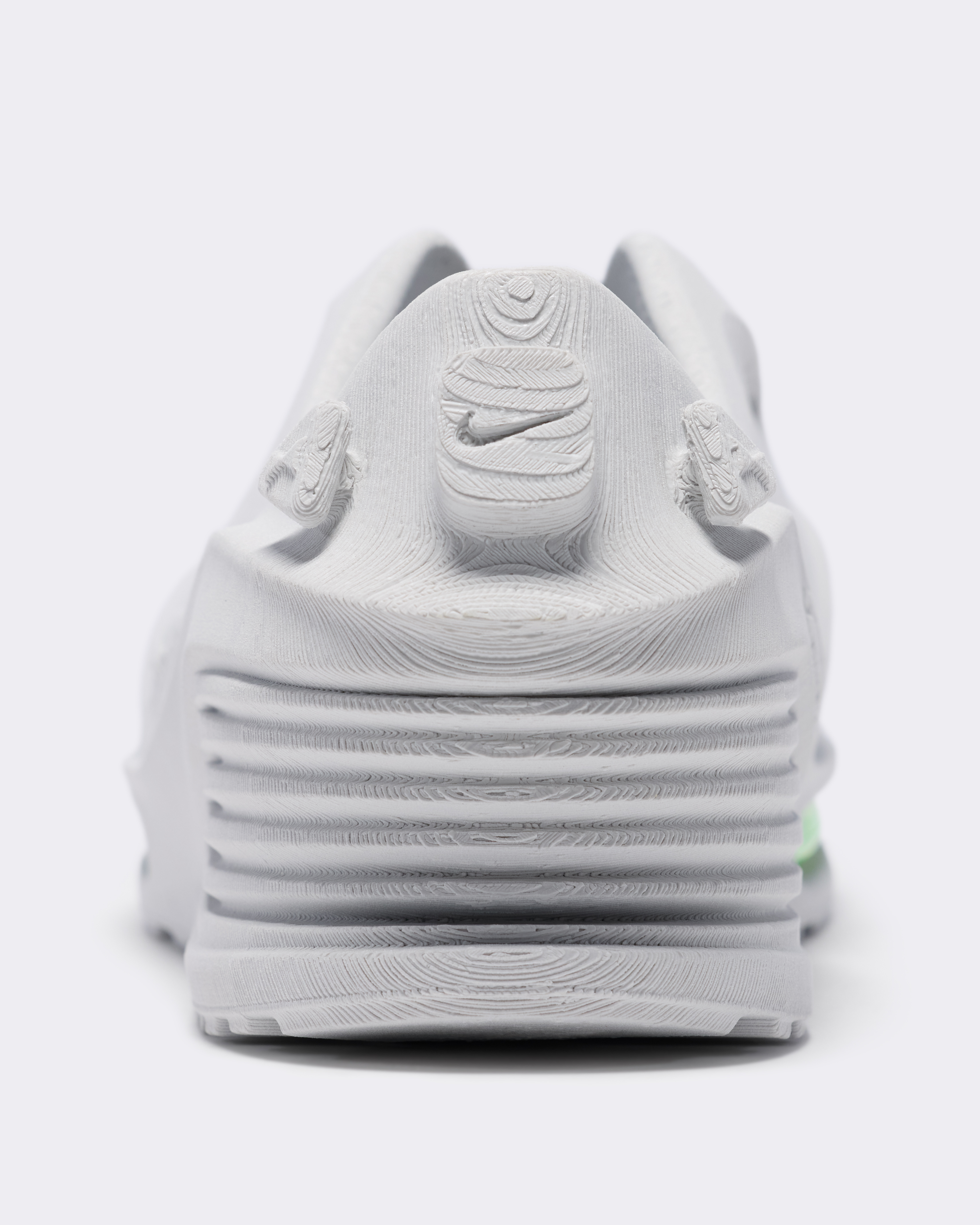
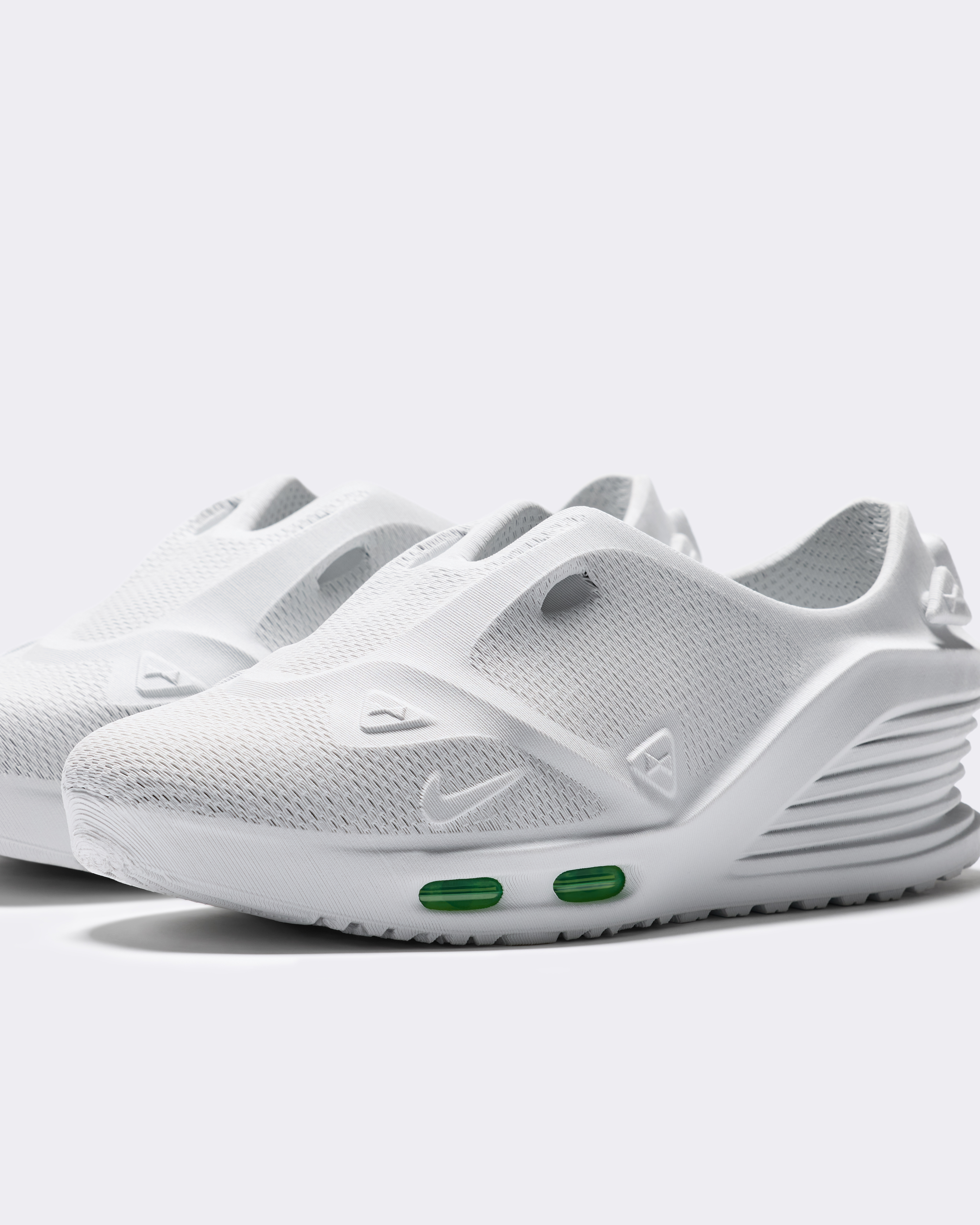
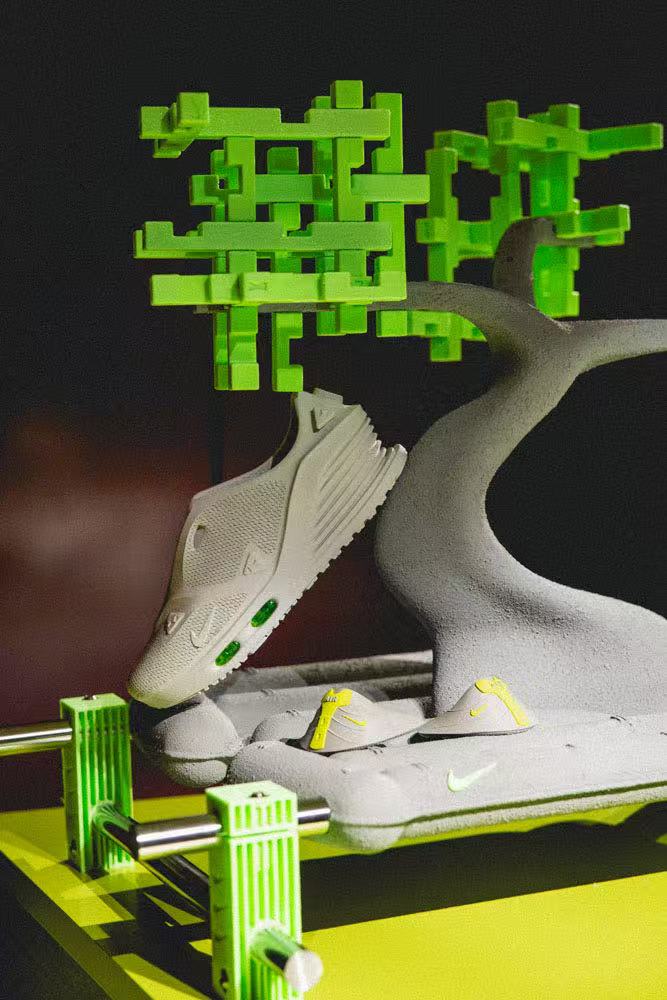
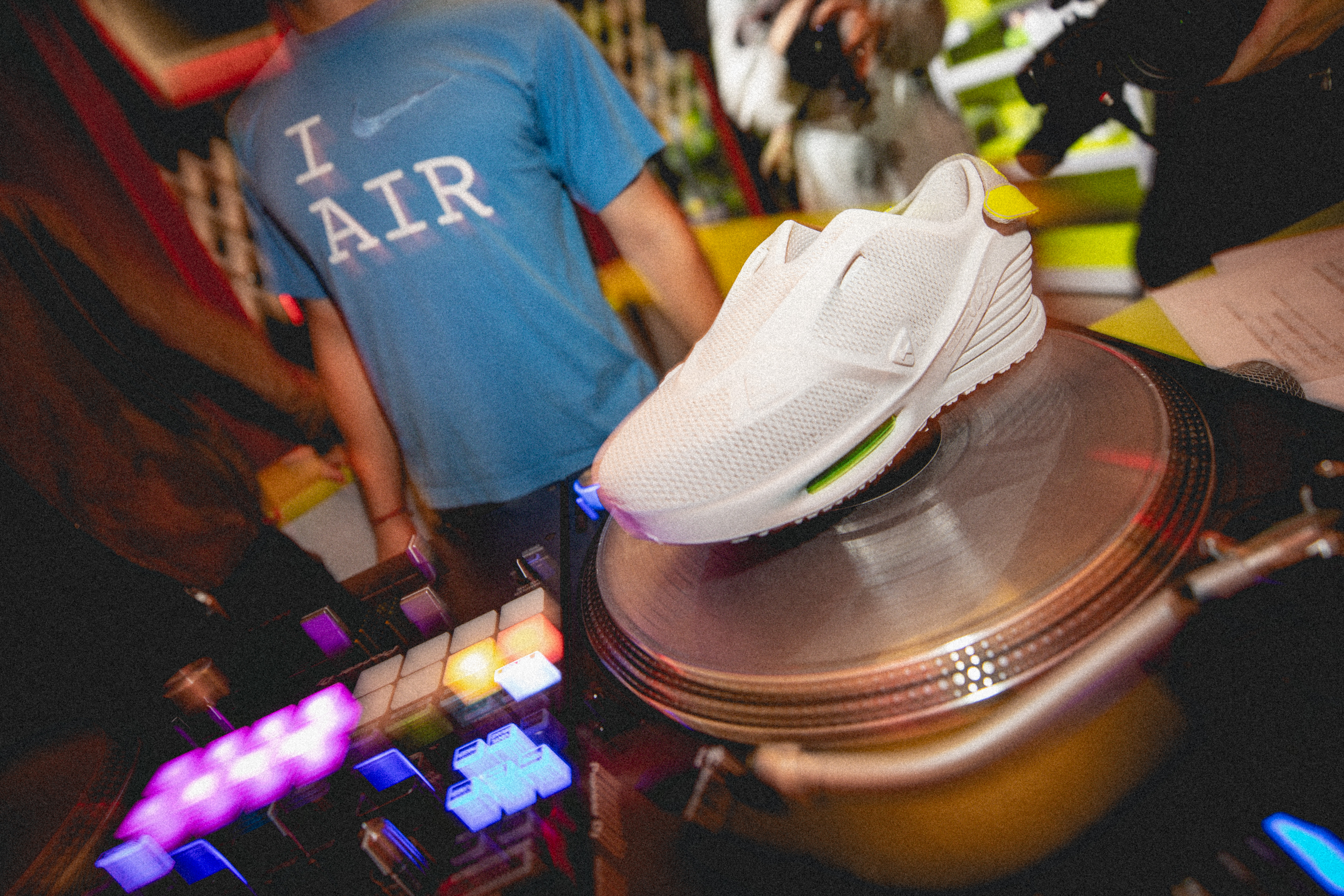
The Air Max Link reworks the visual language of the Air Max 90—itself a landmark of late-’80s and ’90s sneaker culture—through the lens of Beijing. Its gray body references the city’s ubiquitous gray-brick architecture, while a fluorescent green Air unit nods to Su’s childhood memory of owning a Volt-colored Air Max 360.

But the real idea is built into the shoe.

The Air Max Link features modular “Link Nail” attachment points inspired by sunmao (榫卯), the centuries-old Chinese mortise-and-tenon construction technique that joins materials through precisely engineered interlocking pieces. The idea is simple: instead of treating a sneaker as a finished object, let the wearer keep designing it.

Attach a team logo. Add a bow. Build a strap. Print something completely ridiculous. The point is that the shoe doesn’t have to stop evolving when it leaves the factory.

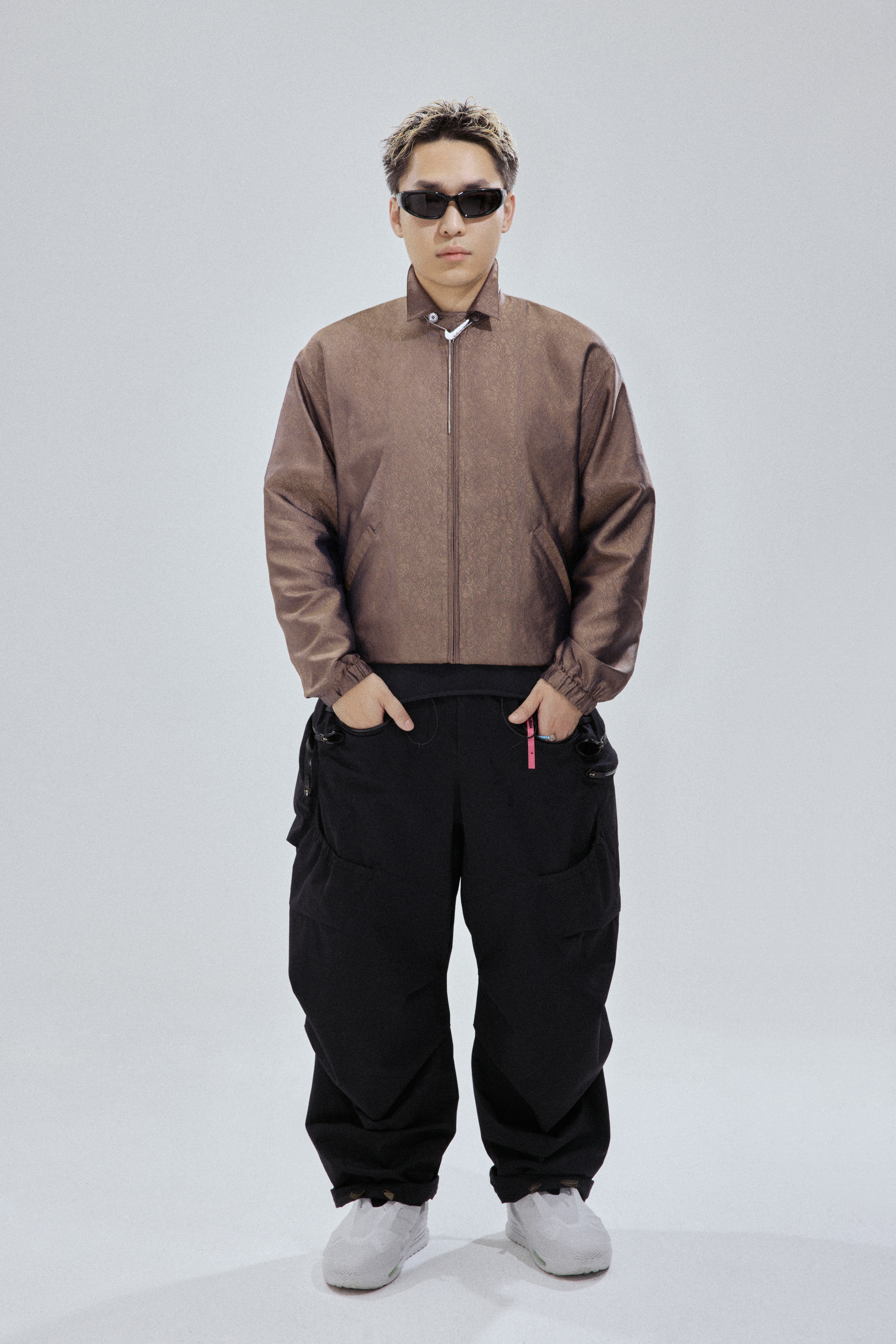
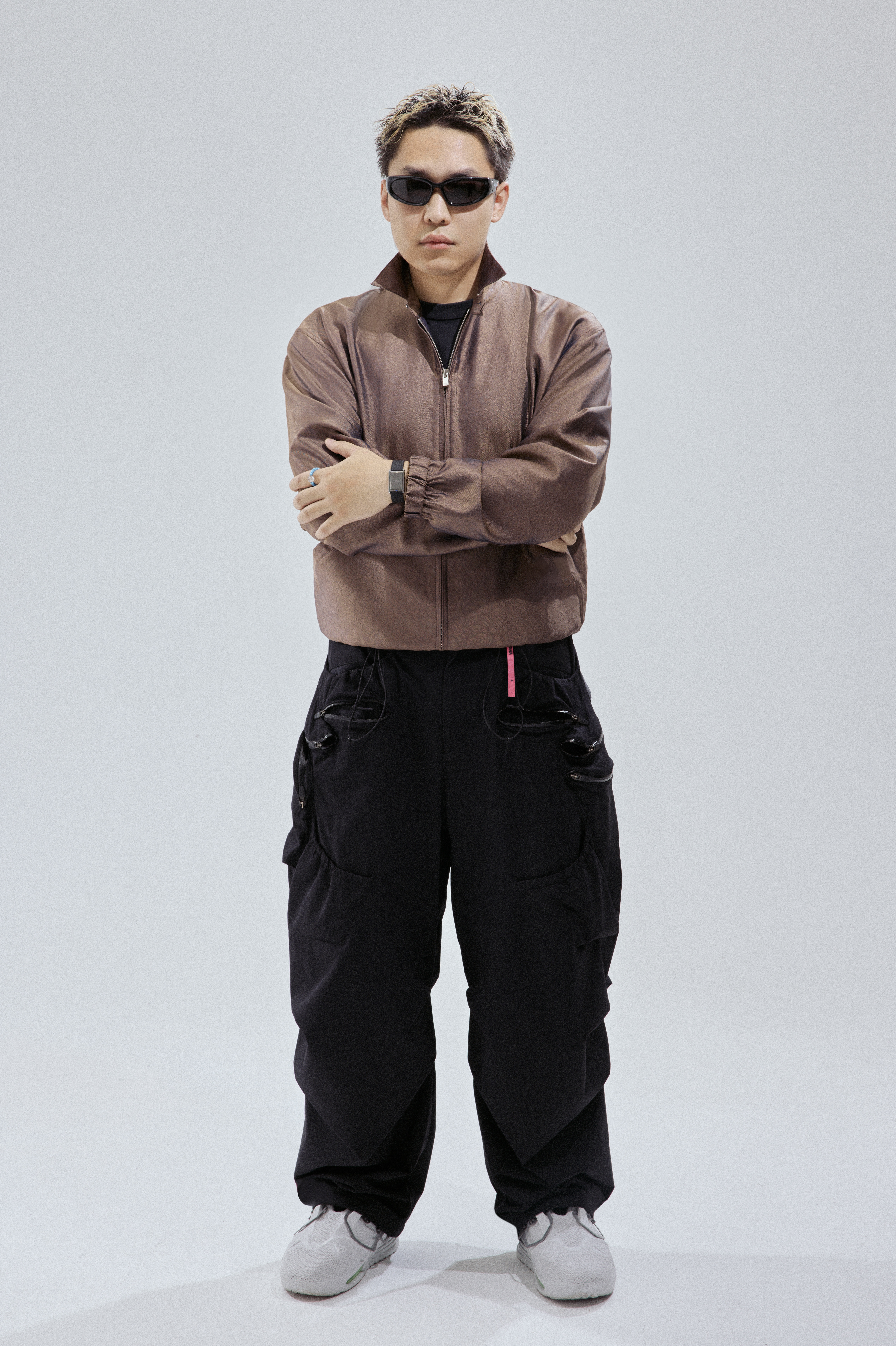
“I hope to let every sneaker enthusiast transform from a consumer into a creator,” Su explains.

That philosophy is rooted in Su’s long-running obsession with 3D printing. He first encountered the technology in 2018 while working on design projects and bought his own printer while studying product and furniture design at University of the Arts London. Today, he uses 3D printing for everything from prototypes and furniture components to bicycle parts and computer cases.

For Su, its significance goes beyond making cool-looking objects. He calls 3D printing a form of “technology equality”—comparable, in his view, to the internet’s role in democratizing access to information.

“In the past, you might have needed a large professional factory, or a highly skilled shoemaker, to bring your design to life,” he says. “Now, with 3D printing, I believe the era of ‘everyone is a sneaker designer’ will arrive soon.”

But getting the Air Max Link there was anything but instant. Before heading to Nike’s Oregon headquarters, Su worked through more than 20 design iterations and five full-scale prototypes. Some of his wildest ideas simply couldn’t survive contact with production. The final shoe became a compromise in the best sense—Su’s design language meeting Nike’s engineering capabilities.

That process continued at Nike, where Su worked with his mentor, Nike Running design director Rolando Hernandez, as well as 3D engineers and veteran Air Max designers including Sergio Lozano, who designed the Air Max 95, and Christian Tresser, designer of the Air Max 97.

The result is also a significant technical experiment. The Air Max Link is the first Air Max design to feature an Air unit only in the forefoot, made possible in part by the ability of 3D printing to precisely tune the density of the shoe’s internal structure. Nike’s Air Works project uses FDM 3D printing and Aero TPU to create the shoe body as a single piece, with the Air unit inserted afterward.

For Su, however, the technology only matters if it unlocks something culturally meaningful.

That connection runs deep in Beijing, a city whose sneaker culture was already taking shape during the ’90s. Take Yaxin Sports, for example, which was founded in 1990 and became the city’s beacon for sneakerheads. Anyone in the scene will know it as the destination for collectors and limited-edition releases that would go on to inspire the rest of the country’s sneakerhead landscape.

Su belongs to a younger generation growing up with that history already embedded in the city, but also with access to radically different tools. His interests stretch across cycling, underground music, nightlife, product design, and 3D printing, all of which feed into his creative practice.

Nike first tapped into that energy earlier this year during Air Max Day, when Su helped organize Beijing’s “Ghost Market.” More than 50 3D printers were installed at the event, where visitors could design sneaker components, have them scanned and printed, and attach them to shoes. More than 150 creations emerged over four days.

That experience gave Su the central idea for Air Max Link: Beijing’s future sneaker culture shouldn’t be represented by one designer alone.

It should be a platform for the city’s many young creators.

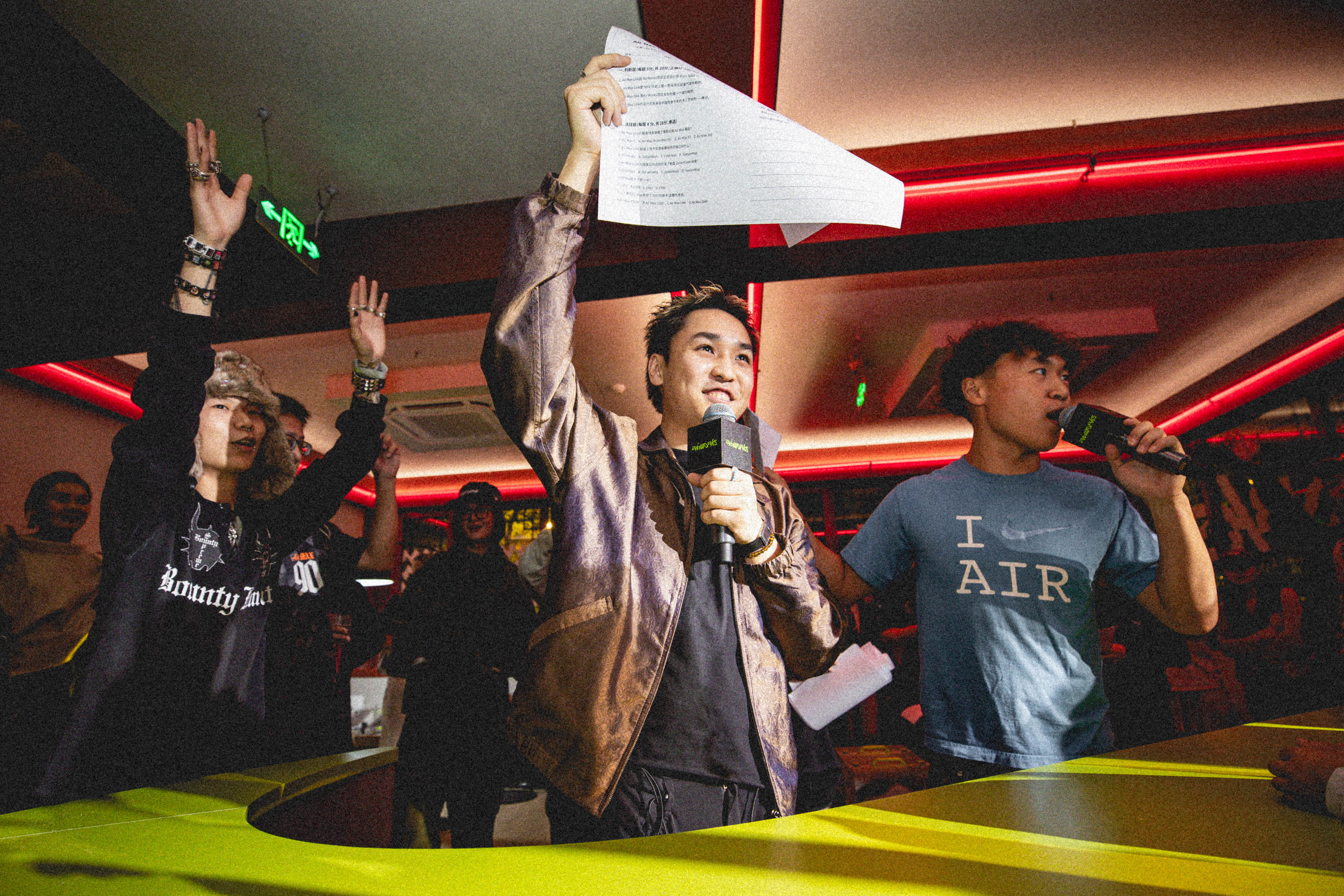
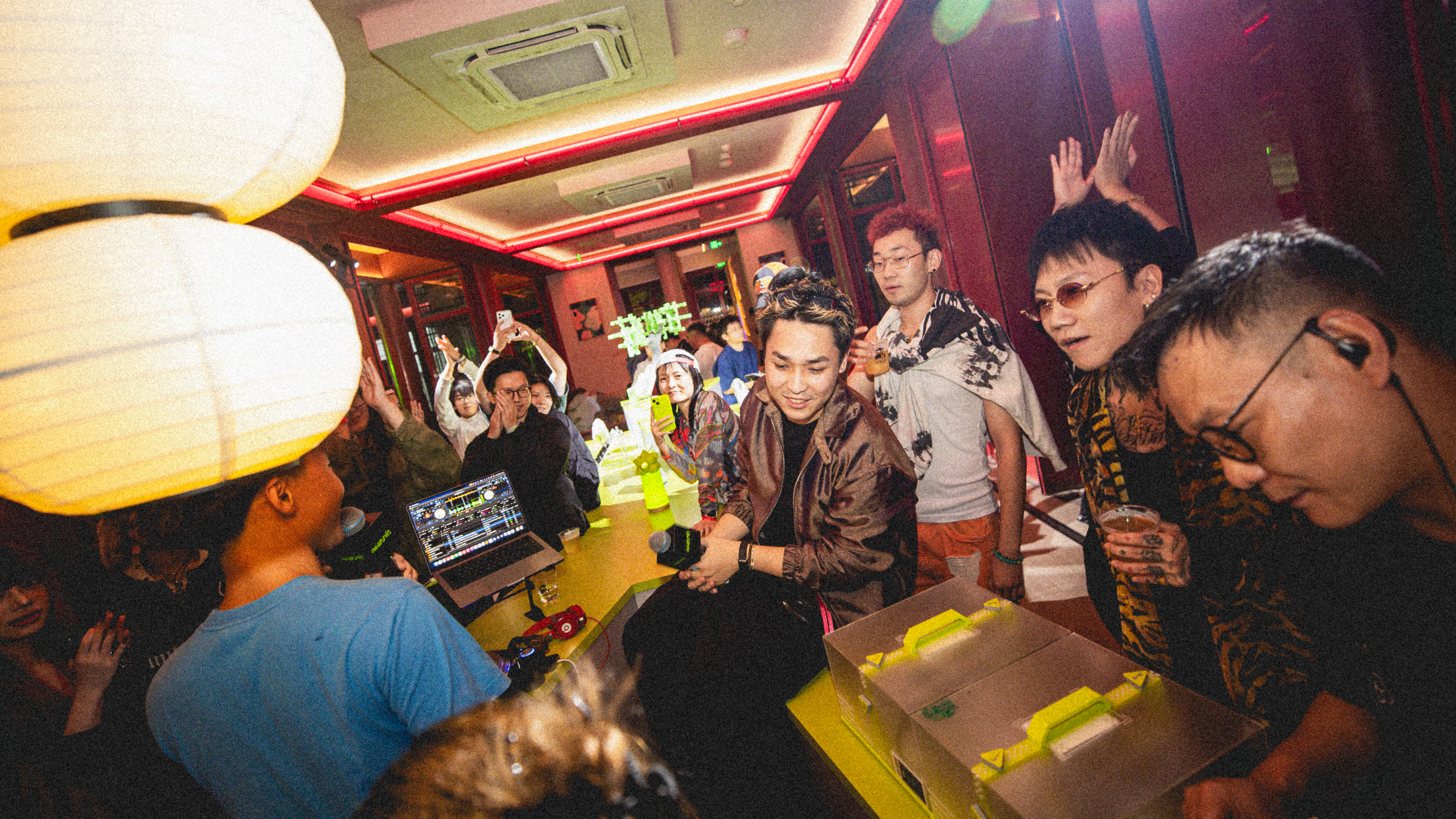
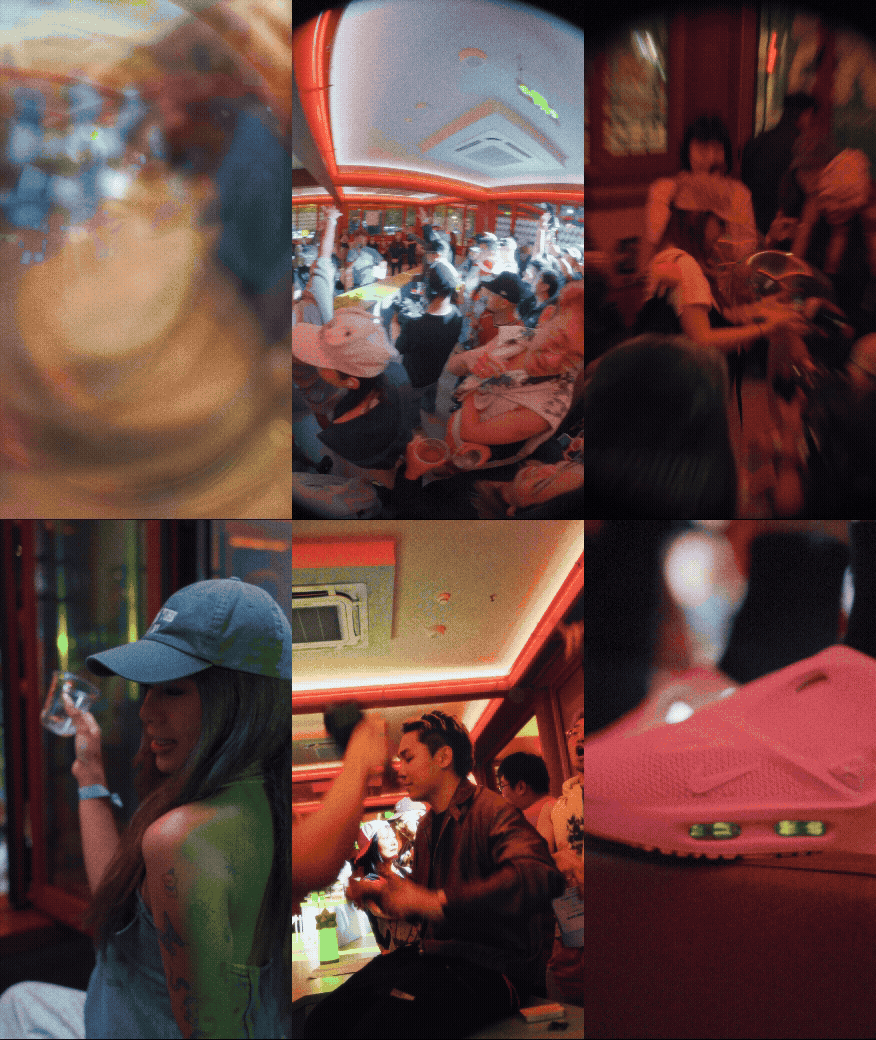
Scenes from Nike Sportswear Beijing’s unveiling of Su’s Air Max Link sneaker.

That makes the project feel particularly timely. Air Max has spent decades oscillating between technological innovation and nostalgia, with its archive becoming almost as important as its future. Even Nike has acknowledged the challenge of moving the franchise forward while avoiding a constant loop of retros and callbacks.

Marc Su wants to break that loop.

“Air Works’ purpose isn’t to respond to the past, but to look toward the future,” he says. “If we stop moving forward, there will eventually be no ‘past’ left to retro.”

The Air Max Link is therefore not just another futuristic sneaker. It’s a bet on participation—on the idea that the next iconic shoe might not be designed entirely by Nike, or even entirely by a designer.

Maybe it starts with some kid in Beijing drawing sneakers in the margins of a notebook.

All images via Nike Sportswear Beijing.

NEWSLETTER

Get weekly top picks and exclusive, newsletter only content delivered straight to you inbox.

NEWSLETTER

Get weekly top picks and exclusive, newsletter only content delivered straight to you inbox.

RADII NEWSLETTER

Get weekly top picks and exclusive, newsletter only content delivered straight to you inbox

Feature image of Meet the Beijing Kid Who is Rewiring Nike’s Air Max

Meet the Beijing Kid Who is Rewiring Nike’s Air Max

5 mins read

From sneaker sketches in his high school notebooks to Nike’s global Air Works experiment, this designer is using 3D printing and Beijing street culture to imagine an Air Max built for creators, not just consumers.

Marc Su started drawing sneakers before he knew they could become a career.

At 17, the Beijing native was filling school notebooks with sketches of shoes. When Nike launched the first edition of its On Air design competition in 2018, Su was so determined to participate that he once pretended to be sick to make it happen. He submitted an Air Max 95 concept inspired by Shanghai’s maglev train—and somewhere along the way, a teenage obsession became a career plan.

Marc Su’s concept sketches of what would become the Nike Air Max Link.

Eight years later, Su is back with Nike, this time helping imagine the future of one of the brand’s most recognizable franchises.

His new Air Max Link is the Beijing contribution to Nike Sportswear’s inaugural Air Works program, which brought eight independent designers from cities including London, Los Angeles, Mumbai, New York, Paris, Shanghai, and Tokyo to Nike’s headquarters in Beaverton, Oregon. Working alongside Nike mentors and 3D-footwear company Zellerfeld, the designers were tasked with imagining new expressions of Air Max using 3D printing.

Su’s answer is less a conventional sneaker collaboration than a proposal for what a sneaker could become.
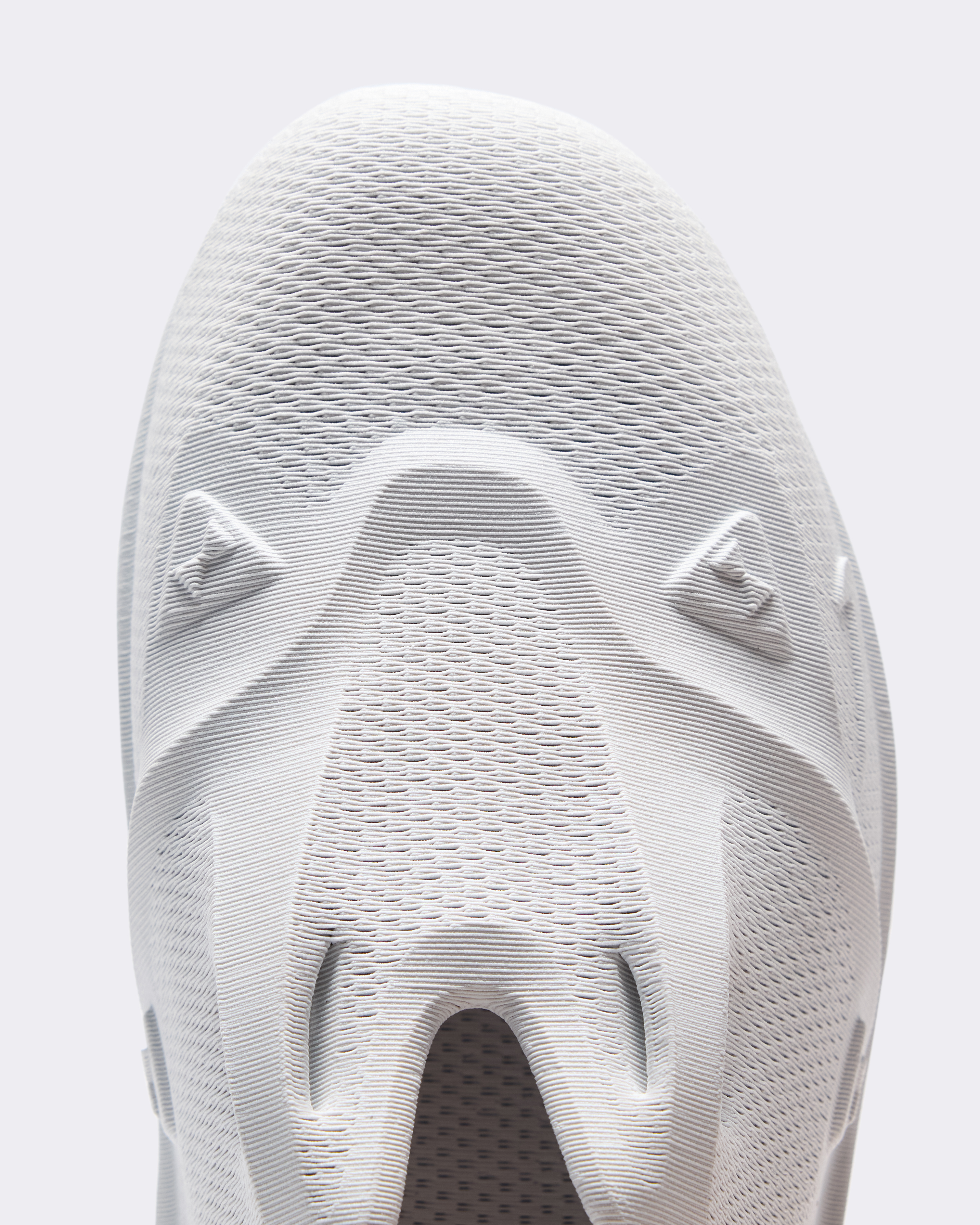
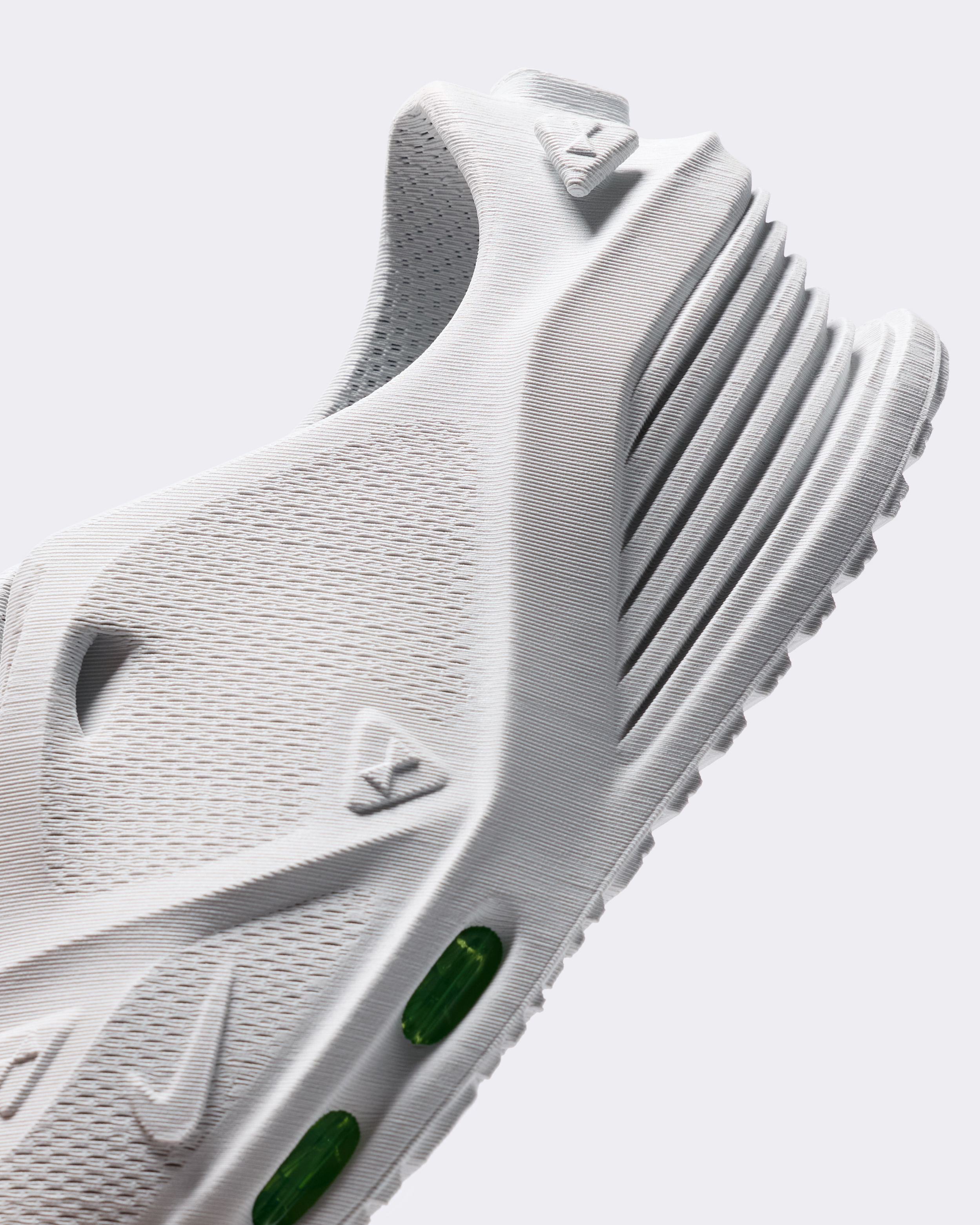
The Air Max Link reworks the visual language of the Air Max 90—itself a landmark of late-’80s and ’90s sneaker culture—through the lens of Beijing. Its gray body references the city’s ubiquitous gray-brick architecture, while a fluorescent green Air unit nods to Su’s childhood memory of owning a Volt-colored Air Max 360.
But the real idea is built into the shoe.

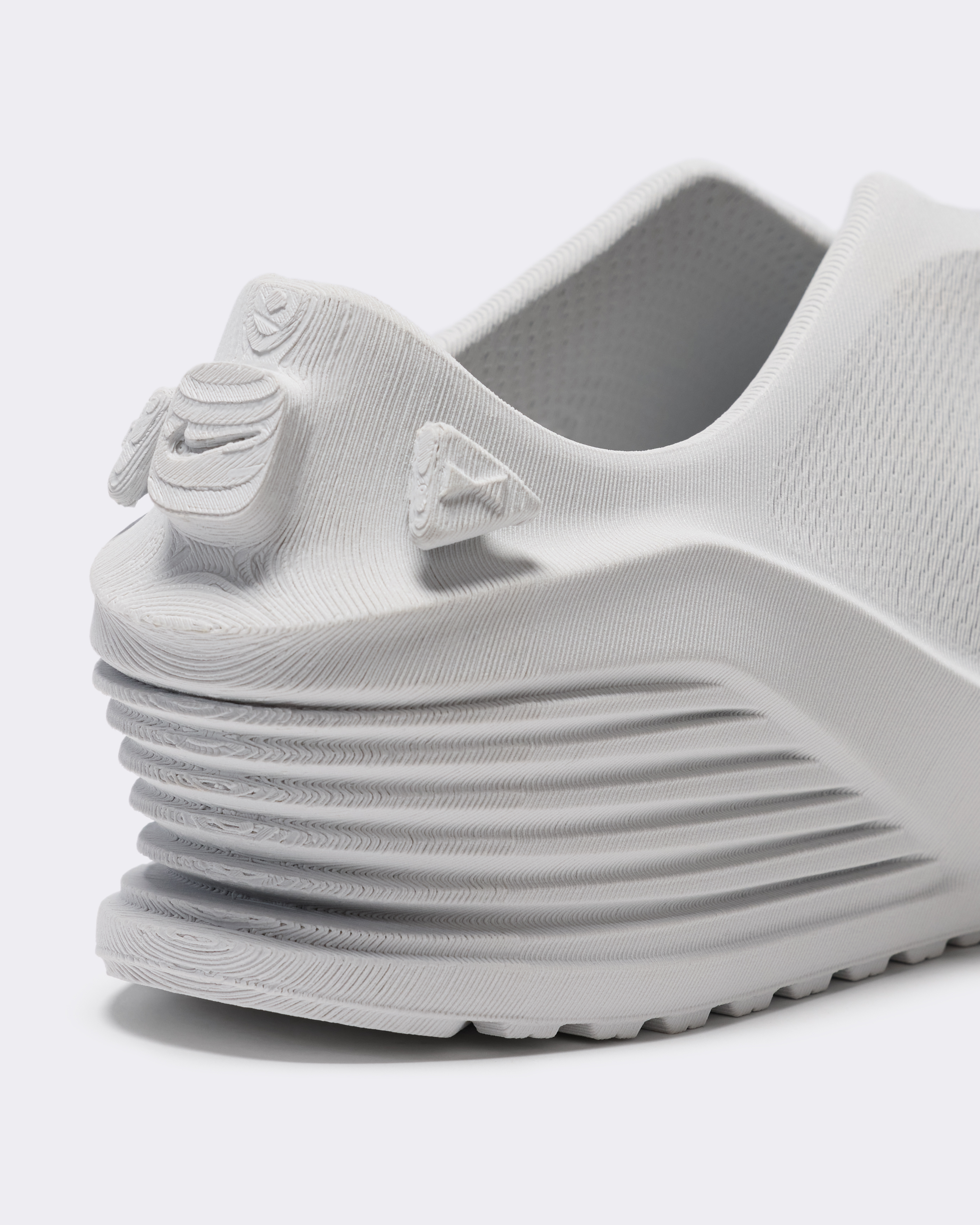
The Air Max Link features modular “Link Nail” attachment points inspired by sunmao (榫卯), the centuries-old Chinese mortise-and-tenon construction technique that joins materials through precisely engineered interlocking pieces. The idea is simple: instead of treating a sneaker as a finished object, let the wearer keep designing it.

Attach a team logo. Add a bow. Build a strap. Print something completely ridiculous. The point is that the shoe doesn’t have to stop evolving when it leaves the factory.

“I hope to let every sneaker enthusiast transform from a consumer into a creator,” Su explains.

That philosophy is rooted in Su’s long-running obsession with 3D printing. He first encountered the technology in 2018 while working on design projects and bought his own printer while studying product and furniture design at University of the Arts London. Today, he uses 3D printing for everything from prototypes and furniture components to bicycle parts and computer cases.

For Su, its significance goes beyond making cool-looking objects. He calls 3D printing a form of “technology equality”—comparable, in his view, to the internet’s role in democratizing access to information.

“In the past, you might have needed a large professional factory, or a highly skilled shoemaker, to bring your design to life,” he says. “Now, with 3D printing, I believe the era of ‘everyone is a sneaker designer’ will arrive soon.”

But getting the Air Max Link there was anything but instant. Before heading to Nike’s Oregon headquarters, Su worked through more than 20 design iterations and five full-scale prototypes. Some of his wildest ideas simply couldn’t survive contact with production. The final shoe became a compromise in the best sense—Su’s design language meeting Nike’s engineering capabilities.

That process continued at Nike, where Su worked with his mentor, Nike Running design director Rolando Hernandez, as well as 3D engineers and veteran Air Max designers including Sergio Lozano, who designed the Air Max 95, and Christian Tresser, designer of the Air Max 97.

The result is also a significant technical experiment. The Air Max Link is the first Air Max design to feature an Air unit only in the forefoot, made possible in part by the ability of 3D printing to precisely tune the density of the shoe’s internal structure. Nike’s Air Works project uses FDM 3D printing and Aero TPU to create the shoe body as a single piece, with the Air unit inserted afterward.

For Su, however, the technology only matters if it unlocks something culturally meaningful.

That connection runs deep in Beijing, a city whose sneaker culture was already taking shape during the ’90s. Take Yaxin Sports, for example, which was founded in 1990 and became the city’s beacon for sneakerheads. Anyone in the scene will know it as the destination for collectors and limited-edition releases that would go on to inspire the rest of the country’s sneakerhead landscape.

Su belongs to a younger generation growing up with that history already embedded in the city, but also with access to radically different tools. His interests stretch across cycling, underground music, nightlife, product design, and 3D printing, all of which feed into his creative practice.

Nike first tapped into that energy earlier this year during Air Max Day, when Su helped organize Beijing’s “Ghost Market.” More than 50 3D printers were installed at the event, where visitors could design sneaker components, have them scanned and printed, and attach them to shoes. More than 150 creations emerged over four days.

That experience gave Su the central idea for Air Max Link: Beijing’s future sneaker culture shouldn’t be represented by one designer alone.

It should be a platform for the city’s many young creators.

Scenes from Nike Sportswear Beijing’s unveiling of Su’s Air Max Link sneaker.

That makes the project feel particularly timely. Air Max has spent decades oscillating between technological innovation and nostalgia, with its archive becoming almost as important as its future. Even Nike has acknowledged the challenge of moving the franchise forward while avoiding a constant loop of retros and callbacks.

Marc Su wants to break that loop.

“Air Works’ purpose isn’t to respond to the past, but to look toward the future,” he says. “If we stop moving forward, there will eventually be no ‘past’ left to retro.”

The Air Max Link is therefore not just another futuristic sneaker. It’s a bet on participation—on the idea that the next iconic shoe might not be designed entirely by Nike, or even entirely by a designer.

Maybe it starts with some kid in Beijing drawing sneakers in the margins of a notebook.

All images via Nike Sportswear Beijing.

NEWSLETTER

Get weekly top picks and exclusive, newsletter only content delivered straight to you inbox.

RADII NEWSLETTER

Get weekly top picks and exclusive, newsletter only content delivered straight to you inbox

RELATED POSTS

Feature image of Meet the Beijing Kid Who is Rewiring Nike’s Air Max

Meet the Beijing Kid Who is Rewiring Nike’s Air Max

5 mins read

5 mins read

Feature image of Meet the Beijing Kid Who is Rewiring Nike’s Air Max
From sneaker sketches in his high school notebooks to Nike’s global Air Works experiment, this designer is using 3D printing and Beijing street culture to imagine an Air Max built for creators, not just consumers.

Marc Su started drawing sneakers before he knew they could become a career.

At 17, the Beijing native was filling school notebooks with sketches of shoes. When Nike launched the first edition of its On Air design competition in 2018, Su was so determined to participate that he once pretended to be sick to make it happen. He submitted an Air Max 95 concept inspired by Shanghai’s maglev train—and somewhere along the way, a teenage obsession became a career plan.

Marc Su’s concept sketches of what would become the Nike Air Max Link.

Eight years later, Su is back with Nike, this time helping imagine the future of one of the brand’s most recognizable franchises.

His new Air Max Link is the Beijing contribution to Nike Sportswear’s inaugural Air Works program, which brought eight independent designers from cities including London, Los Angeles, Mumbai, New York, Paris, Shanghai, and Tokyo to Nike’s headquarters in Beaverton, Oregon. Working alongside Nike mentors and 3D-footwear company Zellerfeld, the designers were tasked with imagining new expressions of Air Max using 3D printing.

Su’s answer is less a conventional sneaker collaboration than a proposal for what a sneaker could become.

The Air Max Link reworks the visual language of the Air Max 90—itself a landmark of late-’80s and ’90s sneaker culture—through the lens of Beijing. Its gray body references the city’s ubiquitous gray-brick architecture, while a fluorescent green Air unit nods to Su’s childhood memory of owning a Volt-colored Air Max 360.
But the real idea is built into the shoe.

The Air Max Link features modular “Link Nail” attachment points inspired by sunmao (榫卯), the centuries-old Chinese mortise-and-tenon construction technique that joins materials through precisely engineered interlocking pieces. The idea is simple: instead of treating a sneaker as a finished object, let the wearer keep designing it.

Attach a team logo. Add a bow. Build a strap. Print something completely ridiculous. The point is that the shoe doesn’t have to stop evolving when it leaves the factory.

“I hope to let every sneaker enthusiast transform from a consumer into a creator,” Su explains.
That philosophy is rooted in Su’s long-running obsession with 3D printing. He first encountered the technology in 2018 while working on design projects and bought his own printer while studying product and furniture design at University of the Arts London. Today, he uses 3D printing for everything from prototypes and furniture components to bicycle parts and computer cases.

For Su, its significance goes beyond making cool-looking objects. He calls 3D printing a form of “technology equality”—comparable, in his view, to the internet’s role in democratizing access to information.

“In the past, you might have needed a large professional factory, or a highly skilled shoemaker, to bring your design to life,” he says. “Now, with 3D printing, I believe the era of ‘everyone is a sneaker designer’ will arrive soon.”

But getting the Air Max Link there was anything but instant. Before heading to Nike’s Oregon headquarters, Su worked through more than 20 design iterations and five full-scale prototypes. Some of his wildest ideas simply couldn’t survive contact with production. The final shoe became a compromise in the best sense—Su’s design language meeting Nike’s engineering capabilities.

That process continued at Nike, where Su worked with his mentor, Nike Running design director Rolando Hernandez, as well as 3D engineers and veteran Air Max designers including Sergio Lozano, who designed the Air Max 95, and Christian Tresser, designer of the Air Max 97.

The result is also a significant technical experiment. The Air Max Link is the first Air Max design to feature an Air unit only in the forefoot, made possible in part by the ability of 3D printing to precisely tune the density of the shoe’s internal structure. Nike’s Air Works project uses FDM 3D printing and Aero TPU to create the shoe body as a single piece, with the Air unit inserted afterward.

For Su, however, the technology only matters if it unlocks something culturally meaningful.

That connection runs deep in Beijing, a city whose sneaker culture was already taking shape during the ’90s. Take Yaxin Sports, for example, which was founded in 1990 and became the city’s beacon for sneakerheads. Anyone in the scene will know it as the destination for collectors and limited-edition releases that would go on to inspire the rest of the country’s sneakerhead landscape.

Su belongs to a younger generation growing up with that history already embedded in the city, but also with access to radically different tools. His interests stretch across cycling, underground music, nightlife, product design, and 3D printing, all of which feed into his creative practice.

Nike first tapped into that energy earlier this year during Air Max Day, when Su helped organize Beijing’s “Ghost Market.” More than 50 3D printers were installed at the event, where visitors could design sneaker components, have them scanned and printed, and attach them to shoes. More than 150 creations emerged over four days.

That experience gave Su the central idea for Air Max Link: Beijing’s future sneaker culture shouldn’t be represented by one designer alone.

It should be a platform for the city’s many young creators.

Scenes from Nike Sportswear Beijing’s unveiling of Su’s Air Max Link sneaker.

That makes the project feel particularly timely. Air Max has spent decades oscillating between technological innovation and nostalgia, with its archive becoming almost as important as its future. Even Nike has acknowledged the challenge of moving the franchise forward while avoiding a constant loop of retros and callbacks.

Marc Su wants to break that loop.

“Air Works’ purpose isn’t to respond to the past, but to look toward the future,” he says. “If we stop moving forward, there will eventually be no ‘past’ left to retro.”

The Air Max Link is therefore not just another futuristic sneaker. It’s a bet on participation—on the idea that the next iconic shoe might not be designed entirely by Nike, or even entirely by a designer.

Maybe it starts with some kid in Beijing drawing sneakers in the margins of a notebook.

All images via Nike Sportswear Beijing.

NEWSLETTER

Get weekly top picks and exclusive, newsletter only content delivered straight to you inbox.

NEWSLETTER

Get weekly top picks and exclusive, newsletter only content delivered straight to you inbox.

RADII NEWSLETTER

Get weekly top picks and exclusive, newsletter only content delivered straight to you inbox

Feature image of Meet the Beijing Kid Who is Rewiring Nike’s Air Max

Meet the Beijing Kid Who is Rewiring Nike’s Air Max

5 mins read

From sneaker sketches in his high school notebooks to Nike’s global Air Works experiment, this designer is using 3D printing and Beijing street culture to imagine an Air Max built for creators, not just consumers.

Marc Su started drawing sneakers before he knew they could become a career.

At 17, the Beijing native was filling school notebooks with sketches of shoes. When Nike launched the first edition of its On Air design competition in 2018, Su was so determined to participate that he once pretended to be sick to make it happen. He submitted an Air Max 95 concept inspired by Shanghai’s maglev train—and somewhere along the way, a teenage obsession became a career plan.

Marc Su’s concept sketches of what would become the Nike Air Max Link.

Eight years later, Su is back with Nike, this time helping imagine the future of one of the brand’s most recognizable franchises.

His new Air Max Link is the Beijing contribution to Nike Sportswear’s inaugural Air Works program, which brought eight independent designers from cities including London, Los Angeles, Mumbai, New York, Paris, Shanghai, and Tokyo to Nike’s headquarters in Beaverton, Oregon. Working alongside Nike mentors and 3D-footwear company Zellerfeld, the designers were tasked with imagining new expressions of Air Max using 3D printing.

Su’s answer is less a conventional sneaker collaboration than a proposal for what a sneaker could become.

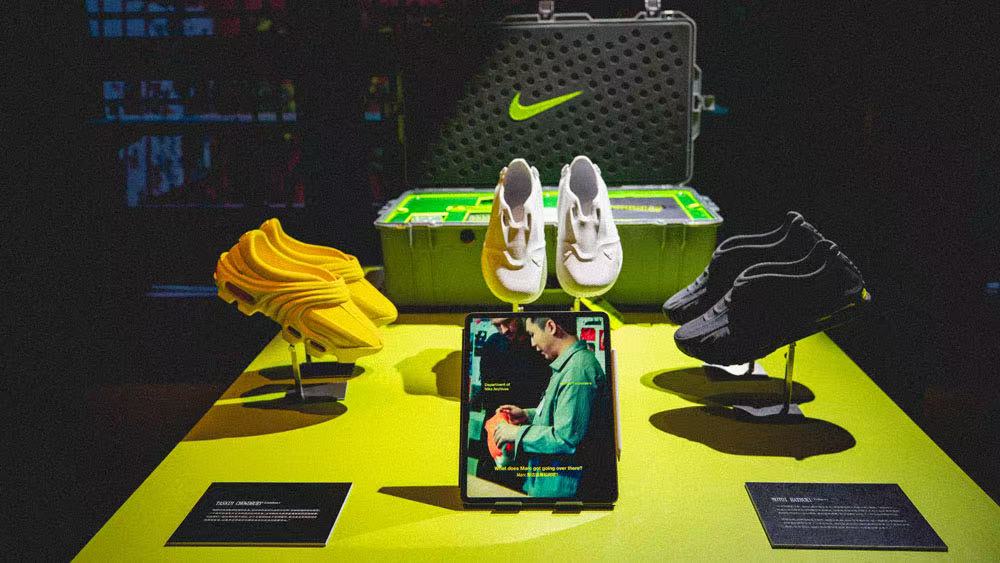
The Air Max Link reworks the visual language of the Air Max 90—itself a landmark of late-’80s and ’90s sneaker culture—through the lens of Beijing. Its gray body references the city’s ubiquitous gray-brick architecture, while a fluorescent green Air unit nods to Su’s childhood memory of owning a Volt-colored Air Max 360.

But the real idea is built into the shoe.

The Air Max Link features modular “Link Nail” attachment points inspired by sunmao (榫卯), the centuries-old Chinese mortise-and-tenon construction technique that joins materials through precisely engineered interlocking pieces. The idea is simple: instead of treating a sneaker as a finished object, let the wearer keep designing it.

Attach a team logo. Add a bow. Build a strap. Print something completely ridiculous. The point is that the shoe doesn’t have to stop evolving when it leaves the factory.

“I hope to let every sneaker enthusiast transform from a consumer into a creator,” Su explains.
That philosophy is rooted in Su’s long-running obsession with 3D printing. He first encountered the technology in 2018 while working on design projects and bought his own printer while studying product and furniture design at University of the Arts London. Today, he uses 3D printing for everything from prototypes and furniture components to bicycle parts and computer cases.

For Su, its significance goes beyond making cool-looking objects. He calls 3D printing a form of “technology equality”—comparable, in his view, to the internet’s role in democratizing access to information.
“In the past, you might have needed a large professional factory, or a highly skilled shoemaker, to bring your design to life,” he says. “Now, with 3D printing, I believe the era of ‘everyone is a sneaker designer’ will arrive soon.”

But getting the Air Max Link there was anything but instant. Before heading to Nike’s Oregon headquarters, Su worked through more than 20 design iterations and five full-scale prototypes. Some of his wildest ideas simply couldn’t survive contact with production. The final shoe became a compromise in the best sense—Su’s design language meeting Nike’s engineering capabilities.
That process continued at Nike, where Su worked with his mentor, Nike Running design director Rolando Hernandez, as well as 3D engineers and veteran Air Max designers including Sergio Lozano, who designed the Air Max 95, and Christian Tresser, designer of the Air Max 97.

The result is also a significant technical experiment. The Air Max Link is the first Air Max design to feature an Air unit only in the forefoot, made possible in part by the ability of 3D printing to precisely tune the density of the shoe’s internal structure. Nike’s Air Works project uses FDM 3D printing and Aero TPU to create the shoe body as a single piece, with the Air unit inserted afterward.
For Su, however, the technology only matters if it unlocks something culturally meaningful.

That connection runs deep in Beijing, a city whose sneaker culture was already taking shape during the ’90s. Take Yaxin Sports, for example, which was founded in 1990 and became the city’s beacon for sneakerheads. Anyone in the scene will know it as the destination for collectors and limited-edition releases that would go on to inspire the rest of the country’s sneakerhead landscape.

Su belongs to a younger generation growing up with that history already embedded in the city, but also with access to radically different tools. His interests stretch across cycling, underground music, nightlife, product design, and 3D printing, all of which feed into his creative practice.
Nike first tapped into that energy earlier this year during Air Max Day, when Su helped organize Beijing’s “Ghost Market.” More than 50 3D printers were installed at the event, where visitors could design sneaker components, have them scanned and printed, and attach them to shoes. More than 150 creations emerged over four days.

That experience gave Su the central idea for Air Max Link: Beijing’s future sneaker culture shouldn’t be represented by one designer alone.
It should be a platform for the city’s many young creators.
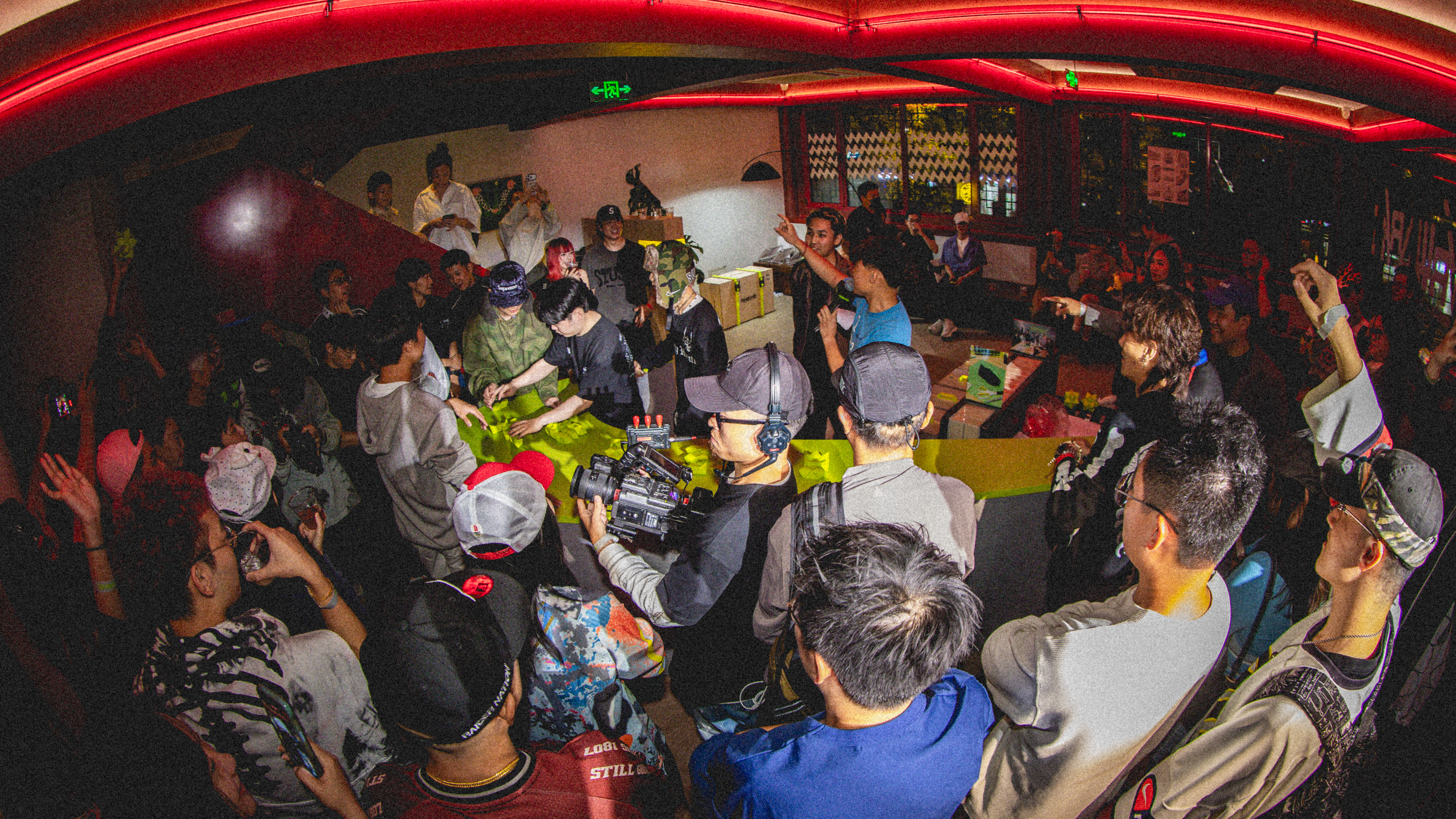
Scenes from Nike Sportswear Beijing’s unveiling of Su’s Air Max Link sneaker.

That makes the project feel particularly timely. Air Max has spent decades oscillating between technological innovation and nostalgia, with its archive becoming almost as important as its future. Even Nike has acknowledged the challenge of moving the franchise forward while avoiding a constant loop of retros and callbacks.

Marc Su wants to break that loop.

“Air Works’ purpose isn’t to respond to the past, but to look toward the future,” he says. “If we stop moving forward, there will eventually be no ‘past’ left to retro.”

The Air Max Link is therefore not just another futuristic sneaker. It’s a bet on participation—on the idea that the next iconic shoe might not be designed entirely by Nike, or even entirely by a designer.
Maybe it starts with some kid in Beijing drawing sneakers in the margins of a notebook.

All images via Nike Sportswear Beijing.
NEWSLETTER

Get weekly top picks and exclusive, newsletter only content delivered straight to you inbox.

RADII NEWSLETTER

Get weekly top picks and exclusive, newsletter only content delivered straight to you inbox

RADII newsletter pop up visual

NEWSLETTER​

Get weekly top picks and exclusive, newsletter only content delivered straight to you inbox

RADII Newsletter Pop Up small banner

NEWSLETTER

Get weekly top picks and exclusive, newsletter only content delivered straight to you inbox.

Link Copied!

Share

Feature image of Meet the Beijing Kid Who is Rewiring Nike’s Air Max

Meet the Beijing Kid Who is Rewiring Nike’s Air Max

From sneaker sketches in his high school notebooks to Nike’s global Air Works experiment, this designer is using 3D printing and Beijing street culture to imagine an Air Max built for creators, not just consumers.

PULSE

Tap into the latest in music, fashion, art, design, entertainment, pop culture, celebrity news, and contemporary culture

DISCOVER

Embark on a journey through food, travel, wellness, heritage, traditional culture, and lifestyle

STYLE

An insider’s look at the intersection of fashion, art, and design

FEAST

Titillate your taste buds with coverage of the best food and drink trends from China and beyond.

FUTURE

Explore the cutting edge in tech, AI, gadgets, gaming, and innovative tech-related products

FEAST

Titillate your taste buds with coverage of the best food and drink trends from China and beyond

STYLE

An insider’s look at the intersection of fashion, art, and design

PULSE

Unpacking Chinese youth culture through coverage of nightlife, film, sports, celebrities, and the hottest new music