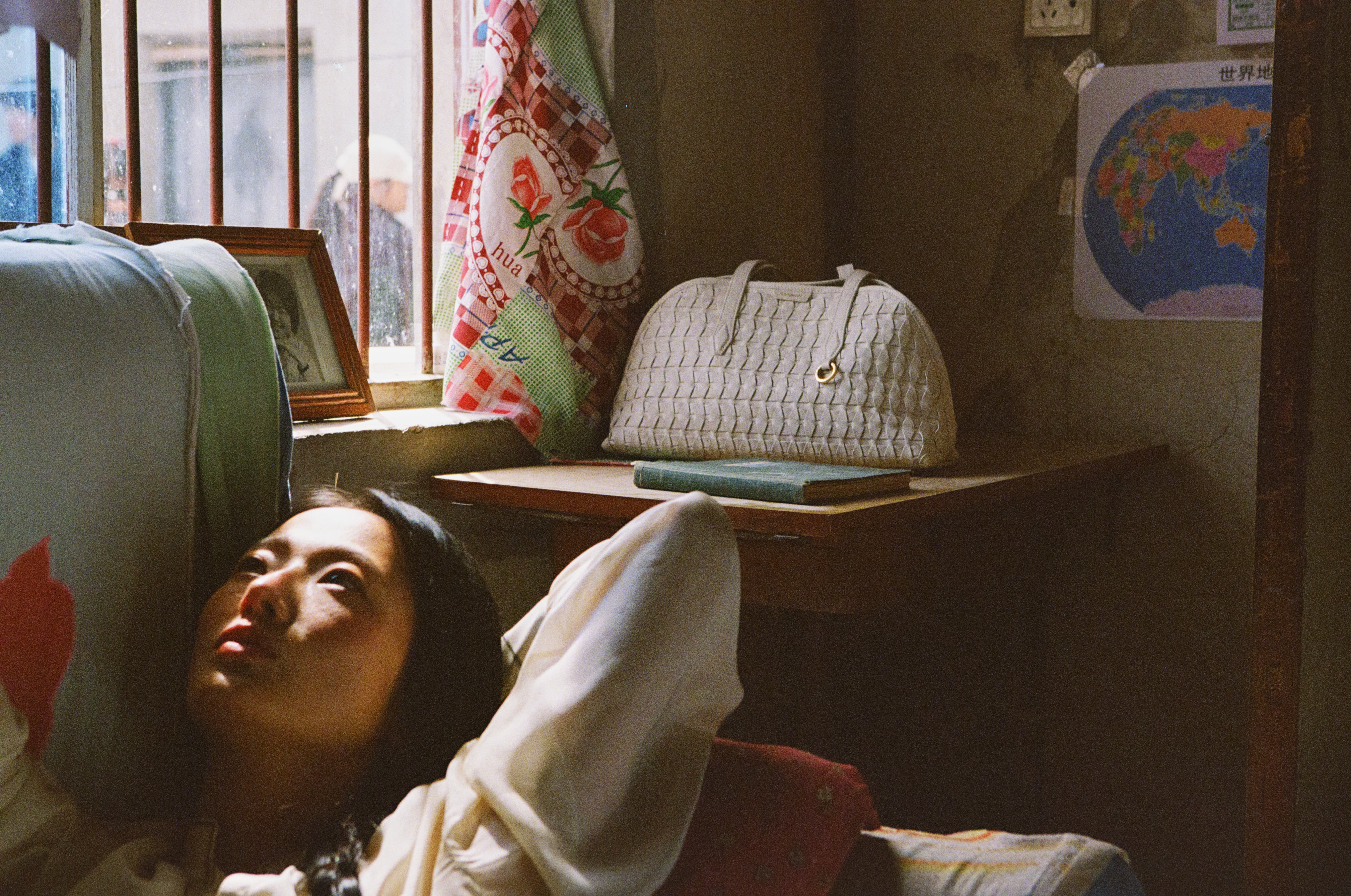

Feature image of How a Hand-Stitched Tote Became China’s Coolest Luxury Bag Brand

How a Hand-Stitched Tote Became China’s Coolest Luxury Bag Brand

4 mins read

4 mins read

Feature image of How a Hand-Stitched Tote Became China’s Coolest Luxury Bag Brand
Songmont didn’t begin with a celebrity campaign, a billionaire investor, or a Parisian atelier. It started with a mother sewing a bag for her daughter—and somehow ended up changing the conversation around Chinese luxury.

For years, luxury fashion has sold the same fantasy on repeat: European heritage, impossible exclusivity, and a logo large enough to be spotted from across the street. Then came Songmont—a Shanxi-based handbag label that built its reputation almost in reverse.

No aristocratic backstory. No century-old leather workshop tucked away in Italy. No obsession with status signaling. Just a woman who needed a bag that actually worked for her life.
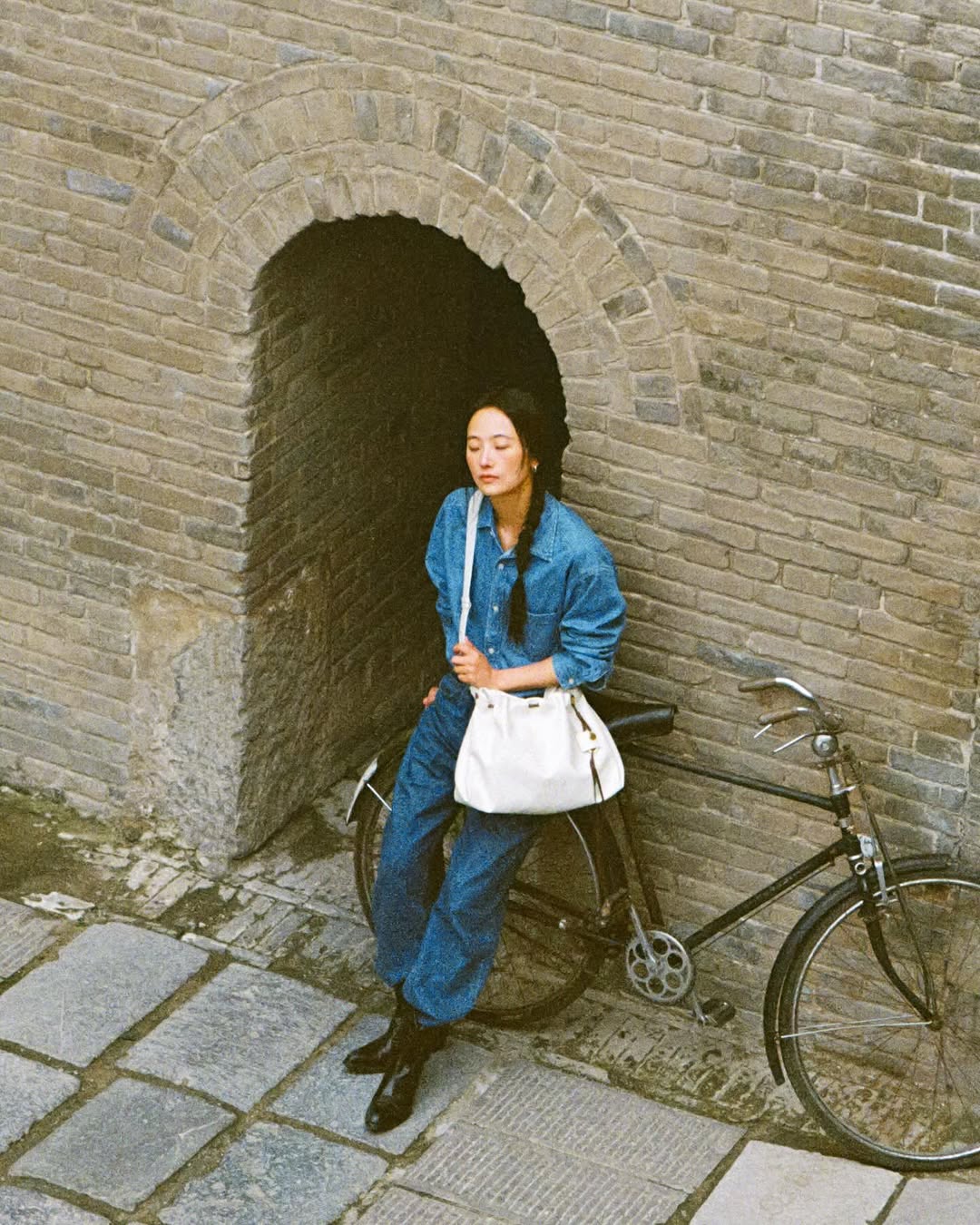
Back in 2013, founder Song was balancing work, motherhood, and the myriad logistics of modern adulthood when she realized something strange: despite the endless sea of luxury handbags on the market, none seemed designed for real people. The elegant ones lacked practicality. The functional ones felt clinical and uninspired. She wanted something softer—something capable of carrying both a laptop and the emotional weight of everyday life.

So her mother made one by hand.

The first design was simple: a laptop tote stitched together in rural Shanxi. But the response was immediate. Friends wanted one. Then strangers did too. Orders piled up. What started as a personal solution quietly evolved into one of China’s most influential independent luxury brands. More than a decade later, Songmont has become part of a wider shift happening inside Chinese fashion. One where local brands are no longer trying to imitate Western luxury so much as redefine it altogether, and that distinction matters.

Songmont’s craftwomen at the brand’s studio.

For a long time, the benchmark for luxury in China came from elsewhere. French fashion houses, Swiss watches, Italian leather goods—these were the accepted symbols of taste and success. Domestic brands often struggled to escape perceptions of being either mass-market or trend-driven. But younger Chinese consumers have increasingly started gravitating toward brands that feel culturally grounded rather than globally generic. They’re looking for design with texture, memory, and specificity. Not just another imported status symbol.

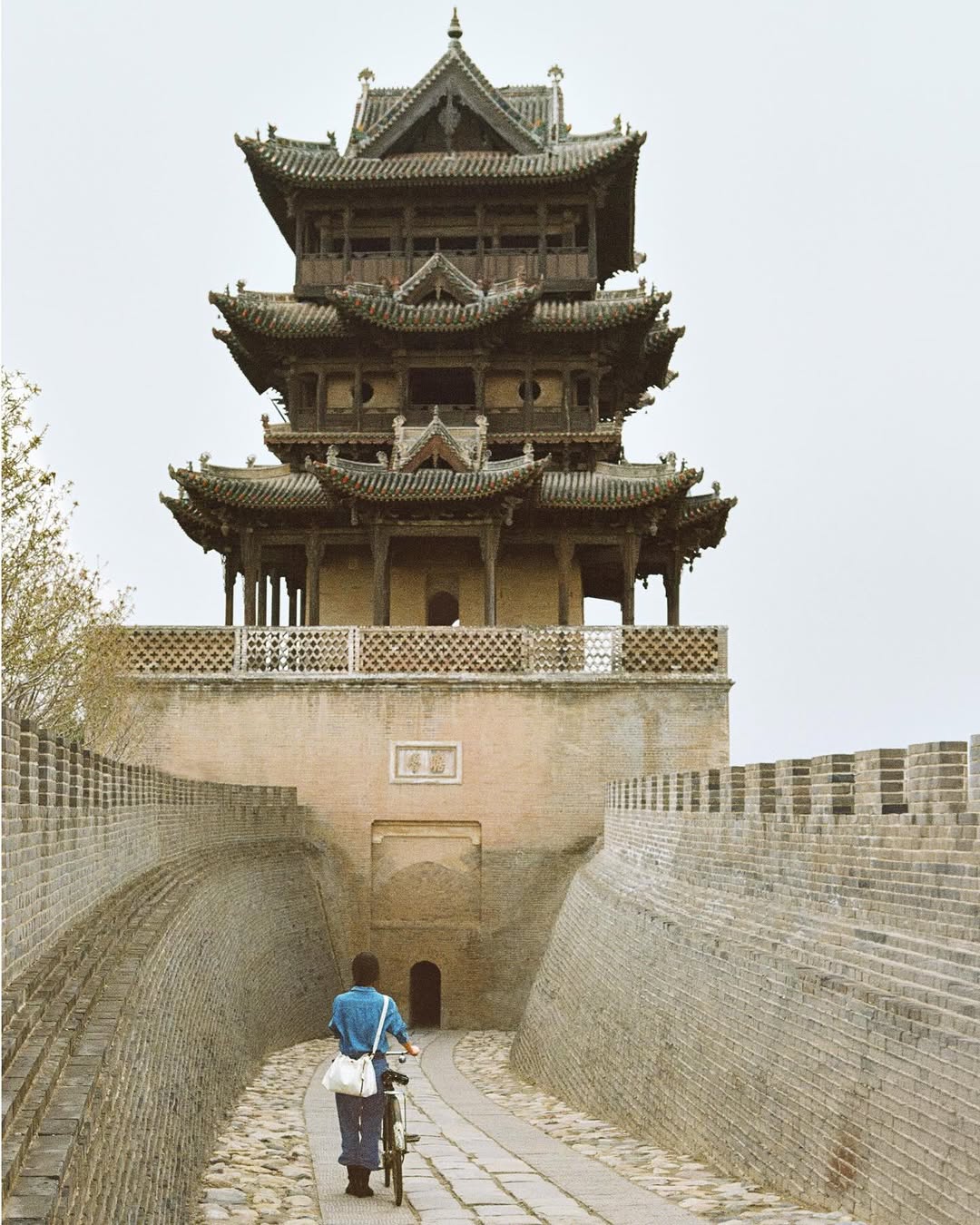
Songmont understands this instinct almost instinctively. Its bags are filled with references to Chinese visual culture, though rarely in obvious ways. The curves of certain silhouettes echo temple rooflines from Shanxi. Rounded forms reference lunar cycles. Hardware details draw from Silk Road caravan imagery. Some collections incorporate Tibetan tiger motifs or patterns inspired by Zhongyuan (中原) aesthetics.

Importantly, these references don’t feel like branding exercises engineered for social media captions. They’re integrated into the actual design language of the products. The cultural influence is structural, not decorative. That restraint is probably why the brand resonates so strongly.

A lot of fashion labels today approach heritage like a moodboard—pulling fragments of culture for aesthetic value without much emotional connection behind them. Songmont feels different because its relationship to craftsmanship comes from lived experience. Take their Lattice collection as an example—a series that embraces self-acceptance and inner balance that’s imbued into the bags’ patterns and design elements.

The company’s roots trace back to family making, rural artistry, and the founder’s own upbringing between tradition and modernity. Even the brand’s philosophy avoids the bombast that luxury marketing usually leans on. Songmont describes itself as being “crafted with Eastern poetry, where our companion quietly carries journey into memory.” That sentence sounds almost suspiciously soft in an era dominated by algorithmic fashion cycles and engineered hype drops. But maybe that’s exactly the point. Songmont’s success has come largely from refusing to participate in the noise.

While much of the luxury industry races toward louder branding and trend-chasing spectacle, Songmont has built an audience around intimacy. Its bags are designed less as trophies than companions. They’re objects that’s meant to age alongside the person carrying them.

And the global fashion world has started paying attention.

The brand has appeared at Paris Fashion Week, earned recognition from industry insiders, and landed on the BoF 500, Business of Fashion’s annual index of people shaping the global industry. And then you have legends such as the CEO of LVMH, who visited Songmont’s Shanghai store, announced, and walked out with two bags himself. This just goes to show the immediate impact the brand exudes.

Because Songmont’s rise says something larger about where contemporary Chinese creativity is heading. Across fashion, design, film, and music, there’s a growing confidence among younger Chinese brands and artists to stop filtering themselves through Western approval first. The result is work that feels more locally rooted and, paradoxically, more globally interesting.

There’s also something refreshing about a luxury brand emerging from genuine necessity rather than manufactured mythology. Songmont didn’t invent an elaborate fantasy world to justify its existence. It simply solved a problem well, then layered culture, memory, and craftsmanship into the process over time. That authenticity can’t really be fabricated by marketing teams.

And maybe that’s why the bags resonate beyond China, too. In a moment where consumers are increasingly skeptical of performative luxury, Songmont offers an alternative vision, where value comes not from legacy alone, but from thoughtfulness, utility, and emotional permanence.

Songmont’s co-founders Wang Jei (left) and Fu Song (right). Image via Global Times.

A bag that carries your laptop is easy enough to design. A bag that quietly carries a sense of place, identity, and memory? That’s much harder. Songmont managed both.

All images via Songmont.

NEWSLETTER

Get weekly top picks and exclusive, newsletter only content delivered straight to you inbox.

NEWSLETTER

Get weekly top picks and exclusive, newsletter only content delivered straight to you inbox.

RADII NEWSLETTER

Get weekly top picks and exclusive, newsletter only content delivered straight to you inbox

Feature image of How a Hand-Stitched Tote Became China’s Coolest Luxury Bag Brand

How a Hand-Stitched Tote Became China’s Coolest Luxury Bag Brand

4 mins read

Songmont didn’t begin with a celebrity campaign, a billionaire investor, or a Parisian atelier. It started with a mother sewing a bag for her daughter—and somehow ended up changing the conversation around Chinese luxury.

For years, luxury fashion has sold the same fantasy on repeat: European heritage, impossible exclusivity, and a logo large enough to be spotted from across the street. Then came Songmont—a Shanxi-based handbag label that built its reputation almost in reverse.

No aristocratic backstory. No century-old leather workshop tucked away in Italy. No obsession with status signaling. Just a woman who needed a bag that actually worked for her life.
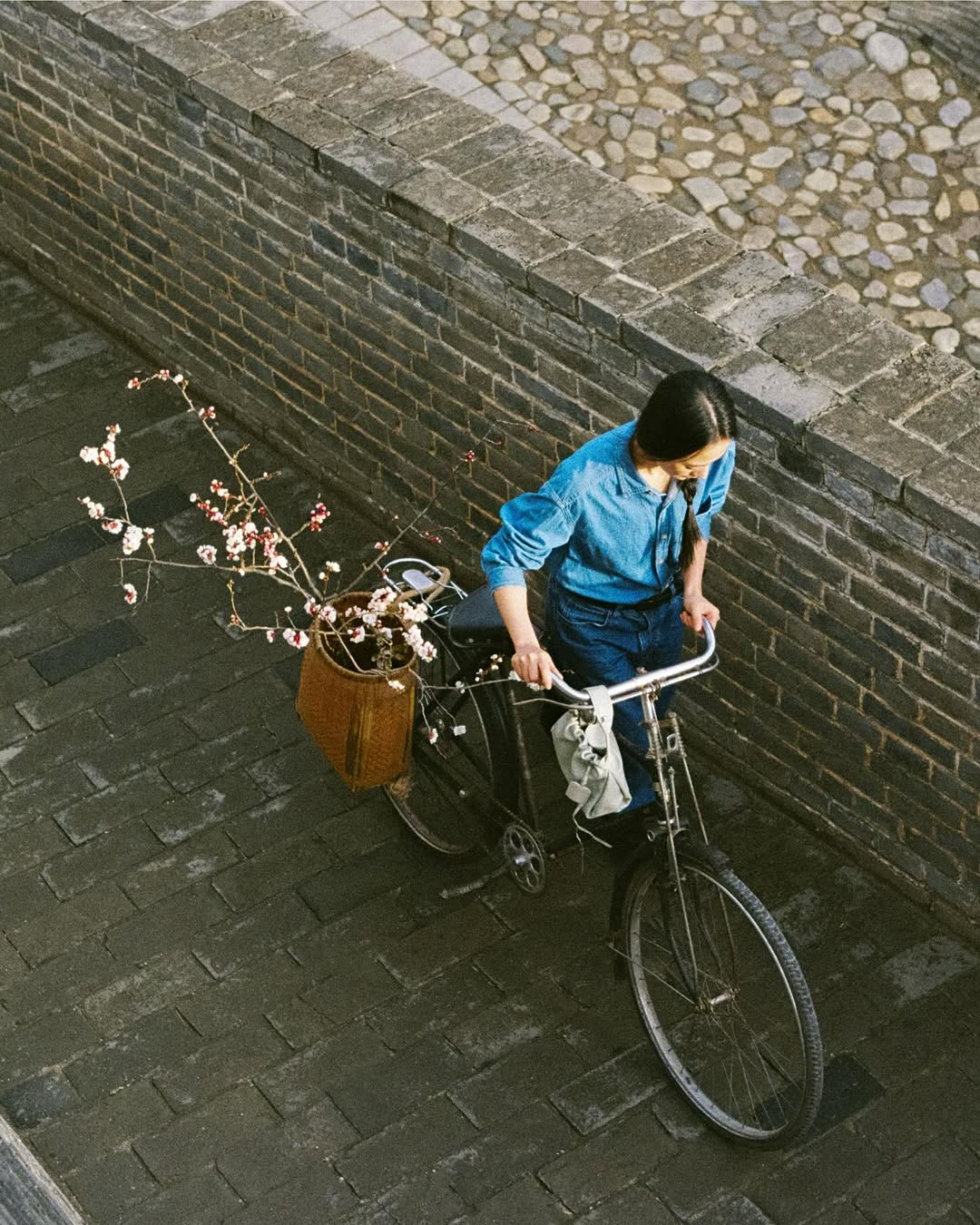
Back in 2013, founder Song was balancing work, motherhood, and the myriad logistics of modern adulthood when she realized something strange: despite the endless sea of luxury handbags on the market, none seemed designed for real people. The elegant ones lacked practicality. The functional ones felt clinical and uninspired. She wanted something softer—something capable of carrying both a laptop and the emotional weight of everyday life.

So her mother made one by hand.

The first design was simple: a laptop tote stitched together in rural Shanxi. But the response was immediate. Friends wanted one. Then strangers did too. Orders piled up. What started as a personal solution quietly evolved into one of China’s most influential independent luxury brands. More than a decade later, Songmont has become part of a wider shift happening inside Chinese fashion. One where local brands are no longer trying to imitate Western luxury so much as redefine it altogether, and that distinction matters.
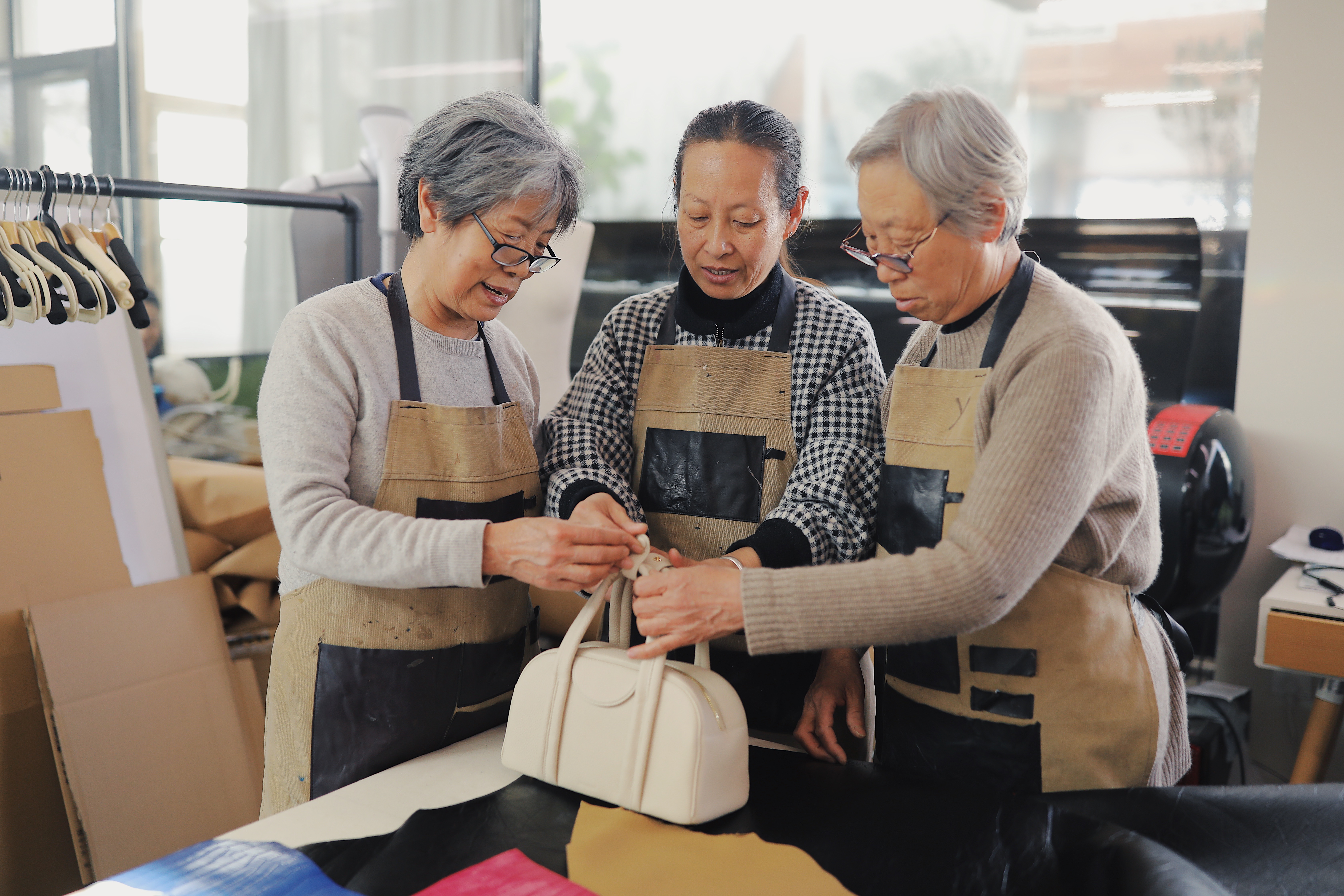
Songmont’s craftwomen at the brand’s studio.

For a long time, the benchmark for luxury in China came from elsewhere. French fashion houses, Swiss watches, Italian leather goods—these were the accepted symbols of taste and success. Domestic brands often struggled to escape perceptions of being either mass-market or trend-driven. But younger Chinese consumers have increasingly started gravitating toward brands that feel culturally grounded rather than globally generic. They’re looking for design with texture, memory, and specificity. Not just another imported status symbol.

Songmont understands this instinct almost instinctively. Its bags are filled with references to Chinese visual culture, though rarely in obvious ways. The curves of certain silhouettes echo temple rooflines from Shanxi. Rounded forms reference lunar cycles. Hardware details draw from Silk Road caravan imagery. Some collections incorporate Tibetan tiger motifs or patterns inspired by Zhongyuan (中原) aesthetics.
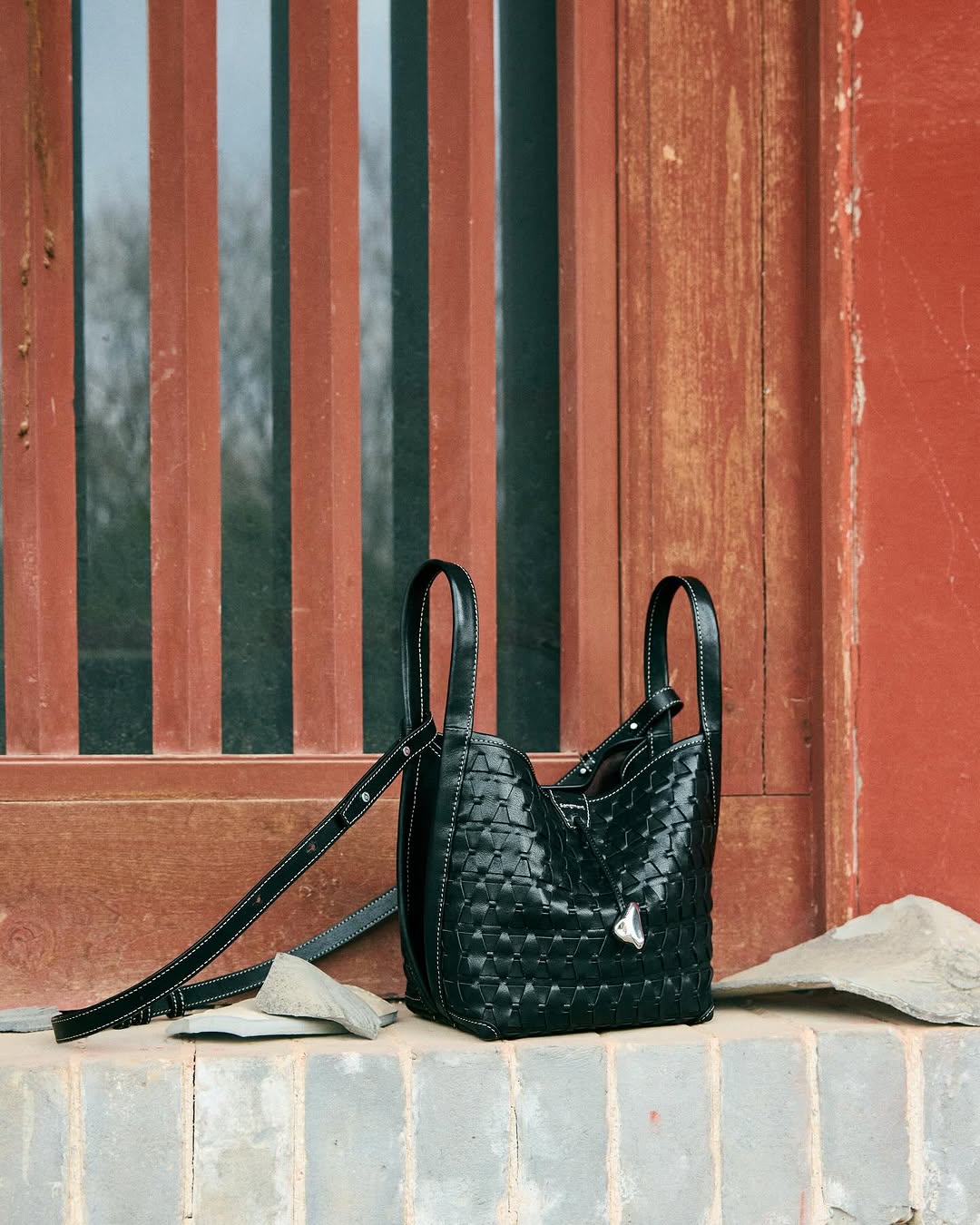
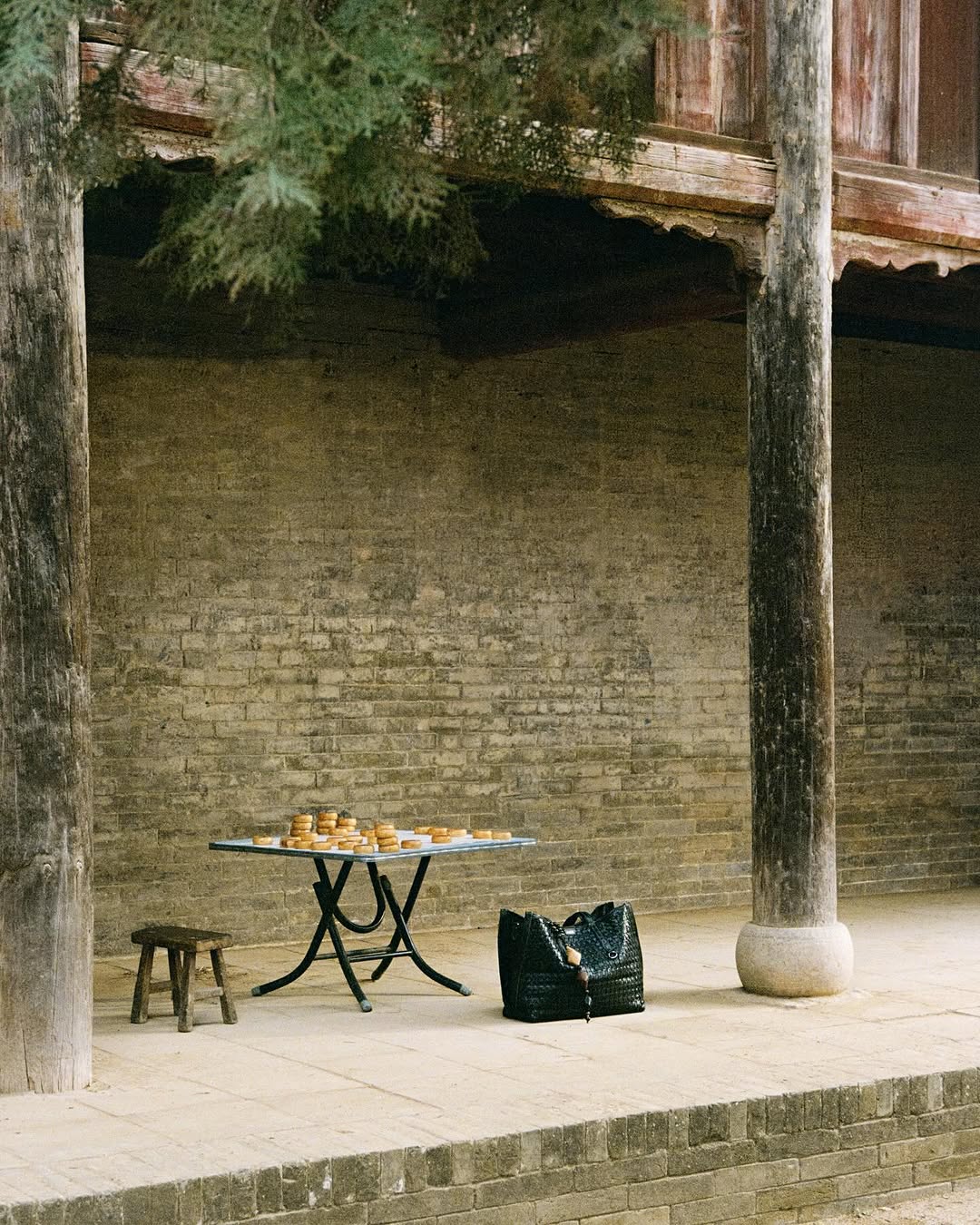
Importantly, these references don’t feel like branding exercises engineered for social media captions. They’re integrated into the actual design language of the products. The cultural influence is structural, not decorative. That restraint is probably why the brand resonates so strongly.

A lot of fashion labels today approach heritage like a moodboard—pulling fragments of culture for aesthetic value without much emotional connection behind them. Songmont feels different because its relationship to craftsmanship comes from lived experience. Take their Lattice collection as an example—a series that embraces self-acceptance and inner balance that’s imbued into the bags’ patterns and design elements.

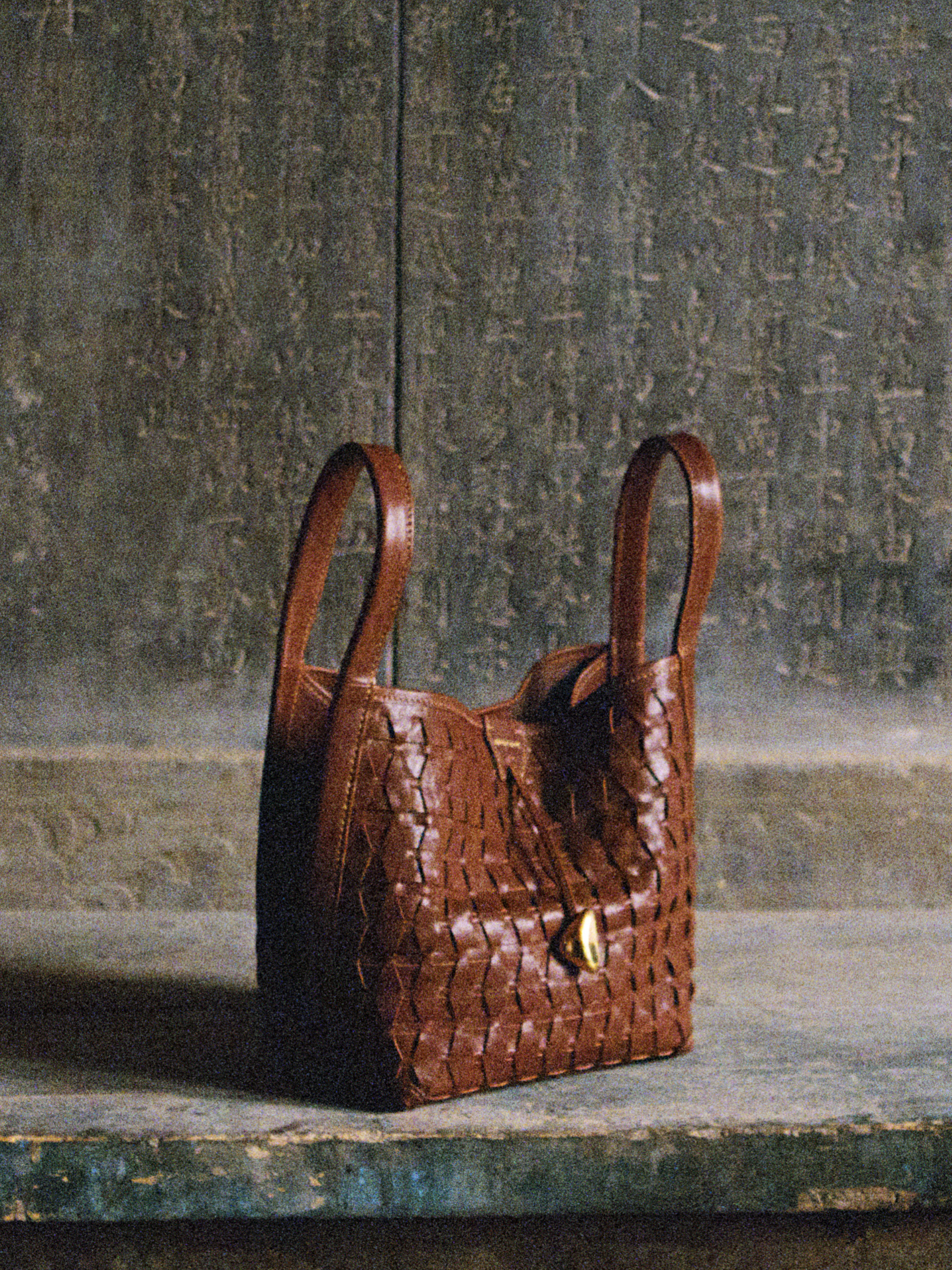
The company’s roots trace back to family making, rural artistry, and the founder’s own upbringing between tradition and modernity. Even the brand’s philosophy avoids the bombast that luxury marketing usually leans on. Songmont describes itself as being “crafted with Eastern poetry, where our companion quietly carries journey into memory.” That sentence sounds almost suspiciously soft in an era dominated by algorithmic fashion cycles and engineered hype drops. But maybe that’s exactly the point. Songmont’s success has come largely from refusing to participate in the noise.

While much of the luxury industry races toward louder branding and trend-chasing spectacle, Songmont has built an audience around intimacy. Its bags are designed less as trophies than companions. They’re objects that’s meant to age alongside the person carrying them.

And the global fashion world has started paying attention.

The brand has appeared at Paris Fashion Week, earned recognition from industry insiders, and landed on the BoF 500, Business of Fashion’s annual index of people shaping the global industry. And then you have legends such as the CEO of LVMH, who visited Songmont’s Shanghai store, announced, and walked out with two bags himself. This just goes to show the immediate impact the brand exudes.

Because Songmont’s rise says something larger about where contemporary Chinese creativity is heading. Across fashion, design, film, and music, there’s a growing confidence among younger Chinese brands and artists to stop filtering themselves through Western approval first. The result is work that feels more locally rooted and, paradoxically, more globally interesting.

There’s also something refreshing about a luxury brand emerging from genuine necessity rather than manufactured mythology. Songmont didn’t invent an elaborate fantasy world to justify its existence. It simply solved a problem well, then layered culture, memory, and craftsmanship into the process over time. That authenticity can’t really be fabricated by marketing teams.

And maybe that’s why the bags resonate beyond China, too. In a moment where consumers are increasingly skeptical of performative luxury, Songmont offers an alternative vision, where value comes not from legacy alone, but from thoughtfulness, utility, and emotional permanence.

Songmont’s co-founders Wang Jei (left) and Fu Song (right). Image via Global Times.

A bag that carries your laptop is easy enough to design. A bag that quietly carries a sense of place, identity, and memory? That’s much harder. Songmont managed both.

All images via Songmont.

NEWSLETTER

Get weekly top picks and exclusive, newsletter only content delivered straight to you inbox.

RADII NEWSLETTER

Get weekly top picks and exclusive, newsletter only content delivered straight to you inbox

RELATED POSTS

Feature image of How a Hand-Stitched Tote Became China’s Coolest Luxury Bag Brand

How a Hand-Stitched Tote Became China’s Coolest Luxury Bag Brand

4 mins read

4 mins read

Feature image of How a Hand-Stitched Tote Became China’s Coolest Luxury Bag Brand
Songmont didn’t begin with a celebrity campaign, a billionaire investor, or a Parisian atelier. It started with a mother sewing a bag for her daughter—and somehow ended up changing the conversation around Chinese luxury.

For years, luxury fashion has sold the same fantasy on repeat: European heritage, impossible exclusivity, and a logo large enough to be spotted from across the street. Then came Songmont—a Shanxi-based handbag label that built its reputation almost in reverse.

No aristocratic backstory. No century-old leather workshop tucked away in Italy. No obsession with status signaling. Just a woman who needed a bag that actually worked for her life.

Back in 2013, founder Song was balancing work, motherhood, and the myriad logistics of modern adulthood when she realized something strange: despite the endless sea of luxury handbags on the market, none seemed designed for real people. The elegant ones lacked practicality. The functional ones felt clinical and uninspired. She wanted something softer—something capable of carrying both a laptop and the emotional weight of everyday life.

So her mother made one by hand.

The first design was simple: a laptop tote stitched together in rural Shanxi. But the response was immediate. Friends wanted one. Then strangers did too. Orders piled up. What started as a personal solution quietly evolved into one of China’s most influential independent luxury brands. More than a decade later, Songmont has become part of a wider shift happening inside Chinese fashion. One where local brands are no longer trying to imitate Western luxury so much as redefine it altogether, and that distinction matters.

Songmont’s craftwomen at the brand’s studio.

For a long time, the benchmark for luxury in China came from elsewhere. French fashion houses, Swiss watches, Italian leather goods—these were the accepted symbols of taste and success. Domestic brands often struggled to escape perceptions of being either mass-market or trend-driven. But younger Chinese consumers have increasingly started gravitating toward brands that feel culturally grounded rather than globally generic. They’re looking for design with texture, memory, and specificity. Not just another imported status symbol.

Songmont understands this instinct almost instinctively. Its bags are filled with references to Chinese visual culture, though rarely in obvious ways. The curves of certain silhouettes echo temple rooflines from Shanxi. Rounded forms reference lunar cycles. Hardware details draw from Silk Road caravan imagery. Some collections incorporate Tibetan tiger motifs or patterns inspired by Zhongyuan (中原) aesthetics.

Importantly, these references don’t feel like branding exercises engineered for social media captions. They’re integrated into the actual design language of the products. The cultural influence is structural, not decorative. That restraint is probably why the brand resonates so strongly.

A lot of fashion labels today approach heritage like a moodboard—pulling fragments of culture for aesthetic value without much emotional connection behind them. Songmont feels different because its relationship to craftsmanship comes from lived experience. Take their Lattice collection as an example—a series that embraces self-acceptance and inner balance that’s imbued into the bags’ patterns and design elements.

The company’s roots trace back to family making, rural artistry, and the founder’s own upbringing between tradition and modernity. Even the brand’s philosophy avoids the bombast that luxury marketing usually leans on. Songmont describes itself as being “crafted with Eastern poetry, where our companion quietly carries journey into memory.” That sentence sounds almost suspiciously soft in an era dominated by algorithmic fashion cycles and engineered hype drops. But maybe that’s exactly the point. Songmont’s success has come largely from refusing to participate in the noise.

While much of the luxury industry races toward louder branding and trend-chasing spectacle, Songmont has built an audience around intimacy. Its bags are designed less as trophies than companions. They’re objects that’s meant to age alongside the person carrying them.

And the global fashion world has started paying attention.
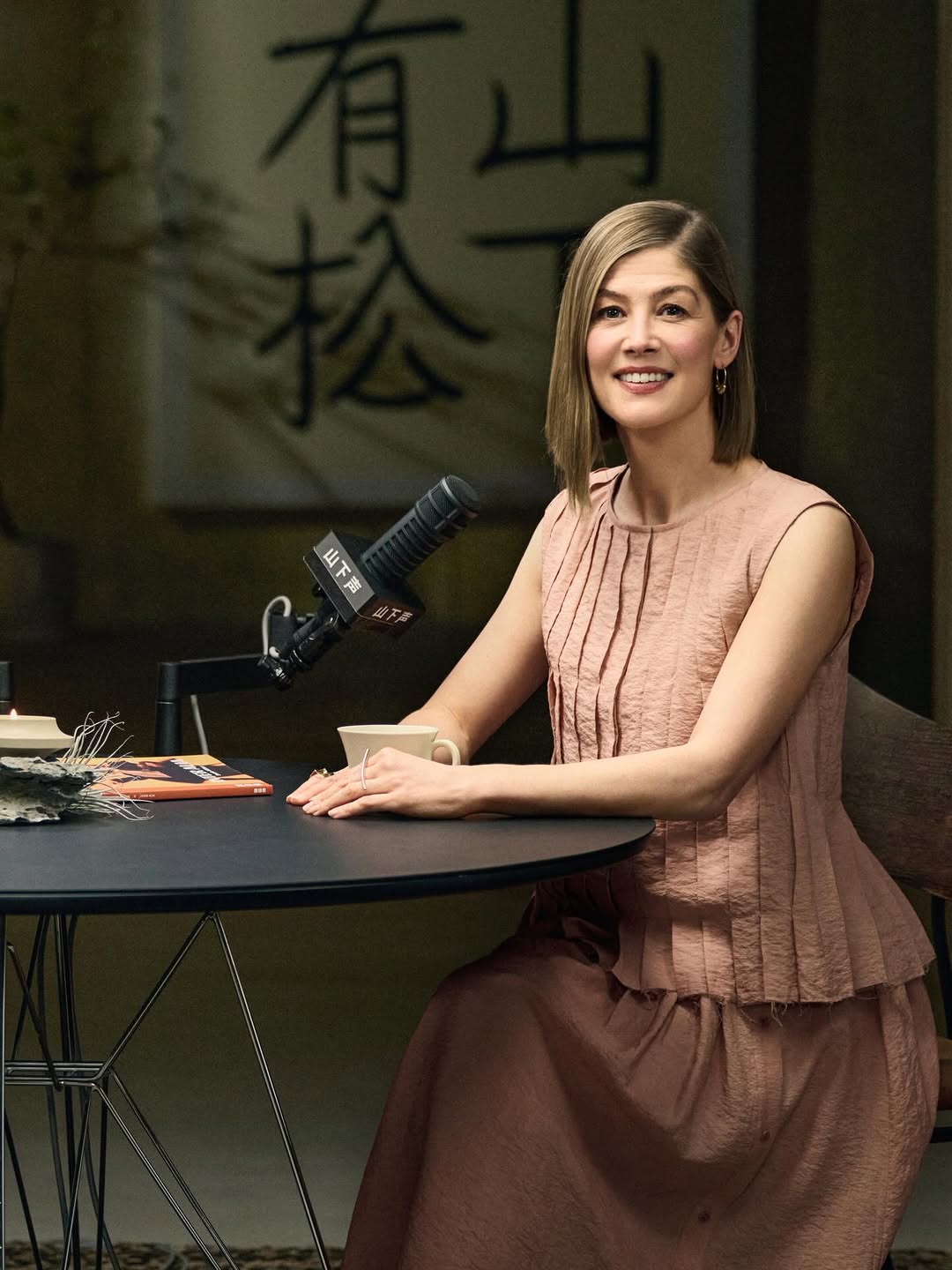
The brand has appeared at Paris Fashion Week, earned recognition from industry insiders, and landed on the BoF 500, Business of Fashion’s annual index of people shaping the global industry. And then you have legends such as the CEO of LVMH, who visited Songmont’s Shanghai store, announced, and walked out with two bags himself. This just goes to show the immediate impact the brand exudes.

Because Songmont’s rise says something larger about where contemporary Chinese creativity is heading. Across fashion, design, film, and music, there’s a growing confidence among younger Chinese brands and artists to stop filtering themselves through Western approval first. The result is work that feels more locally rooted and, paradoxically, more globally interesting.
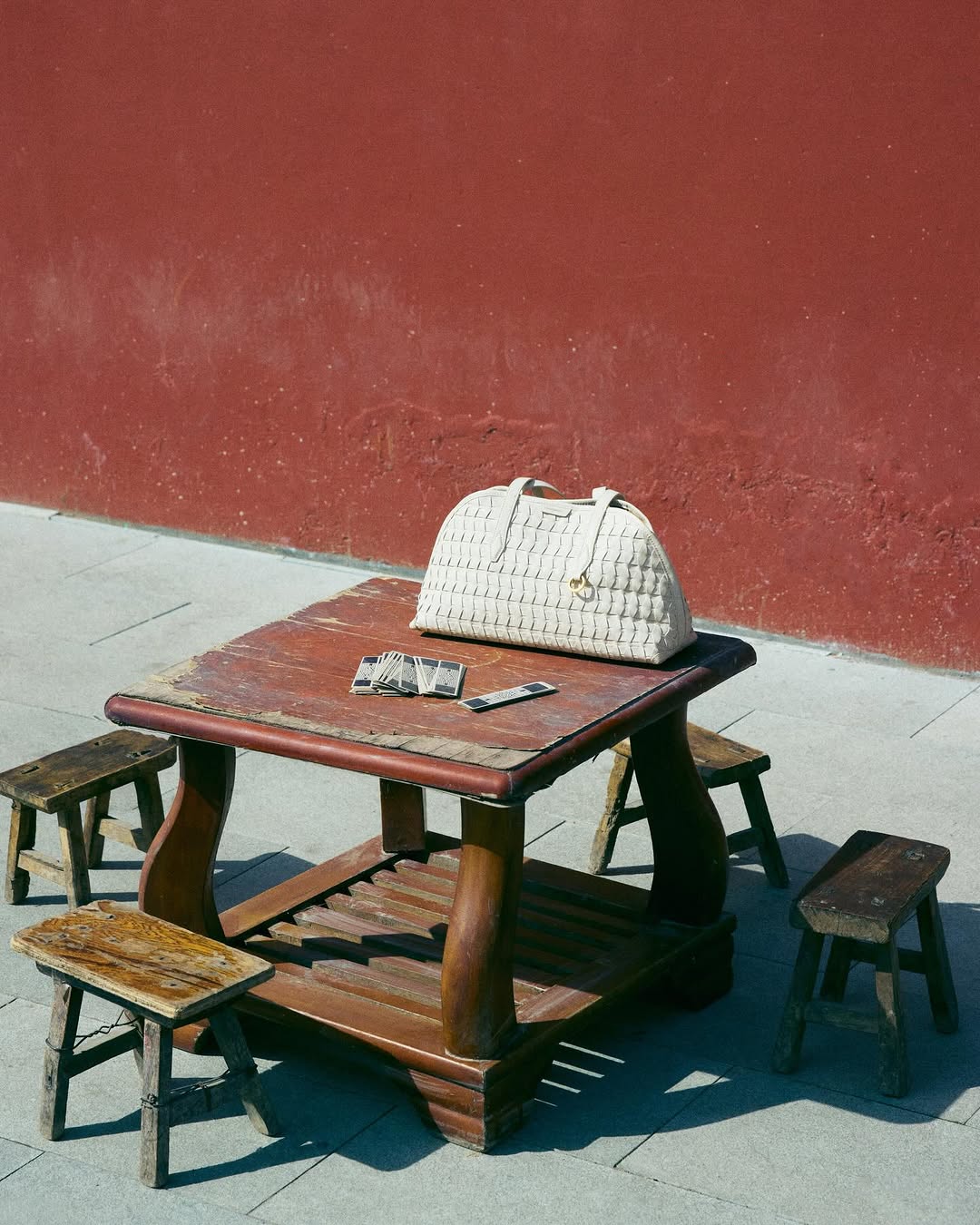
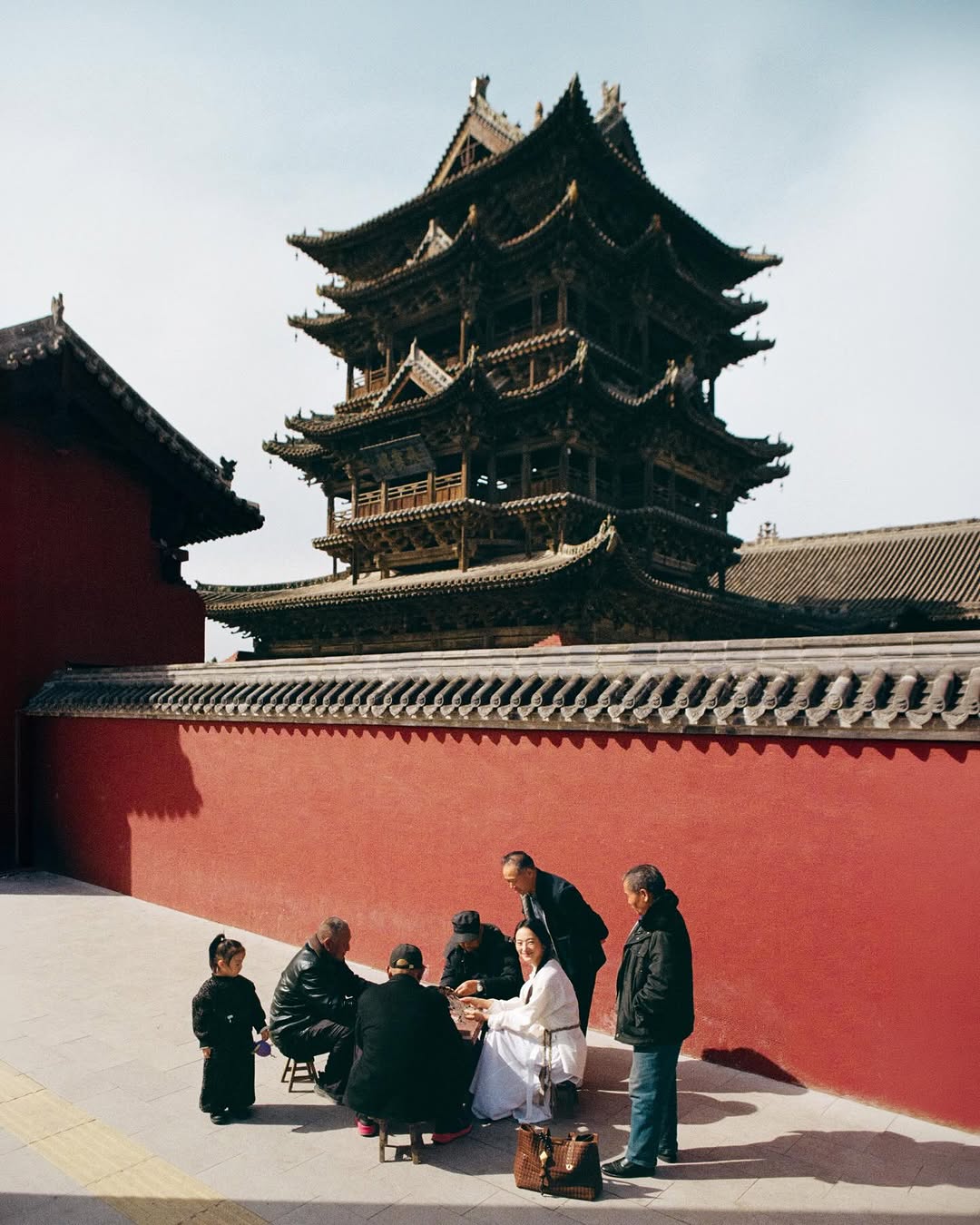
There’s also something refreshing about a luxury brand emerging from genuine necessity rather than manufactured mythology. Songmont didn’t invent an elaborate fantasy world to justify its existence. It simply solved a problem well, then layered culture, memory, and craftsmanship into the process over time. That authenticity can’t really be fabricated by marketing teams.

And maybe that’s why the bags resonate beyond China, too. In a moment where consumers are increasingly skeptical of performative luxury, Songmont offers an alternative vision, where value comes not from legacy alone, but from thoughtfulness, utility, and emotional permanence.

Songmont’s co-founders Wang Jei (left) and Fu Song (right). Image via Global Times.

A bag that carries your laptop is easy enough to design. A bag that quietly carries a sense of place, identity, and memory? That’s much harder. Songmont managed both.

All images via Songmont.

NEWSLETTER

Get weekly top picks and exclusive, newsletter only content delivered straight to you inbox.

NEWSLETTER

Get weekly top picks and exclusive, newsletter only content delivered straight to you inbox.

RADII NEWSLETTER

Get weekly top picks and exclusive, newsletter only content delivered straight to you inbox

Feature image of How a Hand-Stitched Tote Became China’s Coolest Luxury Bag Brand

How a Hand-Stitched Tote Became China’s Coolest Luxury Bag Brand

4 mins read

Songmont didn’t begin with a celebrity campaign, a billionaire investor, or a Parisian atelier. It started with a mother sewing a bag for her daughter—and somehow ended up changing the conversation around Chinese luxury.

For years, luxury fashion has sold the same fantasy on repeat: European heritage, impossible exclusivity, and a logo large enough to be spotted from across the street. Then came Songmont—a Shanxi-based handbag label that built its reputation almost in reverse.

No aristocratic backstory. No century-old leather workshop tucked away in Italy. No obsession with status signaling. Just a woman who needed a bag that actually worked for her life.

Back in 2013, founder Song was balancing work, motherhood, and the myriad logistics of modern adulthood when she realized something strange: despite the endless sea of luxury handbags on the market, none seemed designed for real people. The elegant ones lacked practicality. The functional ones felt clinical and uninspired. She wanted something softer—something capable of carrying both a laptop and the emotional weight of everyday life.

So her mother made one by hand.

The first design was simple: a laptop tote stitched together in rural Shanxi. But the response was immediate. Friends wanted one. Then strangers did too. Orders piled up. What started as a personal solution quietly evolved into one of China’s most influential independent luxury brands. More than a decade later, Songmont has become part of a wider shift happening inside Chinese fashion. One where local brands are no longer trying to imitate Western luxury so much as redefine it altogether, and that distinction matters.

Songmont’s craftwomen at the brand’s studio.

For a long time, the benchmark for luxury in China came from elsewhere. French fashion houses, Swiss watches, Italian leather goods—these were the accepted symbols of taste and success. Domestic brands often struggled to escape perceptions of being either mass-market or trend-driven. But younger Chinese consumers have increasingly started gravitating toward brands that feel culturally grounded rather than globally generic. They’re looking for design with texture, memory, and specificity. Not just another imported status symbol.

Songmont understands this instinct almost instinctively. Its bags are filled with references to Chinese visual culture, though rarely in obvious ways. The curves of certain silhouettes echo temple rooflines from Shanxi. Rounded forms reference lunar cycles. Hardware details draw from Silk Road caravan imagery. Some collections incorporate Tibetan tiger motifs or patterns inspired by Zhongyuan (中原) aesthetics.

Importantly, these references don’t feel like branding exercises engineered for social media captions. They’re integrated into the actual design language of the products. The cultural influence is structural, not decorative. That restraint is probably why the brand resonates so strongly.

A lot of fashion labels today approach heritage like a moodboard—pulling fragments of culture for aesthetic value without much emotional connection behind them. Songmont feels different because its relationship to craftsmanship comes from lived experience. Take their Lattice collection as an example—a series that embraces self-acceptance and inner balance that’s imbued into the bags’ patterns and design elements.

The company’s roots trace back to family making, rural artistry, and the founder’s own upbringing between tradition and modernity. Even the brand’s philosophy avoids the bombast that luxury marketing usually leans on. Songmont describes itself as being “crafted with Eastern poetry, where our companion quietly carries journey into memory.” That sentence sounds almost suspiciously soft in an era dominated by algorithmic fashion cycles and engineered hype drops. But maybe that’s exactly the point. Songmont’s success has come largely from refusing to participate in the noise.

While much of the luxury industry races toward louder branding and trend-chasing spectacle, Songmont has built an audience around intimacy. Its bags are designed less as trophies than companions. They’re objects that’s meant to age alongside the person carrying them.

And the global fashion world has started paying attention.

The brand has appeared at Paris Fashion Week, earned recognition from industry insiders, and landed on the BoF 500, Business of Fashion’s annual index of people shaping the global industry. And then you have legends such as the CEO of LVMH, who visited Songmont’s Shanghai store, announced, and walked out with two bags himself. This just goes to show the immediate impact the brand exudes.

Because Songmont’s rise says something larger about where contemporary Chinese creativity is heading. Across fashion, design, film, and music, there’s a growing confidence among younger Chinese brands and artists to stop filtering themselves through Western approval first. The result is work that feels more locally rooted and, paradoxically, more globally interesting.
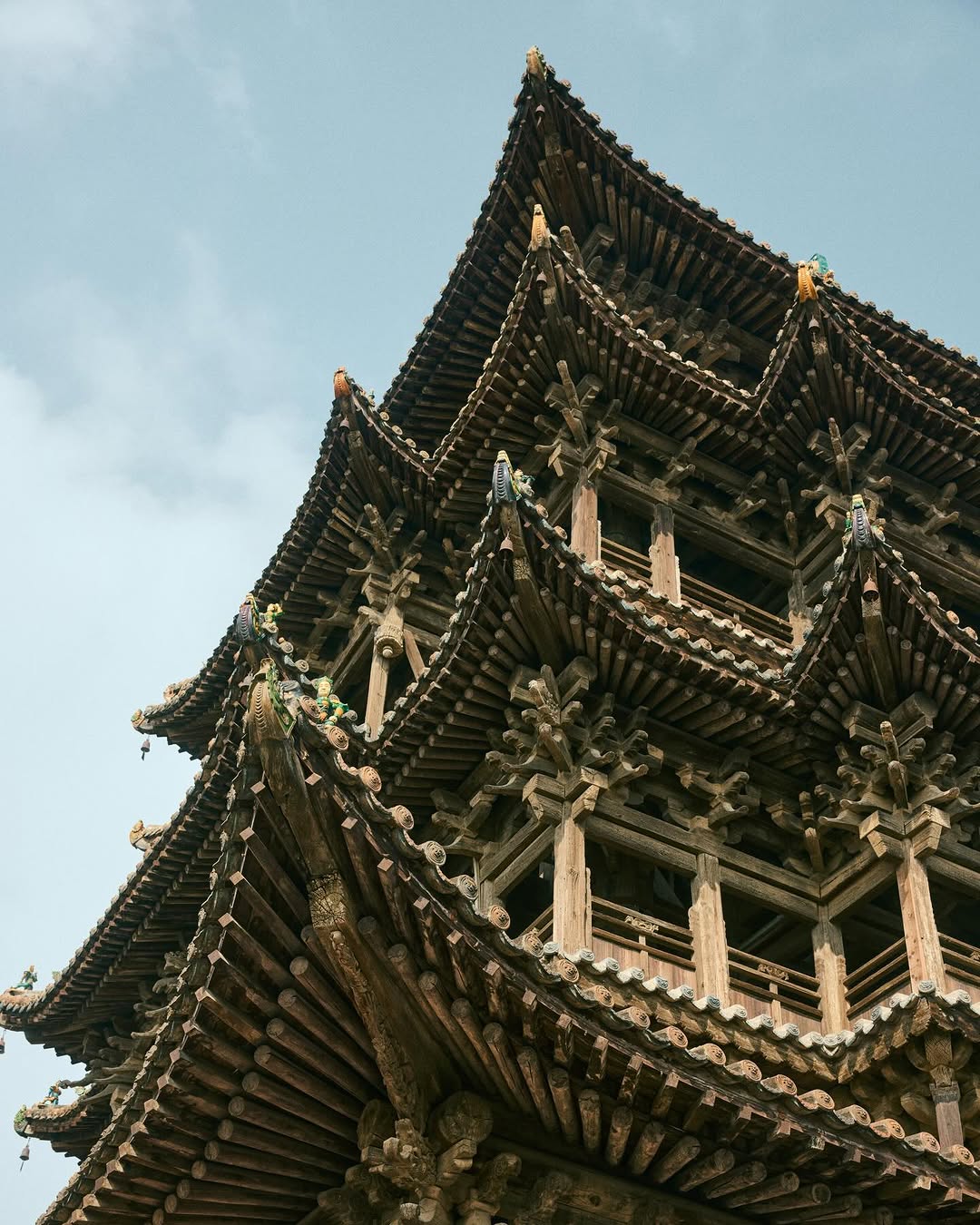
There’s also something refreshing about a luxury brand emerging from genuine necessity rather than manufactured mythology. Songmont didn’t invent an elaborate fantasy world to justify its existence. It simply solved a problem well, then layered culture, memory, and craftsmanship into the process over time. That authenticity can’t really be fabricated by marketing teams.

And maybe that’s why the bags resonate beyond China, too. In a moment where consumers are increasingly skeptical of performative luxury, Songmont offers an alternative vision, where value comes not from legacy alone, but from thoughtfulness, utility, and emotional permanence.
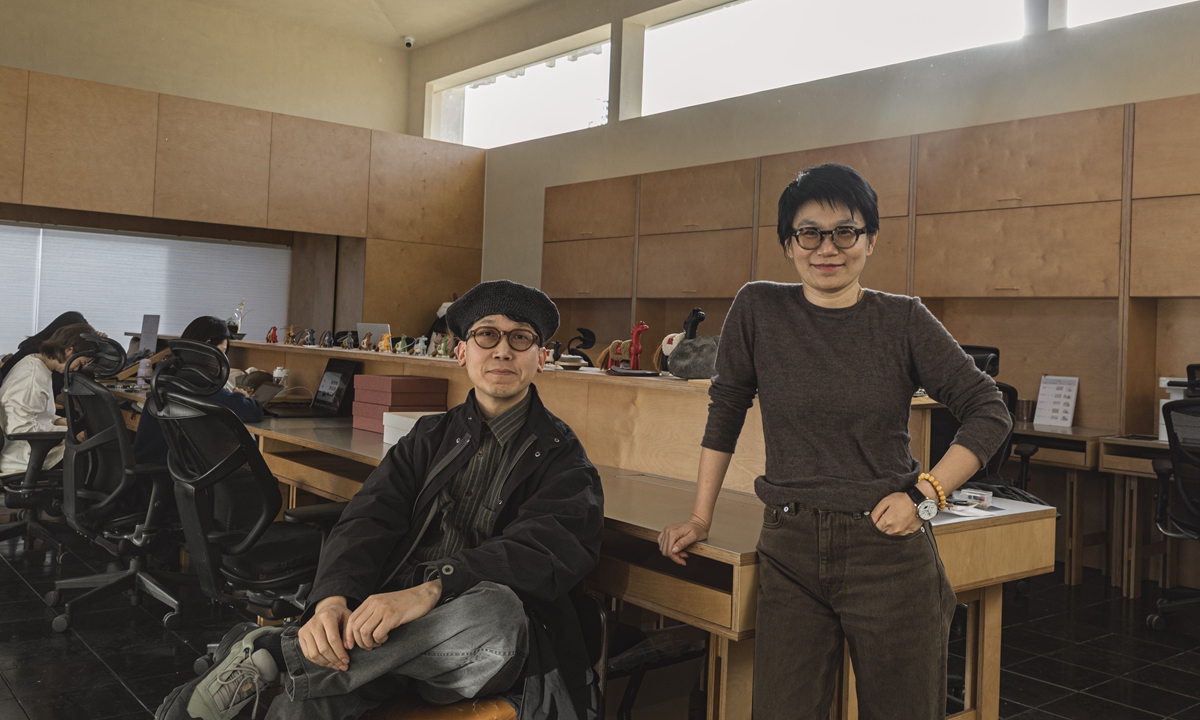
Songmont’s co-founders Wang Jei (left) and Fu Song (right). Image via Global Times.

A bag that carries your laptop is easy enough to design. A bag that quietly carries a sense of place, identity, and memory? That’s much harder. Songmont managed both.

All images via Songmont.

NEWSLETTER

Get weekly top picks and exclusive, newsletter only content delivered straight to you inbox.

RADII NEWSLETTER

Get weekly top picks and exclusive, newsletter only content delivered straight to you inbox

RADII newsletter pop up visual

NEWSLETTER​

Get weekly top picks and exclusive, newsletter only content delivered straight to you inbox

RADII Newsletter Pop Up small banner

NEWSLETTER

Get weekly top picks and exclusive, newsletter only content delivered straight to you inbox.

Link Copied!

Share

Feature image of How a Hand-Stitched Tote Became China’s Coolest Luxury Bag Brand

How a Hand-Stitched Tote Became China’s Coolest Luxury Bag Brand

Songmont didn’t begin with a celebrity campaign, a billionaire investor, or a Parisian atelier. It started with a mother sewing a bag for her daughter—and somehow ended up changing the conversation around Chinese luxury.

PULSE

Tap into the latest in music, fashion, art, design, entertainment, pop culture, celebrity news, and contemporary culture

DISCOVER

Embark on a journey through food, travel, wellness, heritage, traditional culture, and lifestyle

STYLE

An insider’s look at the intersection of fashion, art, and design

FEAST

Titillate your taste buds with coverage of the best food and drink trends from China and beyond.

FUTURE

Explore the cutting edge in tech, AI, gadgets, gaming, and innovative tech-related products

FEAST

Titillate your taste buds with coverage of the best food and drink trends from China and beyond

STYLE

An insider’s look at the intersection of fashion, art, and design

PULSE

Unpacking Chinese youth culture through coverage of nightlife, film, sports, celebrities, and the hottest new music