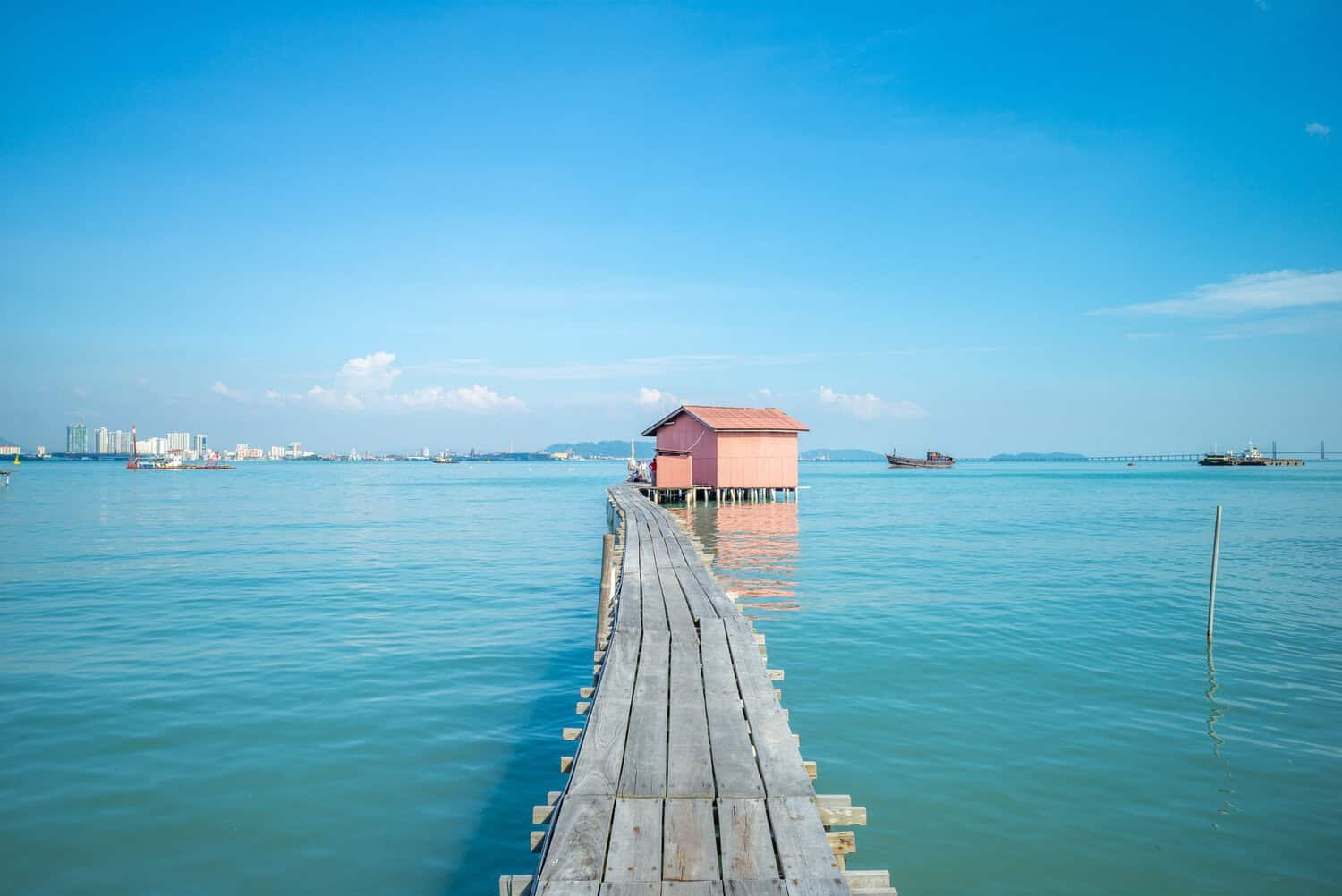

On most days, Chew Jetty feels like Penang on a smaller and less exuberant scale. There are aunties shelling prawns by the water’s edge, souvenir stalls selling fridge magnets and wooden keychains, and a steady stream of tourists inching along the narrow wooden planks with phones raised. It is one of George Town’s most recognisable sights, a place that has come to represent Penang’s maritime past and its long relationship with migration.
The jetty’s origins trace back to the late 19th century, when Chinese migrants from Fujian arrived in Penang in search of work and a more stable future. With limited means and little access to land, many settled along the coastline, building stilted homes over water. Clan jetties like Chew Jetty were formed around shared surnames, kinship ties, and mutual support. Over time, these wooden villages became permanent fixtures, enduring through changes as the island modernised around them.
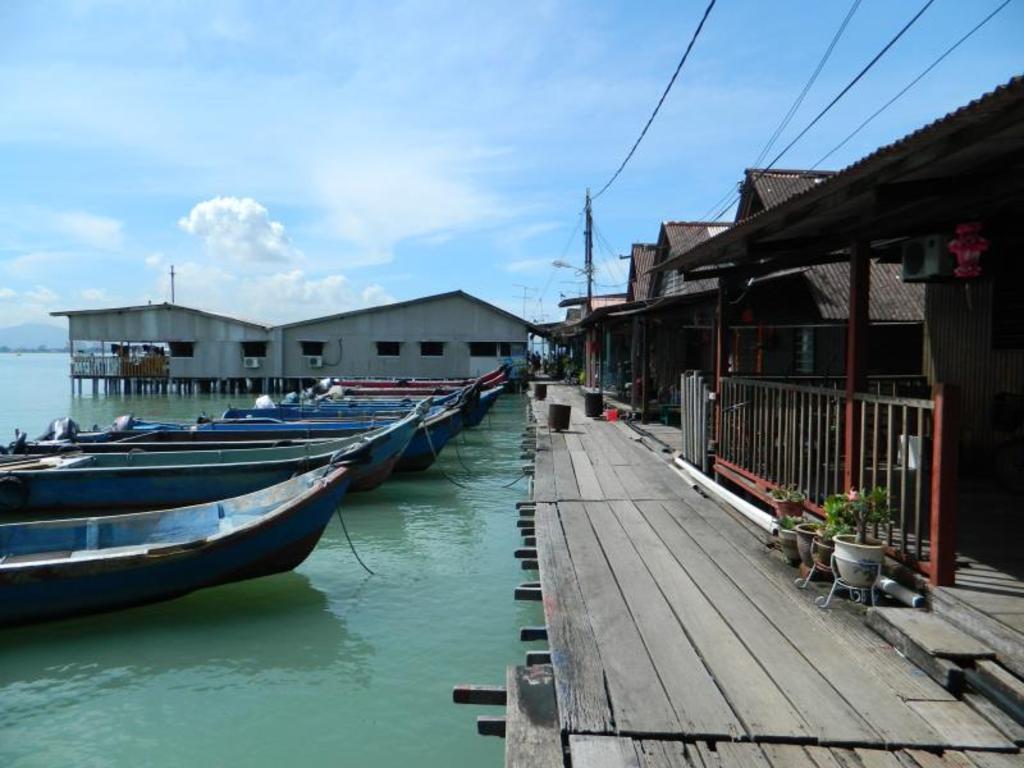
Today, Chew Jetty is no longer just a relic of the past. It is a living neighbourhood that sits at the intersection of heritage, tourism, and youth culture. And increasingly—and interestingly—it is drawing a younger, more visually driven crowd, particularly Chinese tourists who see Penang as more than a food destination.
Why Penang, and Why Now?
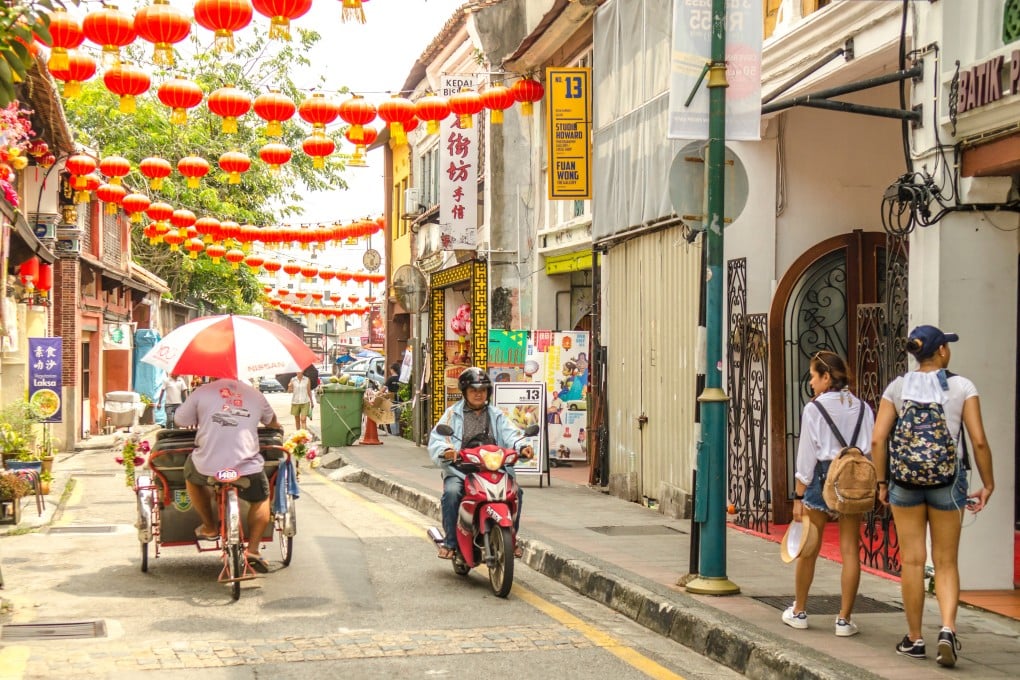
In recent years, Penang has emerged as one of the most popular overseas destinations for Chinese travellers. The appeal is both practical and familiar. Flights are relatively affordable, the local food scene is globally recognised, and Mandarin or Chinese dialects like Hokkien are widely spoken, even among non-Chinese locals. For many visitors, there is comfort in familiarity, paired with the excitement of being somewhere that still feels distinct.
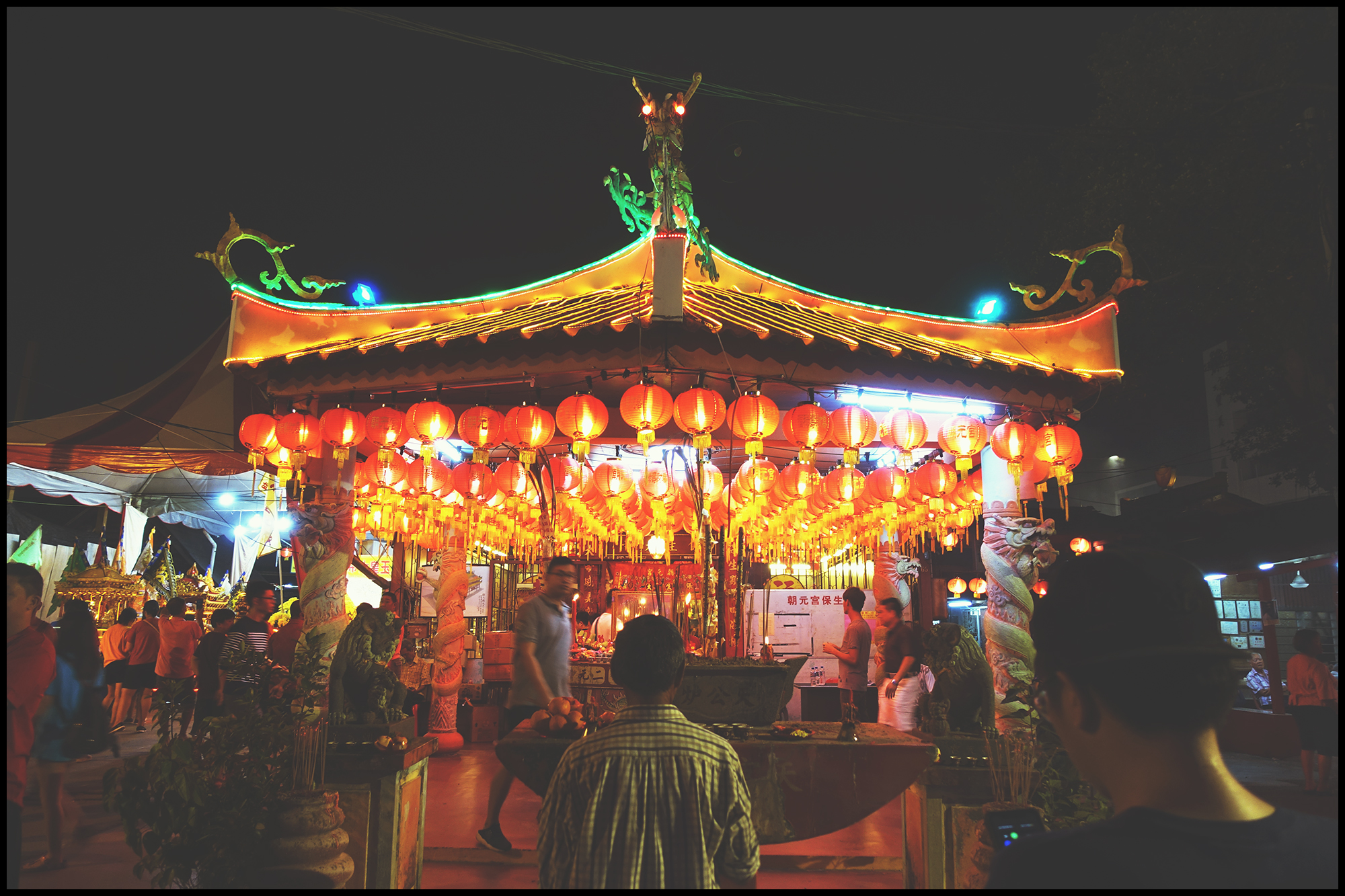
At the same time, Penang has cultivated a reputation that resonates strongly with Gen Z travellers, even among local youngsters from more urban areas. There is a growing specialty coffee and F&B scene, a renewed interest in heritage spaces, and an abundance of photogenic streetscapes that feel organic rather than overly curated. Chew Jetty, with its weathered wood, open horizons, and glimpses into everyday life, fits neatly into that cultural appetite.
Rather than treating it as a static attraction, younger visitors are approaching Chew Jetty as a place to wander, observe, and linger. And within the jetty itself are small youth-adjacent businesses that have begun to reflect that shift.
Klook.comA Gen Z–Leaning Walk Through Chew Jetty
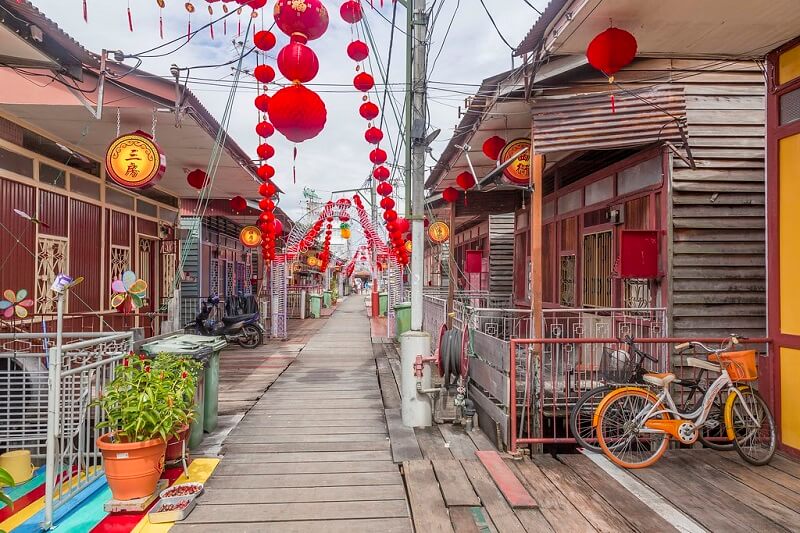
For many younger visitors, the experience of Chew Jetty begins with a simple walk. The uneven wooden planks, stilted homes hovering over the water, and the openness of daily life unfolding in plain sight feel worlds away from the dense, hyper-urban environments many Chinese tourists come from. Phones are out for spectacle. The appeal lies in contrast and texture. Early mornings and late afternoons are especially popular, when the light softens, and the jetty feels less like an attraction and more like a neighbourhood going about its day.
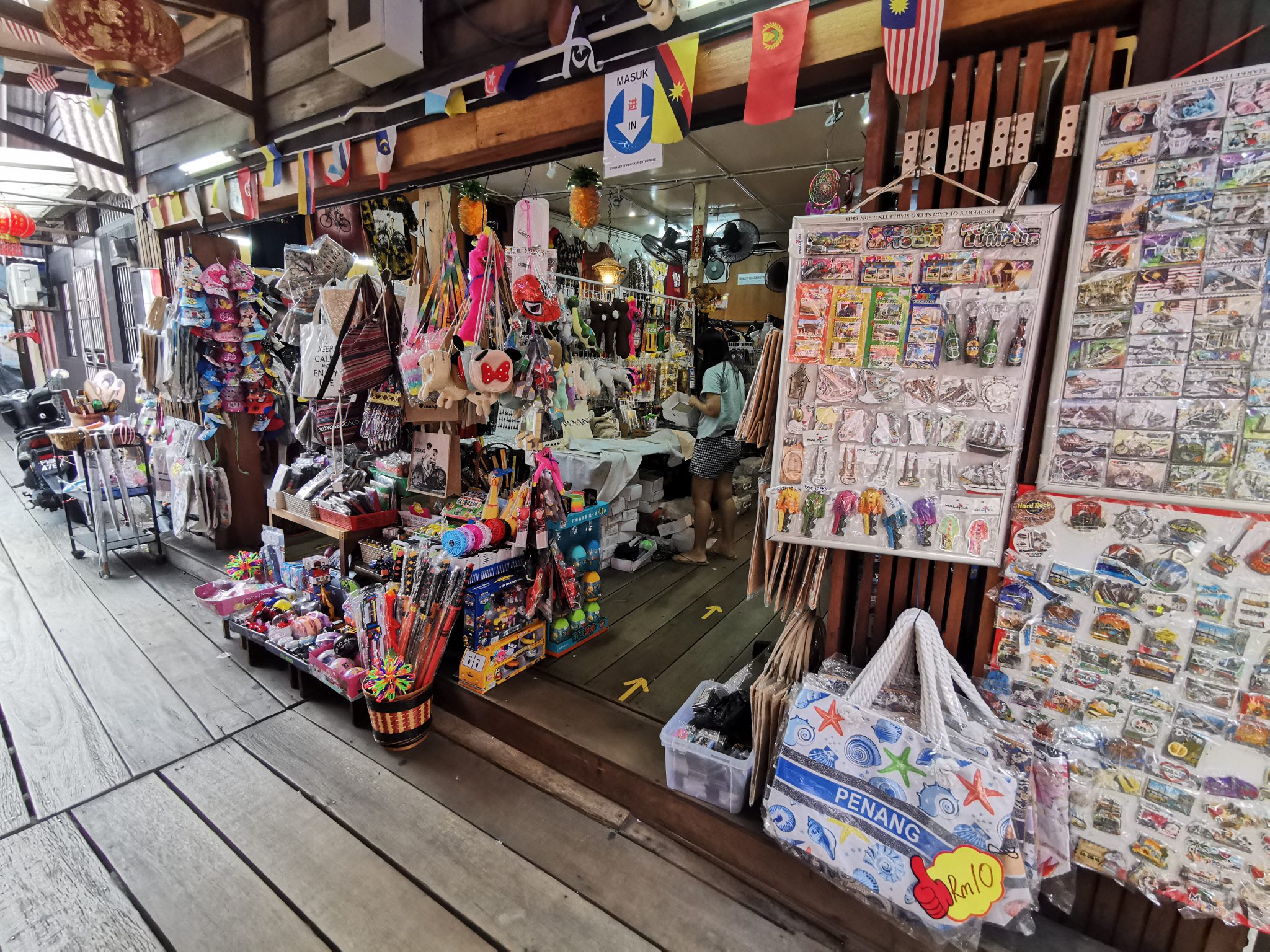
Scattered along the walkway are small souvenir stalls. Beyond the mass-produced keepsakes are handmade postcards, simple crafts, and locally made trinkets that feel more personal and considered. These spots tend to draw younger travellers who are increasingly selective about what they buy. Brief exchanges happen here, sometimes in Mandarin, sometimes in Hokkien, reinforcing one of Penang’s understated draws: the ease of communication.
The visit often stretches beyond the jetty itself. Nearby coffee shops have become natural extensions of the walk, shaped by Penang’s impressive coffee scene and Gen Z’s preference for slower, meandering itineraries. At the far end of the jetty, a small temple and the open sea offer a quieter counterpoint to the bustle near the entrance.
A Living Site of Diaspora

What gives Chew Jetty its staying power is not just its visual appeal, but its continuity. Despite the pressures of tourism, descendants of the Chew clan still live here, maintaining a way of life passed down through generations. Daily routines remain largely undisturbed despite the scale of popularity, which creates a layered experience that feels rare in cities shaped by rapid development.
For younger visitors, particularly those from the Chinese diaspora, the jetty becomes a point of connection rather than just a photo stop. It reflects migration stories that feel both distant and familiar, and at times even personal. The stilted homes speak to resilience and adaptation, while the surrounding city tells a broader story of how Penang has absorbed waves of movement without losing its character.
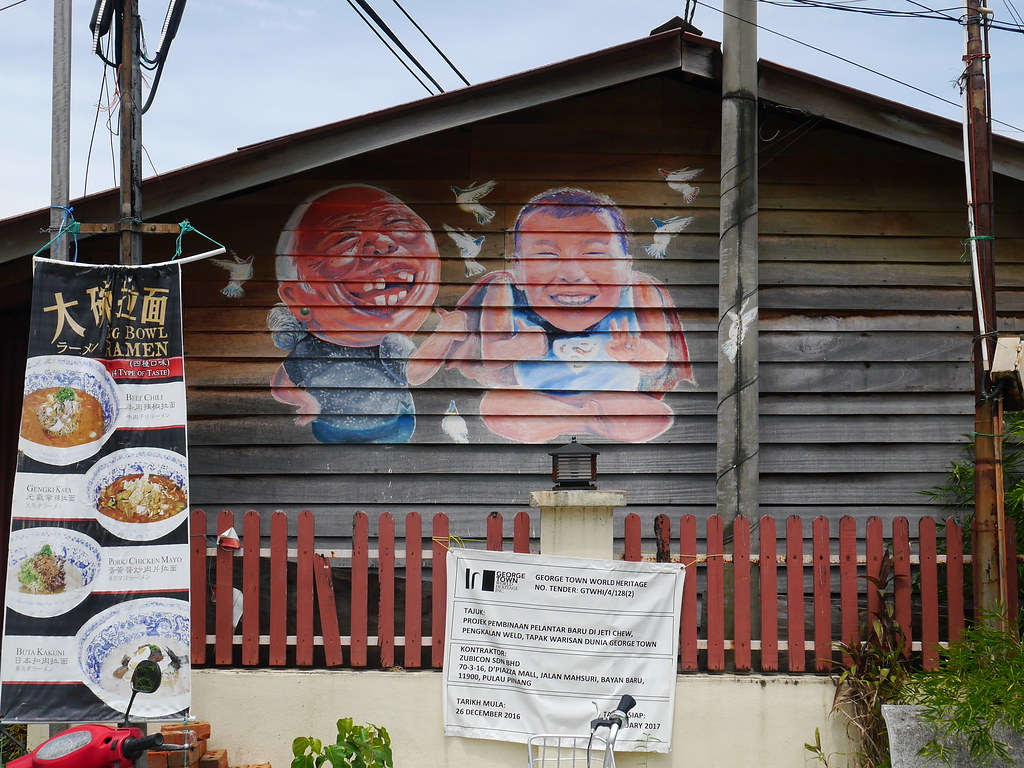
In many ways, Chew Jetty mirrors the island itself: rooted in history, shaped by migration, and increasingly reinterpreted by younger audiences searching for places that balance meaning and modernity. It may be one of Penang’s most photographed locations, but look closer, and it remains a place that champions slowing down.
Cover image via GastroTravelogue.