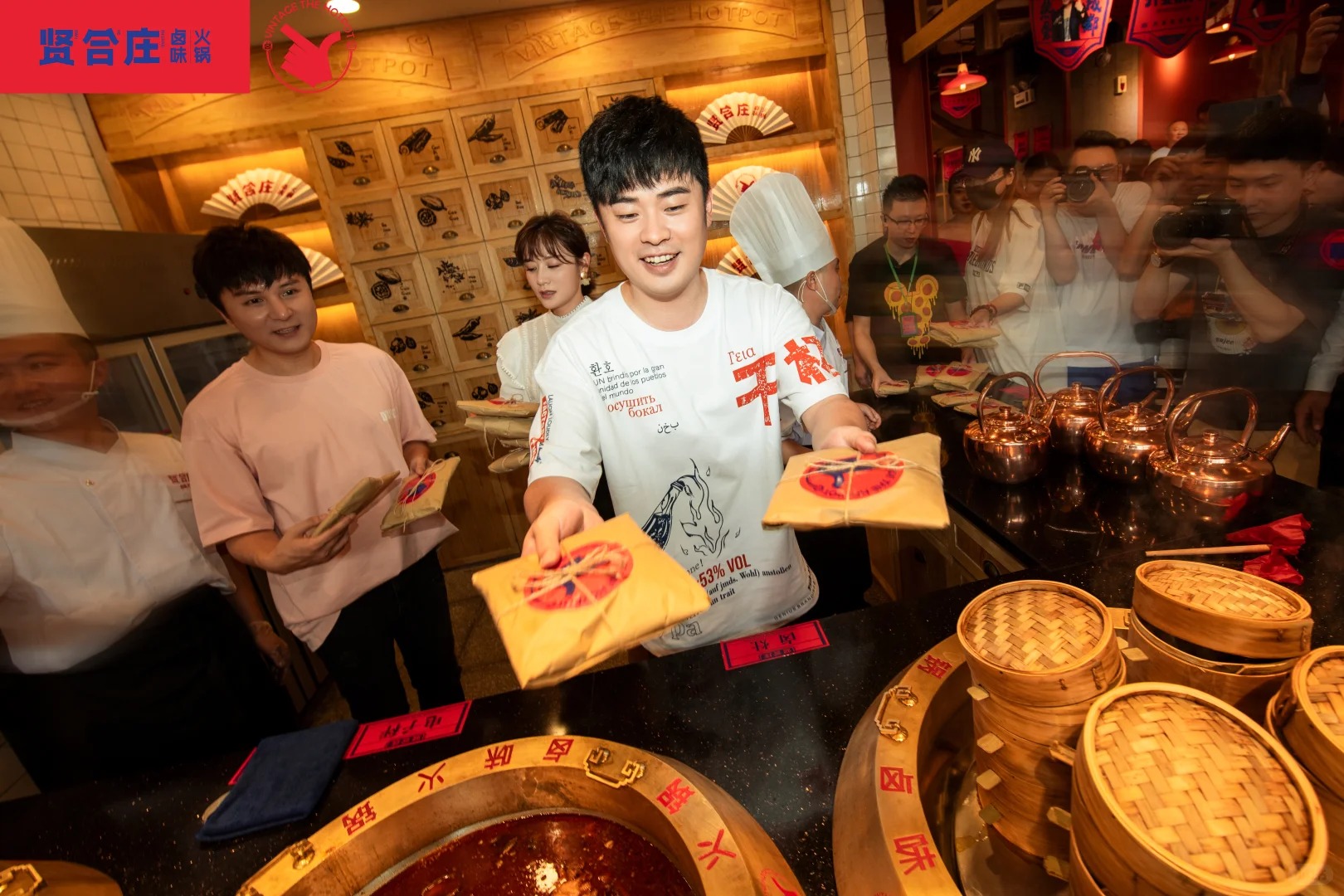

Feature image of The Rise and Fall of China’s Celebrity Hot Pot Empire

The Rise and Fall of China’s Celebrity Hot Pot Empire

2 mins read

2 mins read

Feature image of The Rise and Fall of China’s Celebrity Hot Pot Empire
RADII looks at how China’s celebrity hot Pot boom went from gold rush to ghost town.

For a while, opening a hot pot restaurant seemed like the ultimate celebrity side quest in China. Pop star Xue Zhiqian was one of the earliest believers. In the early 2010s, when his music career was struggling, he poured energy into Shangshangqian (上上谦), a hot pot chain that eventually expanded to more than 20 locations. Today, however, the brand has effectively disappeared from China’s restaurant landscape, with reports indicating that its final remaining stores have shut or scaled back operations as Xue focuses on a massively successful concert tour.
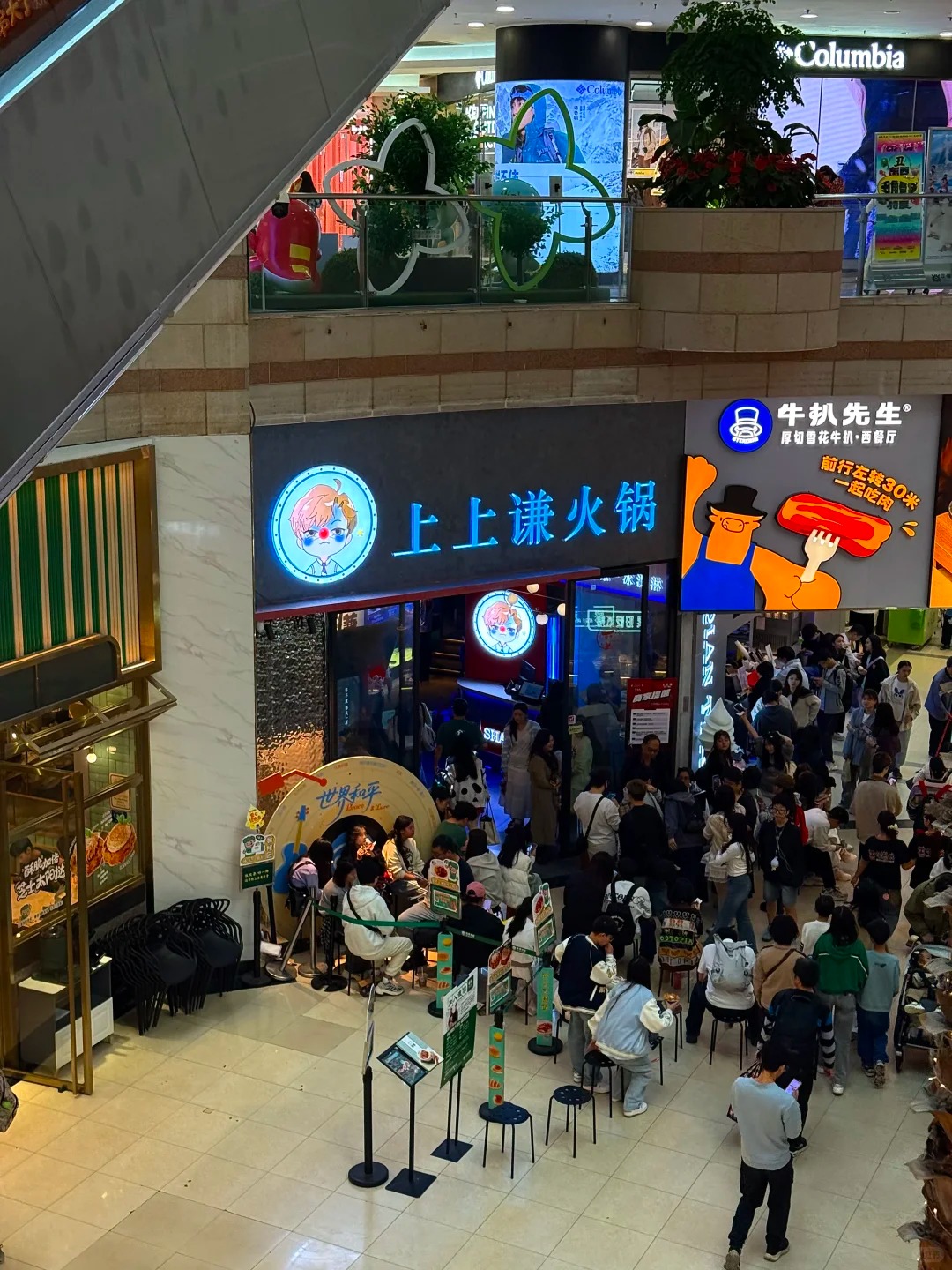
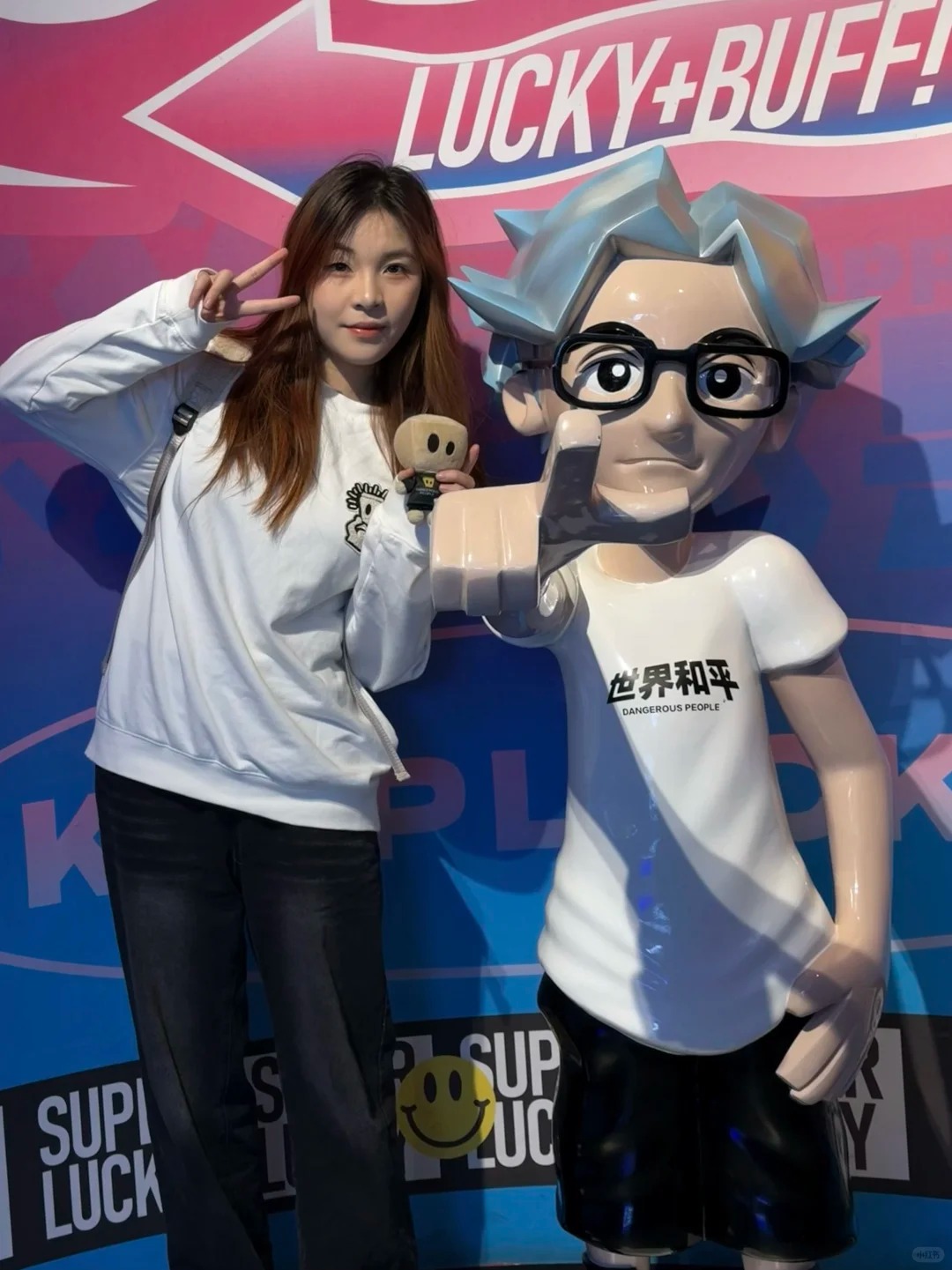
But Shangshangqian’s decline is bigger than one celebrity entrepreneur. It marks the end of an era.

More of Xue Zhiqian’s Shangshangqian reastaurant merch.

Throughout the 2010s, celebrity-backed restaurants became one of China’s hottest business trends. Actors Huang Xiaoming, Li Bingbing, and Ren Quan helped popularize the model through hot pot chain Re La Yi Hao (Hot & Spicy No. 1), which rapidly expanded across the country on the strength of star power alone.

The formula looked unbeatable: celebrity founders, viral social media buzz, endless fan check-ins, and lucrative franchise fees. Why spend millions on marketing when your Weibo following can do the work for free? Yet the celebrity halo turned out to be a poor substitute for actually running a restaurant.

Over the past few years, once-hyped brands including Xianhezhuang, Huofengxiang, and Re La Yi Hao have faced waves of closures as consumer curiosity faded and operational challenges mounted. Industry observers point to a familiar problem: traffic can get customers through the door once, but it can’t guarantee they’ll come back.

China’s restaurant sector has always been brutally competitive. Supply chains, food quality, service standards, and location strategy matter far more than celebrity selfies. As diners became more selective and franchisees demanded real returns, many star-backed ventures struggled to justify the hype.

The result is a cautionary tale about China’s influencer economy. Fame remains a powerful launchpad, but in the restaurant business, it turns out that hot pot isn’t immune to gravity. When the crowds disappear and the social media buzz cools, what survives isn’t celebrity status—it’s whether the food is actually worth lining up for.

All images via Xiaohongshu/Cover image of Chinese actor Chen He at his restaurant Xianhezhuan.

NEWSLETTER

Get weekly top picks and exclusive, newsletter only content delivered straight to you inbox.

NEWSLETTER

Get weekly top picks and exclusive, newsletter only content delivered straight to you inbox.

RADII NEWSLETTER

Get weekly top picks and exclusive, newsletter only content delivered straight to you inbox

Feature image of The Rise and Fall of China’s Celebrity Hot Pot Empire

The Rise and Fall of China’s Celebrity Hot Pot Empire

2 mins read

RADII looks at how China’s celebrity hot Pot boom went from gold rush to ghost town.

For a while, opening a hot pot restaurant seemed like the ultimate celebrity side quest in China. Pop star Xue Zhiqian was one of the earliest believers. In the early 2010s, when his music career was struggling, he poured energy into Shangshangqian (上上谦), a hot pot chain that eventually expanded to more than 20 locations. Today, however, the brand has effectively disappeared from China’s restaurant landscape, with reports indicating that its final remaining stores have shut or scaled back operations as Xue focuses on a massively successful concert tour.
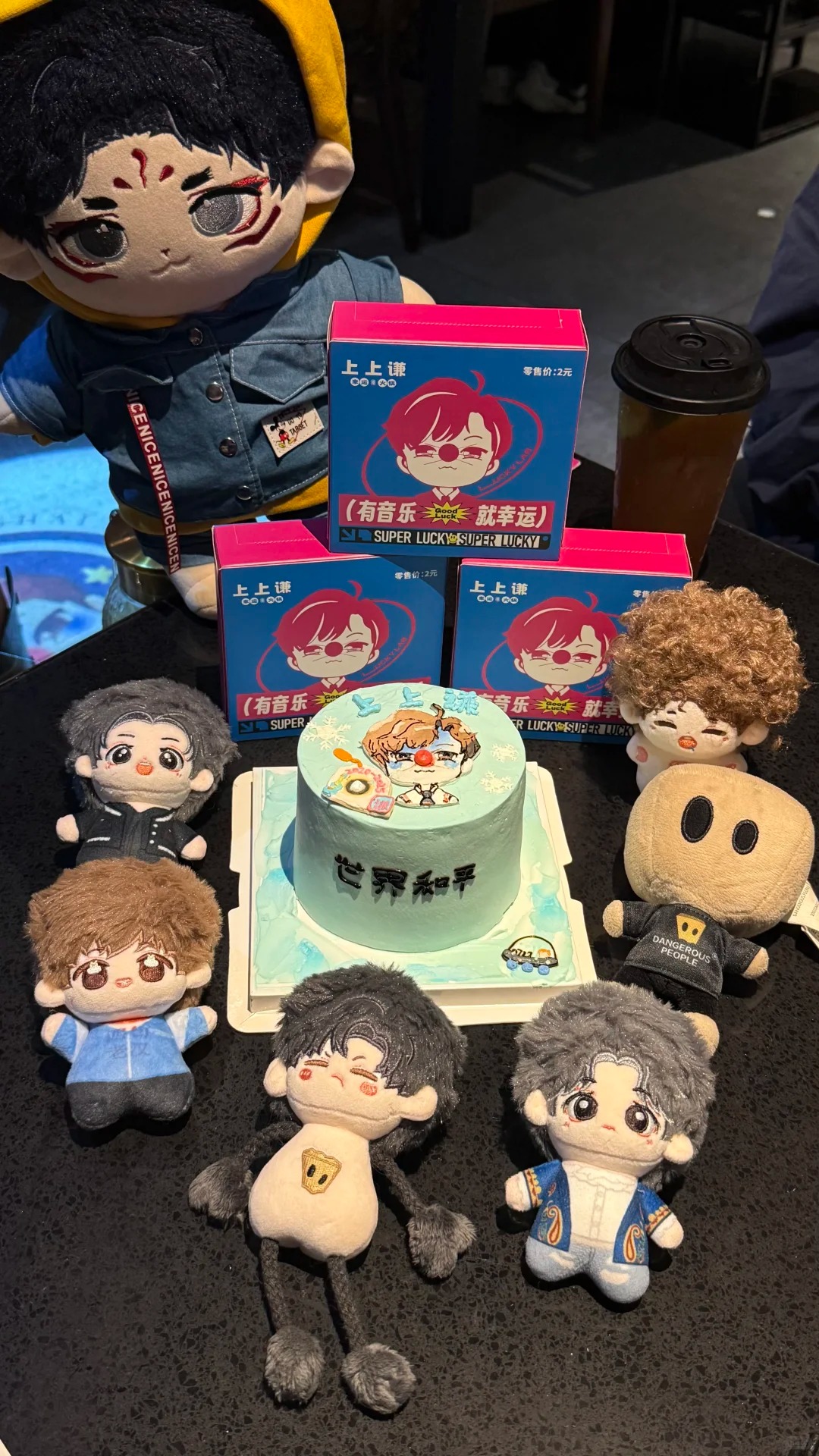
But Shangshangqian’s decline is bigger than one celebrity entrepreneur. It marks the end of an era.

More of Xue Zhiqian’s Shangshangqian reastaurant merch.

Throughout the 2010s, celebrity-backed restaurants became one of China’s hottest business trends. Actors Huang Xiaoming, Li Bingbing, and Ren Quan helped popularize the model through hot pot chain Re La Yi Hao (Hot & Spicy No. 1), which rapidly expanded across the country on the strength of star power alone.
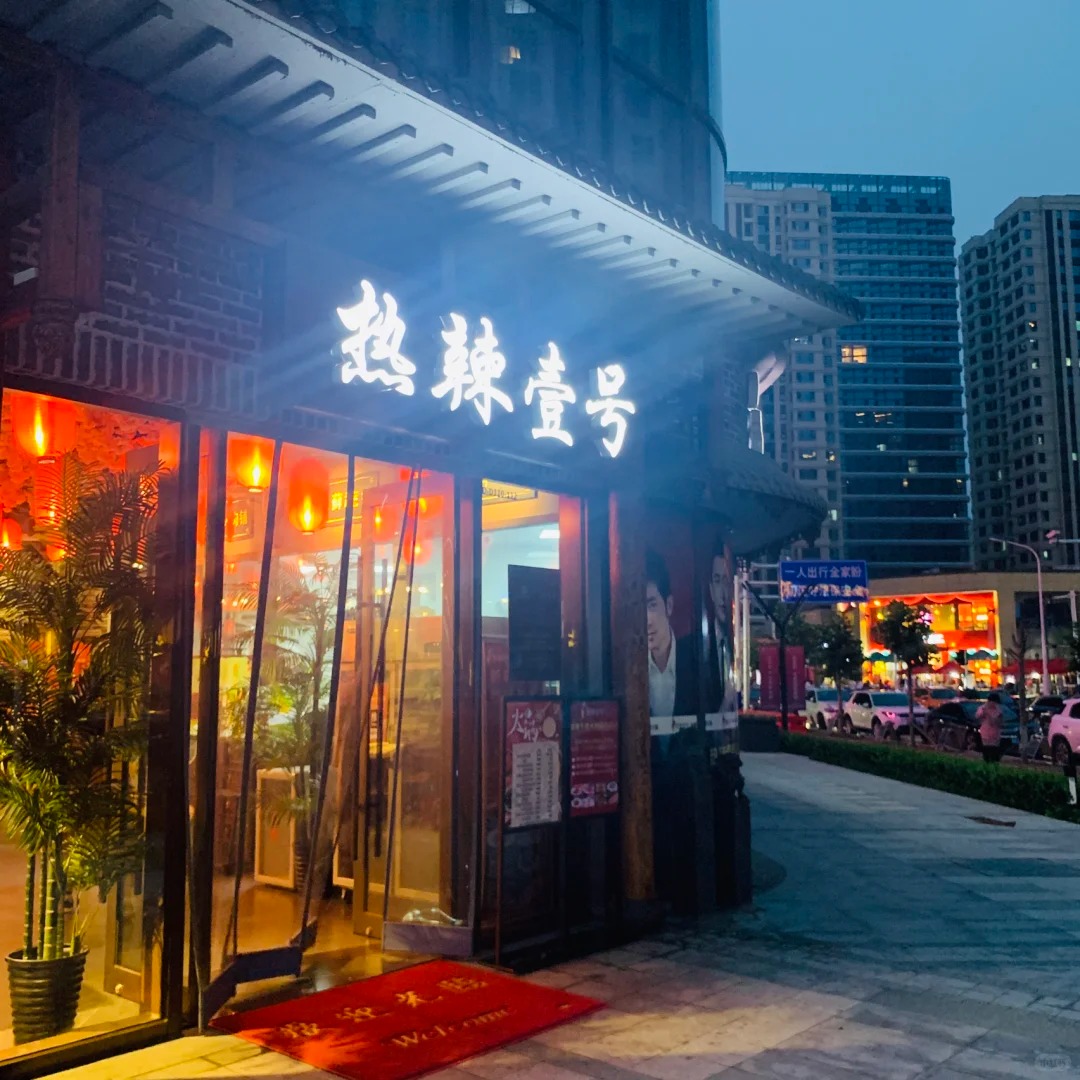
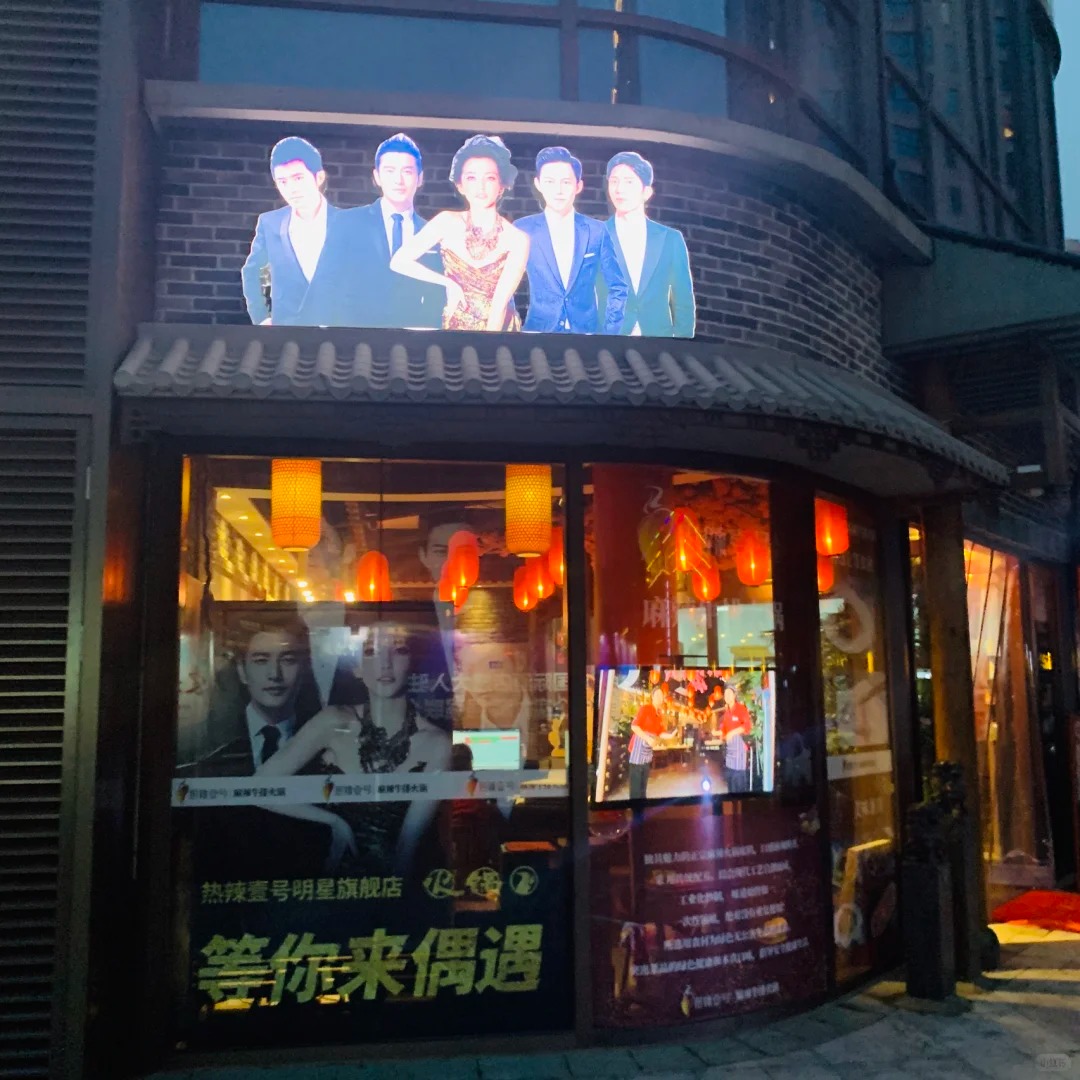
The formula looked unbeatable: celebrity founders, viral social media buzz, endless fan check-ins, and lucrative franchise fees. Why spend millions on marketing when your Weibo following can do the work for free? Yet the celebrity halo turned out to be a poor substitute for actually running a restaurant.

Over the past few years, once-hyped brands including Xianhezhuang, Huofengxiang, and Re La Yi Hao have faced waves of closures as consumer curiosity faded and operational challenges mounted. Industry observers point to a familiar problem: traffic can get customers through the door once, but it can’t guarantee they’ll come back.
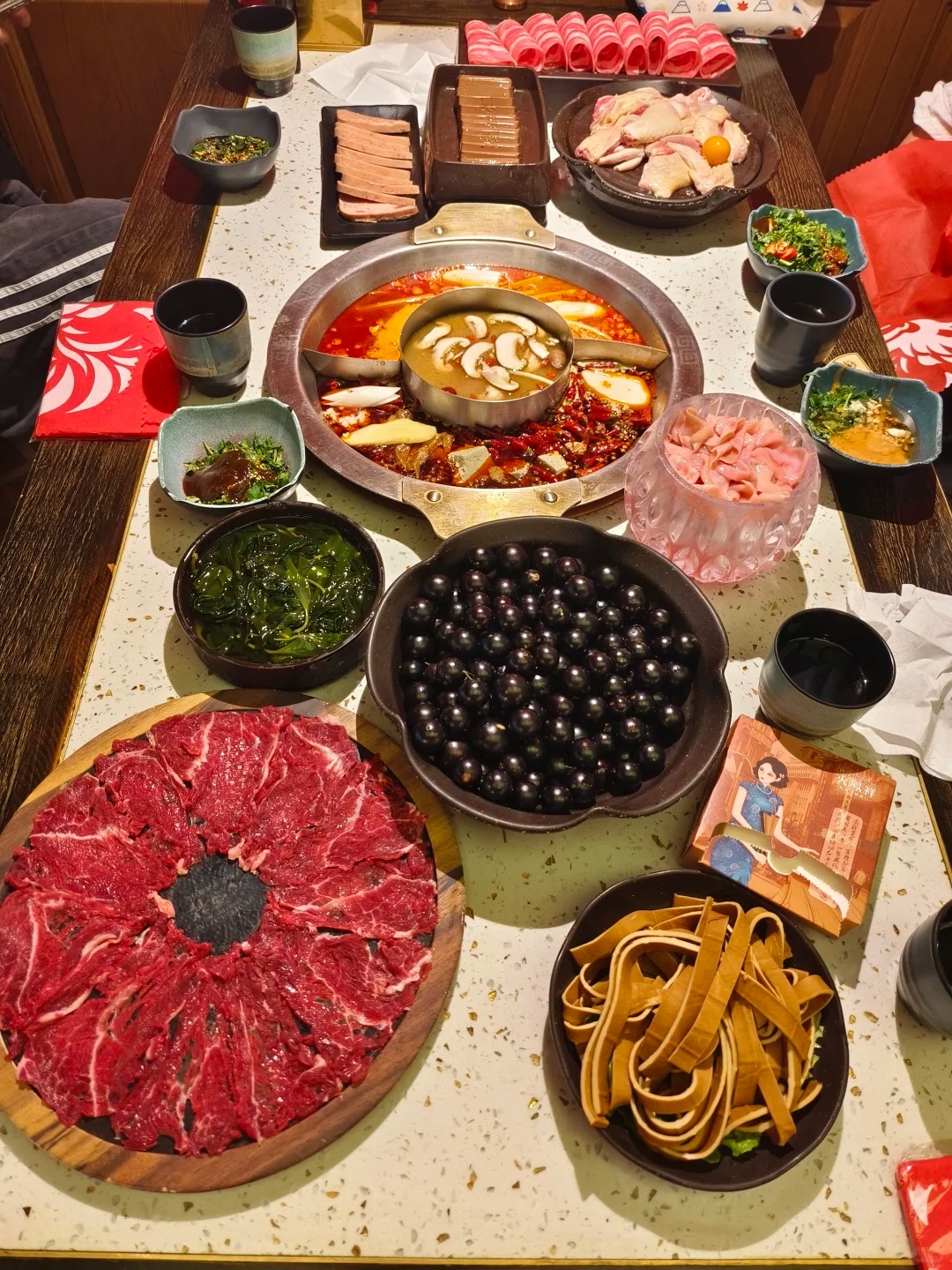
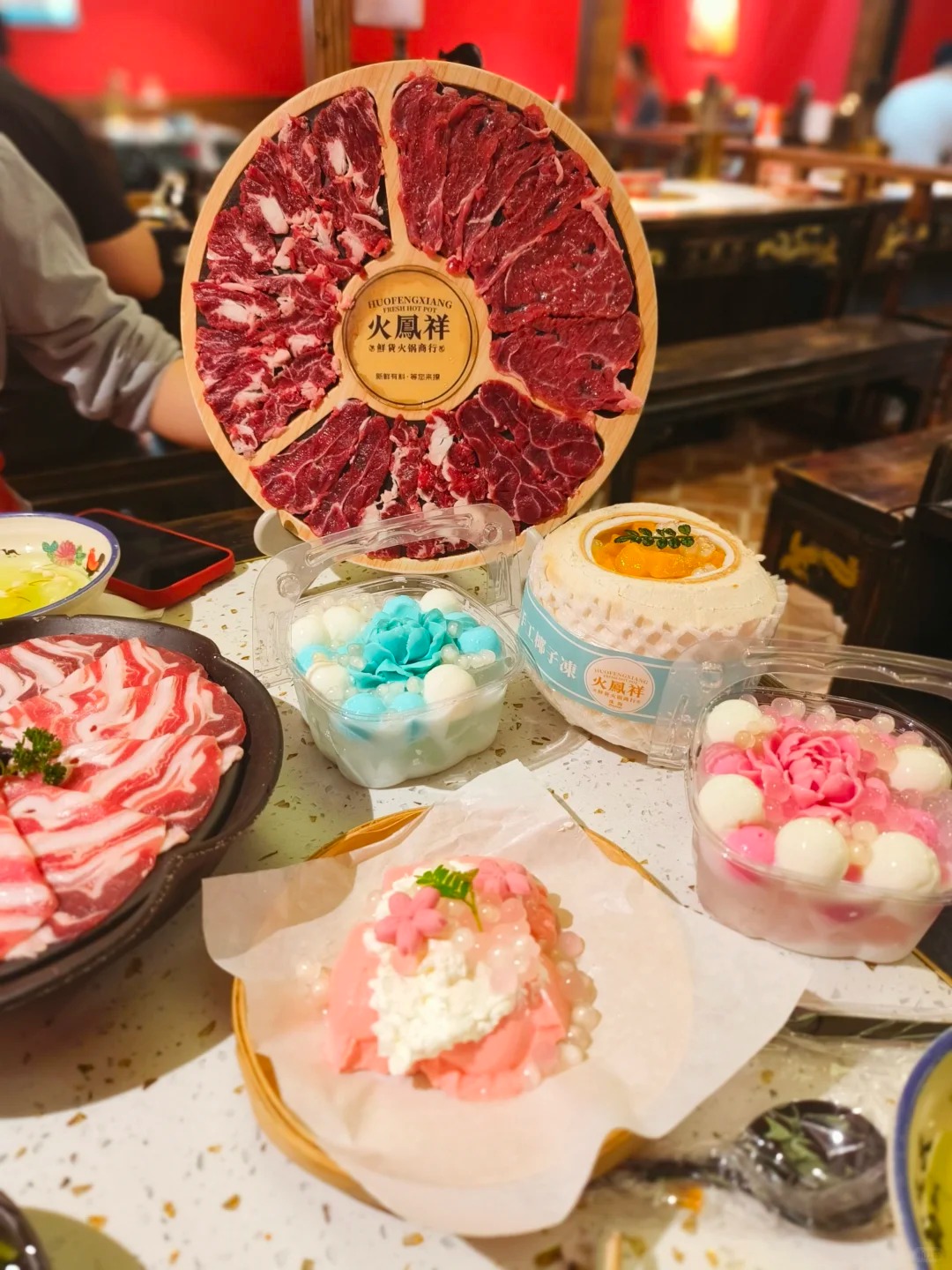
China’s restaurant sector has always been brutally competitive. Supply chains, food quality, service standards, and location strategy matter far more than celebrity selfies. As diners became more selective and franchisees demanded real returns, many star-backed ventures struggled to justify the hype.

The result is a cautionary tale about China’s influencer economy. Fame remains a powerful launchpad, but in the restaurant business, it turns out that hot pot isn’t immune to gravity. When the crowds disappear and the social media buzz cools, what survives isn’t celebrity status—it’s whether the food is actually worth lining up for.

All images via Xiaohongshu/Cover image of Chinese actor Chen He at his restaurant Xianhezhuan.

NEWSLETTER

Get weekly top picks and exclusive, newsletter only content delivered straight to you inbox.

RADII NEWSLETTER

Get weekly top picks and exclusive, newsletter only content delivered straight to you inbox

RELATED POSTS

Feature image of The Rise and Fall of China’s Celebrity Hot Pot Empire

The Rise and Fall of China’s Celebrity Hot Pot Empire

2 mins read

2 mins read

Feature image of The Rise and Fall of China’s Celebrity Hot Pot Empire
RADII looks at how China’s celebrity hot Pot boom went from gold rush to ghost town.

For a while, opening a hot pot restaurant seemed like the ultimate celebrity side quest in China. Pop star Xue Zhiqian was one of the earliest believers. In the early 2010s, when his music career was struggling, he poured energy into Shangshangqian (上上谦), a hot pot chain that eventually expanded to more than 20 locations. Today, however, the brand has effectively disappeared from China’s restaurant landscape, with reports indicating that its final remaining stores have shut or scaled back operations as Xue focuses on a massively successful concert tour.

But Shangshangqian’s decline is bigger than one celebrity entrepreneur. It marks the end of an era.

More of Xue Zhiqian’s Shangshangqian reastaurant merch.

Throughout the 2010s, celebrity-backed restaurants became one of China’s hottest business trends. Actors Huang Xiaoming, Li Bingbing, and Ren Quan helped popularize the model through hot pot chain Re La Yi Hao (Hot & Spicy No. 1), which rapidly expanded across the country on the strength of star power alone.

The formula looked unbeatable: celebrity founders, viral social media buzz, endless fan check-ins, and lucrative franchise fees. Why spend millions on marketing when your Weibo following can do the work for free? Yet the celebrity halo turned out to be a poor substitute for actually running a restaurant.

Over the past few years, once-hyped brands including Xianhezhuang, Huofengxiang, and Re La Yi Hao have faced waves of closures as consumer curiosity faded and operational challenges mounted. Industry observers point to a familiar problem: traffic can get customers through the door once, but it can’t guarantee they’ll come back.

China’s restaurant sector has always been brutally competitive. Supply chains, food quality, service standards, and location strategy matter far more than celebrity selfies. As diners became more selective and franchisees demanded real returns, many star-backed ventures struggled to justify the hype.

The result is a cautionary tale about China’s influencer economy. Fame remains a powerful launchpad, but in the restaurant business, it turns out that hot pot isn’t immune to gravity. When the crowds disappear and the social media buzz cools, what survives isn’t celebrity status—it’s whether the food is actually worth lining up for.

All images via Xiaohongshu/Cover image of Chinese actor Chen He at his restaurant Xianhezhuan.
NEWSLETTER

Get weekly top picks and exclusive, newsletter only content delivered straight to you inbox.

NEWSLETTER

Get weekly top picks and exclusive, newsletter only content delivered straight to you inbox.

RADII NEWSLETTER

Get weekly top picks and exclusive, newsletter only content delivered straight to you inbox

Feature image of The Rise and Fall of China’s Celebrity Hot Pot Empire

The Rise and Fall of China’s Celebrity Hot Pot Empire

2 mins read

RADII looks at how China’s celebrity hot Pot boom went from gold rush to ghost town.

For a while, opening a hot pot restaurant seemed like the ultimate celebrity side quest in China. Pop star Xue Zhiqian was one of the earliest believers. In the early 2010s, when his music career was struggling, he poured energy into Shangshangqian (上上谦), a hot pot chain that eventually expanded to more than 20 locations. Today, however, the brand has effectively disappeared from China’s restaurant landscape, with reports indicating that its final remaining stores have shut or scaled back operations as Xue focuses on a massively successful concert tour.

But Shangshangqian’s decline is bigger than one celebrity entrepreneur. It marks the end of an era.

More of Xue Zhiqian’s Shangshangqian reastaurant merch.

Throughout the 2010s, celebrity-backed restaurants became one of China’s hottest business trends. Actors Huang Xiaoming, Li Bingbing, and Ren Quan helped popularize the model through hot pot chain Re La Yi Hao (Hot & Spicy No. 1), which rapidly expanded across the country on the strength of star power alone.

The formula looked unbeatable: celebrity founders, viral social media buzz, endless fan check-ins, and lucrative franchise fees. Why spend millions on marketing when your Weibo following can do the work for free? Yet the celebrity halo turned out to be a poor substitute for actually running a restaurant.

Over the past few years, once-hyped brands including Xianhezhuang, Huofengxiang, and Re La Yi Hao have faced waves of closures as consumer curiosity faded and operational challenges mounted. Industry observers point to a familiar problem: traffic can get customers through the door once, but it can’t guarantee they’ll come back.

China’s restaurant sector has always been brutally competitive. Supply chains, food quality, service standards, and location strategy matter far more than celebrity selfies. As diners became more selective and franchisees demanded real returns, many star-backed ventures struggled to justify the hype.

The result is a cautionary tale about China’s influencer economy. Fame remains a powerful launchpad, but in the restaurant business, it turns out that hot pot isn’t immune to gravity. When the crowds disappear and the social media buzz cools, what survives isn’t celebrity status—it’s whether the food is actually worth lining up for.

All images via Xiaohongshu/Cover image of Chinese actor Chen He at his restaurant Xianhezhuan.
NEWSLETTER

Get weekly top picks and exclusive, newsletter only content delivered straight to you inbox.

RADII NEWSLETTER

Get weekly top picks and exclusive, newsletter only content delivered straight to you inbox

RADII newsletter pop up visual

NEWSLETTER​

Get weekly top picks and exclusive, newsletter only content delivered straight to you inbox

RADII Newsletter Pop Up small banner

NEWSLETTER

Get weekly top picks and exclusive, newsletter only content delivered straight to you inbox.

Link Copied!

Share

Feature image of The Rise and Fall of China’s Celebrity Hot Pot Empire

The Rise and Fall of China’s Celebrity Hot Pot Empire

RADII looks at how China’s celebrity hot Pot boom went from gold rush to ghost town.

PULSE

Tap into the latest in music, fashion, art, design, entertainment, pop culture, celebrity news, and contemporary culture

DISCOVER

Embark on a journey through food, travel, wellness, heritage, traditional culture, and lifestyle

STYLE

An insider’s look at the intersection of fashion, art, and design

FEAST

Titillate your taste buds with coverage of the best food and drink trends from China and beyond.

FUTURE

Explore the cutting edge in tech, AI, gadgets, gaming, and innovative tech-related products

FEAST

Titillate your taste buds with coverage of the best food and drink trends from China and beyond

STYLE

An insider’s look at the intersection of fashion, art, and design

PULSE

Unpacking Chinese youth culture through coverage of nightlife, film, sports, celebrities, and the hottest new music