Feature image of Yang Yongxin: China’s Real-Life Internet Addiction Horror Story

Yang Yongxin: China’s Real-Life Internet Addiction Horror Story

5 mins read

5 mins read

Feature image of Yang Yongxin: China’s Real-Life Internet Addiction Horror Story
Enough can be said about the horrors of Yang Yongxin when Chinese gamers vote him scarier than any fictional monster.

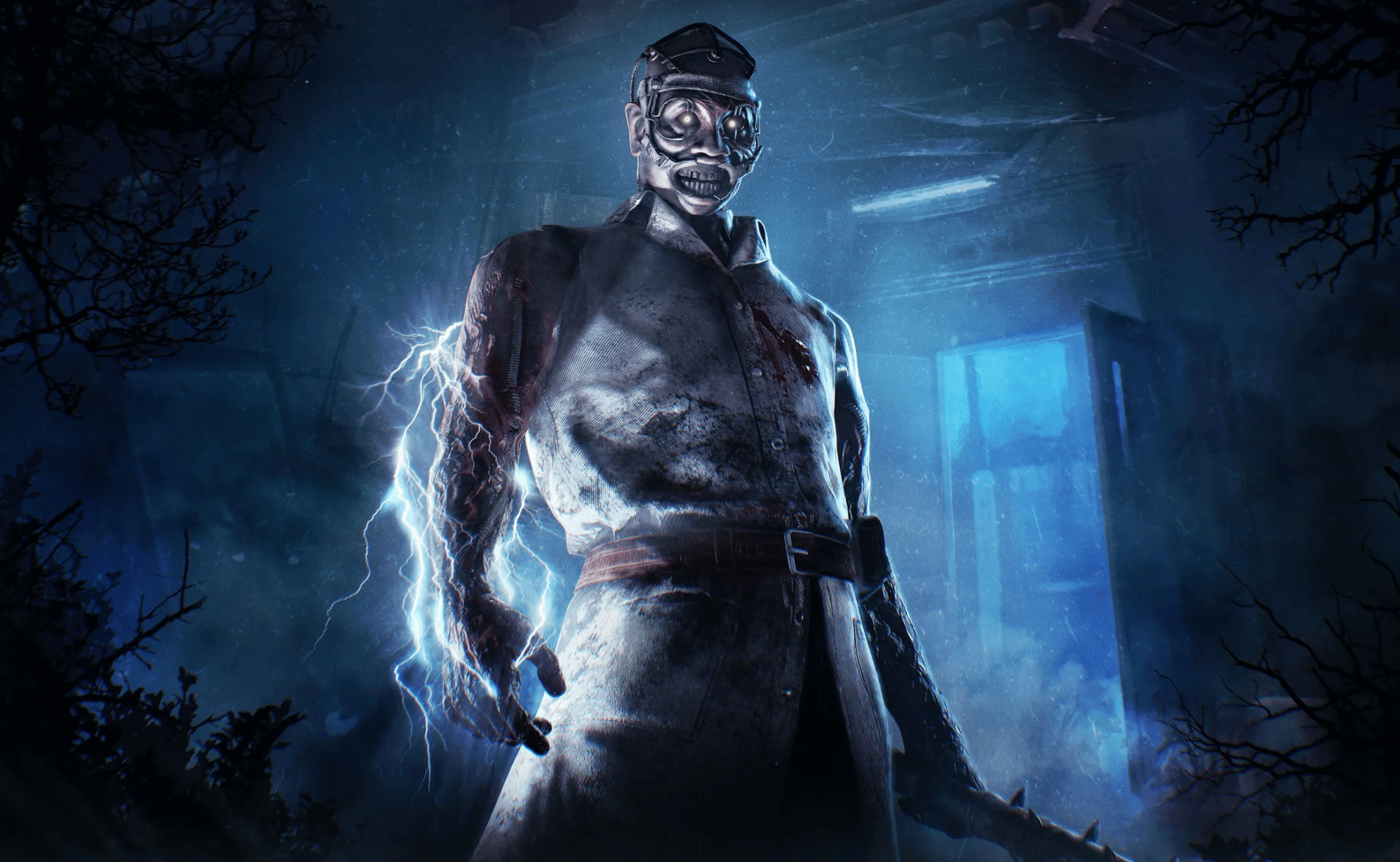
In 2017, the survival horror video game Dead by Daylight wanted to introduce a Chinese butcher character as a thank-you to its growing Chinese fan base. To better understand its audience, the developers held a poll on the Chinese Steam forum.

Options included classic figures from Chinese folklore, like the Black and White Impermanence (黑白无常), the two guardians of the underworld, and the White Bone Spirit (白骨精), a shapeshifting demon from Journey to the West. But it was the only real-life figure on the list who won by a landslide: Yang Yongxin.

To Chinese gamers, he is apparently far more terrifying than any mythological monster.

RADII explores China's internet addiction rehab industry and its most well known doctor Yang Yongxin.
Yang Yongxin. Image via 战网魔.

“It’s time for your treatment!” – The Doctor, Dead by Daylight.


In the mid-2000s, gaming and the internet were still in the Wild West era. Multiplayer online games and internet cafes consumed the after-school hours of Chinese kids. Titles like The Legend of Sword and Fairy, Counter-Strike, and World of Warcraft were popular favorites. But alongside the rise of video gaming came a growing moral panic around addiction. The term 网瘾少年 —“internet-addicted teen”—became a fixture in public discourse, to the point where it was synonymous with drug use and unfilialness.

Then, across China, private schools and medical facilities began offering treatments for internet addiction. It’s a miracle cure that promised to teach young people obedience. Inside, phones and other communication devices were banned. Military-style regulations governed daily routines, and harsh physical training was used to instill discipline. Over the years, former patients have reported practices including solitary confinement, physical abuse, and even sexual abuse.
RADII explores China's internet addiction rehab industry and its most well known doctor Yang Yongxin.
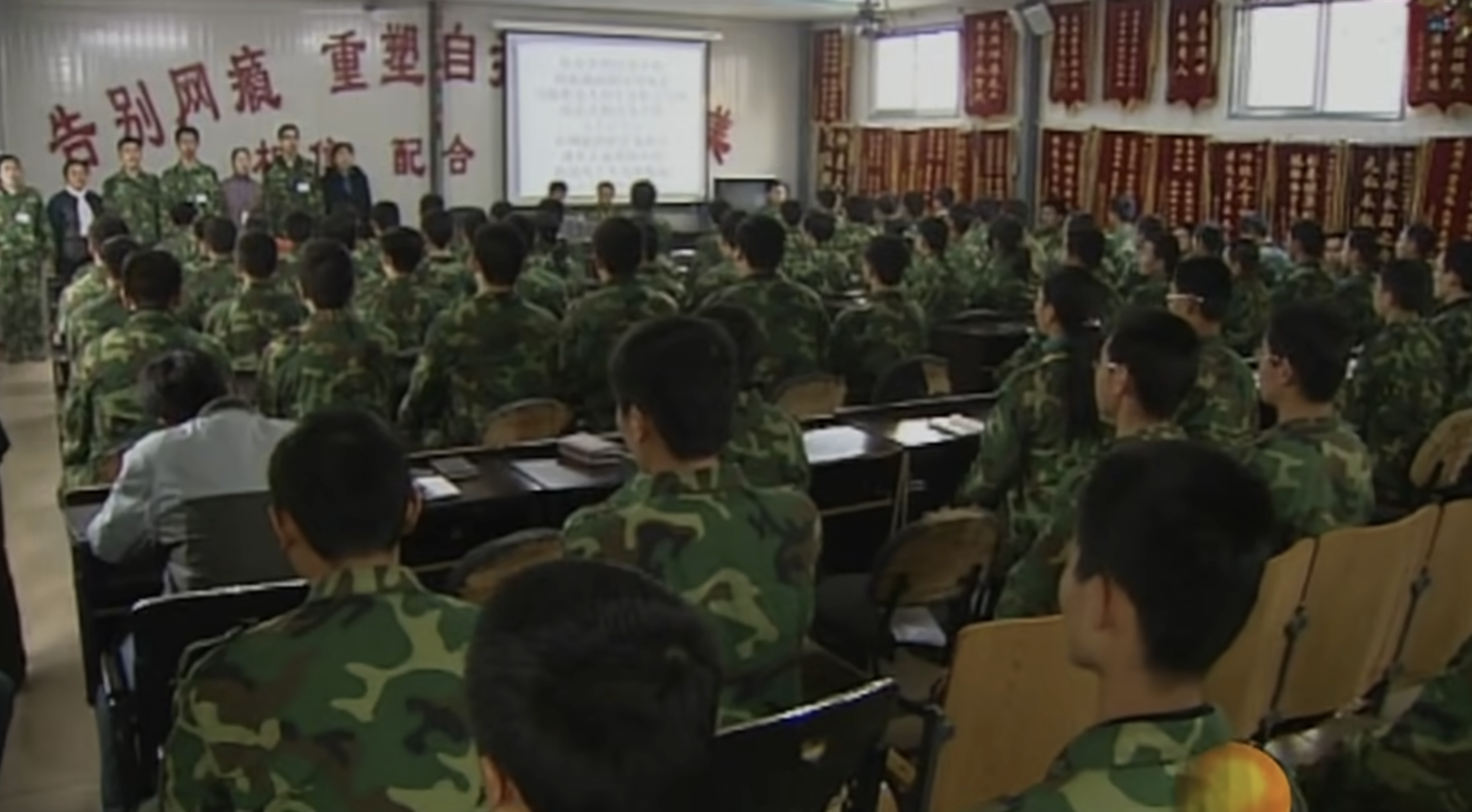
A seminar with the patients at the Linyi Internet Addiction Rehabilitation Center. Image via 战网魔.

In 2006, Yang Yongxin opened the Linyi Internet Addiction Rehabilitation Center and quickly became one of the country’s most recognizable figures in the internet addiction industry. But it wasn’t until the 2008 documentary Fighting the Internet Demon: Who Turned Our Geniuses into Beasts (战网魔) aired on television that Yang’s practice received national attention. To some parents, Yang was a savior. To his critics, he was a harm to society.

In Dead by Daylight, The Doctor was finalized as a neuroscientist known for electroshock torture and unethical human experimentation. Much of the same has been said for Yang Yongxin, except, of course, in real life.
RADII explores China's internet addiction rehab industry and its most well known doctor Yang Yongxin.
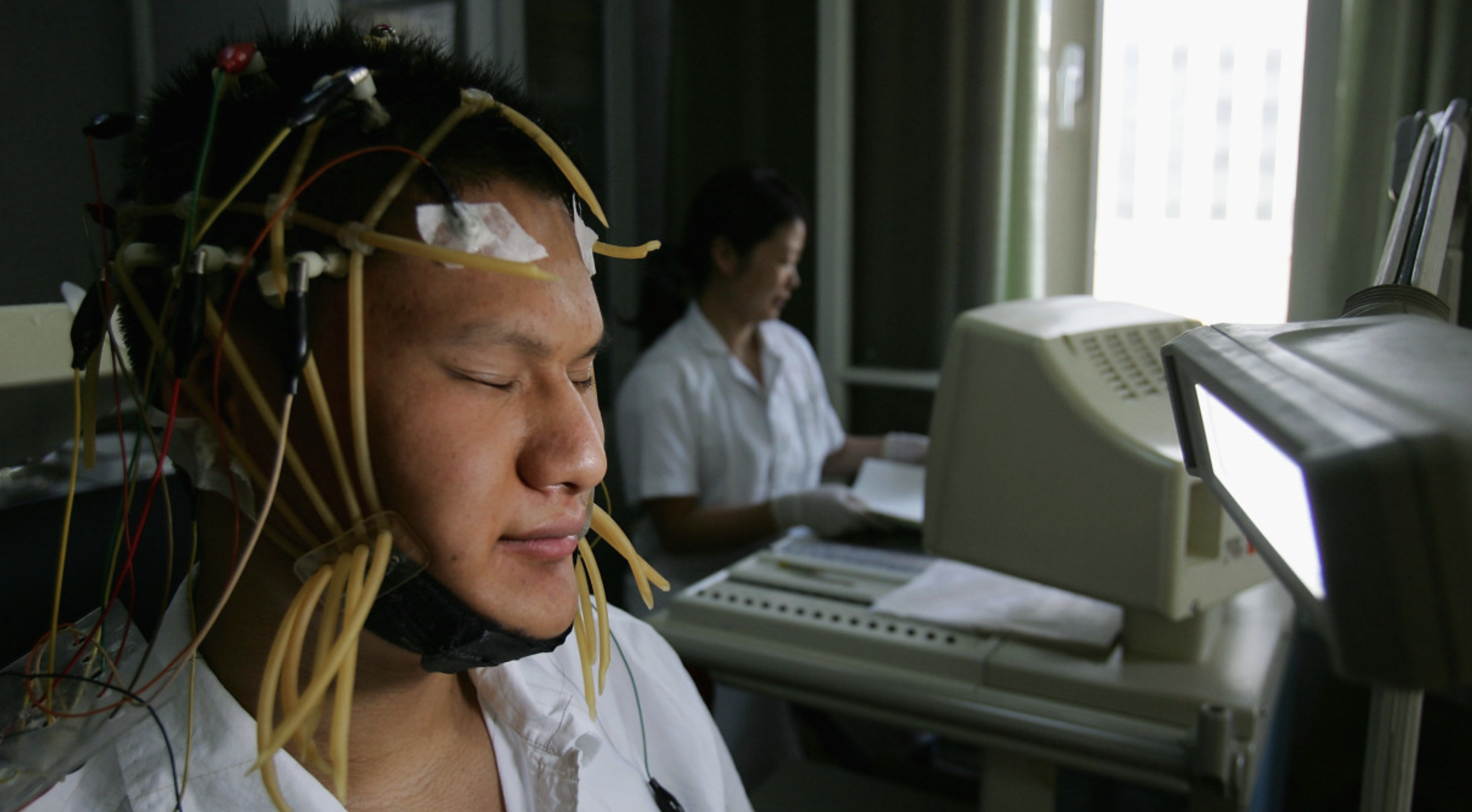
Patient receiving an electroencephalogram at a Beijing facility. Image via Getty Images.


One of China’s Four Great Classical Novels, Water Margin, tells the story of 108 heroes who rise against a corrupt government. When the heroes are sent to prison, they are first subjected to 一百杀威棒 — literally, “one hundred beatings to kill your fierceness.” The purpose is to break them down mentally and teach them the consequences of disobedience.

In the first episode of 战网魔, a girl arrives at Yang’s facility kicking and screaming, desperately resisting her parents. After 40 minutes of electroshock treatment in the infamous Room 13, her demeanor completely changed. She becomes calm and repeatedly apologizes to her parents. In another patient’s account, a young man described leaving Room 13 and immediately kneeling before his mother. “My mom raised me for 20 years, and I never listened to her,” he recalled. “Then I went in there for 20 minutes and came out completely changed.”

When you enter the rehabilitation center, your first treatment is an electroshock session followed by a confession of your wrongdoings. In other words, it’s the “one hundred beatings to kill your fierceness.”

RADII explores China's internet addiction rehab industry and its most well known doctor Yang Yongxin.
Parents thanking Yang. Image via 战网魔.

At the facility, patients referred to Yang Yongxin as “Uncle Yang.” During success-story conferences, patients and their guardians publicly thanked him, sometimes bowing at his feet. And it wasn’t only parents sending their rebellious teenagers to Uncle Yang. Adults were sent by their children, husbands by their wives, and anyone who was considered disobedient. Yang had a cure for everything, for everyone.

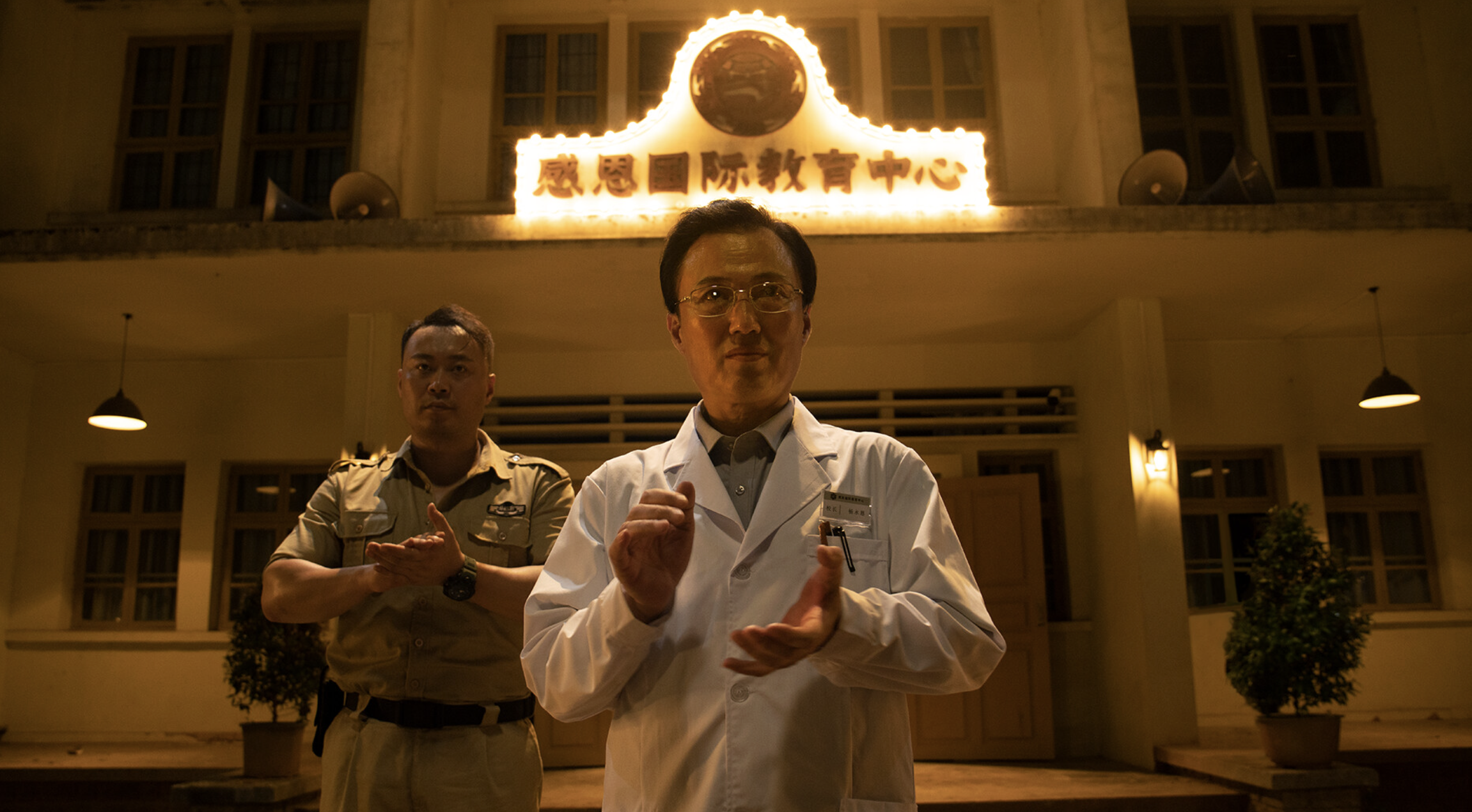
Online, netizens have jokingly referred to him as the Chinese Magento. And in the gaming world, Yang has appeared in Soul Knight, a Chinese roguelike shooting game, as well as Breakout 13, a 2023 survival game built around the premise of escaping an internet addiction school. It seems like Yang has reached a strange kind of cyber immortality.
RADII explores China's internet addiction rehab industry and its most well known doctor Yang Yongxin.
Principal Yang from Breakout 13. Image via ALT Lab.


The Linyi Internet Addiction Rehabilitation Center shut its doors in 2009, and Yang Yongxin largely faded from mainstream conversation. Yet he was never convicted of a crime and has reportedly continued practicing medicine. His rehab model did not disappear with the Linyi Center; Yang’s legacy can still be felt in the internet addiction facilities that followed in his footsteps.

On social media, there remains a steady stream of first-hand accounts documenting life inside such facilities. Most recently, a viral post on RedNote followed a young man who rescued his girlfriend from a facility her parents had allegedly tricked her into entering. There is no product without demand. At the end of the day, Yang is only the gun; the parents still have to pull the trigger.

RADII explores China's internet addiction rehab industry and its most well known doctor Yang Yongxin.
Advertisement for an internet addiction rehab center in Wuhan. Image via RedNote.

In China, filial piety remains a powerful cultural ideal. At the same time, these expectations have collided with a society that is still learning how to understand mental health and adolescent behavior problems without automatically treating them as moral failures. There is indeed a growing awareness, though; popular media has increasingly explored mental health issues affecting young adults and worked to chip away at the stigma surrounding them. But killing a taboo takes time.

And just as China moved on from the internet addiction panic of the 2000s, the digital world is heading into another Wild West. At ChinaJoy 2026 last month, Asia’s largest digital entertainment expo, the leading theme was “Level Up with AI.” As AI becomes increasingly embedded in everyday life, the way we interact with the internet is becoming more immersive too. Unlike the typical 网瘾少年 of the 2000s, this new type of digital dependence doesn’t just affect teenagers; AI can cater to any individual user.

As artificial intelligence and algorithmic technology become more sophisticated, the question of “internet addiction” may become even harder to answer. Which raises another uncomfortable question: when a new-gen digital addiction emerges, what will the next generation of “treatment” look like?

RADII explores China's internet addiction rehab industry and its most well known doctor Yang Yongxin.
ChinaJoy 2026. Image via RedNote.

Cover image via Behaviour Interactive.

NEWSLETTER

Get weekly top picks and exclusive, newsletter only content delivered straight to you inbox.

NEWSLETTER

Get weekly top picks and exclusive, newsletter only content delivered straight to you inbox.

RADII NEWSLETTER

Get weekly top picks and exclusive, newsletter only content delivered straight to you inbox

Feature image of Yang Yongxin: China’s Real-Life Internet Addiction Horror Story

Yang Yongxin: China’s Real-Life Internet Addiction Horror Story

5 mins read

Enough can be said about the horrors of Yang Yongxin when Chinese gamers vote him scarier than any fictional monster.

In 2017, the survival horror video game Dead by Daylight wanted to introduce a Chinese butcher character as a thank-you to its growing Chinese fan base. To better understand its audience, the developers held a poll on the Chinese Steam forum.

Options included classic figures from Chinese folklore, like the Black and White Impermanence (黑白无常), the two guardians of the underworld, and the White Bone Spirit (白骨精), a shapeshifting demon from Journey to the West. But it was the only real-life figure on the list who won by a landslide: Yang Yongxin.

To Chinese gamers, he is apparently far more terrifying than any mythological monster.

RADII explores China's internet addiction rehab industry and its most well known doctor Yang Yongxin.
Yang Yongxin. Image via 战网魔.

“It’s time for your treatment!” – The Doctor, Dead by Daylight.


In the mid-2000s, gaming and the internet were still in the Wild West era. Multiplayer online games and internet cafes consumed the after-school hours of Chinese kids. Titles like The Legend of Sword and Fairy, Counter-Strike, and World of Warcraft were popular favorites. But alongside the rise of video gaming came a growing moral panic around addiction. The term 网瘾少年 —“internet-addicted teen”—became a fixture in public discourse, to the point where it was synonymous with drug use and unfilialness.

Then, across China, private schools and medical facilities began offering treatments for internet addiction. It’s a miracle cure that promised to teach young people obedience. Inside, phones and other communication devices were banned. Military-style regulations governed daily routines, and harsh physical training was used to instill discipline. Over the years, former patients have reported practices including solitary confinement, physical abuse, and even sexual abuse.

RADII explores China's internet addiction rehab industry and its most well known doctor Yang Yongxin.
A seminar with the patients at the Linyi Internet Addiction Rehabilitation Center. Image via 战网魔.

In 2006, Yang Yongxin opened the Linyi Internet Addiction Rehabilitation Center and quickly became one of the country’s most recognizable figures in the internet addiction industry. But it wasn’t until the 2008 documentary Fighting the Internet Demon: Who Turned Our Geniuses into Beasts (战网魔) aired on television that Yang’s practice received national attention. To some parents, Yang was a savior. To his critics, he was a harm to society.

In Dead by Daylight, The Doctor was finalized as a neuroscientist known for electroshock torture and unethical human experimentation. Much of the same has been said for Yang Yongxin, except, of course, in real life.

RADII explores China's internet addiction rehab industry and its most well known doctor Yang Yongxin.
Patient receiving an electroencephalogram at a Beijing facility. Image via Getty Images.


One of China’s Four Great Classical Novels, Water Margin, tells the story of 108 heroes who rise against a corrupt government. When the heroes are sent to prison, they are first subjected to 一百杀威棒 — literally, “one hundred beatings to kill your fierceness.” The purpose is to break them down mentally and teach them the consequences of disobedience.

In the first episode of 战网魔, a girl arrives at Yang’s facility kicking and screaming, desperately resisting her parents. After 40 minutes of electroshock treatment in the infamous Room 13, her demeanor completely changed. She becomes calm and repeatedly apologizes to her parents. In another patient’s account, a young man described leaving Room 13 and immediately kneeling before his mother. “My mom raised me for 20 years, and I never listened to her,” he recalled. “Then I went in there for 20 minutes and came out completely changed.”

When you enter the rehabilitation center, your first treatment is an electroshock session followed by a confession of your wrongdoings. In other words, it’s the “one hundred beatings to kill your fierceness.”

RADII explores China's internet addiction rehab industry and its most well known doctor Yang Yongxin.
Parents thanking Yang. Image via 战网魔.

At the facility, patients referred to Yang Yongxin as “Uncle Yang.” During success-story conferences, patients and their guardians publicly thanked him, sometimes bowing at his feet. And it wasn’t only parents sending their rebellious teenagers to Uncle Yang. Adults were sent by their children, husbands by their wives, and anyone who was considered disobedient. Yang had a cure for everything, for everyone.

Online, netizens have jokingly referred to him as the Chinese Magento. And in the gaming world, Yang has appeared in Soul Knight, a Chinese roguelike shooting game, as well as Breakout 13, a 2023 survival game built around the premise of escaping an internet addiction school. It seems like Yang has reached a strange kind of cyber immortality.

RADII explores China's internet addiction rehab industry and its most well known doctor Yang Yongxin.
Principal Yang from Breakout 13. Image via ALT Lab.


The Linyi Internet Addiction Rehabilitation Center shut its doors in 2009, and Yang Yongxin largely faded from mainstream conversation. Yet he was never convicted of a crime and has reportedly continued practicing medicine. His rehab model did not disappear with the Linyi Center; Yang’s legacy can still be felt in the internet addiction facilities that followed in his footsteps.

On social media, there remains a steady stream of first-hand accounts documenting life inside such facilities. Most recently, a viral post on RedNote followed a young man who rescued his girlfriend from a facility her parents had allegedly tricked her into entering. There is no product without demand. At the end of the day, Yang is only the gun; the parents still have to pull the trigger.

RADII explores China's internet addiction rehab industry and its most well known doctor Yang Yongxin.
Advertisement for an internet addiction rehab center in Wuhan. Image via RedNote.

In China, filial piety remains a powerful cultural ideal. At the same time, these expectations have collided with a society that is still learning how to understand mental health and adolescent behavior problems without automatically treating them as moral failures. There is indeed a growing awareness, though; popular media has increasingly explored mental health issues affecting young adults and worked to chip away at the stigma surrounding them. But killing a taboo takes time.

And just as China moved on from the internet addiction panic of the 2000s, the digital world is heading into another Wild West. At ChinaJoy 2026 last month, Asia’s largest digital entertainment expo, the leading theme was “Level Up with AI.” As AI becomes increasingly embedded in everyday life, the way we interact with the internet is becoming more immersive too. Unlike the typical 网瘾少年 of the 2000s, this new type of digital dependence doesn’t just affect teenagers; AI can cater to any individual user.

As artificial intelligence and algorithmic technology become more sophisticated, the question of “internet addiction” may become even harder to answer. Which raises another uncomfortable question: when a new-gen digital addiction emerges, what will the next generation of “treatment” look like?

RADII explores China's internet addiction rehab industry and its most well known doctor Yang Yongxin.
ChinaJoy 2026. Image via RedNote.

Cover image via Behaviour Interactive.

NEWSLETTER

Get weekly top picks and exclusive, newsletter only content delivered straight to you inbox.

RADII NEWSLETTER

Get weekly top picks and exclusive, newsletter only content delivered straight to you inbox

RELATED POSTS

Feature image of Yang Yongxin: China’s Real-Life Internet Addiction Horror Story

Yang Yongxin: China’s Real-Life Internet Addiction Horror Story

5 mins read

5 mins read

Feature image of Yang Yongxin: China’s Real-Life Internet Addiction Horror Story
Enough can be said about the horrors of Yang Yongxin when Chinese gamers vote him scarier than any fictional monster.

In 2017, the survival horror video game Dead by Daylight wanted to introduce a Chinese butcher character as a thank-you to its growing Chinese fan base. To better understand its audience, the developers held a poll on the Chinese Steam forum.

Options included classic figures from Chinese folklore, like the Black and White Impermanence (黑白无常), the two guardians of the underworld, and the White Bone Spirit (白骨精), a shapeshifting demon from Journey to the West. But it was the only real-life figure on the list who won by a landslide: Yang Yongxin.

To Chinese gamers, he is apparently far more terrifying than any mythological monster.

RADII explores China's internet addiction rehab industry and its most well known doctor Yang Yongxin.
Yang Yongxin. Image via 战网魔.

“It’s time for your treatment!” – The Doctor, Dead by Daylight.


In the mid-2000s, gaming and the internet were still in the Wild West era. Multiplayer online games and internet cafes consumed the after-school hours of Chinese kids. Titles like The Legend of Sword and Fairy, Counter-Strike, and World of Warcraft were popular favorites. But alongside the rise of video gaming came a growing moral panic around addiction. The term 网瘾少年 —“internet-addicted teen”—became a fixture in public discourse, to the point where it was synonymous with drug use and unfilialness.

Then, across China, private schools and medical facilities began offering treatments for internet addiction. It’s a miracle cure that promised to teach young people obedience. Inside, phones and other communication devices were banned. Military-style regulations governed daily routines, and harsh physical training was used to instill discipline. Over the years, former patients have reported practices including solitary confinement, physical abuse, and even sexual abuse.

RADII explores China's internet addiction rehab industry and its most well known doctor Yang Yongxin.
A seminar with the patients at the Linyi Internet Addiction Rehabilitation Center. Image via 战网魔.

In 2006, Yang Yongxin opened the Linyi Internet Addiction Rehabilitation Center and quickly became one of the country’s most recognizable figures in the internet addiction industry. But it wasn’t until the 2008 documentary Fighting the Internet Demon: Who Turned Our Geniuses into Beasts (战网魔) aired on television that Yang’s practice received national attention. To some parents, Yang was a savior. To his critics, he was a harm to society.

In Dead by Daylight, The Doctor was finalized as a neuroscientist known for electroshock torture and unethical human experimentation. Much of the same has been said for Yang Yongxin, except, of course, in real life.

RADII explores China's internet addiction rehab industry and its most well known doctor Yang Yongxin.
Patient receiving an electroencephalogram at a Beijing facility. Image via Getty Images.


One of China’s Four Great Classical Novels, Water Margin, tells the story of 108 heroes who rise against a corrupt government. When the heroes are sent to prison, they are first subjected to 一百杀威棒 — literally, “one hundred beatings to kill your fierceness.” The purpose is to break them down mentally and teach them the consequences of disobedience.

In the first episode of 战网魔, a girl arrives at Yang’s facility kicking and screaming, desperately resisting her parents. After 40 minutes of electroshock treatment in the infamous Room 13, her demeanor completely changed. She becomes calm and repeatedly apologizes to her parents. In another patient’s account, a young man described leaving Room 13 and immediately kneeling before his mother. “My mom raised me for 20 years, and I never listened to her,” he recalled. “Then I went in there for 20 minutes and came out completely changed.”

When you enter the rehabilitation center, your first treatment is an electroshock session followed by a confession of your wrongdoings. In other words, it’s the “one hundred beatings to kill your fierceness.”

RADII explores China's internet addiction rehab industry and its most well known doctor Yang Yongxin.
Parents thanking Yang. Image via 战网魔.

At the facility, patients referred to Yang Yongxin as “Uncle Yang.” During success-story conferences, patients and their guardians publicly thanked him, sometimes bowing at his feet. And it wasn’t only parents sending their rebellious teenagers to Uncle Yang. Adults were sent by their children, husbands by their wives, and anyone who was considered disobedient. Yang had a cure for everything, for everyone.

Online, netizens have jokingly referred to him as the Chinese Magento. And in the gaming world, Yang has appeared in Soul Knight, a Chinese roguelike shooting game, as well as Breakout 13, a 2023 survival game built around the premise of escaping an internet addiction school. It seems like Yang has reached a strange kind of cyber immortality.

RADII explores China's internet addiction rehab industry and its most well known doctor Yang Yongxin.
Principal Yang from Breakout 13. Image via ALT Lab.


The Linyi Internet Addiction Rehabilitation Center shut its doors in 2009, and Yang Yongxin largely faded from mainstream conversation. Yet he was never convicted of a crime and has reportedly continued practicing medicine. His rehab model did not disappear with the Linyi Center; Yang’s legacy can still be felt in the internet addiction facilities that followed in his footsteps.

On social media, there remains a steady stream of first-hand accounts documenting life inside such facilities. Most recently, a viral post on RedNote followed a young man who rescued his girlfriend from a facility her parents had allegedly tricked her into entering. There is no product without demand. At the end of the day, Yang is only the gun; the parents still have to pull the trigger.

RADII explores China's internet addiction rehab industry and its most well known doctor Yang Yongxin.
Advertisement for an internet addiction rehab center in Wuhan. Image via RedNote.

In China, filial piety remains a powerful cultural ideal. At the same time, these expectations have collided with a society that is still learning how to understand mental health and adolescent behavior problems without automatically treating them as moral failures. There is indeed a growing awareness, though; popular media has increasingly explored mental health issues affecting young adults and worked to chip away at the stigma surrounding them. But killing a taboo takes time.

And just as China moved on from the internet addiction panic of the 2000s, the digital world is heading into another Wild West. At ChinaJoy 2026 last month, Asia’s largest digital entertainment expo, the leading theme was “Level Up with AI.” As AI becomes increasingly embedded in everyday life, the way we interact with the internet is becoming more immersive too. Unlike the typical 网瘾少年 of the 2000s, this new type of digital dependence doesn’t just affect teenagers; AI can cater to any individual user.

As artificial intelligence and algorithmic technology become more sophisticated, the question of “internet addiction” may become even harder to answer. Which raises another uncomfortable question: when a new-gen digital addiction emerges, what will the next generation of “treatment” look like?

RADII explores China's internet addiction rehab industry and its most well known doctor Yang Yongxin.
ChinaJoy 2026. Image via RedNote.

Cover image via Behaviour Interactive.

NEWSLETTER

Get weekly top picks and exclusive, newsletter only content delivered straight to you inbox.

NEWSLETTER

Get weekly top picks and exclusive, newsletter only content delivered straight to you inbox.

RADII NEWSLETTER

Get weekly top picks and exclusive, newsletter only content delivered straight to you inbox

Feature image of Yang Yongxin: China’s Real-Life Internet Addiction Horror Story

Yang Yongxin: China’s Real-Life Internet Addiction Horror Story

5 mins read

Enough can be said about the horrors of Yang Yongxin when Chinese gamers vote him scarier than any fictional monster.

In 2017, the survival horror video game Dead by Daylight wanted to introduce a Chinese butcher character as a thank-you to its growing Chinese fan base. To better understand its audience, the developers held a poll on the Chinese Steam forum.

Options included classic figures from Chinese folklore, like the Black and White Impermanence (黑白无常), the two guardians of the underworld, and the White Bone Spirit (白骨精), a shapeshifting demon from Journey to the West. But it was the only real-life figure on the list who won by a landslide: Yang Yongxin.

To Chinese gamers, he is apparently far more terrifying than any mythological monster.

RADII explores China's internet addiction rehab industry and its most well known doctor Yang Yongxin.
Yang Yongxin. Image via 战网魔.

“It’s time for your treatment!” – The Doctor, Dead by Daylight.


In the mid-2000s, gaming and the internet were still in the Wild West era. Multiplayer online games and internet cafes consumed the after-school hours of Chinese kids. Titles like The Legend of Sword and Fairy, Counter-Strike, and World of Warcraft were popular favorites. But alongside the rise of video gaming came a growing moral panic around addiction. The term 网瘾少年 —“internet-addicted teen”—became a fixture in public discourse, to the point where it was synonymous with drug use and unfilialness.

Then, across China, private schools and medical facilities began offering treatments for internet addiction. It’s a miracle cure that promised to teach young people obedience. Inside, phones and other communication devices were banned. Military-style regulations governed daily routines, and harsh physical training was used to instill discipline. Over the years, former patients have reported practices including solitary confinement, physical abuse, and even sexual abuse.

RADII explores China's internet addiction rehab industry and its most well known doctor Yang Yongxin.
A seminar with the patients at the Linyi Internet Addiction Rehabilitation Center. Image via 战网魔.

In 2006, Yang Yongxin opened the Linyi Internet Addiction Rehabilitation Center and quickly became one of the country’s most recognizable figures in the internet addiction industry. But it wasn’t until the 2008 documentary Fighting the Internet Demon: Who Turned Our Geniuses into Beasts (战网魔) aired on television that Yang’s practice received national attention. To some parents, Yang was a savior. To his critics, he was a harm to society.

In Dead by Daylight, The Doctor was finalized as a neuroscientist known for electroshock torture and unethical human experimentation. Much of the same has been said for Yang Yongxin, except, of course, in real life.

RADII explores China's internet addiction rehab industry and its most well known doctor Yang Yongxin.
Patient receiving an electroencephalogram at a Beijing facility. Image via Getty Images.


One of China’s Four Great Classical Novels, Water Margin, tells the story of 108 heroes who rise against a corrupt government. When the heroes are sent to prison, they are first subjected to 一百杀威棒 — literally, “one hundred beatings to kill your fierceness.” The purpose is to break them down mentally and teach them the consequences of disobedience.

In the first episode of 战网魔, a girl arrives at Yang’s facility kicking and screaming, desperately resisting her parents. After 40 minutes of electroshock treatment in the infamous Room 13, her demeanor completely changed. She becomes calm and repeatedly apologizes to her parents. In another patient’s account, a young man described leaving Room 13 and immediately kneeling before his mother. “My mom raised me for 20 years, and I never listened to her,” he recalled. “Then I went in there for 20 minutes and came out completely changed.”

When you enter the rehabilitation center, your first treatment is an electroshock session followed by a confession of your wrongdoings. In other words, it’s the “one hundred beatings to kill your fierceness.”

RADII explores China's internet addiction rehab industry and its most well known doctor Yang Yongxin.
Parents thanking Yang. Image via 战网魔.

At the facility, patients referred to Yang Yongxin as “Uncle Yang.” During success-story conferences, patients and their guardians publicly thanked him, sometimes bowing at his feet. And it wasn’t only parents sending their rebellious teenagers to Uncle Yang. Adults were sent by their children, husbands by their wives, and anyone who was considered disobedient. Yang had a cure for everything, for everyone.

Online, netizens have jokingly referred to him as the Chinese Magento. And in the gaming world, Yang has appeared in Soul Knight, a Chinese roguelike shooting game, as well as Breakout 13, a 2023 survival game built around the premise of escaping an internet addiction school. It seems like Yang has reached a strange kind of cyber immortality.

RADII explores China's internet addiction rehab industry and its most well known doctor Yang Yongxin.
Principal Yang from Breakout 13. Image via ALT Lab.


The Linyi Internet Addiction Rehabilitation Center shut its doors in 2009, and Yang Yongxin largely faded from mainstream conversation. Yet he was never convicted of a crime and has reportedly continued practicing medicine. His rehab model did not disappear with the Linyi Center; Yang’s legacy can still be felt in the internet addiction facilities that followed in his footsteps.

On social media, there remains a steady stream of first-hand accounts documenting life inside such facilities. Most recently, a viral post on RedNote followed a young man who rescued his girlfriend from a facility her parents had allegedly tricked her into entering. There is no product without demand. At the end of the day, Yang is only the gun; the parents still have to pull the trigger.

RADII explores China's internet addiction rehab industry and its most well known doctor Yang Yongxin.
Advertisement for an internet addiction rehab center in Wuhan. Image via RedNote.

In China, filial piety remains a powerful cultural ideal. At the same time, these expectations have collided with a society that is still learning how to understand mental health and adolescent behavior problems without automatically treating them as moral failures. There is indeed a growing awareness, though; popular media has increasingly explored mental health issues affecting young adults and worked to chip away at the stigma surrounding them. But killing a taboo takes time.

And just as China moved on from the internet addiction panic of the 2000s, the digital world is heading into another Wild West. At ChinaJoy 2026 last month, Asia’s largest digital entertainment expo, the leading theme was “Level Up with AI.” As AI becomes increasingly embedded in everyday life, the way we interact with the internet is becoming more immersive too. Unlike the typical 网瘾少年 of the 2000s, this new type of digital dependence doesn’t just affect teenagers; AI can cater to any individual user.

As artificial intelligence and algorithmic technology become more sophisticated, the question of “internet addiction” may become even harder to answer. Which raises another uncomfortable question: when a new-gen digital addiction emerges, what will the next generation of “treatment” look like?

RADII explores China's internet addiction rehab industry and its most well known doctor Yang Yongxin.
ChinaJoy 2026. Image via RedNote.

Cover image via Behaviour Interactive.

NEWSLETTER

Get weekly top picks and exclusive, newsletter only content delivered straight to you inbox.

RADII NEWSLETTER

Get weekly top picks and exclusive, newsletter only content delivered straight to you inbox

RADII newsletter pop up visual

NEWSLETTER​

Get weekly top picks and exclusive, newsletter only content delivered straight to you inbox

RADII Newsletter Pop Up small banner

NEWSLETTER

Get weekly top picks and exclusive, newsletter only content delivered straight to you inbox.

Link Copied!

Share

Feature image of Yang Yongxin: China’s Real-Life Internet Addiction Horror Story

Yang Yongxin: China’s Real-Life Internet Addiction Horror Story

Enough can be said about the horrors of Yang Yongxin when Chinese gamers vote him scarier than any fictional monster.

PULSE

Tap into the latest in music, fashion, art, design, entertainment, pop culture, celebrity news, and contemporary culture

DISCOVER

Embark on a journey through food, travel, wellness, heritage, traditional culture, and lifestyle

STYLE

An insider’s look at the intersection of fashion, art, and design

FEAST

Titillate your taste buds with coverage of the best food and drink trends from China and beyond.

FUTURE

Explore the cutting edge in tech, AI, gadgets, gaming, and innovative tech-related products

FEAST

Titillate your taste buds with coverage of the best food and drink trends from China and beyond

STYLE

An insider’s look at the intersection of fashion, art, and design

PULSE

Unpacking Chinese youth culture through coverage of nightlife, film, sports, celebrities, and the hottest new music