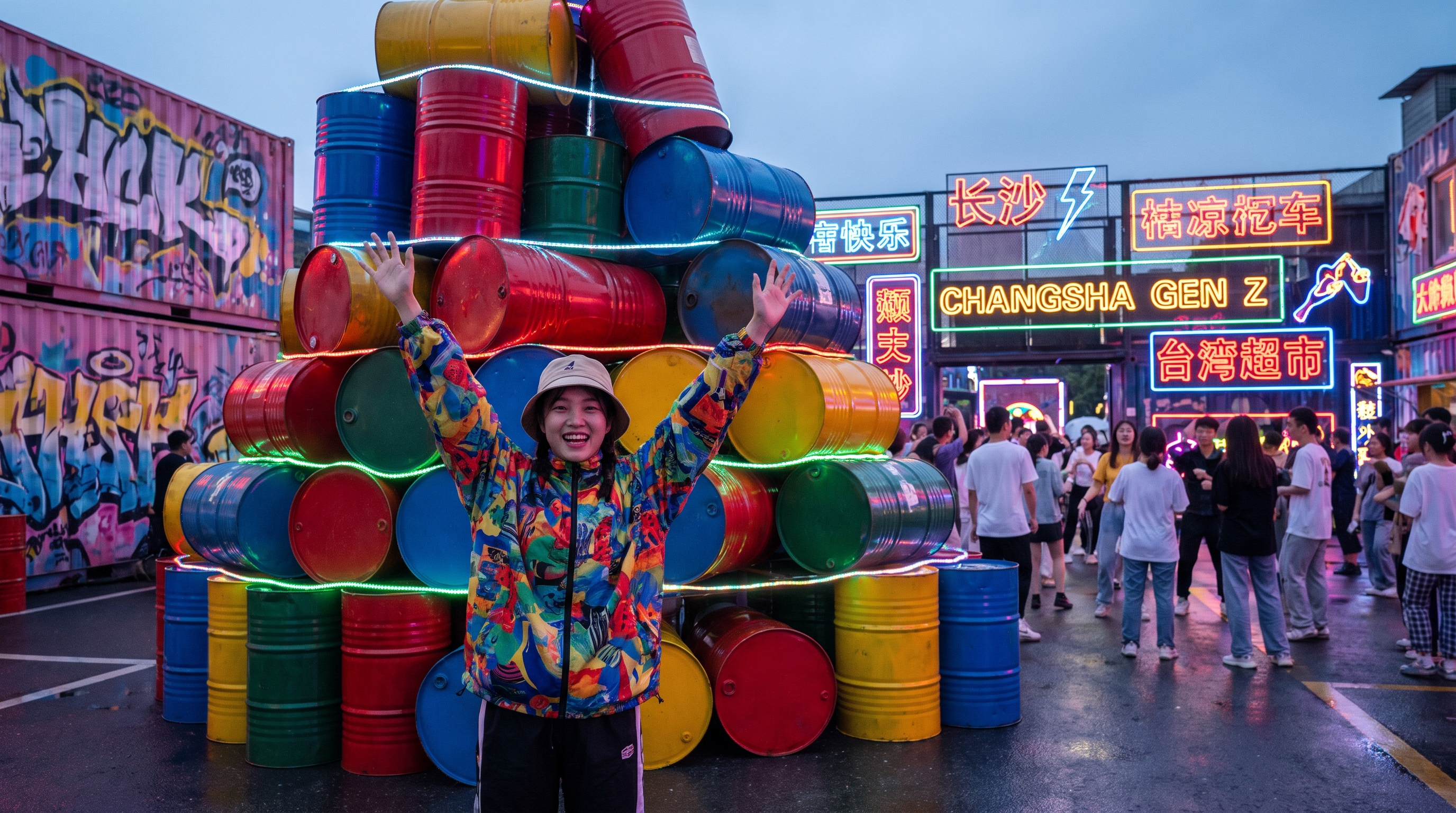

Feature image of Vinyl Bars, Film Cameras, and the Rise of Asia’s Analog Revival

Vinyl Bars, Film Cameras, and the Rise of Asia’s Analog Revival

4 mins read

4 mins read

Feature image of Vinyl Bars, Film Cameras, and the Rise of Asia’s Analog Revival
Spending habits are changing from online to offline worlds, and this phenomenon is driven by Gen Zs and millennials. RADII breaks down the newfound pursuit for the tanglible.

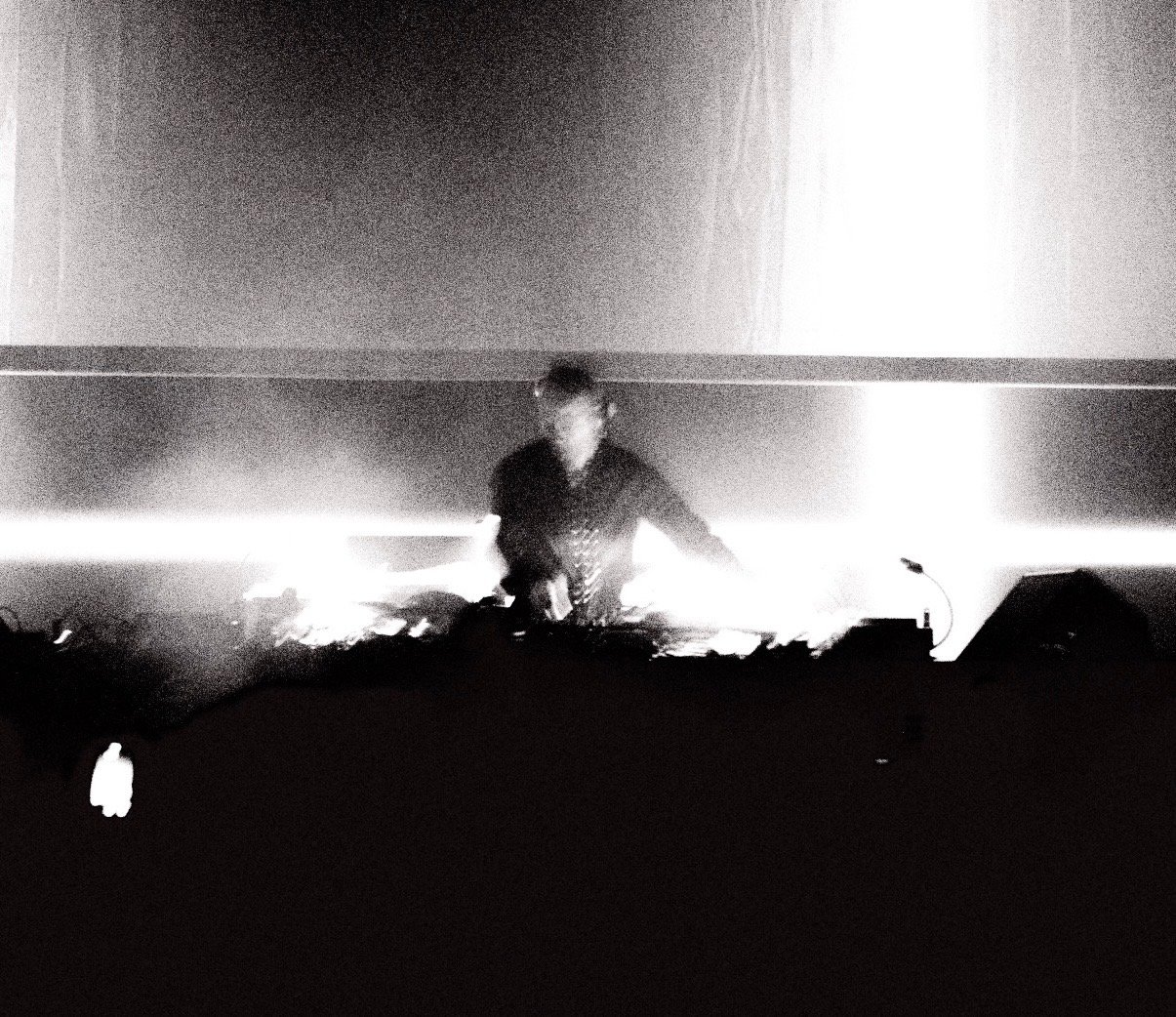
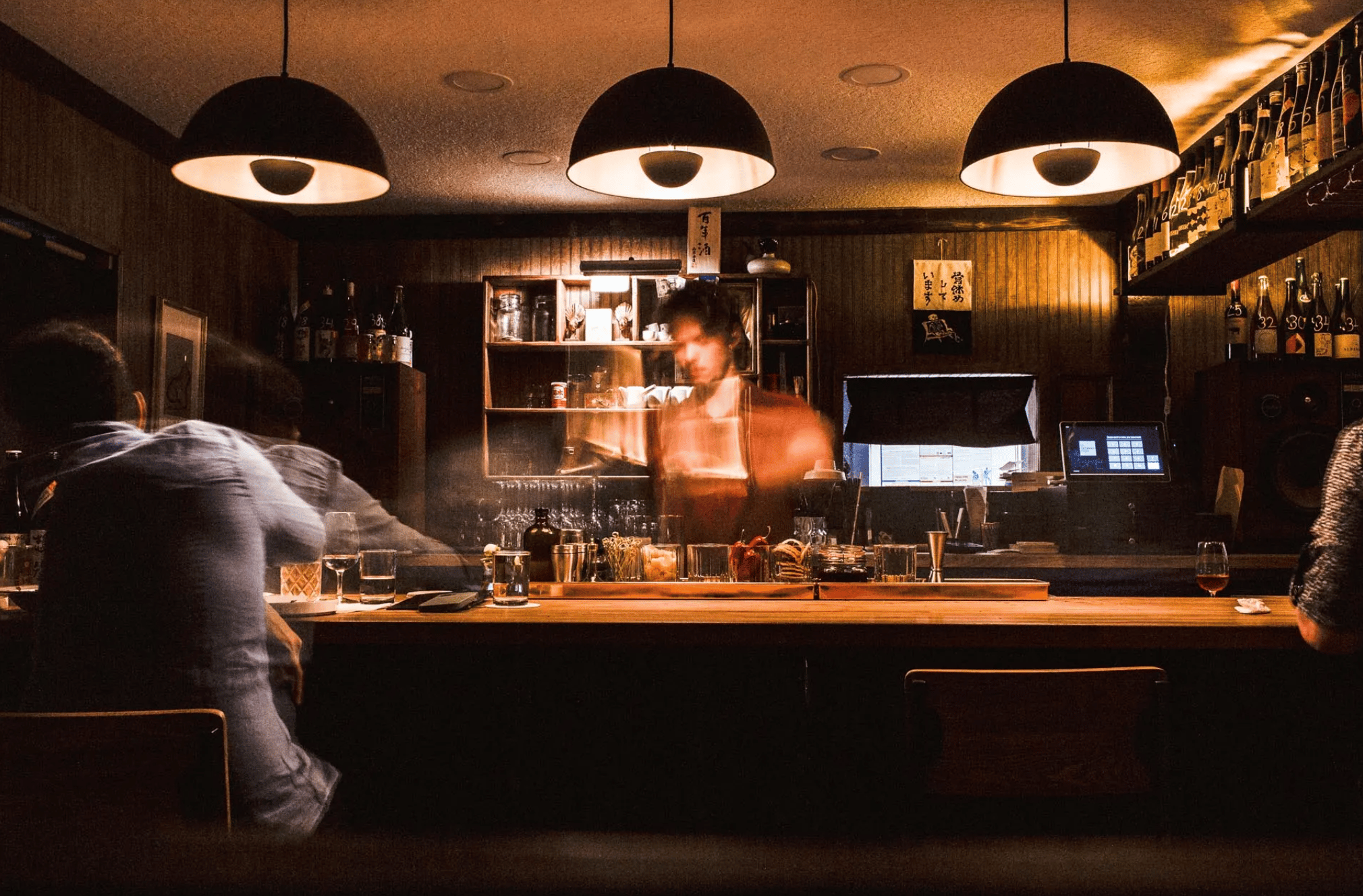
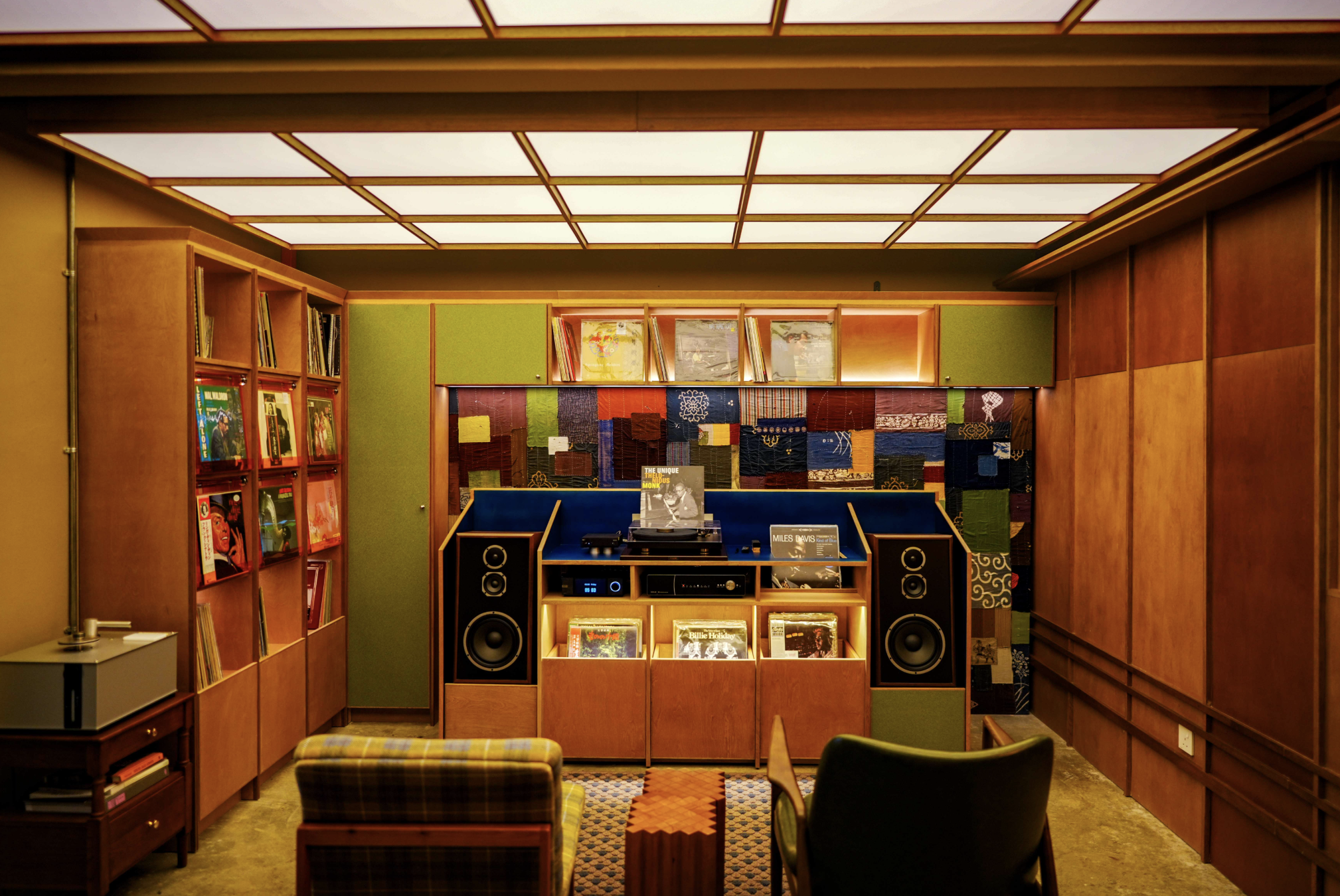
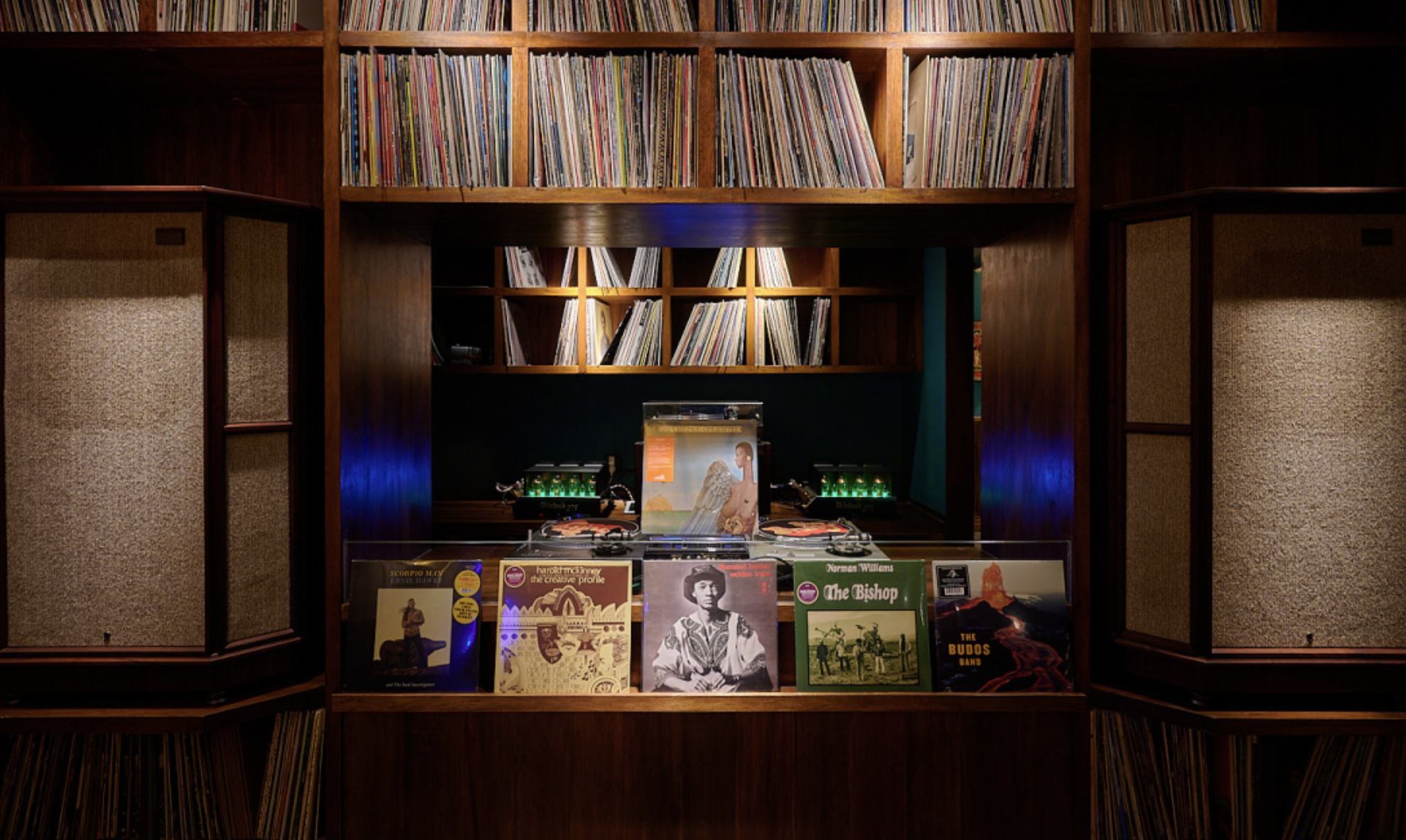
Inside a dimly lit listening bar in Bangkok, customers sit quietly as a jazz record spins through towering speaker shelves plugged into a DJ’s deck. But there are no playlists shuffled by algorithms here; it’s all curated cuts from the DJ’s stash of records. Customers sip cocktails while watching the DJ carefully lift vinyl records from their sleeves, lower the needle, and flip sides by hand.

Across Asia, scenes like this are becoming increasingly common.
RADII talks about how Gen Z and millennials are changing their shopping habits to buying and enjoying analog instead of digital.

From vinyl cafés in Seoul and Shanghai to film camera communities in Kuala Lumpur and cassette listening bars in Tokyo, young adults are rediscovering analog experiences in a deeply digital age. What first appeared as niche nostalgia has evolved into something much broader: a cultural shift toward physical media, tactile rituals, and slower forms of consumption.

And while vinyl records and old cameras may seem like relics from another era, many of the people driving this revival are millennials and Gen Z consumers who never actually grew up with them in the first place.

The Return of Physical Media

The analog revival is showing up across multiple corners of Asian youth culture.
RADII talks about how Gen Z and millennials are changing their shopping habits to buying and enjoying analog instead of digital.

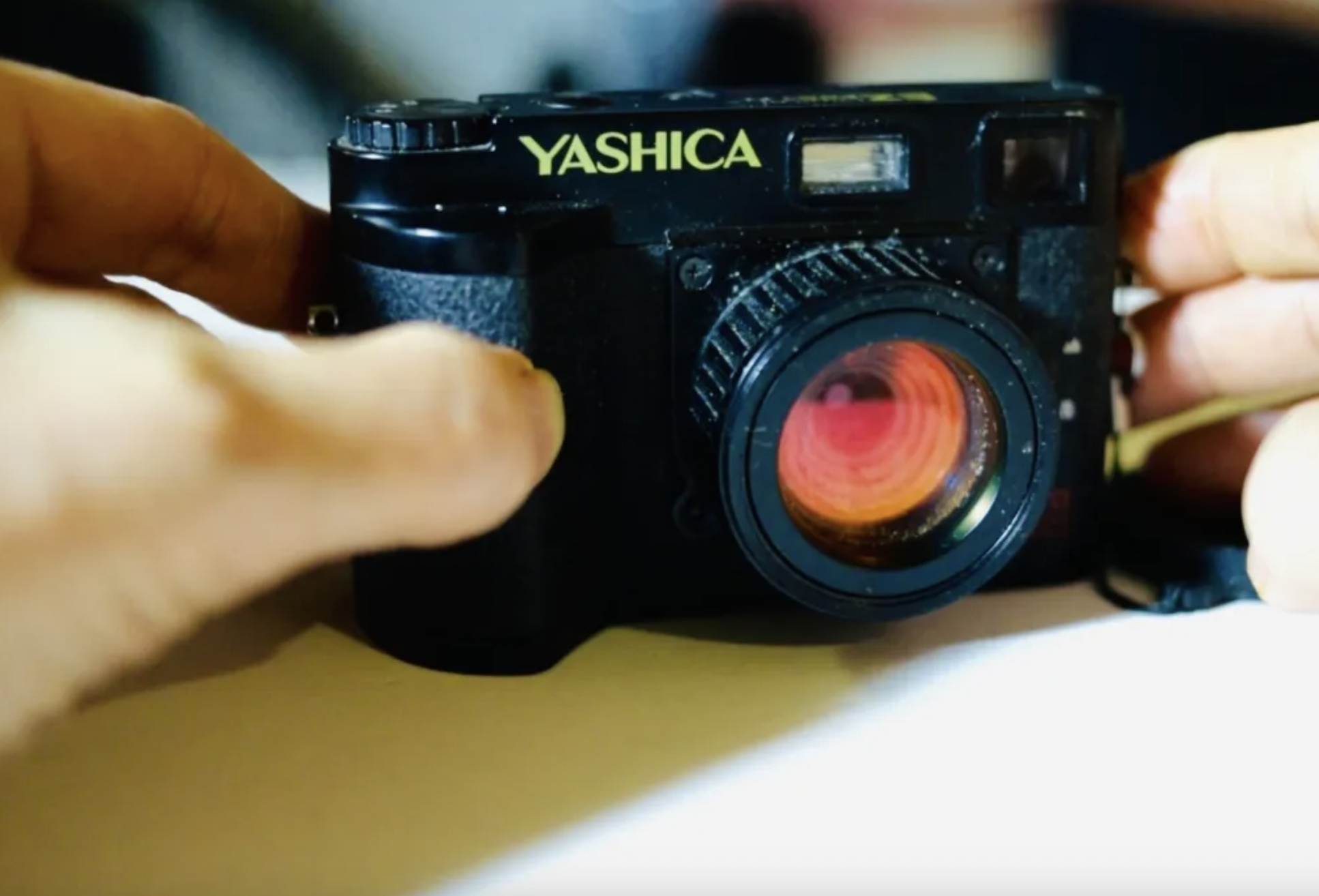
Vinyl sales continue to grow globally, while cafés and bars built around high-fidelity listening experiences are opening across major cities. Film photography communities have exploded online, with young people willingly embracing expensive rolls of film and delayed gratification in an era dominated by smartphone cameras and instant uploads. Even cassettes, CDs, retro gaming consoles, and printed media are finding new audiences among younger consumers.

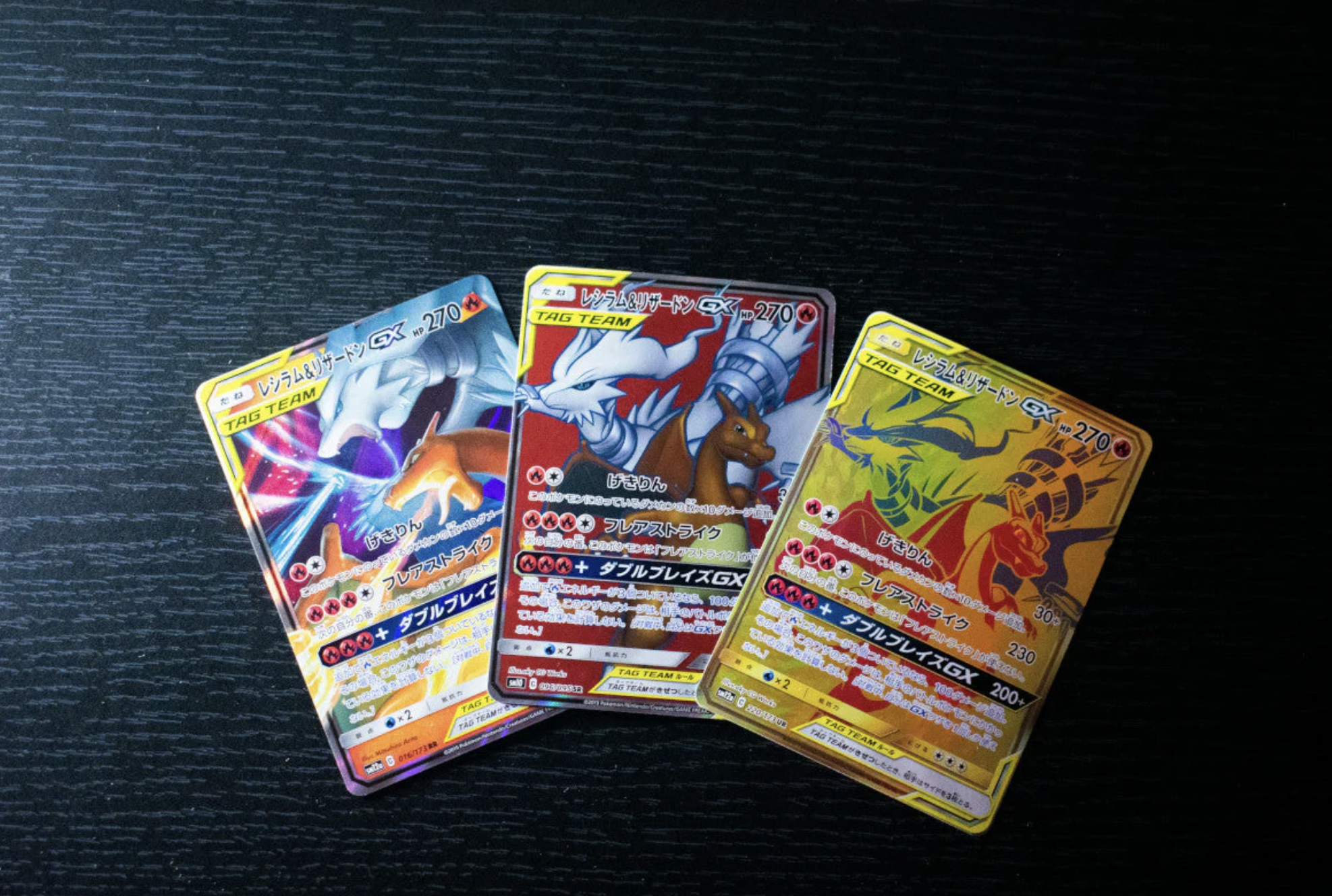
At the same time, physical collecting has become increasingly mainstream. Blind boxes, designer toys, Pokémon cards, and model kits now fill bedrooms, office desks, and carefully curated shelves displayed across TikTok and Xiaohongshu.
RADII talks about how Gen Z and millennials are changing their shopping habits to buying and enjoying analog instead of digital.

While these trends may appear disconnected, they are all tied together by the same underlying desire: the need for tangible experiences in an overwhelmingly stressful digital world.

Streaming platforms made music more convenient than ever, but they also transformed listening into background noise and lack the tactile experience of holding a cassette or a record. Social media made content infinitely accessible, but there has been so much discourse about everything from the state of the world to a person’s sense of self that it has become overstimulating. Physical media, by contrast, demands attention and participation.
RADII talks about how Gen Z and millennials are changing their shopping habits to buying and enjoying analog instead of digital.

A vinyl record requires listeners to sit through an album intentionally. Film photography forces patience. Even browsing through CDs or flipping through magazines creates a sense of ritual that algorithms cannot replicate. In a way, analog culture has become a form of resistance against digital overstimulation.

Beyond Nostalgia

The appeal of analog culture is often framed as nostalgia, but that only tells part of the story.

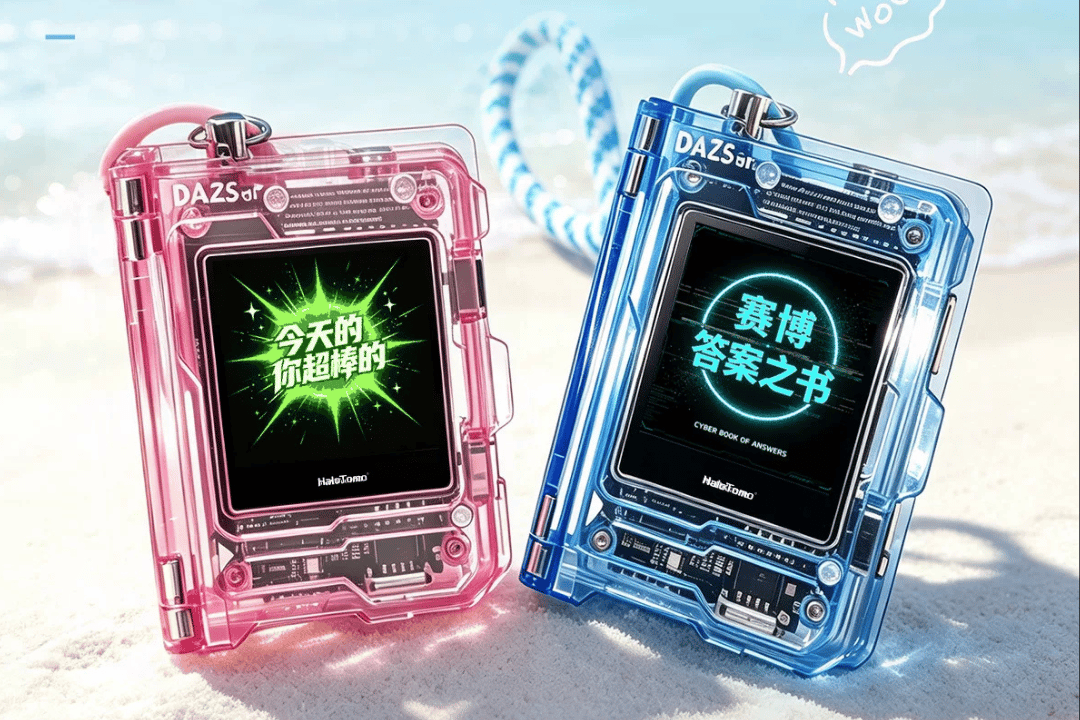
For millennials, vinyl records, Tamagotchis, or retro game consoles may evoke childhood memories. But many younger Gen Z consumers are embracing these formats without any direct emotional attachment to the past.
RADII talks about how Gen Z and millennials are changing their shopping habits to buying and enjoying analog instead of digital.

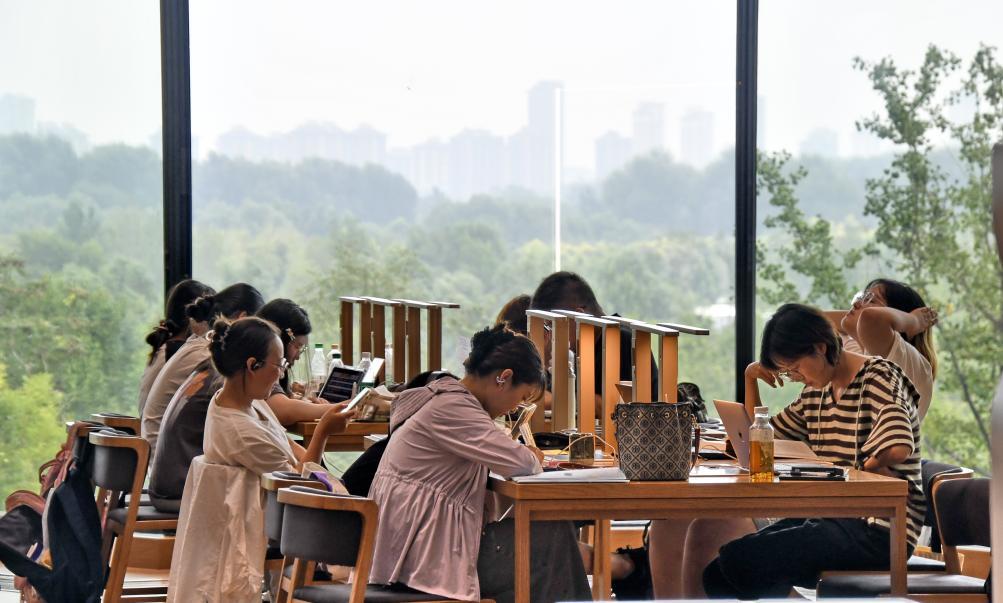
In cities where work culture, social media, and endless notifications dominate daily life, analog hobbies provide moments of focus and slowness. Listening bars encourage customers to actively engage with music instead of multitasking. Film photography forces people to stop obsessing over perfect shots and instant edits. Reading cafés and journaling communities promote intentional offline time.

Even the aesthetics surrounding analog culture reflect this craving for calm. Warm lighting, wooden interiors, visible imperfections, grainy textures, handwritten notes, and vintage electronics now dominate lifestyle content across platforms like Xiaohongshu and Instagram.

Ironically, social media itself helped accelerate the rise of analog living. Carefully curated posts featuring vinyl corners, old cameras, jazz cafés, and retro interiors transformed physical media into a form of lifestyle aspiration. What was once considered outdated suddenly became desirable again.

But beneath the aesthetics lies a deeper emotional reality. For many young adults, analog culture offers comfort precisely because it feels slower, more human, and less optimized. It’s a respite from the grueling hamster wheel of life. It’s touching grass, but with a media format attached to it.

Asia’s Version of the Analog Revival

In Europe and North America, vinyl culture is often tied closely to music purism or retro nostalgia. Across Asia, however, analog culture intersects heavily with lifestyle design, emotional consumption, and café culture.

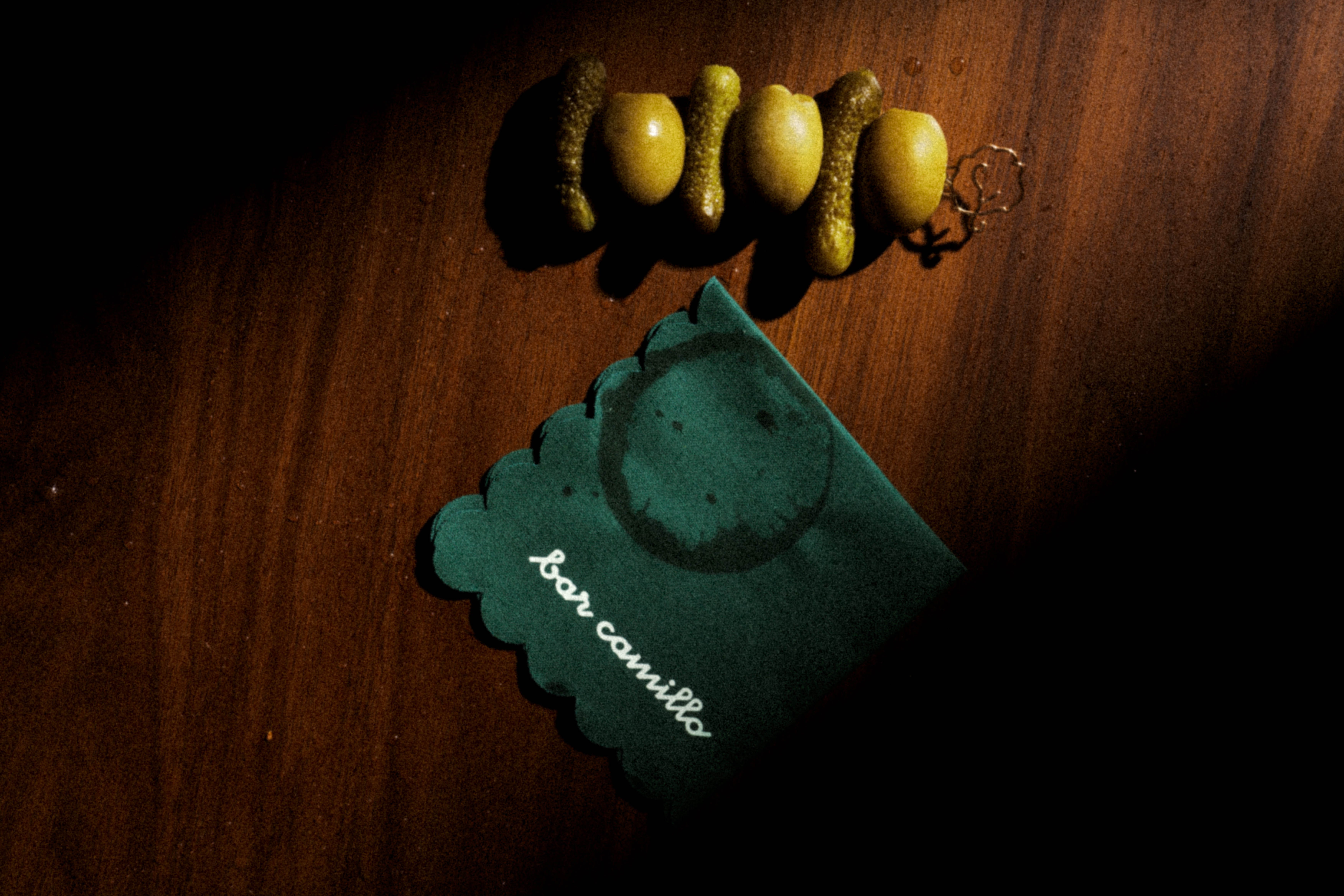
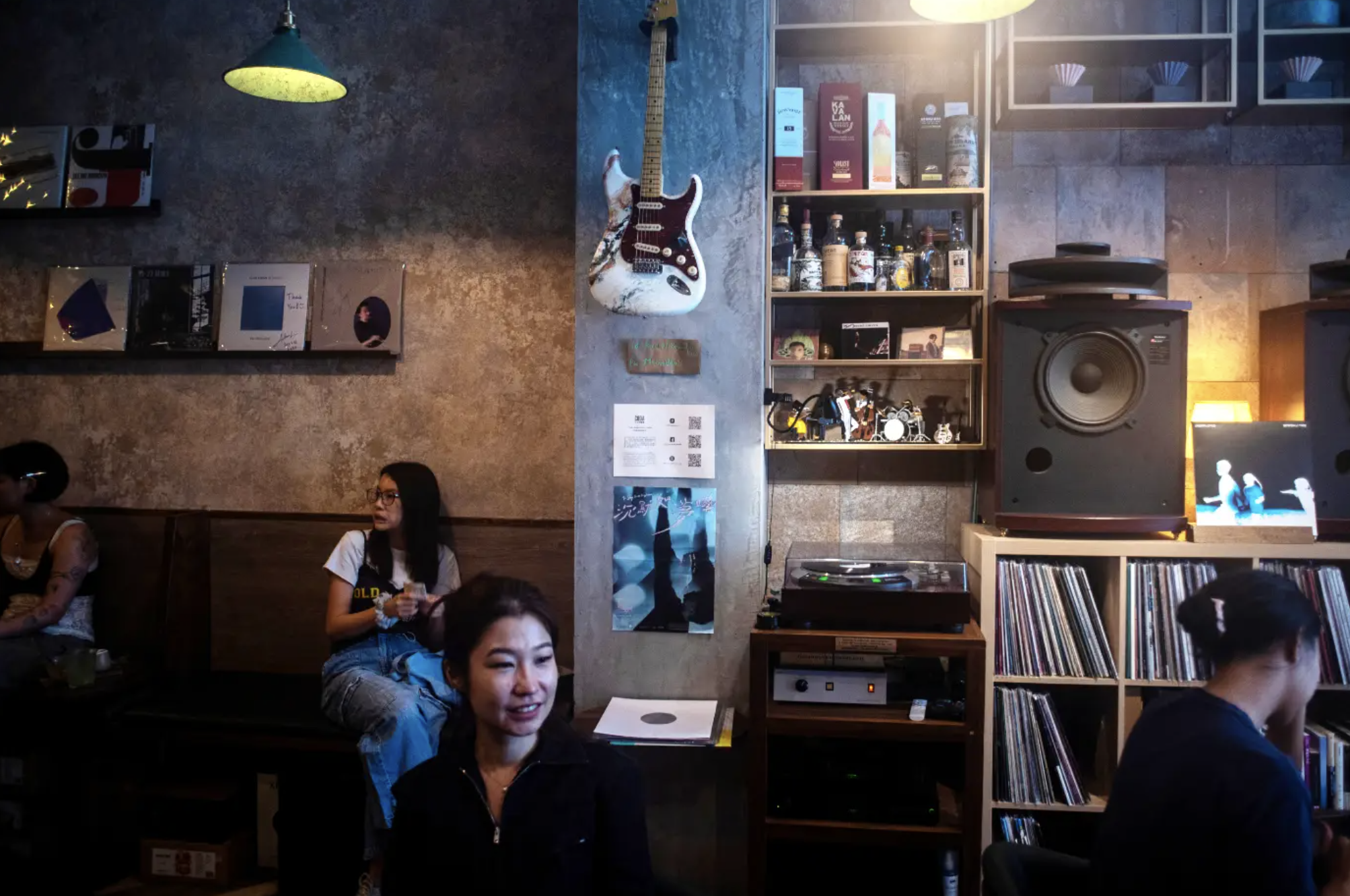
Cities like Seoul, Shanghai, Tokyo, Bangkok, and Taipei have seen a rise in highly curated listening spaces where music becomes part of a broader sensory experience involving interiors, cocktails, coffee, and fashion. While music is at the center of branding and identity, these environments are also designed with atmosphere and intentionality in mind.
RADII talks about how Gen Z and millennials are changing their shopping habits to buying and enjoying analog instead of digital.

Chinese social media platforms, particularly Xiaohongshu, have also played a major role in shaping this aesthetic ecosystem across the region. Searches related to vinyl cafés, film photography, “slow living,” and retro interiors have surged in popularity, influencing everything from café design to personal style among Southeast Asian youth.

The rise of analog culture is not really about rejecting technology altogether. Far from it. Most vinyl enthusiasts still stream music. Film photographers still post on Instagram. Listening bars themselves need social media for visibility. Instead, the movement reflects a growing desire to rebalance digital life with physical experiences that feel more intentional and emotionally grounding.

Slowing Down in an Always-On World

For many young Asians navigating burnout, rising living costs, and constant digital stimulation, physical media offers something difficult to quantify: attention. The act of selecting a record, loading film into a camera, or sitting quietly inside a listening café creates grounding rituals that are increasingly valuable in a fragmented online world.

That is perhaps why analog culture continues to resonate despite its inconvenience. Vinyl records are expensive and take up space. Film development takes time, and experimenting with new rolls isn’t cheap. But convenience is no longer the point.

In an era where nearly everything is optimized for speed and efficiency, the appeal of analog life lies precisely in the fact that it slows people down.

Cover image via Wine Enthusiast.

NEWSLETTER

Get weekly top picks and exclusive, newsletter only content delivered straight to you inbox.

NEWSLETTER

Get weekly top picks and exclusive, newsletter only content delivered straight to you inbox.

RADII NEWSLETTER

Get weekly top picks and exclusive, newsletter only content delivered straight to you inbox

Feature image of Vinyl Bars, Film Cameras, and the Rise of Asia’s Analog Revival

Vinyl Bars, Film Cameras, and the Rise of Asia’s Analog Revival

4 mins read

Spending habits are changing from online to offline worlds, and this phenomenon is driven by Gen Zs and millennials. RADII breaks down the newfound pursuit for the tanglible.

Inside a dimly lit listening bar in Bangkok, customers sit quietly as a jazz record spins through towering speaker shelves plugged into a DJ’s deck. But there are no playlists shuffled by algorithms here; it’s all curated cuts from the DJ’s stash of records. Customers sip cocktails while watching the DJ carefully lift vinyl records from their sleeves, lower the needle, and flip sides by hand.

Across Asia, scenes like this are becoming increasingly common.

RADII talks about how Gen Z and millennials are changing their shopping habits to buying and enjoying analog instead of digital.

From vinyl cafés in Seoul and Shanghai to film camera communities in Kuala Lumpur and cassette listening bars in Tokyo, young adults are rediscovering analog experiences in a deeply digital age. What first appeared as niche nostalgia has evolved into something much broader: a cultural shift toward physical media, tactile rituals, and slower forms of consumption.

And while vinyl records and old cameras may seem like relics from another era, many of the people driving this revival are millennials and Gen Z consumers who never actually grew up with them in the first place.

The Return of Physical Media

The analog revival is showing up across multiple corners of Asian youth culture.

RADII talks about how Gen Z and millennials are changing their shopping habits to buying and enjoying analog instead of digital.

Vinyl sales continue to grow globally, while cafés and bars built around high-fidelity listening experiences are opening across major cities. Film photography communities have exploded online, with young people willingly embracing expensive rolls of film and delayed gratification in an era dominated by smartphone cameras and instant uploads. Even cassettes, CDs, retro gaming consoles, and printed media are finding new audiences among younger consumers.

At the same time, physical collecting has become increasingly mainstream. Blind boxes, designer toys, Pokémon cards, and model kits now fill bedrooms, office desks, and carefully curated shelves displayed across TikTok and Xiaohongshu.

RADII talks about how Gen Z and millennials are changing their shopping habits to buying and enjoying analog instead of digital.

While these trends may appear disconnected, they are all tied together by the same underlying desire: the need for tangible experiences in an overwhelmingly stressful digital world.

Streaming platforms made music more convenient than ever, but they also transformed listening into background noise and lack the tactile experience of holding a cassette or a record. Social media made content infinitely accessible, but there has been so much discourse about everything from the state of the world to a person’s sense of self that it has become overstimulating. Physical media, by contrast, demands attention and participation.

RADII talks about how Gen Z and millennials are changing their shopping habits to buying and enjoying analog instead of digital.

A vinyl record requires listeners to sit through an album intentionally. Film photography forces patience. Even browsing through CDs or flipping through magazines creates a sense of ritual that algorithms cannot replicate. In a way, analog culture has become a form of resistance against digital overstimulation.

Beyond Nostalgia

The appeal of analog culture is often framed as nostalgia, but that only tells part of the story.

For millennials, vinyl records, Tamagotchis, or retro game consoles may evoke childhood memories. But many younger Gen Z consumers are embracing these formats without any direct emotional attachment to the past.

RADII talks about how Gen Z and millennials are changing their shopping habits to buying and enjoying analog instead of digital.

In cities where work culture, social media, and endless notifications dominate daily life, analog hobbies provide moments of focus and slowness. Listening bars encourage customers to actively engage with music instead of multitasking. Film photography forces people to stop obsessing over perfect shots and instant edits. Reading cafés and journaling communities promote intentional offline time.

Even the aesthetics surrounding analog culture reflect this craving for calm. Warm lighting, wooden interiors, visible imperfections, grainy textures, handwritten notes, and vintage electronics now dominate lifestyle content across platforms like Xiaohongshu and Instagram.

Ironically, social media itself helped accelerate the rise of analog living. Carefully curated posts featuring vinyl corners, old cameras, jazz cafés, and retro interiors transformed physical media into a form of lifestyle aspiration. What was once considered outdated suddenly became desirable again.

But beneath the aesthetics lies a deeper emotional reality. For many young adults, analog culture offers comfort precisely because it feels slower, more human, and less optimized. It’s a respite from the grueling hamster wheel of life. It’s touching grass, but with a media format attached to it.

Asia’s Version of the Analog Revival

In Europe and North America, vinyl culture is often tied closely to music purism or retro nostalgia. Across Asia, however, analog culture intersects heavily with lifestyle design, emotional consumption, and café culture.

Cities like Seoul, Shanghai, Tokyo, Bangkok, and Taipei have seen a rise in highly curated listening spaces where music becomes part of a broader sensory experience involving interiors, cocktails, coffee, and fashion. While music is at the center of branding and identity, these environments are also designed with atmosphere and intentionality in mind.

RADII talks about how Gen Z and millennials are changing their shopping habits to buying and enjoying analog instead of digital.

Chinese social media platforms, particularly Xiaohongshu, have also played a major role in shaping this aesthetic ecosystem across the region. Searches related to vinyl cafés, film photography, “slow living,” and retro interiors have surged in popularity, influencing everything from café design to personal style among Southeast Asian youth.

The rise of analog culture is not really about rejecting technology altogether. Far from it. Most vinyl enthusiasts still stream music. Film photographers still post on Instagram. Listening bars themselves need social media for visibility. Instead, the movement reflects a growing desire to rebalance digital life with physical experiences that feel more intentional and emotionally grounding.

Slowing Down in an Always-On World

For many young Asians navigating burnout, rising living costs, and constant digital stimulation, physical media offers something difficult to quantify: attention. The act of selecting a record, loading film into a camera, or sitting quietly inside a listening café creates grounding rituals that are increasingly valuable in a fragmented online world.

That is perhaps why analog culture continues to resonate despite its inconvenience. Vinyl records are expensive and take up space. Film development takes time, and experimenting with new rolls isn’t cheap. But convenience is no longer the point.

In an era where nearly everything is optimized for speed and efficiency, the appeal of analog life lies precisely in the fact that it slows people down.

Cover image via Wine Enthusiast.

NEWSLETTER

Get weekly top picks and exclusive, newsletter only content delivered straight to you inbox.

RADII NEWSLETTER

Get weekly top picks and exclusive, newsletter only content delivered straight to you inbox

RELATED POSTS

Feature image of Vinyl Bars, Film Cameras, and the Rise of Asia’s Analog Revival

Vinyl Bars, Film Cameras, and the Rise of Asia’s Analog Revival

4 mins read

4 mins read

Feature image of Vinyl Bars, Film Cameras, and the Rise of Asia’s Analog Revival
Spending habits are changing from online to offline worlds, and this phenomenon is driven by Gen Zs and millennials. RADII breaks down the newfound pursuit for the tanglible.

Inside a dimly lit listening bar in Bangkok, customers sit quietly as a jazz record spins through towering speaker shelves plugged into a DJ’s deck. But there are no playlists shuffled by algorithms here; it’s all curated cuts from the DJ’s stash of records. Customers sip cocktails while watching the DJ carefully lift vinyl records from their sleeves, lower the needle, and flip sides by hand.

Across Asia, scenes like this are becoming increasingly common.

RADII talks about how Gen Z and millennials are changing their shopping habits to buying and enjoying analog instead of digital.

From vinyl cafés in Seoul and Shanghai to film camera communities in Kuala Lumpur and cassette listening bars in Tokyo, young adults are rediscovering analog experiences in a deeply digital age. What first appeared as niche nostalgia has evolved into something much broader: a cultural shift toward physical media, tactile rituals, and slower forms of consumption.

And while vinyl records and old cameras may seem like relics from another era, many of the people driving this revival are millennials and Gen Z consumers who never actually grew up with them in the first place.

The Return of Physical Media

The analog revival is showing up across multiple corners of Asian youth culture.

RADII talks about how Gen Z and millennials are changing their shopping habits to buying and enjoying analog instead of digital.

Vinyl sales continue to grow globally, while cafés and bars built around high-fidelity listening experiences are opening across major cities. Film photography communities have exploded online, with young people willingly embracing expensive rolls of film and delayed gratification in an era dominated by smartphone cameras and instant uploads. Even cassettes, CDs, retro gaming consoles, and printed media are finding new audiences among younger consumers.

At the same time, physical collecting has become increasingly mainstream. Blind boxes, designer toys, Pokémon cards, and model kits now fill bedrooms, office desks, and carefully curated shelves displayed across TikTok and Xiaohongshu.

RADII talks about how Gen Z and millennials are changing their shopping habits to buying and enjoying analog instead of digital.

While these trends may appear disconnected, they are all tied together by the same underlying desire: the need for tangible experiences in an overwhelmingly stressful digital world.

Streaming platforms made music more convenient than ever, but they also transformed listening into background noise and lack the tactile experience of holding a cassette or a record. Social media made content infinitely accessible, but there has been so much discourse about everything from the state of the world to a person’s sense of self that it has become overstimulating. Physical media, by contrast, demands attention and participation.

RADII talks about how Gen Z and millennials are changing their shopping habits to buying and enjoying analog instead of digital.

A vinyl record requires listeners to sit through an album intentionally. Film photography forces patience. Even browsing through CDs or flipping through magazines creates a sense of ritual that algorithms cannot replicate. In a way, analog culture has become a form of resistance against digital overstimulation.

Beyond Nostalgia

The appeal of analog culture is often framed as nostalgia, but that only tells part of the story.

For millennials, vinyl records, Tamagotchis, or retro game consoles may evoke childhood memories. But many younger Gen Z consumers are embracing these formats without any direct emotional attachment to the past.

RADII talks about how Gen Z and millennials are changing their shopping habits to buying and enjoying analog instead of digital.

In cities where work culture, social media, and endless notifications dominate daily life, analog hobbies provide moments of focus and slowness. Listening bars encourage customers to actively engage with music instead of multitasking. Film photography forces people to stop obsessing over perfect shots and instant edits. Reading cafés and journaling communities promote intentional offline time.

Even the aesthetics surrounding analog culture reflect this craving for calm. Warm lighting, wooden interiors, visible imperfections, grainy textures, handwritten notes, and vintage electronics now dominate lifestyle content across platforms like Xiaohongshu and Instagram.

Ironically, social media itself helped accelerate the rise of analog living. Carefully curated posts featuring vinyl corners, old cameras, jazz cafés, and retro interiors transformed physical media into a form of lifestyle aspiration. What was once considered outdated suddenly became desirable again.

But beneath the aesthetics lies a deeper emotional reality. For many young adults, analog culture offers comfort precisely because it feels slower, more human, and less optimized. It’s a respite from the grueling hamster wheel of life. It’s touching grass, but with a media format attached to it.

Asia’s Version of the Analog Revival

In Europe and North America, vinyl culture is often tied closely to music purism or retro nostalgia. Across Asia, however, analog culture intersects heavily with lifestyle design, emotional consumption, and café culture.

Cities like Seoul, Shanghai, Tokyo, Bangkok, and Taipei have seen a rise in highly curated listening spaces where music becomes part of a broader sensory experience involving interiors, cocktails, coffee, and fashion. While music is at the center of branding and identity, these environments are also designed with atmosphere and intentionality in mind.

RADII talks about how Gen Z and millennials are changing their shopping habits to buying and enjoying analog instead of digital.

Chinese social media platforms, particularly Xiaohongshu, have also played a major role in shaping this aesthetic ecosystem across the region. Searches related to vinyl cafés, film photography, “slow living,” and retro interiors have surged in popularity, influencing everything from café design to personal style among Southeast Asian youth.

The rise of analog culture is not really about rejecting technology altogether. Far from it. Most vinyl enthusiasts still stream music. Film photographers still post on Instagram. Listening bars themselves need social media for visibility. Instead, the movement reflects a growing desire to rebalance digital life with physical experiences that feel more intentional and emotionally grounding.

Slowing Down in an Always-On World

For many young Asians navigating burnout, rising living costs, and constant digital stimulation, physical media offers something difficult to quantify: attention. The act of selecting a record, loading film into a camera, or sitting quietly inside a listening café creates grounding rituals that are increasingly valuable in a fragmented online world.

That is perhaps why analog culture continues to resonate despite its inconvenience. Vinyl records are expensive and take up space. Film development takes time, and experimenting with new rolls isn’t cheap. But convenience is no longer the point.

In an era where nearly everything is optimized for speed and efficiency, the appeal of analog life lies precisely in the fact that it slows people down.

Cover image via Wine Enthusiast.
NEWSLETTER

Get weekly top picks and exclusive, newsletter only content delivered straight to you inbox.

NEWSLETTER

Get weekly top picks and exclusive, newsletter only content delivered straight to you inbox.

RADII NEWSLETTER

Get weekly top picks and exclusive, newsletter only content delivered straight to you inbox

Feature image of Vinyl Bars, Film Cameras, and the Rise of Asia’s Analog Revival

Vinyl Bars, Film Cameras, and the Rise of Asia’s Analog Revival

4 mins read

Spending habits are changing from online to offline worlds, and this phenomenon is driven by Gen Zs and millennials. RADII breaks down the newfound pursuit for the tanglible.

Inside a dimly lit listening bar in Bangkok, customers sit quietly as a jazz record spins through towering speaker shelves plugged into a DJ’s deck. But there are no playlists shuffled by algorithms here; it’s all curated cuts from the DJ’s stash of records. Customers sip cocktails while watching the DJ carefully lift vinyl records from their sleeves, lower the needle, and flip sides by hand.

Across Asia, scenes like this are becoming increasingly common.

RADII talks about how Gen Z and millennials are changing their shopping habits to buying and enjoying analog instead of digital.

From vinyl cafés in Seoul and Shanghai to film camera communities in Kuala Lumpur and cassette listening bars in Tokyo, young adults are rediscovering analog experiences in a deeply digital age. What first appeared as niche nostalgia has evolved into something much broader: a cultural shift toward physical media, tactile rituals, and slower forms of consumption.

And while vinyl records and old cameras may seem like relics from another era, many of the people driving this revival are millennials and Gen Z consumers who never actually grew up with them in the first place.

The Return of Physical Media

The analog revival is showing up across multiple corners of Asian youth culture.

RADII talks about how Gen Z and millennials are changing their shopping habits to buying and enjoying analog instead of digital.

Vinyl sales continue to grow globally, while cafés and bars built around high-fidelity listening experiences are opening across major cities. Film photography communities have exploded online, with young people willingly embracing expensive rolls of film and delayed gratification in an era dominated by smartphone cameras and instant uploads. Even cassettes, CDs, retro gaming consoles, and printed media are finding new audiences among younger consumers.

At the same time, physical collecting has become increasingly mainstream. Blind boxes, designer toys, Pokémon cards, and model kits now fill bedrooms, office desks, and carefully curated shelves displayed across TikTok and Xiaohongshu.

RADII talks about how Gen Z and millennials are changing their shopping habits to buying and enjoying analog instead of digital.

While these trends may appear disconnected, they are all tied together by the same underlying desire: the need for tangible experiences in an overwhelmingly stressful digital world.

Streaming platforms made music more convenient than ever, but they also transformed listening into background noise and lack the tactile experience of holding a cassette or a record. Social media made content infinitely accessible, but there has been so much discourse about everything from the state of the world to a person’s sense of self that it has become overstimulating. Physical media, by contrast, demands attention and participation.

RADII talks about how Gen Z and millennials are changing their shopping habits to buying and enjoying analog instead of digital.

A vinyl record requires listeners to sit through an album intentionally. Film photography forces patience. Even browsing through CDs or flipping through magazines creates a sense of ritual that algorithms cannot replicate. In a way, analog culture has become a form of resistance against digital overstimulation.

Beyond Nostalgia

The appeal of analog culture is often framed as nostalgia, but that only tells part of the story.

For millennials, vinyl records, Tamagotchis, or retro game consoles may evoke childhood memories. But many younger Gen Z consumers are embracing these formats without any direct emotional attachment to the past.

RADII talks about how Gen Z and millennials are changing their shopping habits to buying and enjoying analog instead of digital.

In cities where work culture, social media, and endless notifications dominate daily life, analog hobbies provide moments of focus and slowness. Listening bars encourage customers to actively engage with music instead of multitasking. Film photography forces people to stop obsessing over perfect shots and instant edits. Reading cafés and journaling communities promote intentional offline time.

Even the aesthetics surrounding analog culture reflect this craving for calm. Warm lighting, wooden interiors, visible imperfections, grainy textures, handwritten notes, and vintage electronics now dominate lifestyle content across platforms like Xiaohongshu and Instagram.

Ironically, social media itself helped accelerate the rise of analog living. Carefully curated posts featuring vinyl corners, old cameras, jazz cafés, and retro interiors transformed physical media into a form of lifestyle aspiration. What was once considered outdated suddenly became desirable again.

But beneath the aesthetics lies a deeper emotional reality. For many young adults, analog culture offers comfort precisely because it feels slower, more human, and less optimized. It’s a respite from the grueling hamster wheel of life. It’s touching grass, but with a media format attached to it.

Asia’s Version of the Analog Revival

In Europe and North America, vinyl culture is often tied closely to music purism or retro nostalgia. Across Asia, however, analog culture intersects heavily with lifestyle design, emotional consumption, and café culture.

Cities like Seoul, Shanghai, Tokyo, Bangkok, and Taipei have seen a rise in highly curated listening spaces where music becomes part of a broader sensory experience involving interiors, cocktails, coffee, and fashion. While music is at the center of branding and identity, these environments are also designed with atmosphere and intentionality in mind.

RADII talks about how Gen Z and millennials are changing their shopping habits to buying and enjoying analog instead of digital.

Chinese social media platforms, particularly Xiaohongshu, have also played a major role in shaping this aesthetic ecosystem across the region. Searches related to vinyl cafés, film photography, “slow living,” and retro interiors have surged in popularity, influencing everything from café design to personal style among Southeast Asian youth.

The rise of analog culture is not really about rejecting technology altogether. Far from it. Most vinyl enthusiasts still stream music. Film photographers still post on Instagram. Listening bars themselves need social media for visibility. Instead, the movement reflects a growing desire to rebalance digital life with physical experiences that feel more intentional and emotionally grounding.

Slowing Down in an Always-On World

For many young Asians navigating burnout, rising living costs, and constant digital stimulation, physical media offers something difficult to quantify: attention. The act of selecting a record, loading film into a camera, or sitting quietly inside a listening café creates grounding rituals that are increasingly valuable in a fragmented online world.

That is perhaps why analog culture continues to resonate despite its inconvenience. Vinyl records are expensive and take up space. Film development takes time, and experimenting with new rolls isn’t cheap. But convenience is no longer the point.

In an era where nearly everything is optimized for speed and efficiency, the appeal of analog life lies precisely in the fact that it slows people down.

Cover image via Wine Enthusiast.

NEWSLETTER

Get weekly top picks and exclusive, newsletter only content delivered straight to you inbox.

RADII NEWSLETTER

Get weekly top picks and exclusive, newsletter only content delivered straight to you inbox

RADII newsletter pop up visual

NEWSLETTER​

Get weekly top picks and exclusive, newsletter only content delivered straight to you inbox

RADII Newsletter Pop Up small banner

NEWSLETTER

Get weekly top picks and exclusive, newsletter only content delivered straight to you inbox.

Link Copied!

Share

Feature image of Vinyl Bars, Film Cameras, and the Rise of Asia’s Analog Revival

Vinyl Bars, Film Cameras, and the Rise of Asia’s Analog Revival

Spending habits are changing from online to offline worlds, and this phenomenon is driven by Gen Zs and millennials. RADII breaks down the newfound pursuit for the tanglible.

PULSE

Tap into the latest in music, fashion, art, design, entertainment, pop culture, celebrity news, and contemporary culture

DISCOVER

Embark on a journey through food, travel, wellness, heritage, traditional culture, and lifestyle

STYLE

An insider’s look at the intersection of fashion, art, and design

FEAST

Titillate your taste buds with coverage of the best food and drink trends from China and beyond.

FUTURE

Explore the cutting edge in tech, AI, gadgets, gaming, and innovative tech-related products

FEAST

Titillate your taste buds with coverage of the best food and drink trends from China and beyond

STYLE

An insider’s look at the intersection of fashion, art, and design

PULSE

Unpacking Chinese youth culture through coverage of nightlife, film, sports, celebrities, and the hottest new music