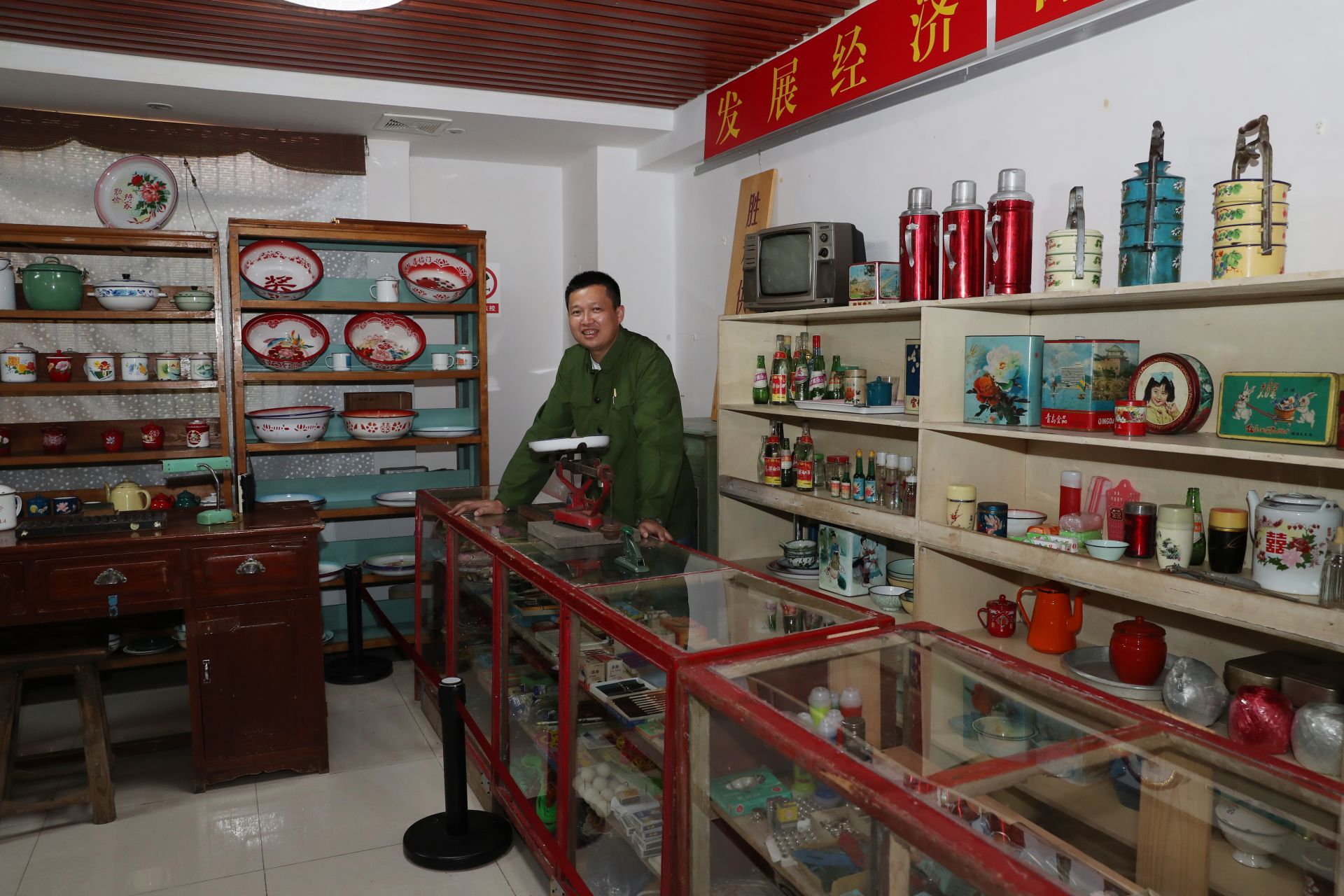

For many growing up in China, the local “Supply and Marketing Cooperative” (gongxiaoshe) serves as more than just a place to pick up fish jerky or a flavored milk drink—it’s a portal to childhood. Picture rustic wooden cabinets, the faint smell of cooking oil, and neighbors chatting for hours. These decades-old rural shops were once the heartbeat of the countryside, the go-to spot for daily essentials and agricultural supplies long before e-commerce giants dominated the landscape.
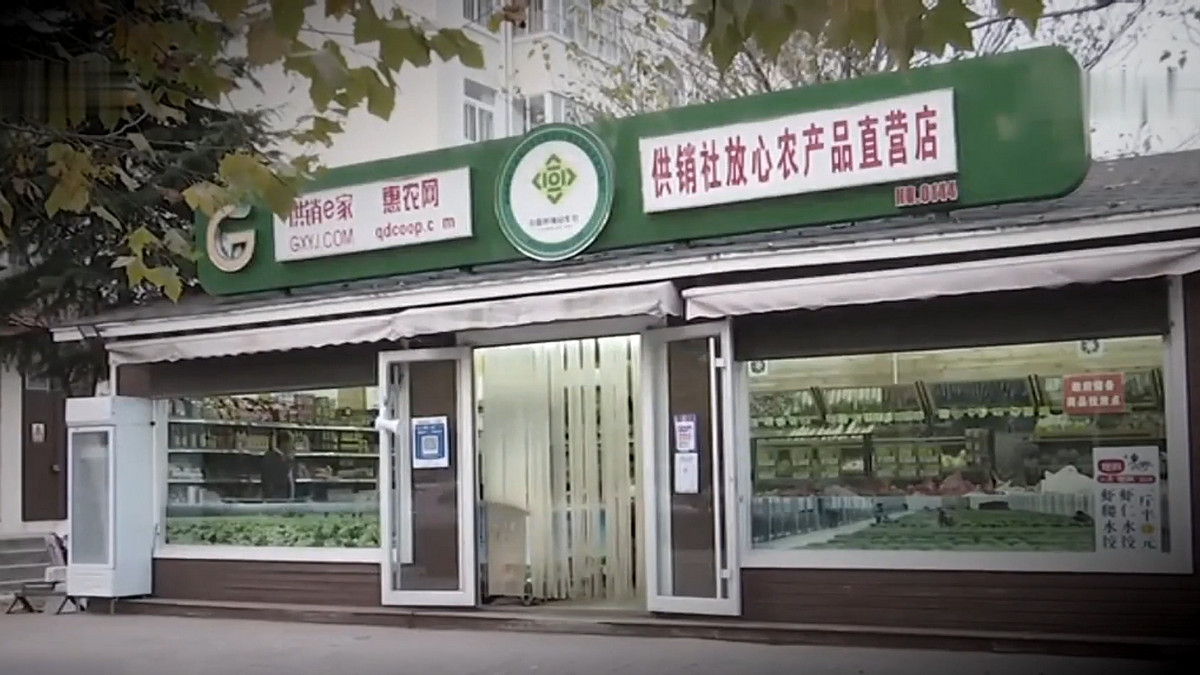
Now, China is actively beefing up this nostalgic, state-linked network for a new era. While modern supermarkets and online delivery might be faster, they lack the deep community ties and the structural resilience of the gongxiaoshe. Recent government plans are putting a fresh spotlight on these cooperatives, upgrading them to play crucial roles in food security, rural revitalization, and emergency supply chains.
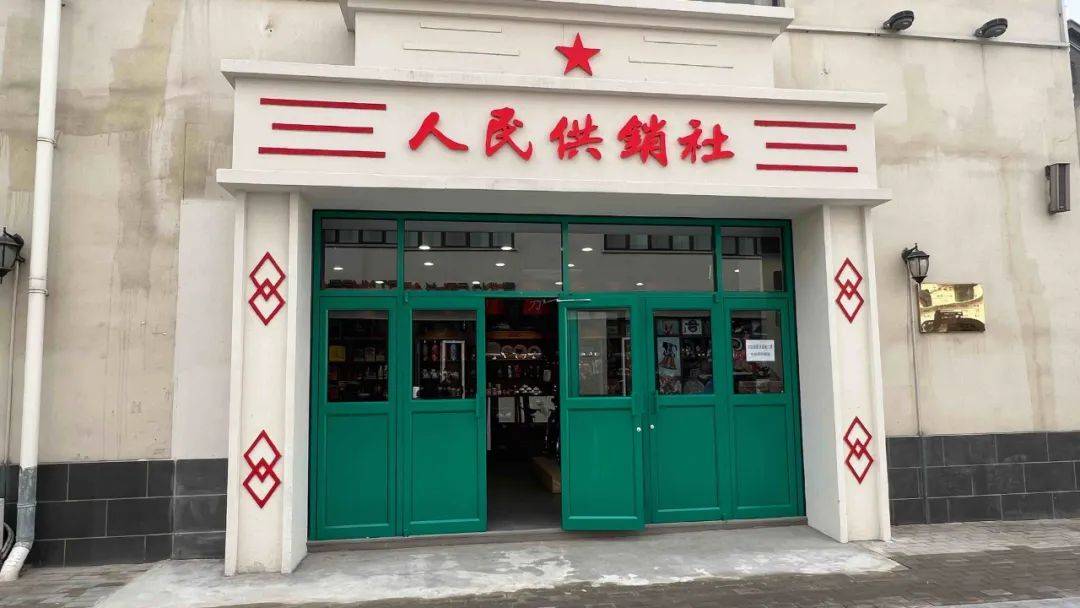
Rather than letting these spaces fade into history, Beijing is actively funding their survival by integrating them into the country’s national security infrastructure. Under a new five-year plan, the government aims to build or upgrade 100 national strategic reserve warehouses and 1000 county-level distribution centers by 2030. The state is also modernizing the network’s 856,000 existing grassroots outlets by partnering them with contemporary postal and courier logistics companies.
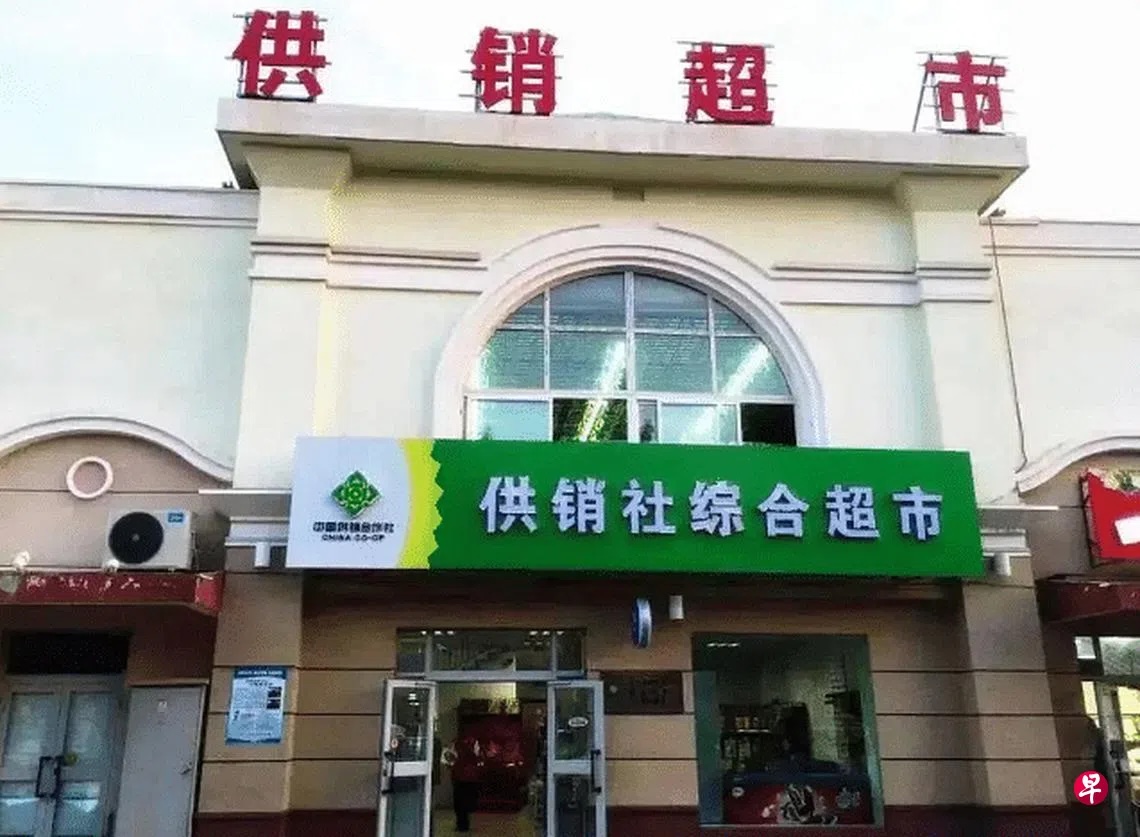
By giving these legacy stores a vital economic purpose—such as managing emergency stockpiles and handling up to 70% of China’s fertilizer supply—the government is ensuring they remain commercially viable. For Gen Z (and Millennials), this state-backed “mixed commercial system” means e-commerce giants won’t simply bulldoze the nostalgic hubs of their childhoods, but rather have them fortified to survive the modern era.
Cover image via content.fashonplus.