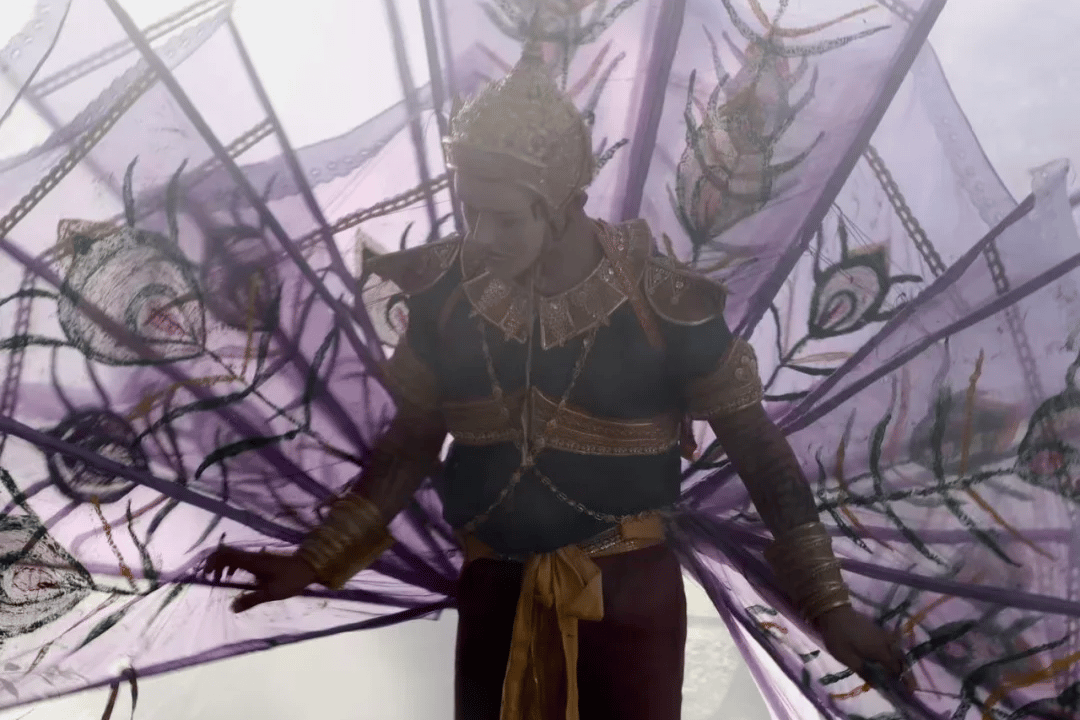

In the lush landscapes of Yunnan, a century-old tradition still breathes: the Divine Bird Dance (神鸟舞), also known as the Jin Na Luo Dance (紧那罗舞). While this captivating ritual performance of the Dai people offers a series of graceful movements, it’s also a living echo of ancient Dai society, born from their deep reverence for the natural world. From primitive ecological practices to sacred ceremonies, the dance embodies a profound connection to mountains, rivers, and the myriad creatures inhabiting them.
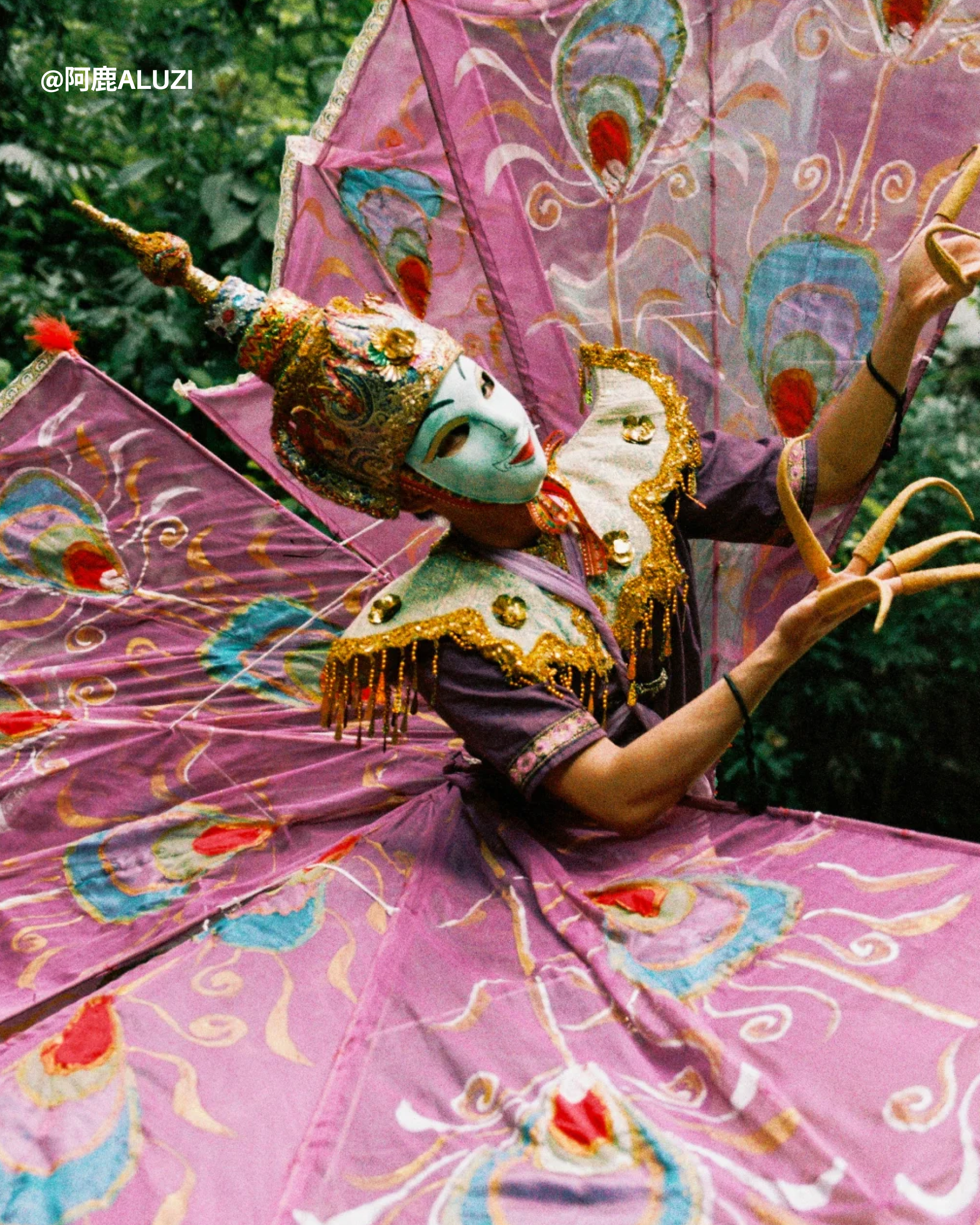
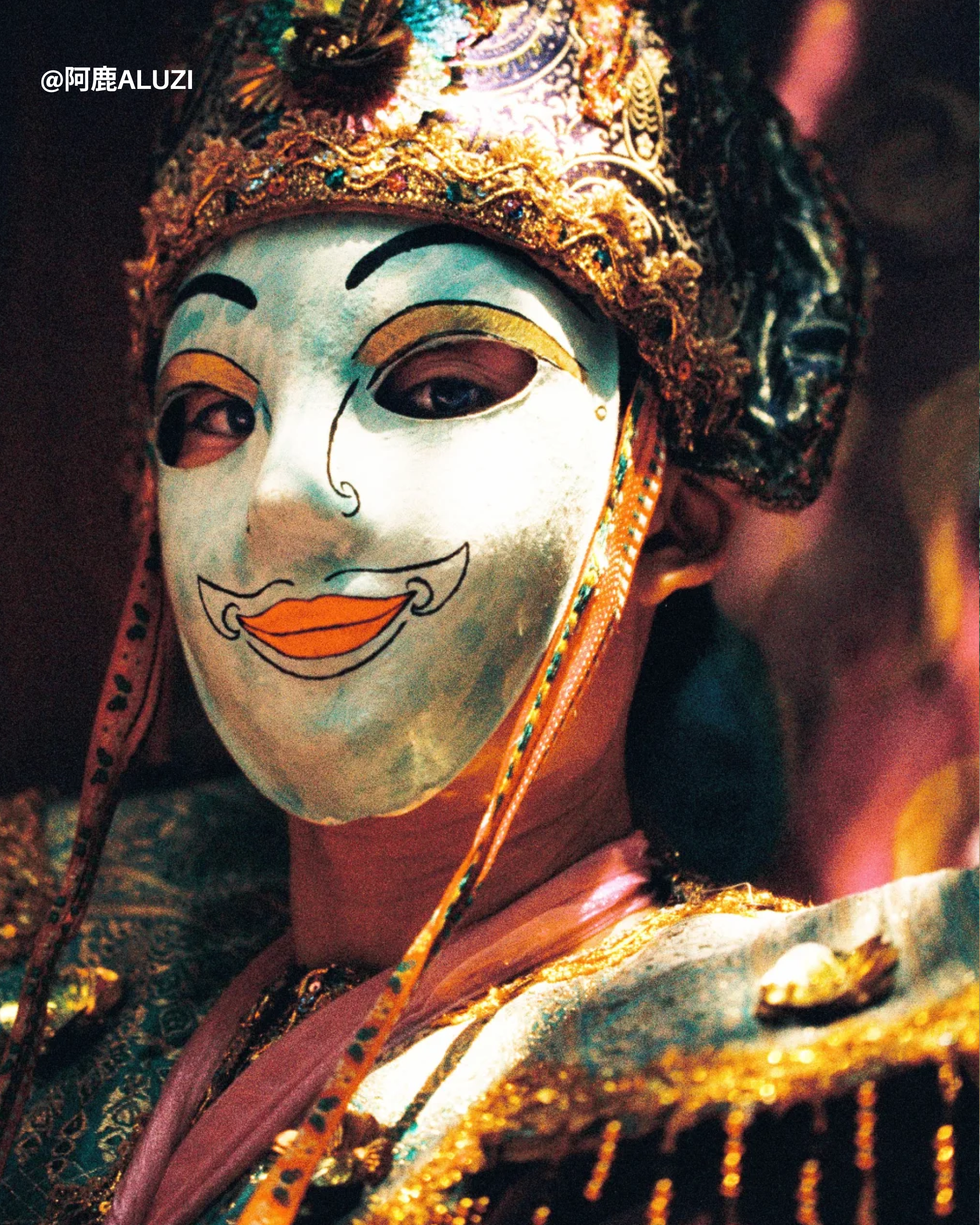
The heart of the Divine Bird Dance lies in Dai mythology, honoring a pair of sacred birds, the Kinnara and Kinnari—half-human, half-bird deities symbolizing loyalty and love. For generations, this myth was transformed into movement, a stunning visual narrative passed down orally, each gesture a tribute to nature, to life, and to enduring faith.
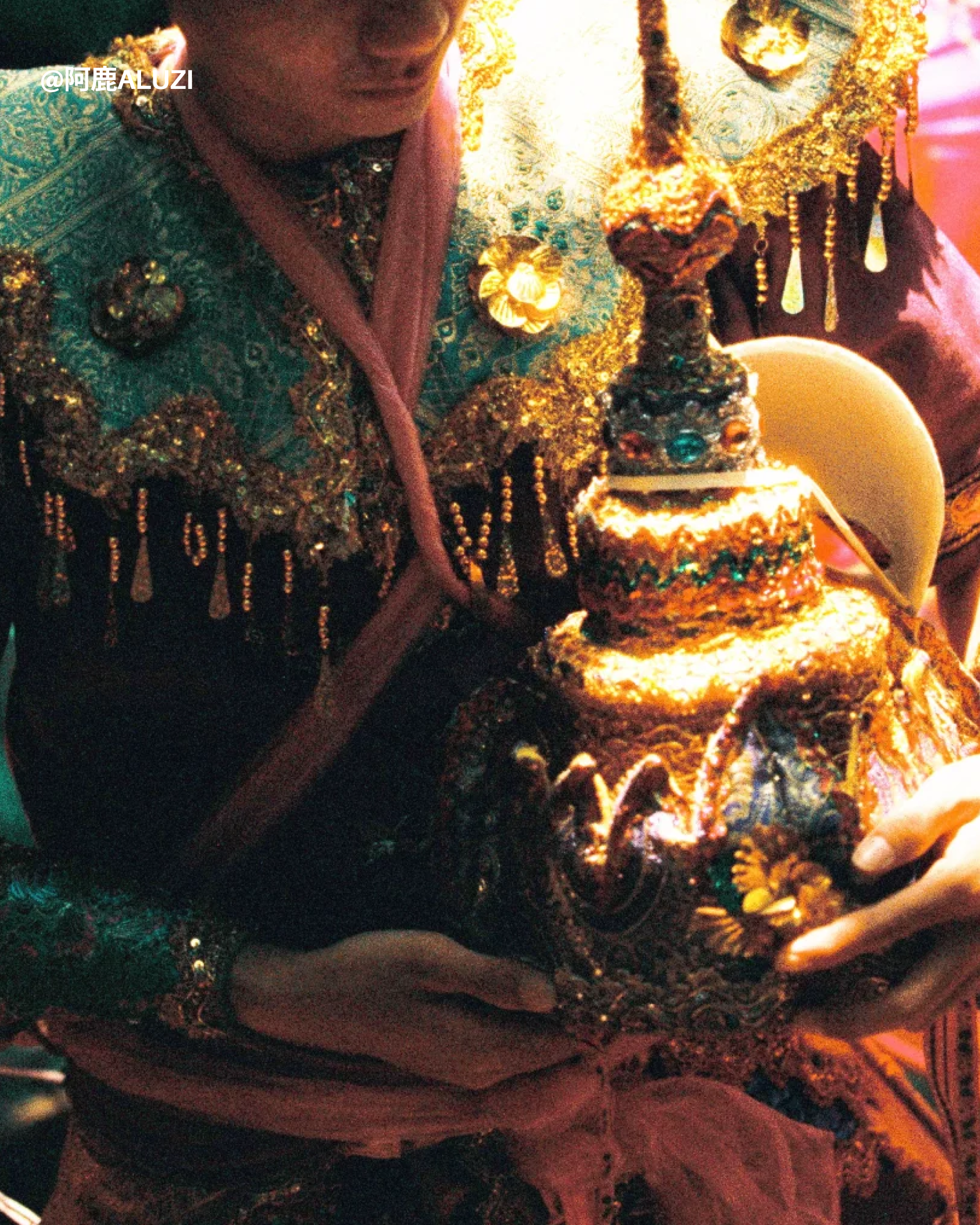
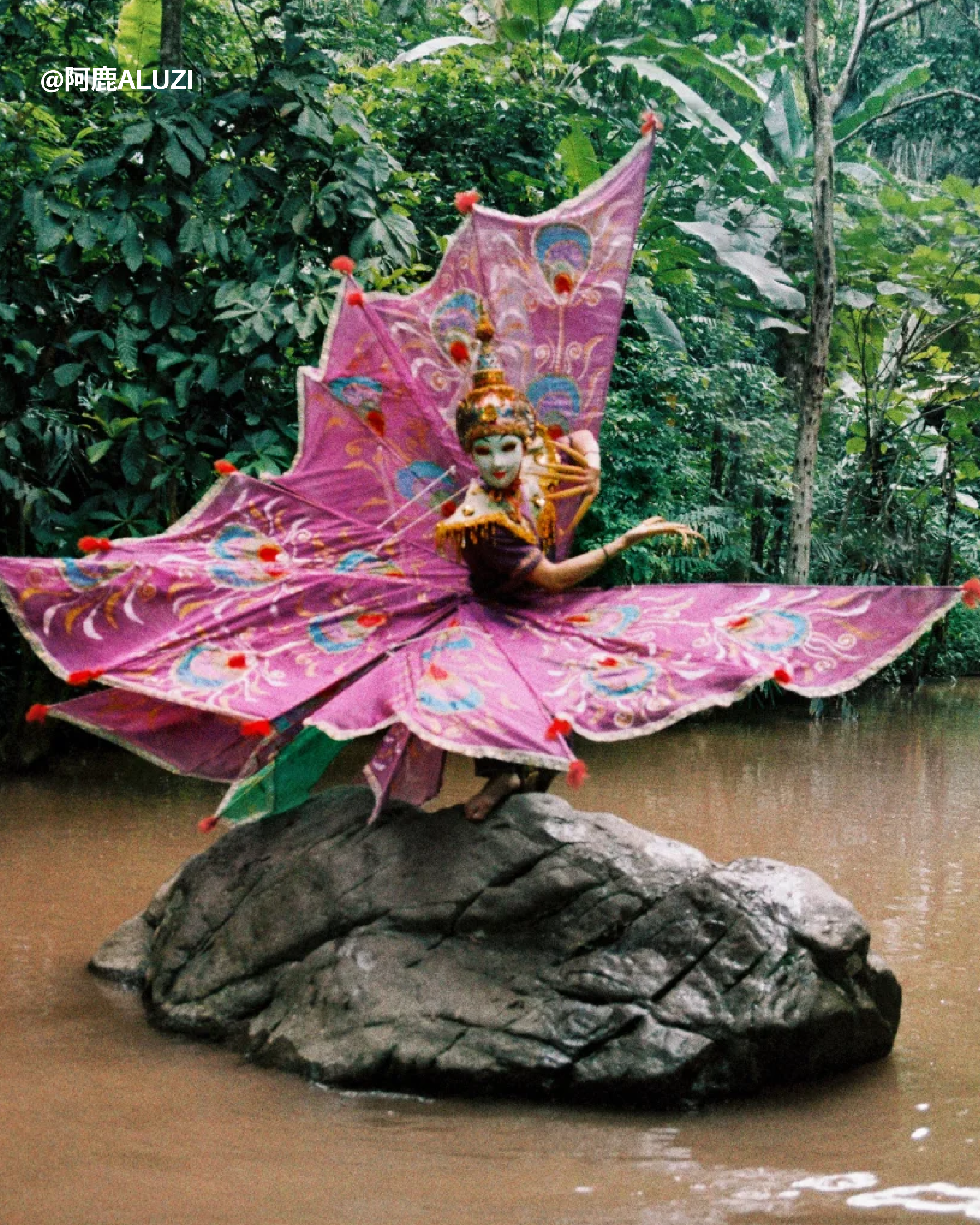
Yet, this invaluable cultural heritage faces modern challenges. Rapid global integration and technological shifts threaten traditional inheritance methods. Today, fewer than 10 inheritors remain to carry forward its intricate steps and spiritual depth. Despite this, efforts are underway to preserve and promote the dance, emphasizing innovation while safeguarding its original essence. More than a performance, the Divine Bird Dance stands as a vibrant testament to the Dai people’s spiritual resilience, a call to cherish traditions in a fast-changing world.
Cover image via Xiaohongshu/星球研究所InstituteforPlanet.