
Feature image of Back to Basics: Hong Kong’s Hidden Latin Beat During the 1950s

Back to Basics: Hong Kong’s Hidden Latin Beat During the 1950s

2 mins read

2 mins read

Feature image of Back to Basics: Hong Kong’s Hidden Latin Beat During the 1950s

The 1950s in Hong Kong were a kaleidoscopic era, a true cultural crossroads where East met West in a symphony of sounds, styles, and societal shifts. Far from being a mere colonial outpost, the city pulsated as a vibrant melting pot, particularly evident in its electrifying music scene. At the heart of this rhythmic revolution was Latin music, a fascinating fusion born from the irresistible allure of Afro-Latin rhythms that swept the globe.
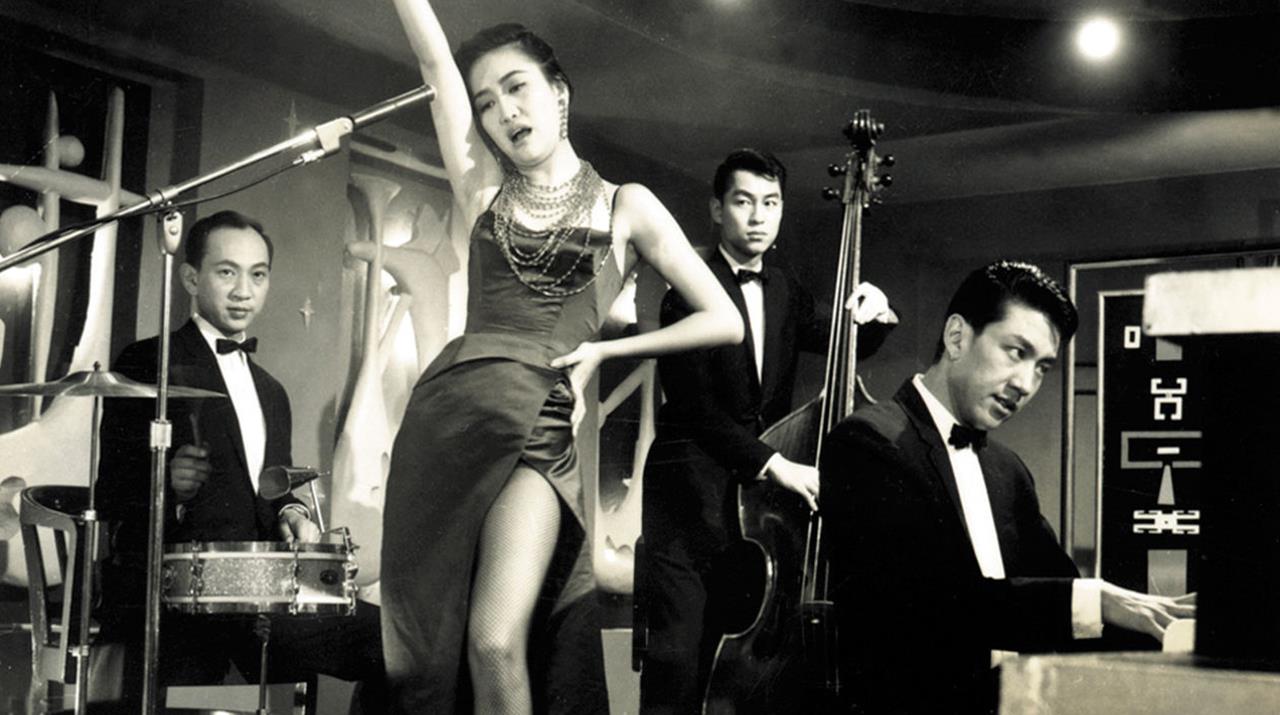
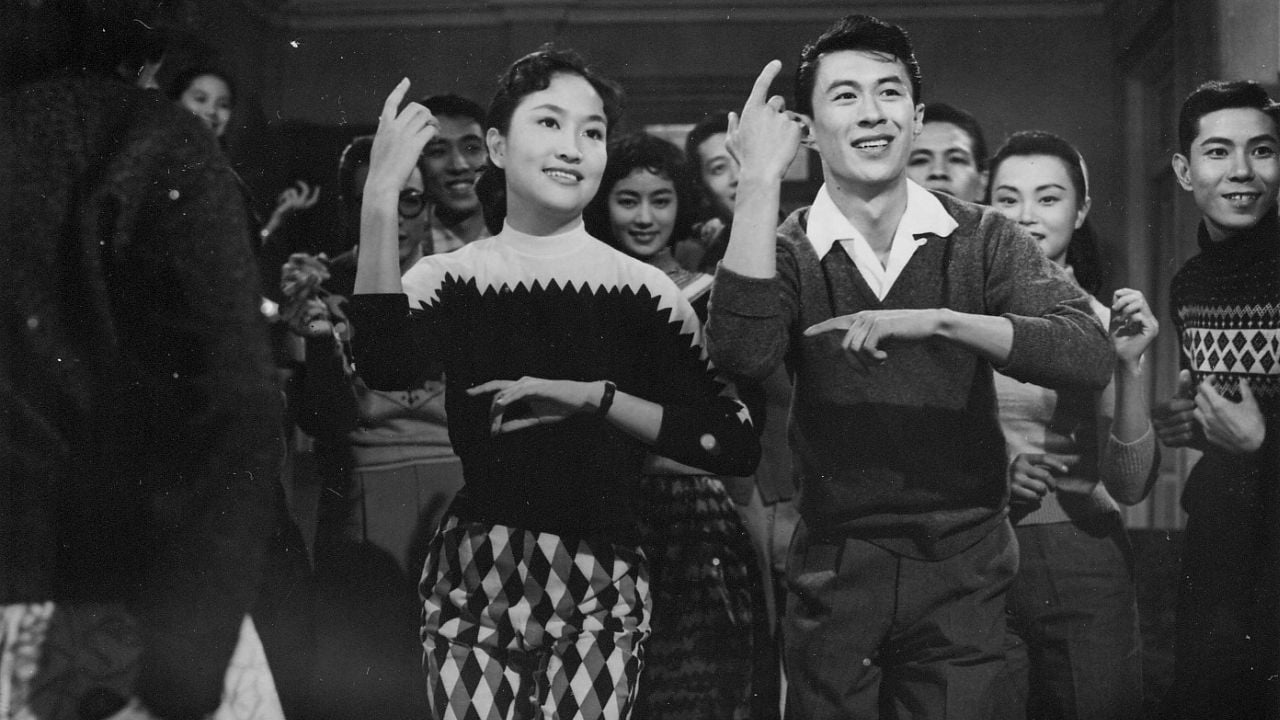
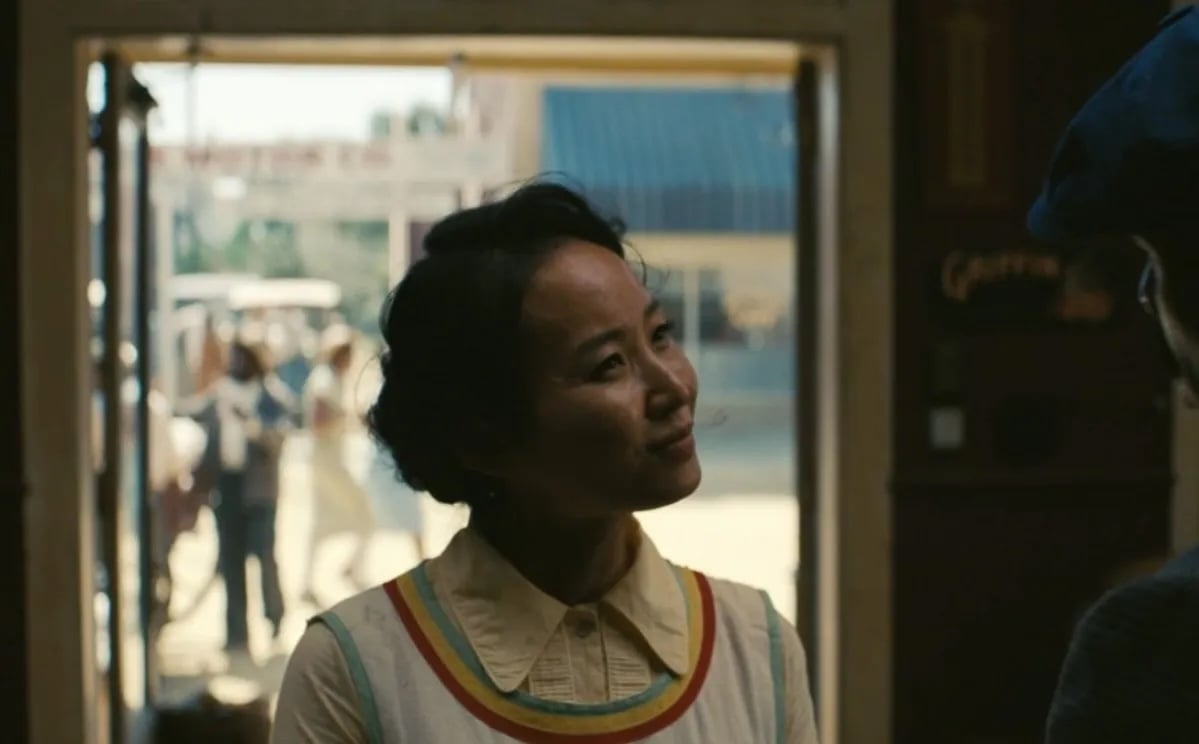
A scene from the Hong Kong film Wild, Wild Rose (1960), which featured music that spanned jazz, Latin rhythms, swing, Western opera, and Mandarin pop. Image via Far East Film Festival.

As the decade unfolded, the vibrant, energetic beats of mambo and cha-cha, originating from Cuba, found an eager audience in Hong Kong. Filipino musicians, often migrating for better opportunities, played a pivotal role, becoming the backbone of many local nightclubs and dance halls, especially in areas like Wan Chai. Their mastery of Latin music infused the city’s nightlife with an authentic, driving force. It was far from just imitation; rather, it was integration. Cantonese singers, most notably the legendary pop singer and actress Chang Loo (張露), began recording popular Mandarin lyrics over these intoxicating Afro-Cuban horn arrangements, creating a distinctly Hong Kong flavor that resonated deeply with local audiences.
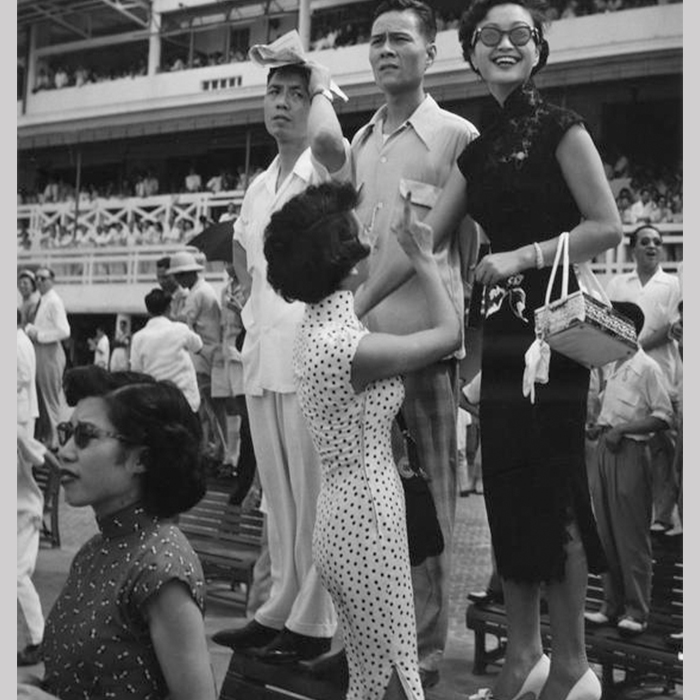
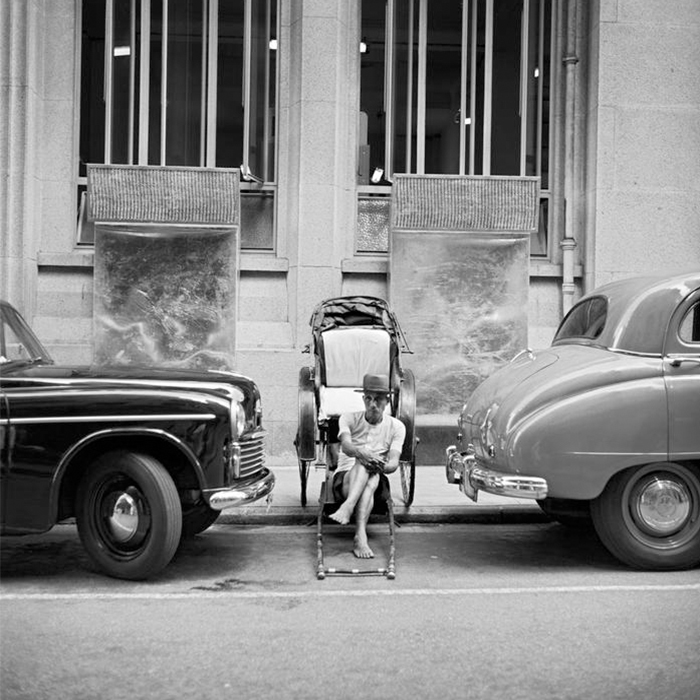
Hong Kong cinema of the era quickly caught the mambo fever. Films like Mambo Girl (1957) prominently featured these new, exciting musical styles, further cementing their place in popular culture and reflecting the city’s open embrace of international trends. The screen became a mirror, showcasing dancers swaying to these infectious rhythms, demonstrating how readily Hong Kong absorbed and reinterpreted global phenomena through its own unique lens.
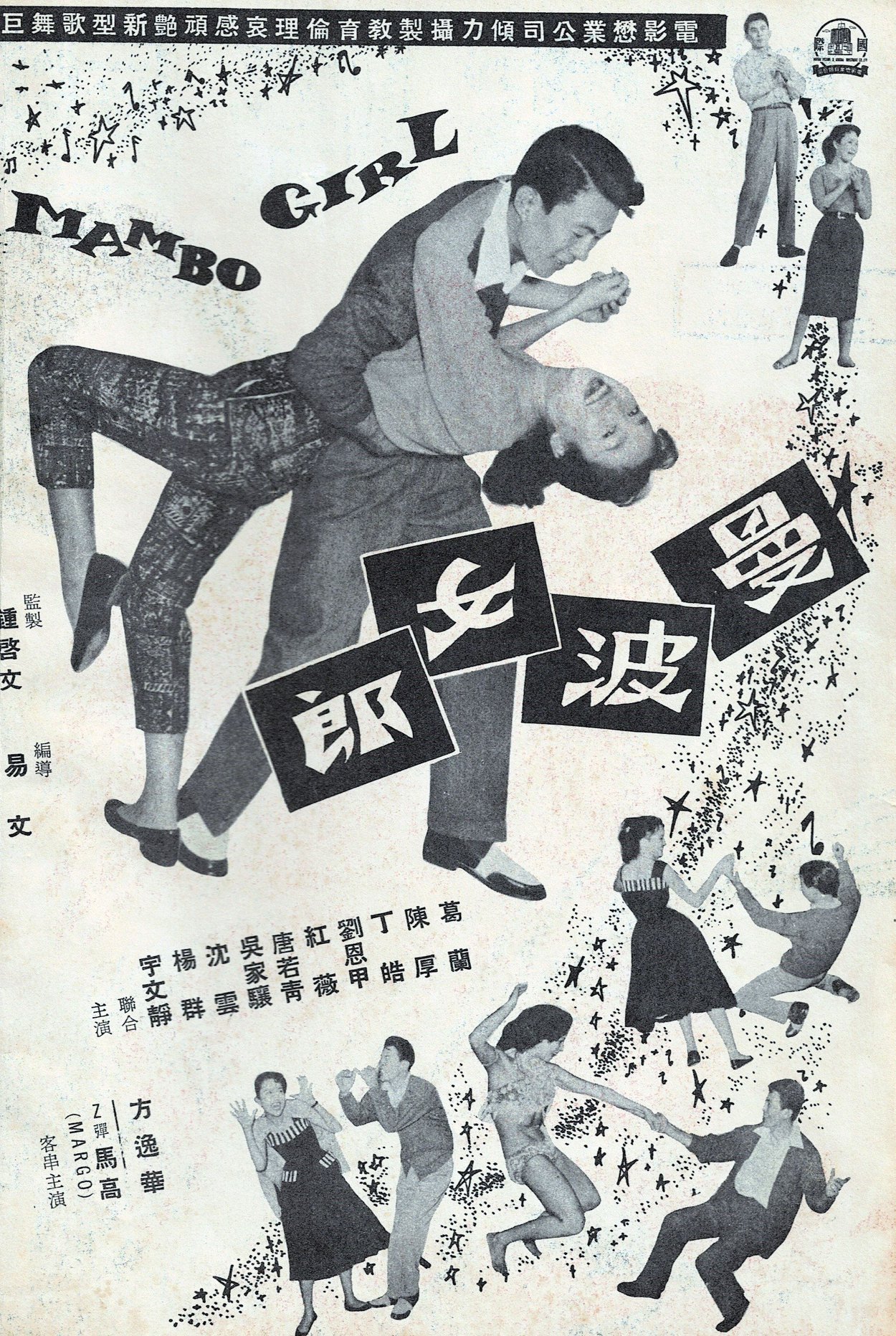
Poster for Mambo Girl (1957). Image via Facebook/國際電影畫報.

This musical synthesis was a reflection of Hong Kong’s intrinsic identity. A haven for diverse communities and a nexus for trade and ideas, the city naturally became fertile ground for cultural amalgamation. The Latin beat era in Hong Kong stands as a compelling snapshot in time, illustrating how Hong Kong was not just a recipient of global trends but an active participant and innovator, forging its own contemporary culture from an extraordinary blend of influences. And thanks to the efforts of the younger generation, with creatives like DJ Gia Fu (昭盈) and her “Canton Mambo” series, we’re not only able to get peeks into Hong Kong’s mambo-infused past, but also how the sounds of that period have evolved into the sounds of today.

With all that said, and before you start swaying those hips, chill for an hour and a half to watch the fully uploaded Mambo Girl (1957) with English subs below:

Cover image via Far East Film Festival.

NEWSLETTER

Get weekly top picks and exclusive, newsletter only content delivered straight to you inbox.

NEWSLETTER

Get weekly top picks and exclusive, newsletter only content delivered straight to you inbox.

RADII NEWSLETTER

Get weekly top picks and exclusive, newsletter only content delivered straight to you inbox

Feature image of Back to Basics: Hong Kong’s Hidden Latin Beat During the 1950s

Back to Basics: Hong Kong’s Hidden Latin Beat During the 1950s

2 mins read

The 1950s in Hong Kong were a kaleidoscopic era, a true cultural crossroads where East met West in a symphony of sounds, styles, and societal shifts. Far from being a mere colonial outpost, the city pulsated as a vibrant melting pot, particularly evident in its electrifying music scene. At the heart of this rhythmic revolution was Latin music, a fascinating fusion born from the irresistible allure of Afro-Latin rhythms that swept the globe.

A scene from the Hong Kong film Wild, Wild Rose (1960), which featured music that spanned jazz, Latin rhythms, swing, Western opera, and Mandarin pop. Image via Far East Film Festival.

As the decade unfolded, the vibrant, energetic beats of mambo and cha-cha, originating from Cuba, found an eager audience in Hong Kong. Filipino musicians, often migrating for better opportunities, played a pivotal role, becoming the backbone of many local nightclubs and dance halls, especially in areas like Wan Chai. Their mastery of Latin music infused the city’s nightlife with an authentic, driving force. It was far from just imitation; rather, it was integration. Cantonese singers, most notably the legendary pop singer and actress Chang Loo (張露), began recording popular Mandarin lyrics over these intoxicating Afro-Cuban horn arrangements, creating a distinctly Hong Kong flavor that resonated deeply with local audiences.

Hong Kong cinema of the era quickly caught the mambo fever. Films like Mambo Girl (1957) prominently featured these new, exciting musical styles, further cementing their place in popular culture and reflecting the city’s open embrace of international trends. The screen became a mirror, showcasing dancers swaying to these infectious rhythms, demonstrating how readily Hong Kong absorbed and reinterpreted global phenomena through its own unique lens.

Poster for Mambo Girl (1957). Image via Facebook/國際電影畫報.

This musical synthesis was a reflection of Hong Kong’s intrinsic identity. A haven for diverse communities and a nexus for trade and ideas, the city naturally became fertile ground for cultural amalgamation. The Latin beat era in Hong Kong stands as a compelling snapshot in time, illustrating how Hong Kong was not just a recipient of global trends but an active participant and innovator, forging its own contemporary culture from an extraordinary blend of influences. And thanks to the efforts of the younger generation, with creatives like DJ Gia Fu (昭盈) and her “Canton Mambo” series, we’re not only able to get peeks into Hong Kong’s mambo-infused past, but also how the sounds of that period have evolved into the sounds of today.

With all that said, and before you start swaying those hips, chill for an hour and a half to watch the fully uploaded Mambo Girl (1957) with English subs below:

Cover image via Far East Film Festival.
NEWSLETTER

Get weekly top picks and exclusive, newsletter only content delivered straight to you inbox.

RADII NEWSLETTER

Get weekly top picks and exclusive, newsletter only content delivered straight to you inbox

RELATED POSTS

Feature image of Back to Basics: Hong Kong’s Hidden Latin Beat During the 1950s

Back to Basics: Hong Kong’s Hidden Latin Beat During the 1950s

2 mins read

2 mins read

Feature image of Back to Basics: Hong Kong’s Hidden Latin Beat During the 1950s

The 1950s in Hong Kong were a kaleidoscopic era, a true cultural crossroads where East met West in a symphony of sounds, styles, and societal shifts. Far from being a mere colonial outpost, the city pulsated as a vibrant melting pot, particularly evident in its electrifying music scene. At the heart of this rhythmic revolution was Latin music, a fascinating fusion born from the irresistible allure of Afro-Latin rhythms that swept the globe.

A scene from the Hong Kong film Wild, Wild Rose (1960), which featured music that spanned jazz, Latin rhythms, swing, Western opera, and Mandarin pop. Image via Far East Film Festival.

As the decade unfolded, the vibrant, energetic beats of mambo and cha-cha, originating from Cuba, found an eager audience in Hong Kong. Filipino musicians, often migrating for better opportunities, played a pivotal role, becoming the backbone of many local nightclubs and dance halls, especially in areas like Wan Chai. Their mastery of Latin music infused the city’s nightlife with an authentic, driving force. It was far from just imitation; rather, it was integration. Cantonese singers, most notably the legendary pop singer and actress Chang Loo (張露), began recording popular Mandarin lyrics over these intoxicating Afro-Cuban horn arrangements, creating a distinctly Hong Kong flavor that resonated deeply with local audiences.

Hong Kong cinema of the era quickly caught the mambo fever. Films like Mambo Girl (1957) prominently featured these new, exciting musical styles, further cementing their place in popular culture and reflecting the city’s open embrace of international trends. The screen became a mirror, showcasing dancers swaying to these infectious rhythms, demonstrating how readily Hong Kong absorbed and reinterpreted global phenomena through its own unique lens.

Poster for Mambo Girl (1957). Image via Facebook/國際電影畫報.

This musical synthesis was a reflection of Hong Kong’s intrinsic identity. A haven for diverse communities and a nexus for trade and ideas, the city naturally became fertile ground for cultural amalgamation. The Latin beat era in Hong Kong stands as a compelling snapshot in time, illustrating how Hong Kong was not just a recipient of global trends but an active participant and innovator, forging its own contemporary culture from an extraordinary blend of influences. And thanks to the efforts of the younger generation, with creatives like DJ Gia Fu (昭盈) and her “Canton Mambo” series, we’re not only able to get peeks into Hong Kong’s mambo-infused past, but also how the sounds of that period have evolved into the sounds of today.

With all that said, and before you start swaying those hips, chill for an hour and a half to watch the fully uploaded Mambo Girl (1957) with English subs below:

Cover image via Far East Film Festival.

NEWSLETTER

Get weekly top picks and exclusive, newsletter only content delivered straight to you inbox.

NEWSLETTER

Get weekly top picks and exclusive, newsletter only content delivered straight to you inbox.

RADII NEWSLETTER

Get weekly top picks and exclusive, newsletter only content delivered straight to you inbox

Feature image of Back to Basics: Hong Kong’s Hidden Latin Beat During the 1950s

Back to Basics: Hong Kong’s Hidden Latin Beat During the 1950s

2 mins read

The 1950s in Hong Kong were a kaleidoscopic era, a true cultural crossroads where East met West in a symphony of sounds, styles, and societal shifts. Far from being a mere colonial outpost, the city pulsated as a vibrant melting pot, particularly evident in its electrifying music scene. At the heart of this rhythmic revolution was Latin music, a fascinating fusion born from the irresistible allure of Afro-Latin rhythms that swept the globe.

A scene from the Hong Kong film Wild, Wild Rose (1960), which featured music that spanned jazz, Latin rhythms, swing, Western opera, and Mandarin pop. Image via Far East Film Festival.

As the decade unfolded, the vibrant, energetic beats of mambo and cha-cha, originating from Cuba, found an eager audience in Hong Kong. Filipino musicians, often migrating for better opportunities, played a pivotal role, becoming the backbone of many local nightclubs and dance halls, especially in areas like Wan Chai. Their mastery of Latin music infused the city’s nightlife with an authentic, driving force. It was far from just imitation; rather, it was integration. Cantonese singers, most notably the legendary pop singer and actress Chang Loo (張露), began recording popular Mandarin lyrics over these intoxicating Afro-Cuban horn arrangements, creating a distinctly Hong Kong flavor that resonated deeply with local audiences.

Hong Kong cinema of the era quickly caught the mambo fever. Films like Mambo Girl (1957) prominently featured these new, exciting musical styles, further cementing their place in popular culture and reflecting the city’s open embrace of international trends. The screen became a mirror, showcasing dancers swaying to these infectious rhythms, demonstrating how readily Hong Kong absorbed and reinterpreted global phenomena through its own unique lens.

Poster for Mambo Girl (1957). Image via Facebook/國際電影畫報.

This musical synthesis was a reflection of Hong Kong’s intrinsic identity. A haven for diverse communities and a nexus for trade and ideas, the city naturally became fertile ground for cultural amalgamation. The Latin beat era in Hong Kong stands as a compelling snapshot in time, illustrating how Hong Kong was not just a recipient of global trends but an active participant and innovator, forging its own contemporary culture from an extraordinary blend of influences. And thanks to the efforts of the younger generation, with creatives like DJ Gia Fu (昭盈) and her “Canton Mambo” series, we’re not only able to get peeks into Hong Kong’s mambo-infused past, but also how the sounds of that period have evolved into the sounds of today.

With all that said, and before you start swaying those hips, chill for an hour and a half to watch the fully uploaded Mambo Girl (1957) with English subs below:

Cover image via Far East Film Festival.

NEWSLETTER

Get weekly top picks and exclusive, newsletter only content delivered straight to you inbox.

RADII NEWSLETTER

Get weekly top picks and exclusive, newsletter only content delivered straight to you inbox

NEWSLETTER​

Get weekly top picks and exclusive, newsletter only content delivered straight to you inbox

RADII Newsletter Pop Up small banner

NEWSLETTER

Get weekly top picks and exclusive, newsletter only content delivered straight to you inbox.

Link Copied!

Share

Feature image of Back to Basics: Hong Kong’s Hidden Latin Beat During the 1950s

Back to Basics: Hong Kong’s Hidden Latin Beat During the 1950s

PULSE

Tap into the latest in music, fashion, art, design, entertainment, pop culture, celebrity news, and contemporary culture

DISCOVER

Embark on a journey through food, travel, wellness, heritage, traditional culture, and lifestyle

STYLE

An insider’s look at the intersection of fashion, art, and design

FEAST

Titillate your taste buds with coverage of the best food and drink trends from China and beyond.

FUTURE

Explore the cutting edge in tech, AI, gadgets, gaming, and innovative tech-related products

FEAST

Titillate your taste buds with coverage of the best food and drink trends from China and beyond

STYLE

An insider’s look at the intersection of fashion, art, and design

PULSE

Unpacking Chinese youth culture through coverage of nightlife, film, sports, celebrities, and the hottest new music