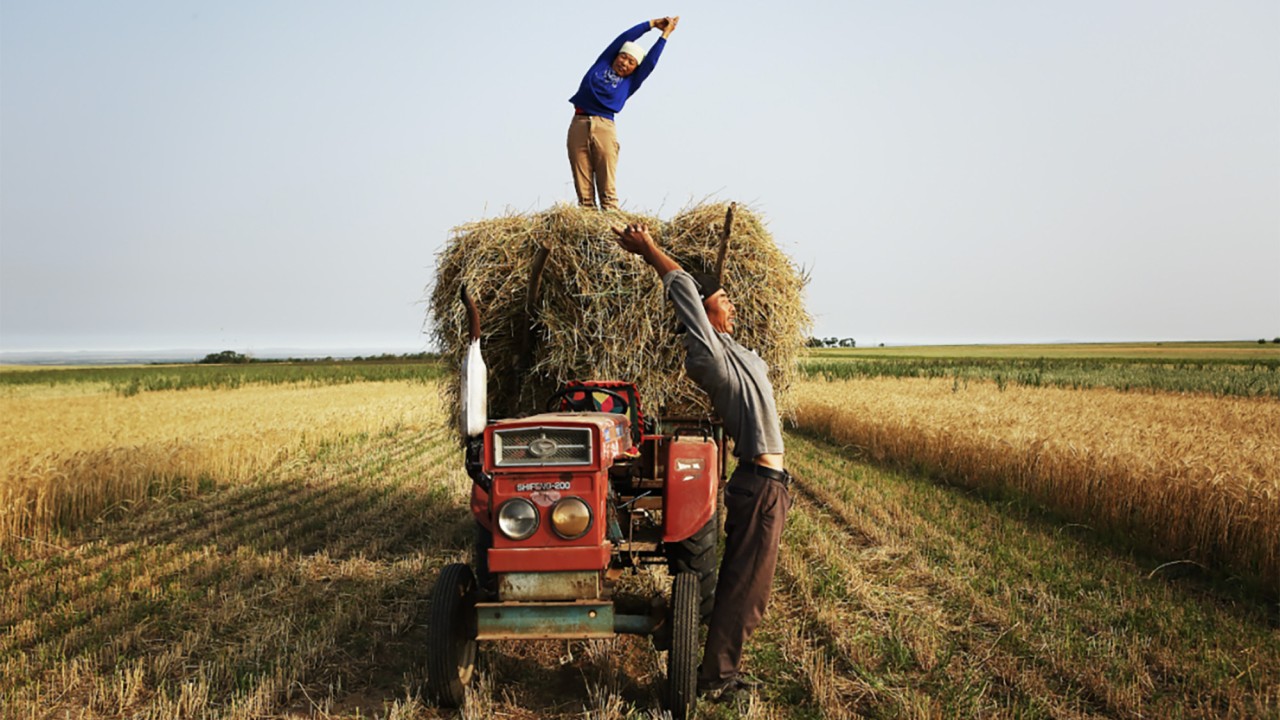

In the quiet, often overlooked corners of Hebei province, an astonishing cultural phenomenon has taken root. Yugouliang Village, once defined by its agricultural rhythms and the persistent challenge of poverty, has birthed a community of yoga masters whose average age defies expectation—over 65.
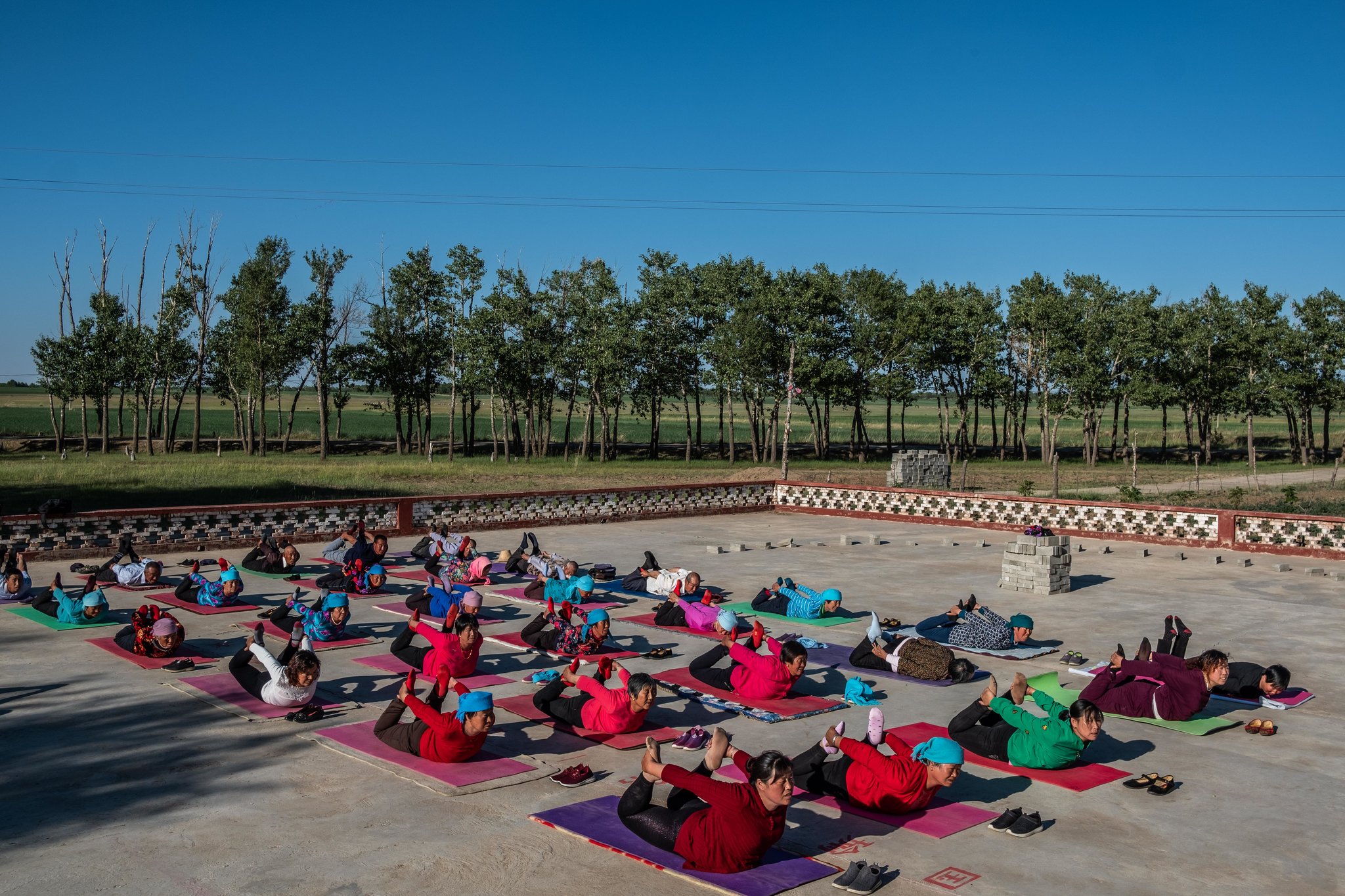
Before their newfound flexibility captivated online audiences, Yugouliang’s identity was deeply intertwined with the land, its residents toiling in fields and tending livestock. Its transformation began not with a celebrity endorsement, but with a practical need: improving health, which also spurred the introduction of quinoa cultivation as a poverty alleviation measure.
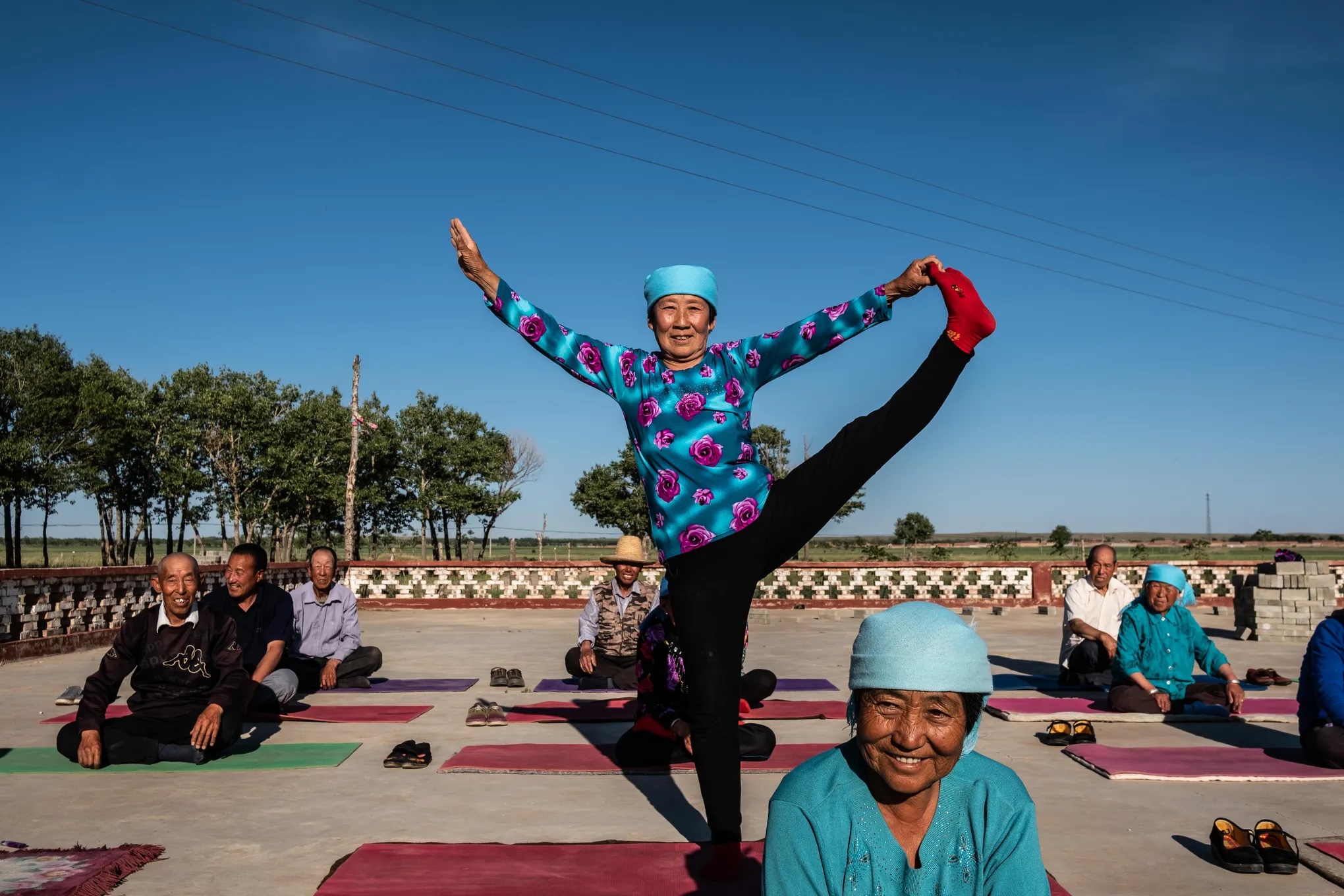
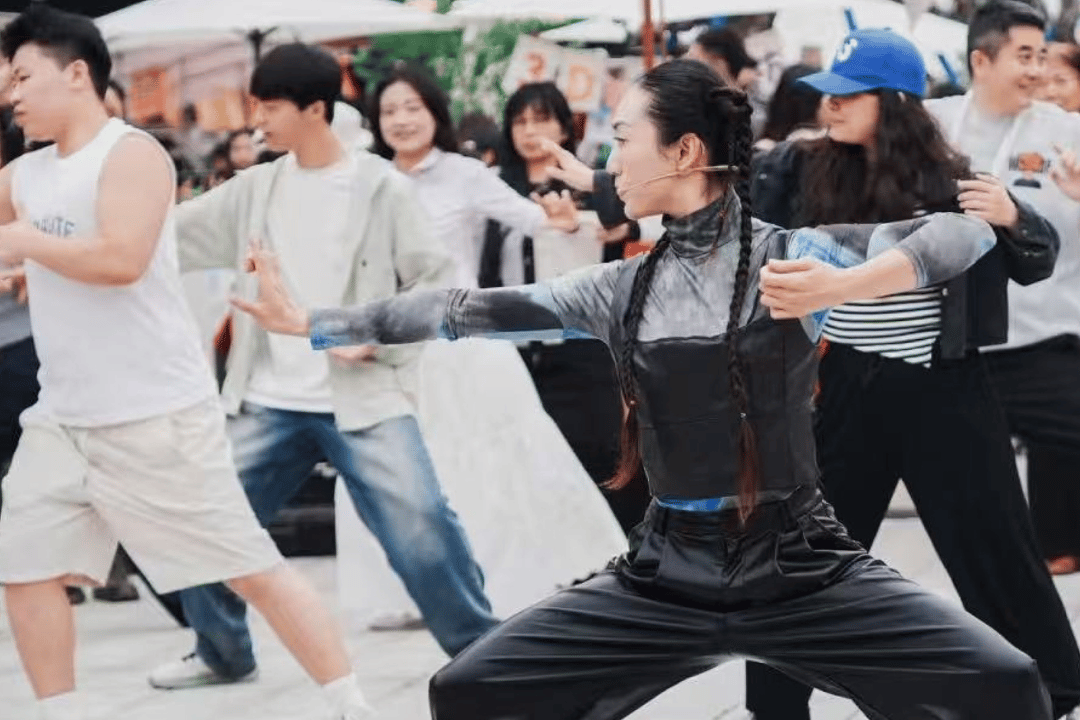
These incredible women execute headstands, splits, and deep backbends with a grace that contradicts their years, inspiring awe across social media. What started as an experimental health initiative in 2016 swiftly evolved into an integral part of village life. They’ve seamlessly integrated yoga into their daily routine, transforming wheat fields, courtyards, and even beds into impromptu studios. Daily chores like sweeping and grinding grain now form movements within “Yugouliang yoga,” a distinct local style born from their environment.
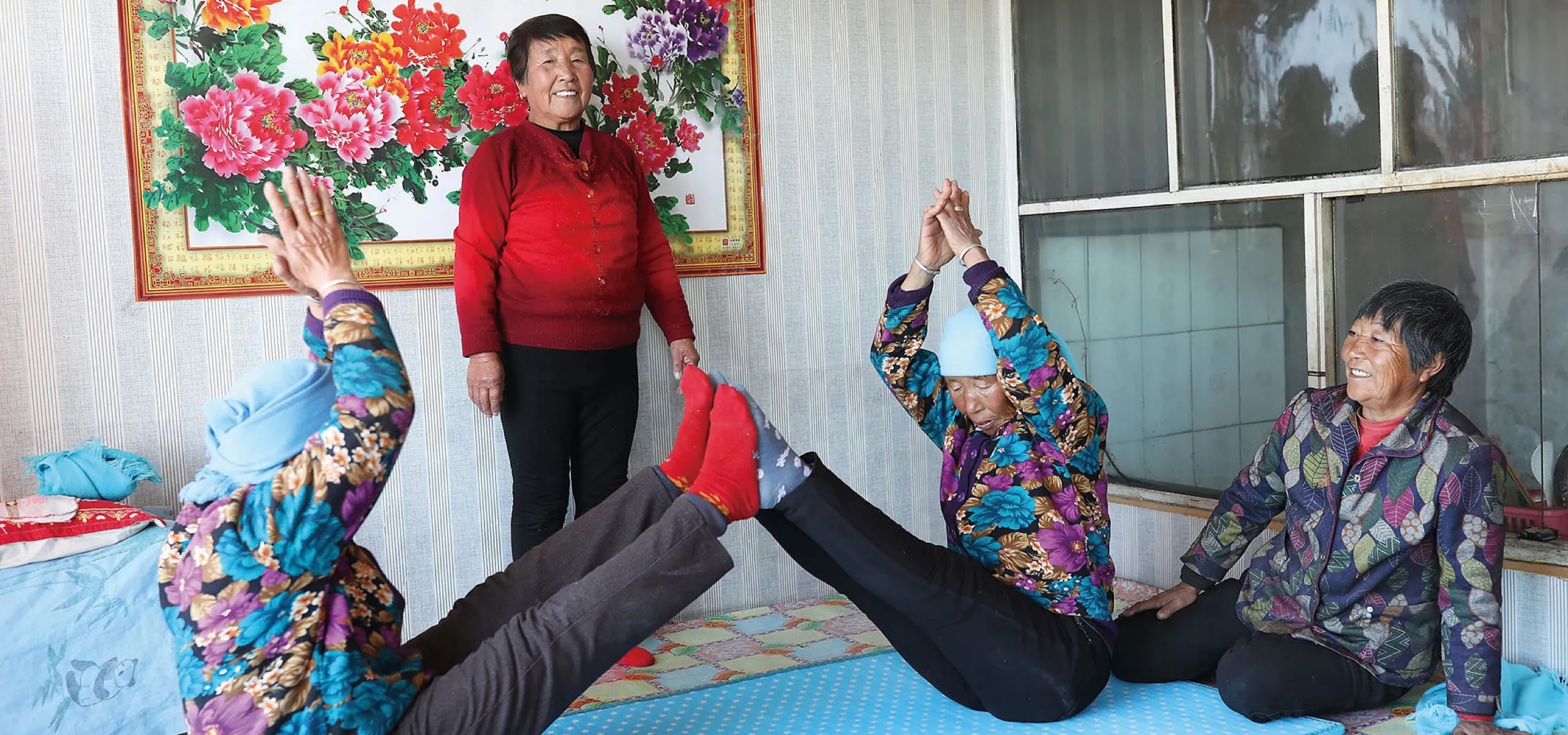
This powerful narrative of resilience and reinvention hasn’t gone unnoticed. Major global brands, particularly those keen on authentic cultural engagement in China, are taking note. adidas, for example, has embraced Yugouliang, featuring the village and its vibrant, elderly practitioners in campaigns.
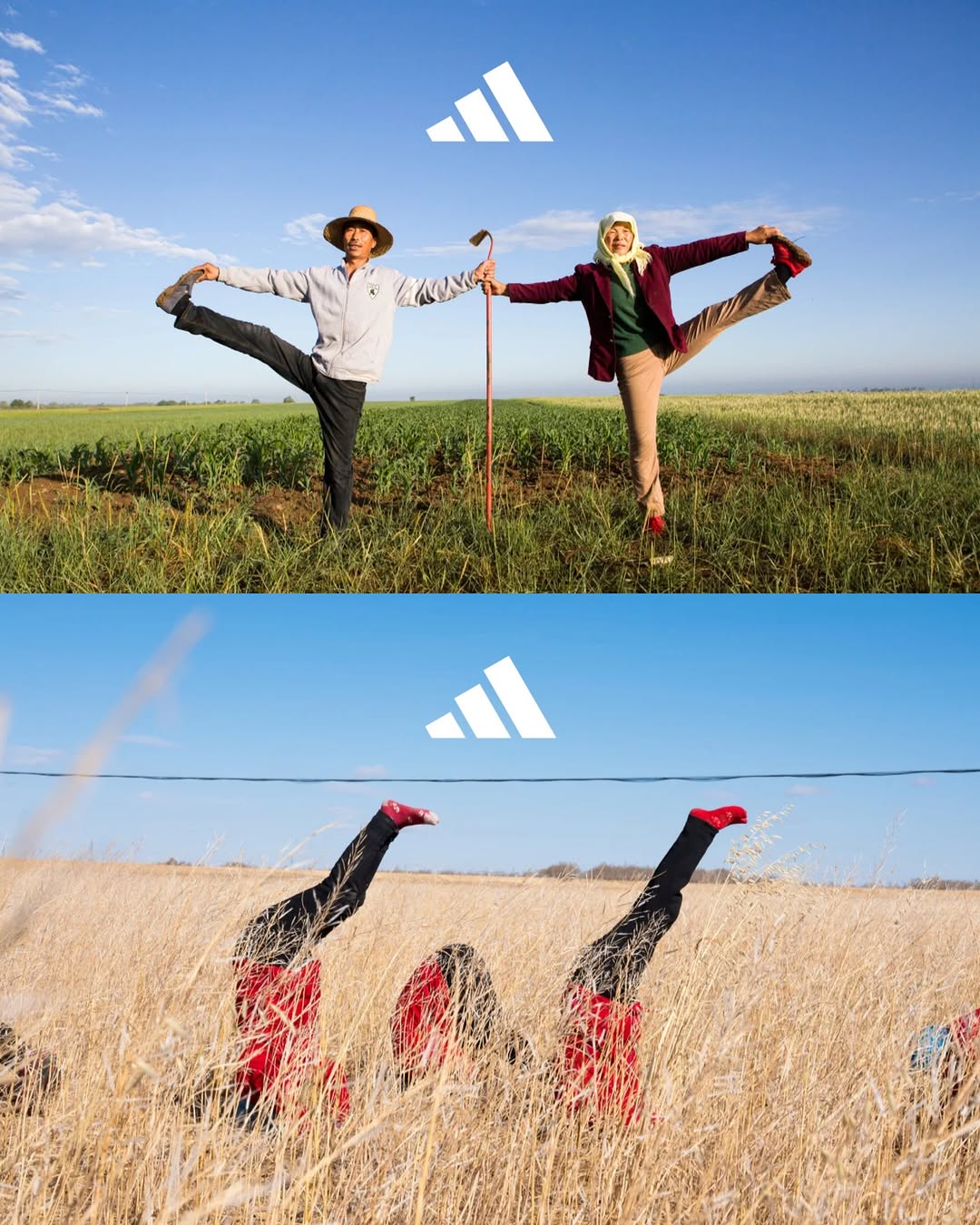
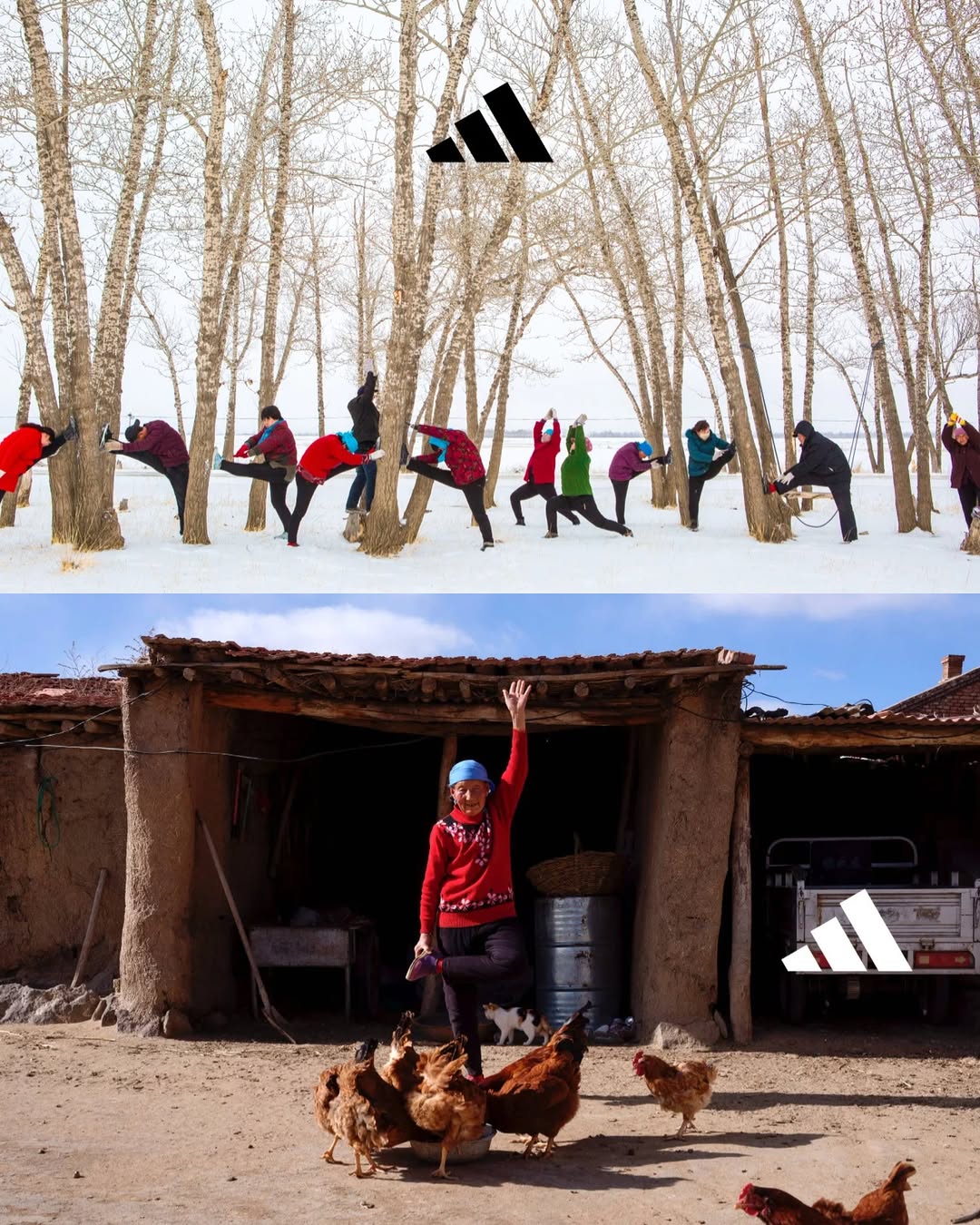
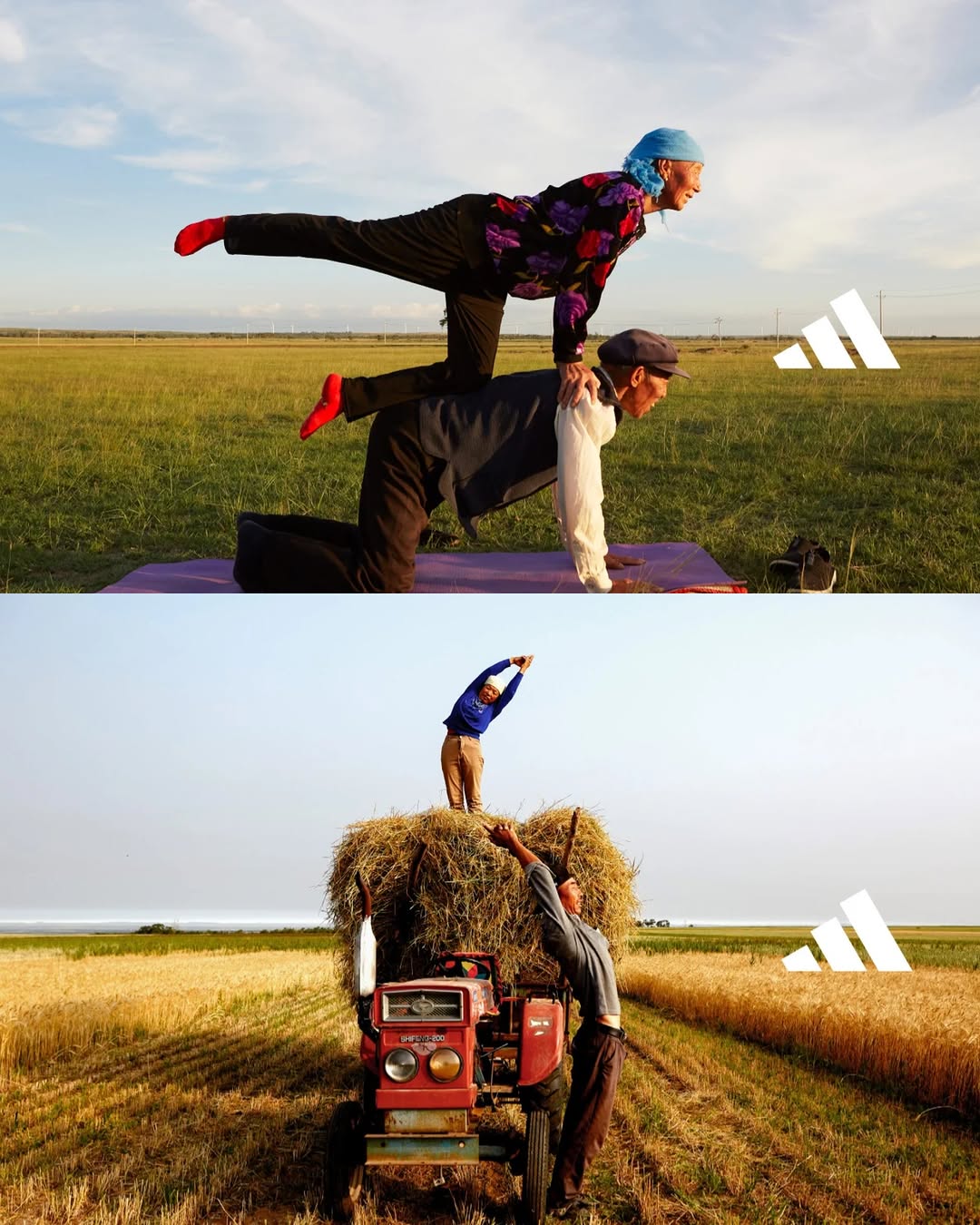
This collaboration represents more than just a marketing tactic. It also highlights how international giants are looking beyond urban centers, tapping into the rich, diverse tapestry of China’s local cultures and the genuine stories of its people to forge deeper, more meaningful connections with a global youth audience.
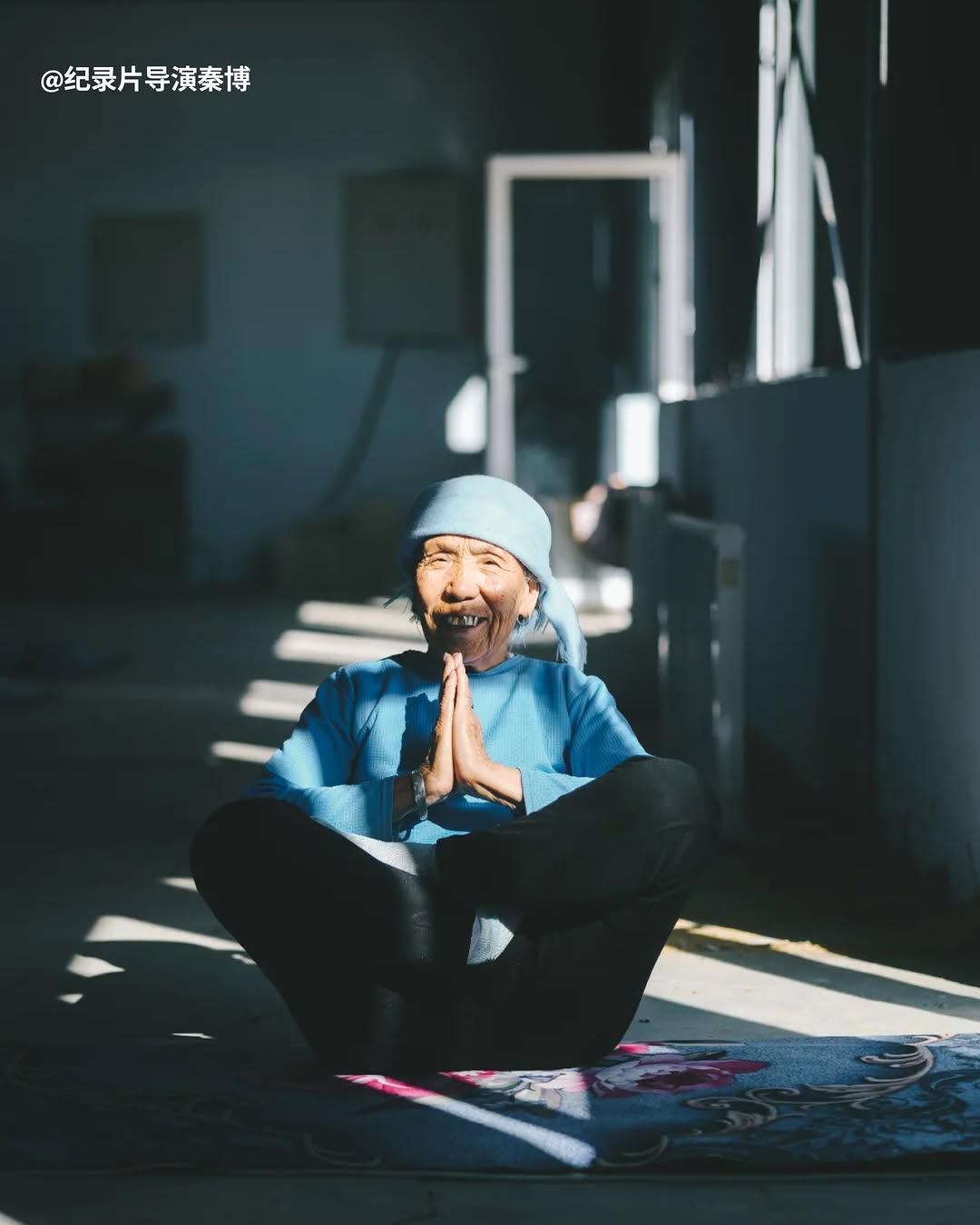
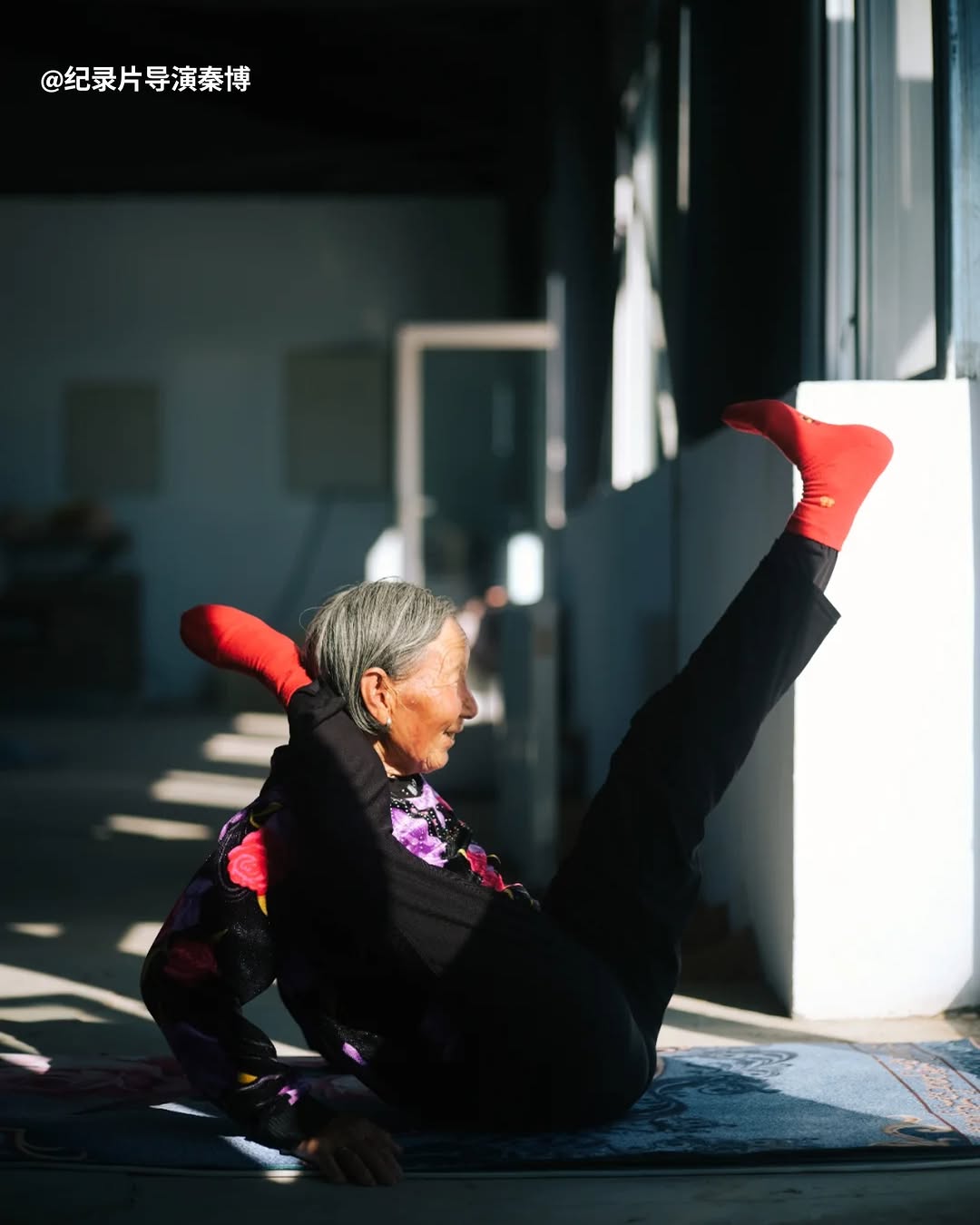
Cover image via SCMP.