Feature image of Between Tradition and Tomorrow: NYC’s Enduring Chinese Bookstores

Between Tradition and Tomorrow: NYC’s Enduring Chinese Bookstores

5 mins read

5 mins read

Feature image of Between Tradition and Tomorrow: NYC’s Enduring Chinese Bookstores
From Yu & Me Books to Eastern Bookstore, NYC’s rare Asian-owned bookshops preserve community, culture, and a disappearing diaspora heritage.

It’s no secret that as digital media continues to dominate our attention spans, readership of physical books has been steadily declining. A study published last year found that reading for pleasure in the U.S. has dropped by nearly 40%. As a result – and perhaps accelerated by the pandemic – mom-and-pop bookstores have been among the hardest hit. Over the past decade, even major chains like Barnes & Noble have struggled to stay afloat. Against this backdrop, bookstores dedicated to Chinese-language and diaspora media have become even rarer.

Growing up in New York’s various Chinatowns, Chinese bookstores never felt scarce to me; they were familiar neighborhood landmarks. But in the years following the pandemic, rising rents and shrinking readership have taken their toll. Like so many cultural institutions, these spaces are quietly disappearing. For now, though, Yu & Me Books and Eastern Bookstore are here to stay.
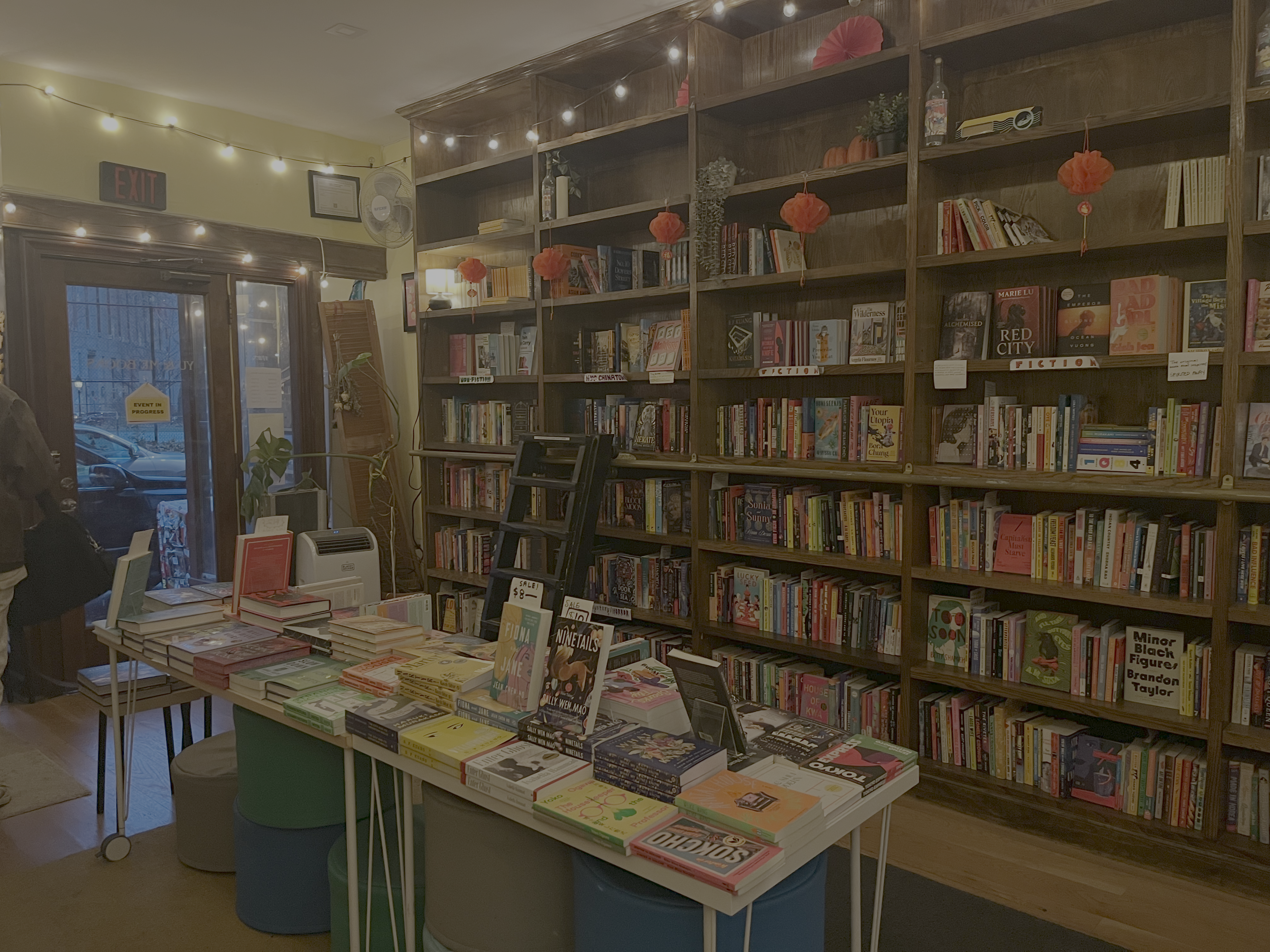
RADII looks into two bookstores in NYC. Yu & Me Books, on Asian diaspora literature, and Eastern Bookstore, filled with Chinese language books.
Interior of Yu & Me Books. Image via Moren Mao.

Yu & Me Books

Yu & Me Books is run by Lucy Yu and holds the distinction of being NYC’s first women-owned Asian American bookstore. Step inside, and it feels like a homey retreat from the city’s perpetual chaos. The lighting is dim, the space cozy, with a wall of carefully curated books lining the room, and a large central table featuring top picks. Yu & Me also sells coffee, beer, merchandise, and small trinkets, making it a good place to linger and explore. Downstairs, a few couches sit alongside a plaque remembering the fire that destroyed the bookstore’s original location in 2023.
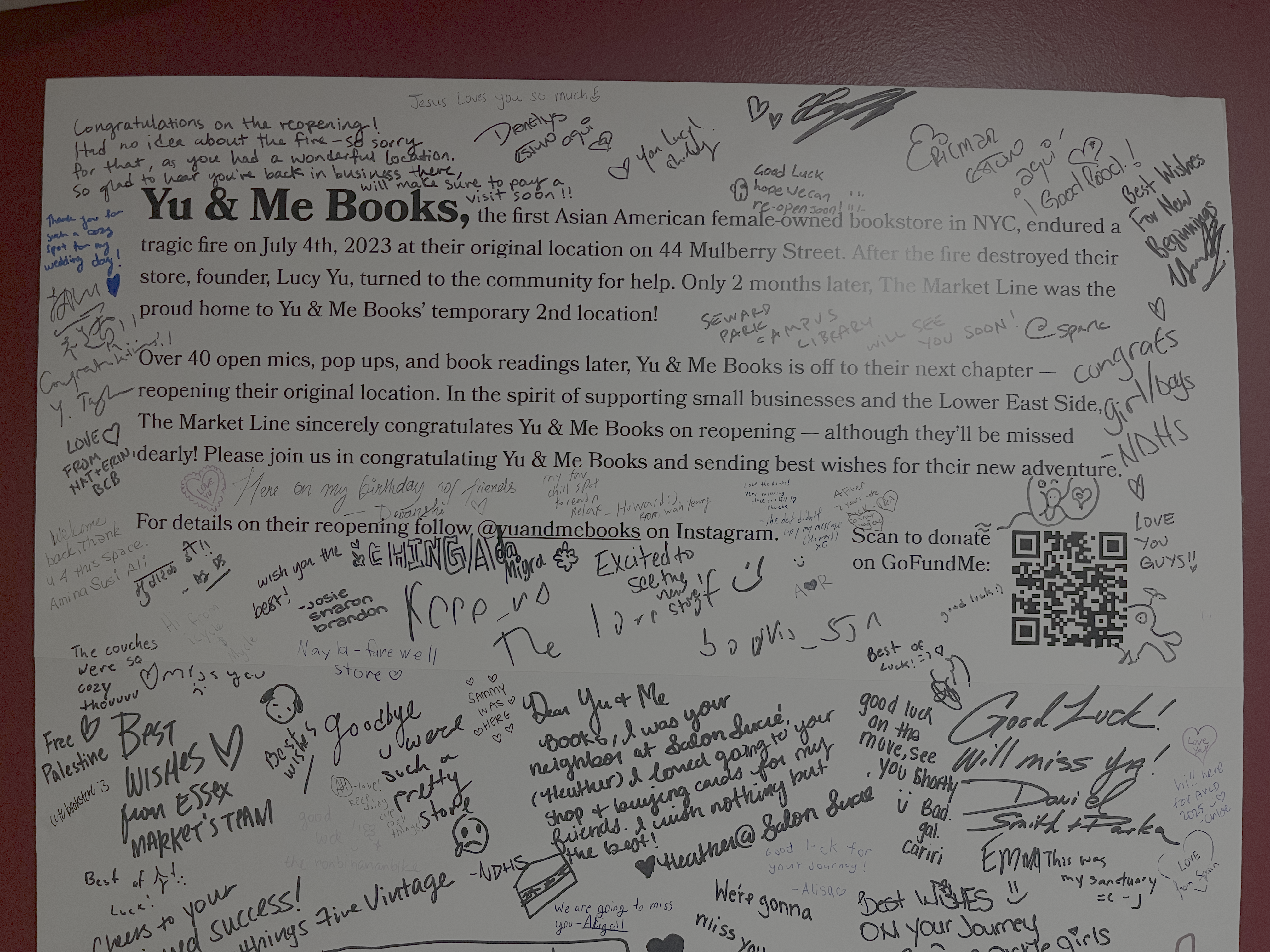
RADII looks into two bookstores in NYC. Yu & Me Books, on Asian diaspora literature, and Eastern Bookstore, filled with Chinese language books.
Image via Moren Mao.

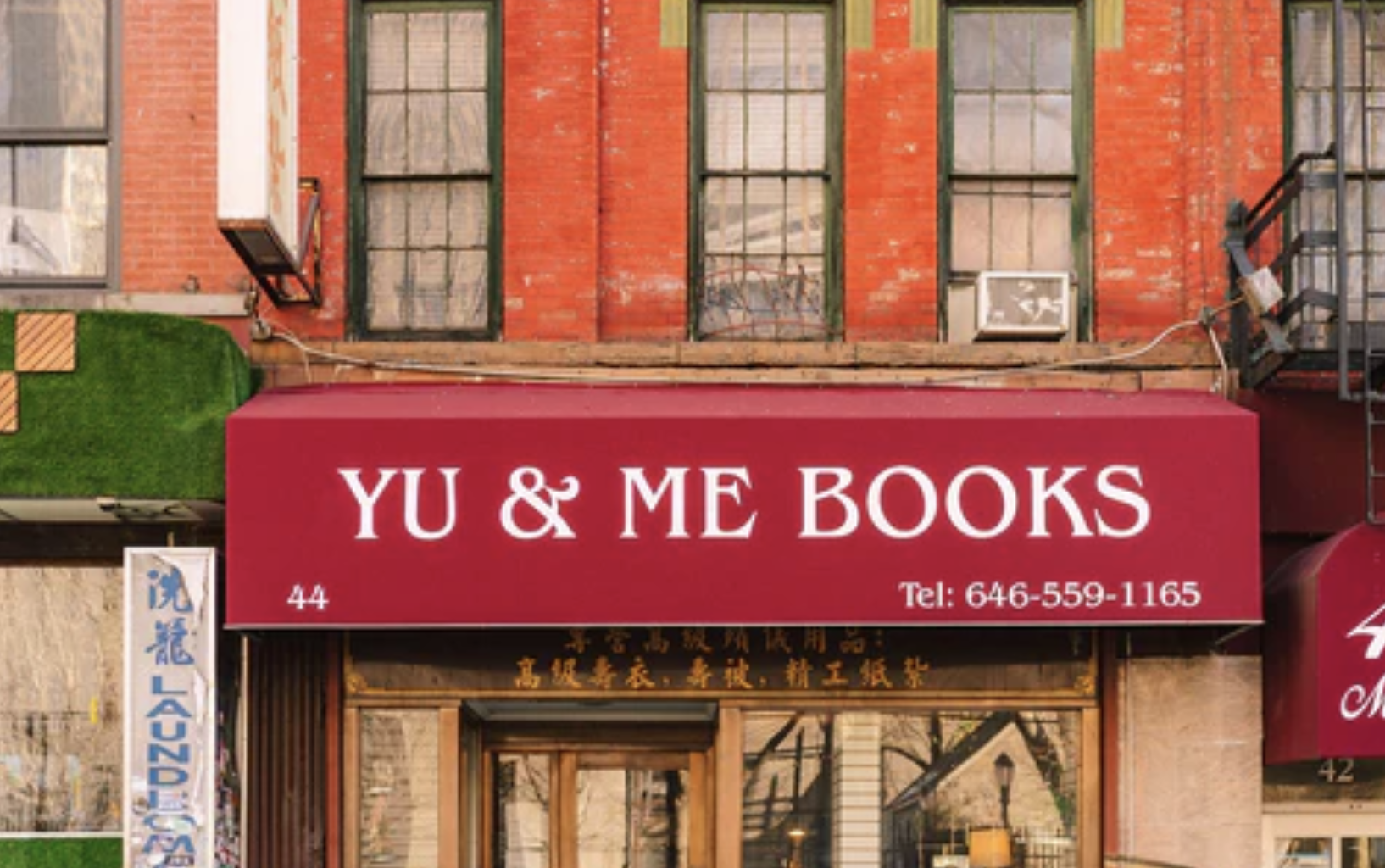
Well-known within Asian diaspora circles, Yu & Me is tucked away on a quieter stretch of Mulberry Street in Chinatown. But this isn’t its first home. The current location opened after a devastating fire tore through its previous space. What followed was a comeback story of a collective act of care across the diaspora and NYC’s small business community. 350,000 USD was raised through fundraisers, with support from patrons, authors, fellow bookstores, and event spaces that opened up their doors for Yu & Me to host gatherings while it rebuilt.

Yu & Me has always been more than a bookstore. It functions as a safe space for Asian American and Asian immigrant writers, with dedicated shelves for queer Asian literature as well. The store also maintains a steady calendar of author talks, meet-and-greets, signings, and holiday celebrations.
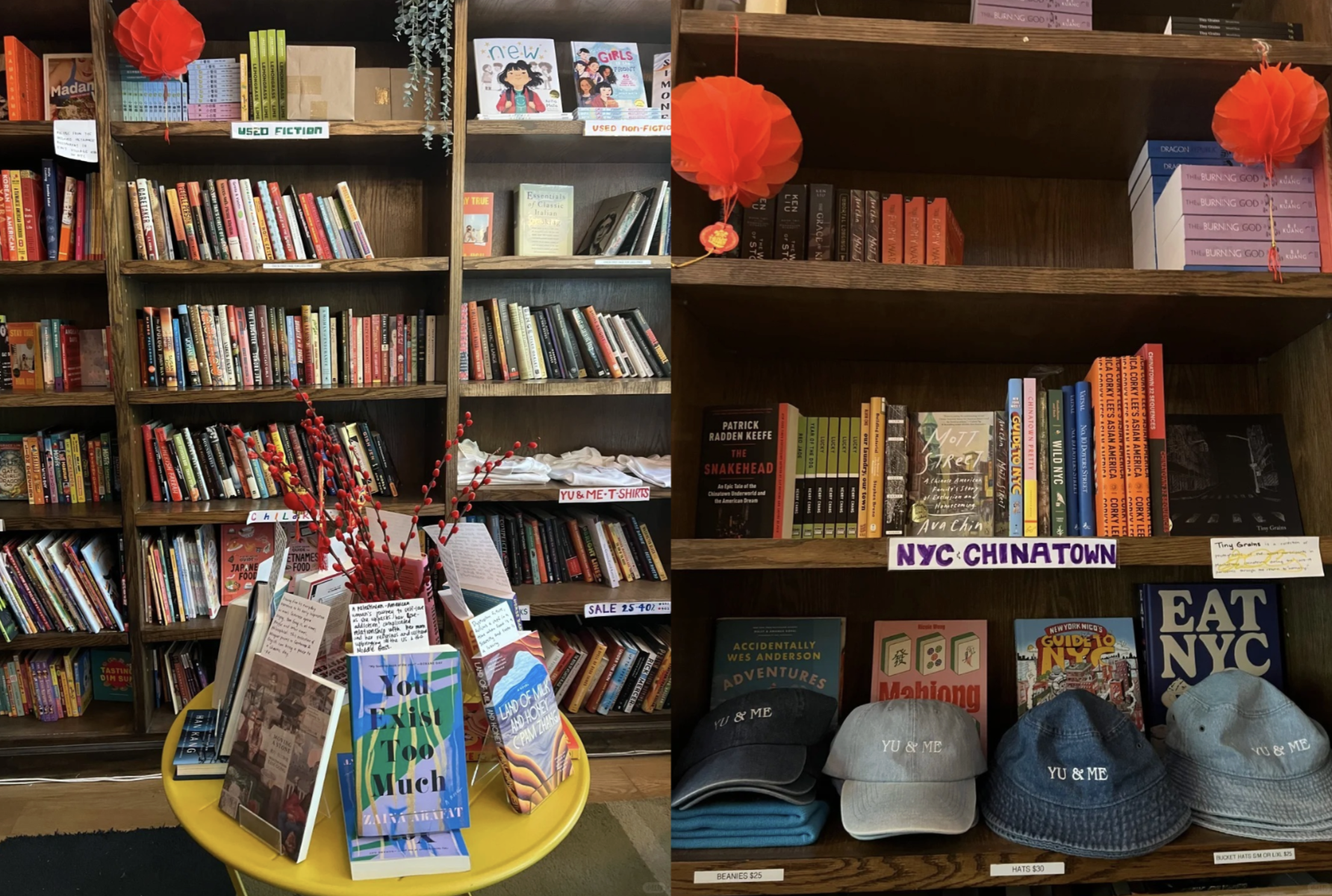
RADII looks into two bookstores in NYC. Yu & Me Books, on Asian diaspora literature, and Eastern Bookstore, filled with Chinese language books.
Yu & Me Books. Images via RedNote.

In an interview just prior to the fire, Yu reflected, “By creating space for the complications of our identities, we are able to figure out ways to understand each other deeper as individuals.” That sentiment captures the true purpose of Yu & Me: a cultural anchor for the community and an ode to diversity.
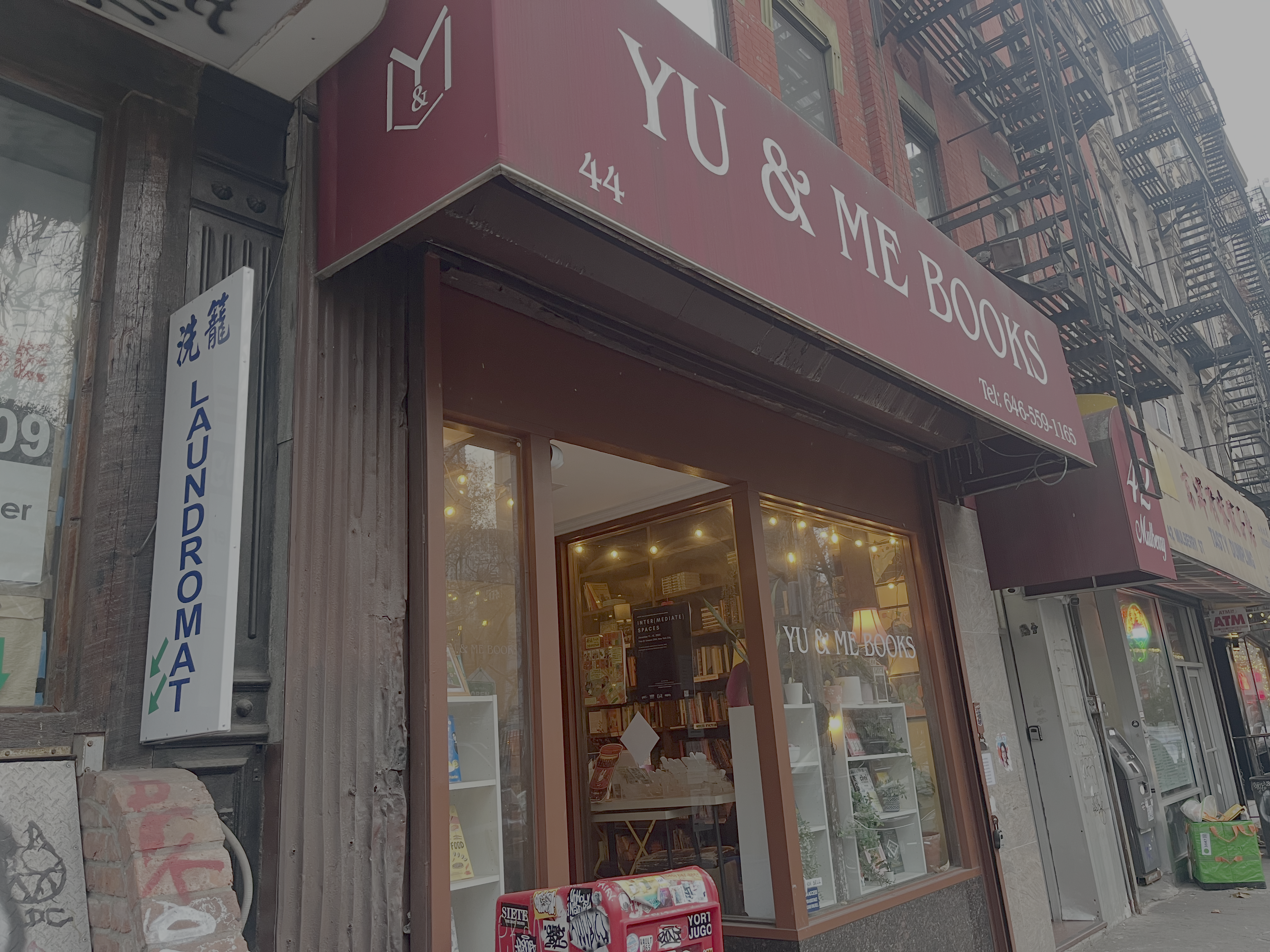
RADII looks into two bookstores in NYC. Yu & Me Books, on Asian diaspora literature, and Eastern Bookstore, filled with Chinese language books.
Image via Moren Mao

Eastern Bookstore

On the opposite end of the spectrum is Eastern Bookstore. Nearly half a century old, the store feels almost warehouse-like in scale – several times larger than Yu & Me – and remains one of the last entirely Chinese-language bookstores in the city.

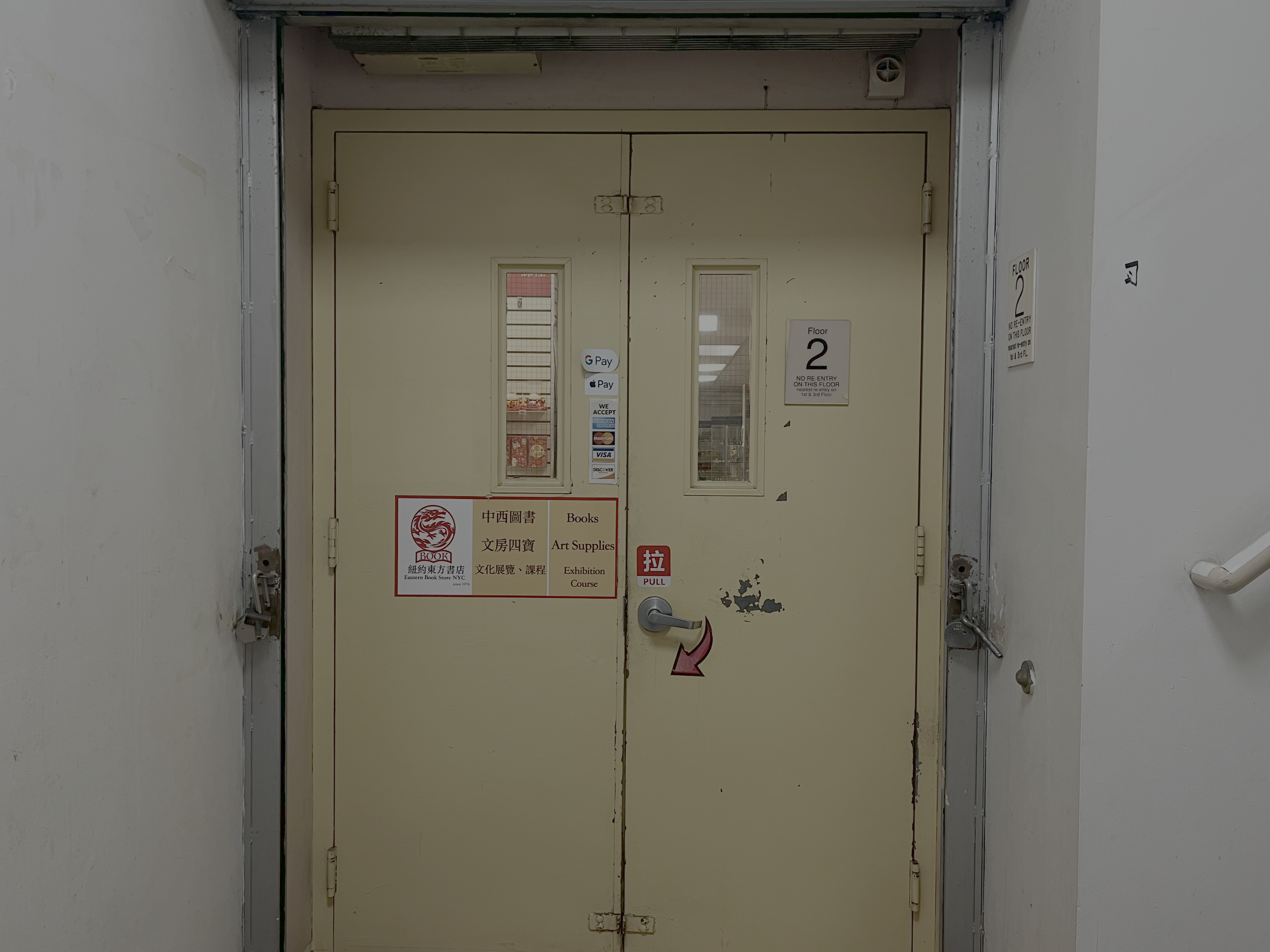
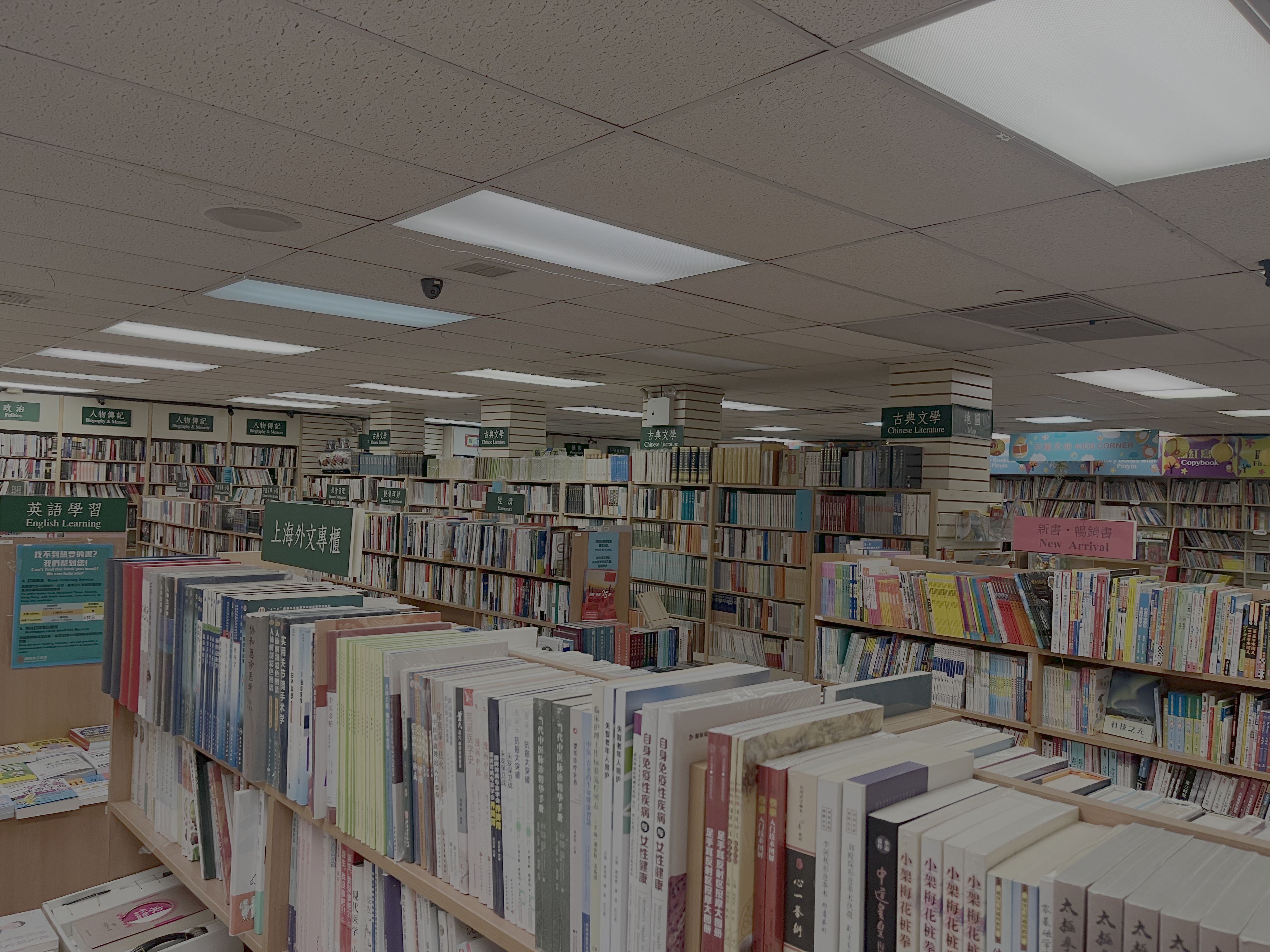
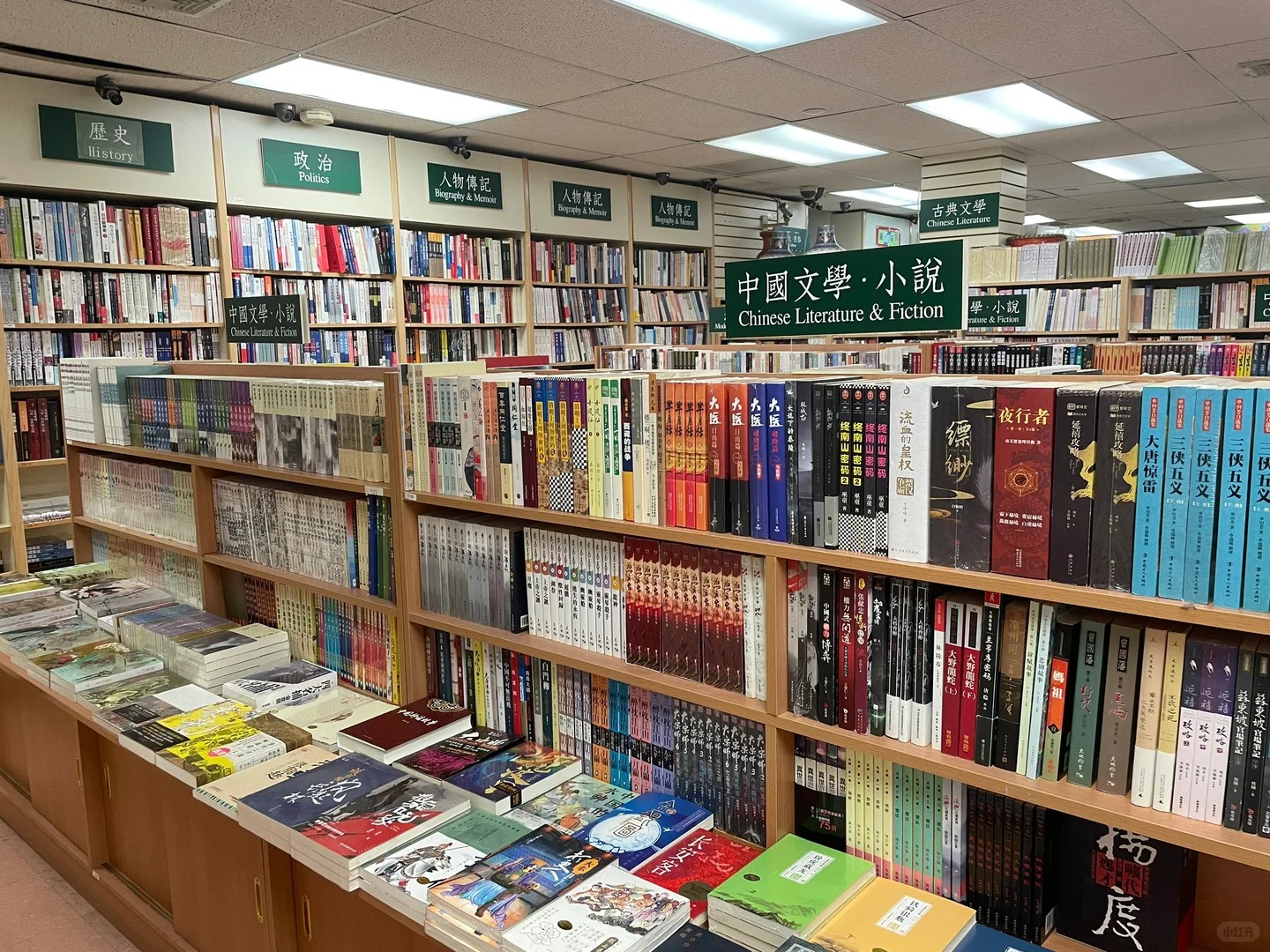
The entrance is easy to miss. An unassuming stairwell leads to another inconspicuous doorway that finally opens into the store itself. Inside, the air smells distinctly of paper, ink, and plastic. Shelves are packed tightly with Mandarin and Cantonese titles spanning every category imaginable, from cookbooks and printed web novels to Chinese classics and the latest magazines.
RADII looks into two bookstores in NYC. Yu & Me Books, on Asian diaspora literature, and Eastern Bookstore, filled with Chinese language books.
Doorway to Eastern Bookstore. Image via Moren Mao
RADII looks into two bookstores in NYC. Yu & Me Books, on Asian diaspora literature, and Eastern Bookstore, filled with Chinese language books.
Bookstore interior. Image via Moren Mao.
RADII looks into two bookstores in NYC. Yu & Me Books, on Asian diaspora literature, and Eastern Bookstore, filled with Chinese language books.
Latest Chinese magazines. Image via RedNote.

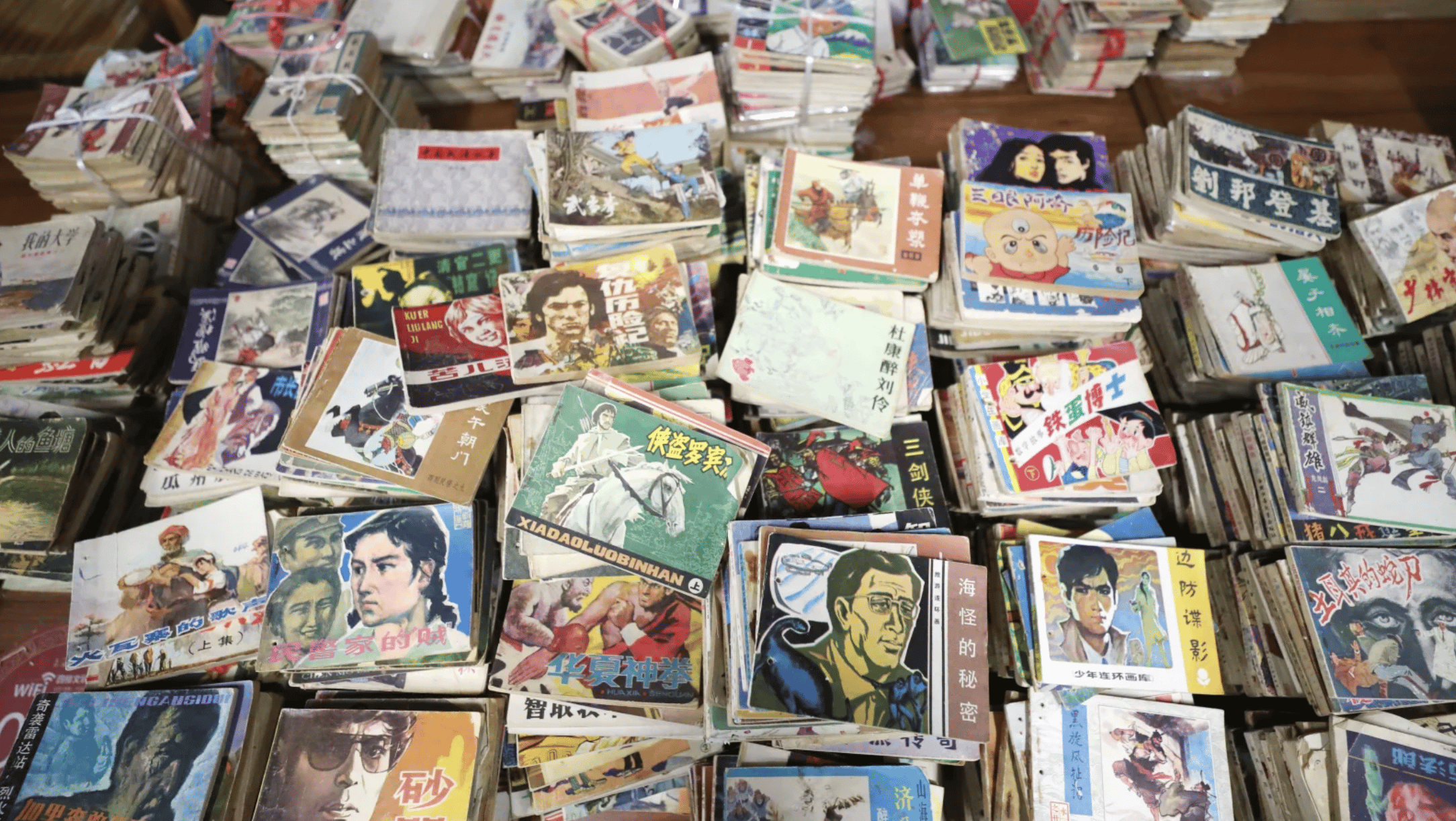
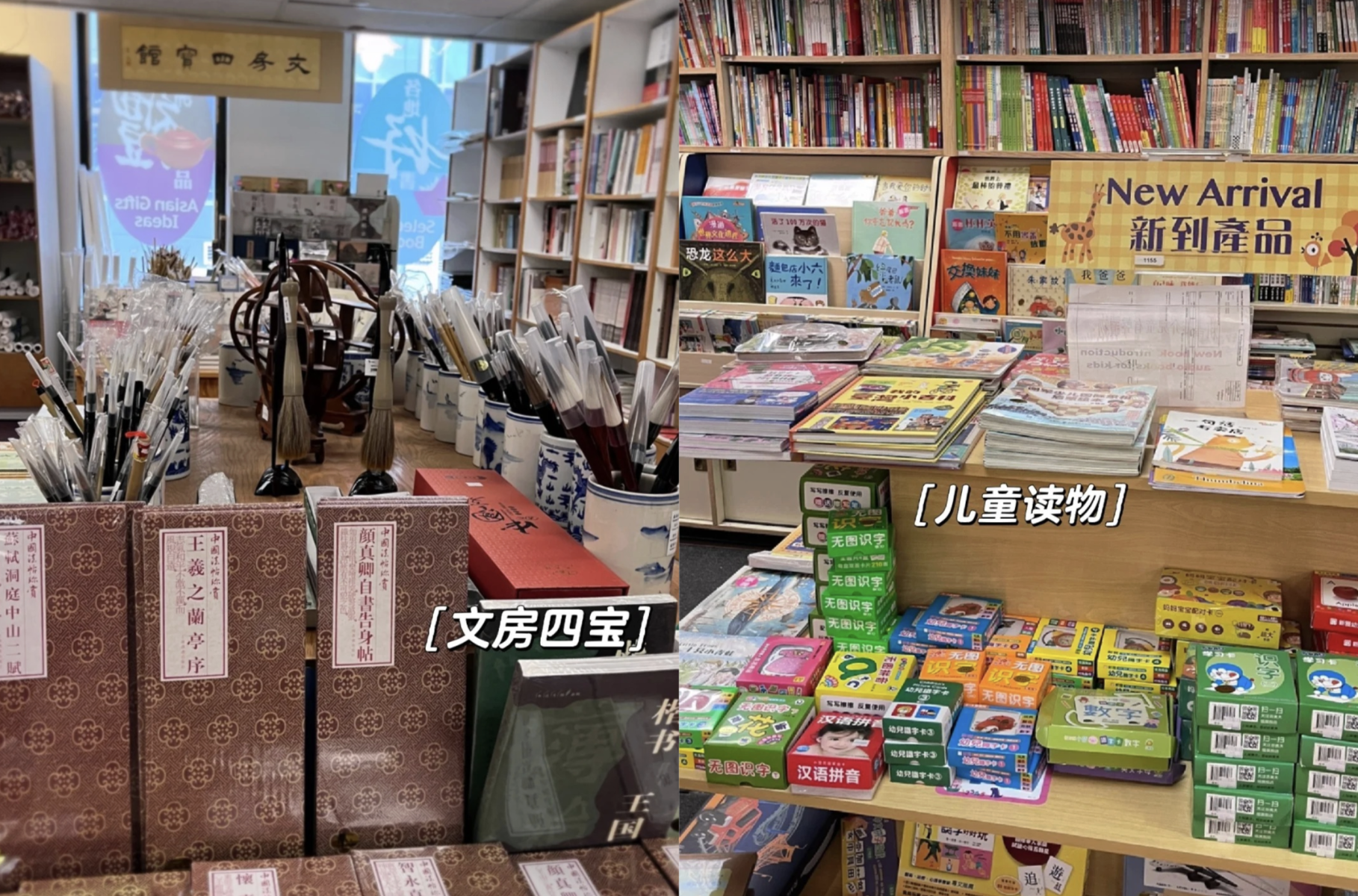
There’s also a sizeable children’s section. To my surprise, I came across books I used to read as a child in China; titles I hadn’t seen in years. Just last month, while visiting a bookstore in China, I asked for the same series and was told they’d been out of circulation for ages. It’s a familiar diaspora phenomenon: China continues to move forward, while the version of China carried overseas by earlier generations of immigrants remains, in some ways, frozen in time.

It’s a pattern of cultural preservation that extends across diaspora life. Dim sum restaurants abroad still push trolley carts through banquet-style dining halls, with aunties calling out dish names and chatting with customers. But this practice has become increasingly rare in Canton, where digital ordering has taken over.

RADII looks into two bookstores in NYC. Yu & Me Books, on Asian diaspora literature, and Eastern Bookstore, filled with Chinese language books.
Eighth book in the popular children’s series Mo’s Mischief, published in 2004. Image via Moren Mao.

Like Yu & Me, Eastern Bookstore functions as a community hub. A bulletin board by the entrance advertises local events, including Chinese-language and calligraphy classes. Historically, spaces like this served as gathering points for new immigrants to learn English, exchange information, and find community. Even though traffic has declined, the store continues to sell English-learning books, alongside Chinese instruments, calligraphy supplies, and traditional paper goods. These aren’t just bookstores; they are the pillars of the neighborhood.

RADII looks into two bookstores in NYC. Yu & Me Books, on Asian diaspora literature, and Eastern Bookstore, filled with Chinese language books.
Calligraphy supplies and children’s section. Image via RedNote.

That said, the books are not cheap. While an English-language paperback in the city might cost 15–20 USD, Chinese-language books often run nearly double that. They are priced in USD, roughly equivalent to their RMB cost in number, where a 30 RMB book might sell for 30 USD. The markup is understandable, accounting for shipping and logistics fees, but it also underscores how reading Chinese abroad can feel like both a luxury and a privilege.

When I purchased two magazines and chatted with the woman at the counter, I asked whether people still came in to buy books. “Not as often as before,” she said. Most readers now turn to digital formats. Still, the business continues, with customers more often opting to place orders online or use the store to source specific titles from China.

RADII looks into two bookstores in NYC. Yu & Me Books, on Asian diaspora literature, and Eastern Bookstore, filled with Chinese language books.
Bookstore interior. Image via RedNote.

Permanently Closed

In the fall of 2024, one of the last Chinese-language bookstores in Flushing’s Chinatown permanently closed its doors. China Books, run by a Taiwanese couple, had been in business for over 30 years. When I first emigrated to the U.S., the store was a weekly stop, where I picked up countless children’s encyclopedias and learning books.

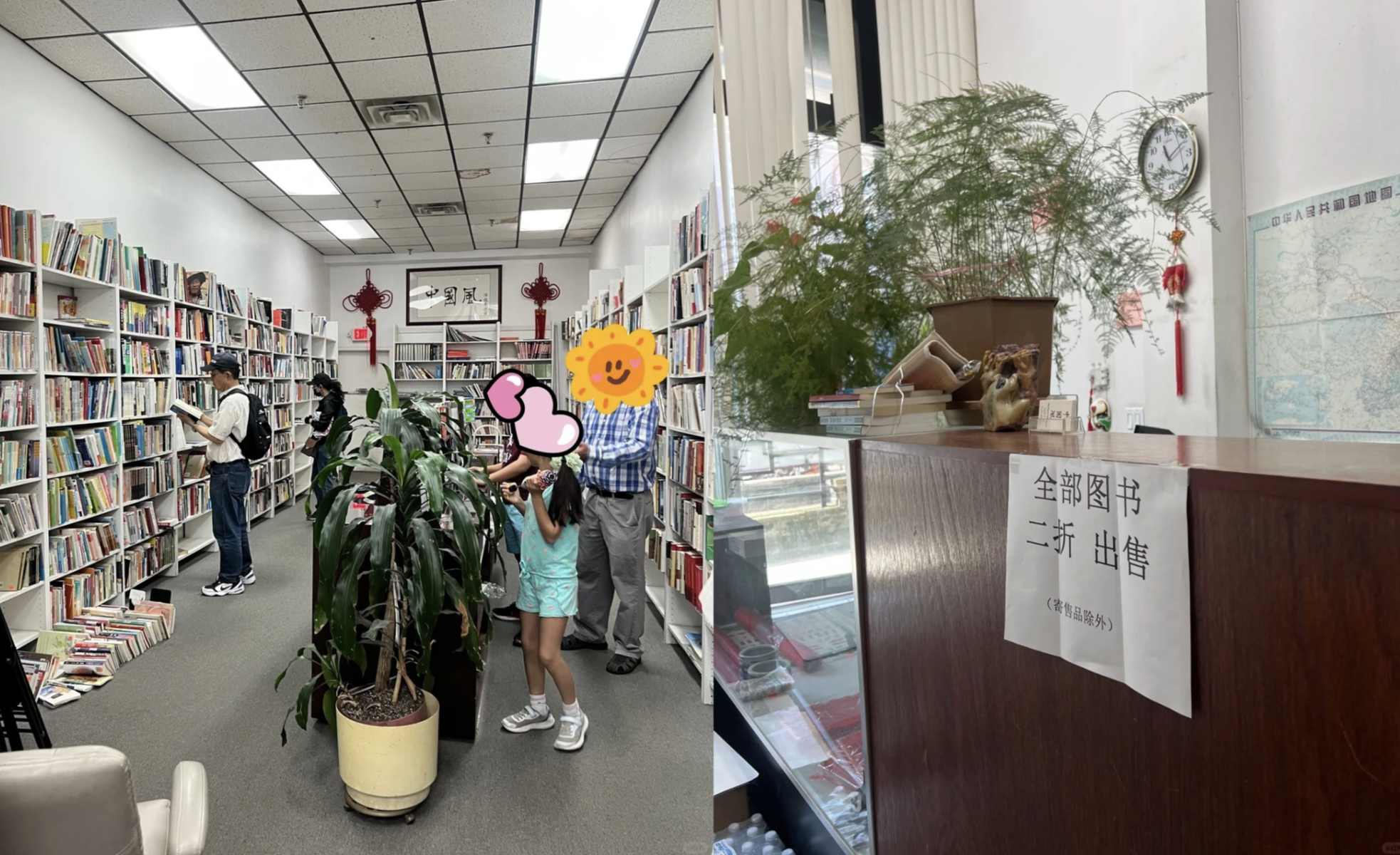
Rising rent and declining business eventually forced the store to close. In its final days, longtime patrons stopped by to say goodbye, buying books during the closing sale and sharing memories online.

RADII looks into two bookstores in NYC. Yu & Me Books, on Asian diaspora literature, and Eastern Bookstore, filled with Chinese language books.
China Books on its final days. Sign on the right reads “All books 80% off.” Images via RedNote.

In the 2000s and 2010s, Flushing was home to several Chinese bookstores, most of which shut down after the pandemic. One of the largest, Xinhua Bookstore, centrally located on the main street, gradually transformed over the years. What had once been a space wall-to-wall with Chinese-language books slowly gave way to other businesses renting sections of the store. First a pharmacy, then adding a shipping service, and eventually completely replaced by another store after the pandemic. Watching that transformation was quite devastating.

Which is why it’s so important for places like Yu & Me Books and Eastern Bookstore to endure. They feel like opposite sides of the same coin, where Yu & Me caters largely to a younger generation, documenting and sharing an evolving Asian American identity, while Eastern Bookstore serves an older readership, preserving traditions and materials that have become increasingly hard to find. One looks forward, and the other holds on. But both are vital reminders of the stories, communities, and cultures that continue to shape the Asian diaspora experience.

Cover image via Moren Mao

NEWSLETTER

Get weekly top picks and exclusive, newsletter only content delivered straight to you inbox.

NEWSLETTER

Get weekly top picks and exclusive, newsletter only content delivered straight to you inbox.

RADII NEWSLETTER

Get weekly top picks and exclusive, newsletter only content delivered straight to you inbox

Feature image of Between Tradition and Tomorrow: NYC’s Enduring Chinese Bookstores

Between Tradition and Tomorrow: NYC’s Enduring Chinese Bookstores

5 mins read

From Yu & Me Books to Eastern Bookstore, NYC’s rare Asian-owned bookshops preserve community, culture, and a disappearing diaspora heritage.

It’s no secret that as digital media continues to dominate our attention spans, readership of physical books has been steadily declining. A study published last year found that reading for pleasure in the U.S. has dropped by nearly 40%. As a result – and perhaps accelerated by the pandemic – mom-and-pop bookstores have been among the hardest hit. Over the past decade, even major chains like Barnes & Noble have struggled to stay afloat. Against this backdrop, bookstores dedicated to Chinese-language and diaspora media have become even rarer.

Growing up in New York’s various Chinatowns, Chinese bookstores never felt scarce to me; they were familiar neighborhood landmarks. But in the years following the pandemic, rising rents and shrinking readership have taken their toll. Like so many cultural institutions, these spaces are quietly disappearing. For now, though, Yu & Me Books and Eastern Bookstore are here to stay.

RADII looks into two bookstores in NYC. Yu & Me Books, on Asian diaspora literature, and Eastern Bookstore, filled with Chinese language books.
Interior of Yu & Me Books. Image via Moren Mao.

Yu & Me Books

Yu & Me Books is run by Lucy Yu and holds the distinction of being NYC’s first women-owned Asian American bookstore. Step inside, and it feels like a homey retreat from the city’s perpetual chaos. The lighting is dim, the space cozy, with a wall of carefully curated books lining the room, and a large central table featuring top picks. Yu & Me also sells coffee, beer, merchandise, and small trinkets, making it a good place to linger and explore. Downstairs, a few couches sit alongside a plaque remembering the fire that destroyed the bookstore’s original location in 2023.

RADII looks into two bookstores in NYC. Yu & Me Books, on Asian diaspora literature, and Eastern Bookstore, filled with Chinese language books.
Image via Moren Mao.

Well-known within Asian diaspora circles, Yu & Me is tucked away on a quieter stretch of Mulberry Street in Chinatown. But this isn’t its first home. The current location opened after a devastating fire tore through its previous space. What followed was a comeback story of a collective act of care across the diaspora and NYC’s small business community. 350,000 USD was raised through fundraisers, with support from patrons, authors, fellow bookstores, and event spaces that opened up their doors for Yu & Me to host gatherings while it rebuilt.

Yu & Me has always been more than a bookstore. It functions as a safe space for Asian American and Asian immigrant writers, with dedicated shelves for queer Asian literature as well. The store also maintains a steady calendar of author talks, meet-and-greets, signings, and holiday celebrations.

RADII looks into two bookstores in NYC. Yu & Me Books, on Asian diaspora literature, and Eastern Bookstore, filled with Chinese language books.
Yu & Me Books. Images via RedNote.

In an interview just prior to the fire, Yu reflected, “By creating space for the complications of our identities, we are able to figure out ways to understand each other deeper as individuals.” That sentiment captures the true purpose of Yu & Me: a cultural anchor for the community and an ode to diversity.

RADII looks into two bookstores in NYC. Yu & Me Books, on Asian diaspora literature, and Eastern Bookstore, filled with Chinese language books.
Image via Moren Mao

Eastern Bookstore

On the opposite end of the spectrum is Eastern Bookstore. Nearly half a century old, the store feels almost warehouse-like in scale – several times larger than Yu & Me – and remains one of the last entirely Chinese-language bookstores in the city.

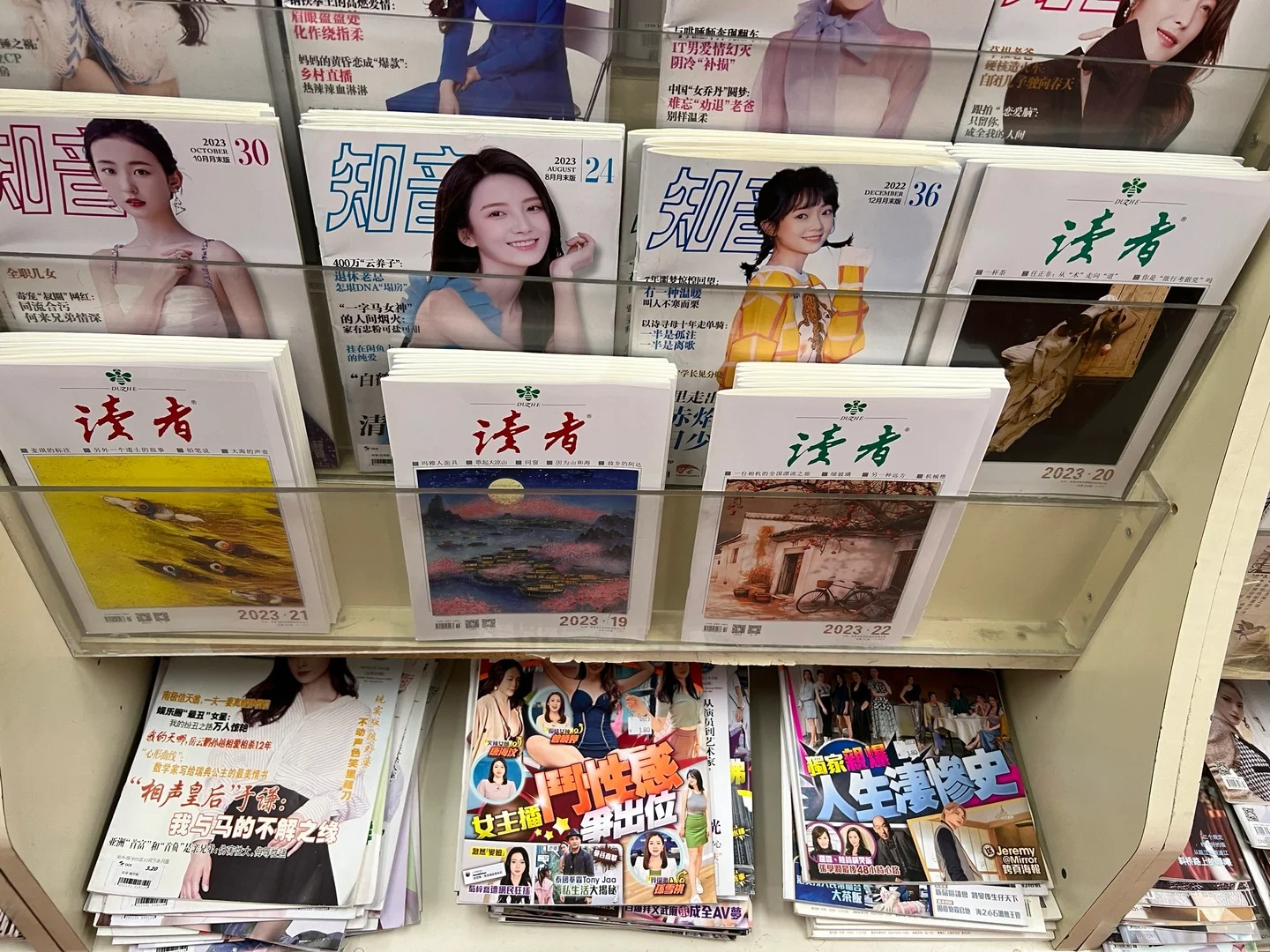
The entrance is easy to miss. An unassuming stairwell leads to another inconspicuous doorway that finally opens into the store itself. Inside, the air smells distinctly of paper, ink, and plastic. Shelves are packed tightly with Mandarin and Cantonese titles spanning every category imaginable, from cookbooks and printed web novels to Chinese classics and the latest magazines.
RADII looks into two bookstores in NYC. Yu & Me Books, on Asian diaspora literature, and Eastern Bookstore, filled with Chinese language books.
Doorway to Eastern Bookstore. Image via Moren Mao
RADII looks into two bookstores in NYC. Yu & Me Books, on Asian diaspora literature, and Eastern Bookstore, filled with Chinese language books.
Bookstore interior. Image via Moren Mao.
RADII looks into two bookstores in NYC. Yu & Me Books, on Asian diaspora literature, and Eastern Bookstore, filled with Chinese language books.
Latest Chinese magazines. Image via RedNote.

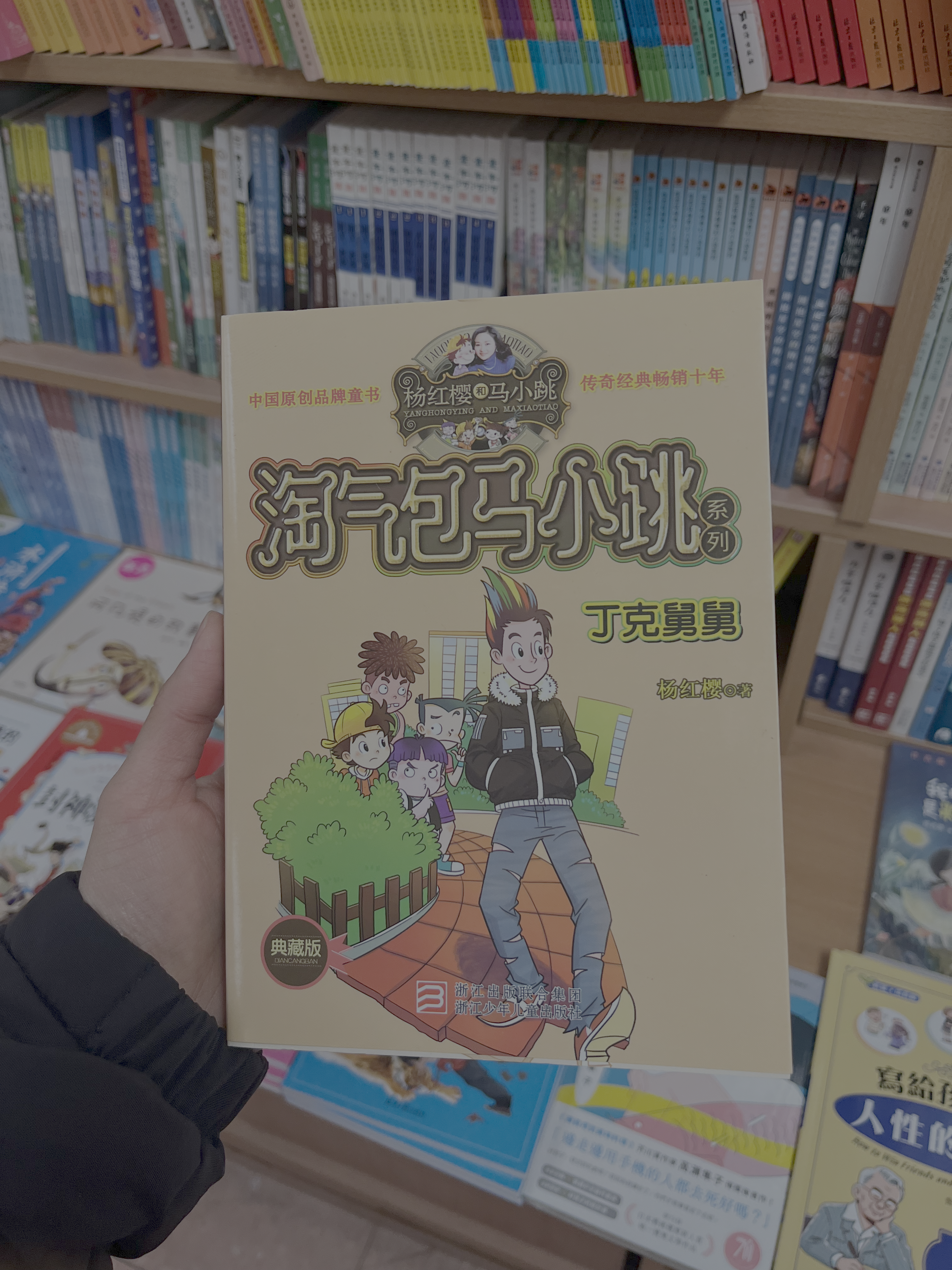
There’s also a sizeable children’s section. To my surprise, I came across books I used to read as a child in China; titles I hadn’t seen in years. Just last month, while visiting a bookstore in China, I asked for the same series and was told they’d been out of circulation for ages. It’s a familiar diaspora phenomenon: China continues to move forward, while the version of China carried overseas by earlier generations of immigrants remains, in some ways, frozen in time.

It’s a pattern of cultural preservation that extends across diaspora life. Dim sum restaurants abroad still push trolley carts through banquet-style dining halls, with aunties calling out dish names and chatting with customers. But this practice has become increasingly rare in Canton, where digital ordering has taken over.
RADII looks into two bookstores in NYC. Yu & Me Books, on Asian diaspora literature, and Eastern Bookstore, filled with Chinese language books.
Eighth book in the popular children’s series Mo’s Mischief, published in 2004. Image via Moren Mao.

Like Yu & Me, Eastern Bookstore functions as a community hub. A bulletin board by the entrance advertises local events, including Chinese-language and calligraphy classes. Historically, spaces like this served as gathering points for new immigrants to learn English, exchange information, and find community. Even though traffic has declined, the store continues to sell English-learning books, alongside Chinese instruments, calligraphy supplies, and traditional paper goods. These aren’t just bookstores; they are the pillars of the neighborhood.
RADII looks into two bookstores in NYC. Yu & Me Books, on Asian diaspora literature, and Eastern Bookstore, filled with Chinese language books.
Calligraphy supplies and children’s section. Image via RedNote.

That said, the books are not cheap. While an English-language paperback in the city might cost 15–20 USD, Chinese-language books often run nearly double that. They are priced in USD, roughly equivalent to their RMB cost in number, where a 30 RMB book might sell for 30 USD. The markup is understandable, accounting for shipping and logistics fees, but it also underscores how reading Chinese abroad can feel like both a luxury and a privilege.

When I purchased two magazines and chatted with the woman at the counter, I asked whether people still came in to buy books. “Not as often as before,” she said. Most readers now turn to digital formats. Still, the business continues, with customers more often opting to place orders online or use the store to source specific titles from China.
RADII looks into two bookstores in NYC. Yu & Me Books, on Asian diaspora literature, and Eastern Bookstore, filled with Chinese language books.
Bookstore interior. Image via RedNote.

Permanently Closed

In the fall of 2024, one of the last Chinese-language bookstores in Flushing’s Chinatown permanently closed its doors. China Books, run by a Taiwanese couple, had been in business for over 30 years. When I first emigrated to the U.S., the store was a weekly stop, where I picked up countless children’s encyclopedias and learning books.

Rising rent and declining business eventually forced the store to close. In its final days, longtime patrons stopped by to say goodbye, buying books during the closing sale and sharing memories online.
RADII looks into two bookstores in NYC. Yu & Me Books, on Asian diaspora literature, and Eastern Bookstore, filled with Chinese language books.
China Books on its final days. Sign on the right reads “All books 80% off.” Images via RedNote.

In the 2000s and 2010s, Flushing was home to several Chinese bookstores, most of which shut down after the pandemic. One of the largest, Xinhua Bookstore, centrally located on the main street, gradually transformed over the years. What had once been a space wall-to-wall with Chinese-language books slowly gave way to other businesses renting sections of the store. First a pharmacy, then adding a shipping service, and eventually completely replaced by another store after the pandemic. Watching that transformation was quite devastating.

Which is why it’s so important for places like Yu & Me Books and Eastern Bookstore to endure. They feel like opposite sides of the same coin, where Yu & Me caters largely to a younger generation, documenting and sharing an evolving Asian American identity, while Eastern Bookstore serves an older readership, preserving traditions and materials that have become increasingly hard to find. One looks forward, and the other holds on. But both are vital reminders of the stories, communities, and cultures that continue to shape the Asian diaspora experience.

Cover image via Moren Mao

NEWSLETTER

Get weekly top picks and exclusive, newsletter only content delivered straight to you inbox.

RADII NEWSLETTER

Get weekly top picks and exclusive, newsletter only content delivered straight to you inbox

RELATED POSTS

Feature image of Between Tradition and Tomorrow: NYC’s Enduring Chinese Bookstores

Between Tradition and Tomorrow: NYC’s Enduring Chinese Bookstores

5 mins read

5 mins read

Feature image of Between Tradition and Tomorrow: NYC’s Enduring Chinese Bookstores
From Yu & Me Books to Eastern Bookstore, NYC’s rare Asian-owned bookshops preserve community, culture, and a disappearing diaspora heritage.

It’s no secret that as digital media continues to dominate our attention spans, readership of physical books has been steadily declining. A study published last year found that reading for pleasure in the U.S. has dropped by nearly 40%. As a result – and perhaps accelerated by the pandemic – mom-and-pop bookstores have been among the hardest hit. Over the past decade, even major chains like Barnes & Noble have struggled to stay afloat. Against this backdrop, bookstores dedicated to Chinese-language and diaspora media have become even rarer.

Growing up in New York’s various Chinatowns, Chinese bookstores never felt scarce to me; they were familiar neighborhood landmarks. But in the years following the pandemic, rising rents and shrinking readership have taken their toll. Like so many cultural institutions, these spaces are quietly disappearing. For now, though, Yu & Me Books and Eastern Bookstore are here to stay.

RADII looks into two bookstores in NYC. Yu & Me Books, on Asian diaspora literature, and Eastern Bookstore, filled with Chinese language books.
Interior of Yu & Me Books. Image via Moren Mao.

Yu & Me Books

Yu & Me Books is run by Lucy Yu and holds the distinction of being NYC’s first women-owned Asian American bookstore. Step inside, and it feels like a homey retreat from the city’s perpetual chaos. The lighting is dim, the space cozy, with a wall of carefully curated books lining the room, and a large central table featuring top picks. Yu & Me also sells coffee, beer, merchandise, and small trinkets, making it a good place to linger and explore. Downstairs, a few couches sit alongside a plaque remembering the fire that destroyed the bookstore’s original location in 2023.

RADII looks into two bookstores in NYC. Yu & Me Books, on Asian diaspora literature, and Eastern Bookstore, filled with Chinese language books.
Image via Moren Mao.

Well-known within Asian diaspora circles, Yu & Me is tucked away on a quieter stretch of Mulberry Street in Chinatown. But this isn’t its first home. The current location opened after a devastating fire tore through its previous space. What followed was a comeback story of a collective act of care across the diaspora and NYC’s small business community. 350,000 USD was raised through fundraisers, with support from patrons, authors, fellow bookstores, and event spaces that opened up their doors for Yu & Me to host gatherings while it rebuilt.

Yu & Me has always been more than a bookstore. It functions as a safe space for Asian American and Asian immigrant writers, with dedicated shelves for queer Asian literature as well. The store also maintains a steady calendar of author talks, meet-and-greets, signings, and holiday celebrations.

RADII looks into two bookstores in NYC. Yu & Me Books, on Asian diaspora literature, and Eastern Bookstore, filled with Chinese language books.
Yu & Me Books. Images via RedNote.

In an interview just prior to the fire, Yu reflected, “By creating space for the complications of our identities, we are able to figure out ways to understand each other deeper as individuals.” That sentiment captures the true purpose of Yu & Me: a cultural anchor for the community and an ode to diversity.

RADII looks into two bookstores in NYC. Yu & Me Books, on Asian diaspora literature, and Eastern Bookstore, filled with Chinese language books.
Image via Moren Mao

Eastern Bookstore

On the opposite end of the spectrum is Eastern Bookstore. Nearly half a century old, the store feels almost warehouse-like in scale – several times larger than Yu & Me – and remains one of the last entirely Chinese-language bookstores in the city.

The entrance is easy to miss. An unassuming stairwell leads to another inconspicuous doorway that finally opens into the store itself. Inside, the air smells distinctly of paper, ink, and plastic. Shelves are packed tightly with Mandarin and Cantonese titles spanning every category imaginable, from cookbooks and printed web novels to Chinese classics and the latest magazines.

RADII looks into two bookstores in NYC. Yu & Me Books, on Asian diaspora literature, and Eastern Bookstore, filled with Chinese language books.
Doorway to Eastern Bookstore. Image via Moren Mao
RADII looks into two bookstores in NYC. Yu & Me Books, on Asian diaspora literature, and Eastern Bookstore, filled with Chinese language books.
Bookstore interior. Image via Moren Mao.
RADII looks into two bookstores in NYC. Yu & Me Books, on Asian diaspora literature, and Eastern Bookstore, filled with Chinese language books.
Latest Chinese magazines. Image via RedNote.

There’s also a sizeable children’s section. To my surprise, I came across books I used to read as a child in China; titles I hadn’t seen in years. Just last month, while visiting a bookstore in China, I asked for the same series and was told they’d been out of circulation for ages. It’s a familiar diaspora phenomenon: China continues to move forward, while the version of China carried overseas by earlier generations of immigrants remains, in some ways, frozen in time.

It’s a pattern of cultural preservation that extends across diaspora life. Dim sum restaurants abroad still push trolley carts through banquet-style dining halls, with aunties calling out dish names and chatting with customers. But this practice has become increasingly rare in Canton, where digital ordering has taken over.

RADII looks into two bookstores in NYC. Yu & Me Books, on Asian diaspora literature, and Eastern Bookstore, filled with Chinese language books.
Eighth book in the popular children’s series Mo’s Mischief, published in 2004. Image via Moren Mao.

Like Yu & Me, Eastern Bookstore functions as a community hub. A bulletin board by the entrance advertises local events, including Chinese-language and calligraphy classes. Historically, spaces like this served as gathering points for new immigrants to learn English, exchange information, and find community. Even though traffic has declined, the store continues to sell English-learning books, alongside Chinese instruments, calligraphy supplies, and traditional paper goods. These aren’t just bookstores; they are the pillars of the neighborhood.

RADII looks into two bookstores in NYC. Yu & Me Books, on Asian diaspora literature, and Eastern Bookstore, filled with Chinese language books.
Calligraphy supplies and children’s section. Image via RedNote.

That said, the books are not cheap. While an English-language paperback in the city might cost 15–20 USD, Chinese-language books often run nearly double that. They are priced in USD, roughly equivalent to their RMB cost in number, where a 30 RMB book might sell for 30 USD. The markup is understandable, accounting for shipping and logistics fees, but it also underscores how reading Chinese abroad can feel like both a luxury and a privilege.

When I purchased two magazines and chatted with the woman at the counter, I asked whether people still came in to buy books. “Not as often as before,” she said. Most readers now turn to digital formats. Still, the business continues, with customers more often opting to place orders online or use the store to source specific titles from China.

RADII looks into two bookstores in NYC. Yu & Me Books, on Asian diaspora literature, and Eastern Bookstore, filled with Chinese language books.
Bookstore interior. Image via RedNote.

Permanently Closed

In the fall of 2024, one of the last Chinese-language bookstores in Flushing’s Chinatown permanently closed its doors. China Books, run by a Taiwanese couple, had been in business for over 30 years. When I first emigrated to the U.S., the store was a weekly stop, where I picked up countless children’s encyclopedias and learning books.

Rising rent and declining business eventually forced the store to close. In its final days, longtime patrons stopped by to say goodbye, buying books during the closing sale and sharing memories online.

RADII looks into two bookstores in NYC. Yu & Me Books, on Asian diaspora literature, and Eastern Bookstore, filled with Chinese language books.
China Books on its final days. Sign on the right reads “All books 80% off.” Images via RedNote.

In the 2000s and 2010s, Flushing was home to several Chinese bookstores, most of which shut down after the pandemic. One of the largest, Xinhua Bookstore, centrally located on the main street, gradually transformed over the years. What had once been a space wall-to-wall with Chinese-language books slowly gave way to other businesses renting sections of the store. First a pharmacy, then adding a shipping service, and eventually completely replaced by another store after the pandemic. Watching that transformation was quite devastating.

Which is why it’s so important for places like Yu & Me Books and Eastern Bookstore to endure. They feel like opposite sides of the same coin, where Yu & Me caters largely to a younger generation, documenting and sharing an evolving Asian American identity, while Eastern Bookstore serves an older readership, preserving traditions and materials that have become increasingly hard to find. One looks forward, and the other holds on. But both are vital reminders of the stories, communities, and cultures that continue to shape the Asian diaspora experience.

Cover image via Moren Mao
NEWSLETTER

Get weekly top picks and exclusive, newsletter only content delivered straight to you inbox.

NEWSLETTER

Get weekly top picks and exclusive, newsletter only content delivered straight to you inbox.

RADII NEWSLETTER

Get weekly top picks and exclusive, newsletter only content delivered straight to you inbox

Feature image of Between Tradition and Tomorrow: NYC’s Enduring Chinese Bookstores

Between Tradition and Tomorrow: NYC’s Enduring Chinese Bookstores

5 mins read

From Yu & Me Books to Eastern Bookstore, NYC’s rare Asian-owned bookshops preserve community, culture, and a disappearing diaspora heritage.

It’s no secret that as digital media continues to dominate our attention spans, readership of physical books has been steadily declining. A study published last year found that reading for pleasure in the U.S. has dropped by nearly 40%. As a result – and perhaps accelerated by the pandemic – mom-and-pop bookstores have been among the hardest hit. Over the past decade, even major chains like Barnes & Noble have struggled to stay afloat. Against this backdrop, bookstores dedicated to Chinese-language and diaspora media have become even rarer.

Growing up in New York’s various Chinatowns, Chinese bookstores never felt scarce to me; they were familiar neighborhood landmarks. But in the years following the pandemic, rising rents and shrinking readership have taken their toll. Like so many cultural institutions, these spaces are quietly disappearing. For now, though, Yu & Me Books and Eastern Bookstore are here to stay.

RADII looks into two bookstores in NYC. Yu & Me Books, on Asian diaspora literature, and Eastern Bookstore, filled with Chinese language books.
Interior of Yu & Me Books. Image via Moren Mao.

Yu & Me Books

Yu & Me Books is run by Lucy Yu and holds the distinction of being NYC’s first women-owned Asian American bookstore. Step inside, and it feels like a homey retreat from the city’s perpetual chaos. The lighting is dim, the space cozy, with a wall of carefully curated books lining the room, and a large central table featuring top picks. Yu & Me also sells coffee, beer, merchandise, and small trinkets, making it a good place to linger and explore. Downstairs, a few couches sit alongside a plaque remembering the fire that destroyed the bookstore’s original location in 2023.

RADII looks into two bookstores in NYC. Yu & Me Books, on Asian diaspora literature, and Eastern Bookstore, filled with Chinese language books.
Image via Moren Mao.

Well-known within Asian diaspora circles, Yu & Me is tucked away on a quieter stretch of Mulberry Street in Chinatown. But this isn’t its first home. The current location opened after a devastating fire tore through its previous space. What followed was a comeback story of a collective act of care across the diaspora and NYC’s small business community. 350,000 USD was raised through fundraisers, with support from patrons, authors, fellow bookstores, and event spaces that opened up their doors for Yu & Me to host gatherings while it rebuilt.

Yu & Me has always been more than a bookstore. It functions as a safe space for Asian American and Asian immigrant writers, with dedicated shelves for queer Asian literature as well. The store also maintains a steady calendar of author talks, meet-and-greets, signings, and holiday celebrations.

RADII looks into two bookstores in NYC. Yu & Me Books, on Asian diaspora literature, and Eastern Bookstore, filled with Chinese language books.
Yu & Me Books. Images via RedNote.

In an interview just prior to the fire, Yu reflected, “By creating space for the complications of our identities, we are able to figure out ways to understand each other deeper as individuals.” That sentiment captures the true purpose of Yu & Me: a cultural anchor for the community and an ode to diversity.

RADII looks into two bookstores in NYC. Yu & Me Books, on Asian diaspora literature, and Eastern Bookstore, filled with Chinese language books.
Image via Moren Mao

Eastern Bookstore

On the opposite end of the spectrum is Eastern Bookstore. Nearly half a century old, the store feels almost warehouse-like in scale – several times larger than Yu & Me – and remains one of the last entirely Chinese-language bookstores in the city.

The entrance is easy to miss. An unassuming stairwell leads to another inconspicuous doorway that finally opens into the store itself. Inside, the air smells distinctly of paper, ink, and plastic. Shelves are packed tightly with Mandarin and Cantonese titles spanning every category imaginable, from cookbooks and printed web novels to Chinese classics and the latest magazines.

RADII looks into two bookstores in NYC. Yu & Me Books, on Asian diaspora literature, and Eastern Bookstore, filled with Chinese language books.
Doorway to Eastern Bookstore. Image via Moren Mao
RADII looks into two bookstores in NYC. Yu & Me Books, on Asian diaspora literature, and Eastern Bookstore, filled with Chinese language books.
Bookstore interior. Image via Moren Mao.
RADII looks into two bookstores in NYC. Yu & Me Books, on Asian diaspora literature, and Eastern Bookstore, filled with Chinese language books.
Latest Chinese magazines. Image via RedNote.

There’s also a sizeable children’s section. To my surprise, I came across books I used to read as a child in China; titles I hadn’t seen in years. Just last month, while visiting a bookstore in China, I asked for the same series and was told they’d been out of circulation for ages. It’s a familiar diaspora phenomenon: China continues to move forward, while the version of China carried overseas by earlier generations of immigrants remains, in some ways, frozen in time.

It’s a pattern of cultural preservation that extends across diaspora life. Dim sum restaurants abroad still push trolley carts through banquet-style dining halls, with aunties calling out dish names and chatting with customers. But this practice has become increasingly rare in Canton, where digital ordering has taken over.

RADII looks into two bookstores in NYC. Yu & Me Books, on Asian diaspora literature, and Eastern Bookstore, filled with Chinese language books.
Eighth book in the popular children’s series Mo’s Mischief, published in 2004. Image via Moren Mao.

Like Yu & Me, Eastern Bookstore functions as a community hub. A bulletin board by the entrance advertises local events, including Chinese-language and calligraphy classes. Historically, spaces like this served as gathering points for new immigrants to learn English, exchange information, and find community. Even though traffic has declined, the store continues to sell English-learning books, alongside Chinese instruments, calligraphy supplies, and traditional paper goods. These aren’t just bookstores; they are the pillars of the neighborhood.

RADII looks into two bookstores in NYC. Yu & Me Books, on Asian diaspora literature, and Eastern Bookstore, filled with Chinese language books.
Calligraphy supplies and children’s section. Image via RedNote.

That said, the books are not cheap. While an English-language paperback in the city might cost 15–20 USD, Chinese-language books often run nearly double that. They are priced in USD, roughly equivalent to their RMB cost in number, where a 30 RMB book might sell for 30 USD. The markup is understandable, accounting for shipping and logistics fees, but it also underscores how reading Chinese abroad can feel like both a luxury and a privilege.

When I purchased two magazines and chatted with the woman at the counter, I asked whether people still came in to buy books. “Not as often as before,” she said. Most readers now turn to digital formats. Still, the business continues, with customers more often opting to place orders online or use the store to source specific titles from China.

RADII looks into two bookstores in NYC. Yu & Me Books, on Asian diaspora literature, and Eastern Bookstore, filled with Chinese language books.
Bookstore interior. Image via RedNote.

Permanently Closed

In the fall of 2024, one of the last Chinese-language bookstores in Flushing’s Chinatown permanently closed its doors. China Books, run by a Taiwanese couple, had been in business for over 30 years. When I first emigrated to the U.S., the store was a weekly stop, where I picked up countless children’s encyclopedias and learning books.

Rising rent and declining business eventually forced the store to close. In its final days, longtime patrons stopped by to say goodbye, buying books during the closing sale and sharing memories online.

RADII looks into two bookstores in NYC. Yu & Me Books, on Asian diaspora literature, and Eastern Bookstore, filled with Chinese language books.
China Books on its final days. Sign on the right reads “All books 80% off.” Images via RedNote.

In the 2000s and 2010s, Flushing was home to several Chinese bookstores, most of which shut down after the pandemic. One of the largest, Xinhua Bookstore, centrally located on the main street, gradually transformed over the years. What had once been a space wall-to-wall with Chinese-language books slowly gave way to other businesses renting sections of the store. First a pharmacy, then adding a shipping service, and eventually completely replaced by another store after the pandemic. Watching that transformation was quite devastating.

Which is why it’s so important for places like Yu & Me Books and Eastern Bookstore to endure. They feel like opposite sides of the same coin, where Yu & Me caters largely to a younger generation, documenting and sharing an evolving Asian American identity, while Eastern Bookstore serves an older readership, preserving traditions and materials that have become increasingly hard to find. One looks forward, and the other holds on. But both are vital reminders of the stories, communities, and cultures that continue to shape the Asian diaspora experience.

Cover image via Moren Mao
NEWSLETTER

Get weekly top picks and exclusive, newsletter only content delivered straight to you inbox.

RADII NEWSLETTER

Get weekly top picks and exclusive, newsletter only content delivered straight to you inbox

RELATED POSTS

NEWSLETTER​

Get weekly top picks and exclusive, newsletter only content delivered straight to you inbox

RADII Newsletter Pop Up small banner

NEWSLETTER

Get weekly top picks and exclusive, newsletter only content delivered straight to you inbox.

Link Copied!

Share

Feature image of Between Tradition and Tomorrow: NYC’s Enduring Chinese Bookstores

Between Tradition and Tomorrow: NYC’s Enduring Chinese Bookstores

From Yu & Me Books to Eastern Bookstore, NYC’s rare Asian-owned bookshops preserve community, culture, and a disappearing diaspora heritage.

PULSE

Tap into the latest in music, fashion, art, design, entertainment, pop culture, celebrity news, and contemporary culture

DISCOVER

Embark on a journey through food, travel, wellness, heritage, traditional culture, and lifestyle

STYLE

An insider’s look at the intersection of fashion, art, and design

FEAST

Titillate your taste buds with coverage of the best food and drink trends from China and beyond.

FUTURE

Explore the cutting edge in tech, AI, gadgets, gaming, and innovative tech-related products

FEAST

Titillate your taste buds with coverage of the best food and drink trends from China and beyond

STYLE

An insider’s look at the intersection of fashion, art, and design

PULSE

Unpacking Chinese youth culture through coverage of nightlife, film, sports, celebrities, and the hottest new music