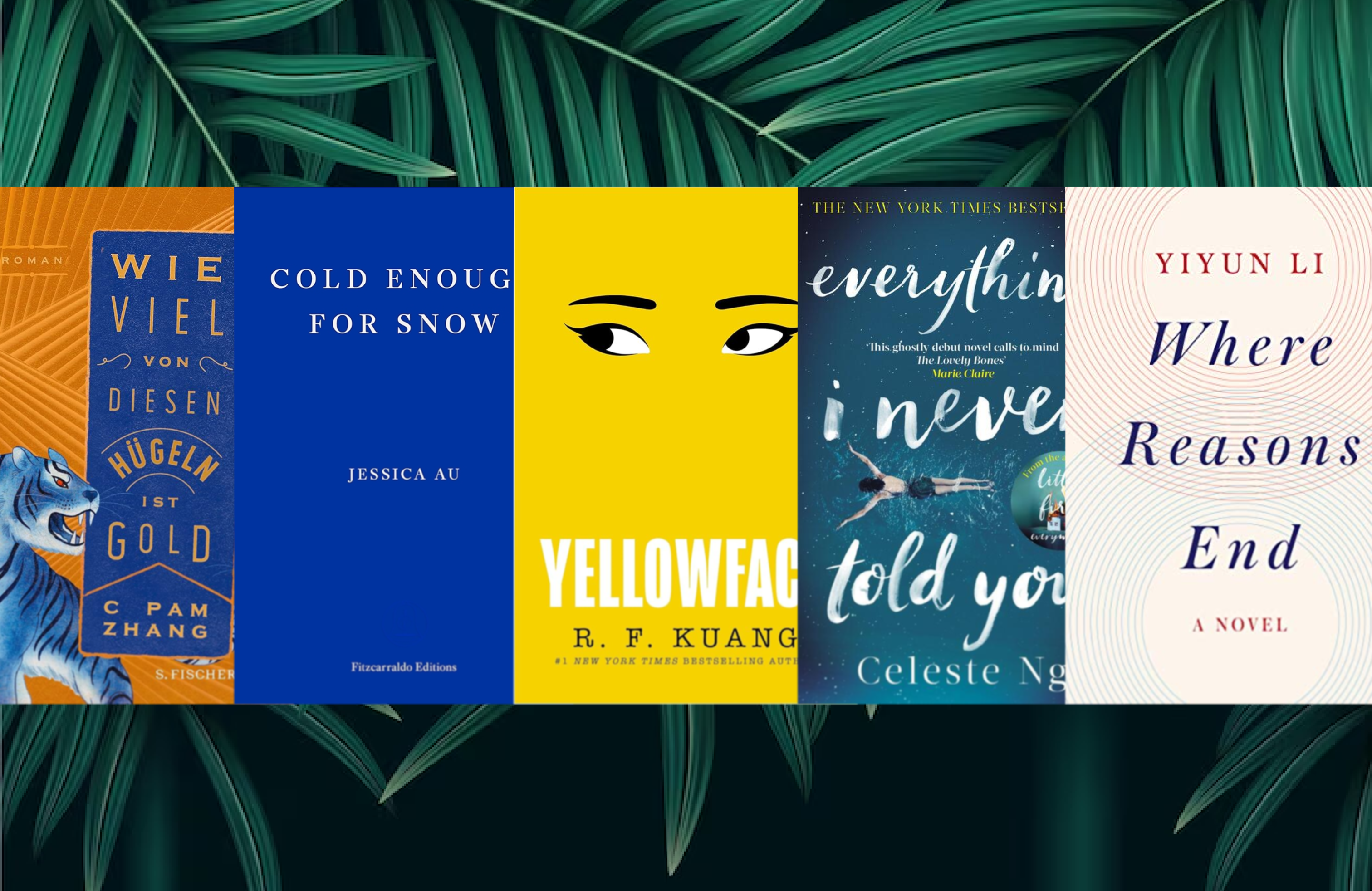
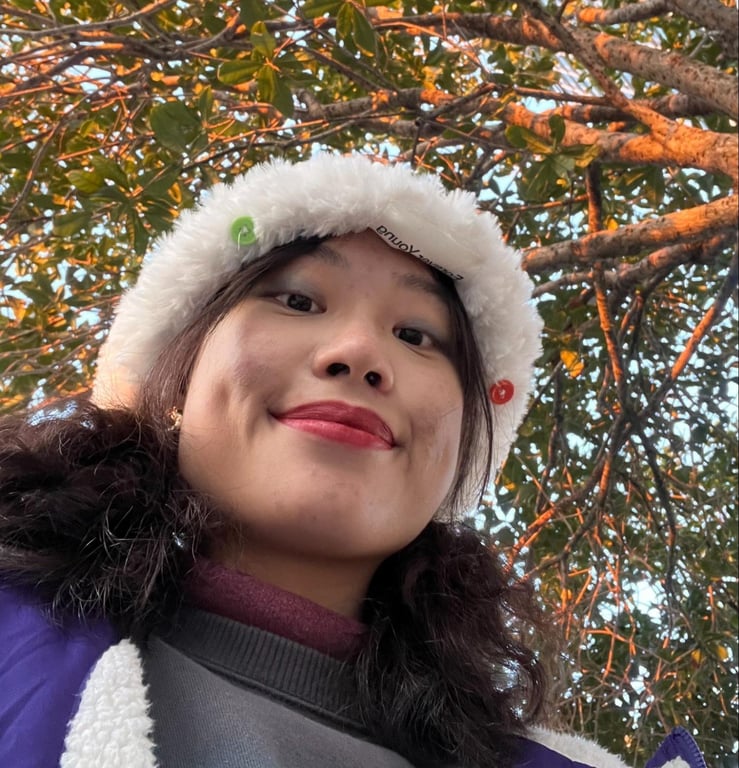
Feature image of Five Emotionally-Rich Books You Need to Read About the Lives of Chinese Migrants

Five Emotionally-Rich Books You Need to Read About the Lives of Chinese Migrants

4 mins read

4 mins read

Feature image of Five Emotionally-Rich Books You Need to Read About the Lives of Chinese Migrants
Chinese diaspora poetically portrayed by these five remarkable women through English-language literature.

During the Christmas break, I finished reading Yellowface by Rebecca Kuang during my trip to Portugal. I was stopped twice while carrying the book on the street by local fellow readers of Kuang, who simply wanted to express how much they loved her books, even though this novel tells a very specific story about Chinese American writers. In recent years, Chinese migrant writers have developed an increasingly strong voice in the global book market. As such, RADII wanted to highlight five highly recommended books to help give you a better understanding of the emotions and impact made through the Chinese diaspora.


Yellowface, Rebecca Kuang 匡灵秀

Book cover of Yellowface by Rebecca Kuang.
Photo via Yipee Ki-Yay.

Although Yellowface is fictional, Kuang integrates elements of her own experience into her character, Athena. Kuang migrated to the United States from China at the age of four, writes exclusively in English, and writes exceptionally well. She studied writing at Yale and won major awards for her debut novel, The Poppy War, before graduating. She is a rising star among Chinese migrant writers and sharply points out the dilemmas she faces despite fame and attention. Her book Yellowface becomes both a weapon and a mirror, placing the author herself in the position of a “token.”

In Yellowface, after being the sole witness to the death of her college classmate, Athena Liu, Western writer Juniper Hayward steals the outline and last manuscripts of a novel about Chinese laborers in World War II. This often neglected topic brings Juniper the fame that Athena had also earned before her death. Is she a thief? Has Juniper stolen Athena’s words? Has she taken a story from another community or race?


How Much of These Hills Is Gold, C. Pam Zhang 张辰极

Book cover of How Much of These Hills is Gold.
Photo via Wonderpens.

While Juniper writes a novel about Chinese laborers in World War II in the fictional world of Yellowface—and gains fame from it—C Pam Zhang does it in real life, having secured a film adaptation by the renowned Chinese American director Ang Lee. In her debut novel, Zhang focuses on Chinese migrant workers during the American Gold Rush of the 19th century. She uses an epic narrative structure and weaves fantasy throughout the family’s story.

In How Much of These Hills is Gold, two girls struggle with identity, race, roots, and gender after both of their gold-hunting parents die. Leading them to wander astray, their journey does not end with the collapse of the Gold Rush dream. Even today, these remain core issues for second-generation migrants. Is migration always a hill of gold, or does it conceal lasting trauma? Through fiction, these authors reveal deeply personal experiences to their readers.


Cold Enough for Snow, Jessica Au
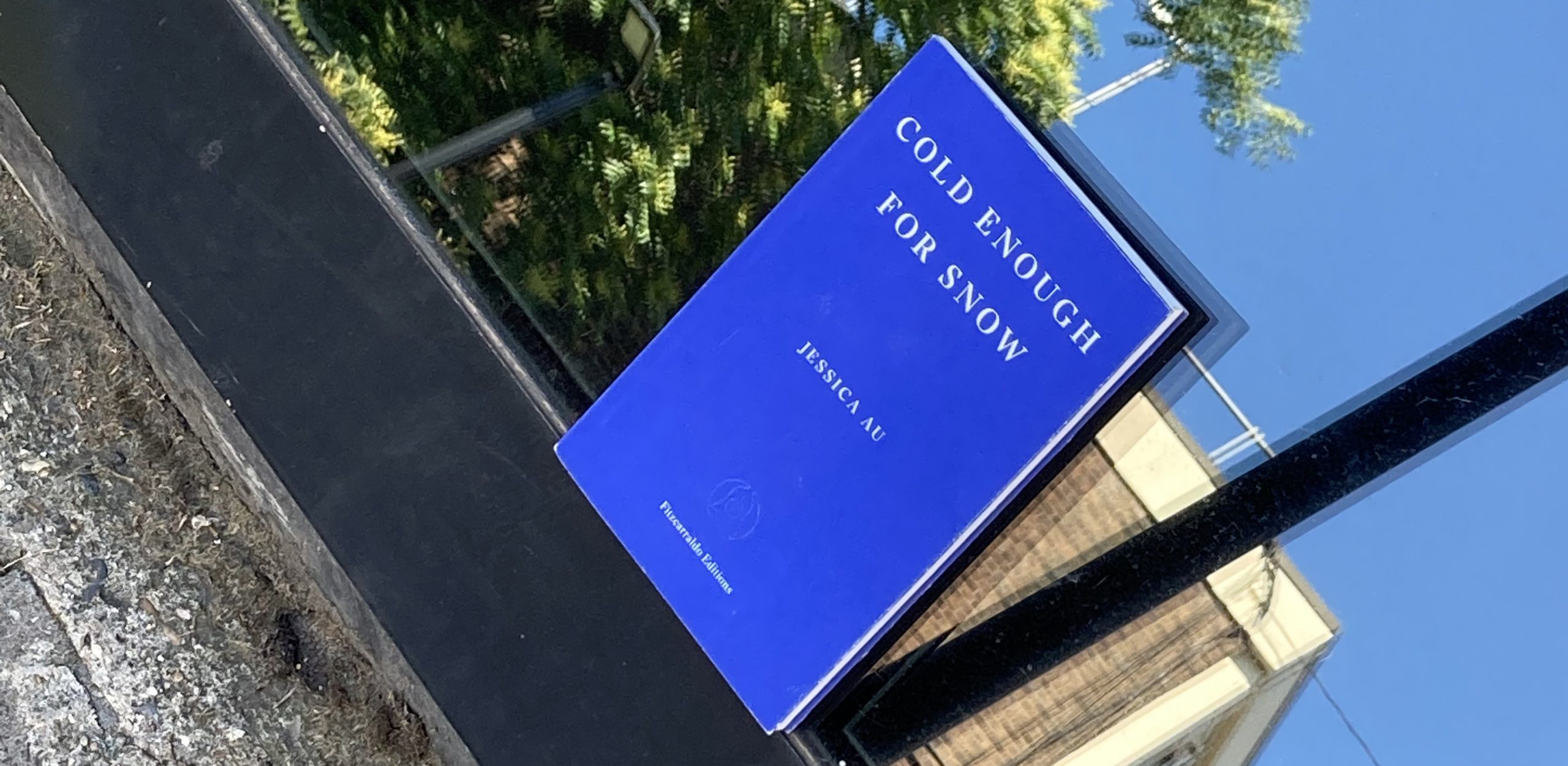
Book cover of Cold Enough for Snow by Jessica Au.
Photo via ArtReview.

Born in a country where snow is rare, Melbourne-based writer Jessica Au has a layered migration history. Before her birth, her mother migrated to Australia, marking a second migration after Au’s grandfather moved from China to Malaysia. This history is reflected in her surname. “Au” is a Chinese family name rendered through Cantonese pronunciation and spelling, originating from regions with historically high emigration rates.

Unlike the previous two novels, Cold Enough for Snow is an autobiographical fiction. It recounts a trip to Tokyo taken by the author and her mother, a temporary meeting point where neither of them is based. During this short journey, silence dominates as they come to know each other anew. The bond between mother and daughter is subtle. They share blood, cultural roots, and migration histories, yet grew up in different languages and cultures, producing the silence that shapes their relationship. Snow falls in Tokyo, covering doubts and inherited traumas formed during the daughter’s upbringing.


Where Reasons End: A Novel, Yiyun Li 李翊云

Book cover of Where Reasons End by Yiyun Li.
Photo via Chicago Review of Books.

This is the only author on the list who primarily writes in Chinese. Li moved to the United States to pursue a degree in immunology, where she began writing during her PhD, which she later left to work as a full-time writer.

Discussions around Li’s work often center on family trauma, particularly following the deaths of her two sons in 2017 and 2024. Li has stated that “sadness is not a burden” for her, while readers repeatedly analyze her family life and cultural background in search of explanations. In addition to novels and memoirs, Li regularly contributes essays to The New Yorker. Her writing is marked by restraint and calm. Viewed from the perspective of the parent generation in a typical East Asian family, her work completes a long-missing piece in the understanding of trauma within Chinese migrant families from the parent side.


Everything I Never Told You, Celeste Ng 伍绮诗
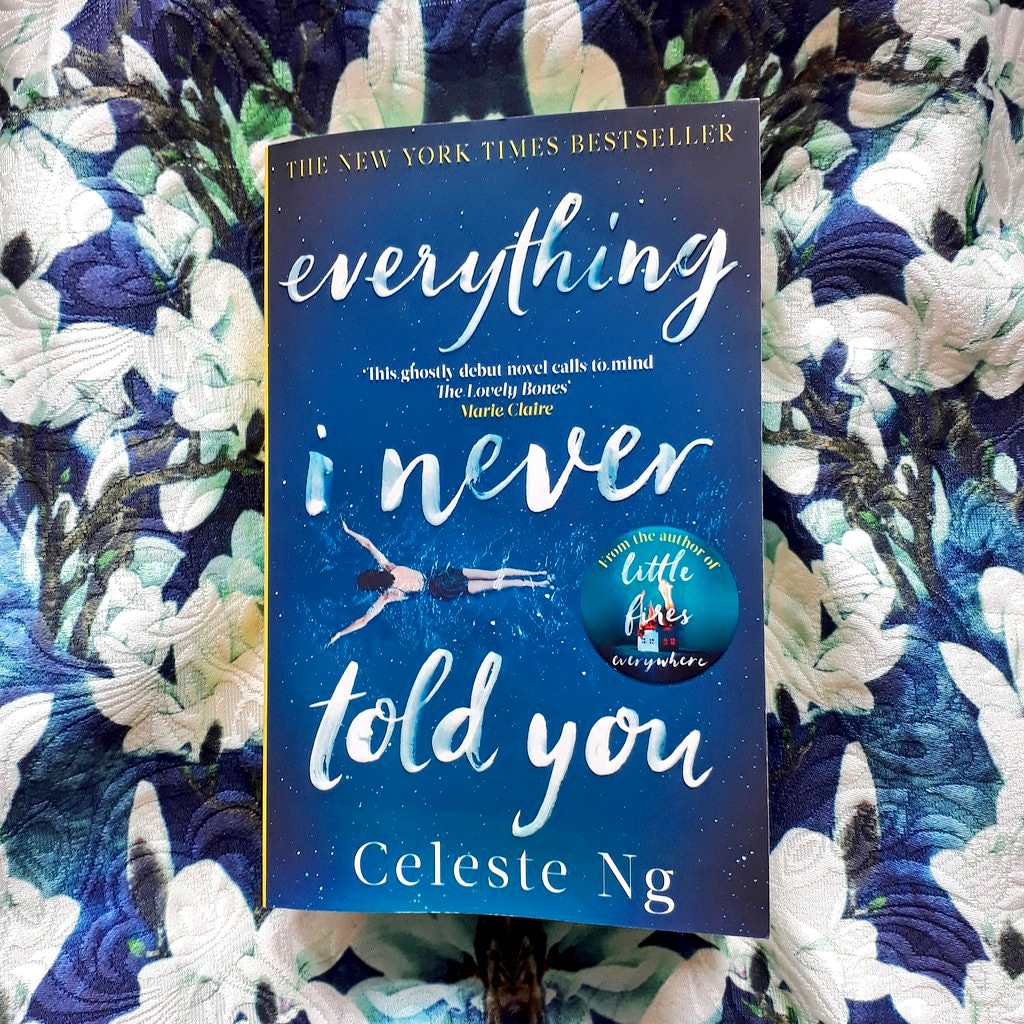
Book cover of Everything I Never Told You by Celeste Ng.
Photo via The Oxford Writer.

The final novel on this list is Celeste Ng’s debut. It brings together many of the themes explored by the writers above: diaspora, death, generational cultural gaps, fractured identities, and both visible and invisible structural oppression faced by migrants. These forces culminate in silence. Ng uses the drowning of Lydia as a metaphor for these layered silences.


The five books discussed here share overlapping concerns, yet each author uses language as a tool to break silence and reclaim narrative space from different perspectives. Their work extends far beyond these themes, but diaspora and the search for roots form the foundation of their writing. Questions often arise about whether trauma or privacy is being consumed for literature. Perhaps the response lies in Kuang’s own words, spoken through an elderly man in the Chinese American community: this is a generation with stronger language skills and greater visibility. It is both their privilege and their responsibility to speak, to write, and to tell the stories once left unheard. In doing so, they shape contemporary understandings of the Chinese diaspora.

Cover image edited by Mia Fan.

NEWSLETTER

Get weekly top picks and exclusive, newsletter only content delivered straight to you inbox.

NEWSLETTER

Get weekly top picks and exclusive, newsletter only content delivered straight to you inbox.

RADII NEWSLETTER

Get weekly top picks and exclusive, newsletter only content delivered straight to you inbox

Feature image of Five Emotionally-Rich Books You Need to Read About the Lives of Chinese Migrants

Five Emotionally-Rich Books You Need to Read About the Lives of Chinese Migrants

4 mins read

Chinese diaspora poetically portrayed by these five remarkable women through English-language literature.

During the Christmas break, I finished reading Yellowface by Rebecca Kuang during my trip to Portugal. I was stopped twice while carrying the book on the street by local fellow readers of Kuang, who simply wanted to express how much they loved her books, even though this novel tells a very specific story about Chinese American writers. In recent years, Chinese migrant writers have developed an increasingly strong voice in the global book market. As such, RADII wanted to highlight five highly recommended books to help give you a better understanding of the emotions and impact made through the Chinese diaspora.


Yellowface, Rebecca Kuang 匡灵秀

Book cover of Yellowface by Rebecca Kuang.
Photo via Yipee Ki-Yay.

Although Yellowface is fictional, Kuang integrates elements of her own experience into her character, Athena. Kuang migrated to the United States from China at the age of four, writes exclusively in English, and writes exceptionally well. She studied writing at Yale and won major awards for her debut novel, The Poppy War, before graduating. She is a rising star among Chinese migrant writers and sharply points out the dilemmas she faces despite fame and attention. Her book Yellowface becomes both a weapon and a mirror, placing the author herself in the position of a “token.”

In Yellowface, after being the sole witness to the death of her college classmate, Athena Liu, Western writer Juniper Hayward steals the outline and last manuscripts of a novel about Chinese laborers in World War II. This often neglected topic brings Juniper the fame that Athena had also earned before her death. Is she a thief? Has Juniper stolen Athena’s words? Has she taken a story from another community or race?


How Much of These Hills Is Gold, C. Pam Zhang 张辰极

Book cover of How Much of These Hills is Gold.
Photo via Wonderpens.

While Juniper writes a novel about Chinese laborers in World War II in the fictional world of Yellowface—and gains fame from it—C Pam Zhang does it in real life, having secured a film adaptation by the renowned Chinese American director Ang Lee. In her debut novel, Zhang focuses on Chinese migrant workers during the American Gold Rush of the 19th century. She uses an epic narrative structure and weaves fantasy throughout the family’s story.

In How Much of These Hills is Gold, two girls struggle with identity, race, roots, and gender after both of their gold-hunting parents die. Leading them to wander astray, their journey does not end with the collapse of the Gold Rush dream. Even today, these remain core issues for second-generation migrants. Is migration always a hill of gold, or does it conceal lasting trauma? Through fiction, these authors reveal deeply personal experiences to their readers.


Cold Enough for Snow, Jessica Au

Book cover of Cold Enough for Snow by Jessica Au.
Photo via ArtReview.

Born in a country where snow is rare, Melbourne-based writer Jessica Au has a layered migration history. Before her birth, her mother migrated to Australia, marking a second migration after Au’s grandfather moved from China to Malaysia. This history is reflected in her surname. “Au” is a Chinese family name rendered through Cantonese pronunciation and spelling, originating from regions with historically high emigration rates.

Unlike the previous two novels, Cold Enough for Snow is an autobiographical fiction. It recounts a trip to Tokyo taken by the author and her mother, a temporary meeting point where neither of them is based. During this short journey, silence dominates as they come to know each other anew. The bond between mother and daughter is subtle. They share blood, cultural roots, and migration histories, yet grew up in different languages and cultures, producing the silence that shapes their relationship. Snow falls in Tokyo, covering doubts and inherited traumas formed during the daughter’s upbringing.


Where Reasons End: A Novel, Yiyun Li 李翊云

Book cover of Where Reasons End by Yiyun Li.
Photo via Chicago Review of Books.

This is the only author on the list who primarily writes in Chinese. Li moved to the United States to pursue a degree in immunology, where she began writing during her PhD, which she later left to work as a full-time writer.

Discussions around Li’s work often center on family trauma, particularly following the deaths of her two sons in 2017 and 2024. Li has stated that “sadness is not a burden” for her, while readers repeatedly analyze her family life and cultural background in search of explanations. In addition to novels and memoirs, Li regularly contributes essays to The New Yorker. Her writing is marked by restraint and calm. Viewed from the perspective of the parent generation in a typical East Asian family, her work completes a long-missing piece in the understanding of trauma within Chinese migrant families from the parent side.


Everything I Never Told You, Celeste Ng 伍绮诗

Book cover of Everything I Never Told You by Celeste Ng.
Photo via The Oxford Writer.

The final novel on this list is Celeste Ng’s debut. It brings together many of the themes explored by the writers above: diaspora, death, generational cultural gaps, fractured identities, and both visible and invisible structural oppression faced by migrants. These forces culminate in silence. Ng uses the drowning of Lydia as a metaphor for these layered silences.


The five books discussed here share overlapping concerns, yet each author uses language as a tool to break silence and reclaim narrative space from different perspectives. Their work extends far beyond these themes, but diaspora and the search for roots form the foundation of their writing. Questions often arise about whether trauma or privacy is being consumed for literature. Perhaps the response lies in Kuang’s own words, spoken through an elderly man in the Chinese American community: this is a generation with stronger language skills and greater visibility. It is both their privilege and their responsibility to speak, to write, and to tell the stories once left unheard. In doing so, they shape contemporary understandings of the Chinese diaspora.

Cover image edited by Mia Fan.

NEWSLETTER

Get weekly top picks and exclusive, newsletter only content delivered straight to you inbox.

RADII NEWSLETTER

Get weekly top picks and exclusive, newsletter only content delivered straight to you inbox

RELATED POSTS

Feature image of Five Emotionally-Rich Books You Need to Read About the Lives of Chinese Migrants

Five Emotionally-Rich Books You Need to Read About the Lives of Chinese Migrants

4 mins read

4 mins read

Feature image of Five Emotionally-Rich Books You Need to Read About the Lives of Chinese Migrants
Chinese diaspora poetically portrayed by these five remarkable women through English-language literature.

During the Christmas break, I finished reading Yellowface by Rebecca Kuang during my trip to Portugal. I was stopped twice while carrying the book on the street by local fellow readers of Kuang, who simply wanted to express how much they loved her books, even though this novel tells a very specific story about Chinese American writers. In recent years, Chinese migrant writers have developed an increasingly strong voice in the global book market. As such, RADII wanted to highlight five highly recommended books to help give you a better understanding of the emotions and impact made through the Chinese diaspora.


Yellowface, Rebecca Kuang 匡灵秀

Book cover of Yellowface by Rebecca Kuang.
Photo via Yipee Ki-Yay.

Although Yellowface is fictional, Kuang integrates elements of her own experience into her character, Athena. Kuang migrated to the United States from China at the age of four, writes exclusively in English, and writes exceptionally well. She studied writing at Yale and won major awards for her debut novel, The Poppy War, before graduating. She is a rising star among Chinese migrant writers and sharply points out the dilemmas she faces despite fame and attention. Her book Yellowface becomes both a weapon and a mirror, placing the author herself in the position of a “token.”

In Yellowface, after being the sole witness to the death of her college classmate, Athena Liu, Western writer Juniper Hayward steals the outline and last manuscripts of a novel about Chinese laborers in World War II. This often neglected topic brings Juniper the fame that Athena had also earned before her death. Is she a thief? Has Juniper stolen Athena’s words? Has she taken a story from another community or race?


How Much of These Hills Is Gold, C. Pam Zhang 张辰极

Book cover of How Much of These Hills is Gold.
Photo via Wonderpens.

While Juniper writes a novel about Chinese laborers in World War II in the fictional world of Yellowface—and gains fame from it—C Pam Zhang does it in real life, having secured a film adaptation by the renowned Chinese American director Ang Lee. In her debut novel, Zhang focuses on Chinese migrant workers during the American Gold Rush of the 19th century. She uses an epic narrative structure and weaves fantasy throughout the family’s story.

In How Much of These Hills is Gold, two girls struggle with identity, race, roots, and gender after both of their gold-hunting parents die. Leading them to wander astray, their journey does not end with the collapse of the Gold Rush dream. Even today, these remain core issues for second-generation migrants. Is migration always a hill of gold, or does it conceal lasting trauma? Through fiction, these authors reveal deeply personal experiences to their readers.


Cold Enough for Snow, Jessica Au

Book cover of Cold Enough for Snow by Jessica Au.
Photo via ArtReview.

Born in a country where snow is rare, Melbourne-based writer Jessica Au has a layered migration history. Before her birth, her mother migrated to Australia, marking a second migration after Au’s grandfather moved from China to Malaysia. This history is reflected in her surname. “Au” is a Chinese family name rendered through Cantonese pronunciation and spelling, originating from regions with historically high emigration rates.

Unlike the previous two novels, Cold Enough for Snow is an autobiographical fiction. It recounts a trip to Tokyo taken by the author and her mother, a temporary meeting point where neither of them is based. During this short journey, silence dominates as they come to know each other anew. The bond between mother and daughter is subtle. They share blood, cultural roots, and migration histories, yet grew up in different languages and cultures, producing the silence that shapes their relationship. Snow falls in Tokyo, covering doubts and inherited traumas formed during the daughter’s upbringing.


Where Reasons End: A Novel, Yiyun Li 李翊云

Book cover of Where Reasons End by Yiyun Li.
Photo via Chicago Review of Books.

This is the only author on the list who primarily writes in Chinese. Li moved to the United States to pursue a degree in immunology, where she began writing during her PhD, which she later left to work as a full-time writer.

Discussions around Li’s work often center on family trauma, particularly following the deaths of her two sons in 2017 and 2024. Li has stated that “sadness is not a burden” for her, while readers repeatedly analyze her family life and cultural background in search of explanations. In addition to novels and memoirs, Li regularly contributes essays to The New Yorker. Her writing is marked by restraint and calm. Viewed from the perspective of the parent generation in a typical East Asian family, her work completes a long-missing piece in the understanding of trauma within Chinese migrant families from the parent side.


Everything I Never Told You, Celeste Ng 伍绮诗

Book cover of Everything I Never Told You by Celeste Ng.
Photo via The Oxford Writer.

The final novel on this list is Celeste Ng’s debut. It brings together many of the themes explored by the writers above: diaspora, death, generational cultural gaps, fractured identities, and both visible and invisible structural oppression faced by migrants. These forces culminate in silence. Ng uses the drowning of Lydia as a metaphor for these layered silences.


The five books discussed here share overlapping concerns, yet each author uses language as a tool to break silence and reclaim narrative space from different perspectives. Their work extends far beyond these themes, but diaspora and the search for roots form the foundation of their writing. Questions often arise about whether trauma or privacy is being consumed for literature. Perhaps the response lies in Kuang’s own words, spoken through an elderly man in the Chinese American community: this is a generation with stronger language skills and greater visibility. It is both their privilege and their responsibility to speak, to write, and to tell the stories once left unheard. In doing so, they shape contemporary understandings of the Chinese diaspora.

Cover image edited by Mia Fan.

NEWSLETTER

Get weekly top picks and exclusive, newsletter only content delivered straight to you inbox.

NEWSLETTER

Get weekly top picks and exclusive, newsletter only content delivered straight to you inbox.

RADII NEWSLETTER

Get weekly top picks and exclusive, newsletter only content delivered straight to you inbox

Feature image of Five Emotionally-Rich Books You Need to Read About the Lives of Chinese Migrants

Five Emotionally-Rich Books You Need to Read About the Lives of Chinese Migrants

4 mins read

Chinese diaspora poetically portrayed by these five remarkable women through English-language literature.

During the Christmas break, I finished reading Yellowface by Rebecca Kuang during my trip to Portugal. I was stopped twice while carrying the book on the street by local fellow readers of Kuang, who simply wanted to express how much they loved her books, even though this novel tells a very specific story about Chinese American writers. In recent years, Chinese migrant writers have developed an increasingly strong voice in the global book market. As such, RADII wanted to highlight five highly recommended books to help give you a better understanding of the emotions and impact made through the Chinese diaspora.


Yellowface, Rebecca Kuang 匡灵秀

Book cover of Yellowface by Rebecca Kuang.
Photo via Yipee Ki-Yay.

Although Yellowface is fictional, Kuang integrates elements of her own experience into her character, Athena. Kuang migrated to the United States from China at the age of four, writes exclusively in English, and writes exceptionally well. She studied writing at Yale and won major awards for her debut novel, The Poppy War, before graduating. She is a rising star among Chinese migrant writers and sharply points out the dilemmas she faces despite fame and attention. Her book Yellowface becomes both a weapon and a mirror, placing the author herself in the position of a “token.”

In Yellowface, after being the sole witness to the death of her college classmate, Athena Liu, Western writer Juniper Hayward steals the outline and last manuscripts of a novel about Chinese laborers in World War II. This often neglected topic brings Juniper the fame that Athena had also earned before her death. Is she a thief? Has Juniper stolen Athena’s words? Has she taken a story from another community or race?


How Much of These Hills Is Gold, C. Pam Zhang 张辰极

Book cover of How Much of These Hills is Gold.
Photo via Wonderpens.

While Juniper writes a novel about Chinese laborers in World War II in the fictional world of Yellowface—and gains fame from it—C Pam Zhang does it in real life, having secured a film adaptation by the renowned Chinese American director Ang Lee. In her debut novel, Zhang focuses on Chinese migrant workers during the American Gold Rush of the 19th century. She uses an epic narrative structure and weaves fantasy throughout the family’s story.

In How Much of These Hills is Gold, two girls struggle with identity, race, roots, and gender after both of their gold-hunting parents die. Leading them to wander astray, their journey does not end with the collapse of the Gold Rush dream. Even today, these remain core issues for second-generation migrants. Is migration always a hill of gold, or does it conceal lasting trauma? Through fiction, these authors reveal deeply personal experiences to their readers.


Cold Enough for Snow, Jessica Au

Book cover of Cold Enough for Snow by Jessica Au.
Photo via ArtReview.

Born in a country where snow is rare, Melbourne-based writer Jessica Au has a layered migration history. Before her birth, her mother migrated to Australia, marking a second migration after Au’s grandfather moved from China to Malaysia. This history is reflected in her surname. “Au” is a Chinese family name rendered through Cantonese pronunciation and spelling, originating from regions with historically high emigration rates.

Unlike the previous two novels, Cold Enough for Snow is an autobiographical fiction. It recounts a trip to Tokyo taken by the author and her mother, a temporary meeting point where neither of them is based. During this short journey, silence dominates as they come to know each other anew. The bond between mother and daughter is subtle. They share blood, cultural roots, and migration histories, yet grew up in different languages and cultures, producing the silence that shapes their relationship. Snow falls in Tokyo, covering doubts and inherited traumas formed during the daughter’s upbringing.


Where Reasons End: A Novel, Yiyun Li 李翊云

Book cover of Where Reasons End by Yiyun Li.
Photo via Chicago Review of Books.

This is the only author on the list who primarily writes in Chinese. Li moved to the United States to pursue a degree in immunology, where she began writing during her PhD, which she later left to work as a full-time writer.

Discussions around Li’s work often center on family trauma, particularly following the deaths of her two sons in 2017 and 2024. Li has stated that “sadness is not a burden” for her, while readers repeatedly analyze her family life and cultural background in search of explanations. In addition to novels and memoirs, Li regularly contributes essays to The New Yorker. Her writing is marked by restraint and calm. Viewed from the perspective of the parent generation in a typical East Asian family, her work completes a long-missing piece in the understanding of trauma within Chinese migrant families from the parent side.


Everything I Never Told You, Celeste Ng 伍绮诗

Book cover of Everything I Never Told You by Celeste Ng.
Photo via The Oxford Writer.

The final novel on this list is Celeste Ng’s debut. It brings together many of the themes explored by the writers above: diaspora, death, generational cultural gaps, fractured identities, and both visible and invisible structural oppression faced by migrants. These forces culminate in silence. Ng uses the drowning of Lydia as a metaphor for these layered silences.


The five books discussed here share overlapping concerns, yet each author uses language as a tool to break silence and reclaim narrative space from different perspectives. Their work extends far beyond these themes, but diaspora and the search for roots form the foundation of their writing. Questions often arise about whether trauma or privacy is being consumed for literature. Perhaps the response lies in Kuang’s own words, spoken through an elderly man in the Chinese American community: this is a generation with stronger language skills and greater visibility. It is both their privilege and their responsibility to speak, to write, and to tell the stories once left unheard. In doing so, they shape contemporary understandings of the Chinese diaspora.

Cover image edited by Mia Fan.
NEWSLETTER

Get weekly top picks and exclusive, newsletter only content delivered straight to you inbox.

RADII NEWSLETTER

Get weekly top picks and exclusive, newsletter only content delivered straight to you inbox

NEWSLETTER​

Get weekly top picks and exclusive, newsletter only content delivered straight to you inbox

RADII Newsletter Pop Up small banner

NEWSLETTER

Get weekly top picks and exclusive, newsletter only content delivered straight to you inbox.

Link Copied!

Share

Feature image of Five Emotionally-Rich Books You Need to Read About the Lives of Chinese Migrants

Five Emotionally-Rich Books You Need to Read About the Lives of Chinese Migrants

Chinese diaspora poetically portrayed by these five remarkable women through English-language literature.

PULSE

Tap into the latest in music, fashion, art, design, entertainment, pop culture, celebrity news, and contemporary culture

DISCOVER

Embark on a journey through food, travel, wellness, heritage, traditional culture, and lifestyle

STYLE

An insider’s look at the intersection of fashion, art, and design

FEAST

Titillate your taste buds with coverage of the best food and drink trends from China and beyond.

FUTURE

Explore the cutting edge in tech, AI, gadgets, gaming, and innovative tech-related products

FEAST

Titillate your taste buds with coverage of the best food and drink trends from China and beyond

STYLE

An insider’s look at the intersection of fashion, art, and design

PULSE

Unpacking Chinese youth culture through coverage of nightlife, film, sports, celebrities, and the hottest new music