From a Muji knockoff to a market giant with over 8,000 stores worldwide—around 3,500 of them overseas—MINISO has become a fixture both domestically and abroad. The brand has been a frequent name in the news in recent years, and not without reason; it’s clearly doing something right.
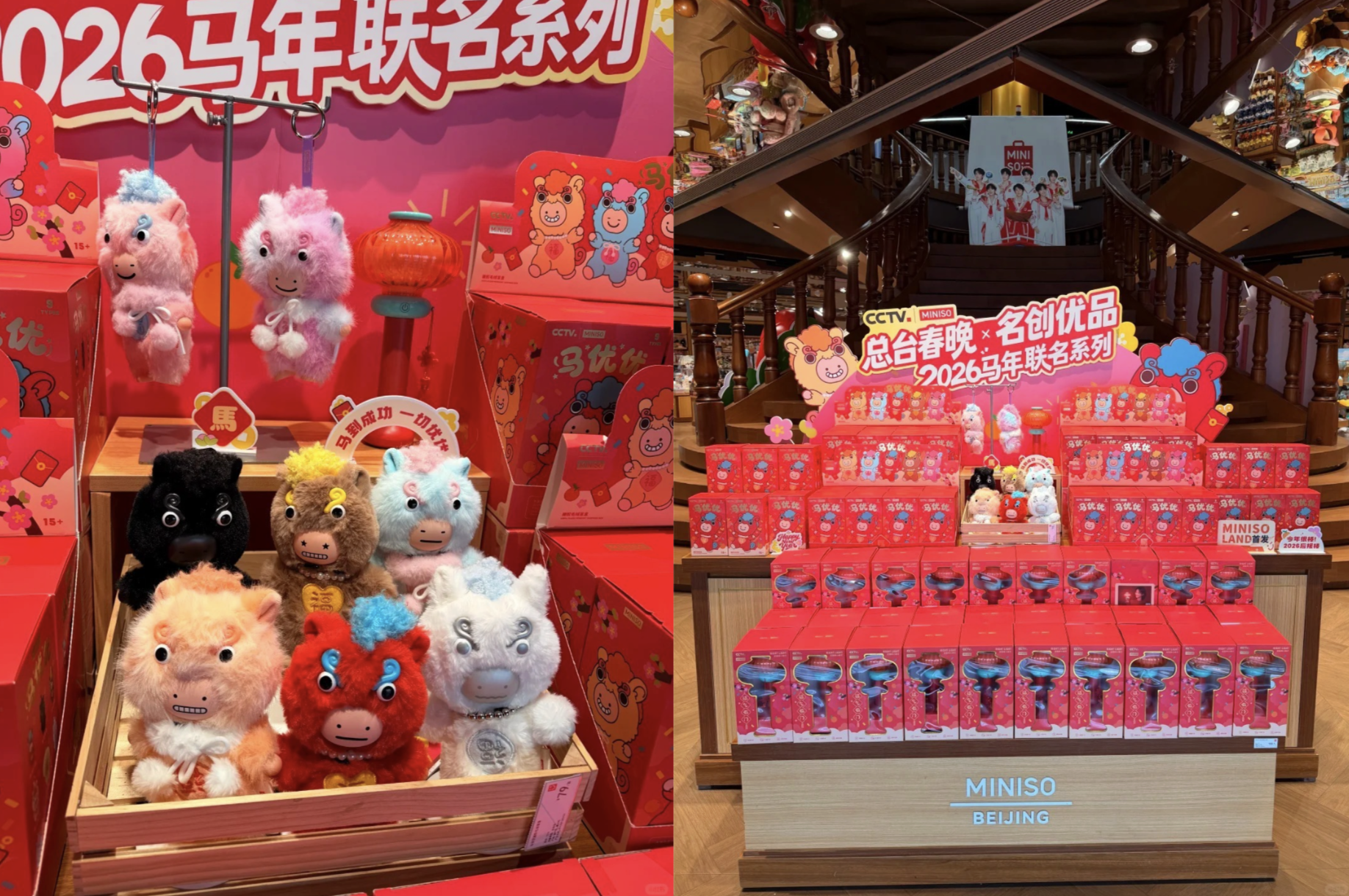
Amid a wave of flagship openings, MINISO has teamed up with China’s Spring Festival Gala for a Lunar New Year, horse-themed IP release. More than just another addition to its long list of collaborations, the partnership signals MINISO’s growing acceptance into a broader consumer sphere, one that extends beyond Gen Z shoppers to older, more traditional audiences as well.
Founded by Ye Guofu in 2013, MINISO began as a retailer of affordable household goods and stationery, leaning on minimalist aesthetics and low prices. But in 2019, the brand made a decisive pivot, launching its first IP-branded products in collaboration with Marvel. From there, MINISO doubled down.
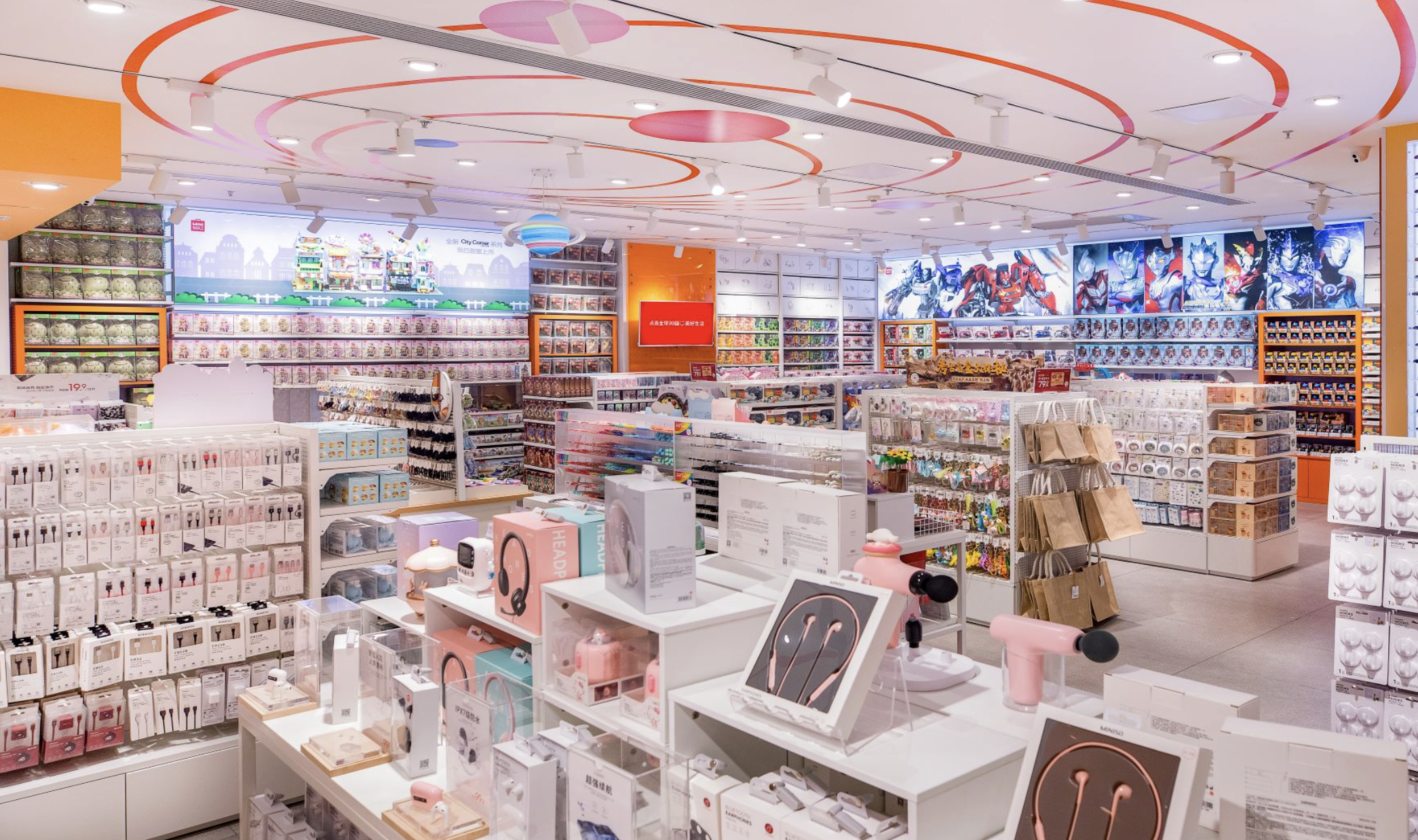
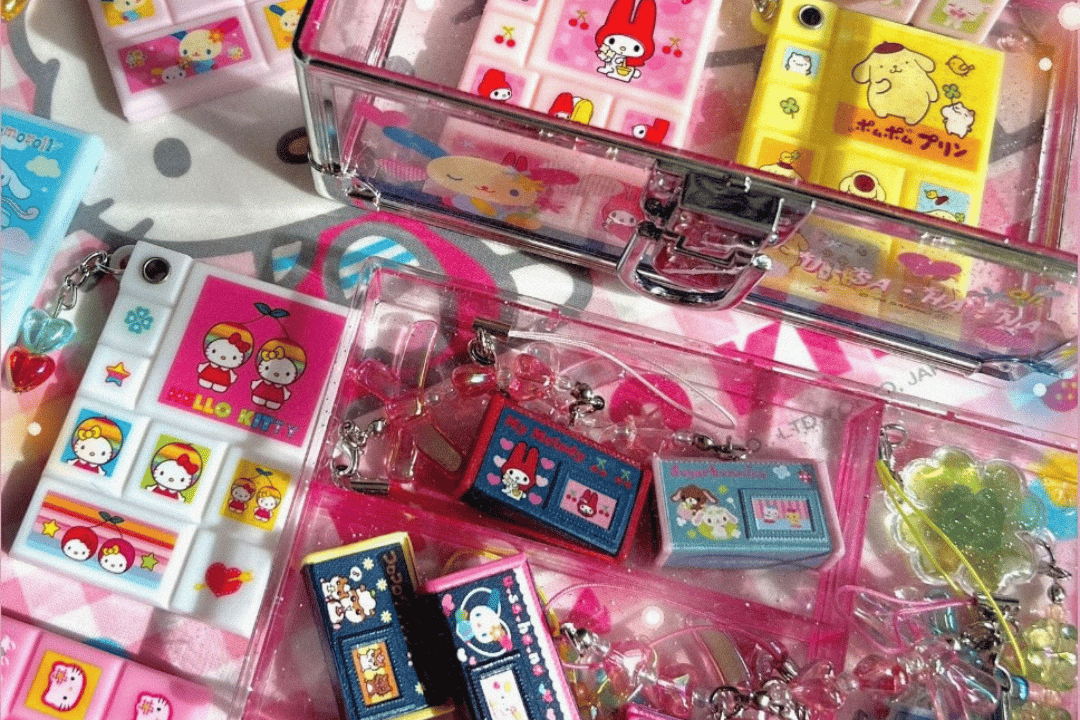
Today, MINISO holds nearly 200 IP licenses, including 16 in-house IPs, with collaborations spanning Disney, Minecraft, Sanrio, and other global franchises.
The pivot has clearly paid off. Its recent Zootopia collaboration reportedly generated close to 1 billion RMB (144 million USD) in revenue. MINISO has also entered the blind box economy through its subsidiary TOP TOY, which IPO’d in Hong Kong last year. Placing MINISO in competition with not only Japanese-style stationery stores, but also the collectible toy market.
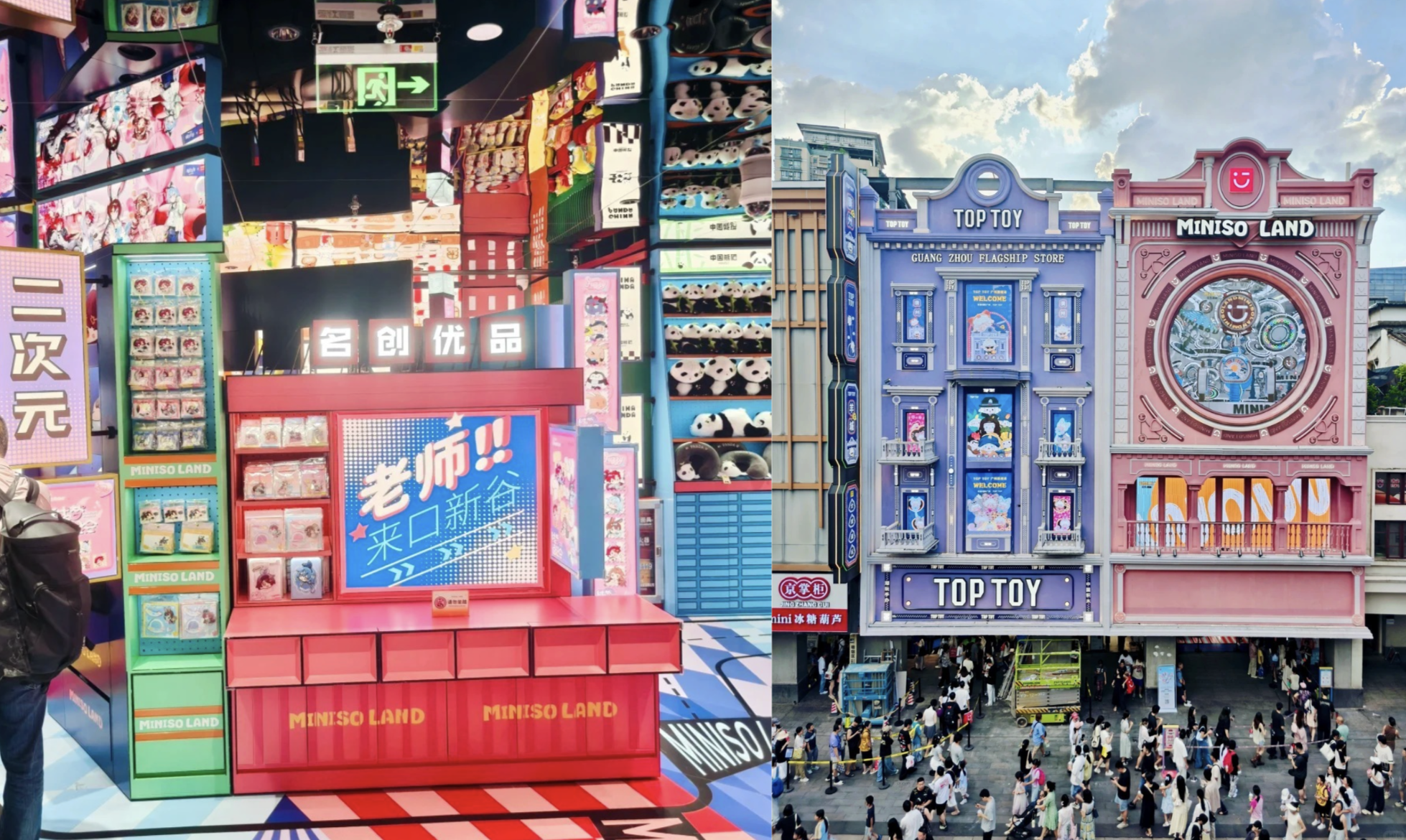
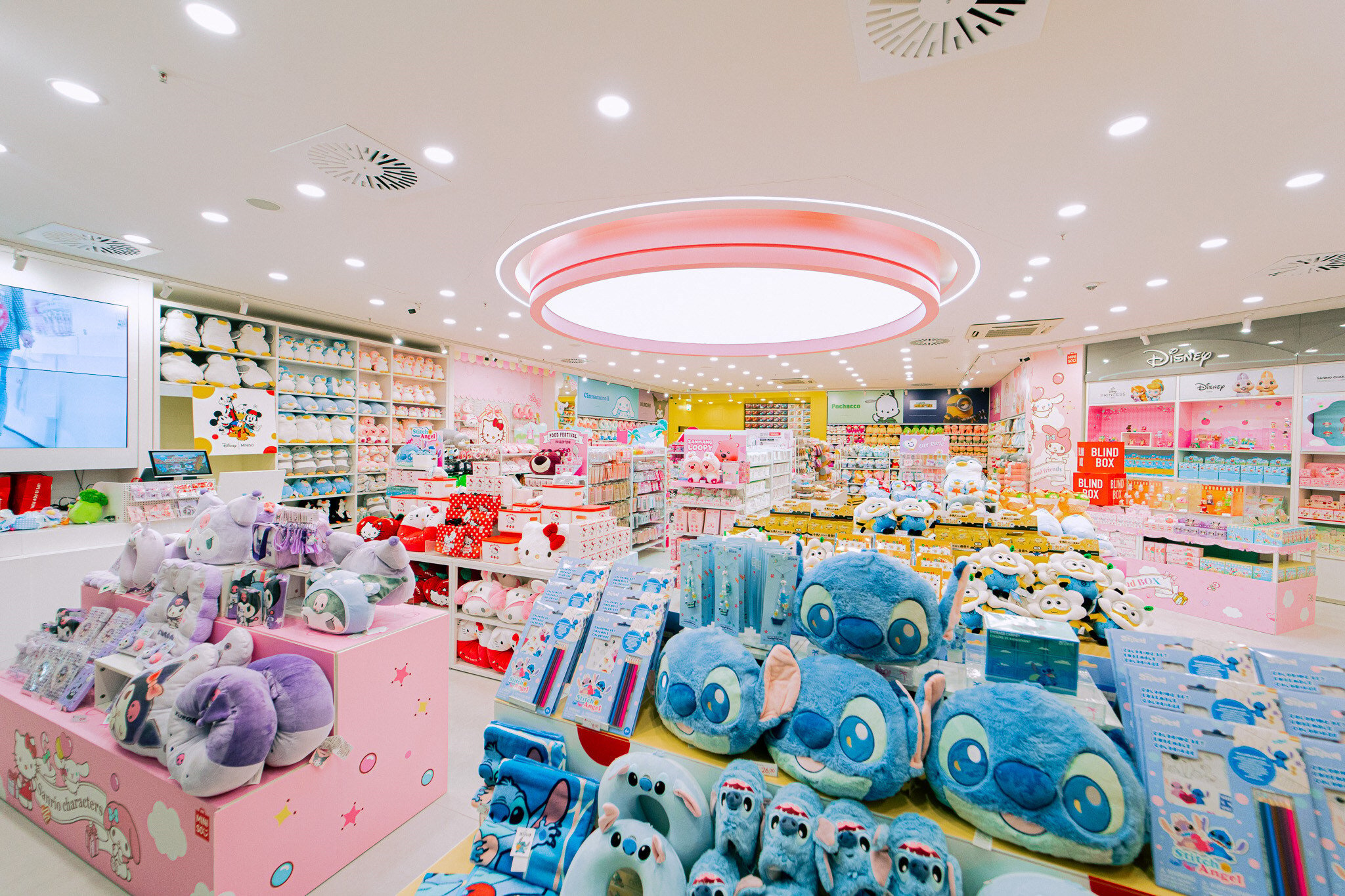
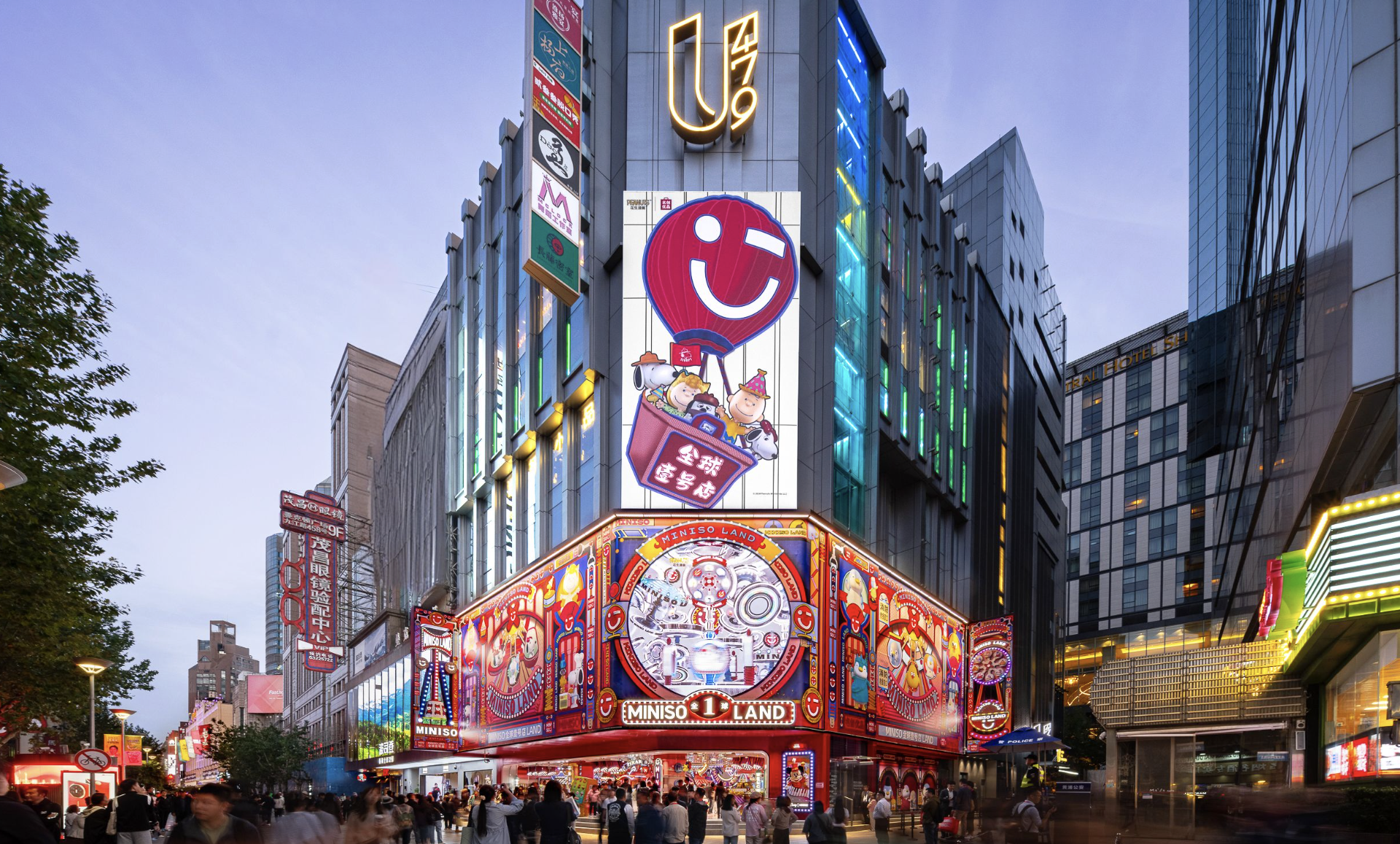
January marked another milestone with the opening of a new MINISO LAND flagship store in Guangzhou. As with previous launches, long lines formed almost immediately. Inside, MINISO LAND looks nothing like the brand’s typical retail outlets. The space is dreamy, maximalist, and almost sci-fi-like, and of course, packed wall-to-wall with IP merchandise.
These flagship openings reflect a broader shift in China’s consumer landscape. Retail chains are moving away from purely transactional spaces toward immersive, photogenic environments designed to encourage customers to linger. Shopping has become an experience, and the longer customers stay in-store, the more they spend.
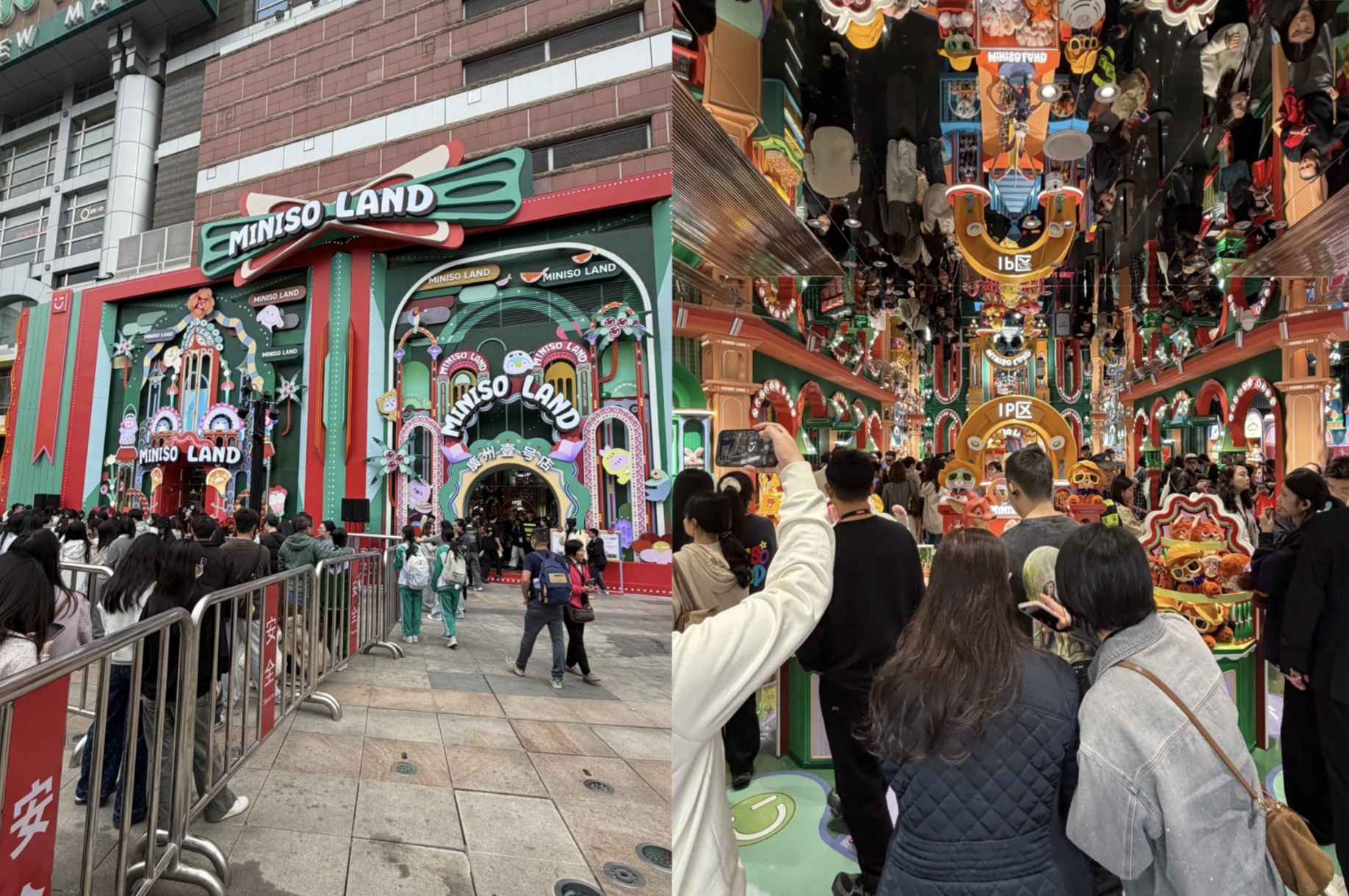
Reports suggest that shoppers spend an average of around 40 RMB (5.77 USD) in a regular MINISO store, compared to roughly 100 RMB (14.41 USD) at a MINISO LAND location. When the first-ever MINISO LAND opened in Shanghai last year, it generated over 100 million RMB (14.4 million USD) in just nine months. The concept has since begun testing international waters, with its first overseas MINISO LAND opening in Bangkok late last year.
In a recent press statement, Ye revealed plans to close up to 80% of existing stores over the next five years, targeting locations under 400 square meters and those in low-traffic areas. By contrast, some newer stores span well over 1,000 square meters while shifting towards more premium locations.
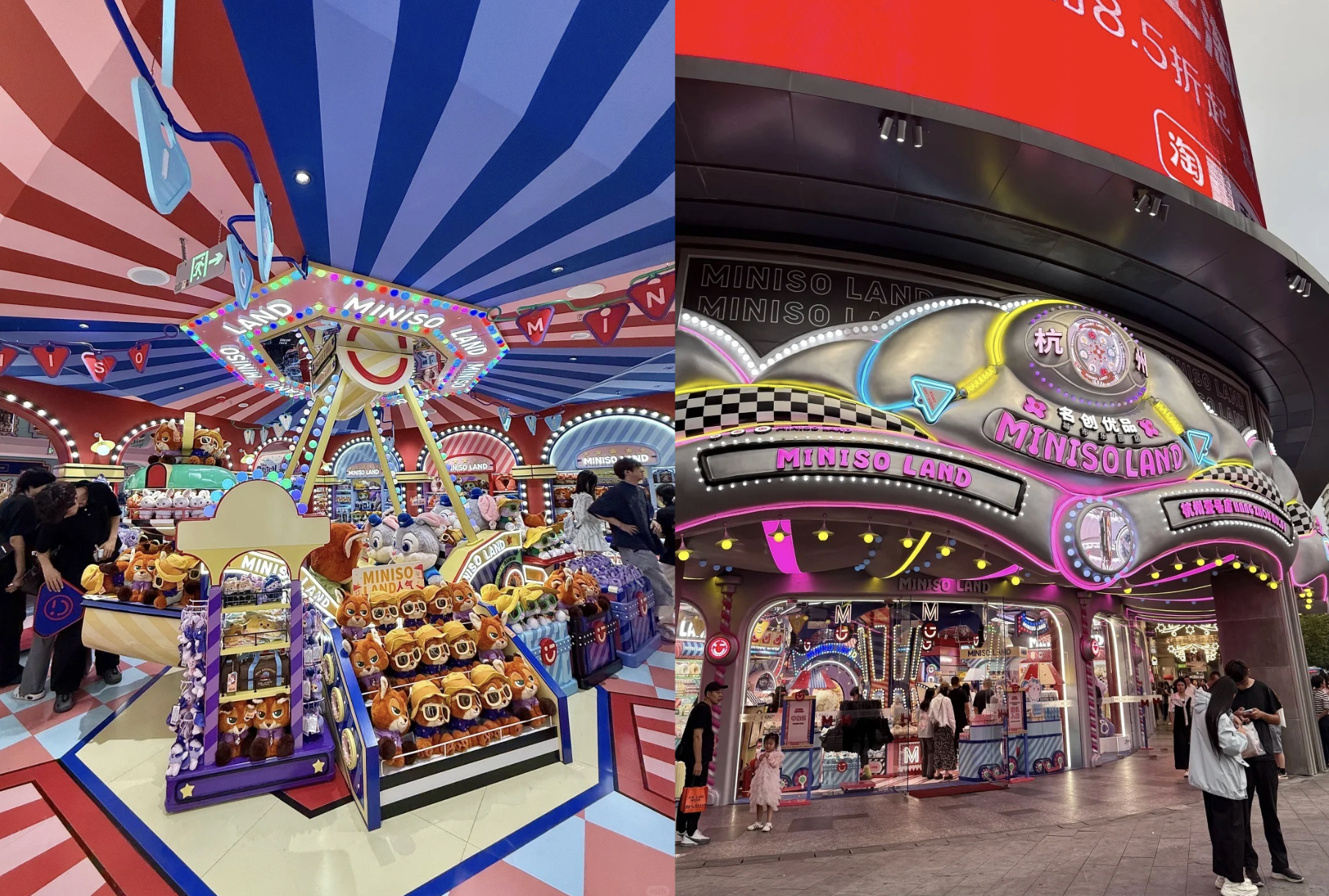
But for longtime customers, MINISO’s appeal has always been in affordability and everyday practicality. As the brand leans further into IPs, collectibles, and experimental retail, it has long since outgrown its “fancy Dollar Tree” reputation and now edges closer to a territory occupied by POP MART and other luxury toy brands. Whether that evolution comes at a cost, and whether the same model will translate overseas, remains to be seen.
Cover image via MINISO