You wake up, and it’s 2008…
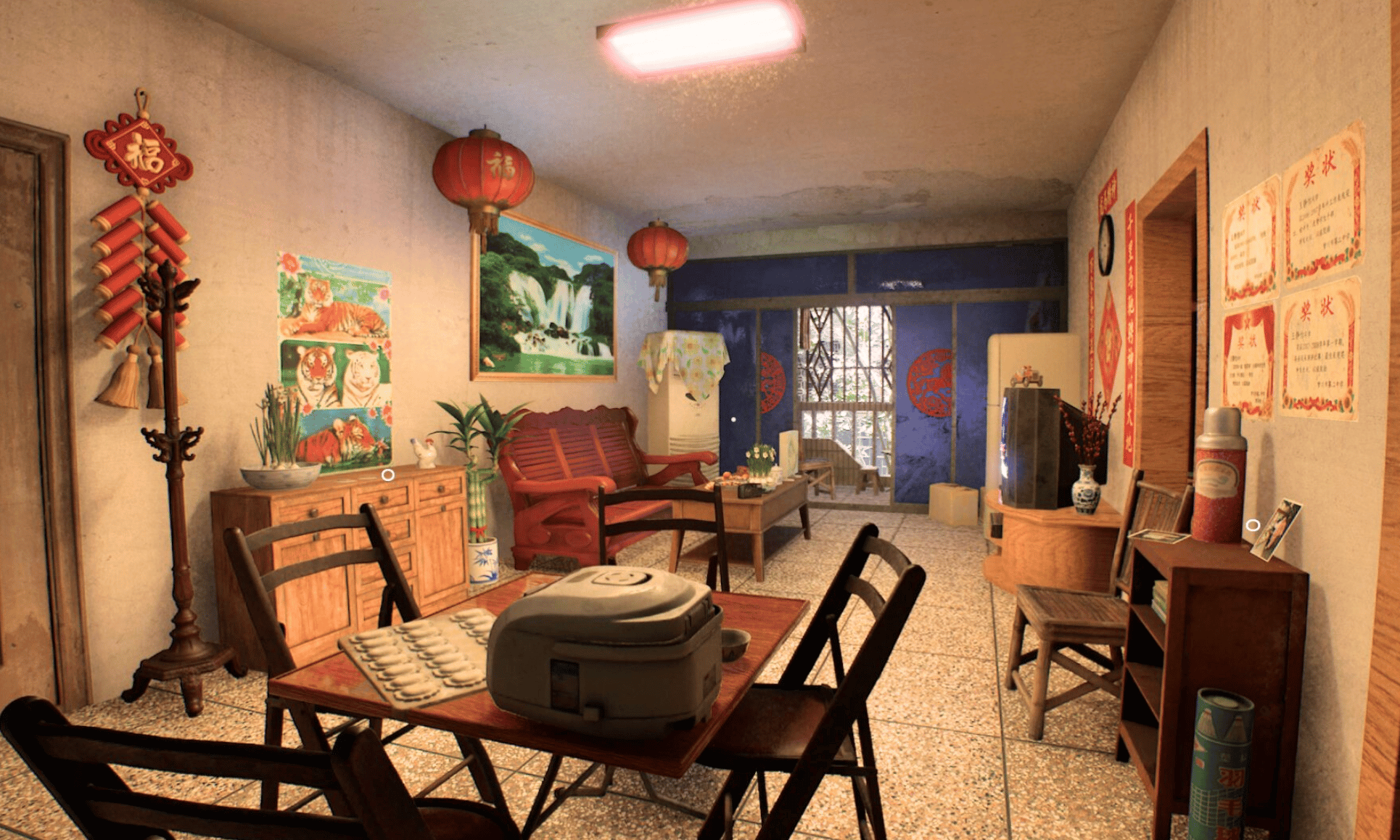
It was a long dream, one that carried you all the way into adulthood. But now you’re back home, staring at a familiar stack of schoolbooks. There’s unfinished homework waiting, and your mom scolds you for sleeping in. Your childhood home looks exactly as you remember it: the fat-bottomed television, the plastic alarm clock, and framed decorative prints that now look oddly dated.
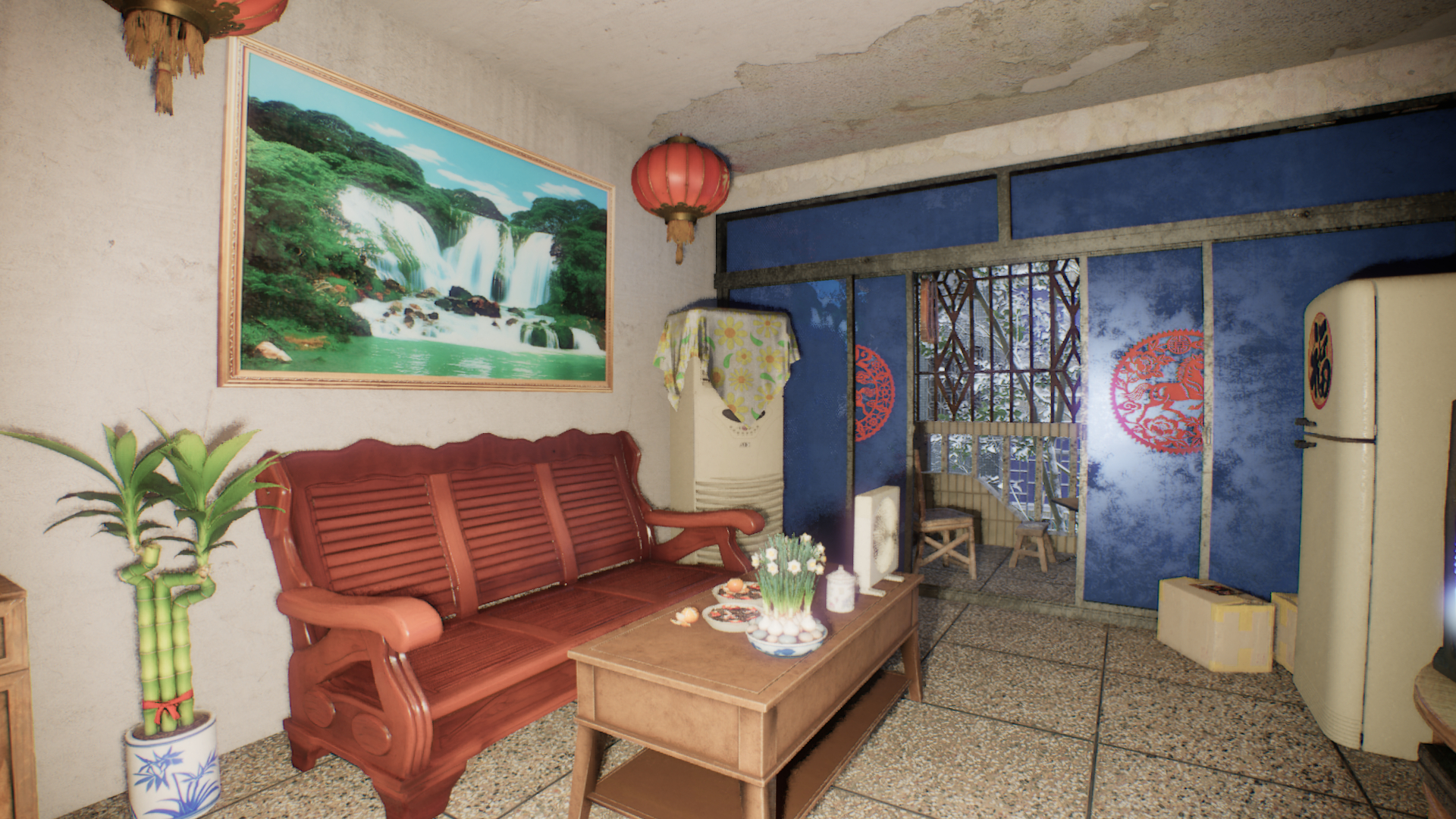
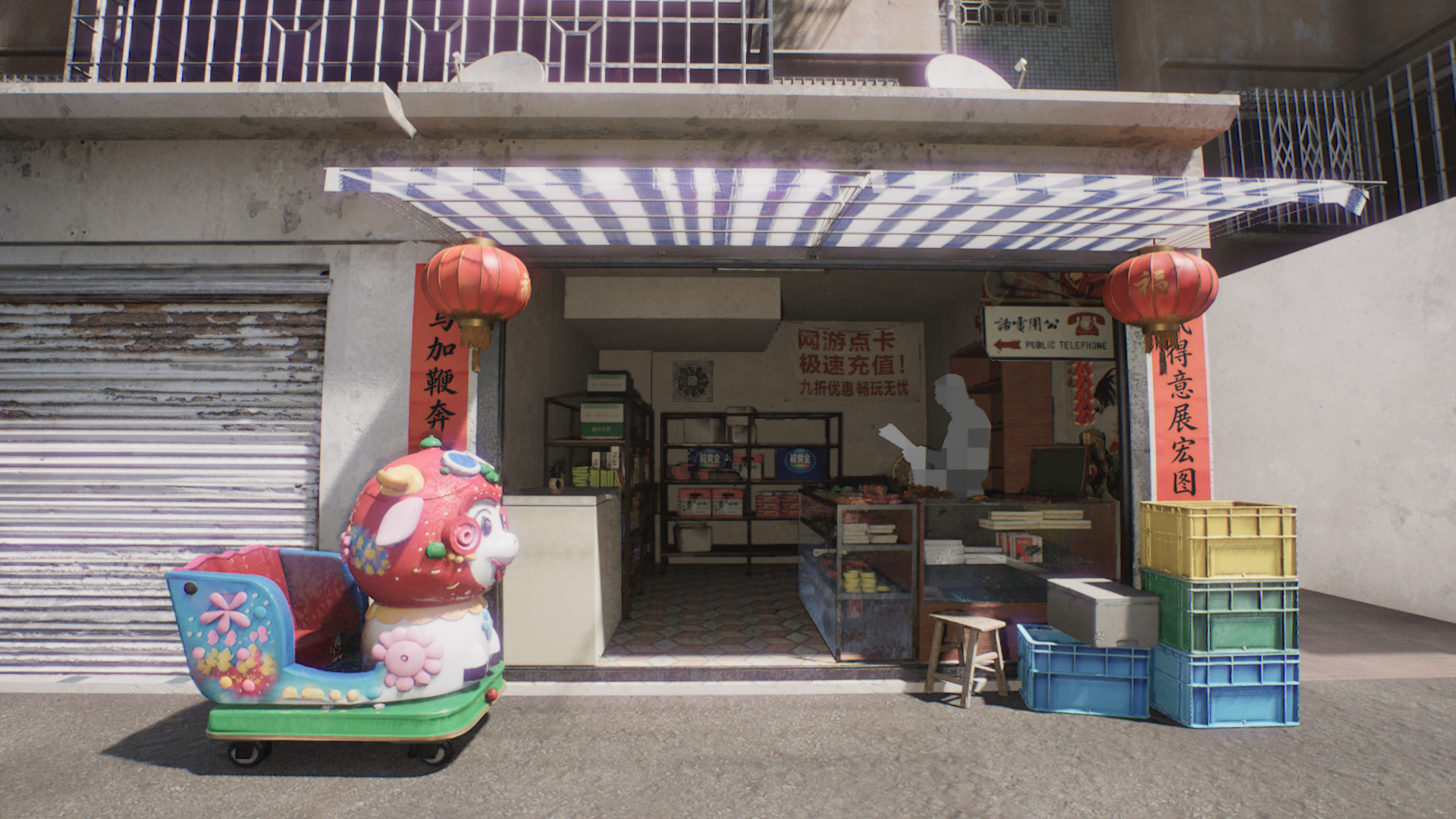
You wander to the deli across the street, the kind that sells the cheap snacks and toys you grew up with. You then pass the disco roller-skating rink, the steaming bathhouse, and the distant echo of your teacher’s voice drifting out of a fluorescent-lit classroom. You arrive at the building and walk the familiar corridors that lead to your grandparents’ apartment…
Zhuangzi’s Butterfly Dream (庄周梦蝶 zhuāng zhōu mèng dié) is an ancient Chinese proverb. In the story, Daoist philosopher Zhuangzi dreams of becoming a butterfly. When he wakes, he wonders: is he Zhuangzi who dreamed of being a butterfly, or a butterfly dreaming he is a man?
In Millennium Dream, China’s newest hit video game, reality and memory blur together in much the same way.
“You can go back, but there’s no one there anymore. Wake up when the dream ends, then look forward and don’t look back.” – @克莱斯顿, Steam comment
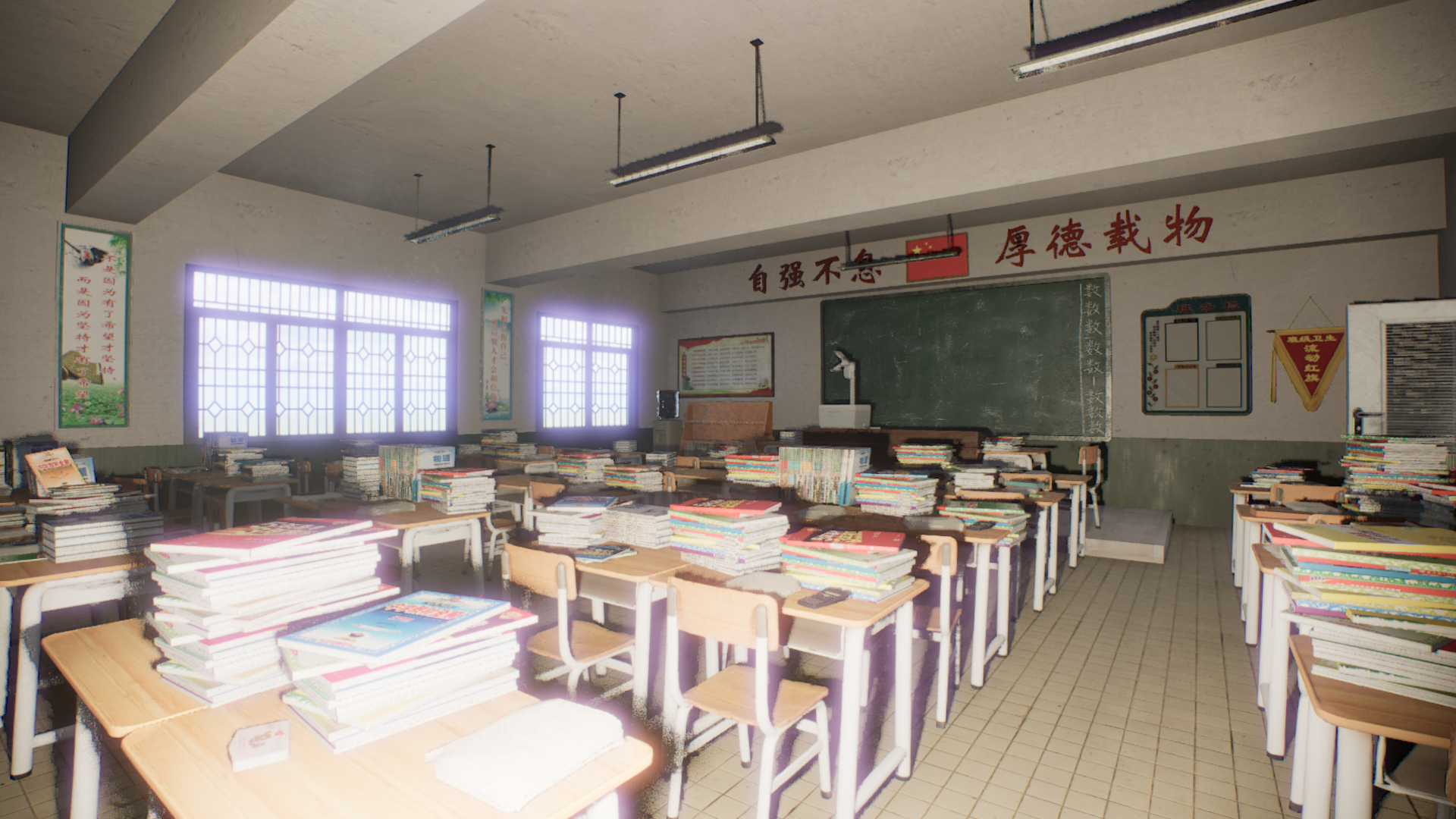
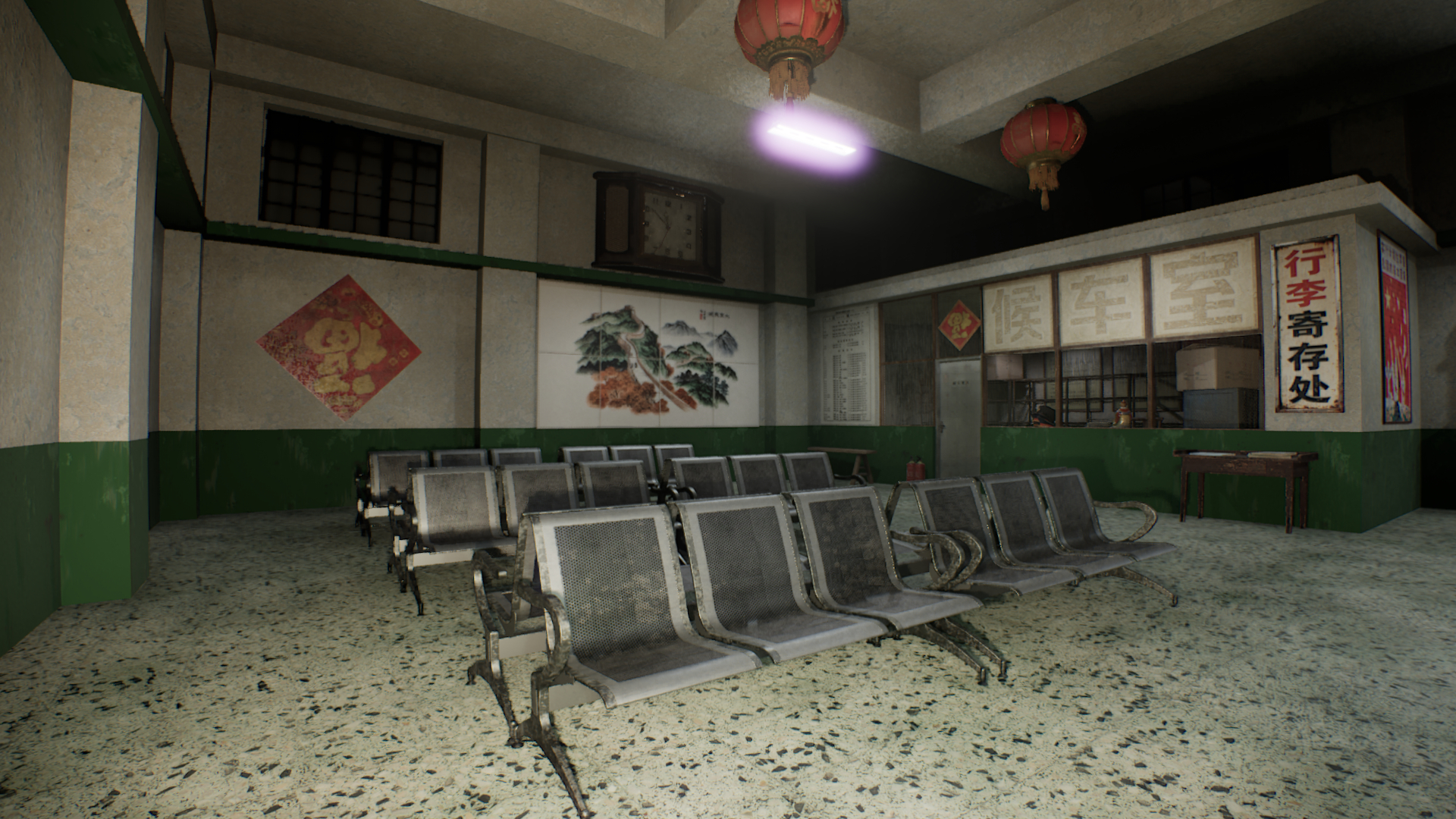
The game is Chinese dreamcore brought to life, an aesthetic that has taken off across Chinese social media. The style blends Y2K nostalgia with liminal spaces, those strangely familiar environments that feel frozen in time. It’s the 2000s viewed through a hazy, emotional filter.
Creators across China have been exploring the trend in their own ways. Digital artist Huang Heshan built an entire imaginary city out of dreamcore-inspired landscapes. Photographer Tiehexi documents spaces that reflect China’s late 20th-century architectural trends. Meanwhile, RedNote blogger, Memories of Childhood, archives early-2000s toys, snacks, and household items.
All of them are doing something similar, slowing time down by capturing fragments of a collective past.
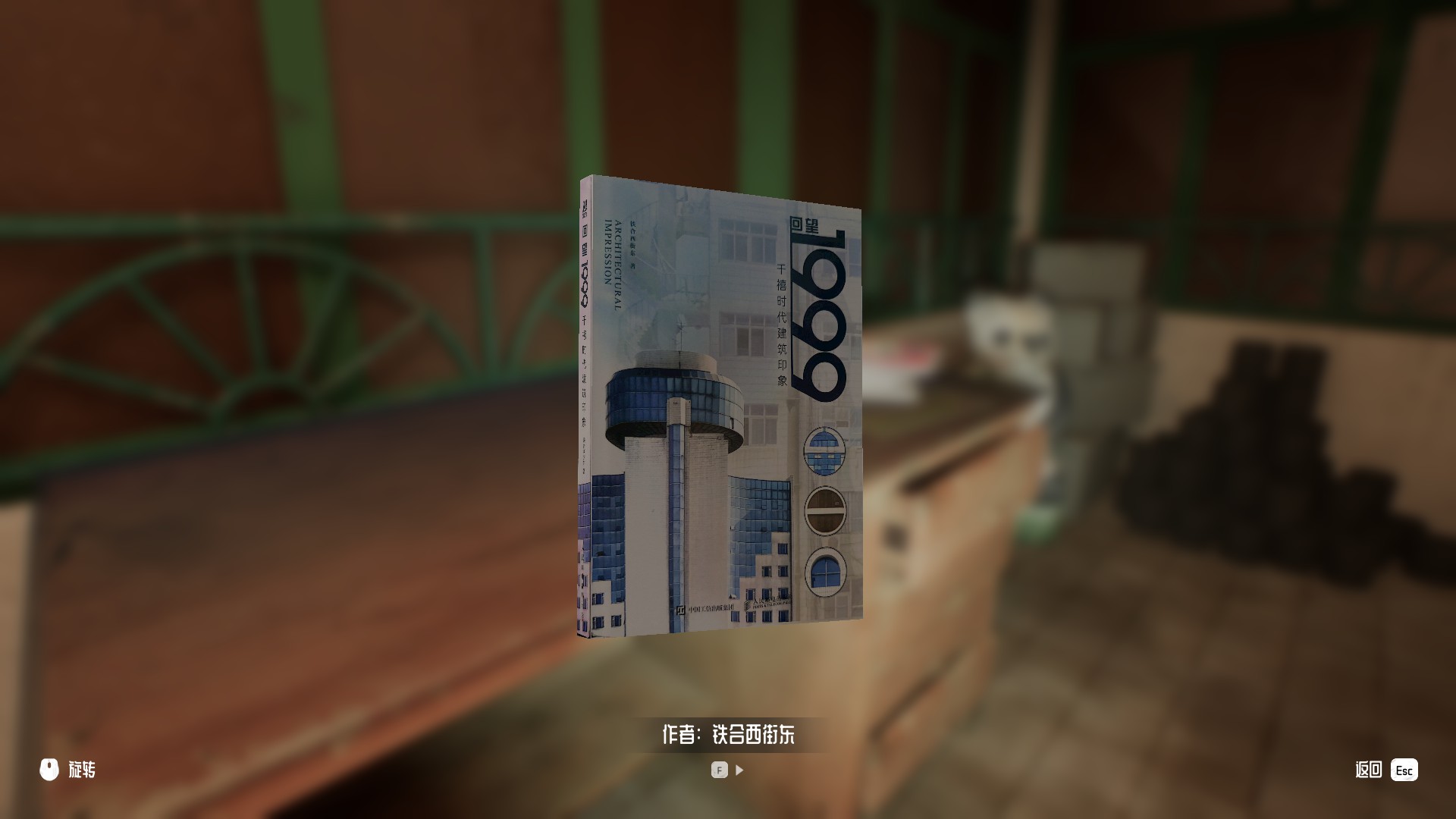
Now, Millennium Dream joins the movement. Developed by indie studio LucidDream Lab, the game transforms Chinese dreamcore into a walking simulator. You can explore the environment and pick up objects to inspect while the game notes the texture, sound, and even the taste. You find an old CCD camera, and your main task is to photograph whatever catches your eye. The photo is grainy, of course.
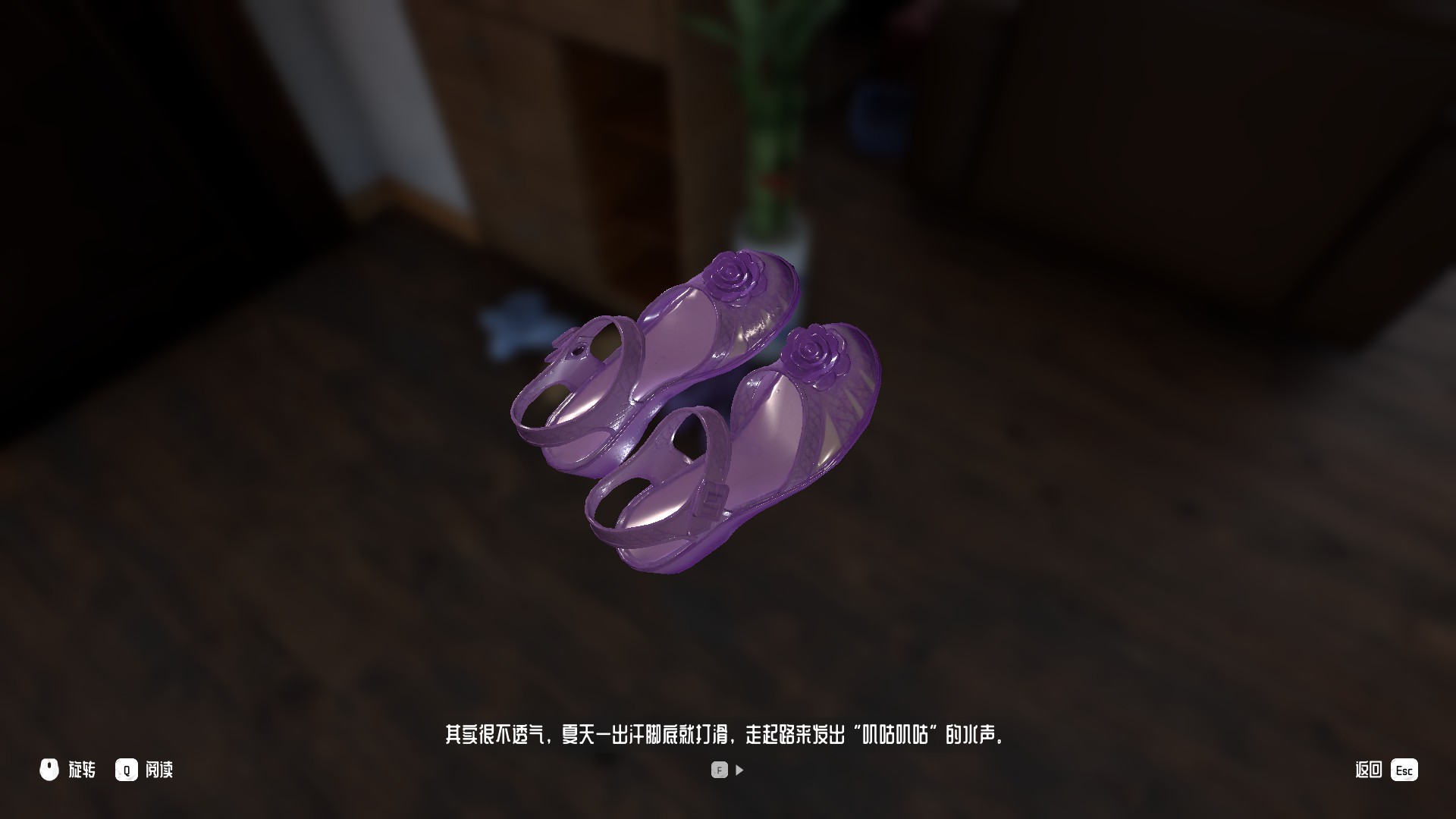
For players who grew up in China, the effect can be unexpectedly emotional. At several points, I found myself sitting back and just listening to the in-game radio playing advertisements pulled straight from my childhood. For a moment, it almost feels like I’m sitting in my grandmother’s living room again.
Everything feels familiar, yet something isn’t right. The house is empty, and there is no one there.
“As a child, I believed the Chinese saying that a sneeze meant someone was thinking of you. I thought through everyone I knew each time, never imagining it might be my future self.” – @awaRRtf, Steam comment
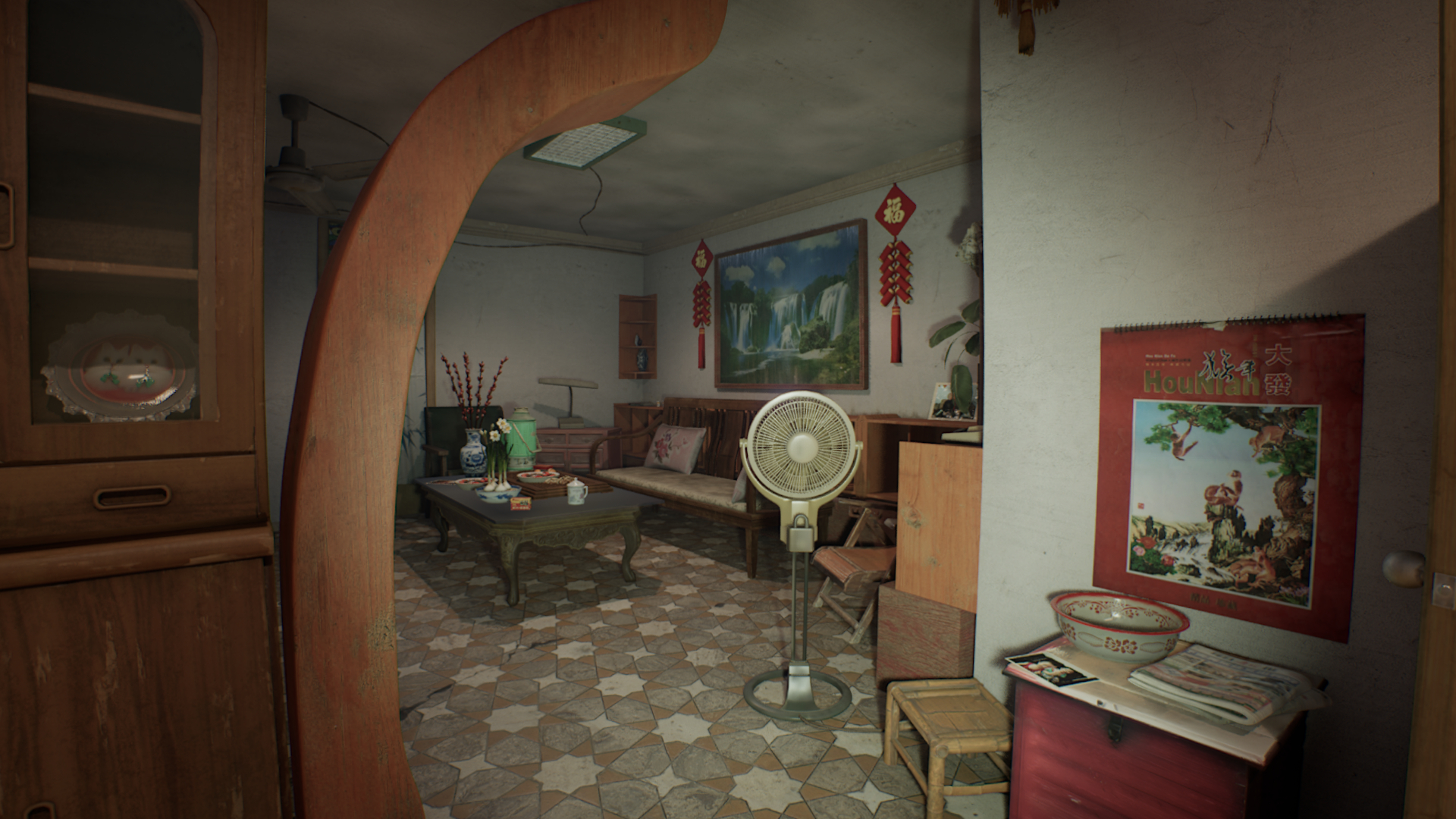
Despite the nostalgic undertone, the game carries a quiet sense of unease. Dark corridors that force you to rely on a flashlight. Underground malls stretch on endlessly, with mannequins hiding behind every corner. Architectural twists with strange, inaccessible paths that slip you into the backroom. Even the characters you encounter are uncanny; their faces are obscured by a haze of television static.
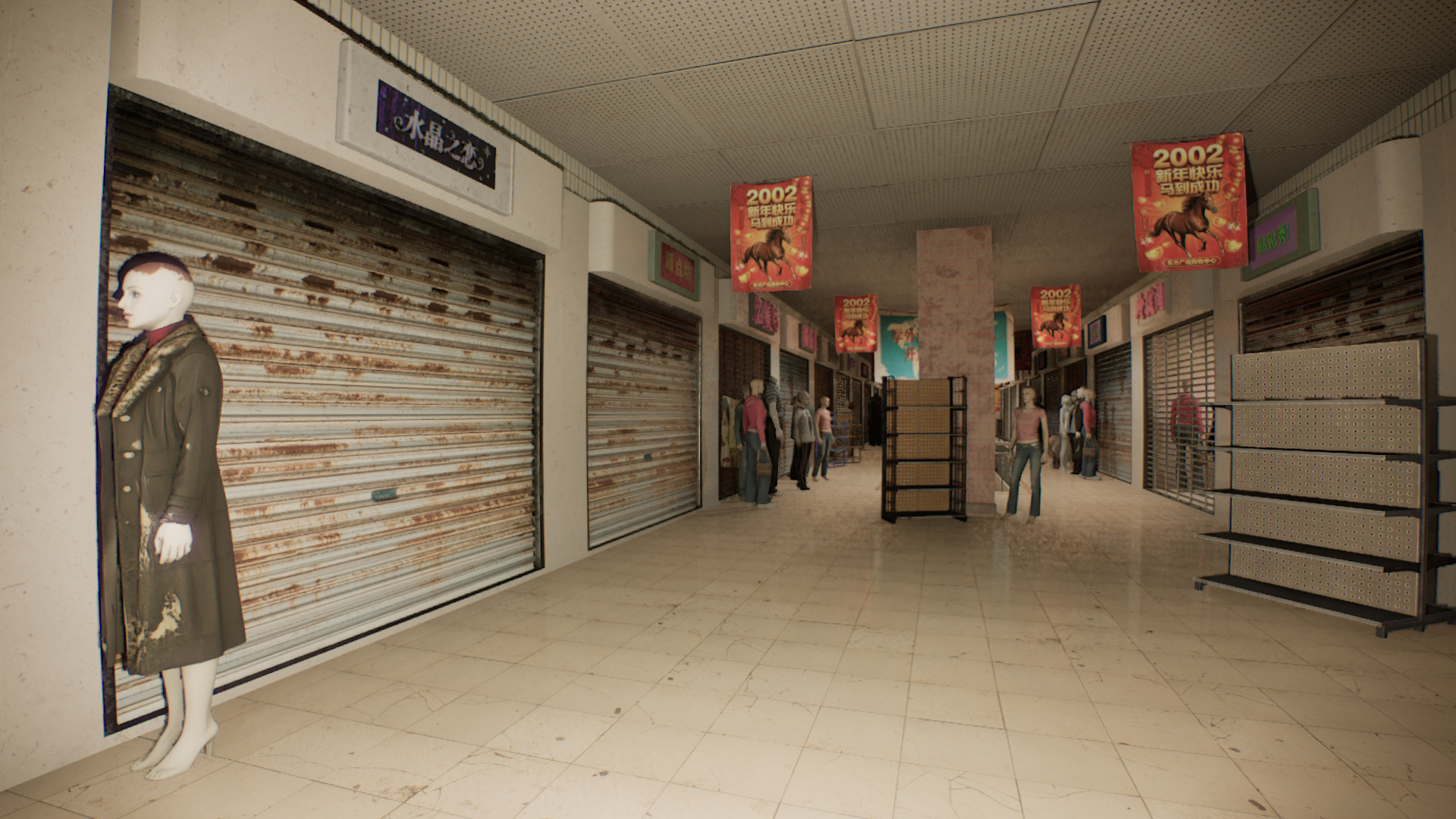
There are no jump scares, no ominous music cues. Yet somehow the game still manages to raise the hair on the back of your neck. Maybe it’s the loneliness. Or maybe it’s the realization that you’re wandering through impossible places that exist only in memory.
In fact, the developers at LucidDream Lab are already familiar with this kind of liminal storytelling. Their earlier horror title, There Exists Nobody, also tasked the player with exploring eerie environments while documenting anomalies with an old camera.
“The game isn’t exactly horror, but nobody gets through it smiling.” – @人中大帝, Steam comment
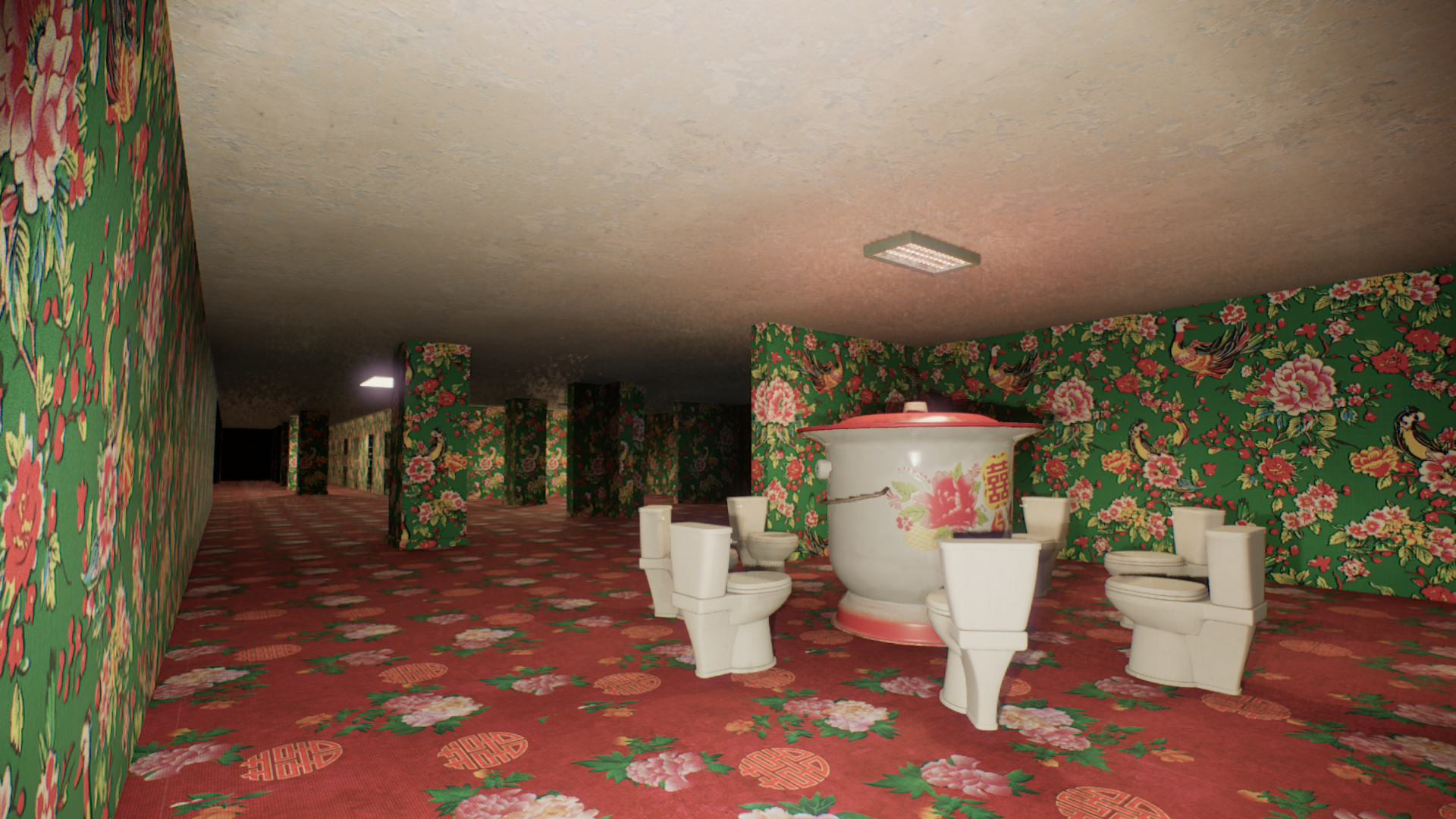
Some of the most delightful moments in Millennium Dream were the Easter eggs.
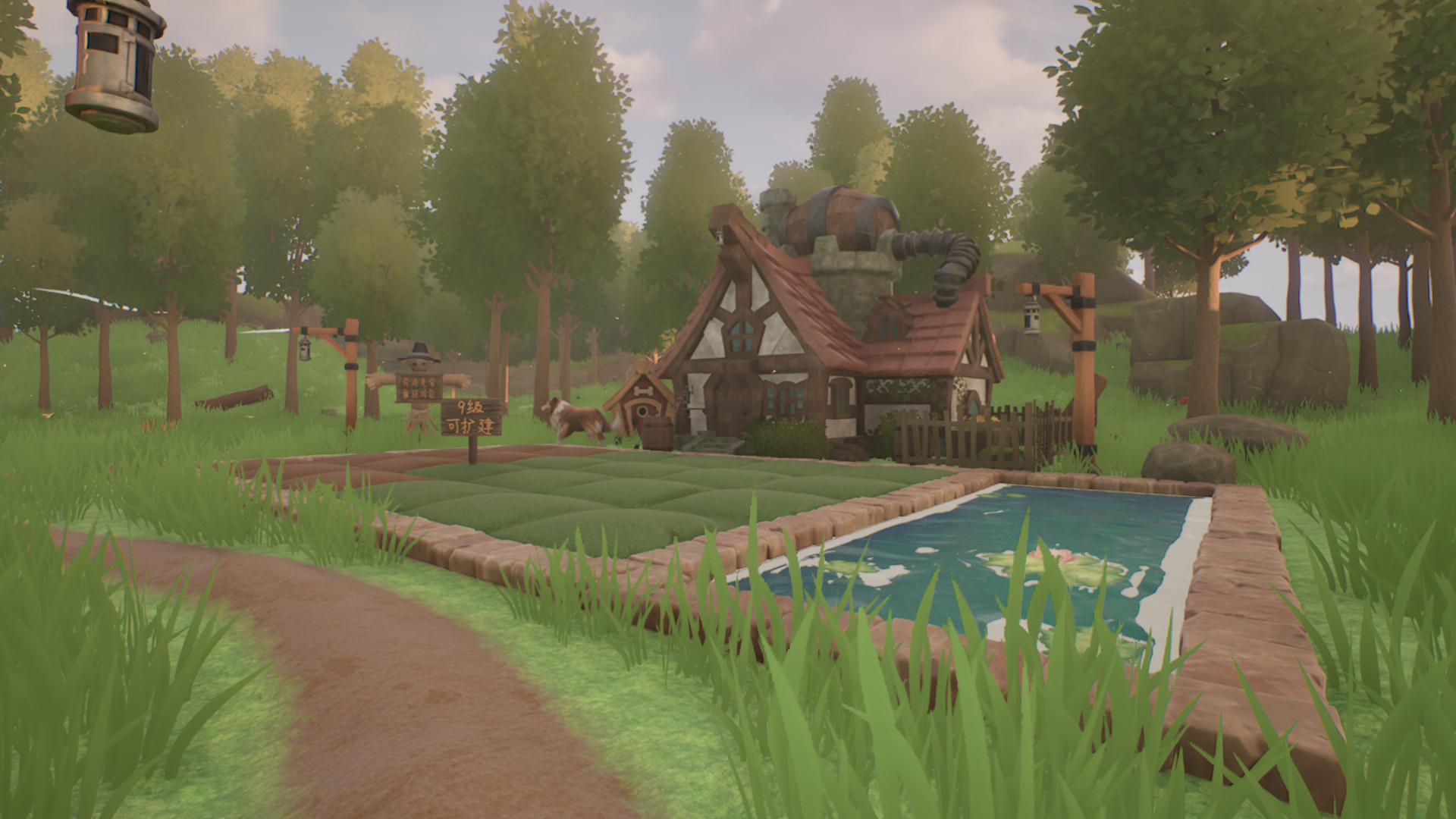
A portal takes you into Happy Farm, a now-defunct farming simulator once integrated into QQ (the most popular social networking application in the 2000s)—long before the era of WeChat. Step into another portal, and you’re transported into the apartment from Home With Kids (家有儿女), a beloved family sitcom that defined after-school television for an entire generation.
Moments like these reveal something important about Millennium Dream. The setting here isn’t just a backdrop; it’s the main character.
In the final “level” of the game, you’re transported to the Promised Future. As soft synthwave music plays, you wander through a vision of tomorrow imagined by the early 2000s. It’s a future that embraces the unwavering optimism of Frutiger Aero, with glassy architecture, neon-tinted interiors, and landscapes that feel like they belong inside an old Windows wallpaper.
“As we slowly grow up and lose things, we come to realize that the best times were simply the ordinary moments of those days.” – @齐子果, Steam comment

“You met me at a very Chinese time in my life.”
You’ve probably seen the phrase circulating on social media recently. Being Chinese has never been cooler, and luckily for international gamers, Millennium Dreams is available in eight languages, including English. Some of its emotional weight may inevitably be lost on those who did not grow up in China, but the experience remains enjoyable and profound. And for those experiencing their own “Chinese awakening,” this game might just be the digital home you’ve been searching for, and it’s currently available on Steam.
It’s time to wake up, and sail back to the safe harbor of your Chinese childhood, where it’s always warm and cozy and patiently waiting for you.
All images via Millennium Dream