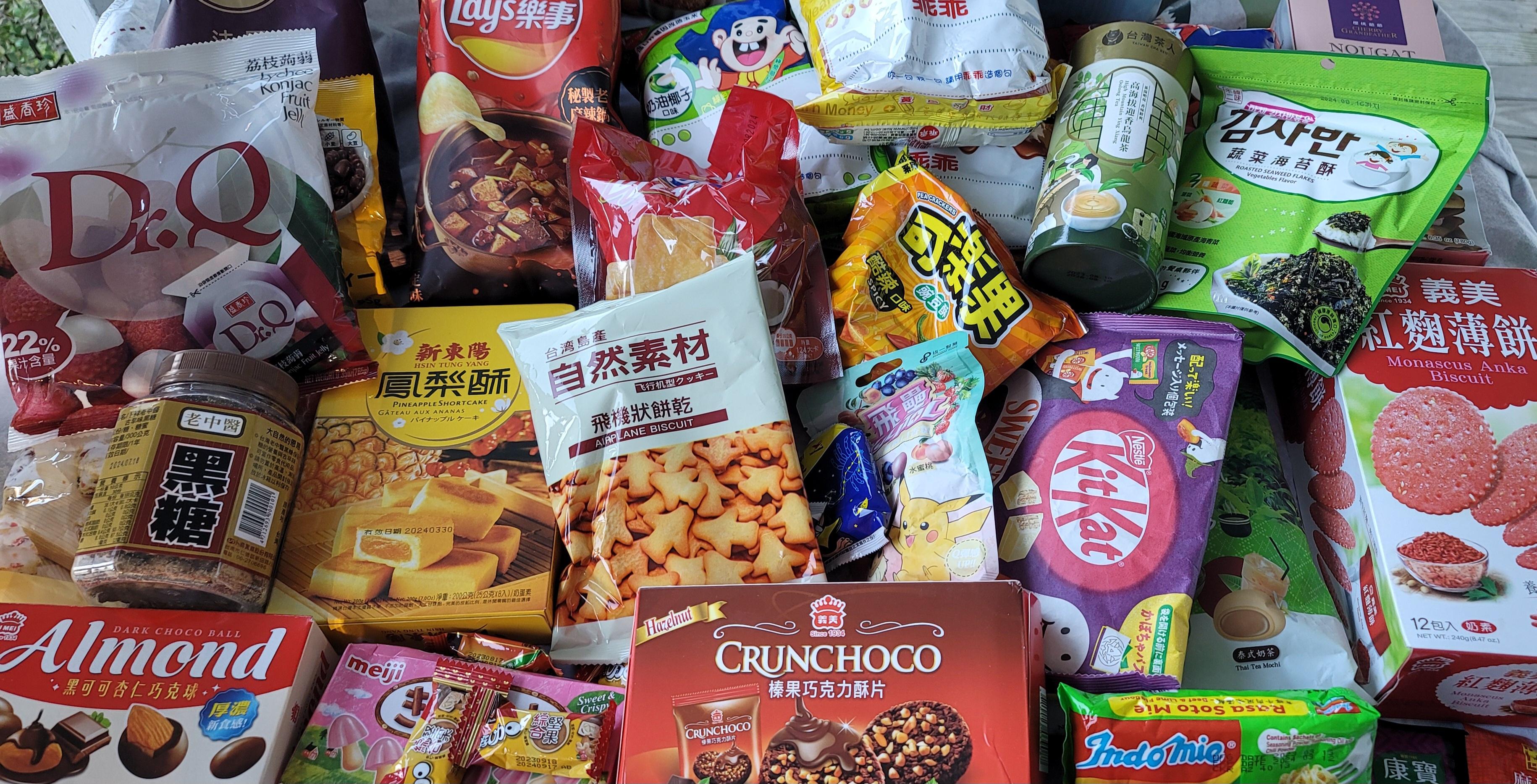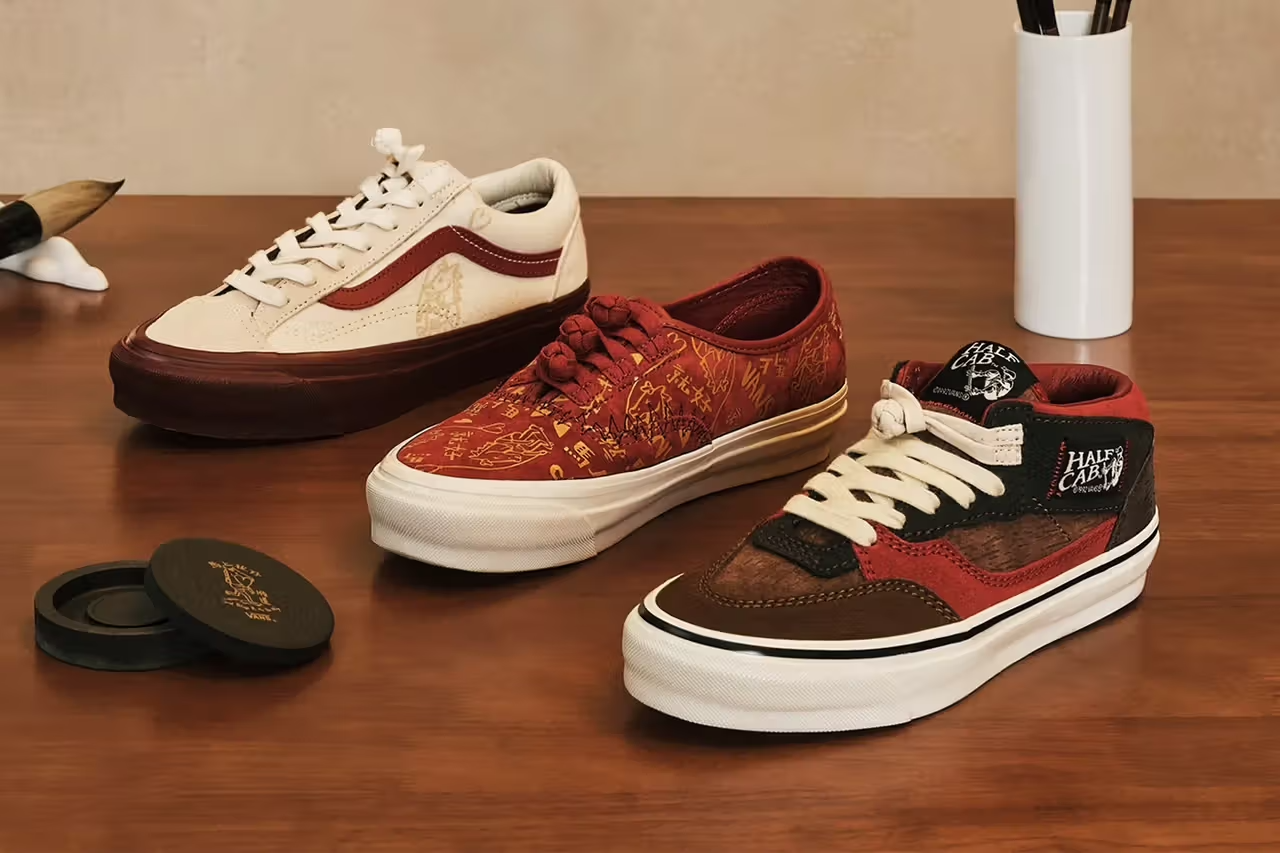


Forget the hustle, ditch the despair. A viral phrase from the Chinese internet offers Gen Z a refreshing take on self-love amidst the chaos of modern life. The internet moves fast, especially when it comes to the language of self-expression. While many online trends lean into irony, satire, or the relentless hustle, a phrase originating from the net offers a surprisingly gentle counterpoint: “爱你老己” (Ài Nǐ Lǎo Jǐ).

Literally meaning “love your old self,” the magic lies in the character 老 (Lǎo). Traditionally used to address an old friend, like 老张 (Lǎo Zhāng) or 老李 (Lǎo Lǐ), here, it transforms “self-love” into something deeper and more forgiving. The idea? Treat yourself with the same unvarnished acceptance you’d offer a long-time friend. There’s no need for fixing or constant improvement; simply checking in, acknowledging your presence, and offering a quiet understanding after a tough day.

This isn’t another “wage slave” lament or “hot mess” confession. “爱你老己” has no edge. It’s not a complaint, nor is it performative. Did you order late-night takeout despite promising you wouldn’t? 爱你老己. Flunked an exam you barely studied for? It’s okay; you’ll try again. The structure is simple, yet the middle is yours to fill, offering a personalized comfort to anyone feeling overwhelmed.
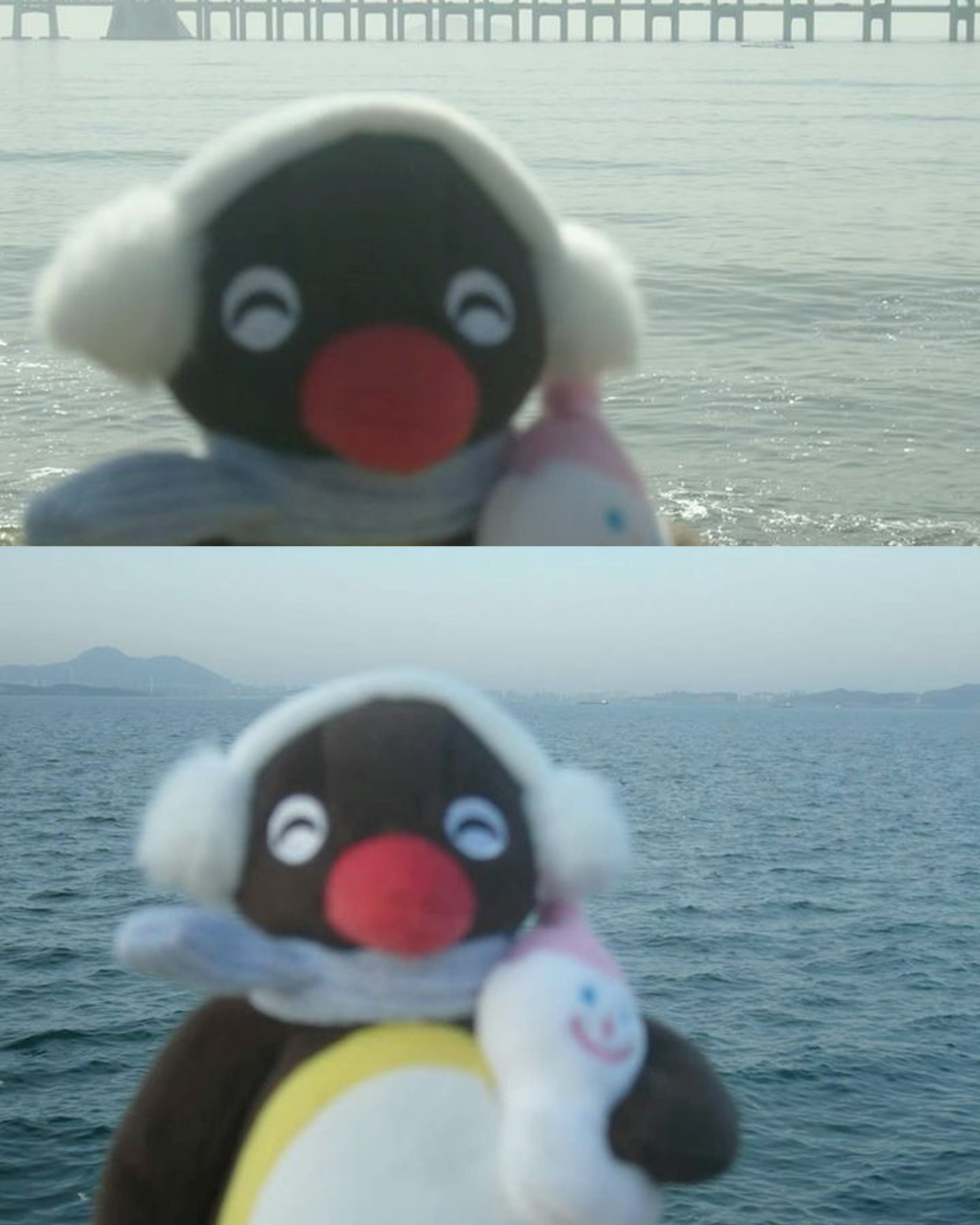
In an era of extremes—from emo-level despair to demanding “grind culture”—”爱你老己” finds a quiet middle ground. It acknowledges life’s difficulties and personal imperfections, softly affirming: “Yes, you’re a bit of a mess. But you’re still here, and that is enough. See you tomorrow.” This rare lightness is precisely what makes it so resonant.

However, and unsurprisingly, internet trends get co-opted by corporations. Brands quickly twisted the originally innocent phrase into a consumerist slogan, and “对不起老己” (Duì Bù Qǐ Lǎo Jǐ – apology letters to self for not being productive) emerged, splitting the self into victim and guilt-ridden taskmaster. The original, tender sentiment—a quiet acknowledgment of simply being—risks being hollowed out by capitalism’s incessant demand for more. What’s worth protecting is its core: not buying things, not writing apologies, but just a gentle “you’re still here, and that is enough.” 爱你老己.
All images via Xiaohongshu.