
Feature image of China’s Luckin Coffee Acquires Western Coffee Icon Blue Bottle

China’s Luckin Coffee Acquires Western Coffee Icon Blue Bottle

2 mins read

2 mins read

Feature image of China’s Luckin Coffee Acquires Western Coffee Icon Blue Bottle
The two extremes of coffee now share the same corporate home.

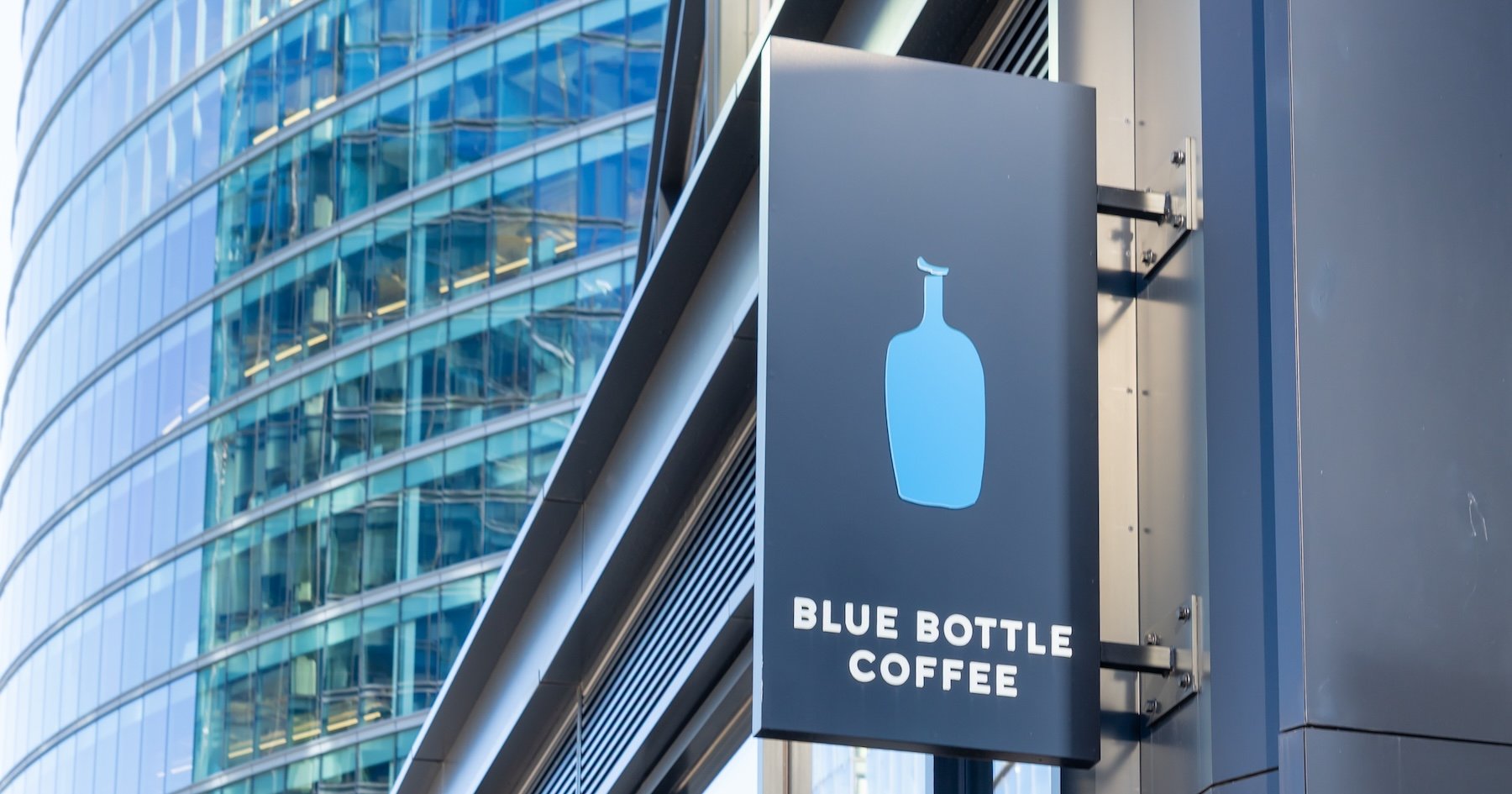
This March, Luckin Coffee, China’s most aggressive mass-market caffeine machine, acquired Blue Bottle Coffee, long positioned as the spiritual opposite of everything Luckin represents. The pairing surprised many. One brand thrives on speed, discounts, and constant product launches; the other built its identity on patience, ritual, and restraint. Now, they operate under the same corporate roof.

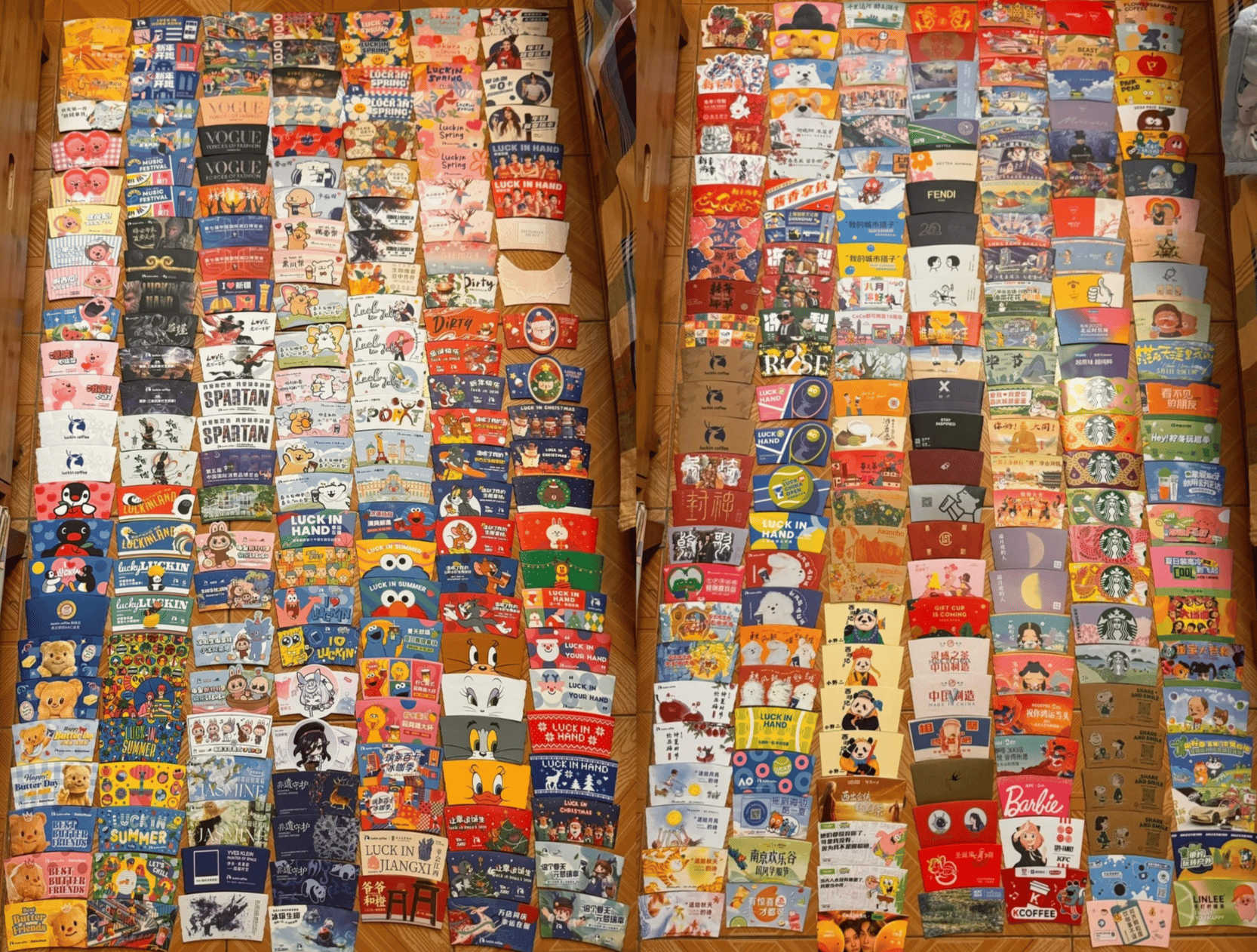
Luckin’s rise has been defined by efficiency. App-based ordering, rapid store expansion, and a menu refreshed almost weekly have turned coffee into an everyday consumer habit. Seasonal fruit drinks, collaborations, and coupon-driven pricing have helped transform coffee from an occasional indulgence into something closer to a fast-moving consumer good for young urban consumers.
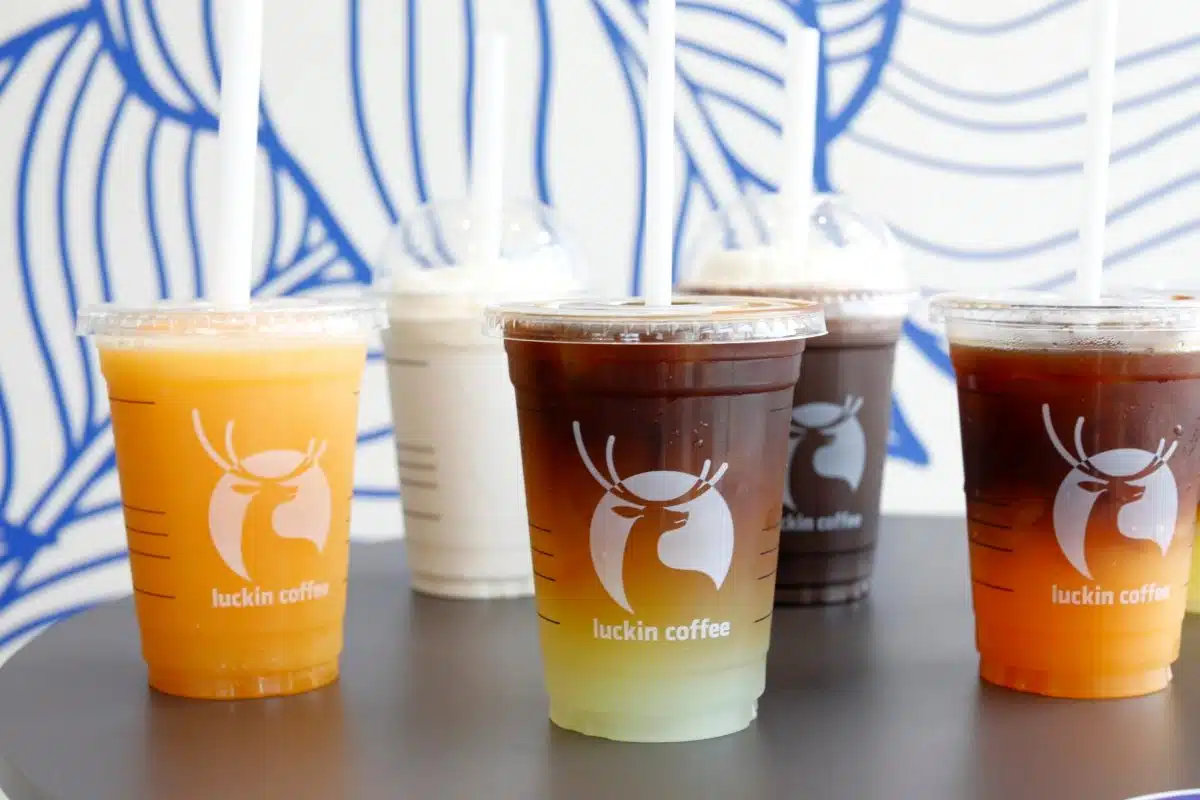
Luckin’s summer special drinks are always fruity. Photo via Daniel Food Diary.

Blue Bottle entered the Chinese mainland in 2022 with an entirely different promise. Founded in California by former clarinetist James Freeman, the brand grew from an almost obsessive focus on craft. Its philosophy emphasized timing and precision: beans sold within 48 hours of roasting, ground coffee brewed within seconds, and hand-poured drinks prepared slowly regardless of queue length. Efficiency was secondary to experience.

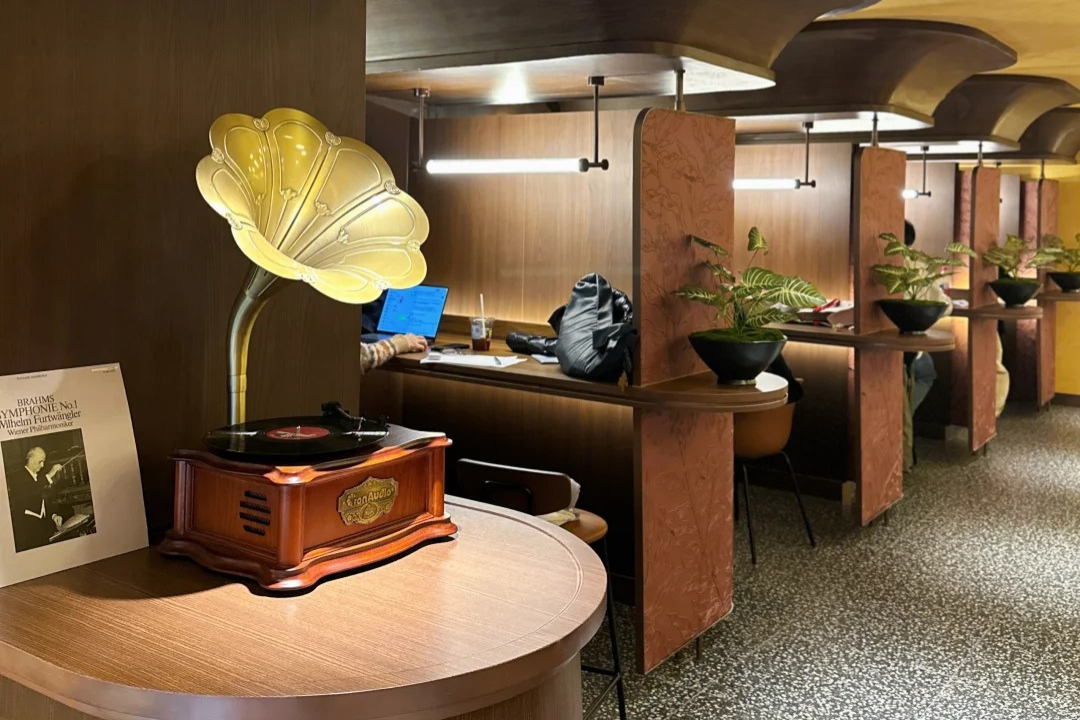
That philosophy extended to retail design. Blue Bottle cafés became known for minimalist interiors and carefully chosen locations that framed coffee drinking as a deliberate pause rather than a transaction. When its first Shanghai store opened, long queues formed, and resale prices briefly climbed close to 100 RMB—nearly ten times the cost of a basic Luckin order.
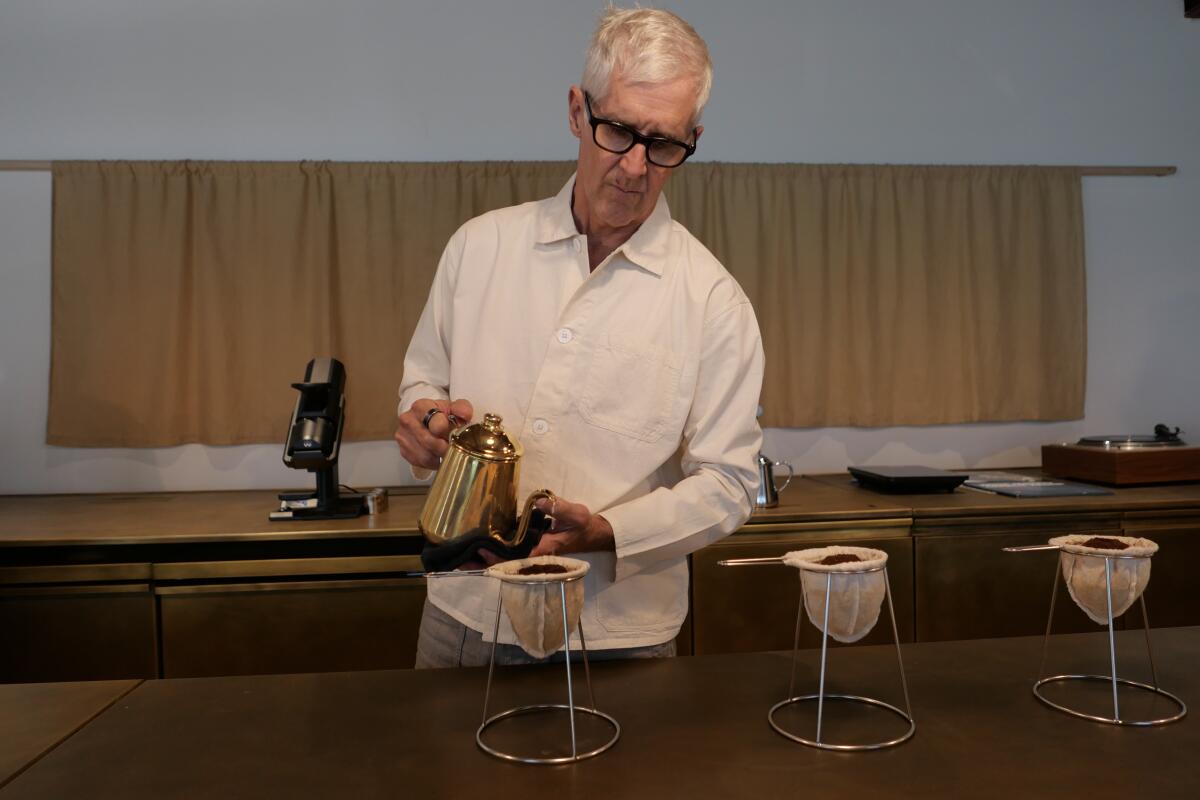
James in his omakase coffee pop-up in Los Angeles. Photo via Julie Wolfson.

Strategically, the acquisition appears calculated rather than contradictory. Reports from Bloomberg in late 2025 suggested Luckin was exploring premium coffee acquisitions, including Blue Bottle and % Arabica. Instead of raising prices within its own brand and risking its value-driven reputation, Luckin can now enter the high-end market through an established specialty label.

The move reflects the maturation of China’s coffee landscape. The market increasingly supports multiple consumption styles simultaneously: convenience coffee for daily routines, lifestyle cafés for social signaling, and specialty coffee for enthusiasts seeking craftsmanship. Consolidation may, therefore, be less about brand identity and more about expanding distribution across price tiers.
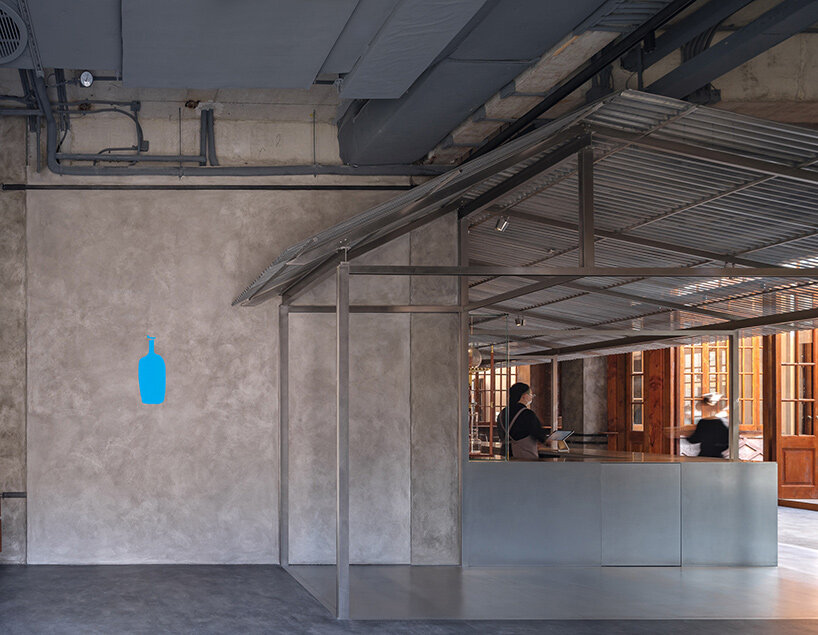
Blue Bottle in Shanghai. Photo via Zhu Runzi.

Questions remain about whether Blue Bottle’s slow-coffee philosophy can survive large-scale expansion. More stores across cities in the Chinese mainland now seem likely, potentially bringing the brand to a broader audience. The challenge will be preserving quality and ritual while scaling access.

For now, the fastest brand and the slowest brand have become unlikely siblings, marking a new phase in China’s evolving coffee culture.

Cover Image via Shutterstock.

NEWSLETTER

Get weekly top picks and exclusive, newsletter only content delivered straight to you inbox.

NEWSLETTER

Get weekly top picks and exclusive, newsletter only content delivered straight to you inbox.

RADII NEWSLETTER

Get weekly top picks and exclusive, newsletter only content delivered straight to you inbox

Feature image of China’s Luckin Coffee Acquires Western Coffee Icon Blue Bottle

China’s Luckin Coffee Acquires Western Coffee Icon Blue Bottle

2 mins read

The two extremes of coffee now share the same corporate home.

This March, Luckin Coffee, China’s most aggressive mass-market caffeine machine, acquired Blue Bottle Coffee, long positioned as the spiritual opposite of everything Luckin represents. The pairing surprised many. One brand thrives on speed, discounts, and constant product launches; the other built its identity on patience, ritual, and restraint. Now, they operate under the same corporate roof.

Luckin’s rise has been defined by efficiency. App-based ordering, rapid store expansion, and a menu refreshed almost weekly have turned coffee into an everyday consumer habit. Seasonal fruit drinks, collaborations, and coupon-driven pricing have helped transform coffee from an occasional indulgence into something closer to a fast-moving consumer good for young urban consumers.

Luckin’s summer special drinks are always fruity. Photo via Daniel Food Diary.

Blue Bottle entered the Chinese mainland in 2022 with an entirely different promise. Founded in California by former clarinetist James Freeman, the brand grew from an almost obsessive focus on craft. Its philosophy emphasized timing and precision: beans sold within 48 hours of roasting, ground coffee brewed within seconds, and hand-poured drinks prepared slowly regardless of queue length. Efficiency was secondary to experience.

That philosophy extended to retail design. Blue Bottle cafés became known for minimalist interiors and carefully chosen locations that framed coffee drinking as a deliberate pause rather than a transaction. When its first Shanghai store opened, long queues formed, and resale prices briefly climbed close to 100 RMB—nearly ten times the cost of a basic Luckin order.

James in his omakase coffee pop-up in Los Angeles. Photo via Julie Wolfson.

Strategically, the acquisition appears calculated rather than contradictory. Reports from Bloomberg in late 2025 suggested Luckin was exploring premium coffee acquisitions, including Blue Bottle and % Arabica. Instead of raising prices within its own brand and risking its value-driven reputation, Luckin can now enter the high-end market through an established specialty label.

The move reflects the maturation of China’s coffee landscape. The market increasingly supports multiple consumption styles simultaneously: convenience coffee for daily routines, lifestyle cafés for social signaling, and specialty coffee for enthusiasts seeking craftsmanship. Consolidation may, therefore, be less about brand identity and more about expanding distribution across price tiers.

Blue Bottle in Shanghai. Photo via Zhu Runzi.

Questions remain about whether Blue Bottle’s slow-coffee philosophy can survive large-scale expansion. More stores across cities in the Chinese mainland now seem likely, potentially bringing the brand to a broader audience. The challenge will be preserving quality and ritual while scaling access.

For now, the fastest brand and the slowest brand have become unlikely siblings, marking a new phase in China’s evolving coffee culture.

Cover Image via Shutterstock.
NEWSLETTER

Get weekly top picks and exclusive, newsletter only content delivered straight to you inbox.

RADII NEWSLETTER

Get weekly top picks and exclusive, newsletter only content delivered straight to you inbox

RELATED POSTS

Feature image of China’s Luckin Coffee Acquires Western Coffee Icon Blue Bottle

China’s Luckin Coffee Acquires Western Coffee Icon Blue Bottle

2 mins read

2 mins read

Feature image of China’s Luckin Coffee Acquires Western Coffee Icon Blue Bottle
The two extremes of coffee now share the same corporate home.

This March, Luckin Coffee, China’s most aggressive mass-market caffeine machine, acquired Blue Bottle Coffee, long positioned as the spiritual opposite of everything Luckin represents. The pairing surprised many. One brand thrives on speed, discounts, and constant product launches; the other built its identity on patience, ritual, and restraint. Now, they operate under the same corporate roof.

Luckin’s rise has been defined by efficiency. App-based ordering, rapid store expansion, and a menu refreshed almost weekly have turned coffee into an everyday consumer habit. Seasonal fruit drinks, collaborations, and coupon-driven pricing have helped transform coffee from an occasional indulgence into something closer to a fast-moving consumer good for young urban consumers.

Luckin’s summer special drinks are always fruity. Photo via Daniel Food Diary.

Blue Bottle entered the Chinese mainland in 2022 with an entirely different promise. Founded in California by former clarinetist James Freeman, the brand grew from an almost obsessive focus on craft. Its philosophy emphasized timing and precision: beans sold within 48 hours of roasting, ground coffee brewed within seconds, and hand-poured drinks prepared slowly regardless of queue length. Efficiency was secondary to experience.

That philosophy extended to retail design. Blue Bottle cafés became known for minimalist interiors and carefully chosen locations that framed coffee drinking as a deliberate pause rather than a transaction. When its first Shanghai store opened, long queues formed, and resale prices briefly climbed close to 100 RMB—nearly ten times the cost of a basic Luckin order.

James in his omakase coffee pop-up in Los Angeles. Photo via Julie Wolfson.

Strategically, the acquisition appears calculated rather than contradictory. Reports from Bloomberg in late 2025 suggested Luckin was exploring premium coffee acquisitions, including Blue Bottle and % Arabica. Instead of raising prices within its own brand and risking its value-driven reputation, Luckin can now enter the high-end market through an established specialty label.

The move reflects the maturation of China’s coffee landscape. The market increasingly supports multiple consumption styles simultaneously: convenience coffee for daily routines, lifestyle cafés for social signaling, and specialty coffee for enthusiasts seeking craftsmanship. Consolidation may, therefore, be less about brand identity and more about expanding distribution across price tiers.

Blue Bottle in Shanghai. Photo via Zhu Runzi.

Questions remain about whether Blue Bottle’s slow-coffee philosophy can survive large-scale expansion. More stores across cities in the Chinese mainland now seem likely, potentially bringing the brand to a broader audience. The challenge will be preserving quality and ritual while scaling access.

For now, the fastest brand and the slowest brand have become unlikely siblings, marking a new phase in China’s evolving coffee culture.

Cover Image via Shutterstock.

NEWSLETTER

Get weekly top picks and exclusive, newsletter only content delivered straight to you inbox.

NEWSLETTER

Get weekly top picks and exclusive, newsletter only content delivered straight to you inbox.

RADII NEWSLETTER

Get weekly top picks and exclusive, newsletter only content delivered straight to you inbox

Feature image of China’s Luckin Coffee Acquires Western Coffee Icon Blue Bottle

China’s Luckin Coffee Acquires Western Coffee Icon Blue Bottle

2 mins read

The two extremes of coffee now share the same corporate home.

This March, Luckin Coffee, China’s most aggressive mass-market caffeine machine, acquired Blue Bottle Coffee, long positioned as the spiritual opposite of everything Luckin represents. The pairing surprised many. One brand thrives on speed, discounts, and constant product launches; the other built its identity on patience, ritual, and restraint. Now, they operate under the same corporate roof.

Luckin’s rise has been defined by efficiency. App-based ordering, rapid store expansion, and a menu refreshed almost weekly have turned coffee into an everyday consumer habit. Seasonal fruit drinks, collaborations, and coupon-driven pricing have helped transform coffee from an occasional indulgence into something closer to a fast-moving consumer good for young urban consumers.

Luckin’s summer special drinks are always fruity. Photo via Daniel Food Diary.

Blue Bottle entered the Chinese mainland in 2022 with an entirely different promise. Founded in California by former clarinetist James Freeman, the brand grew from an almost obsessive focus on craft. Its philosophy emphasized timing and precision: beans sold within 48 hours of roasting, ground coffee brewed within seconds, and hand-poured drinks prepared slowly regardless of queue length. Efficiency was secondary to experience.

That philosophy extended to retail design. Blue Bottle cafés became known for minimalist interiors and carefully chosen locations that framed coffee drinking as a deliberate pause rather than a transaction. When its first Shanghai store opened, long queues formed, and resale prices briefly climbed close to 100 RMB—nearly ten times the cost of a basic Luckin order.

James in his omakase coffee pop-up in Los Angeles. Photo via Julie Wolfson.

Strategically, the acquisition appears calculated rather than contradictory. Reports from Bloomberg in late 2025 suggested Luckin was exploring premium coffee acquisitions, including Blue Bottle and % Arabica. Instead of raising prices within its own brand and risking its value-driven reputation, Luckin can now enter the high-end market through an established specialty label.

The move reflects the maturation of China’s coffee landscape. The market increasingly supports multiple consumption styles simultaneously: convenience coffee for daily routines, lifestyle cafés for social signaling, and specialty coffee for enthusiasts seeking craftsmanship. Consolidation may, therefore, be less about brand identity and more about expanding distribution across price tiers.

Blue Bottle in Shanghai. Photo via Zhu Runzi.

Questions remain about whether Blue Bottle’s slow-coffee philosophy can survive large-scale expansion. More stores across cities in the Chinese mainland now seem likely, potentially bringing the brand to a broader audience. The challenge will be preserving quality and ritual while scaling access.

For now, the fastest brand and the slowest brand have become unlikely siblings, marking a new phase in China’s evolving coffee culture.

Cover Image via Shutterstock.
NEWSLETTER

Get weekly top picks and exclusive, newsletter only content delivered straight to you inbox.

RADII NEWSLETTER

Get weekly top picks and exclusive, newsletter only content delivered straight to you inbox

NEWSLETTER​

Get weekly top picks and exclusive, newsletter only content delivered straight to you inbox

RADII Newsletter Pop Up small banner

NEWSLETTER

Get weekly top picks and exclusive, newsletter only content delivered straight to you inbox.

Link Copied!

Share

Feature image of China’s Luckin Coffee Acquires Western Coffee Icon Blue Bottle

China’s Luckin Coffee Acquires Western Coffee Icon Blue Bottle

The two extremes of coffee now share the same corporate home.

PULSE

Tap into the latest in music, fashion, art, design, entertainment, pop culture, celebrity news, and contemporary culture

DISCOVER

Embark on a journey through food, travel, wellness, heritage, traditional culture, and lifestyle

STYLE

An insider’s look at the intersection of fashion, art, and design

FEAST

Titillate your taste buds with coverage of the best food and drink trends from China and beyond.

FUTURE

Explore the cutting edge in tech, AI, gadgets, gaming, and innovative tech-related products

FEAST

Titillate your taste buds with coverage of the best food and drink trends from China and beyond

STYLE

An insider’s look at the intersection of fashion, art, and design

PULSE

Unpacking Chinese youth culture through coverage of nightlife, film, sports, celebrities, and the hottest new music