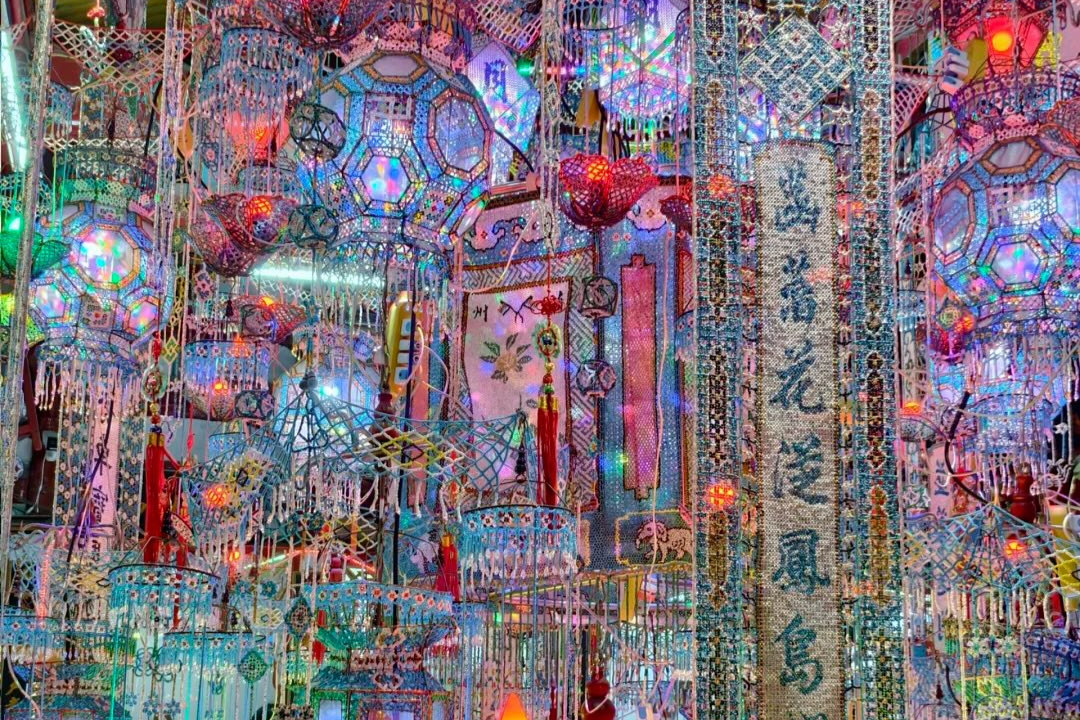

For decades, China’s intangible cultural heritage (非遗, fēiyí) was approached with a certain museum-grade reverence: meticulously scanned, carefully preserved, but rarely touched. The focus was on safeguarding these ancient traditions from the ravages of time, often exhibiting them behind glass, admired but distant.
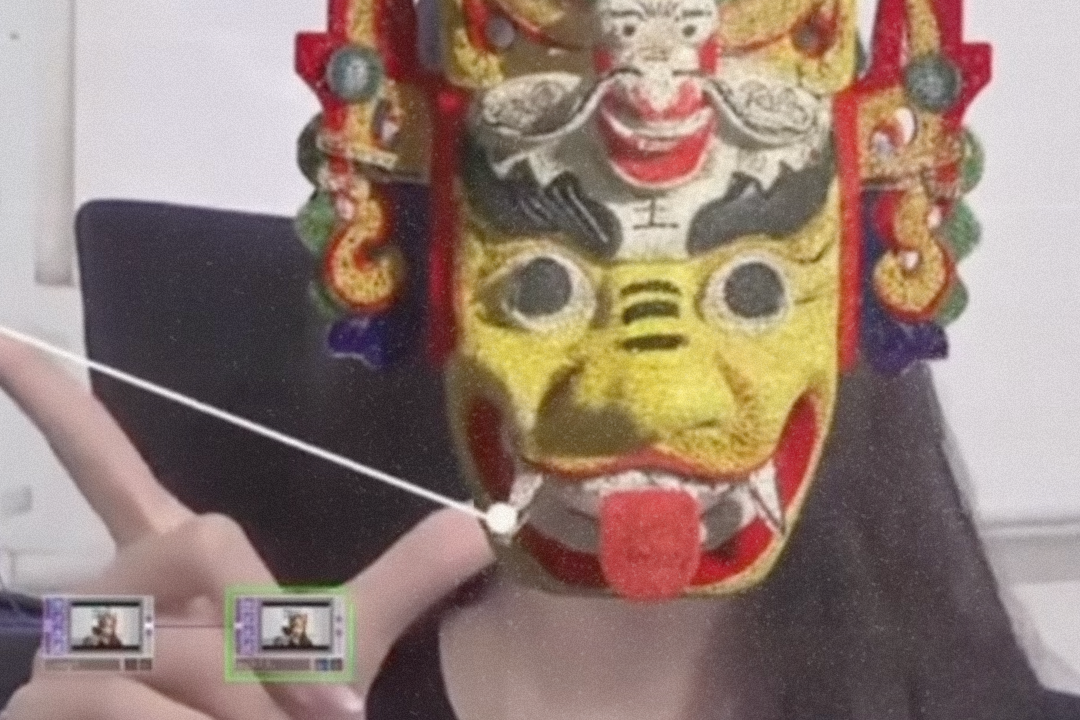
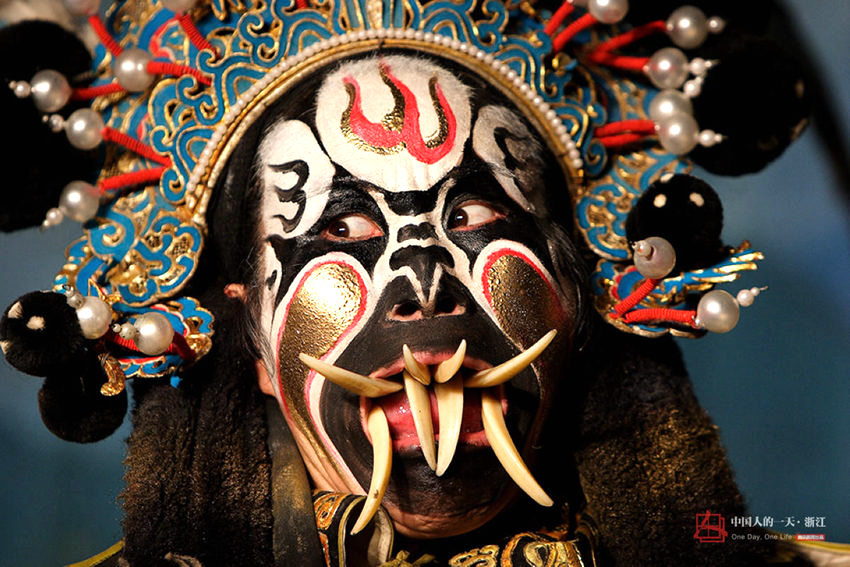
But a new wave of young Chinese digital artists is completely flipping this script, turning preservation into dynamic re-creation. We’re witnessing Peking opera face-changing (变脸) re-coded as real-time, motion-reactive projections, transforming ancient performance into an interactive spectacle. Bodhisattva iconography, once static and sacred, is reborn as generative cyber-deities, blurring lines between divinity and digital. Even shadow puppetry (皮影戏), traditionally manipulated by strings, is being stripped down and rebuilt with inverse kinematics, breathing algorithmic life into ancestral storytelling.
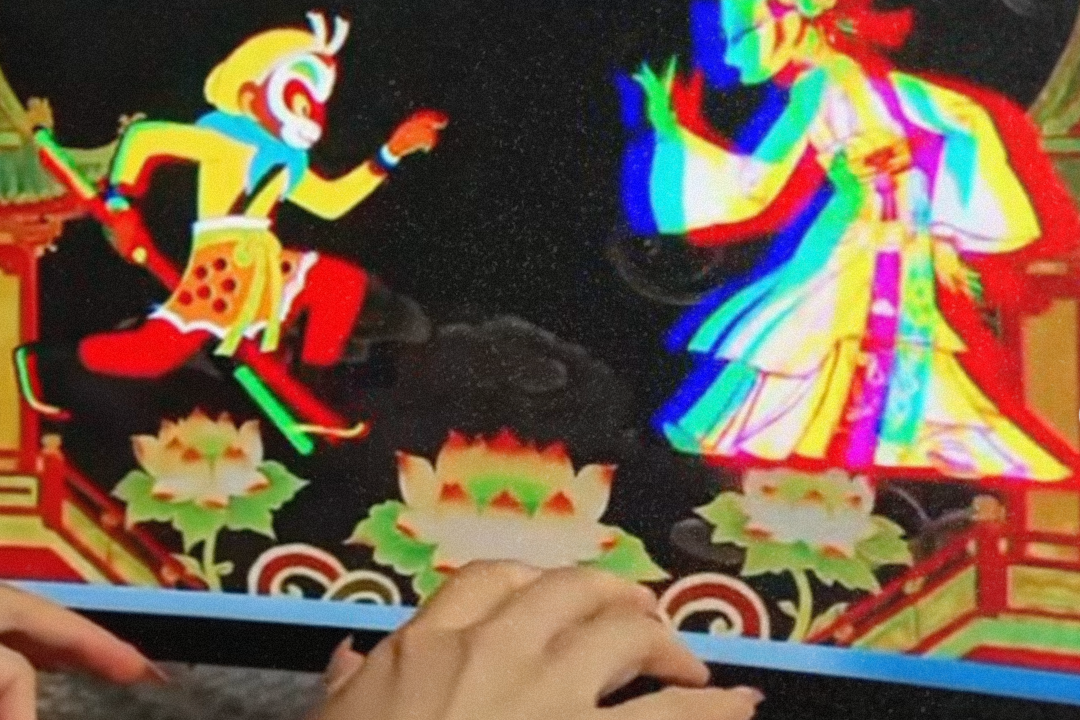
This generation sees intangible heritage not as something to be passively protected, but as raw material to rebuild and unleash on the world. They are wizards at “re-coding” culture, effortlessly blending the oldest crafts with the newest code. In doing so, they’re not just preserving history; they’re revitalizing it, carving out an entirely unique and incredibly impressive lane in the global digital art scene. It’s a powerful testament to how China’s youth are creatively redefining their cultural legacy. Check out examples of this wizardry in the post below.
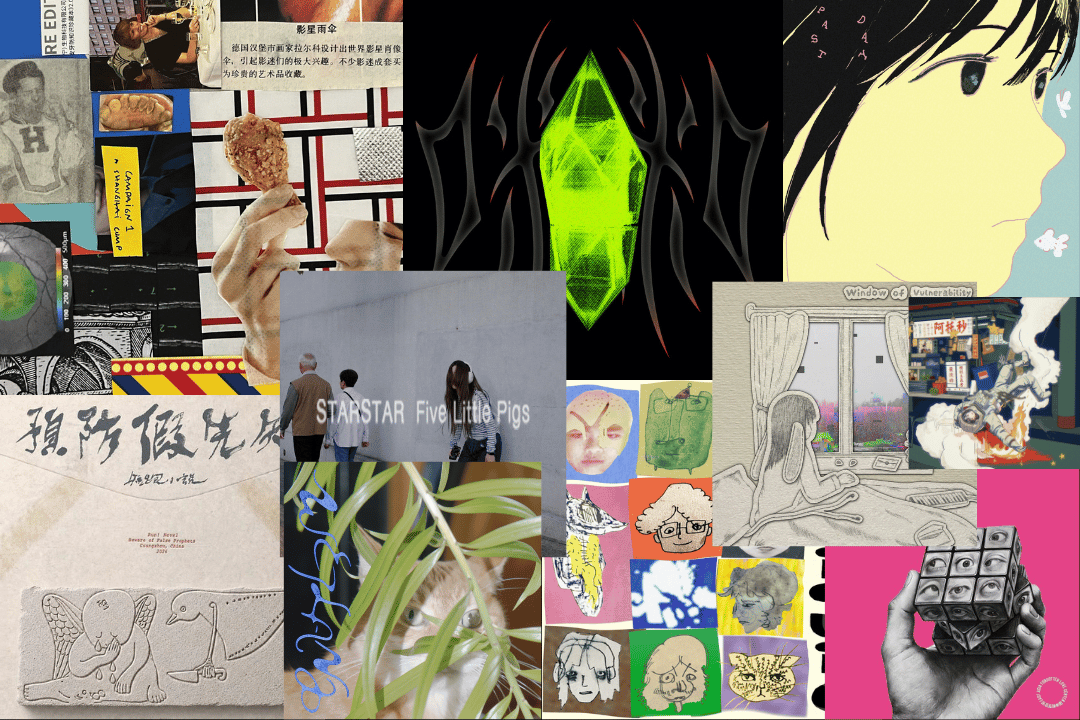
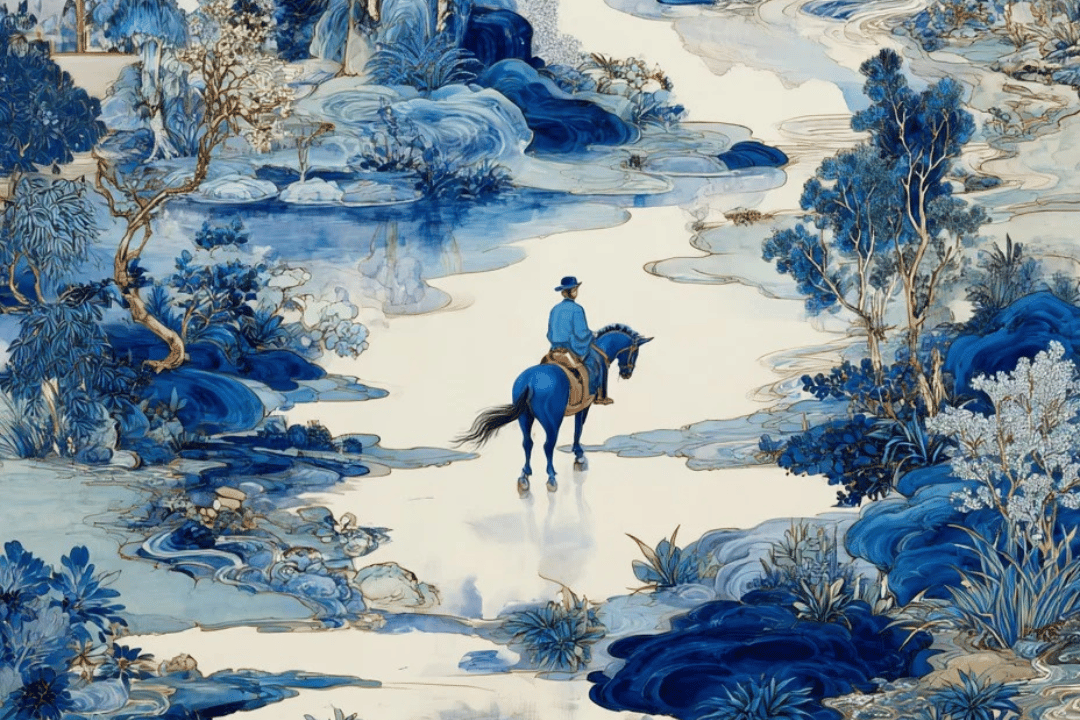
Cover image via Xiaohongshu/Xiaotian Anti-Wolf AI.