
Check out more articles relating to our July editorial theme of “Music & Movement,” like the one below, here.
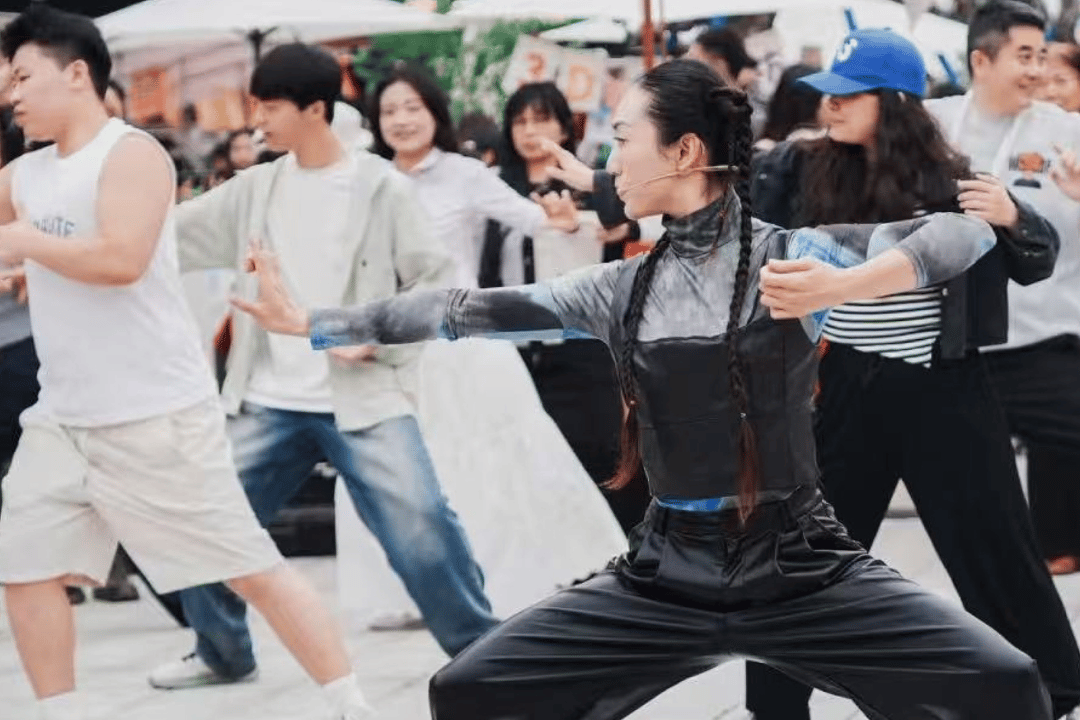
The same people clubbing on Friday night are now lining up on rooftops to do qigong on Saturday morning. Meet the “baduanjin rave” (电音八段锦): Chinese youth’s latest wellness obsession.
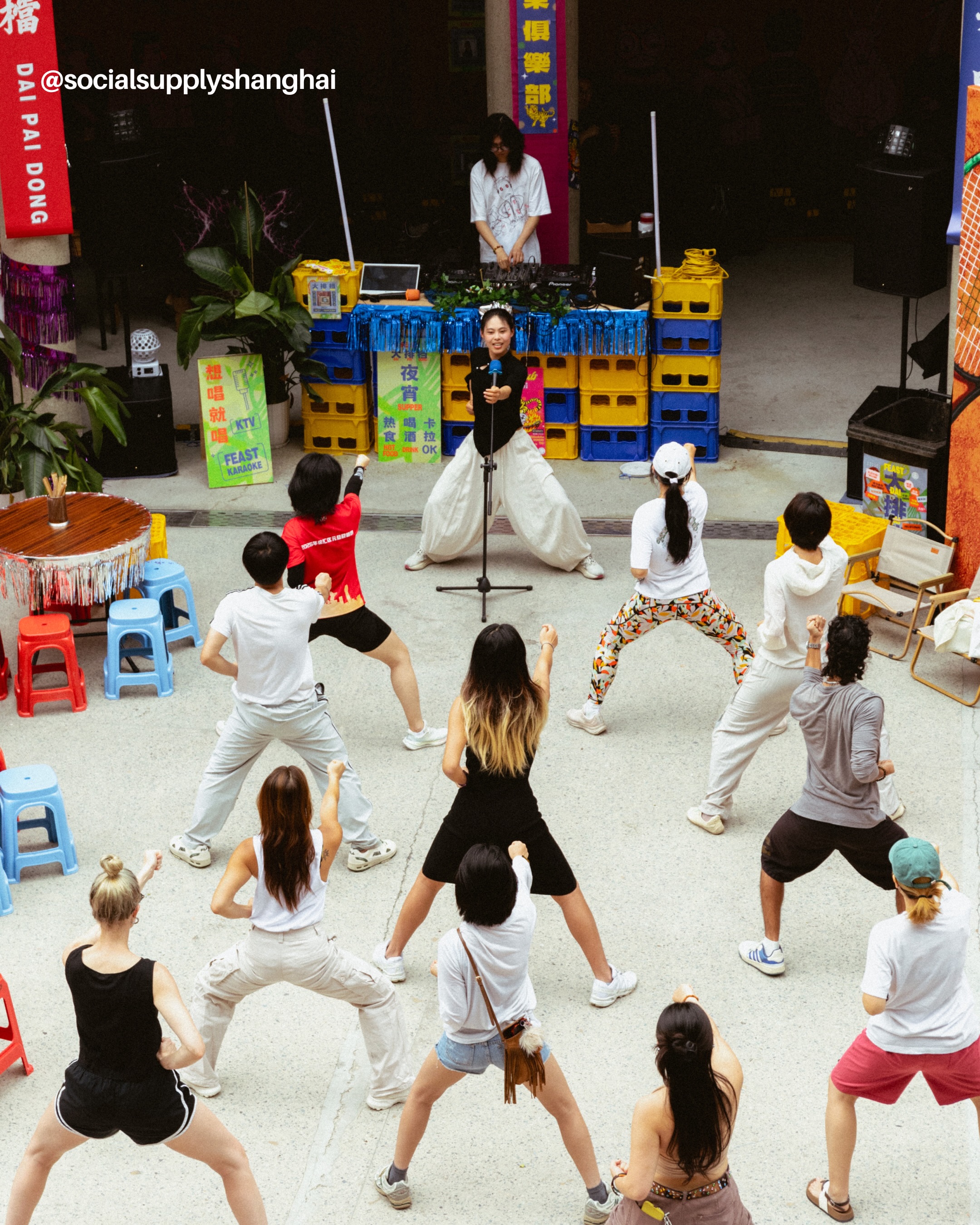
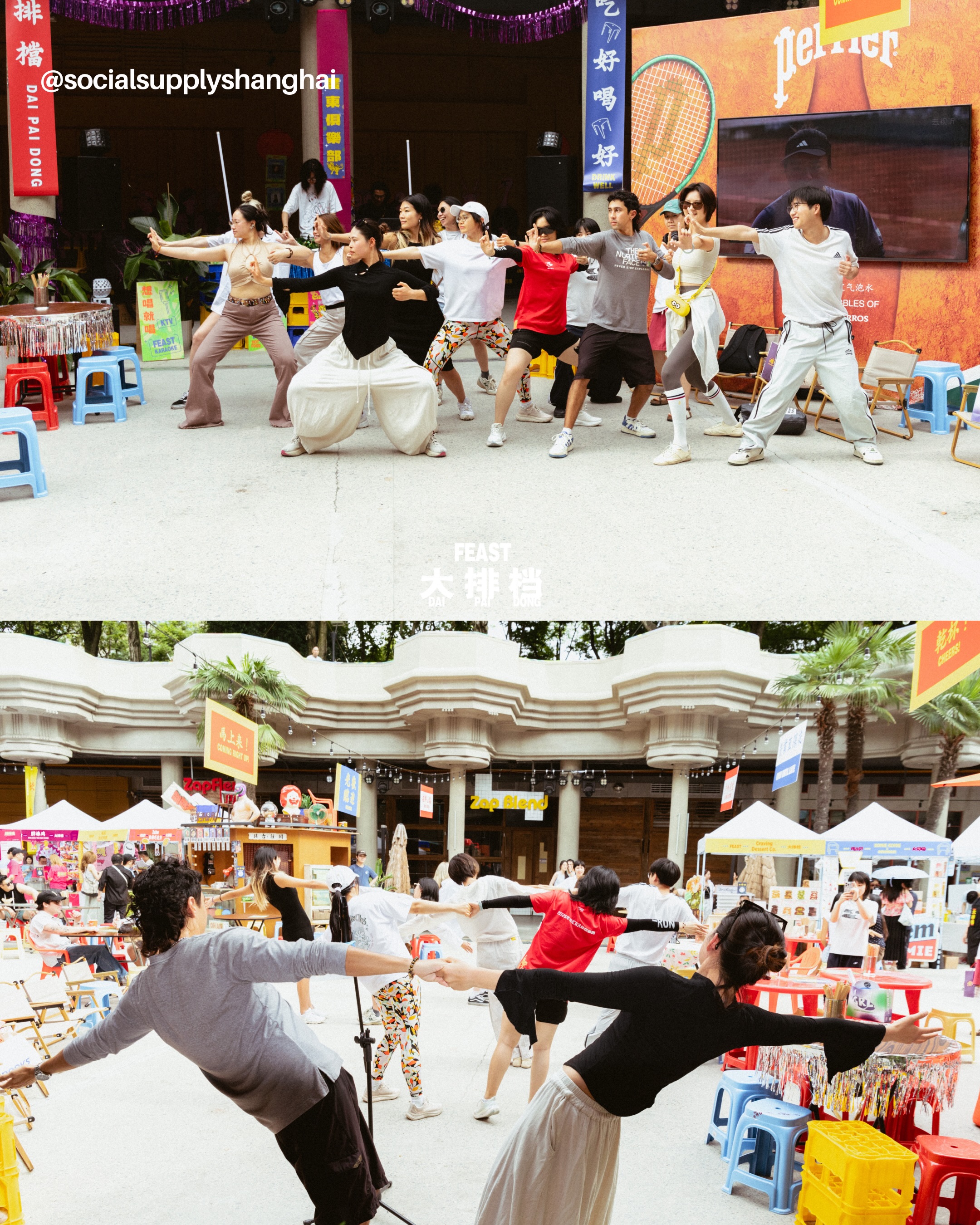
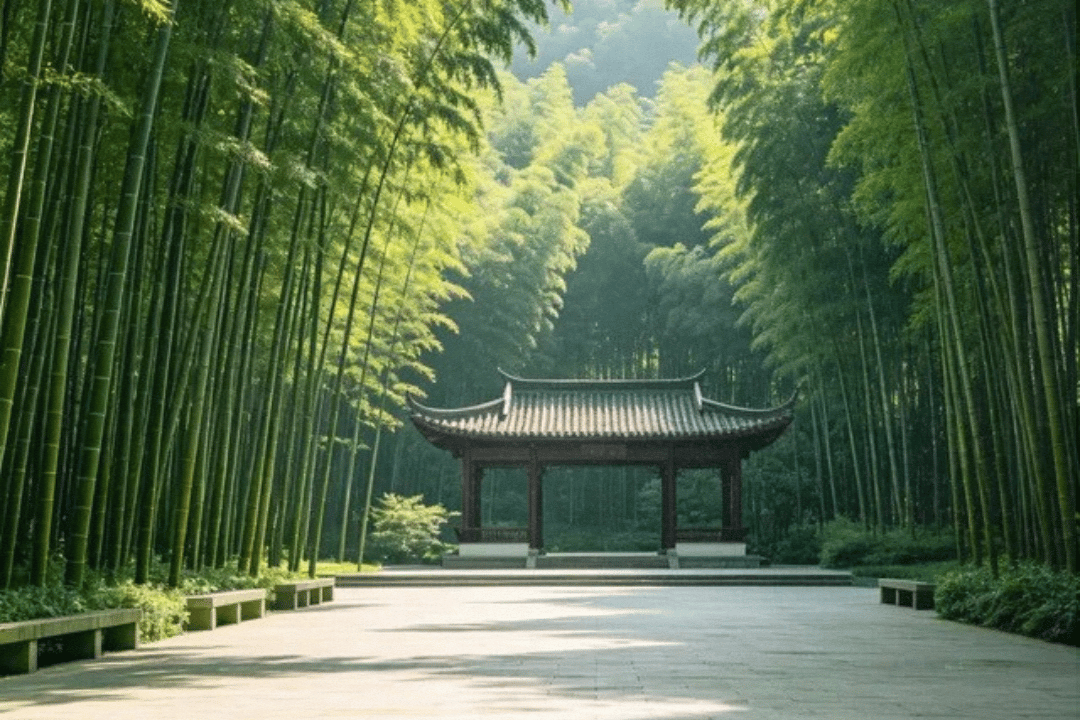
Unlike the coffee raves that previously swept the world, the baduanjin rave pairs traditional Chinese qigong with electronic ambient and techno music. It shifts the focus entirely to physical stretching, rhythm syncing, and mindful group interaction, ditching the hangover for a refreshing reset.
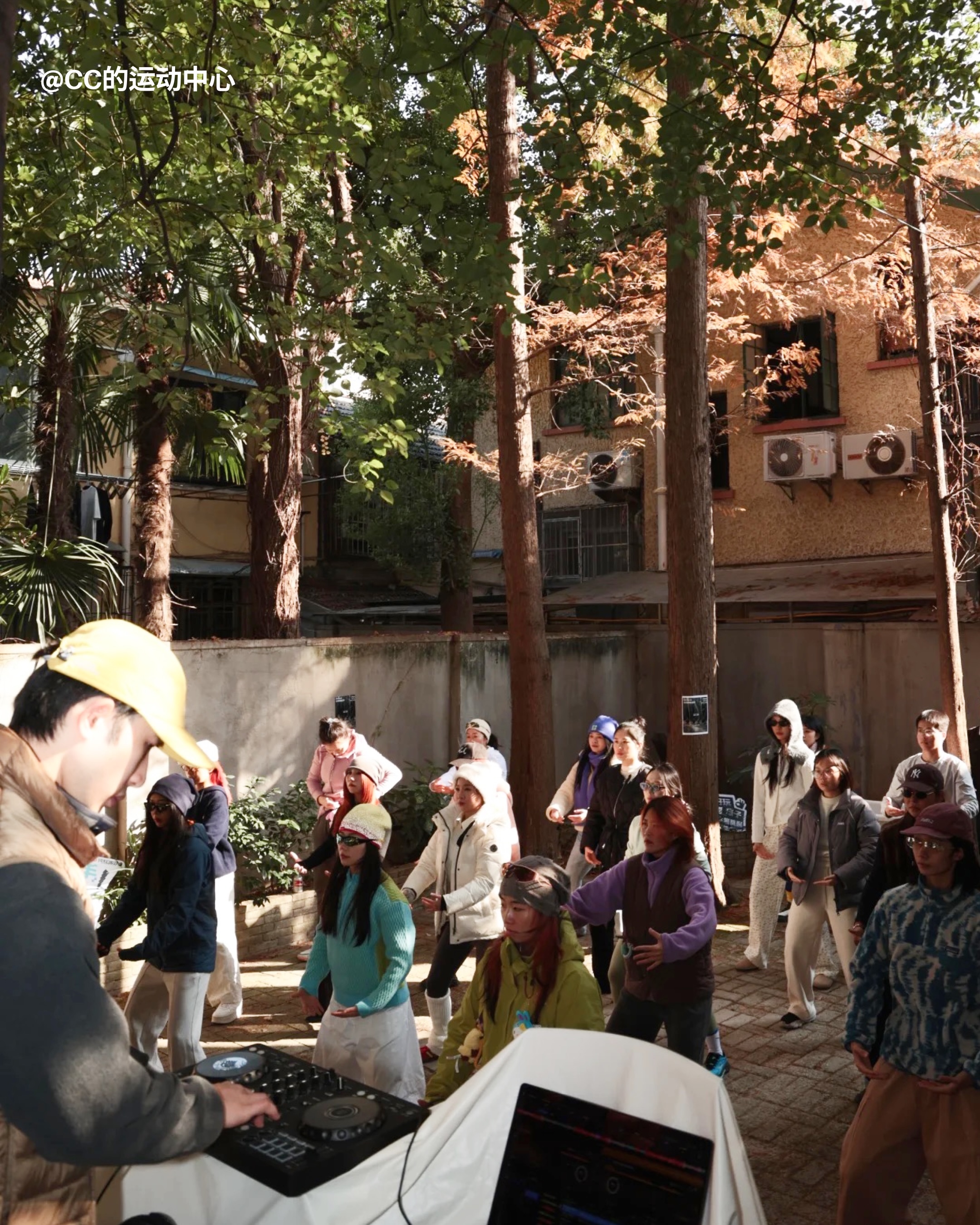
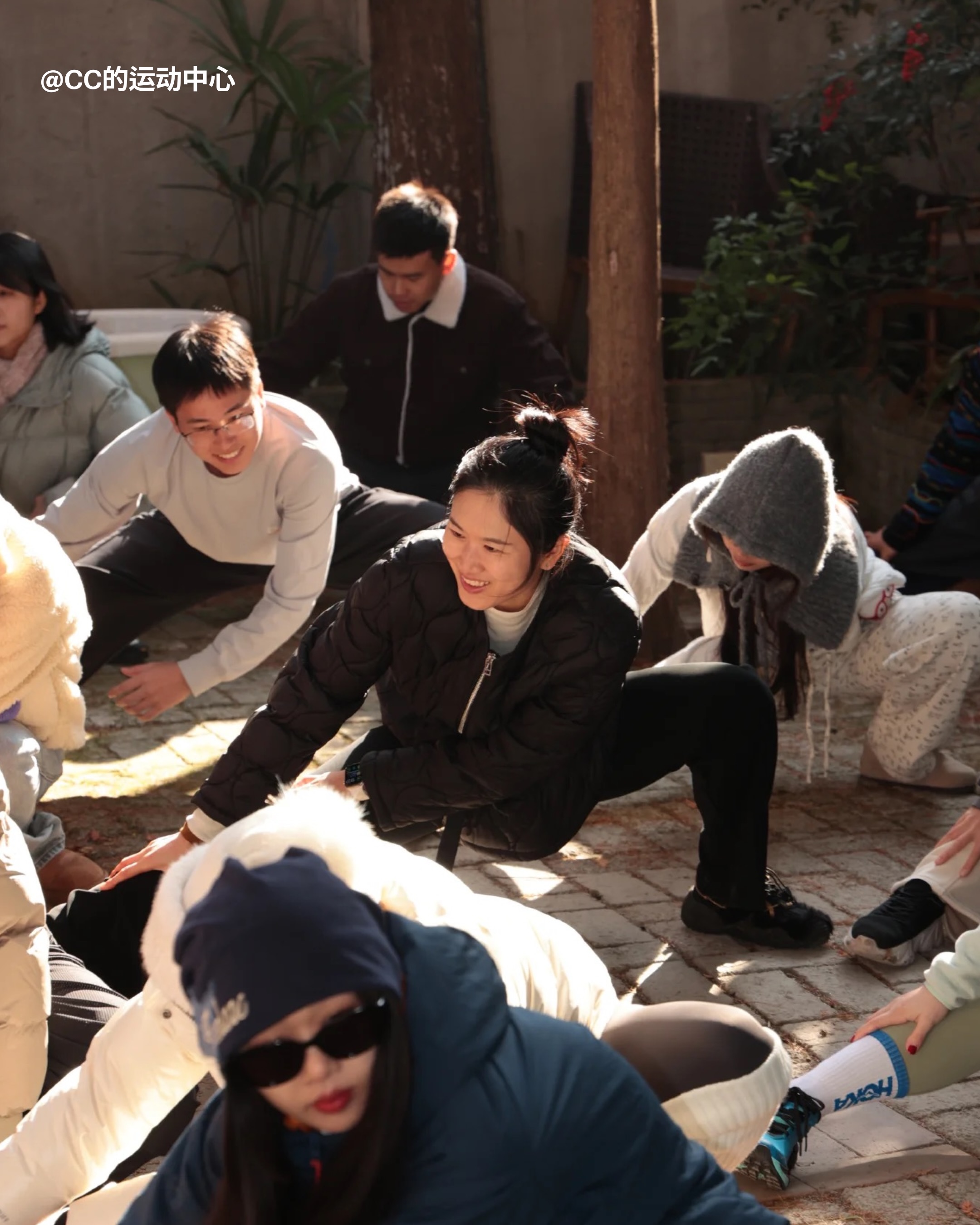
Baduanjin itself is a traditional daoyin practice that dates back over 800 years to the Northern Song dynasty. Comprising eight sets of gentle, meditative movements, it’s built around the deep coordination of breath and body. Once stereotyped as a slow exercise reserved for the elderly in parks, baduanjin has found a massive new audience among stressed, burned-out Gen Zs and millennials looking to ease neck pain and mental fatigue. Nicknamed the “Chinese Pamela Reif,” it’s taking social media by storm.
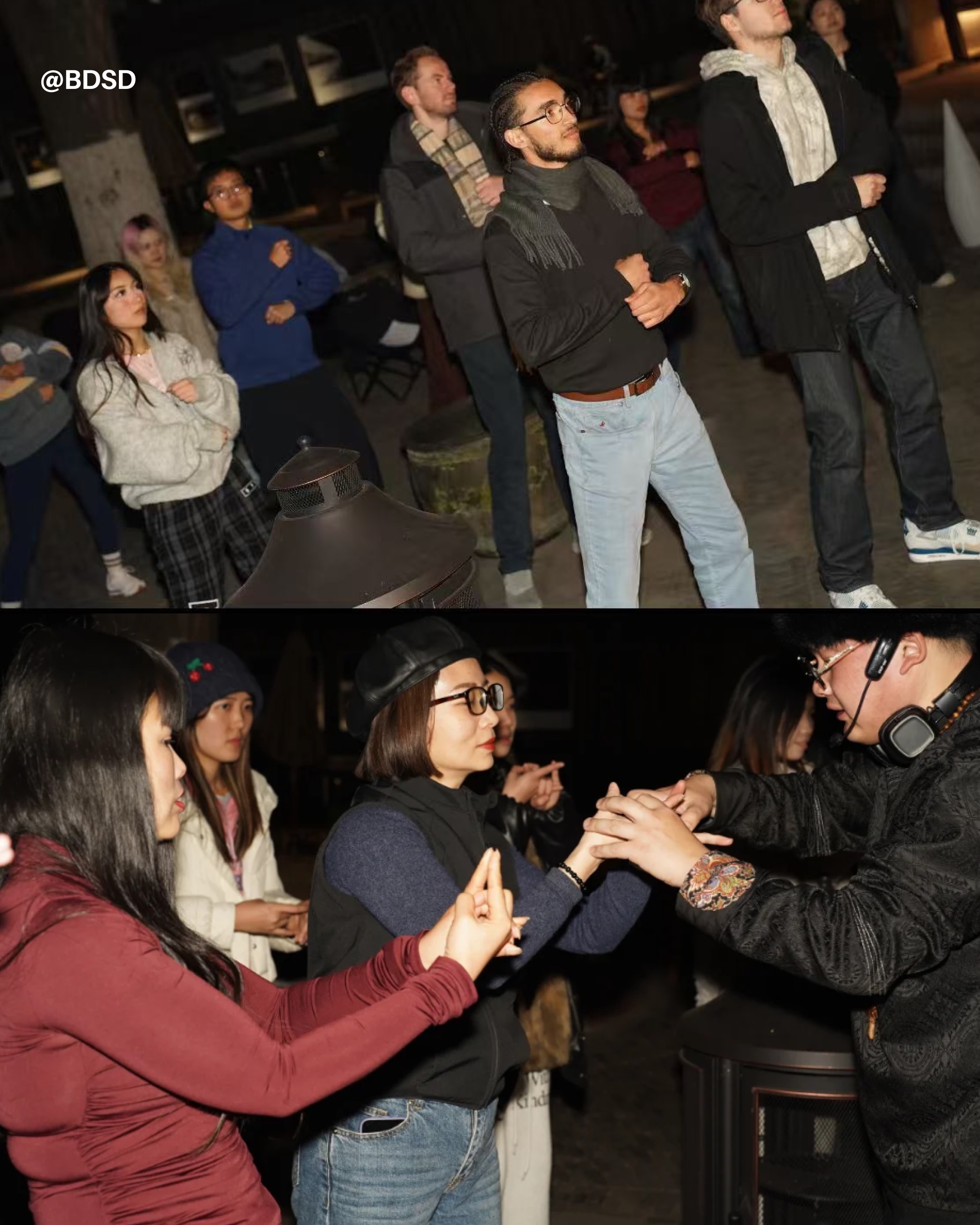
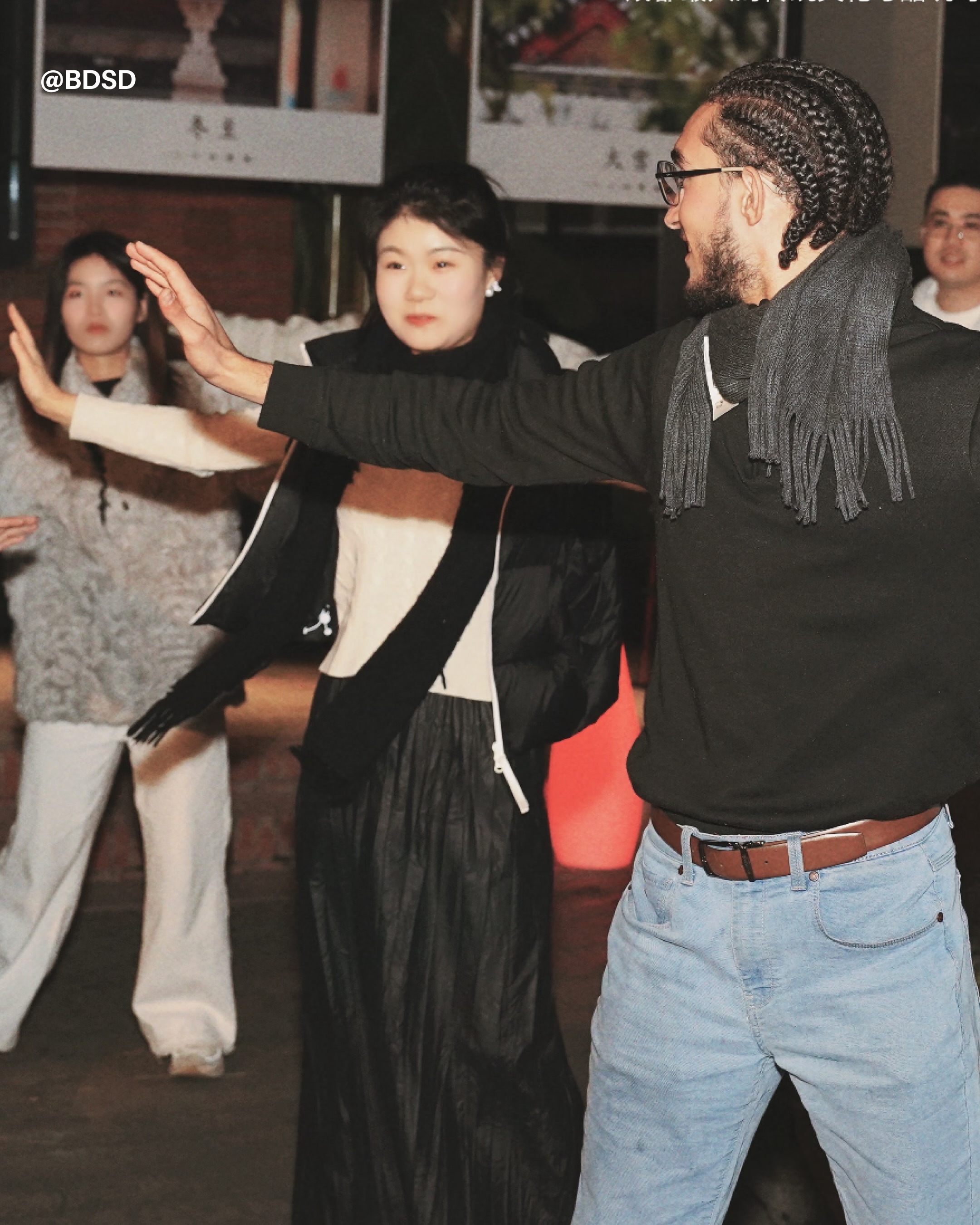
By adding club-ready electronic aesthetics, young people are building a bridge to traditional Chinese heritage on their own terms. It’s part of a broader “new Chinese wellness” movement, turning an ancient healing art into a shareable, highly enjoyable weekend ritual.
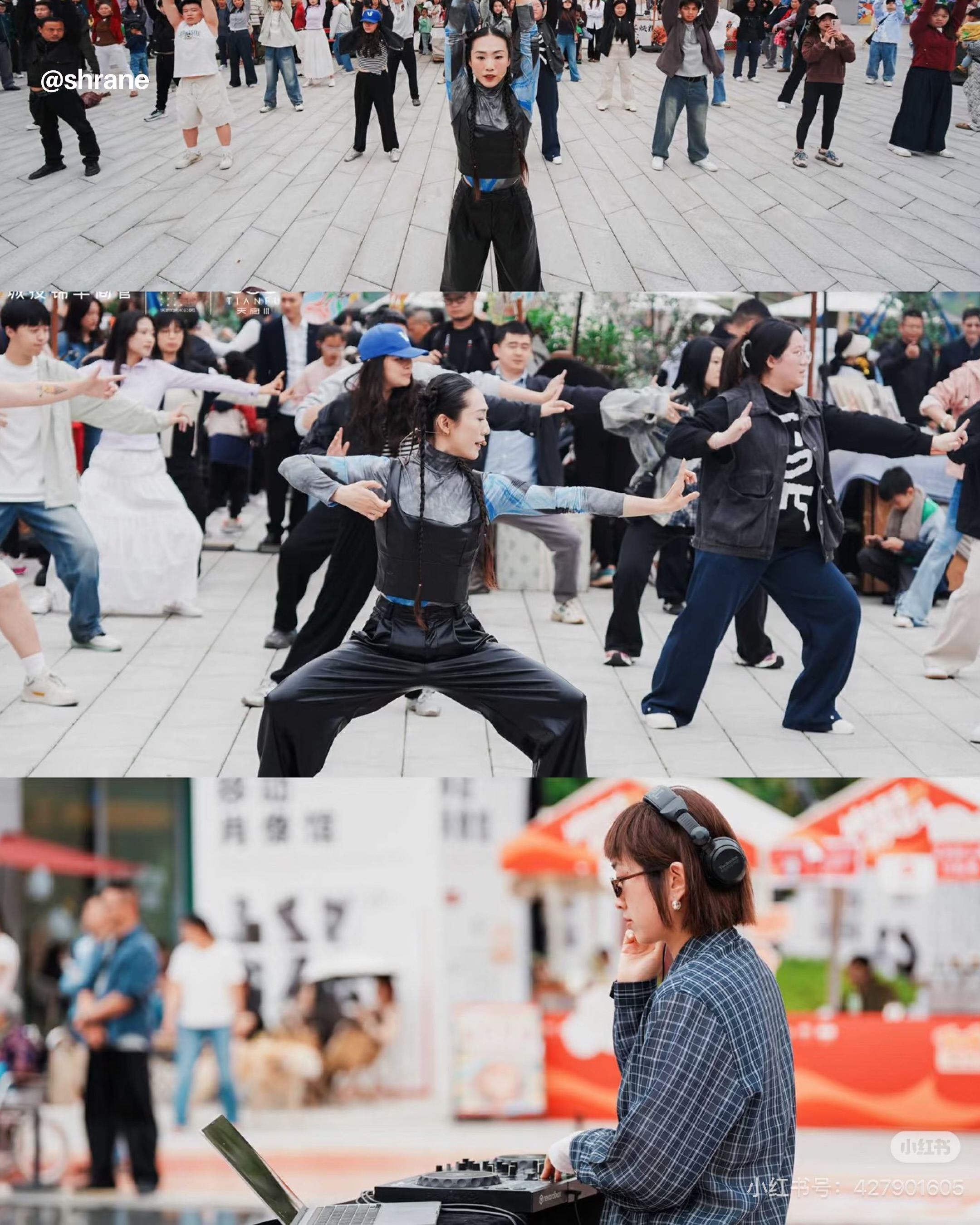
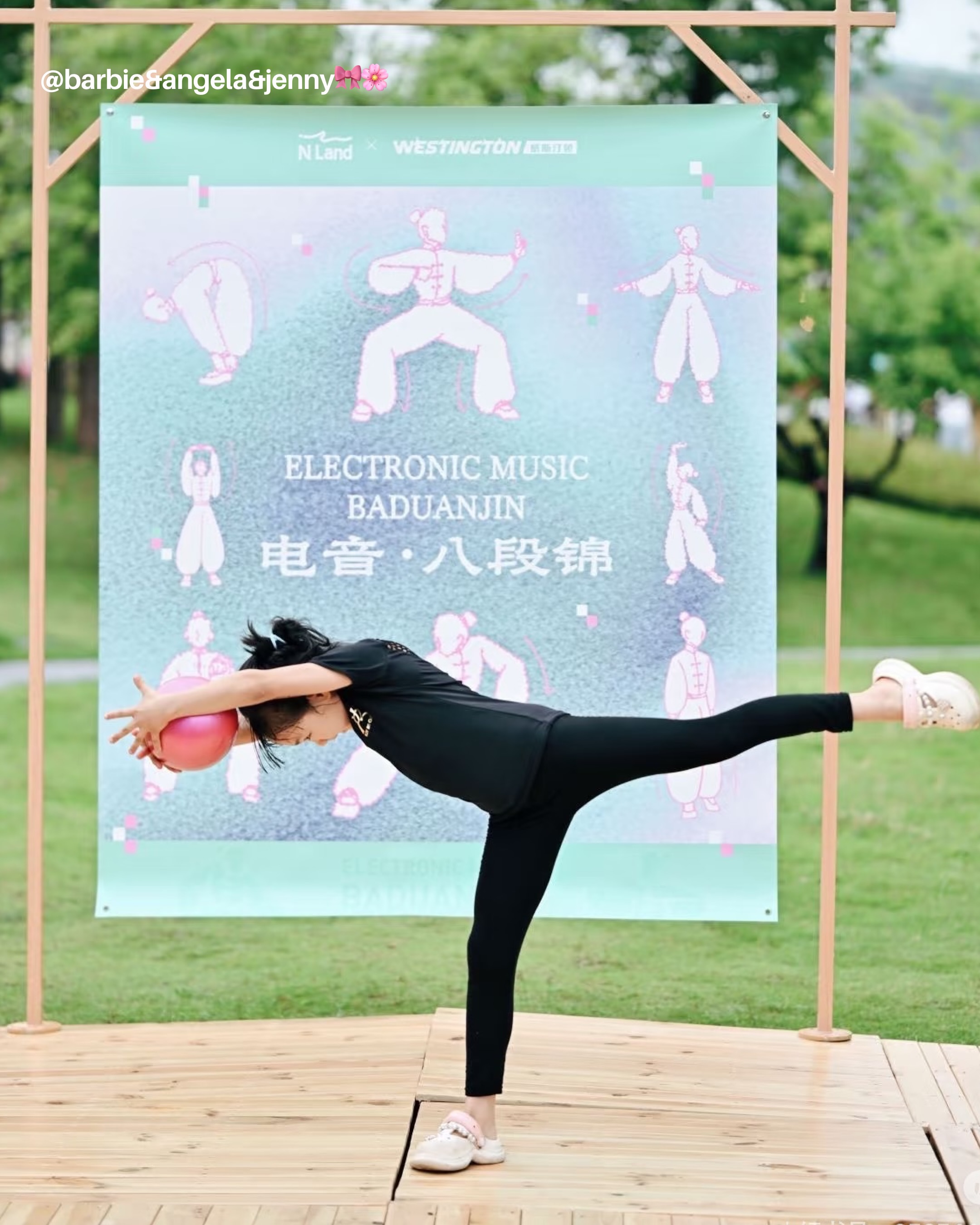
All images via Xiaohongshu.