
Feature image of What Exactly is the “Mah Jong Sofa” On Charli xcx’s Latest Album?

What Exactly is the “Mah Jong Sofa” On Charli xcx’s Latest Album?

2 mins read

2 mins read

Feature image of What Exactly is the “Mah Jong Sofa” On Charli xcx’s Latest Album?
Named after the ancient Chinese tile game, painter and sculptor Hans Hopfer’s modular design icon makes an unexpected appearance on Charli xcx's new album.

On her track “Card Declined,” from Charlie xcx’s newly released album Music, Fashion, Film, the British pop artist presents an extravagant shopping list that includes a handbag, perfume, a new apartment—and an icon of 1970s furniture design: the Mah Jong sofa.

“Let’s go shopping, I’ll buy a handbag
I’ll buy some perfume, a Mah Jong sofa
A new apartment, Jaeger-LeCoultre
A whole new life, card declined”

But what exactly is the Mah Jong sofa? You as a RADII reader may know many Chinese cultural references, but there’s a chance you might not have encountered this particular namesake.
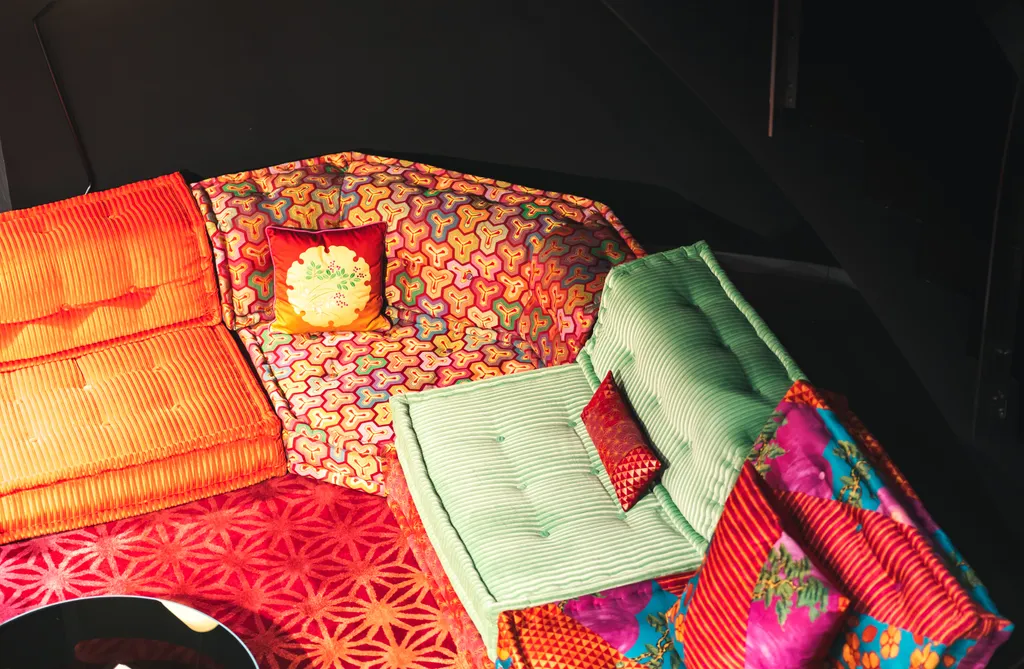
A typical “Mah Jong” sofa. Image via Getty Images.

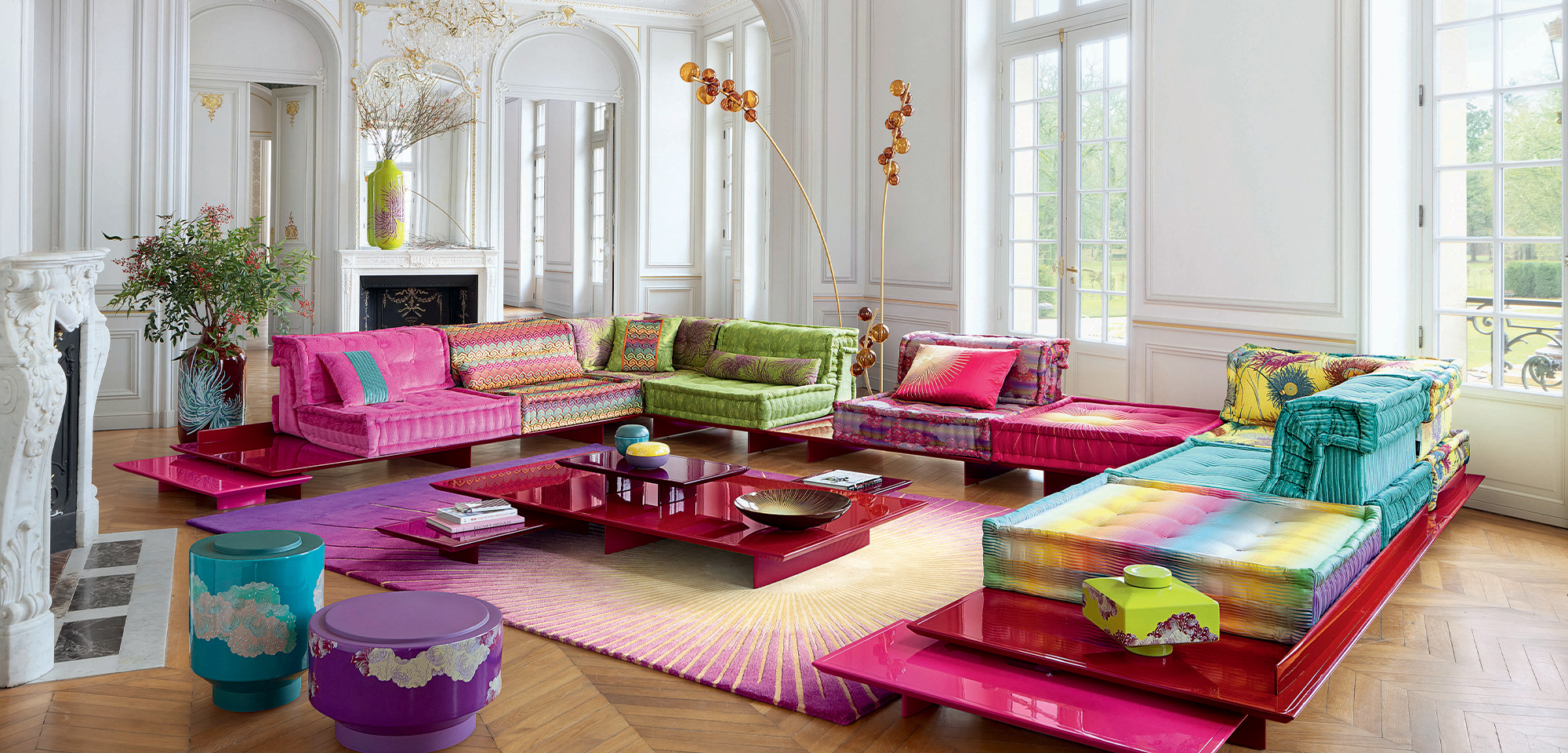
Rather than a general category of square modular furniture, the “Mah Jong” is a specific seating system designed by painter, sculptor, and designer Hans Hopfer for French furniture brand Roche Bobois in 1971. Its three basic elements can be stacked or arranged in countless configurations, transforming the sofa into an armchair, lounge chair, bed, or larger seating landscape. The design remains in production today, with editions featuring fabrics by Kenzo Takada, Missoni, and Jean Paul Gaultier.

Omhu is one of the representatives of modern “Mah Jong” sofa designs. Image via Omhu.

Despite its Chinese name, the sofa emerged from the free-spirited European design culture of the 1970s. Instead of using a raised frame, as found in much traditional Chinese seating, its cushions sit directly on the floor. This low-slung, informal format became associated with the era’s bohemian interiors and changing domestic lifestyles.

The rectangular modules earned the sofa its Mah Jong nickname through their resemblance to the tiles used in mahjong (麻将), the Chinese game in which players assemble tiles into different combinations.
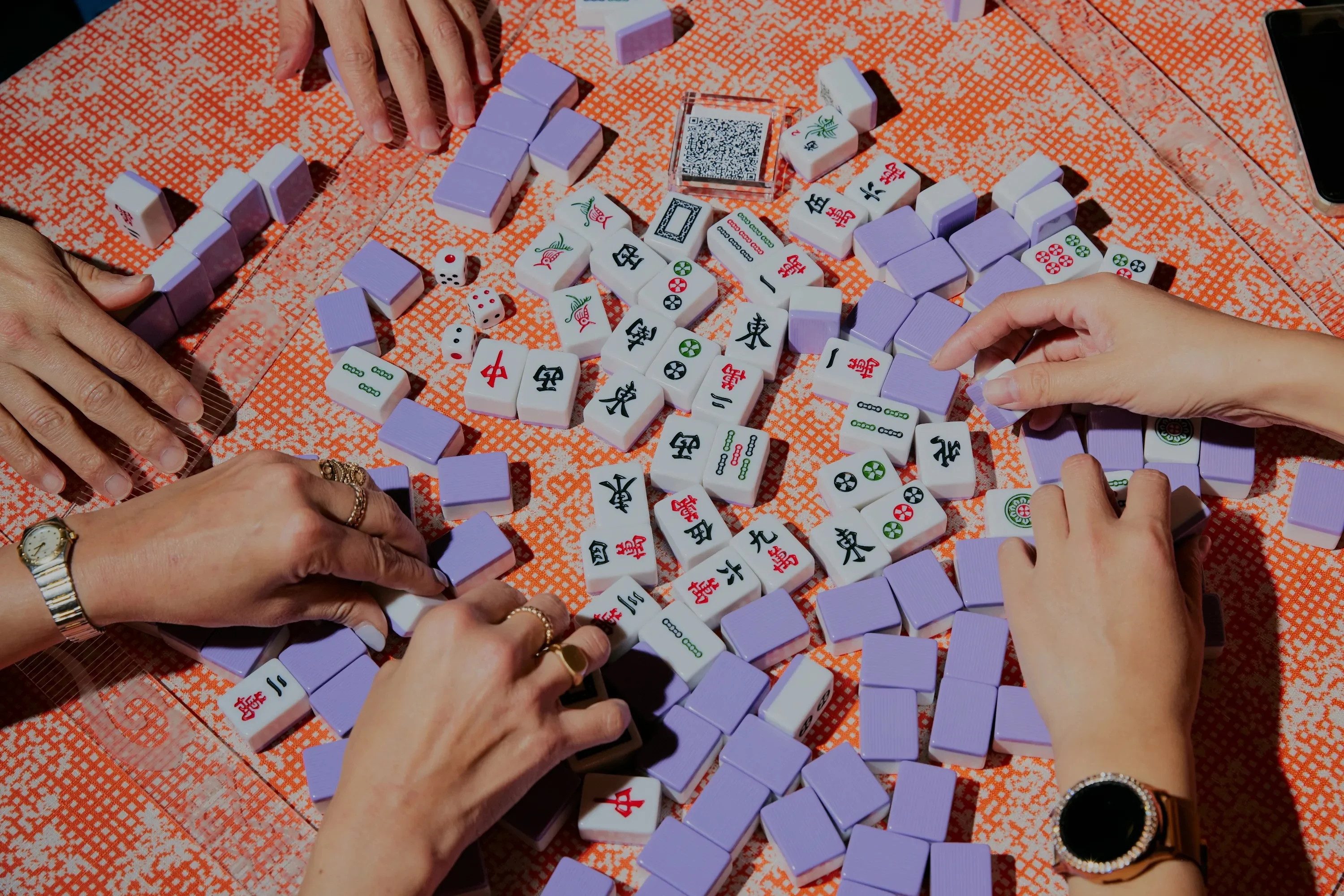
Each Mahjong tile has its own meaning. Image via RADII.

In “Card Declined,” the Mah Jong sofa joins a new apartment and a Jaeger-LeCoultre watch as shorthand for luxury consumption and the attempt to construct an identity through designer possessions. The final declined transaction punctures that fantasy: the sofa may offer endless configurations, but it cannot assemble the “whole new life” Charli is trying to buy.

Cover Image via roche bobois.

NEWSLETTER

Get weekly top picks and exclusive, newsletter only content delivered straight to you inbox.

NEWSLETTER

Get weekly top picks and exclusive, newsletter only content delivered straight to you inbox.

RADII NEWSLETTER

Get weekly top picks and exclusive, newsletter only content delivered straight to you inbox

Feature image of What Exactly is the “Mah Jong Sofa” On Charli xcx’s Latest Album?

What Exactly is the “Mah Jong Sofa” On Charli xcx’s Latest Album?

2 mins read

Named after the ancient Chinese tile game, painter and sculptor Hans Hopfer’s modular design icon makes an unexpected appearance on Charli xcx's new album.

On her track “Card Declined,” from Charlie xcx’s newly released album Music, Fashion, Film, the British pop artist presents an extravagant shopping list that includes a handbag, perfume, a new apartment—and an icon of 1970s furniture design: the Mah Jong sofa.

“Let’s go shopping, I’ll buy a handbag
I’ll buy some perfume, a Mah Jong sofa
A new apartment, Jaeger-LeCoultre
A whole new life, card declined”

But what exactly is the Mah Jong sofa? You as a RADII reader may know many Chinese cultural references, but there’s a chance you might not have encountered this particular namesake.

A typical “Mah Jong” sofa. Image via Getty Images.

Rather than a general category of square modular furniture, the “Mah Jong” is a specific seating system designed by painter, sculptor, and designer Hans Hopfer for French furniture brand Roche Bobois in 1971. Its three basic elements can be stacked or arranged in countless configurations, transforming the sofa into an armchair, lounge chair, bed, or larger seating landscape. The design remains in production today, with editions featuring fabrics by Kenzo Takada, Missoni, and Jean Paul Gaultier.

Omhu is one of the representatives of modern “Mah Jong” sofa designs. Image via Omhu.

Despite its Chinese name, the sofa emerged from the free-spirited European design culture of the 1970s. Instead of using a raised frame, as found in much traditional Chinese seating, its cushions sit directly on the floor. This low-slung, informal format became associated with the era’s bohemian interiors and changing domestic lifestyles.

The rectangular modules earned the sofa its Mah Jong nickname through their resemblance to the tiles used in mahjong (麻将), the Chinese game in which players assemble tiles into different combinations.

Each Mahjong tile has its own meaning. Image via RADII.

In “Card Declined,” the Mah Jong sofa joins a new apartment and a Jaeger-LeCoultre watch as shorthand for luxury consumption and the attempt to construct an identity through designer possessions. The final declined transaction punctures that fantasy: the sofa may offer endless configurations, but it cannot assemble the “whole new life” Charli is trying to buy.

Cover Image via roche bobois.

NEWSLETTER

Get weekly top picks and exclusive, newsletter only content delivered straight to you inbox.

RADII NEWSLETTER

Get weekly top picks and exclusive, newsletter only content delivered straight to you inbox

RELATED POSTS

Feature image of What Exactly is the “Mah Jong Sofa” On Charli xcx’s Latest Album?

What Exactly is the “Mah Jong Sofa” On Charli xcx’s Latest Album?

2 mins read

2 mins read

Feature image of What Exactly is the “Mah Jong Sofa” On Charli xcx’s Latest Album?
Named after the ancient Chinese tile game, painter and sculptor Hans Hopfer’s modular design icon makes an unexpected appearance on Charli xcx's new album.

On her track “Card Declined,” from Charlie xcx’s newly released album Music, Fashion, Film, the British pop artist presents an extravagant shopping list that includes a handbag, perfume, a new apartment—and an icon of 1970s furniture design: the Mah Jong sofa.

“Let’s go shopping, I’ll buy a handbag
I’ll buy some perfume, a Mah Jong sofa
A new apartment, Jaeger-LeCoultre
A whole new life, card declined”

But what exactly is the Mah Jong sofa? You as a RADII reader may know many Chinese cultural references, but there’s a chance you might not have encountered this particular namesake.

A typical “Mah Jong” sofa. Image via Getty Images.

Rather than a general category of square modular furniture, the “Mah Jong” is a specific seating system designed by painter, sculptor, and designer Hans Hopfer for French furniture brand Roche Bobois in 1971. Its three basic elements can be stacked or arranged in countless configurations, transforming the sofa into an armchair, lounge chair, bed, or larger seating landscape. The design remains in production today, with editions featuring fabrics by Kenzo Takada, Missoni, and Jean Paul Gaultier.

Omhu is one of the representatives of modern “Mah Jong” sofa designs. Image via Omhu.

Despite its Chinese name, the sofa emerged from the free-spirited European design culture of the 1970s. Instead of using a raised frame, as found in much traditional Chinese seating, its cushions sit directly on the floor. This low-slung, informal format became associated with the era’s bohemian interiors and changing domestic lifestyles.

The rectangular modules earned the sofa its Mah Jong nickname through their resemblance to the tiles used in mahjong (麻将), the Chinese game in which players assemble tiles into different combinations.

Each Mahjong tile has its own meaning. Image via RADII.

In “Card Declined,” the Mah Jong sofa joins a new apartment and a Jaeger-LeCoultre watch as shorthand for luxury consumption and the attempt to construct an identity through designer possessions. The final declined transaction punctures that fantasy: the sofa may offer endless configurations, but it cannot assemble the “whole new life” Charli is trying to buy.

Cover Image via roche bobois.

NEWSLETTER

Get weekly top picks and exclusive, newsletter only content delivered straight to you inbox.

NEWSLETTER

Get weekly top picks and exclusive, newsletter only content delivered straight to you inbox.

RADII NEWSLETTER

Get weekly top picks and exclusive, newsletter only content delivered straight to you inbox

Feature image of What Exactly is the “Mah Jong Sofa” On Charli xcx’s Latest Album?

What Exactly is the “Mah Jong Sofa” On Charli xcx’s Latest Album?

2 mins read

Named after the ancient Chinese tile game, painter and sculptor Hans Hopfer’s modular design icon makes an unexpected appearance on Charli xcx's new album.

On her track “Card Declined,” from Charlie xcx’s newly released album Music, Fashion, Film, the British pop artist presents an extravagant shopping list that includes a handbag, perfume, a new apartment—and an icon of 1970s furniture design: the Mah Jong sofa.

“Let’s go shopping, I’ll buy a handbag
I’ll buy some perfume, a Mah Jong sofa
A new apartment, Jaeger-LeCoultre
A whole new life, card declined”

But what exactly is the Mah Jong sofa? You as a RADII reader may know many Chinese cultural references, but there’s a chance you might not have encountered this particular namesake.

A typical “Mah Jong” sofa. Image via Getty Images.

Rather than a general category of square modular furniture, the “Mah Jong” is a specific seating system designed by painter, sculptor, and designer Hans Hopfer for French furniture brand Roche Bobois in 1971. Its three basic elements can be stacked or arranged in countless configurations, transforming the sofa into an armchair, lounge chair, bed, or larger seating landscape. The design remains in production today, with editions featuring fabrics by Kenzo Takada, Missoni, and Jean Paul Gaultier.

Omhu is one of the representatives of modern “Mah Jong” sofa designs. Image via Omhu.

Despite its Chinese name, the sofa emerged from the free-spirited European design culture of the 1970s. Instead of using a raised frame, as found in much traditional Chinese seating, its cushions sit directly on the floor. This low-slung, informal format became associated with the era’s bohemian interiors and changing domestic lifestyles.

The rectangular modules earned the sofa its Mah Jong nickname through their resemblance to the tiles used in mahjong (麻将), the Chinese game in which players assemble tiles into different combinations.

Each Mahjong tile has its own meaning. Image via RADII.

In “Card Declined,” the Mah Jong sofa joins a new apartment and a Jaeger-LeCoultre watch as shorthand for luxury consumption and the attempt to construct an identity through designer possessions. The final declined transaction punctures that fantasy: the sofa may offer endless configurations, but it cannot assemble the “whole new life” Charli is trying to buy.

Cover Image via roche bobois.
NEWSLETTER

Get weekly top picks and exclusive, newsletter only content delivered straight to you inbox.

RADII NEWSLETTER

Get weekly top picks and exclusive, newsletter only content delivered straight to you inbox

RADII newsletter pop up visual

NEWSLETTER​

Get weekly top picks and exclusive, newsletter only content delivered straight to you inbox

RADII Newsletter Pop Up small banner

NEWSLETTER

Get weekly top picks and exclusive, newsletter only content delivered straight to you inbox.

Link Copied!

Share

Feature image of What Exactly is the “Mah Jong Sofa” On Charli xcx’s Latest Album?

What Exactly is the “Mah Jong Sofa” On Charli xcx’s Latest Album?

Named after the ancient Chinese tile game, painter and sculptor Hans Hopfer’s modular design icon makes an unexpected appearance on Charli xcx's new album.

PULSE

Tap into the latest in music, fashion, art, design, entertainment, pop culture, celebrity news, and contemporary culture

DISCOVER

Embark on a journey through food, travel, wellness, heritage, traditional culture, and lifestyle

STYLE

An insider’s look at the intersection of fashion, art, and design

FEAST

Titillate your taste buds with coverage of the best food and drink trends from China and beyond.

FUTURE

Explore the cutting edge in tech, AI, gadgets, gaming, and innovative tech-related products

FEAST

Titillate your taste buds with coverage of the best food and drink trends from China and beyond

STYLE

An insider’s look at the intersection of fashion, art, and design

PULSE

Unpacking Chinese youth culture through coverage of nightlife, film, sports, celebrities, and the hottest new music