
While tiny plastic pīndòu (fuse beads) dominated the youth craft scene over the last year—offering stressed-out urbanites a mindful escape through pixel-perfect “mechanical healing”—a new (yet very old) trend is stitching its way into the cultural fabric.
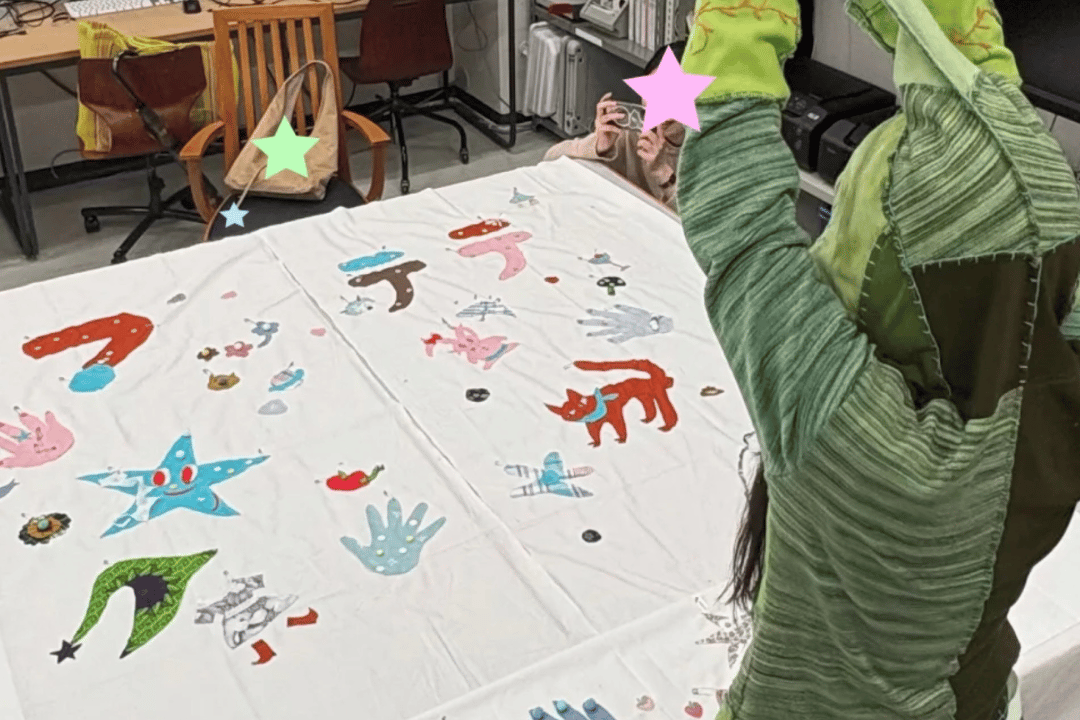
Young people across China are putting down the tweezers and picking up scrap fabric. Enter pīnbù (拼布), or “patchwork.”
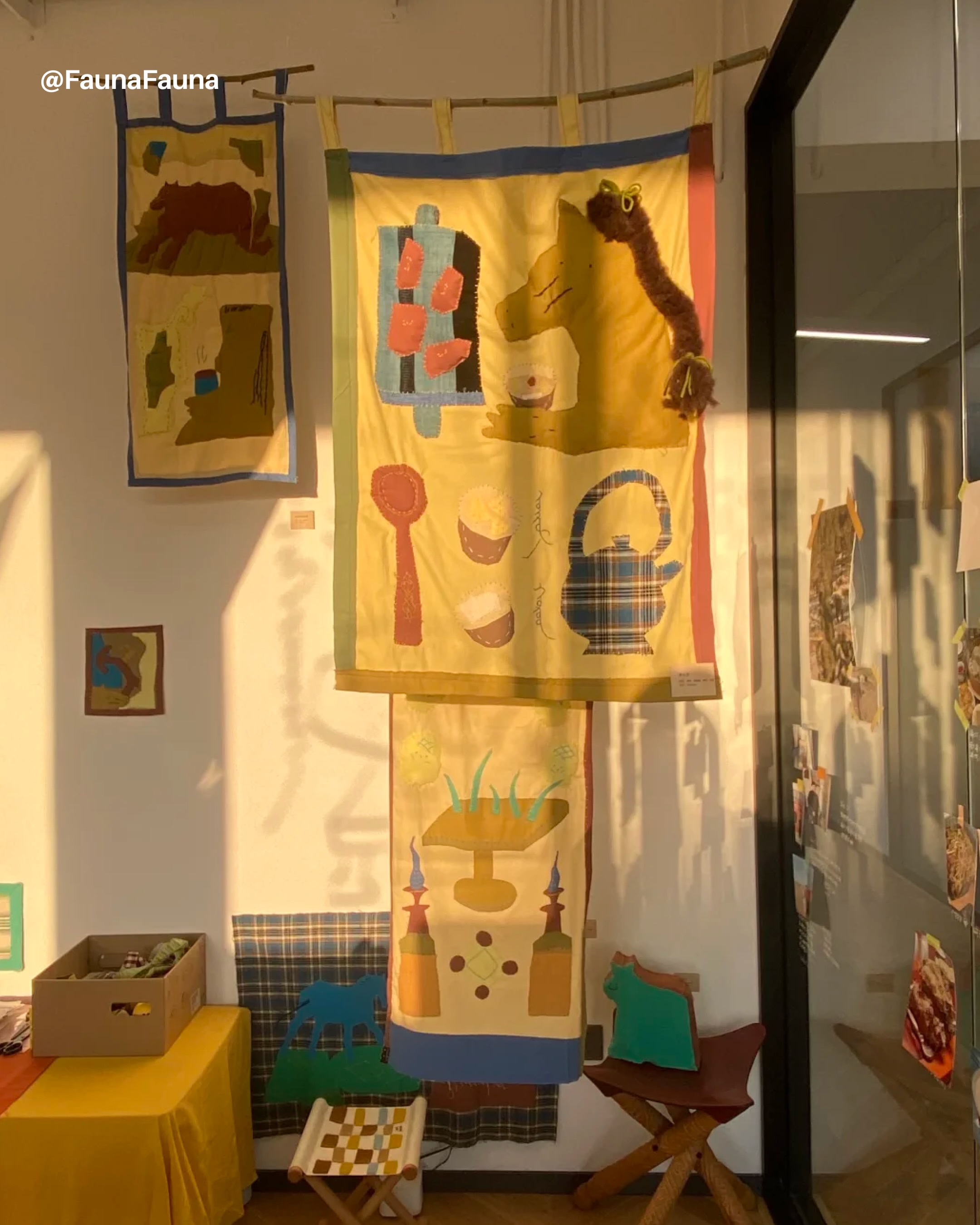
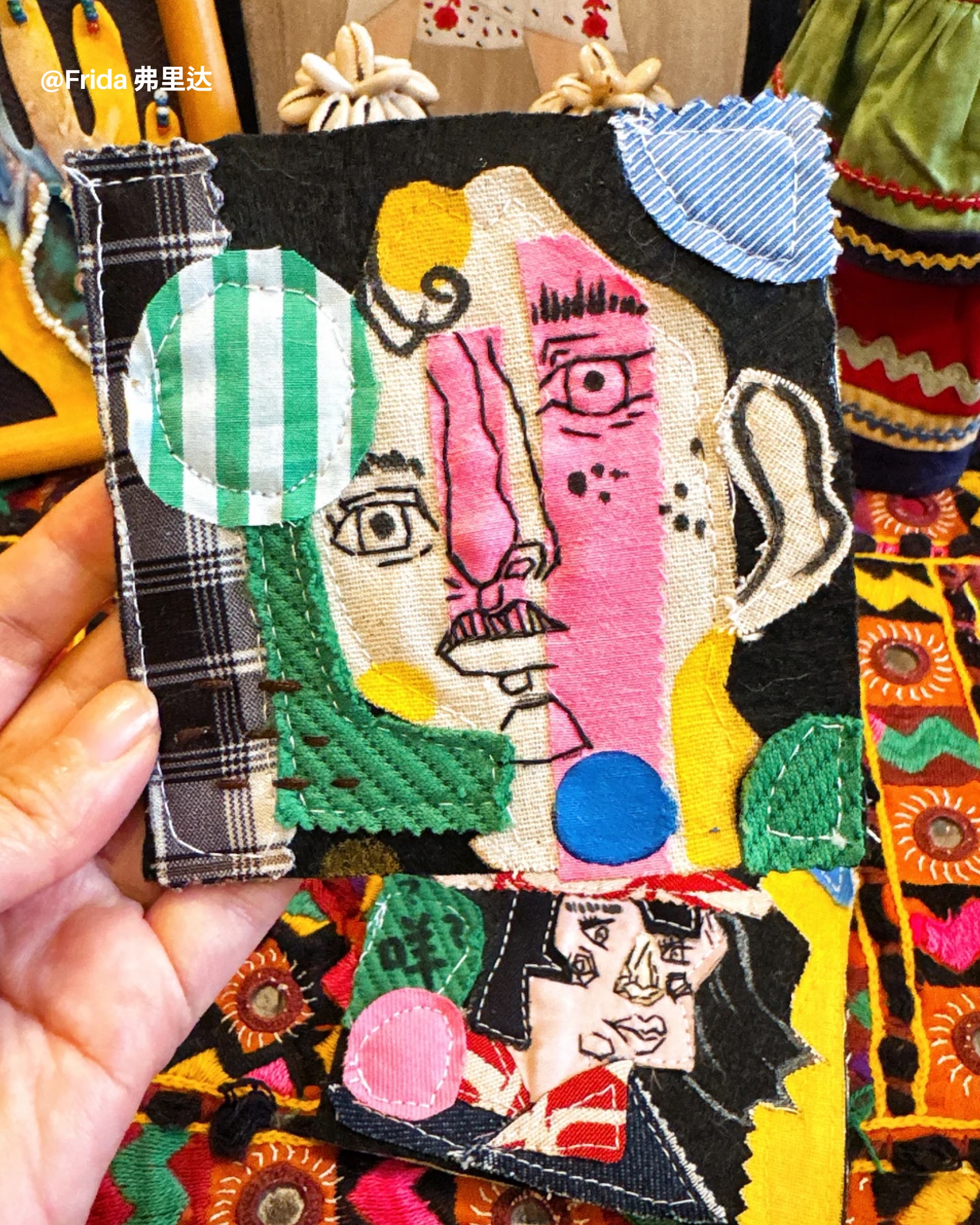
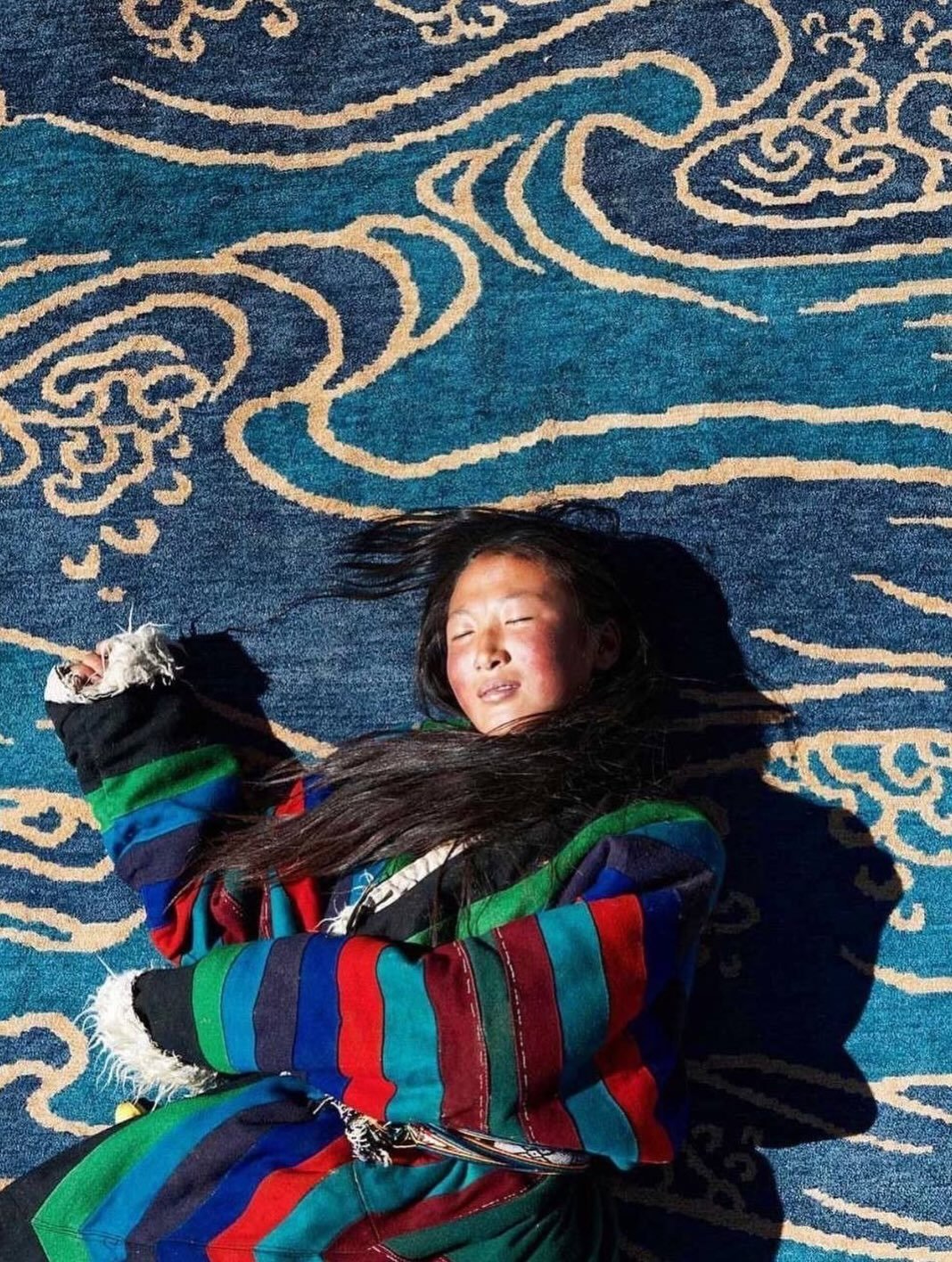
If this sounds like something straight out of your grandmother’s quilting circle, you’re not wrong. Patchwork has a multi-millennial history in China, tracing back nearly 2,000 years to Buddhist traditions and practical folk crafts like the baijiayi (百家衣, “Hundred-Families robe”)—a garment made from scraps contributed by neighbors to protect infants and bless them with longevity. Historically utilitarian and rooted in thrift, pīnbù has always been about making something beautiful out of nothing.
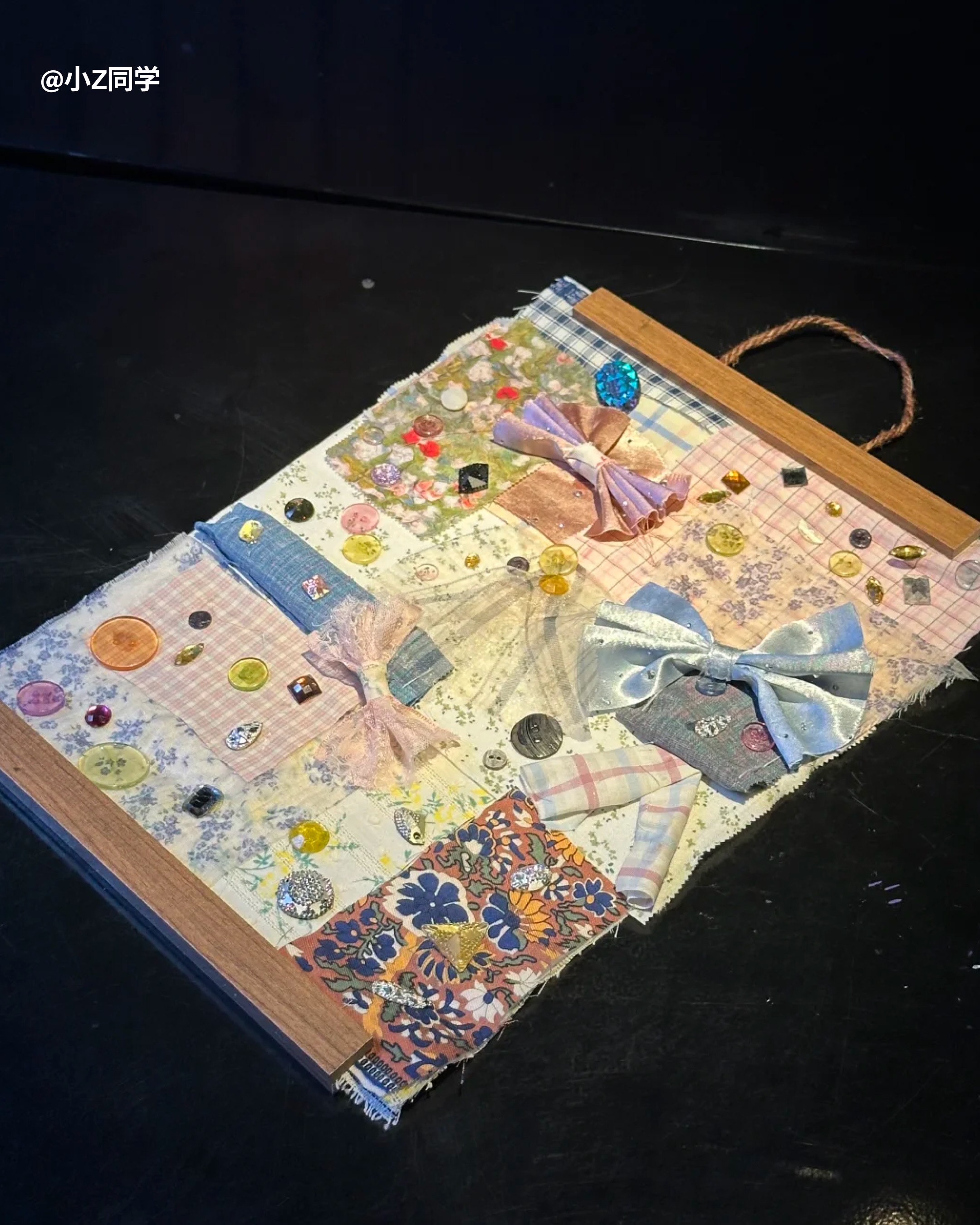
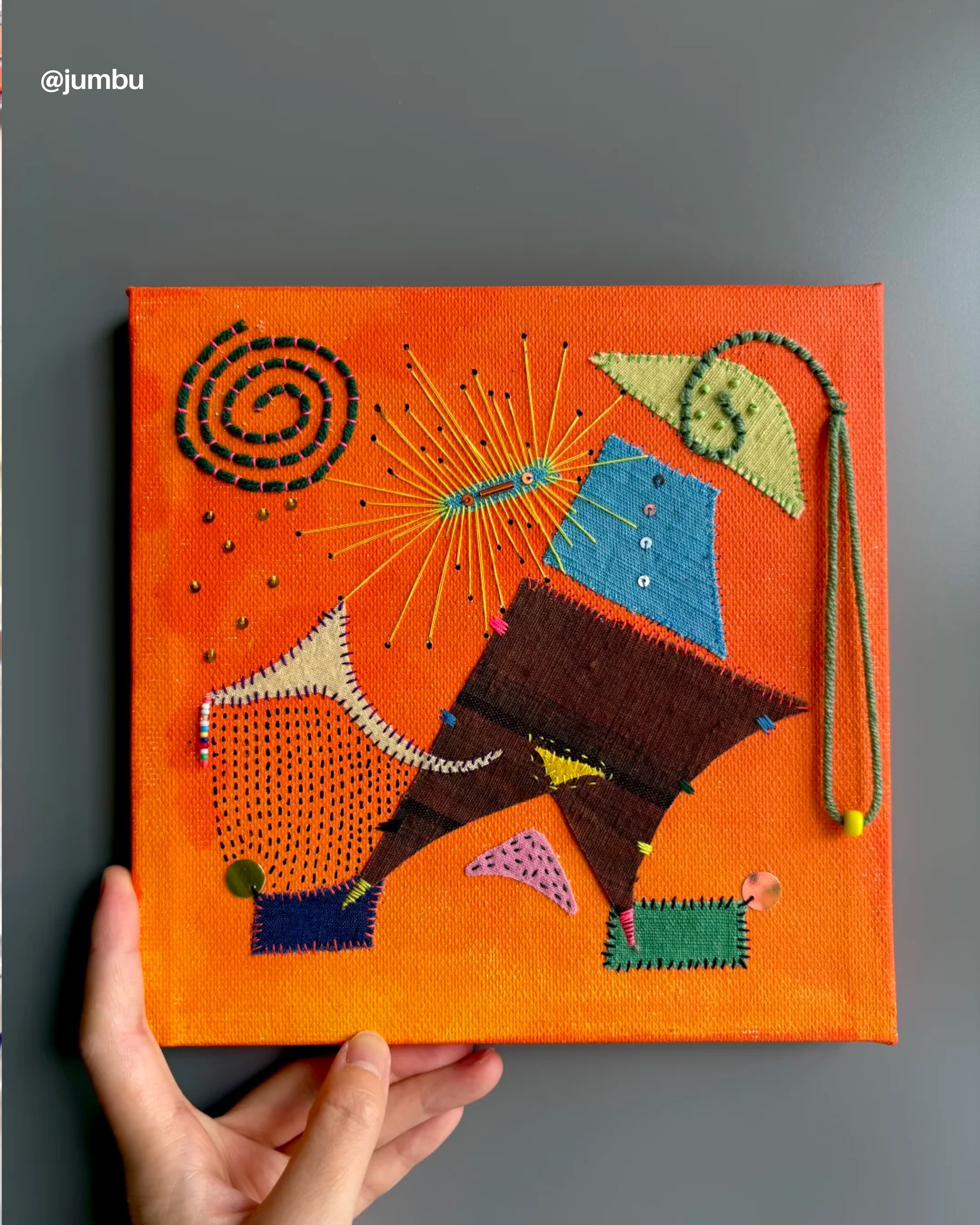
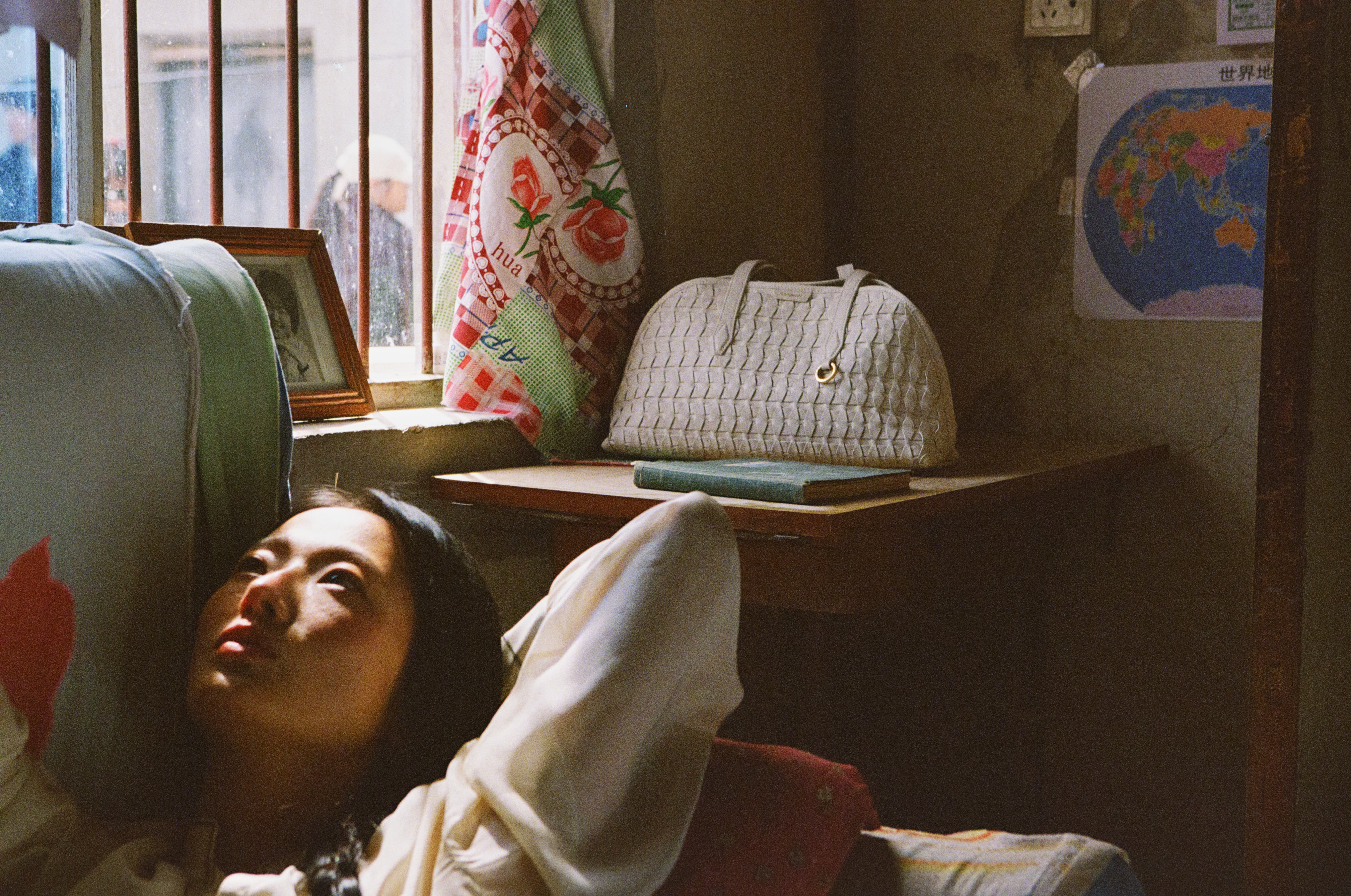
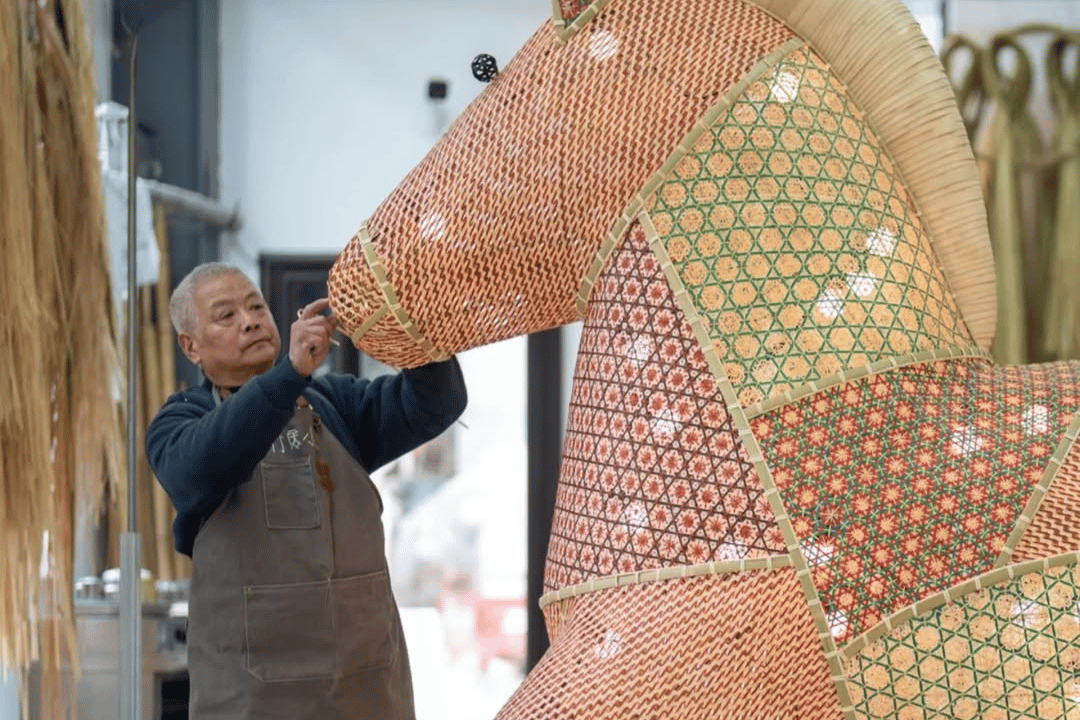
Now, Gen Z (and Gen Alpha) are reclaiming this deeply traditional craft. Rather than just mending old clothes out of necessity, today’s pīnbù enthusiasts are intentionally designing aesthetic quilts, chic tote bags, and stylish home decor. It’s a key part of China’s booming “handicraft economy”—an estimated 120-billion-yuan market driven by youth who crave tangible, offline experiences in an increasingly uncertain, digital-first world.
Arts and crafts have always offered a sense of comfort across generations. But for today’s youth, pīnbù hits the sweet spot between “China-chic” (Guochao), heritage pride, sustainable DIY fashion, and essential “emotional consumption.” Cutting up fresh fabric or upcycling vintage scraps allows them to weave personal identity into every stitch.
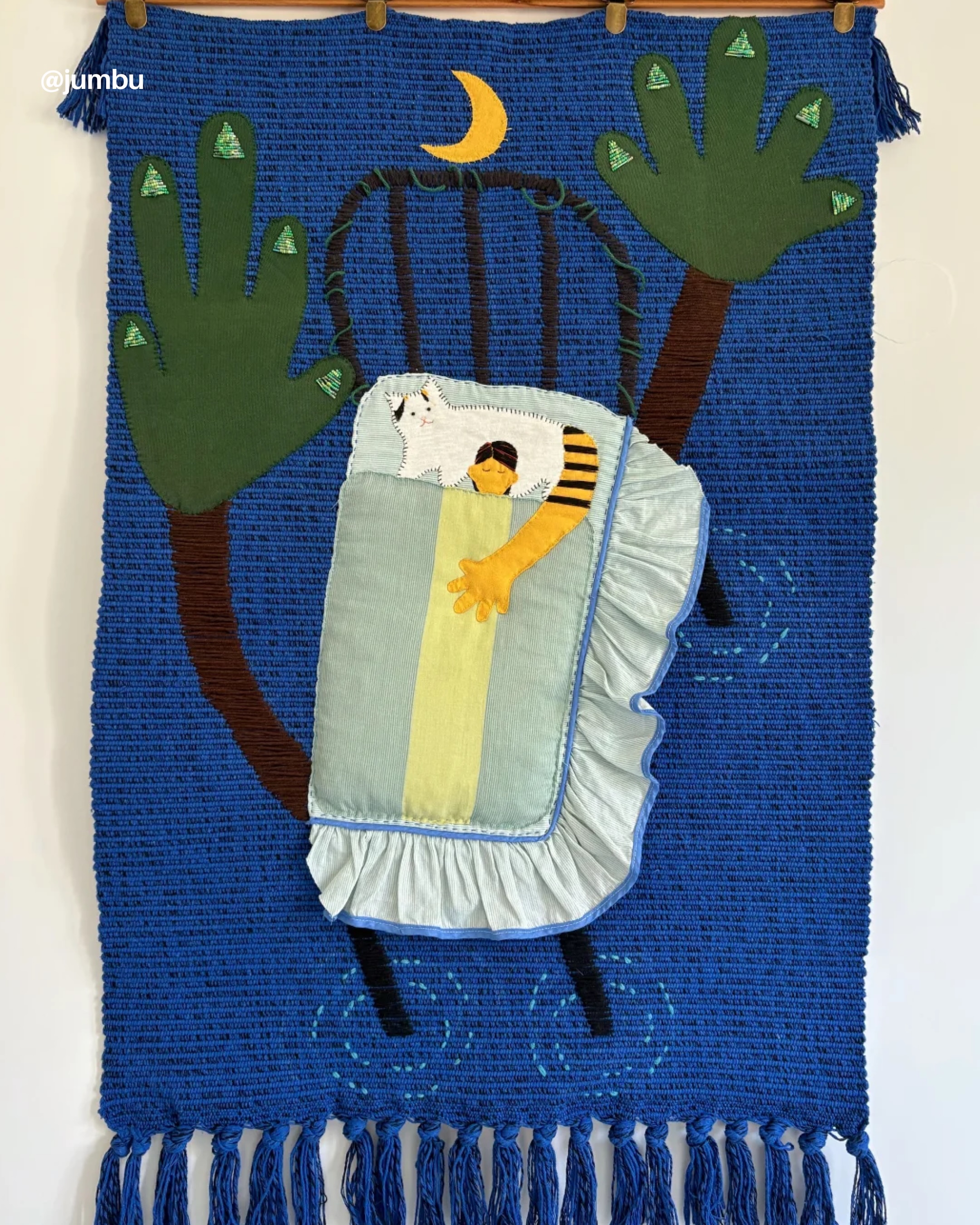
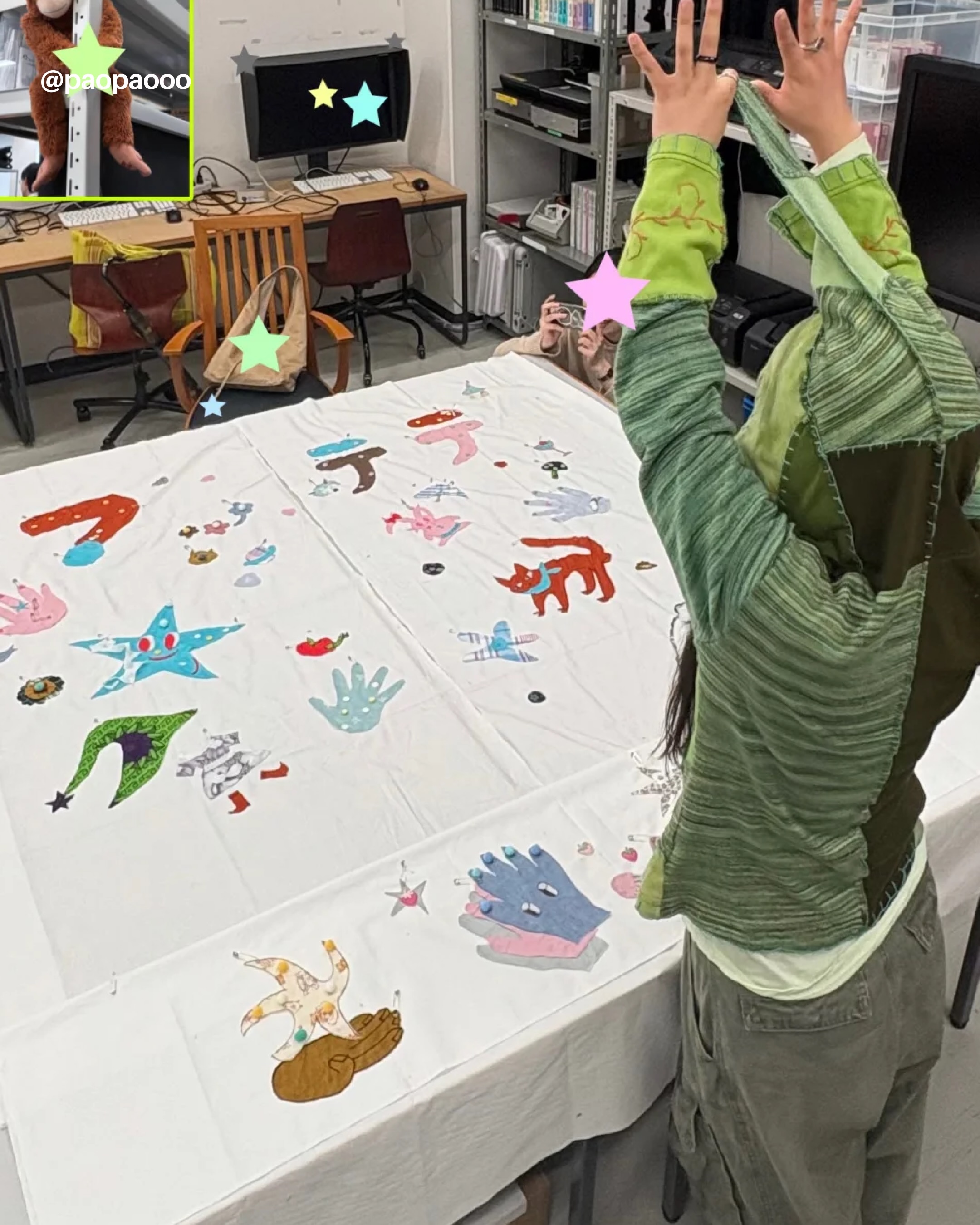
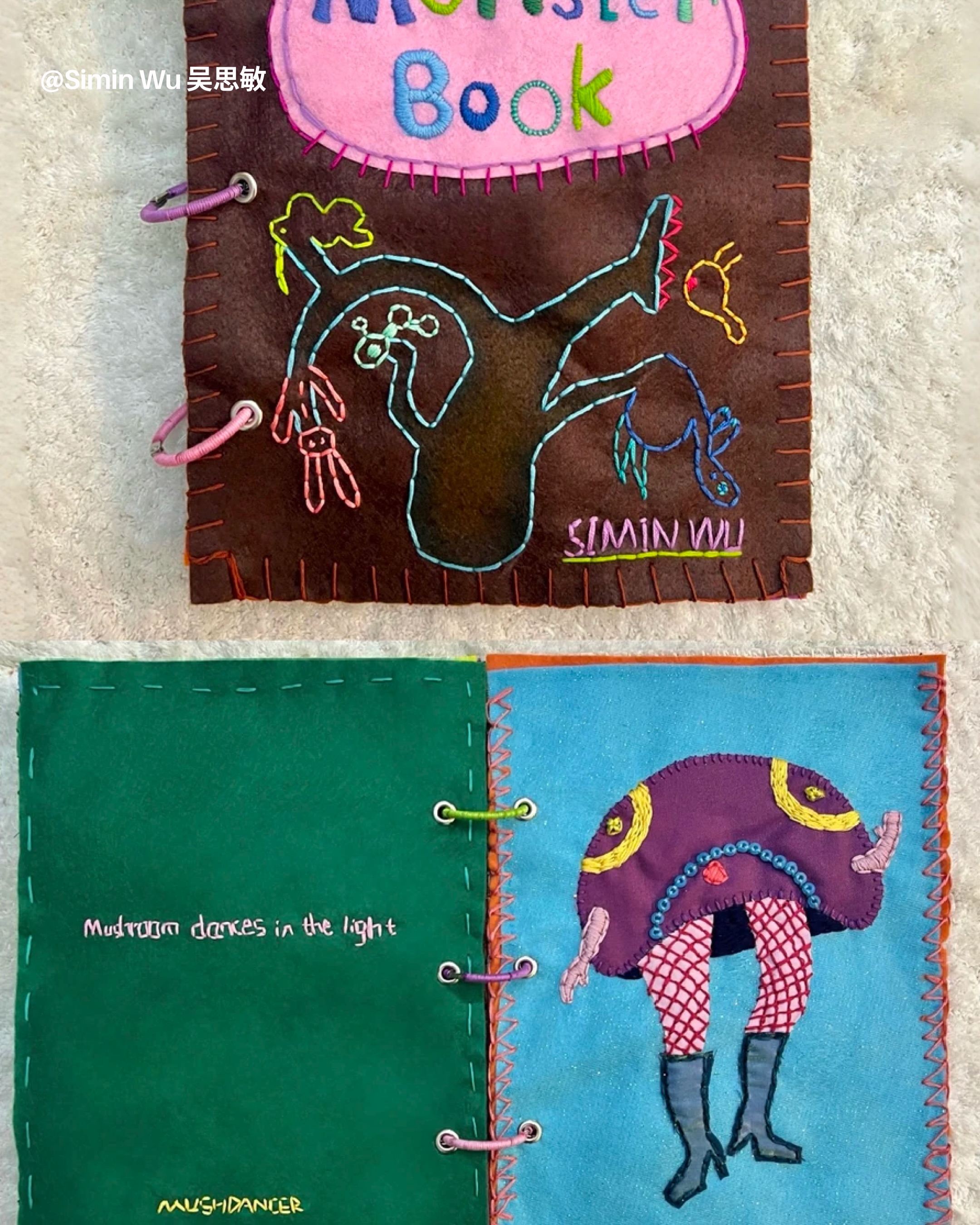
So the next time you need to decompress after a long week of intense work pressure, maybe it’s time to slow down, start cutting up that old pajama set, thread a needle, and piece together your own slice of peace. Sorry, Grandma, we’ll take it from here.
All images via Xiaohongshu.