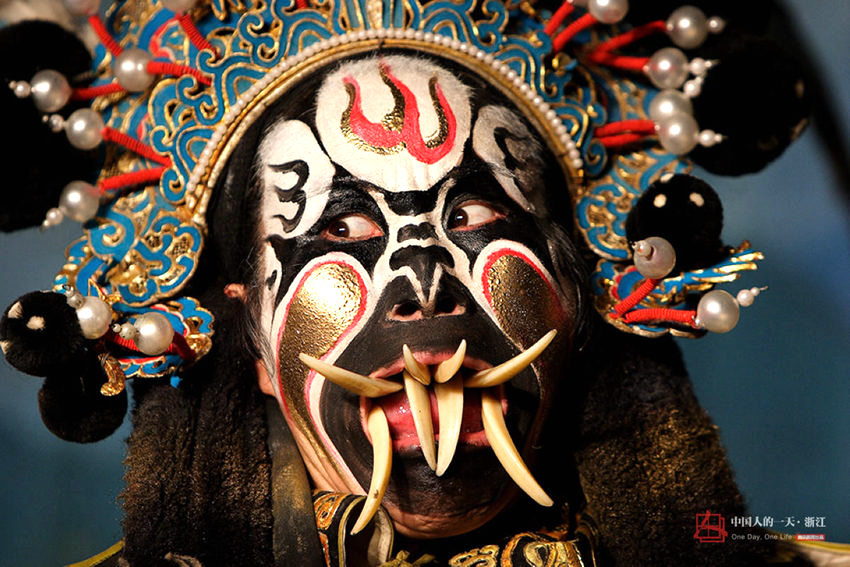

Think Chinese opera is all about vibrant costumes and high-pitched vocals? Think again. While Sichuan opera’s iconic face-changing acts might go viral on TikTok, there’s a whole spooky side to traditional Chinese theater that perfectly hits that eerie, horror-adjacent aesthetic.
Because many classic opera tales are deeply rooted in tragedy, folklore, and blood-soaked revenge, the stage is often haunted by mythical creatures, vengeful spirits, and even zombies. But these elements aren’t performed as cheap tricks just for shock value. They require mind-bending physical mastery to pull off.
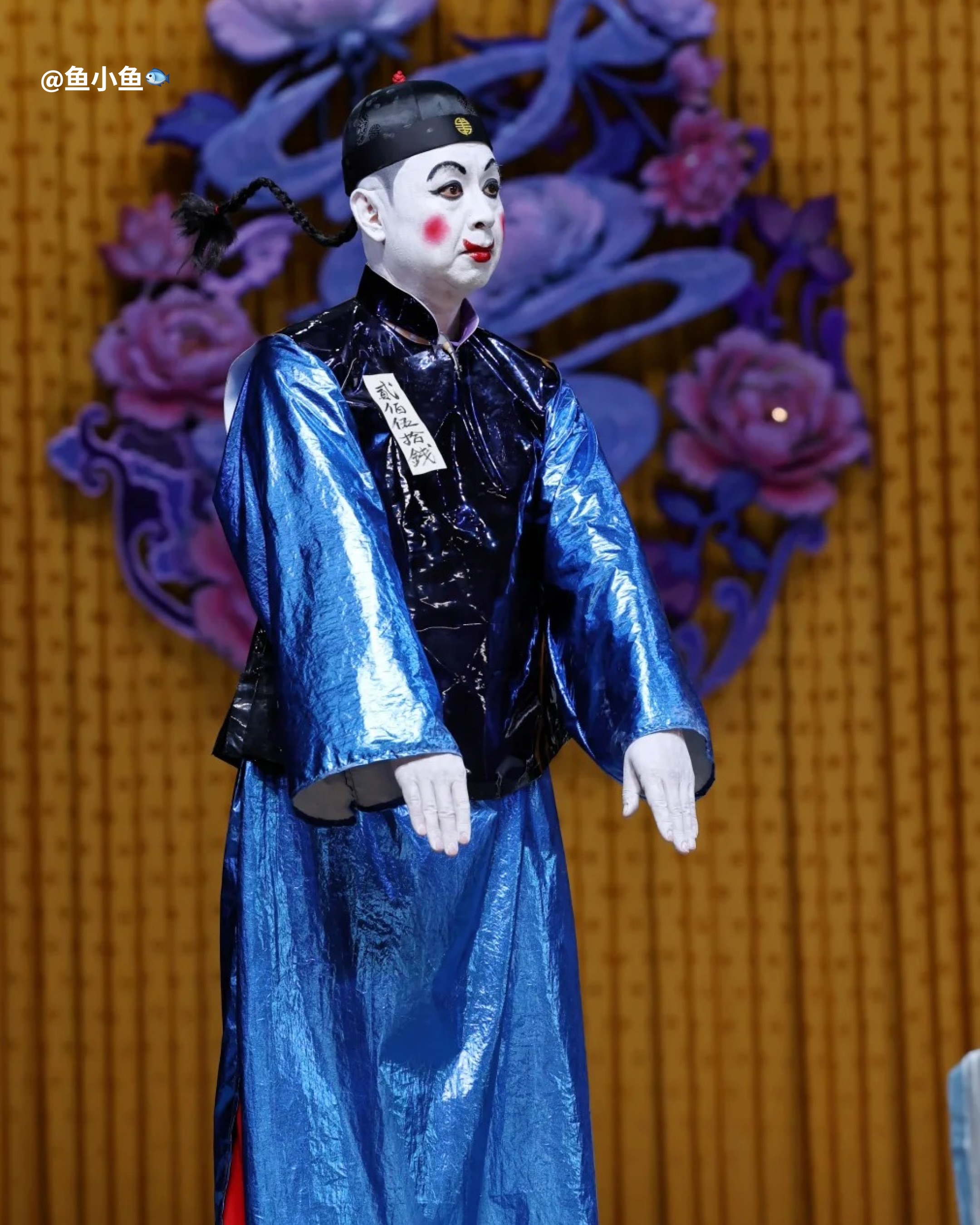
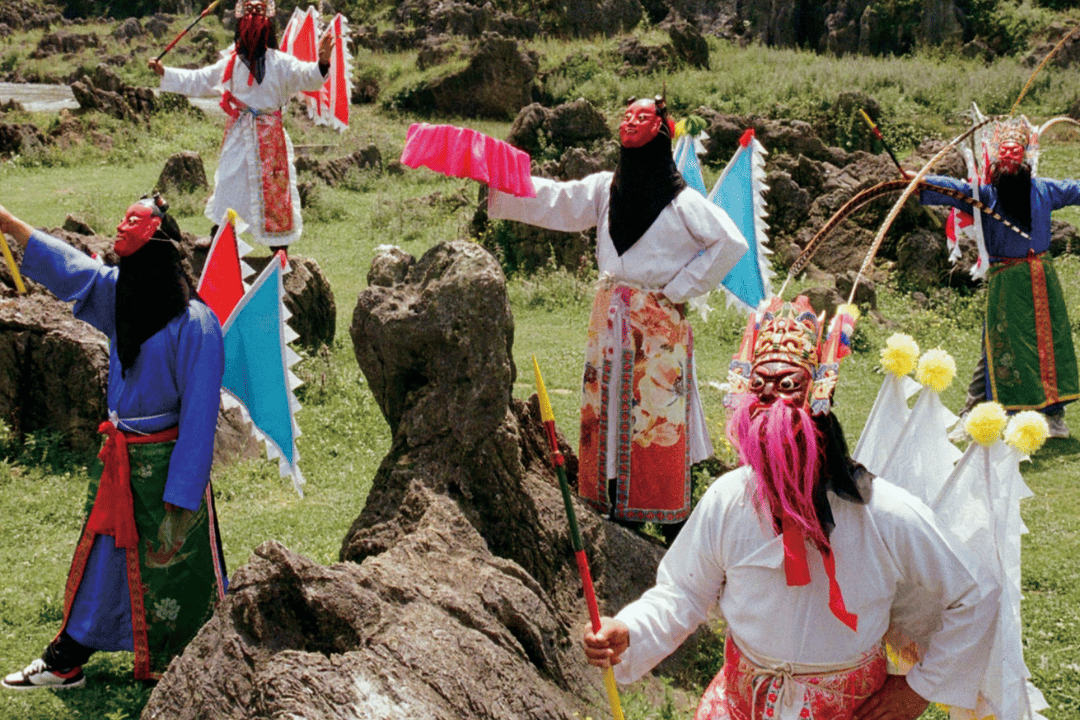
Enter the Paper Man (纸人, zhǐ rén), a seriously uncanny character inspired by the ancient funeral practice of burning paper offerings (纸扎 zhǐ zhā) for the afterlife. Actors sport stark white face paint and move with a stiff, puppet-like twitch that will make your skin crawl. Then, like our cover photo, there’s Chinese Teeth Manipulation (刷牙, shuā yá), where performers sing, act, and dance while simultaneously spinning boar teeth with their mouths for a twistedly ferocious effect.
Then there’s the Zombie Fall (僵尸摔, jiāng shī shuāi)—or as some put it, “China’s vogue drop”—where a performer completely locks their body and drops straight backward to simulate sudden death. It’s a move that takes immense core strength and fearlessness. And if you’re a fan of the moonwalk, get ready for Ghost Steps (鬼步, guǐ bù). Performers take rapid, microscopic steps hidden beneath sweeping garments, creating the chilling illusion that they’re smoothly levitating across the stage like an apparition.
As the traditional saying goes: “One minute on stage is ten years of practice off stage” (台上一分钟,台下十年功). These terrifying, beautiful illusions showcase not just the long-stanfing artistry in Chinese opera, but also the insane body control and decades of dedication these performers summon to pull off such wicked moves. Check some of them out in action from the post above.
Cover image via kr.people.