

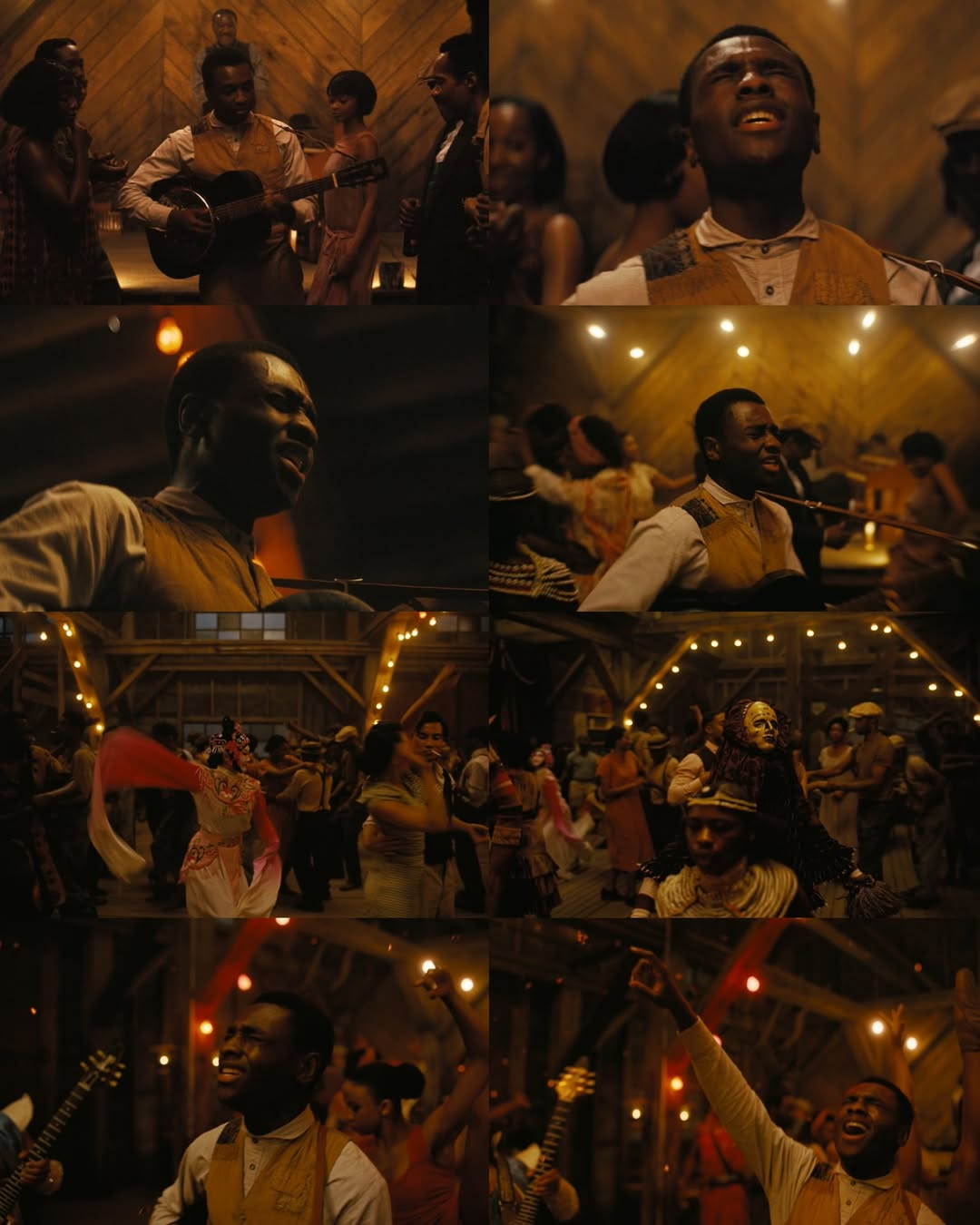
At the 98th Academy Awards, Ryan Coogler’s American horror film Sinners drew major attention. The film vividly depicts often-overlooked marginalized cultures in the United States, including the experiences of first-generation Chinese migrants. One standout moment is the Peking Opera sequence in the stunning montage accompanying the song “I Lied to You,” an inspired contribution to America’s melting-pot mythology. But on Chinese social media, a different question has dominated discussion: what Chinese dialect are the two characters speaking?
Just before the film’s climax, Irish vampire Remmick (played by Jack O’Connell) whispers private details in Chinese to grocery store owner Grace Chow (played by Li Jun Li)—things only her husband Bo Chew (played by Yao) would know. The coded exchange convinces Grace that the vampire can truly share memories, ultimately leading her to open the door and confront him in order to protect their daughter.

From the time of its release, many Chinese viewers initially couldn’t identify the dialect. After extensive online debate, audiences eventually concluded it was Taishanese, also known as Hoisanese—a Yue Chinese language related to Cantonese. Distinct enough to be unintelligible to most Mandarin speakers, the dialect’s inclusion raised another question: why did Sinners choose Taishanese in the first place? The answer lies in the history of Chinese migration to the United States.
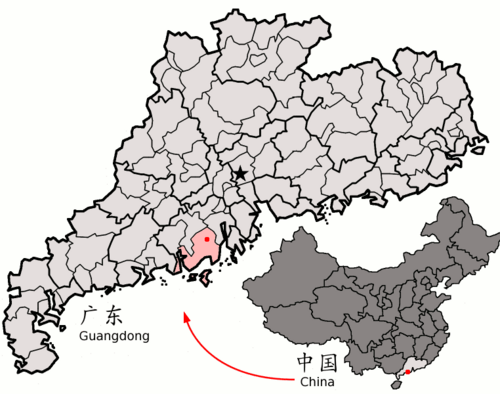
During the 1850s and 1860s, the U.S. was building the Central Pacific Railroad, which would later help connect the continent to Vancouver. The work was dangerous, brutal, and chronically understaffed. To fill the labor shortage, recruiters turned to the Pearl River Delta. Many people from Taishan had heard stories from earlier migrants claiming gold littered the American West Coast, and fortunes were easy to make. Drawn in by those promises, thousands of young Taishanese men crossed the Pacific. Instead of gold, they found the deadly conditions of railway construction in the Sierra Nevada.
Chinese American writer C. Pam Zhang explores this period of migrant history in her novel How Much of These Hills Is Gold, which is currently being adapted for film by Ang Lee. Many are curious to see how Lee will bring this overlooked chapter of history to the screen.
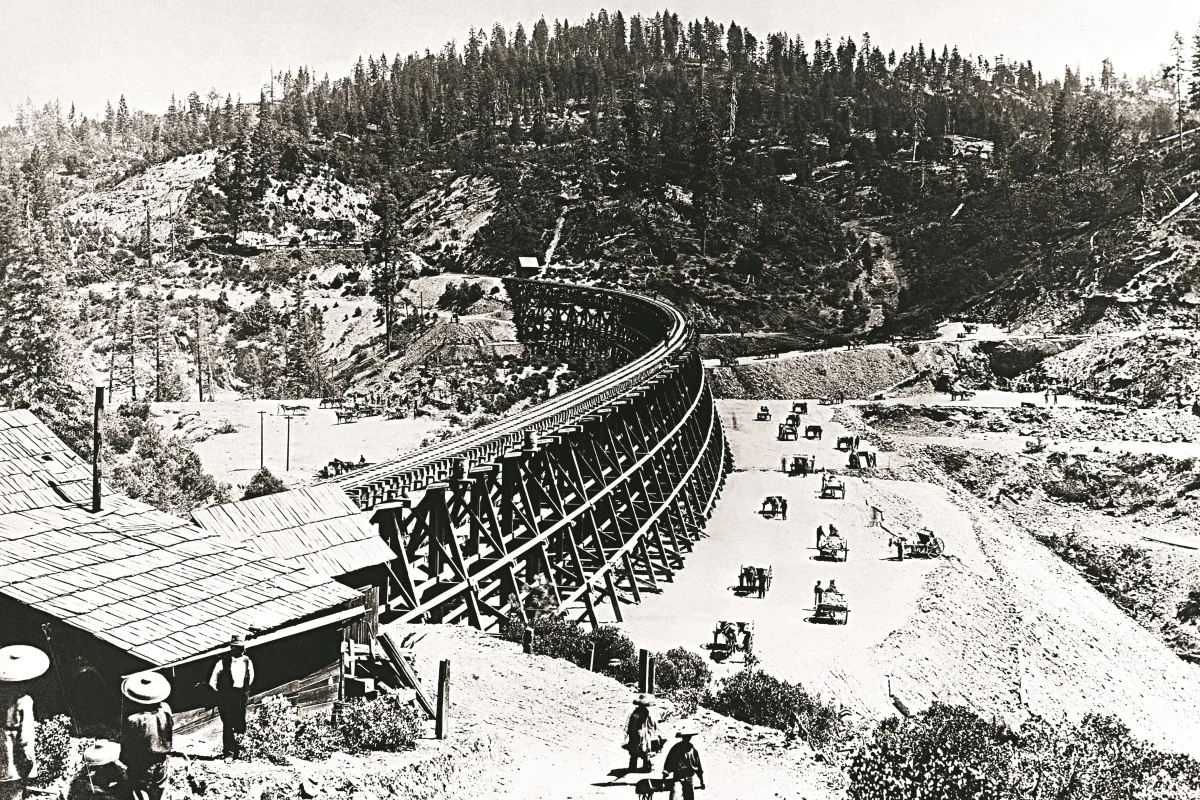
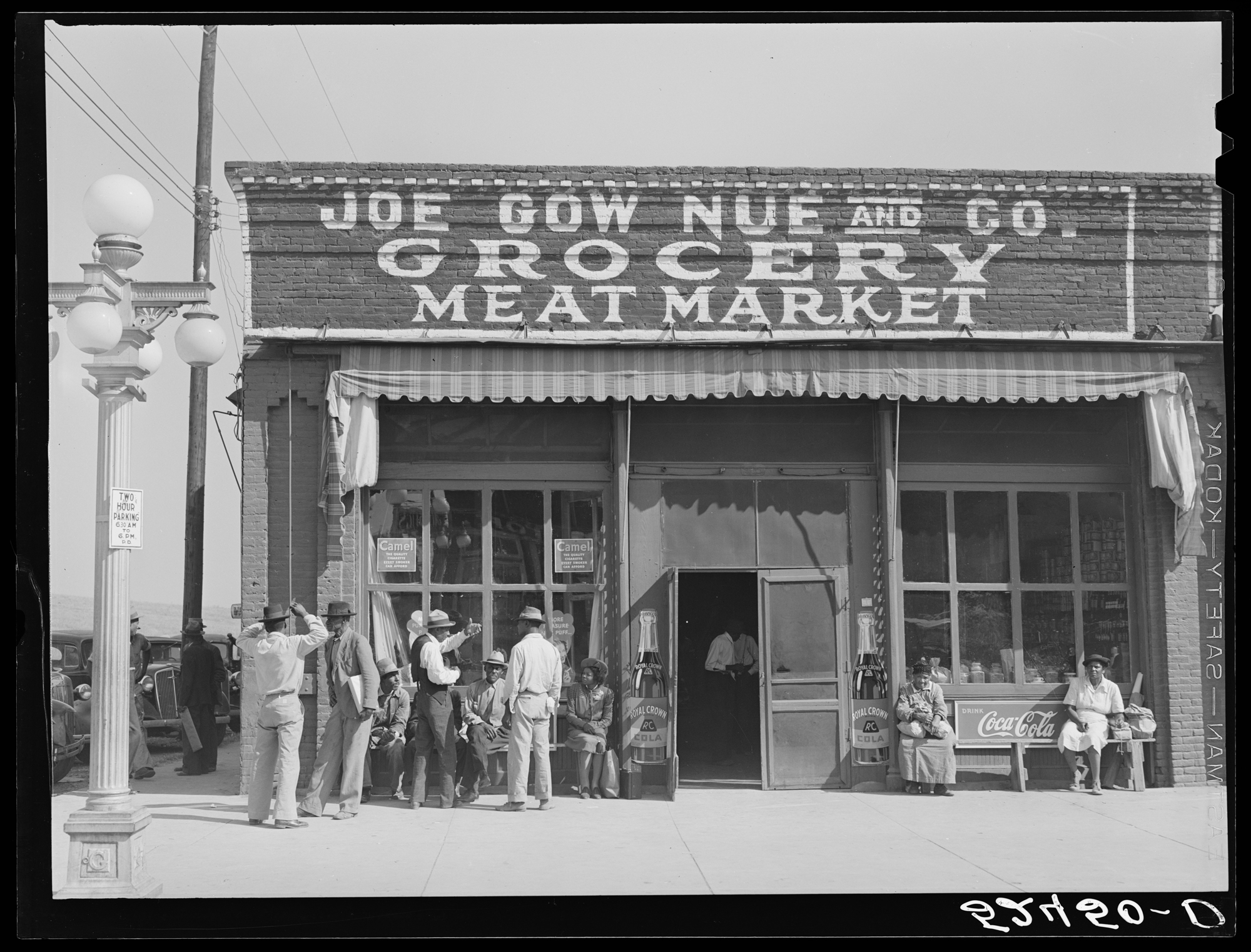
Some migrants survived; many did not. Those who stayed often couldn’t afford passage home, so they opened grocery stores like the one Grace and Bo run in Sinners. That entrepreneurial instinct helped Chinese communities establish roots abroad, much like the business networks later built by migrants from Wenzhou and Guangdong across Europe and beyond.
Today, Taishan is a developed city known as “China’s First Hometown of Overseas Chinese” (中国第一侨乡). While fewer residents now feel compelled to leave, migration remains deeply woven into the city’s identity, shaped by generations of overseas family ties and a long tradition of risk-taking.

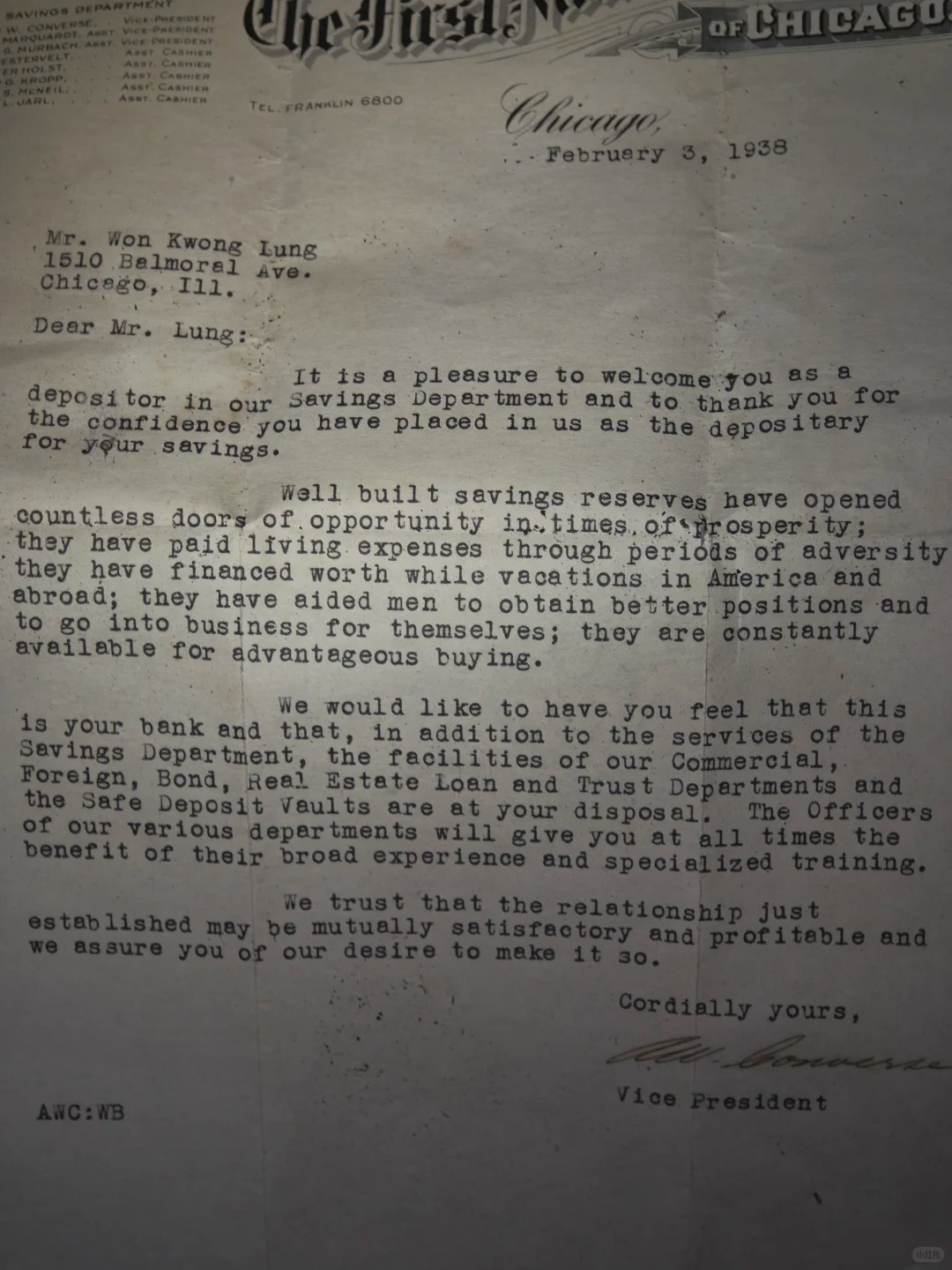
Across the Pacific, the contributions of early Chinese migrants during the Gold Rush era have gained increasing recognition. Without their labor, Vancouver would not exist in its current form. Since 2024, New York State has officially marked April 24 as Taishan Day, while May 10 has been recognized as Chinese American Railroad Workers Day since 2025. Their legacy remains embedded in the tracks that once promised fortune, but instead helped build a nation.
Cover Image via Frock Flicks.