
Feature image of Does BAPE’s “GOLDEN ERA” Drop Signal Gen Z’s Continued Pining for a Past They Never Had?

Does BAPE’s “GOLDEN ERA” Drop Signal Gen Z’s Continued Pining for a Past They Never Had?

2 mins read

2 mins read

Feature image of Does BAPE’s “GOLDEN ERA” Drop Signal Gen Z’s Continued Pining for a Past They Never Had?
RADII looks at how A Bathing Ape's SS26 "GOLDEN ERA" collection redefines early 2000s streetwear for a new generation obsessed with retro aesthetics and cultural reconnection.

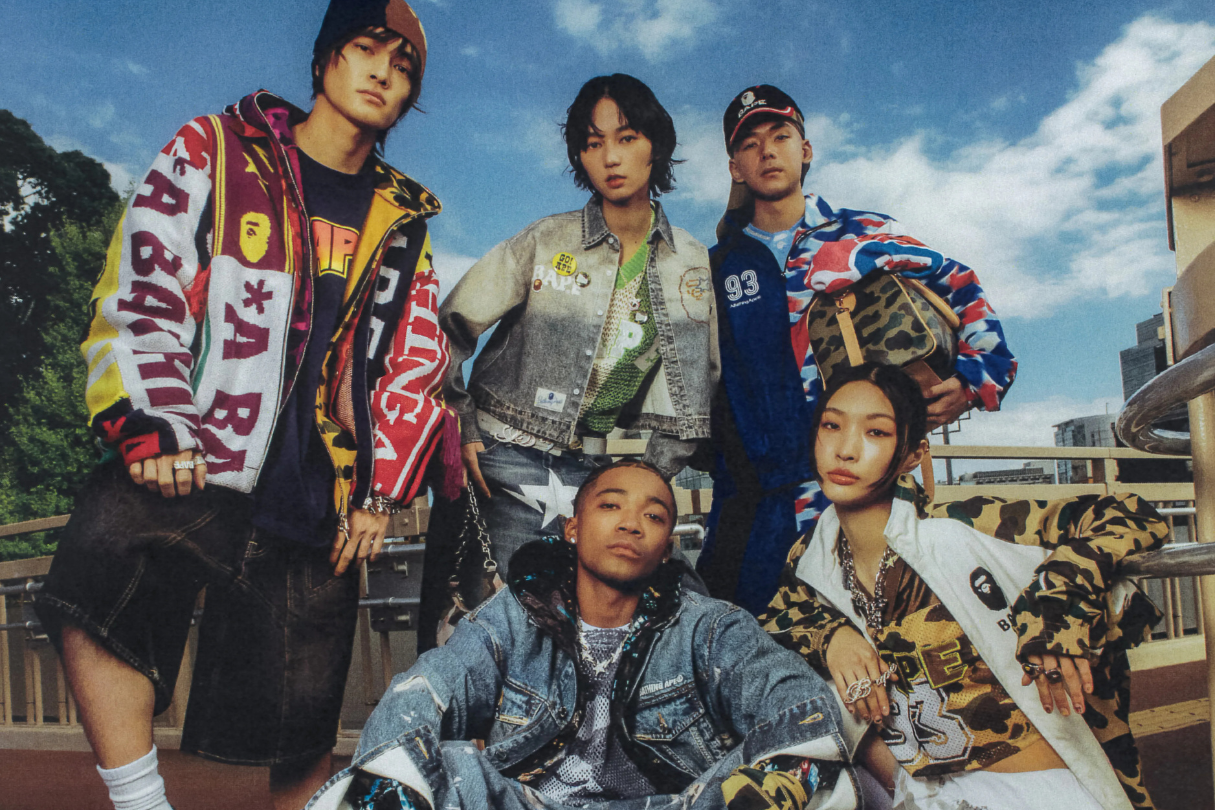
BAPE’s Spring/Summer 2026 collection, aptly titled “GOLDEN ERA,” is a vibrant declaration: 2026 is the new 2006. The legendary streetwear brand, which has long been under Hong Kong‘s I.T brand, is diving deep into its archives, pulling inspiration from its iconic early 2000s aesthetics. The drop serves as a strategic embrace of a global “nostalgia wave” that continues to captivate youth culture, particularly across Asia.
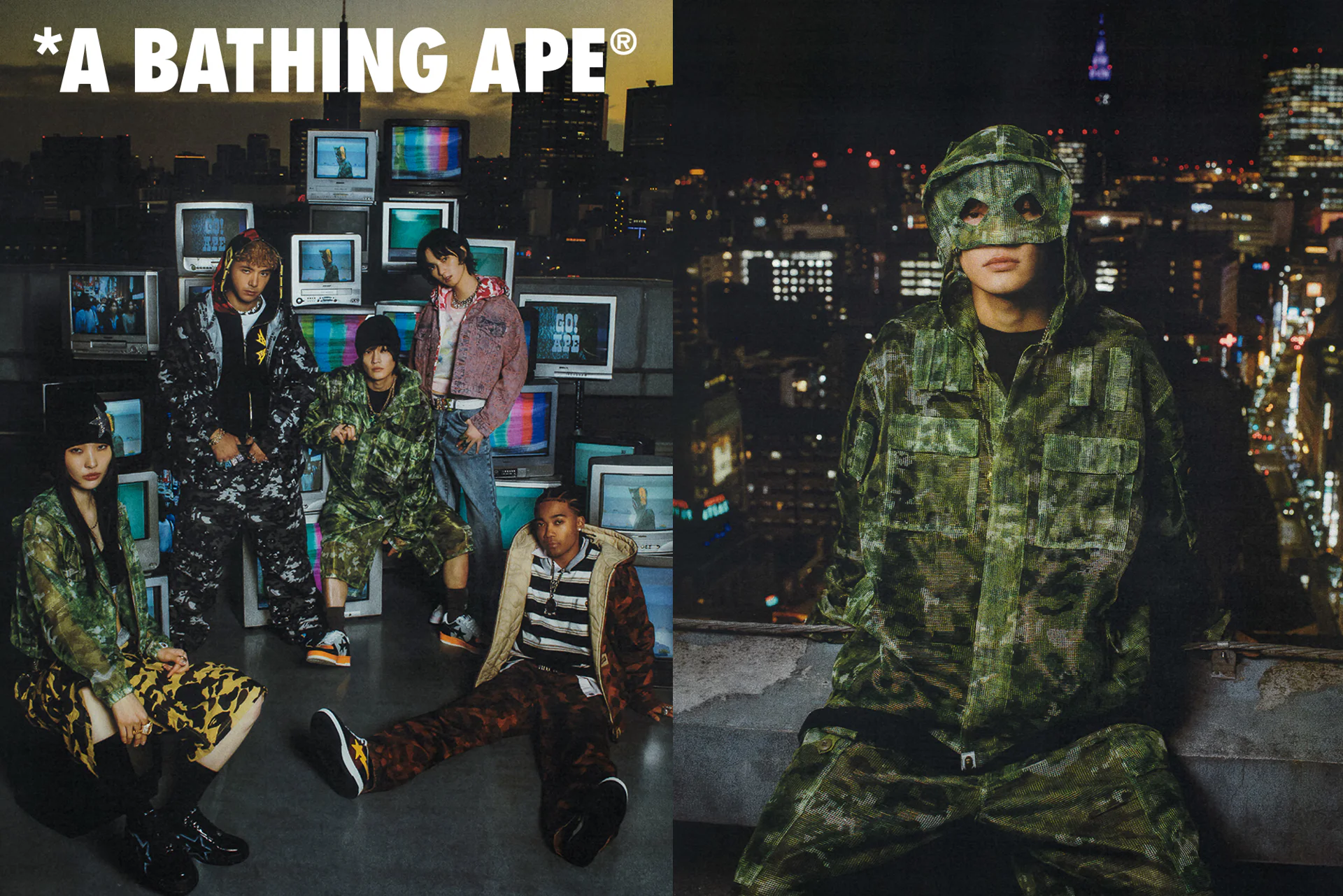
While not the only brand to hark back to its “golden era,” BAPE’s collection does it incredibly well—they were, after all, at the top of their game back then. For this new reinterpratation, expect a rich tapestry of early BAPE vibes, from innovative Multi Pixel Camo and Glitch Woodland Camo to the playful, comic-book-inspired Bapeman-X hoodies with mesh eye panels. OG varsity jackets and football-inspired jerseys channel the era’s sporty energy, while the ladies’ line offers a “lo-fi” aesthetic with exclusive pink-orange palettes and rhinestone Baby Milo accessories.
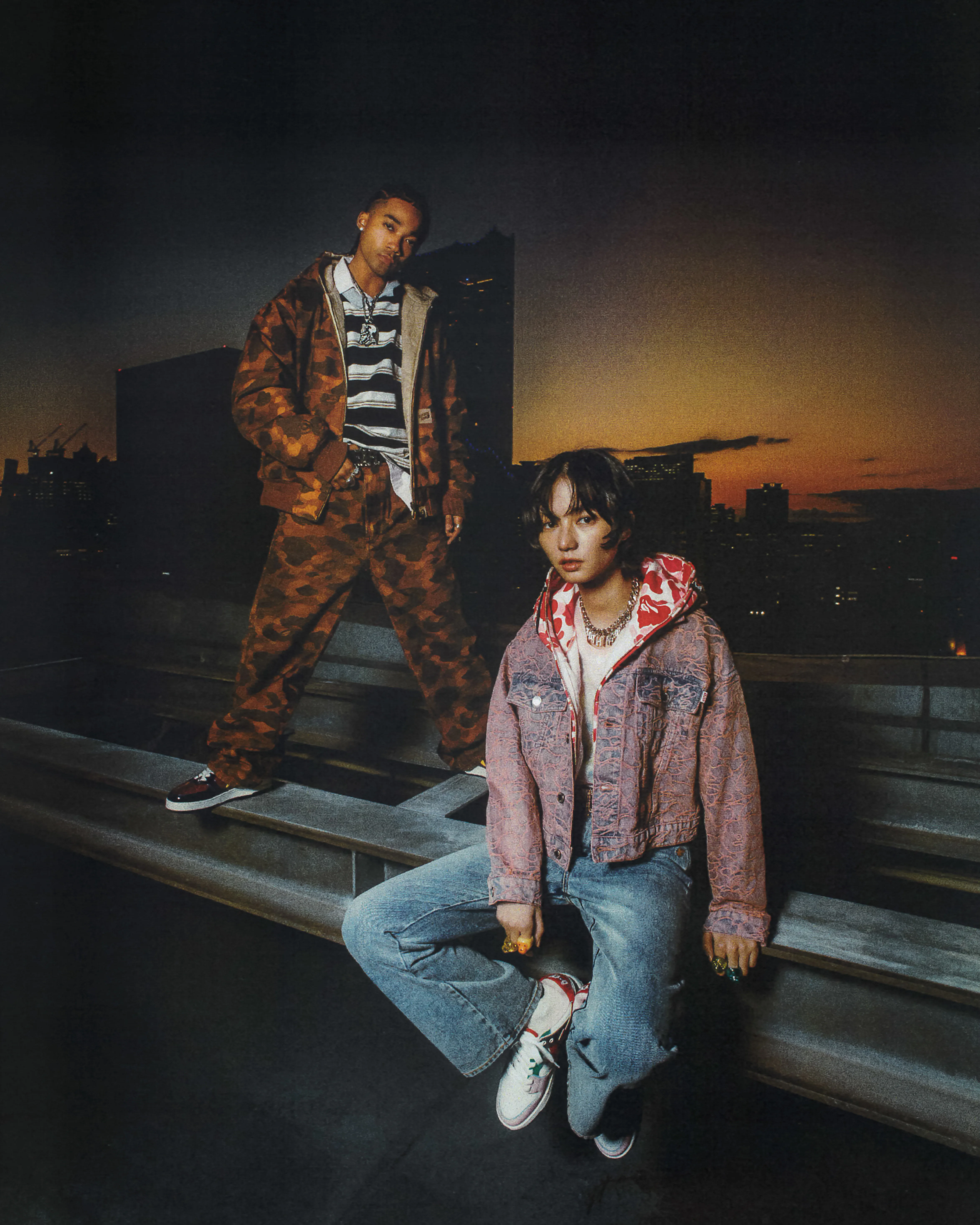
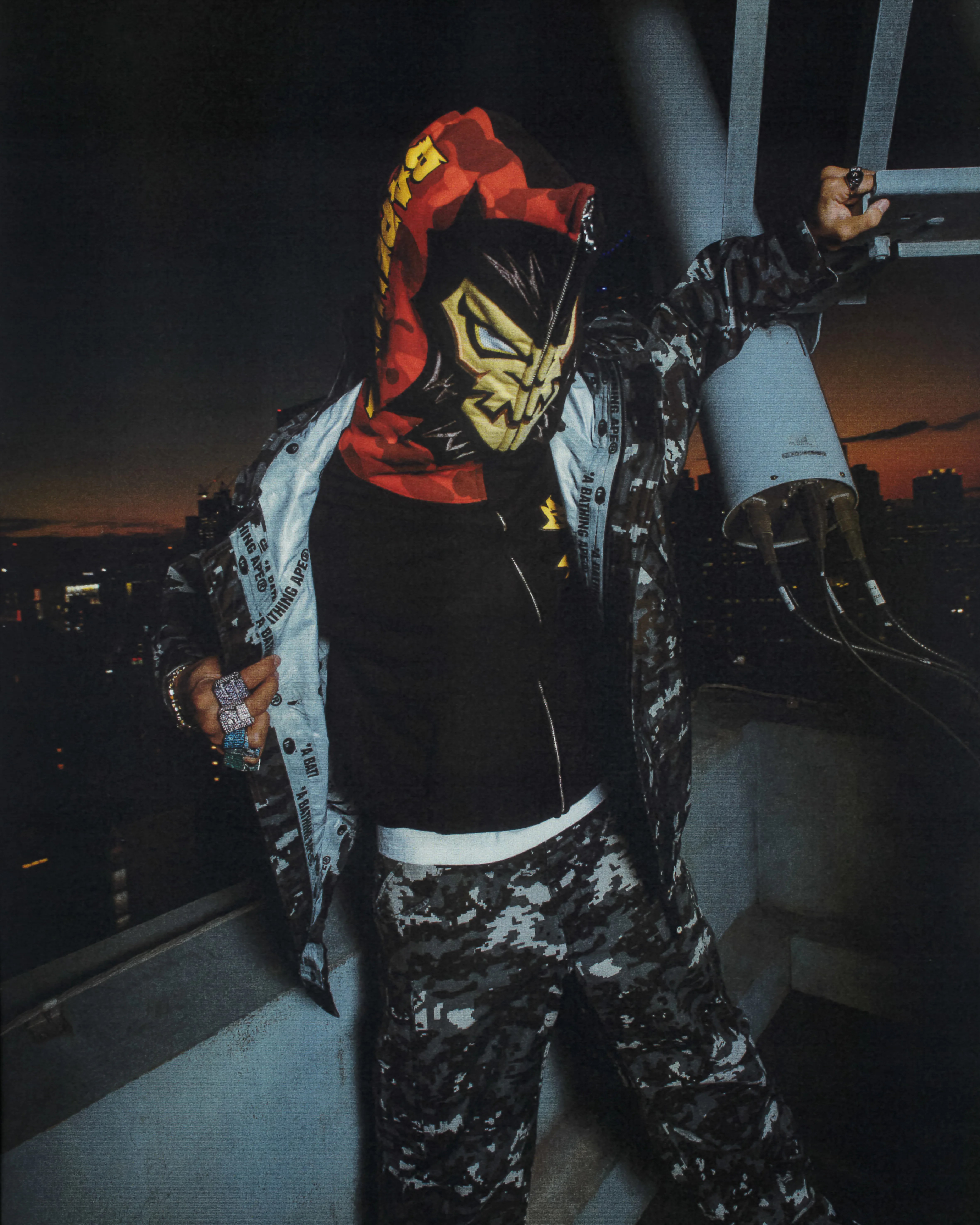
A thoughtful nod to heritage comes through the Japanese Indigo Art Camo, blending traditional artisanal dyeing with BAPE’s signature Line Camo. The campaign, set against Tokyo’s Shibuya rooftops and traditional houses with surreal television installations broadcasting archival visuals, perfectly encapsulates this blend of past and present.
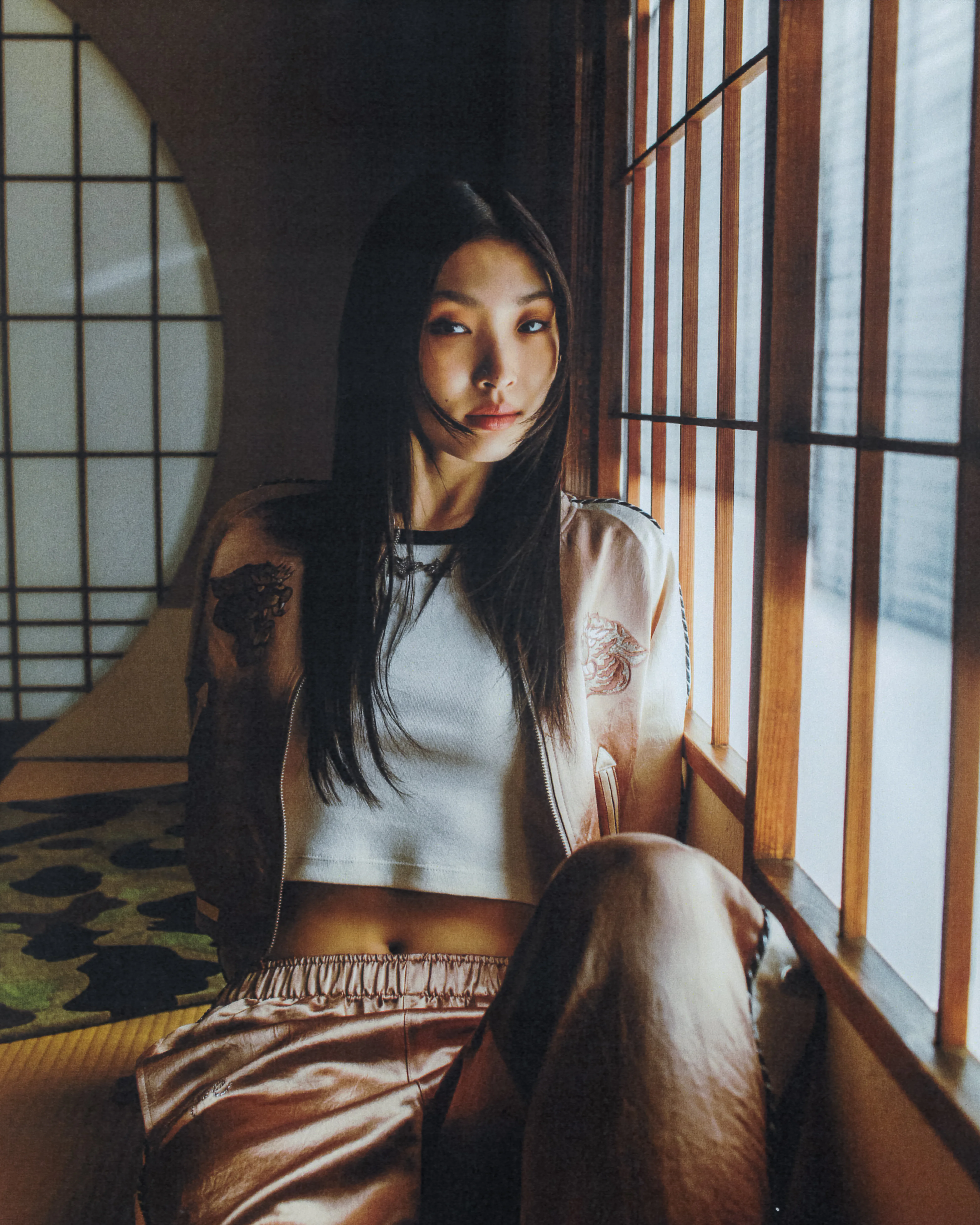
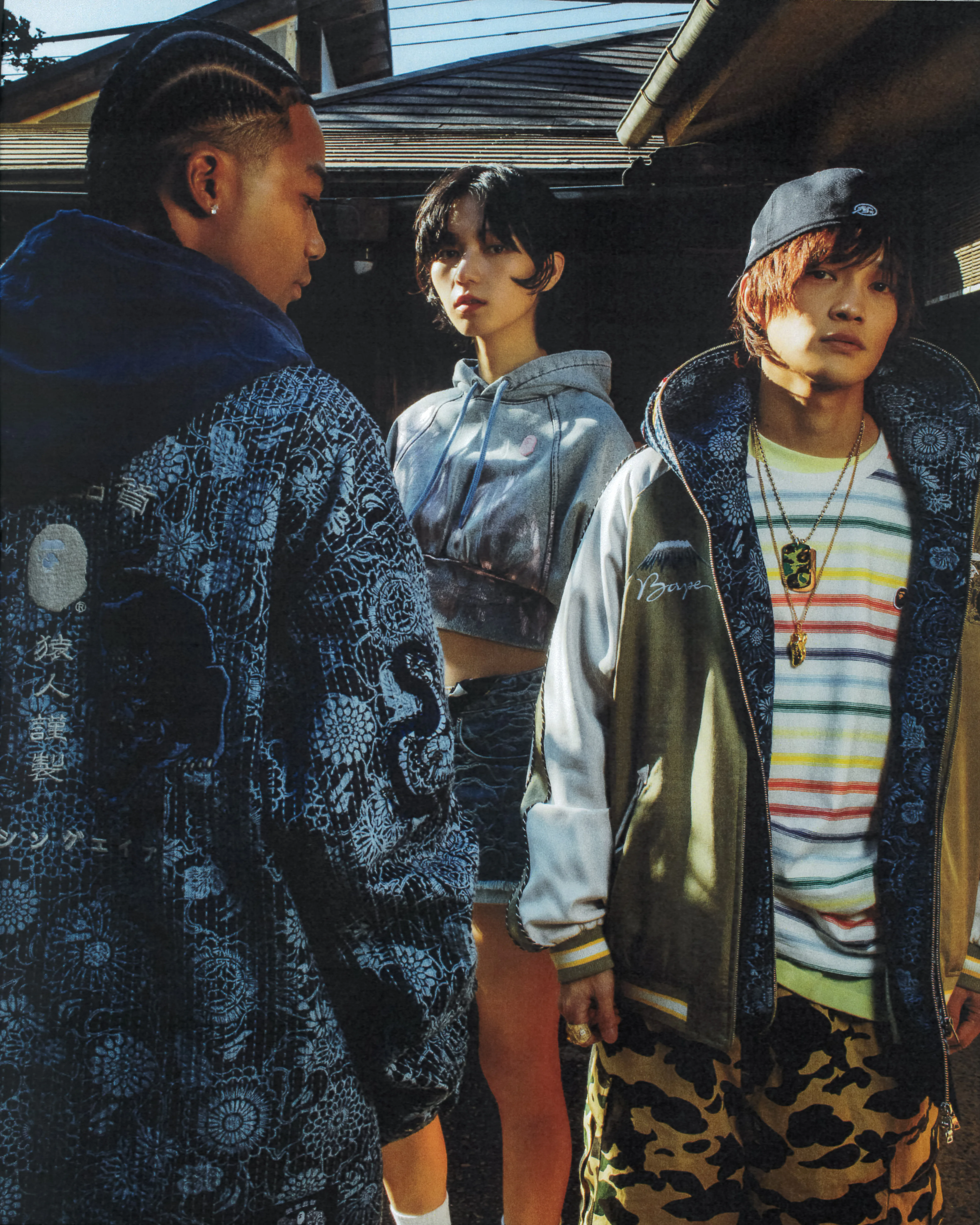
This cultural phenomenon, where brands like BAPE are wholeheartedly jumping on the Y2K and early 2000s bandwagon, speaks volumes about the contemporary audience. For Asia’s youth, this obsession is multi-layered. It taps into a predictable 20-year fashion cycle, making these styles feel fresh and exciting for a generation that didn’t experience them firsthand. The Heisei era (late ’80s to early 2010s) was a period of immense cultural dynamism in Japan, shaping youth identity through iconic anime, video games, and fashion.
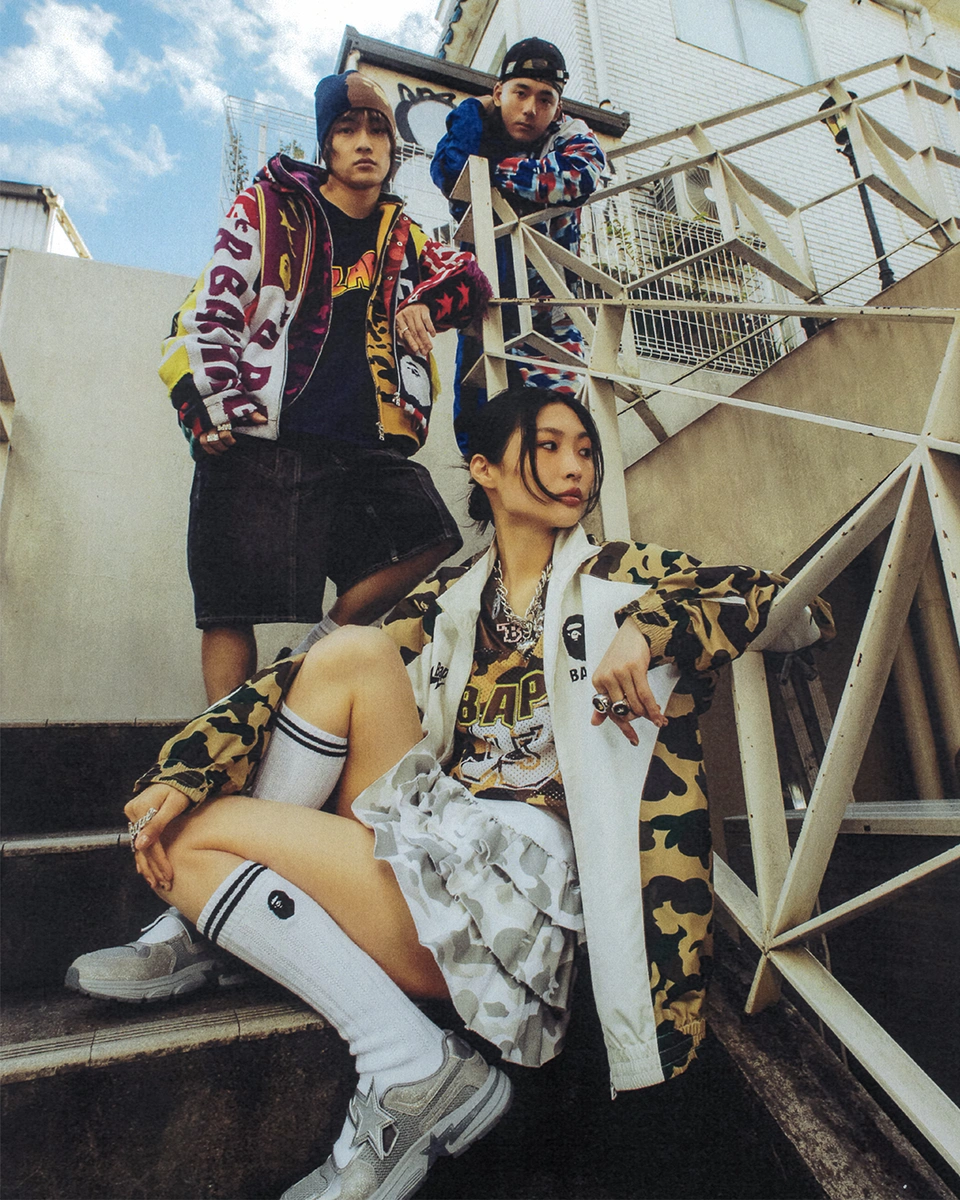
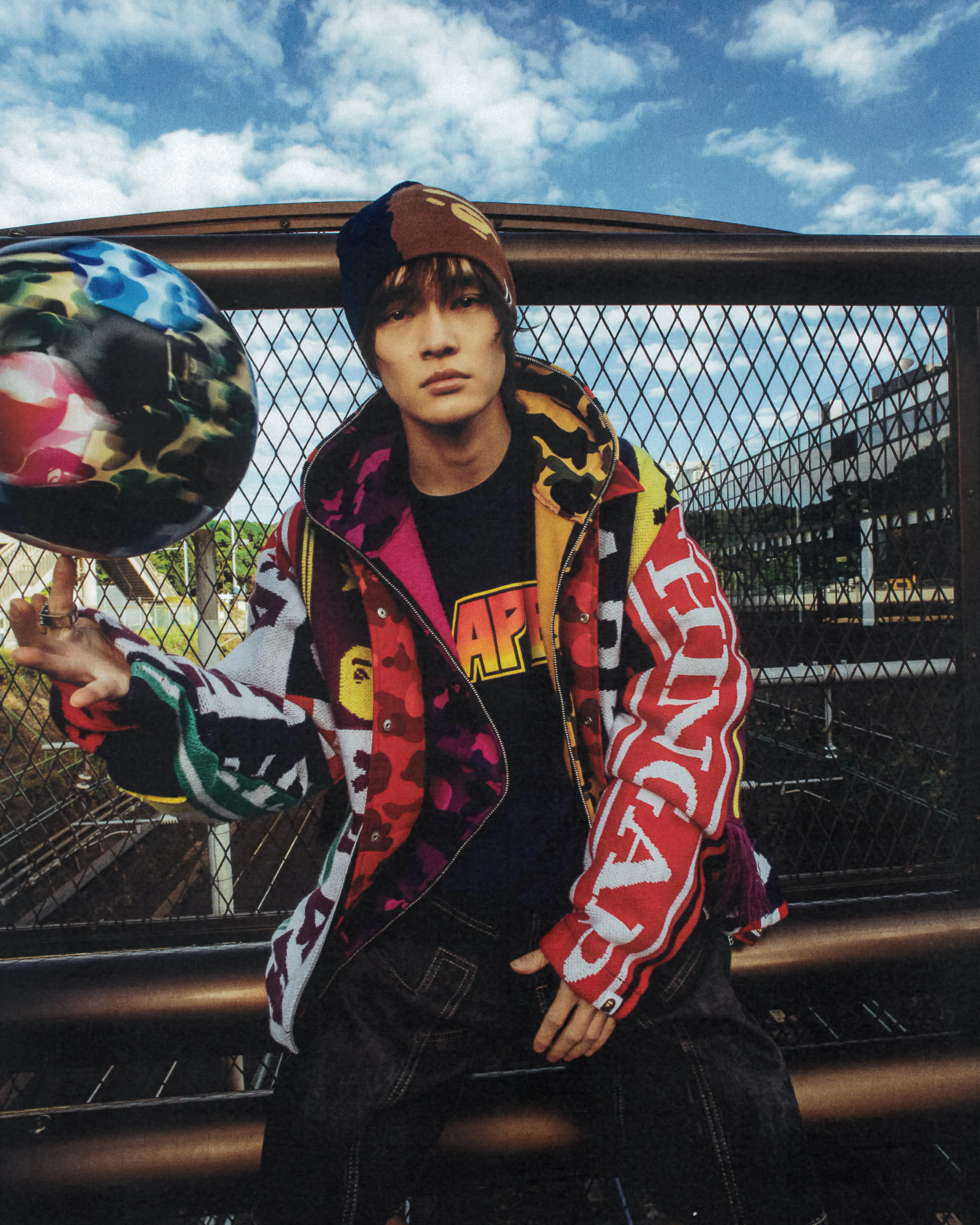
For many, this era represents a time of vibrant creativity, technological anticipation, and a more “analog, personal” existence that contrasts sharply with today’s hyper-digital landscape. The boldness and playful personality of “Y2K” fashion also offer a refreshing break from prevailing minimalist trends. Social media, of course, has been a key amplifier, turning regional nostalgia into a global, shareable aesthetic.
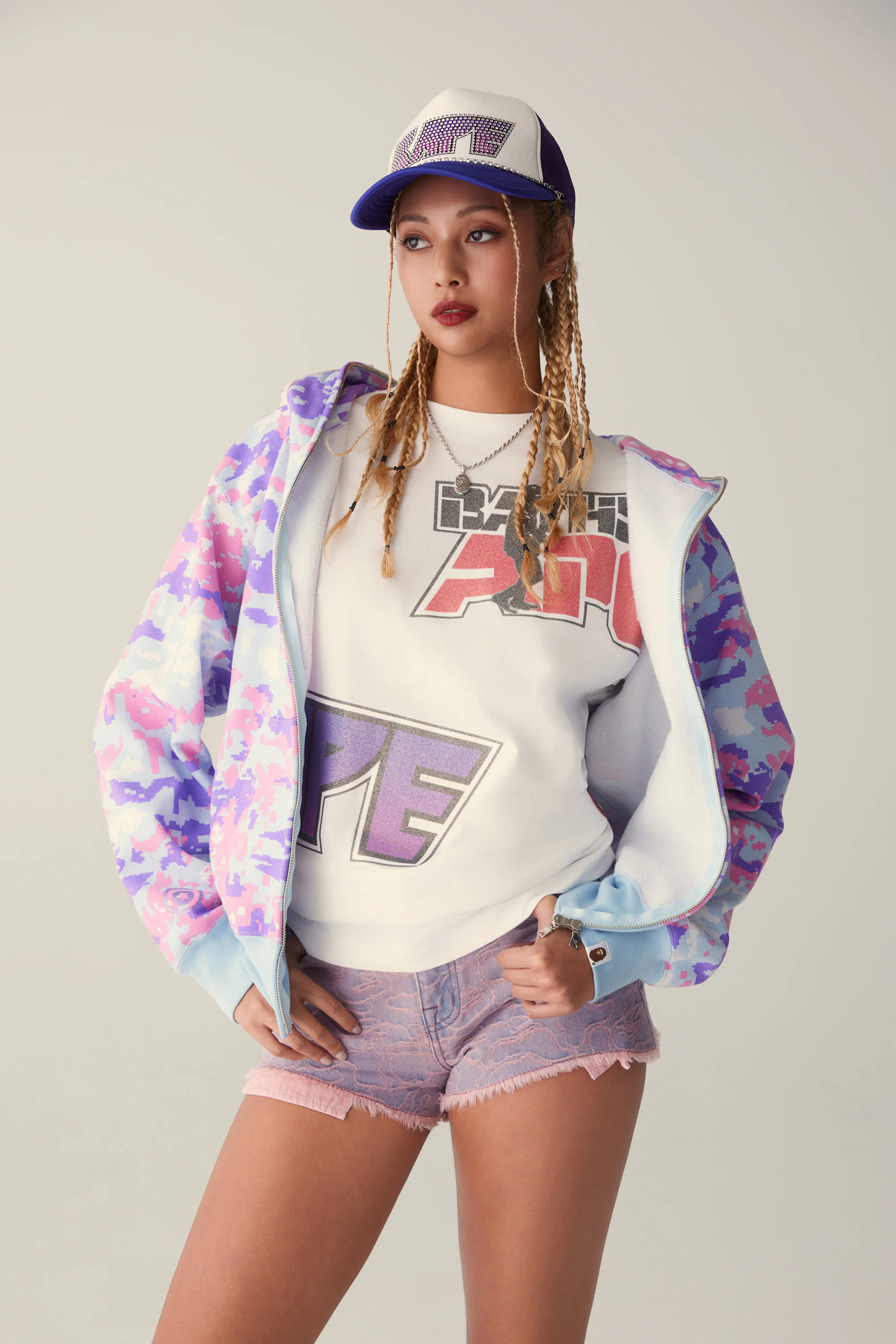
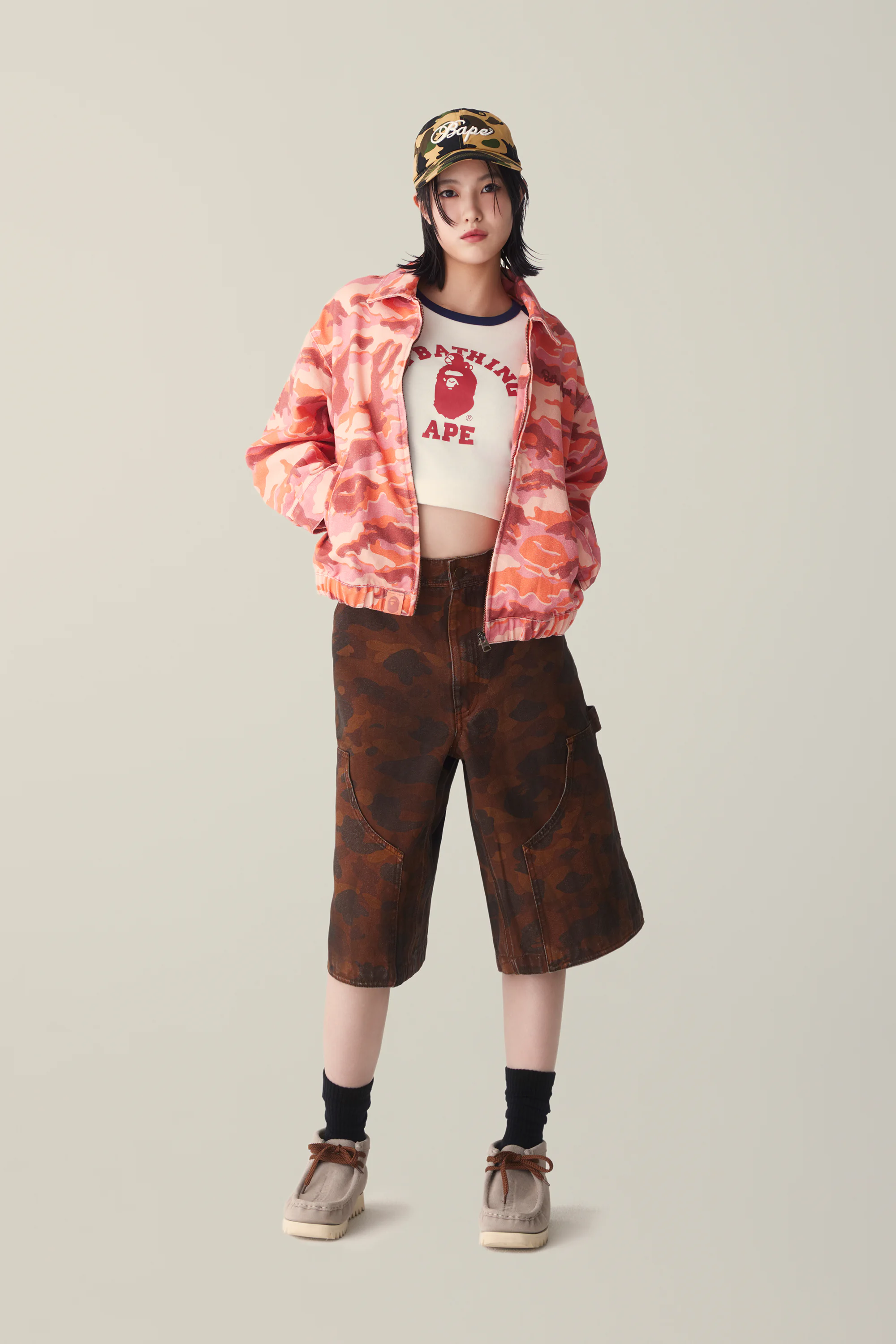
What this all signals is a profound cultural reconnection, bridging generations and creating a shared emotional space where self-expression flourishes through the reimagining of a captivating past.

All images from A Bathing Ape.

NEWSLETTER

Get weekly top picks and exclusive, newsletter only content delivered straight to you inbox.

NEWSLETTER

Get weekly top picks and exclusive, newsletter only content delivered straight to you inbox.

RADII NEWSLETTER

Get weekly top picks and exclusive, newsletter only content delivered straight to you inbox

Feature image of Does BAPE’s “GOLDEN ERA” Drop Signal Gen Z’s Continued Pining for a Past They Never Had?

Does BAPE’s “GOLDEN ERA” Drop Signal Gen Z’s Continued Pining for a Past They Never Had?

2 mins read

RADII looks at how A Bathing Ape's SS26 "GOLDEN ERA" collection redefines early 2000s streetwear for a new generation obsessed with retro aesthetics and cultural reconnection.

BAPE’s Spring/Summer 2026 collection, aptly titled “GOLDEN ERA,” is a vibrant declaration: 2026 is the new 2006. The legendary streetwear brand, which has long been under Hong Kong‘s I.T brand, is diving deep into its archives, pulling inspiration from its iconic early 2000s aesthetics. The drop serves as a strategic embrace of a global “nostalgia wave” that continues to captivate youth culture, particularly across Asia.

While not the only brand to hark back to its “golden era,” BAPE’s collection does it incredibly well—they were, after all, at the top of their game back then. For this new reinterpratation, expect a rich tapestry of early BAPE vibes, from innovative Multi Pixel Camo and Glitch Woodland Camo to the playful, comic-book-inspired Bapeman-X hoodies with mesh eye panels. OG varsity jackets and football-inspired jerseys channel the era’s sporty energy, while the ladies’ line offers a “lo-fi” aesthetic with exclusive pink-orange palettes and rhinestone Baby Milo accessories.

A thoughtful nod to heritage comes through the Japanese Indigo Art Camo, blending traditional artisanal dyeing with BAPE’s signature Line Camo. The campaign, set against Tokyo’s Shibuya rooftops and traditional houses with surreal television installations broadcasting archival visuals, perfectly encapsulates this blend of past and present.

This cultural phenomenon, where brands like BAPE are wholeheartedly jumping on the Y2K and early 2000s bandwagon, speaks volumes about the contemporary audience. For Asia’s youth, this obsession is multi-layered. It taps into a predictable 20-year fashion cycle, making these styles feel fresh and exciting for a generation that didn’t experience them firsthand. The Heisei era (late ’80s to early 2010s) was a period of immense cultural dynamism in Japan, shaping youth identity through iconic anime, video games, and fashion.

For many, this era represents a time of vibrant creativity, technological anticipation, and a more “analog, personal” existence that contrasts sharply with today’s hyper-digital landscape. The boldness and playful personality of “Y2K” fashion also offer a refreshing break from prevailing minimalist trends. Social media, of course, has been a key amplifier, turning regional nostalgia into a global, shareable aesthetic.
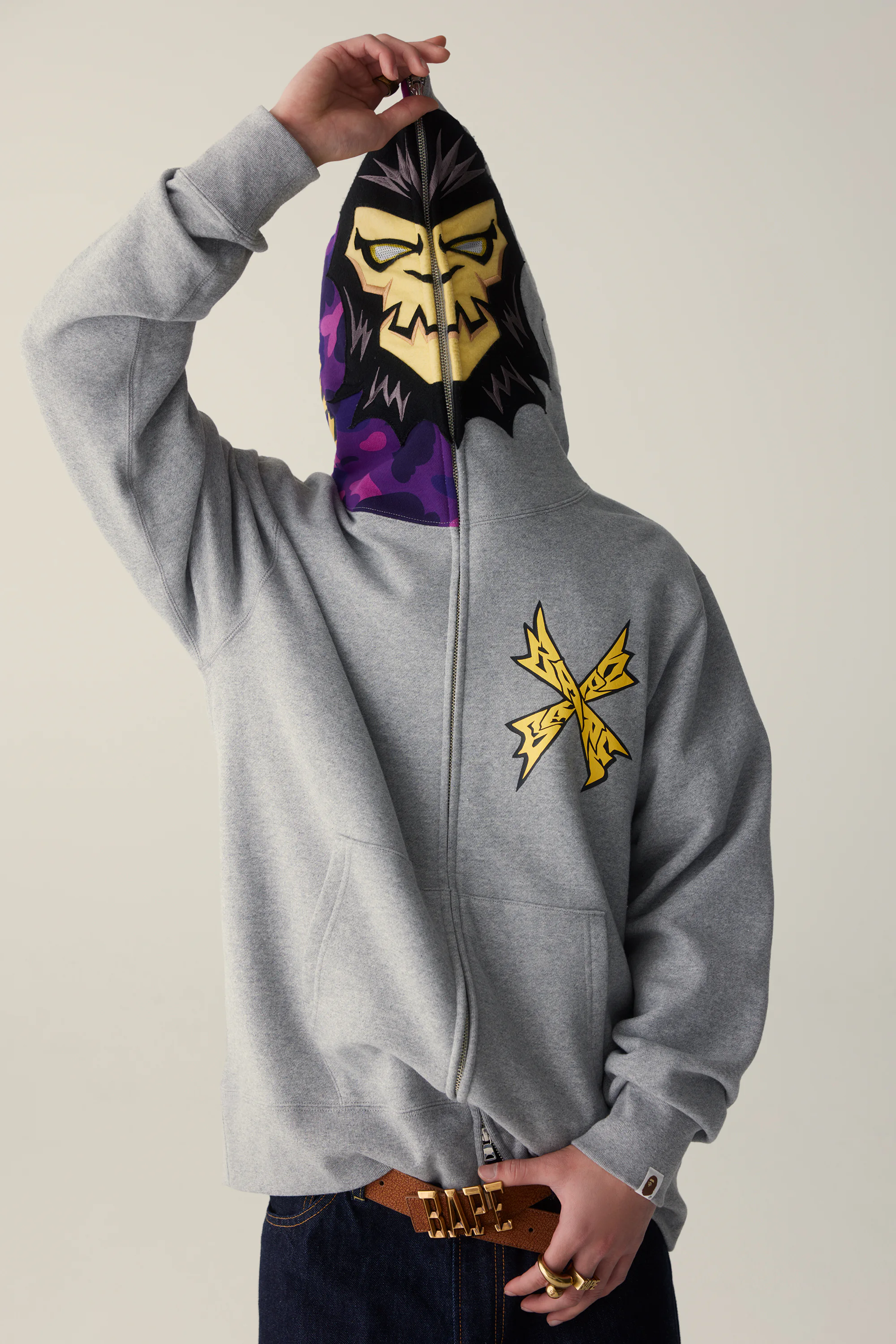
What this all signals is a profound cultural reconnection, bridging generations and creating a shared emotional space where self-expression flourishes through the reimagining of a captivating past.

All images from A Bathing Ape.

NEWSLETTER

Get weekly top picks and exclusive, newsletter only content delivered straight to you inbox.

RADII NEWSLETTER

Get weekly top picks and exclusive, newsletter only content delivered straight to you inbox

RELATED POSTS

Feature image of Does BAPE’s “GOLDEN ERA” Drop Signal Gen Z’s Continued Pining for a Past They Never Had?

Does BAPE’s “GOLDEN ERA” Drop Signal Gen Z’s Continued Pining for a Past They Never Had?

2 mins read

2 mins read

Feature image of Does BAPE’s “GOLDEN ERA” Drop Signal Gen Z’s Continued Pining for a Past They Never Had?
RADII looks at how A Bathing Ape's SS26 "GOLDEN ERA" collection redefines early 2000s streetwear for a new generation obsessed with retro aesthetics and cultural reconnection.

BAPE’s Spring/Summer 2026 collection, aptly titled “GOLDEN ERA,” is a vibrant declaration: 2026 is the new 2006. The legendary streetwear brand, which has long been under Hong Kong‘s I.T brand, is diving deep into its archives, pulling inspiration from its iconic early 2000s aesthetics. The drop serves as a strategic embrace of a global “nostalgia wave” that continues to captivate youth culture, particularly across Asia.

While not the only brand to hark back to its “golden era,” BAPE’s collection does it incredibly well—they were, after all, at the top of their game back then. For this new reinterpratation, expect a rich tapestry of early BAPE vibes, from innovative Multi Pixel Camo and Glitch Woodland Camo to the playful, comic-book-inspired Bapeman-X hoodies with mesh eye panels. OG varsity jackets and football-inspired jerseys channel the era’s sporty energy, while the ladies’ line offers a “lo-fi” aesthetic with exclusive pink-orange palettes and rhinestone Baby Milo accessories.

A thoughtful nod to heritage comes through the Japanese Indigo Art Camo, blending traditional artisanal dyeing with BAPE’s signature Line Camo. The campaign, set against Tokyo’s Shibuya rooftops and traditional houses with surreal television installations broadcasting archival visuals, perfectly encapsulates this blend of past and present.

This cultural phenomenon, where brands like BAPE are wholeheartedly jumping on the Y2K and early 2000s bandwagon, speaks volumes about the contemporary audience. For Asia’s youth, this obsession is multi-layered. It taps into a predictable 20-year fashion cycle, making these styles feel fresh and exciting for a generation that didn’t experience them firsthand. The Heisei era (late ’80s to early 2010s) was a period of immense cultural dynamism in Japan, shaping youth identity through iconic anime, video games, and fashion.

For many, this era represents a time of vibrant creativity, technological anticipation, and a more “analog, personal” existence that contrasts sharply with today’s hyper-digital landscape. The boldness and playful personality of “Y2K” fashion also offer a refreshing break from prevailing minimalist trends. Social media, of course, has been a key amplifier, turning regional nostalgia into a global, shareable aesthetic.

What this all signals is a profound cultural reconnection, bridging generations and creating a shared emotional space where self-expression flourishes through the reimagining of a captivating past.

All images from A Bathing Ape.

NEWSLETTER

Get weekly top picks and exclusive, newsletter only content delivered straight to you inbox.

NEWSLETTER

Get weekly top picks and exclusive, newsletter only content delivered straight to you inbox.

RADII NEWSLETTER

Get weekly top picks and exclusive, newsletter only content delivered straight to you inbox

Feature image of Does BAPE’s “GOLDEN ERA” Drop Signal Gen Z’s Continued Pining for a Past They Never Had?

Does BAPE’s “GOLDEN ERA” Drop Signal Gen Z’s Continued Pining for a Past They Never Had?

2 mins read

RADII looks at how A Bathing Ape's SS26 "GOLDEN ERA" collection redefines early 2000s streetwear for a new generation obsessed with retro aesthetics and cultural reconnection.

BAPE’s Spring/Summer 2026 collection, aptly titled “GOLDEN ERA,” is a vibrant declaration: 2026 is the new 2006. The legendary streetwear brand, which has long been under Hong Kong‘s I.T brand, is diving deep into its archives, pulling inspiration from its iconic early 2000s aesthetics. The drop serves as a strategic embrace of a global “nostalgia wave” that continues to captivate youth culture, particularly across Asia.

While not the only brand to hark back to its “golden era,” BAPE’s collection does it incredibly well—they were, after all, at the top of their game back then. For this new reinterpratation, expect a rich tapestry of early BAPE vibes, from innovative Multi Pixel Camo and Glitch Woodland Camo to the playful, comic-book-inspired Bapeman-X hoodies with mesh eye panels. OG varsity jackets and football-inspired jerseys channel the era’s sporty energy, while the ladies’ line offers a “lo-fi” aesthetic with exclusive pink-orange palettes and rhinestone Baby Milo accessories.

A thoughtful nod to heritage comes through the Japanese Indigo Art Camo, blending traditional artisanal dyeing with BAPE’s signature Line Camo. The campaign, set against Tokyo’s Shibuya rooftops and traditional houses with surreal television installations broadcasting archival visuals, perfectly encapsulates this blend of past and present.

This cultural phenomenon, where brands like BAPE are wholeheartedly jumping on the Y2K and early 2000s bandwagon, speaks volumes about the contemporary audience. For Asia’s youth, this obsession is multi-layered. It taps into a predictable 20-year fashion cycle, making these styles feel fresh and exciting for a generation that didn’t experience them firsthand. The Heisei era (late ’80s to early 2010s) was a period of immense cultural dynamism in Japan, shaping youth identity through iconic anime, video games, and fashion.

For many, this era represents a time of vibrant creativity, technological anticipation, and a more “analog, personal” existence that contrasts sharply with today’s hyper-digital landscape. The boldness and playful personality of “Y2K” fashion also offer a refreshing break from prevailing minimalist trends. Social media, of course, has been a key amplifier, turning regional nostalgia into a global, shareable aesthetic.

What this all signals is a profound cultural reconnection, bridging generations and creating a shared emotional space where self-expression flourishes through the reimagining of a captivating past.

All images from A Bathing Ape.
NEWSLETTER

Get weekly top picks and exclusive, newsletter only content delivered straight to you inbox.

RADII NEWSLETTER

Get weekly top picks and exclusive, newsletter only content delivered straight to you inbox

NEWSLETTER​

Get weekly top picks and exclusive, newsletter only content delivered straight to you inbox

RADII Newsletter Pop Up small banner

NEWSLETTER

Get weekly top picks and exclusive, newsletter only content delivered straight to you inbox.

Link Copied!

Share

Feature image of Does BAPE’s “GOLDEN ERA” Drop Signal Gen Z’s Continued Pining for a Past They Never Had?

Does BAPE’s “GOLDEN ERA” Drop Signal Gen Z’s Continued Pining for a Past They Never Had?

RADII looks at how A Bathing Ape's SS26 "GOLDEN ERA" collection redefines early 2000s streetwear for a new generation obsessed with retro aesthetics and cultural reconnection.

PULSE

Tap into the latest in music, fashion, art, design, entertainment, pop culture, celebrity news, and contemporary culture

DISCOVER

Embark on a journey through food, travel, wellness, heritage, traditional culture, and lifestyle

STYLE

An insider’s look at the intersection of fashion, art, and design

FEAST

Titillate your taste buds with coverage of the best food and drink trends from China and beyond.

FUTURE

Explore the cutting edge in tech, AI, gadgets, gaming, and innovative tech-related products

FEAST

Titillate your taste buds with coverage of the best food and drink trends from China and beyond

STYLE

An insider’s look at the intersection of fashion, art, and design

PULSE

Unpacking Chinese youth culture through coverage of nightlife, film, sports, celebrities, and the hottest new music