
Feature image of Divine Disconnect: The Abandoned Buddhas of Chongshan Village

Divine Disconnect: The Abandoned Buddhas of Chongshan Village

2 mins read

2 mins read

Feature image of Divine Disconnect: The Abandoned Buddhas of Chongshan Village
As tech and AI modernize Buddhism worldwide, what does the future hold for the hundreds of abandoned deities resting in Chongshan Village?

Where Do the Gods Go to Retire?

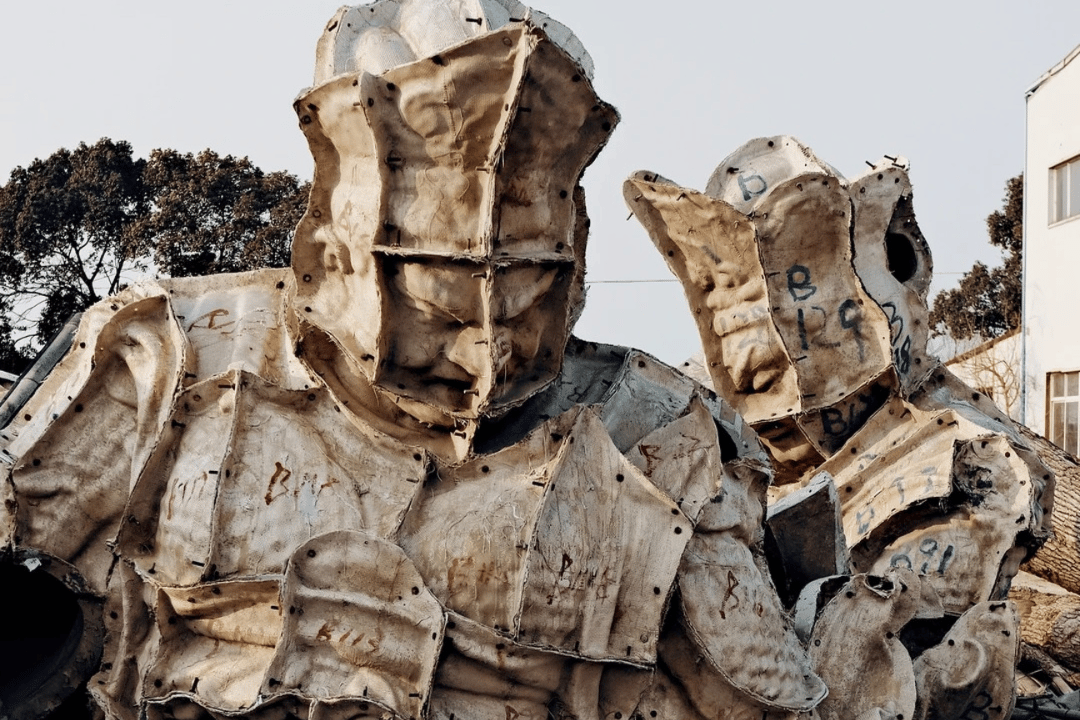
If you take a stroll through the fields of Chongshan Village in Suzhou, you might stumble upon a sight that feels straight out of a dystopian fantasy: hundreds of abandoned Buddha and deity statues sitting silently in the dirt. Originally cast aside from temples undergoing renovations, relocated shrines, or defunct factories, these forgotten icons have turned Chongshan into an unintentional graveyard for the divine.
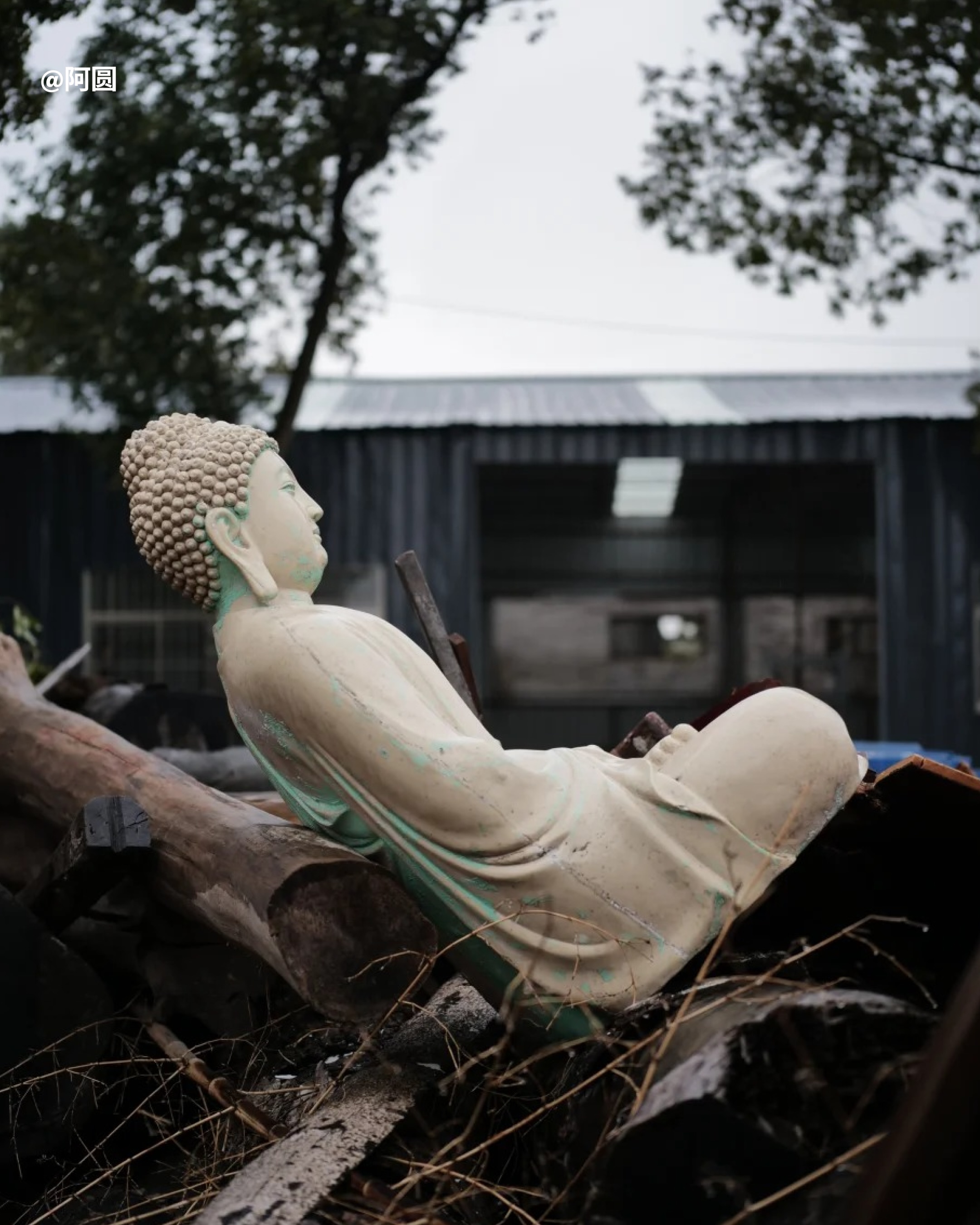
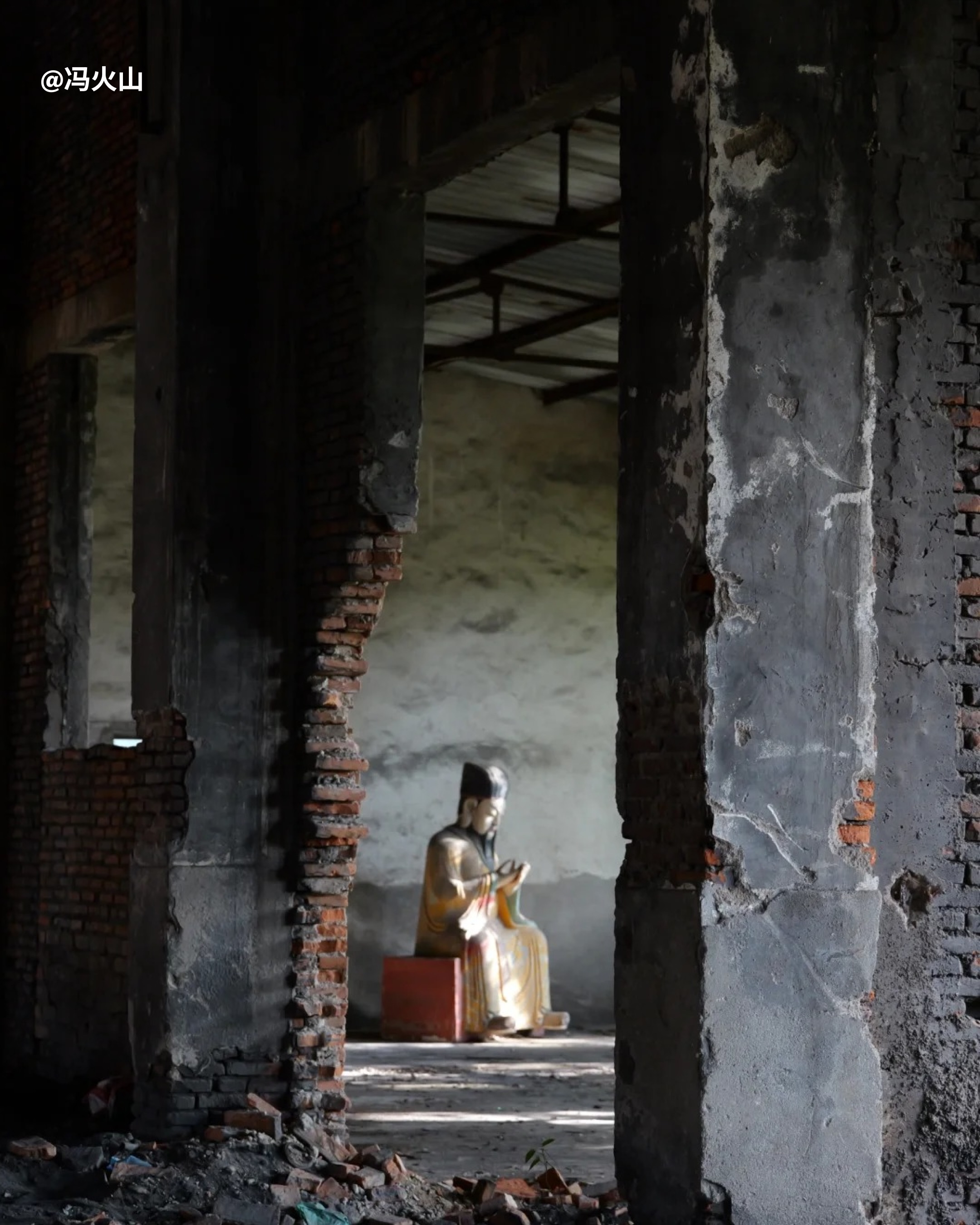
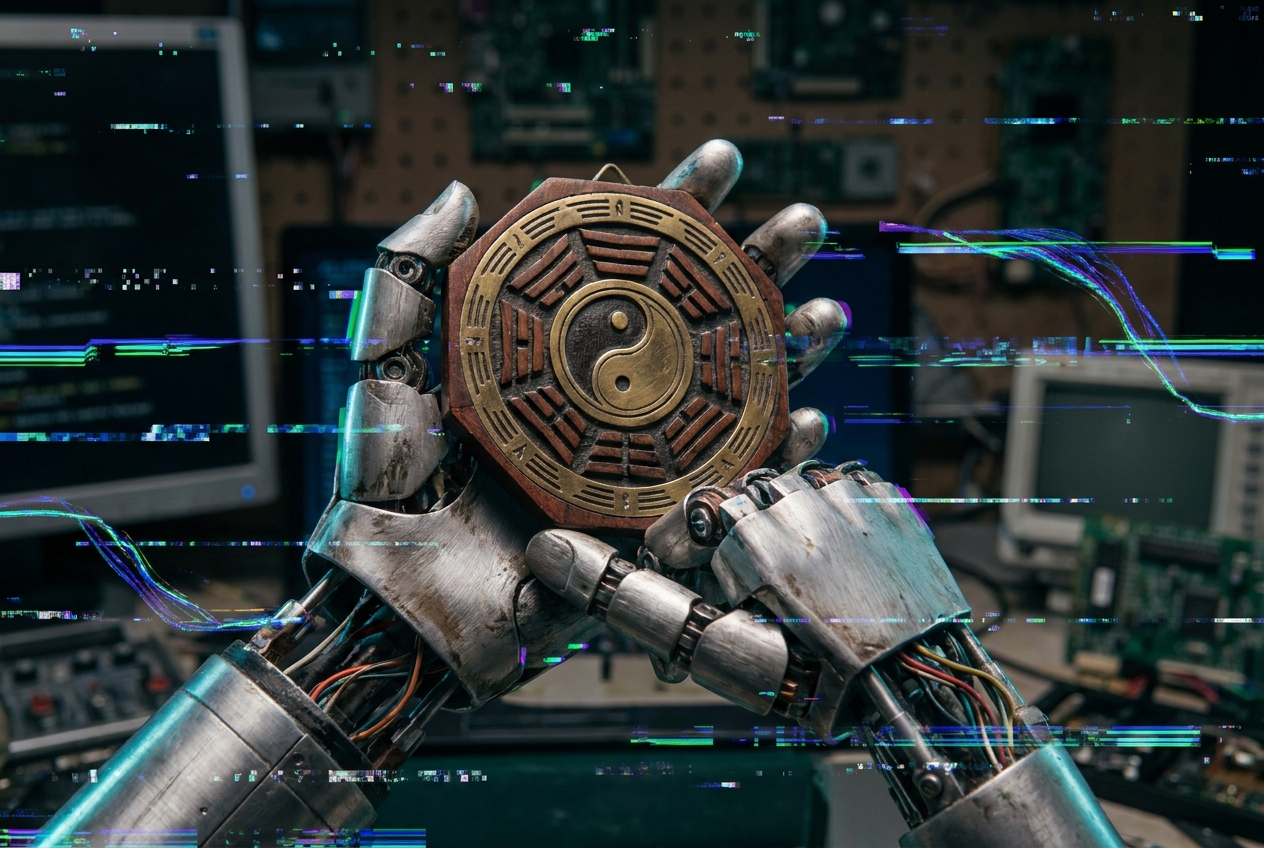
But for a new generation steeped in tech, it raises an exciting and bizarre question: what’s going to happen to all these abandoned Buddhas? As they weather the elements, they stand in stark contrast to the rapidly modernizing world of religion.

While the Chongshan Buddhas sit frozen in time, the rest of the Buddhist world is getting tech upgrades—for better or worse. Tradition is increasingly colliding with cutting-edge technology, proving that even ancient wisdom has a place in the digital era.
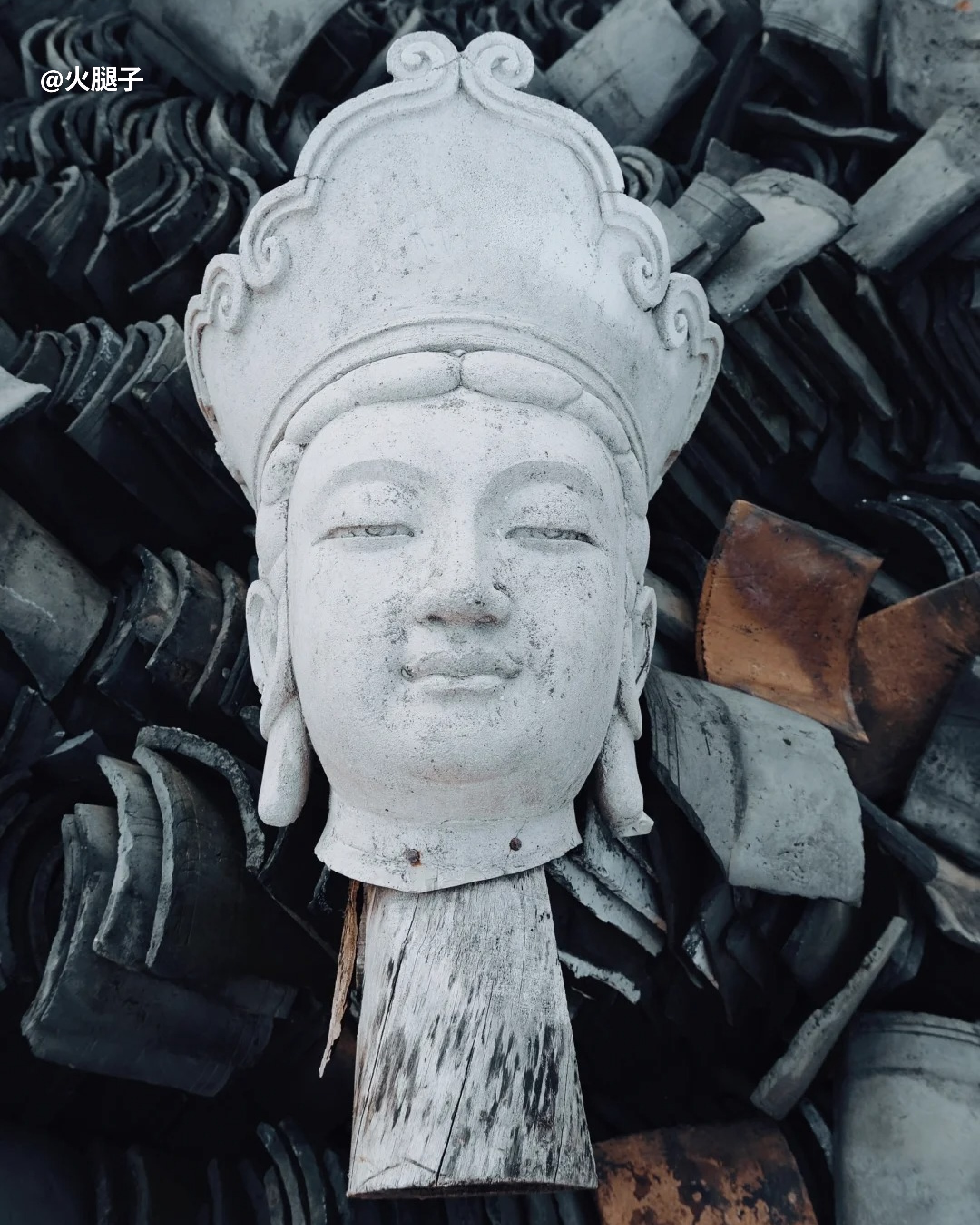
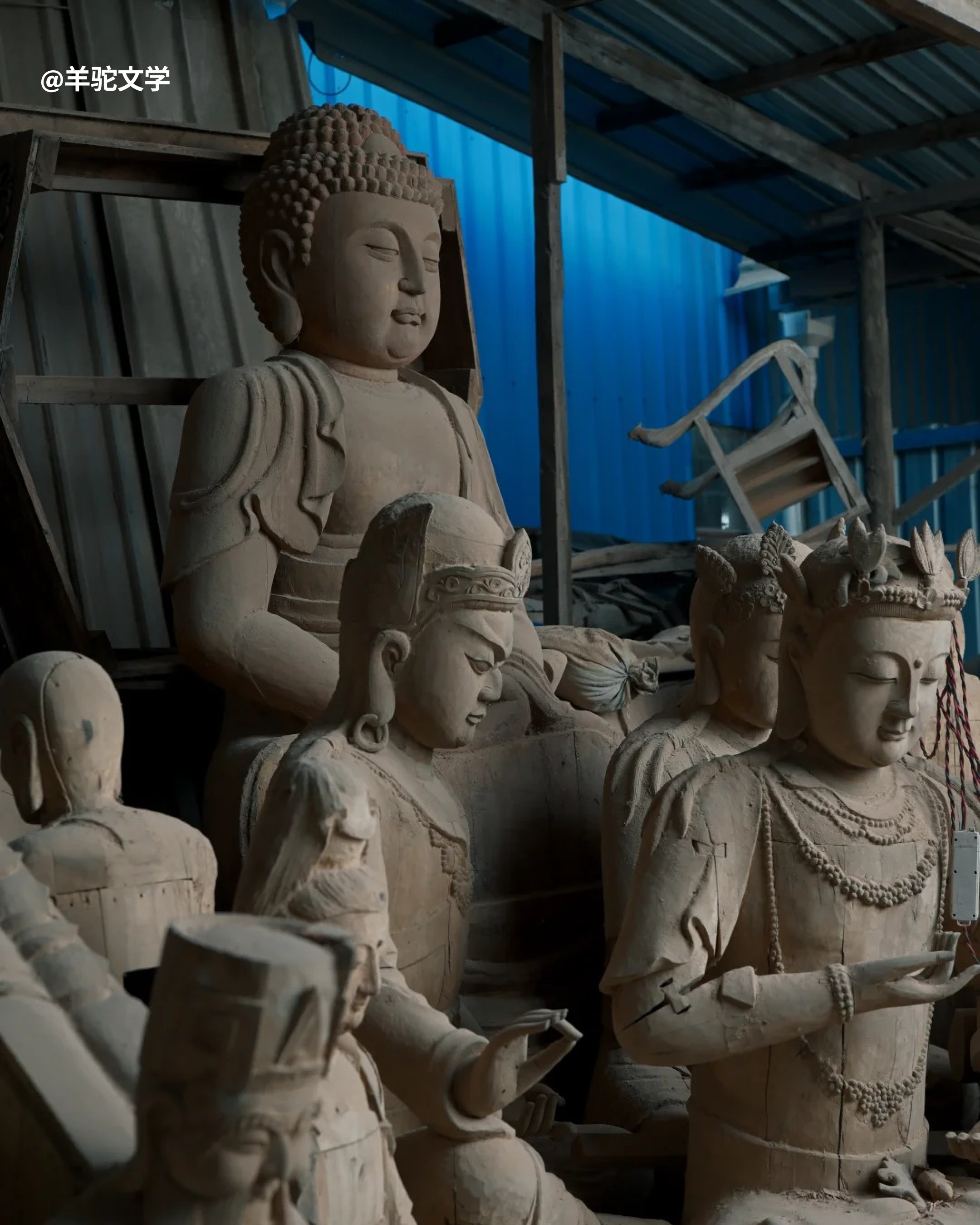
Take Japan’s Kodaiji Temple, for instance, which made global headlines by introducing Mindar, a $1 million robotic priest modeled after Kannon, the Buddhist deity of mercy. Mindar is designed to recite the Heart Sutra, complete with English and Chinese projections, engaging younger audiences who might feel disconnected from traditional monks.
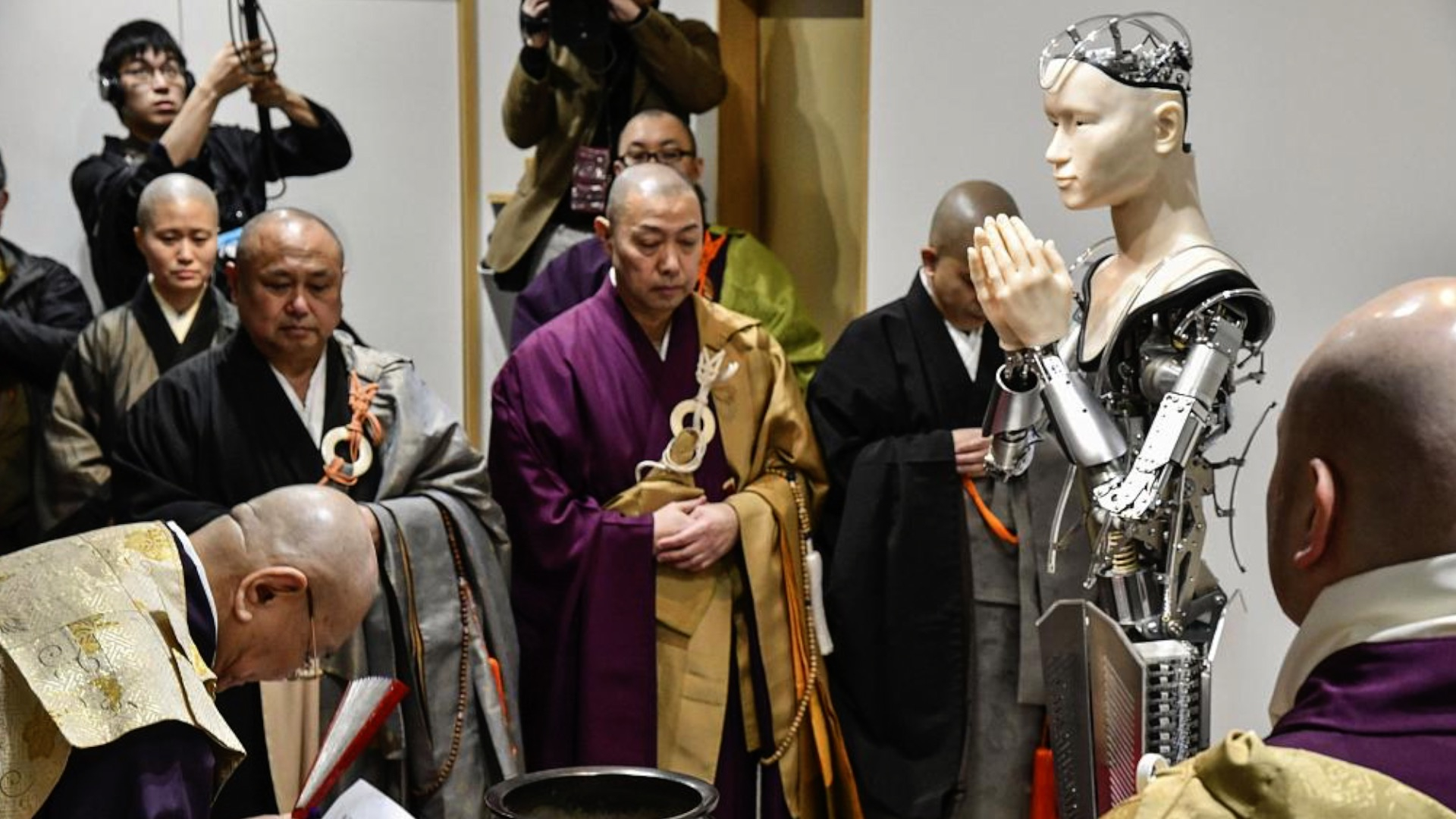
The robotic priest Mindar, a groundbreaking development within Japan’s religious landscape. Image via CGTN.

In other tech-forward leaps, developers have launched AI chatbots trained entirely on Buddhist scriptures. These virtual gurus offer 24/7 mindfulness advice and spiritual guidance, putting enlightenment right in your pocket. There are even digital merit-making apps where you can offer virtual incense or electronic lotus flowers to cyber-shrines.
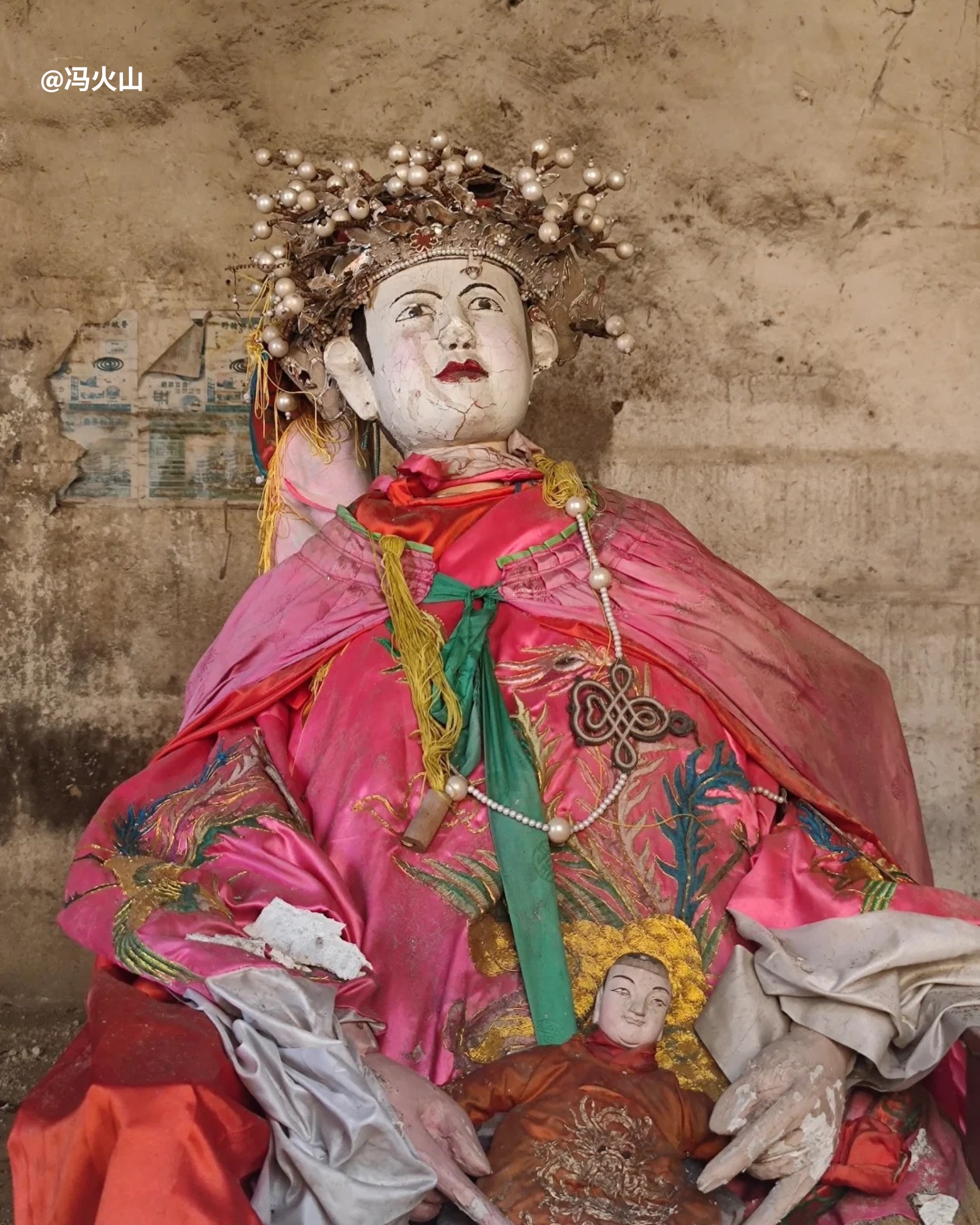
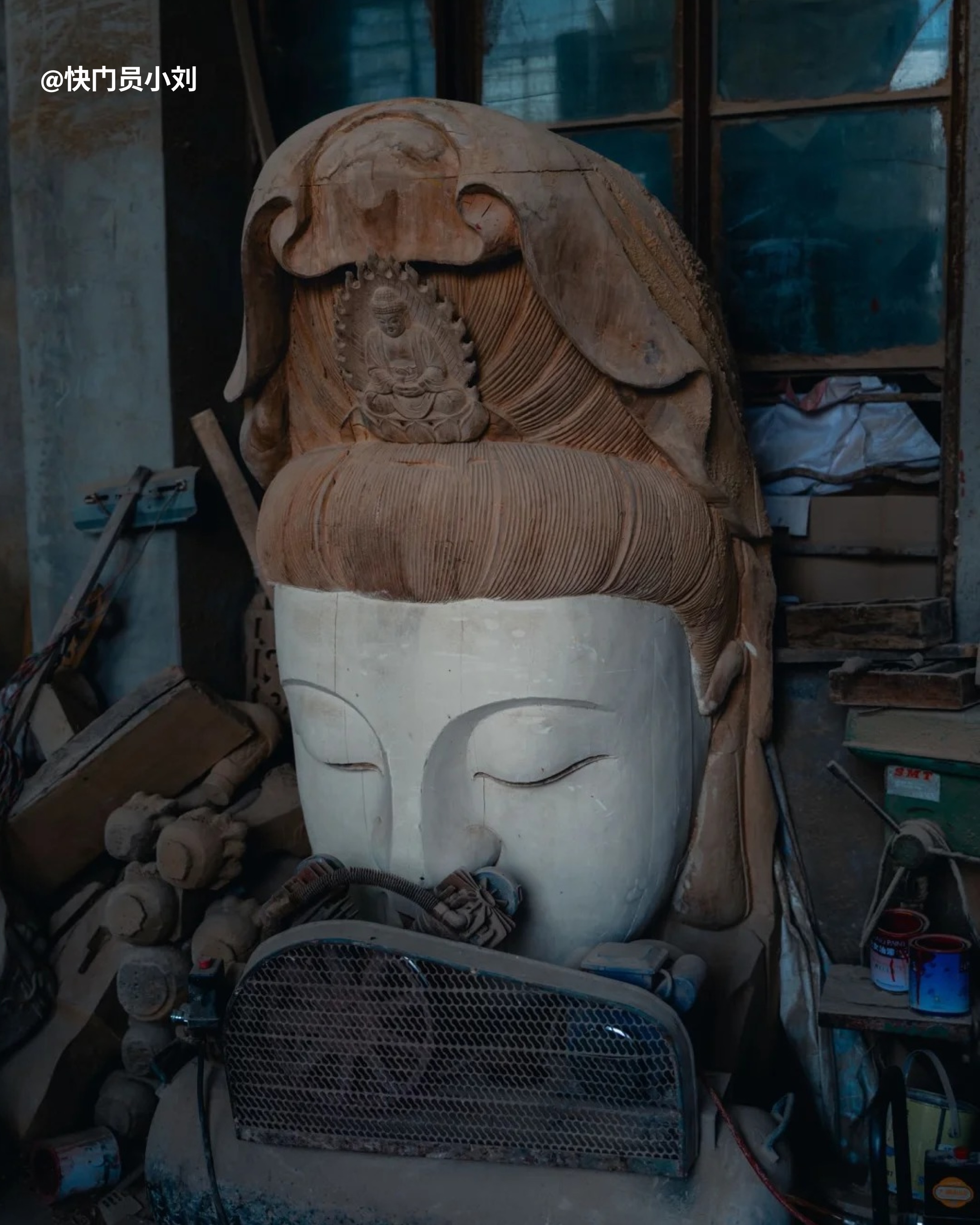
The juxtaposition is wild. On one hand, you have the tangible, decaying relics of Chongshan Village—a physical reminder of devotion past. On the other, you have robotic deities and AI bodhisattvas paving the way for the future of faith. Perhaps there’s an opportunity here: could AR or VR revive Chongshan’s forgotten gods in a digital metaverse? Until then, the Buddhas of Chongshan continue their silent meditation, waiting for their next awakening.

All images (unless stated otherwise) via Xiaohongshu.

NEWSLETTER

Get weekly top picks and exclusive, newsletter only content delivered straight to you inbox.

NEWSLETTER

Get weekly top picks and exclusive, newsletter only content delivered straight to you inbox.

RADII NEWSLETTER

Get weekly top picks and exclusive, newsletter only content delivered straight to you inbox

Feature image of Divine Disconnect: The Abandoned Buddhas of Chongshan Village

Divine Disconnect: The Abandoned Buddhas of Chongshan Village

2 mins read

As tech and AI modernize Buddhism worldwide, what does the future hold for the hundreds of abandoned deities resting in Chongshan Village?

Where Do the Gods Go to Retire?

If you take a stroll through the fields of Chongshan Village in Suzhou, you might stumble upon a sight that feels straight out of a dystopian fantasy: hundreds of abandoned Buddha and deity statues sitting silently in the dirt. Originally cast aside from temples undergoing renovations, relocated shrines, or defunct factories, these forgotten icons have turned Chongshan into an unintentional graveyard for the divine.

But for a new generation steeped in tech, it raises an exciting and bizarre question: what’s going to happen to all these abandoned Buddhas? As they weather the elements, they stand in stark contrast to the rapidly modernizing world of religion.

While the Chongshan Buddhas sit frozen in time, the rest of the Buddhist world is getting tech upgrades—for better or worse. Tradition is increasingly colliding with cutting-edge technology, proving that even ancient wisdom has a place in the digital era.

Take Japan’s Kodaiji Temple, for instance, which made global headlines by introducing Mindar, a $1 million robotic priest modeled after Kannon, the Buddhist deity of mercy. Mindar is designed to recite the Heart Sutra, complete with English and Chinese projections, engaging younger audiences who might feel disconnected from traditional monks.

The robotic priest Mindar, a groundbreaking development within Japan’s religious landscape. Image via CGTN.

In other tech-forward leaps, developers have launched AI chatbots trained entirely on Buddhist scriptures. These virtual gurus offer 24/7 mindfulness advice and spiritual guidance, putting enlightenment right in your pocket. There are even digital merit-making apps where you can offer virtual incense or electronic lotus flowers to cyber-shrines.
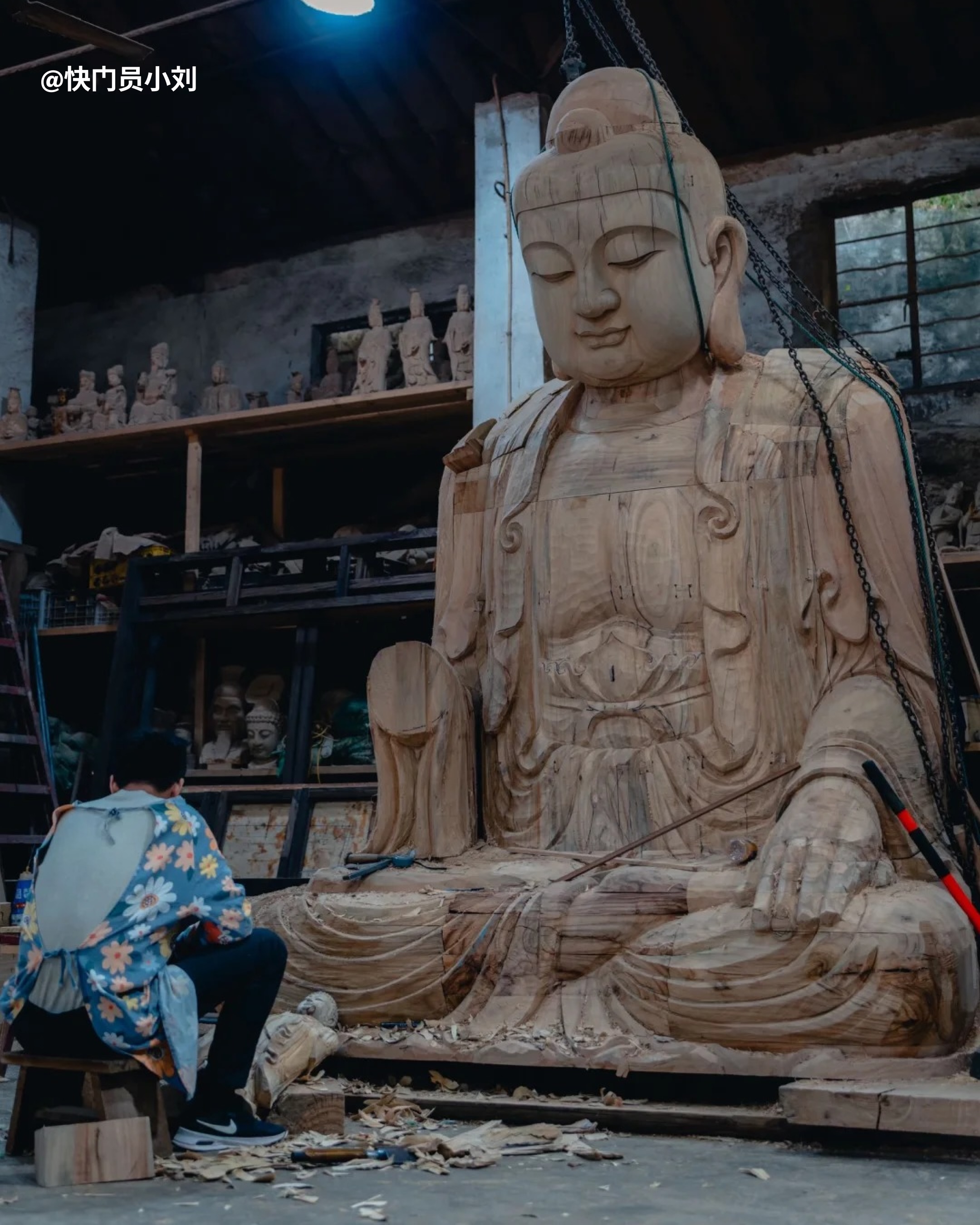
The juxtaposition is wild. On one hand, you have the tangible, decaying relics of Chongshan Village—a physical reminder of devotion past. On the other, you have robotic deities and AI bodhisattvas paving the way for the future of faith. Perhaps there’s an opportunity here: could AR or VR revive Chongshan’s forgotten gods in a digital metaverse? Until then, the Buddhas of Chongshan continue their silent meditation, waiting for their next awakening.

All images (unless stated otherwise) via Xiaohongshu.

NEWSLETTER

Get weekly top picks and exclusive, newsletter only content delivered straight to you inbox.

RADII NEWSLETTER

Get weekly top picks and exclusive, newsletter only content delivered straight to you inbox

RELATED POSTS

Feature image of Divine Disconnect: The Abandoned Buddhas of Chongshan Village

Divine Disconnect: The Abandoned Buddhas of Chongshan Village

2 mins read

2 mins read

Feature image of Divine Disconnect: The Abandoned Buddhas of Chongshan Village
As tech and AI modernize Buddhism worldwide, what does the future hold for the hundreds of abandoned deities resting in Chongshan Village?

Where Do the Gods Go to Retire?

If you take a stroll through the fields of Chongshan Village in Suzhou, you might stumble upon a sight that feels straight out of a dystopian fantasy: hundreds of abandoned Buddha and deity statues sitting silently in the dirt. Originally cast aside from temples undergoing renovations, relocated shrines, or defunct factories, these forgotten icons have turned Chongshan into an unintentional graveyard for the divine.

But for a new generation steeped in tech, it raises an exciting and bizarre question: what’s going to happen to all these abandoned Buddhas? As they weather the elements, they stand in stark contrast to the rapidly modernizing world of religion.

While the Chongshan Buddhas sit frozen in time, the rest of the Buddhist world is getting tech upgrades—for better or worse. Tradition is increasingly colliding with cutting-edge technology, proving that even ancient wisdom has a place in the digital era.

Take Japan’s Kodaiji Temple, for instance, which made global headlines by introducing Mindar, a $1 million robotic priest modeled after Kannon, the Buddhist deity of mercy. Mindar is designed to recite the Heart Sutra, complete with English and Chinese projections, engaging younger audiences who might feel disconnected from traditional monks.

The robotic priest Mindar, a groundbreaking development within Japan’s religious landscape. Image via CGTN.

In other tech-forward leaps, developers have launched AI chatbots trained entirely on Buddhist scriptures. These virtual gurus offer 24/7 mindfulness advice and spiritual guidance, putting enlightenment right in your pocket. There are even digital merit-making apps where you can offer virtual incense or electronic lotus flowers to cyber-shrines.

The juxtaposition is wild. On one hand, you have the tangible, decaying relics of Chongshan Village—a physical reminder of devotion past. On the other, you have robotic deities and AI bodhisattvas paving the way for the future of faith. Perhaps there’s an opportunity here: could AR or VR revive Chongshan’s forgotten gods in a digital metaverse? Until then, the Buddhas of Chongshan continue their silent meditation, waiting for their next awakening.

All images (unless stated otherwise) via Xiaohongshu.
NEWSLETTER

Get weekly top picks and exclusive, newsletter only content delivered straight to you inbox.

NEWSLETTER

Get weekly top picks and exclusive, newsletter only content delivered straight to you inbox.

RADII NEWSLETTER

Get weekly top picks and exclusive, newsletter only content delivered straight to you inbox

Feature image of Divine Disconnect: The Abandoned Buddhas of Chongshan Village

Divine Disconnect: The Abandoned Buddhas of Chongshan Village

2 mins read

As tech and AI modernize Buddhism worldwide, what does the future hold for the hundreds of abandoned deities resting in Chongshan Village?

Where Do the Gods Go to Retire?

If you take a stroll through the fields of Chongshan Village in Suzhou, you might stumble upon a sight that feels straight out of a dystopian fantasy: hundreds of abandoned Buddha and deity statues sitting silently in the dirt. Originally cast aside from temples undergoing renovations, relocated shrines, or defunct factories, these forgotten icons have turned Chongshan into an unintentional graveyard for the divine.

But for a new generation steeped in tech, it raises an exciting and bizarre question: what’s going to happen to all these abandoned Buddhas? As they weather the elements, they stand in stark contrast to the rapidly modernizing world of religion.

While the Chongshan Buddhas sit frozen in time, the rest of the Buddhist world is getting tech upgrades—for better or worse. Tradition is increasingly colliding with cutting-edge technology, proving that even ancient wisdom has a place in the digital era.

Take Japan’s Kodaiji Temple, for instance, which made global headlines by introducing Mindar, a $1 million robotic priest modeled after Kannon, the Buddhist deity of mercy. Mindar is designed to recite the Heart Sutra, complete with English and Chinese projections, engaging younger audiences who might feel disconnected from traditional monks.

The robotic priest Mindar, a groundbreaking development within Japan’s religious landscape. Image via CGTN.

In other tech-forward leaps, developers have launched AI chatbots trained entirely on Buddhist scriptures. These virtual gurus offer 24/7 mindfulness advice and spiritual guidance, putting enlightenment right in your pocket. There are even digital merit-making apps where you can offer virtual incense or electronic lotus flowers to cyber-shrines.

The juxtaposition is wild. On one hand, you have the tangible, decaying relics of Chongshan Village—a physical reminder of devotion past. On the other, you have robotic deities and AI bodhisattvas paving the way for the future of faith. Perhaps there’s an opportunity here: could AR or VR revive Chongshan’s forgotten gods in a digital metaverse? Until then, the Buddhas of Chongshan continue their silent meditation, waiting for their next awakening.

All images (unless stated otherwise) via Xiaohongshu.

NEWSLETTER

Get weekly top picks and exclusive, newsletter only content delivered straight to you inbox.

RADII NEWSLETTER

Get weekly top picks and exclusive, newsletter only content delivered straight to you inbox

RADII newsletter pop up visual

NEWSLETTER​

Get weekly top picks and exclusive, newsletter only content delivered straight to you inbox

RADII Newsletter Pop Up small banner

NEWSLETTER

Get weekly top picks and exclusive, newsletter only content delivered straight to you inbox.

Link Copied!

Share

Feature image of Divine Disconnect: The Abandoned Buddhas of Chongshan Village

Divine Disconnect: The Abandoned Buddhas of Chongshan Village

As tech and AI modernize Buddhism worldwide, what does the future hold for the hundreds of abandoned deities resting in Chongshan Village?

PULSE

Tap into the latest in music, fashion, art, design, entertainment, pop culture, celebrity news, and contemporary culture

DISCOVER

Embark on a journey through food, travel, wellness, heritage, traditional culture, and lifestyle

STYLE

An insider’s look at the intersection of fashion, art, and design

FEAST

Titillate your taste buds with coverage of the best food and drink trends from China and beyond.

FUTURE

Explore the cutting edge in tech, AI, gadgets, gaming, and innovative tech-related products

FEAST

Titillate your taste buds with coverage of the best food and drink trends from China and beyond

STYLE

An insider’s look at the intersection of fashion, art, and design

PULSE

Unpacking Chinese youth culture through coverage of nightlife, film, sports, celebrities, and the hottest new music