Wuxia (武侠), a genre of Chinese martial arts fiction centered on chivalry, justice, and the lives of wandering heroes, has a long literary history. But its modern golden age took shape in Hong Kong in the 1950s and continued through the following decades, when a generation of novelists transformed the genre through newspaper serials, memorable characters, and adaptations for film and television.
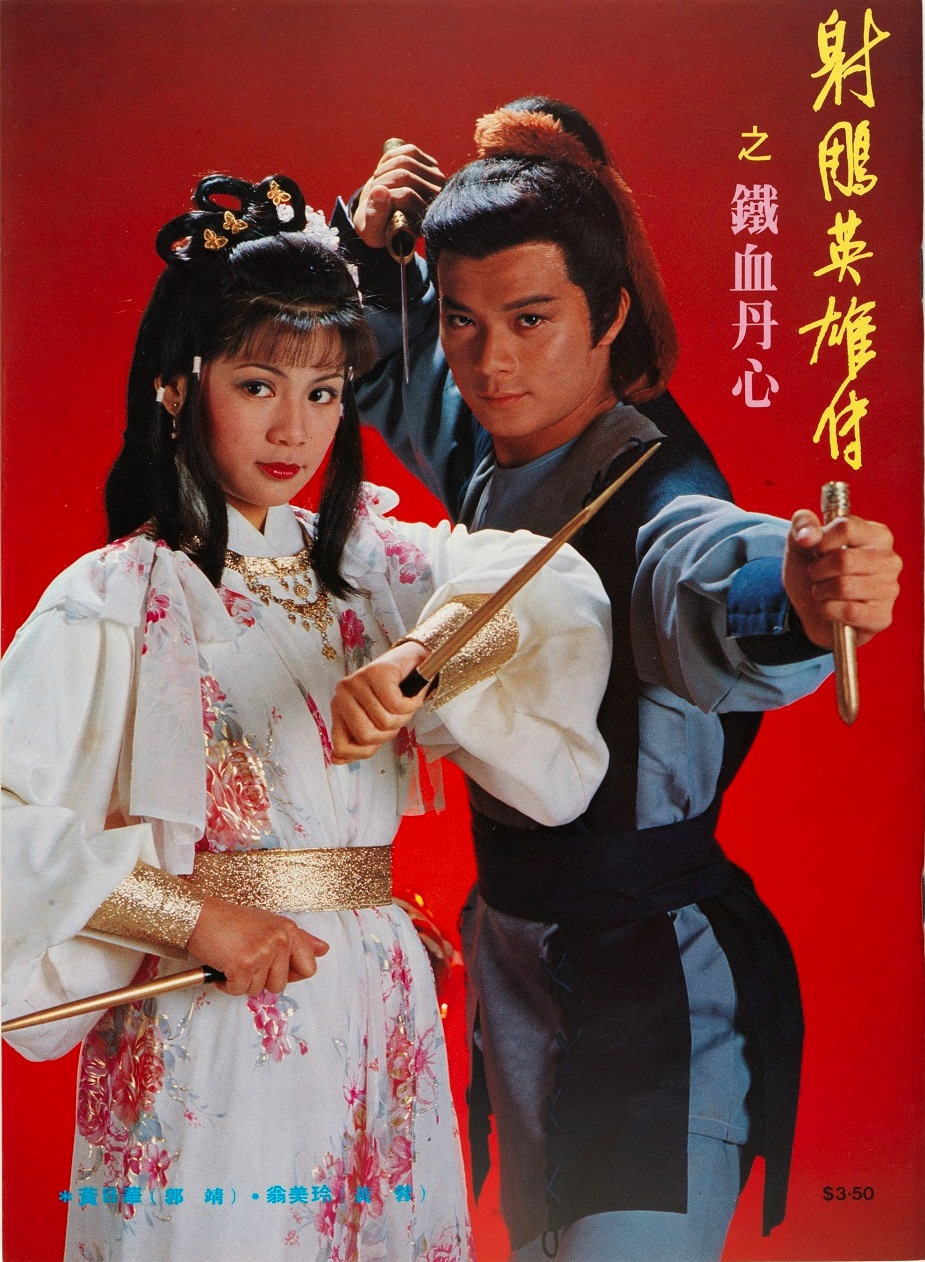
At the heart of this era stood Jin Yong (金庸), born Louis Cha Leung-yung (查良镛). A journalist and newspaper editor before becoming one of the genre’s defining novelists, he began publishing wuxia fiction in 1955. His novels, including The Legend of the Condor Heroes (射雕英雄传) and The Return of the Condor Heroes (神雕侠侣), hold an undisputed place in modern Chinese storytelling.
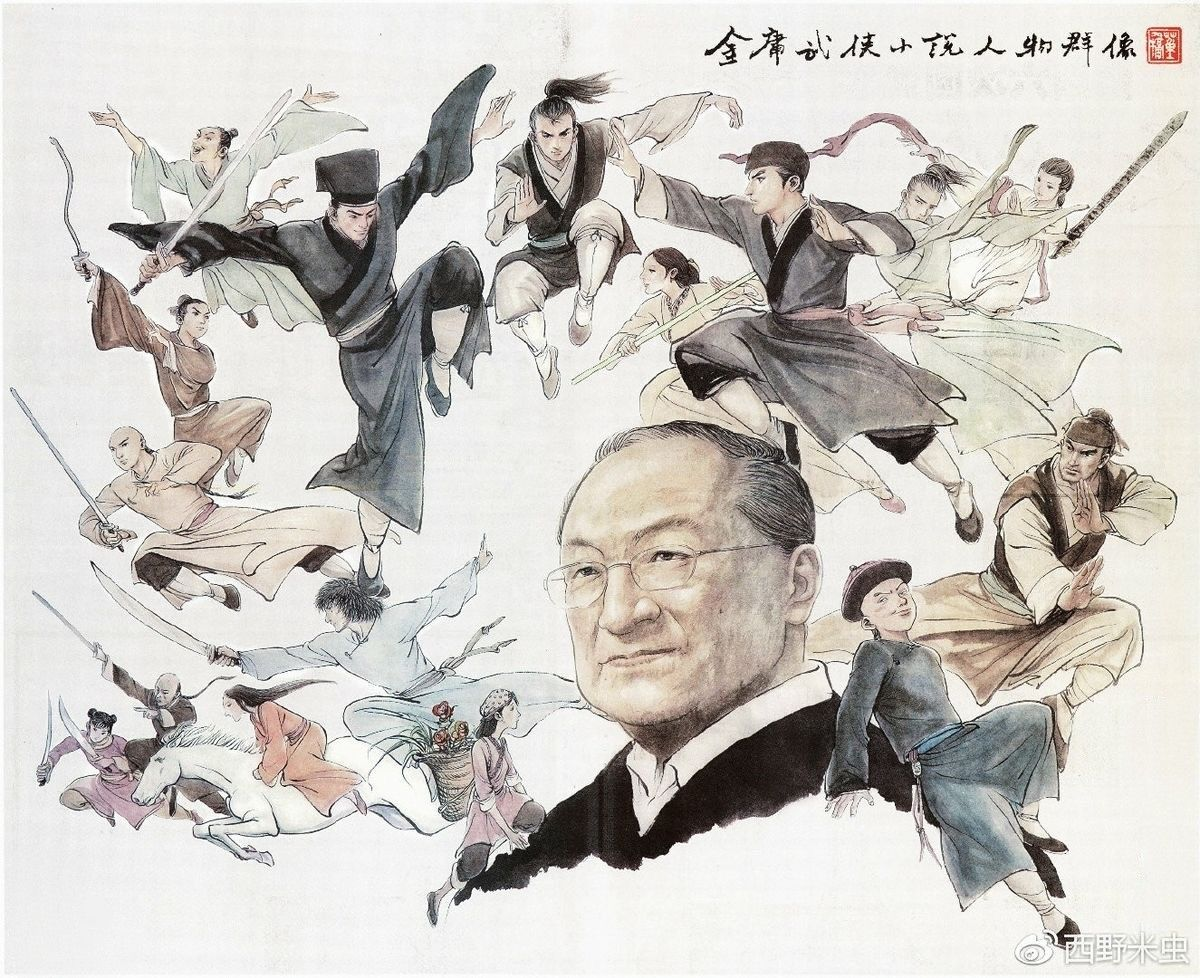
His fourteen novels are famously summarized by the opening characters of their titles: “飞雪连天射白鹿,笑书神侠倚碧鸳.” The couplet is more than a mnemonic. It also captures Jin Yong’s literary vision, in which the ideal of the xia (侠) reaches its highest expression in the famous dictum: “A true hero serves the people and the nation” (侠之大者,为国为民).
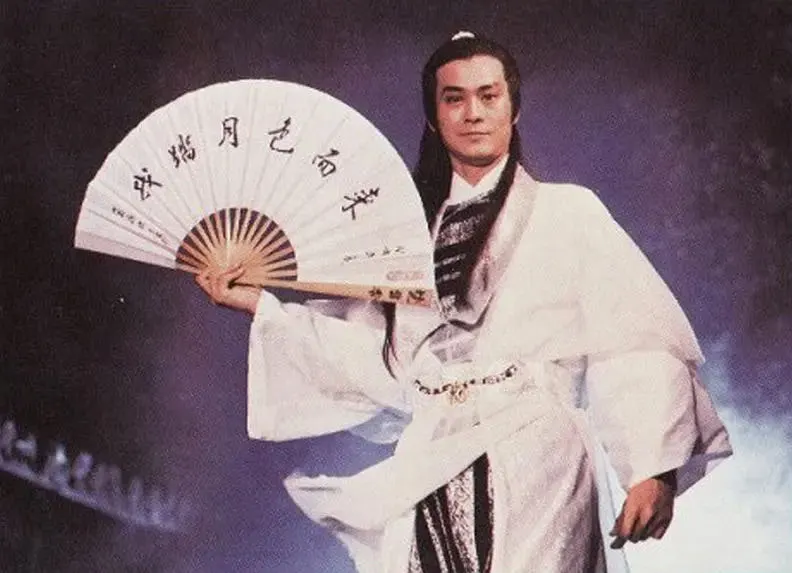
Jin Yong’s close contemporary Gu Long (古龙) offered a markedly different vision of the martial arts world. Although younger than Jin Yong, Gu Long established a distinctive style of his own, shaped by terse prose, suspense, and psychologically complex characters.
Where Jin Yong often placed his heroes within macro-level historical narratives, asking what it meant to serve a greater cause, Gu Long’s fiction frequently turned inward. His protagonists are often solitary wanderers confronting romance, loneliness, desire, betrayal, and fate.

The two writers’ relationship was more than a literary comparison. Jin Yong founded Ming Pao (《明报》) in 1959 in Hong Kong. The newspaper became an important platform for wuxia fiction, helping connect the careers of some of the genre’s most influential writers.
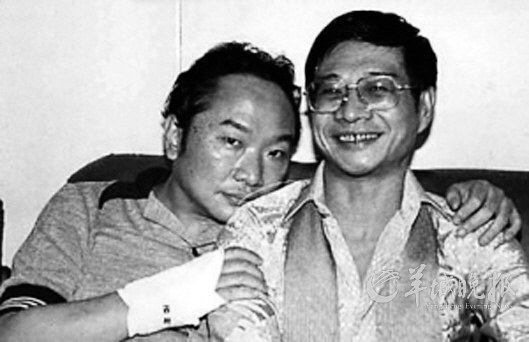
Ni Kuang (倪匡) later helped introduce Gu Long to Hong Kong’s literary scene after befriending him during a visit to Taipei in the 1960s. Gu Long was still building his reputation in Taiwan at the time. Jin Yong gave Gu Long’s work a platform, helping him reach a wider readership beyond Taiwan. Their connection marked an important moment in the rise of one of wuxia fiction’s most distinctive voices.
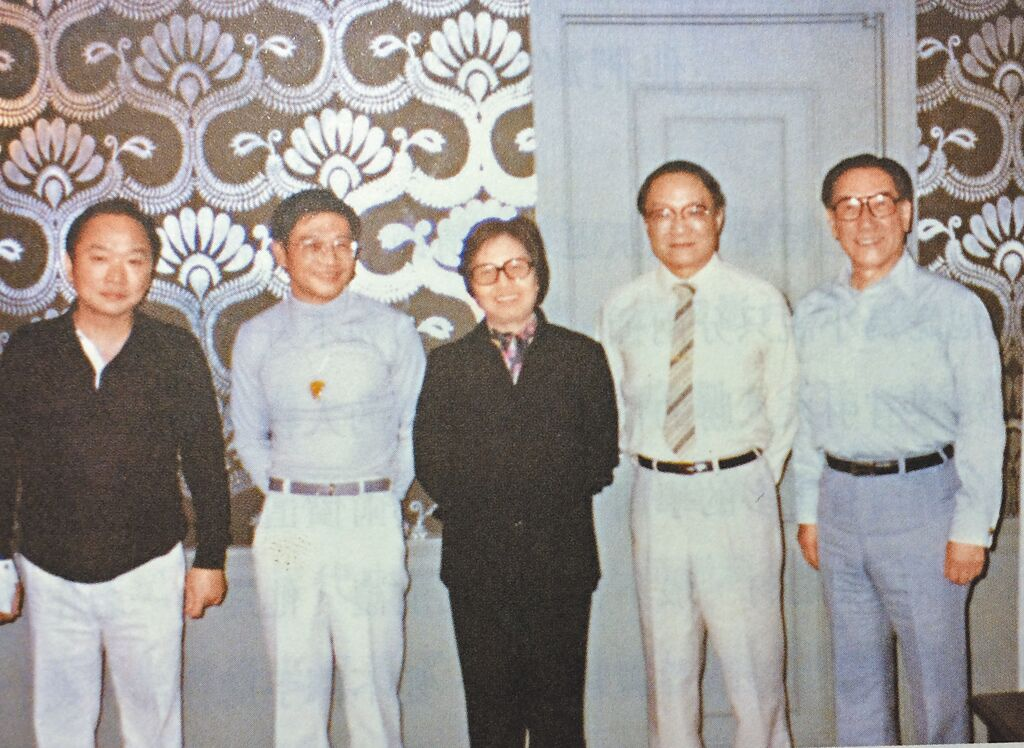
Ni Kuang was himself an important figure in the wuxia world. Although he was best known for his science fiction, particularly his Wisely series (卫斯理), his cultural influence extended far beyond the genre. Alongside Jin Yong, lyricist Wong Jim (黄霑), and writer and food critic Chua Lam (蔡澜), he was counted among Hong Kong’s Four Great Talents. Together, their careers reflected the breadth of Hong Kong popular culture, spanning literature, music, film, and journalism.
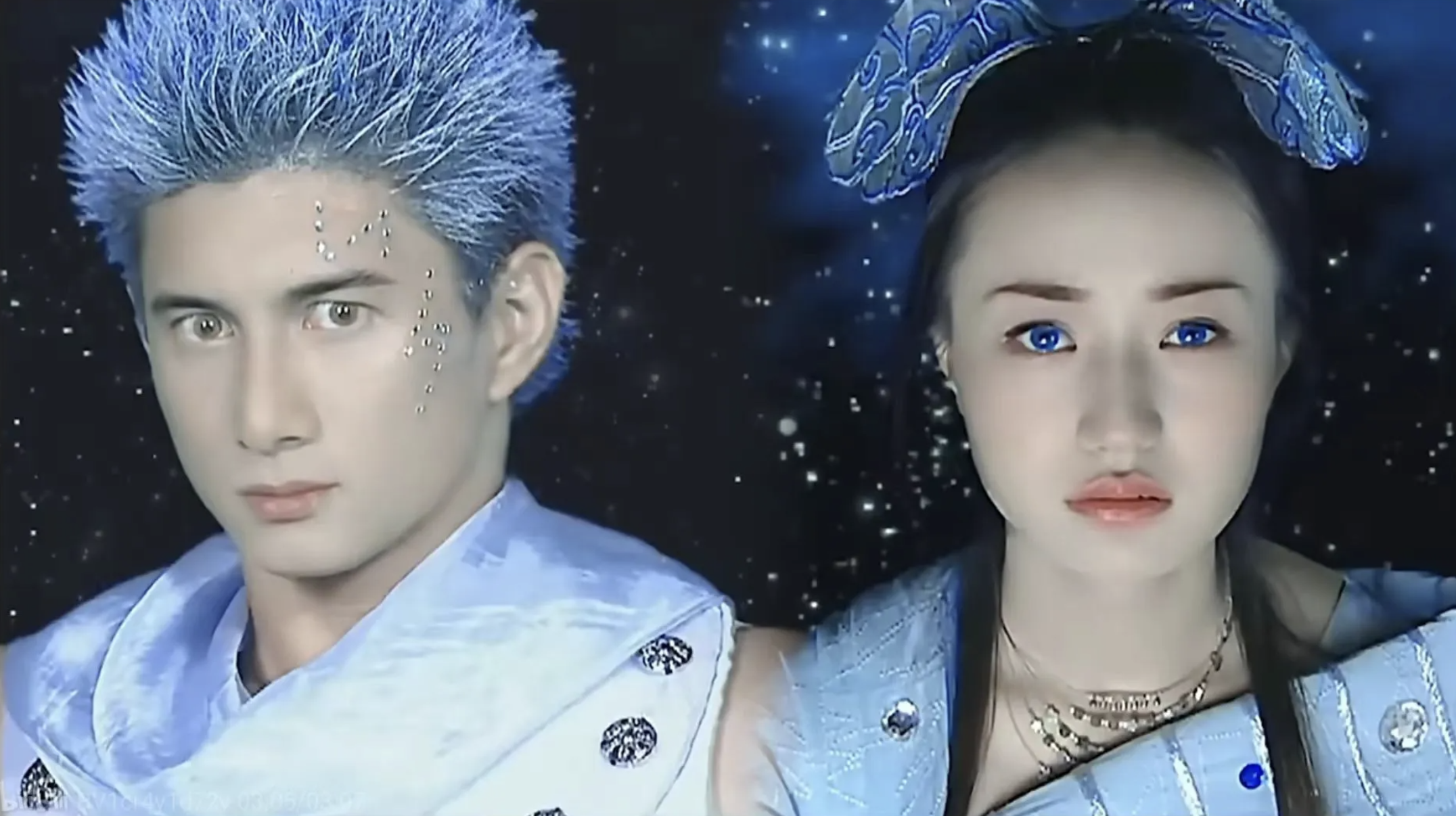
As you can probably tell from his sci-fi stories, Ni Kuang had a free spirit and a great imagination. When Jin Yong was serializing Demi-Gods and Semi-Devils (天龙八部) in his newspaper Ming Pao, he invited Ni Kuang to fill in during his absence overseas. Ni Kuang’s contribution included a storyline involving the character Ah Zi (阿紫), whom he reportedly disliked so much that he arranged for her to be blinded. The episode has, however, since become one of the best-known snippets from the story.
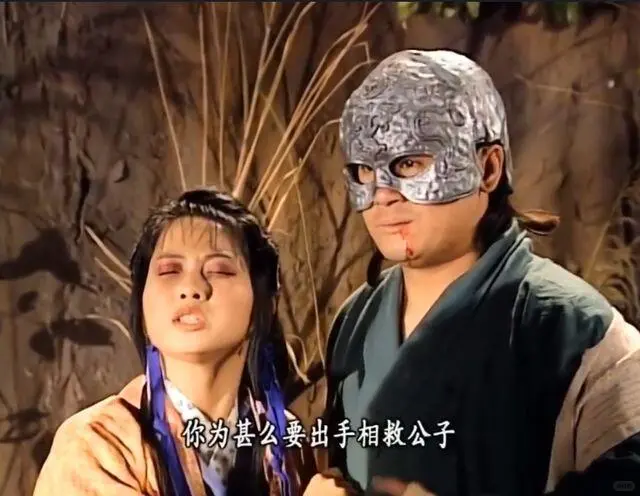
Ni Kuang and Gu Long shared a close friendship, bound by their love of drinking and their unconventional spirits. Gu Long died in Taiwan in 1985, aged just 47 (or 48 by traditional Chinese reckoning). At his funeral, Ni Kuang arranged for 48 bottles of Hennessy XO to accompany his friend into the grave, one for each year of his life as counted in the Chinese tradition. As Ni later recounted, friends began opening the bottles and drinking beside the coffin.
When Gu Long’s body suddenly began to bleed from the mouth, Ni, overcome with grief and already drunk, reportedly thought his mischievous friend was playing one last joke on them, pretending to be dead. He and the writer San Mao (三毛) tried to wipe away the blood, an incident that later fueled rumors that Ni Kuang had kept Gu Long’s blood as a memento of his friend.
Another essential figure in this literary generation was Liang Yusheng (梁羽生), often grouped with Jin Yong and Gu Long as one of the three major masters of modern wuxia fiction. His novel The Bride with White Hair (白发魔女传), among other works, helped shape the genre’s development.
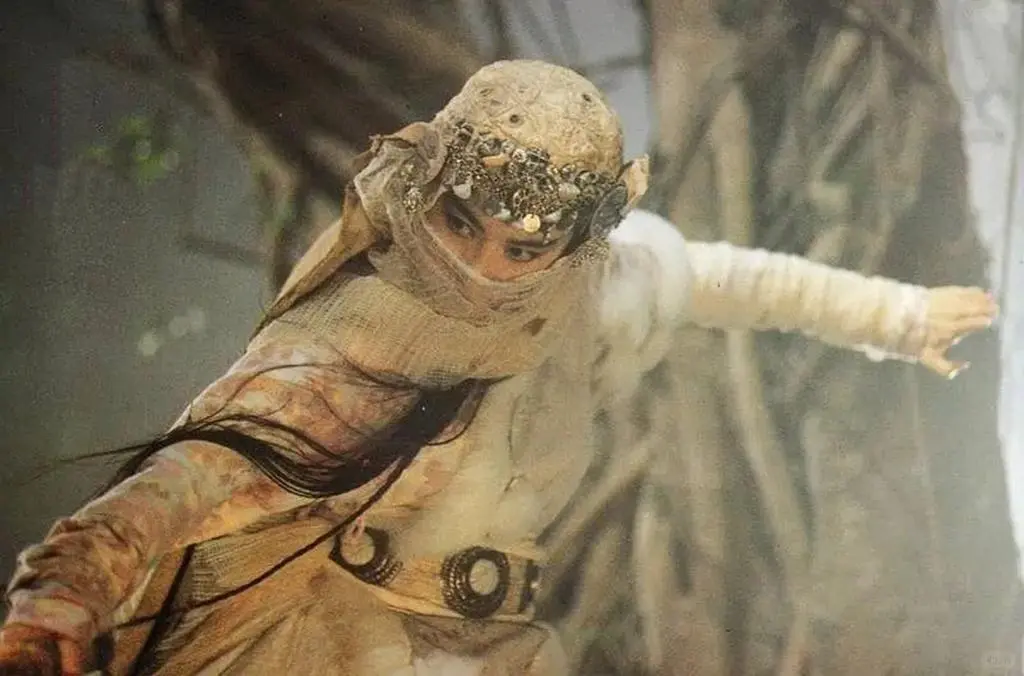
What connects these writers is not simply their influence on Chinese popular entertainment. Their novels continue to attract readers because they imagine a world governed by ideals that everyday life often struggles to uphold: courage, generosity, and responsibility beyond personal gain. Although some of their romantic ideals may feel outdated today, wuxia fiction also opened up more varied possibilities for women in historical settings, giving female characters greater agency, martial skill, and freedom than traditional gender roles often allowed.
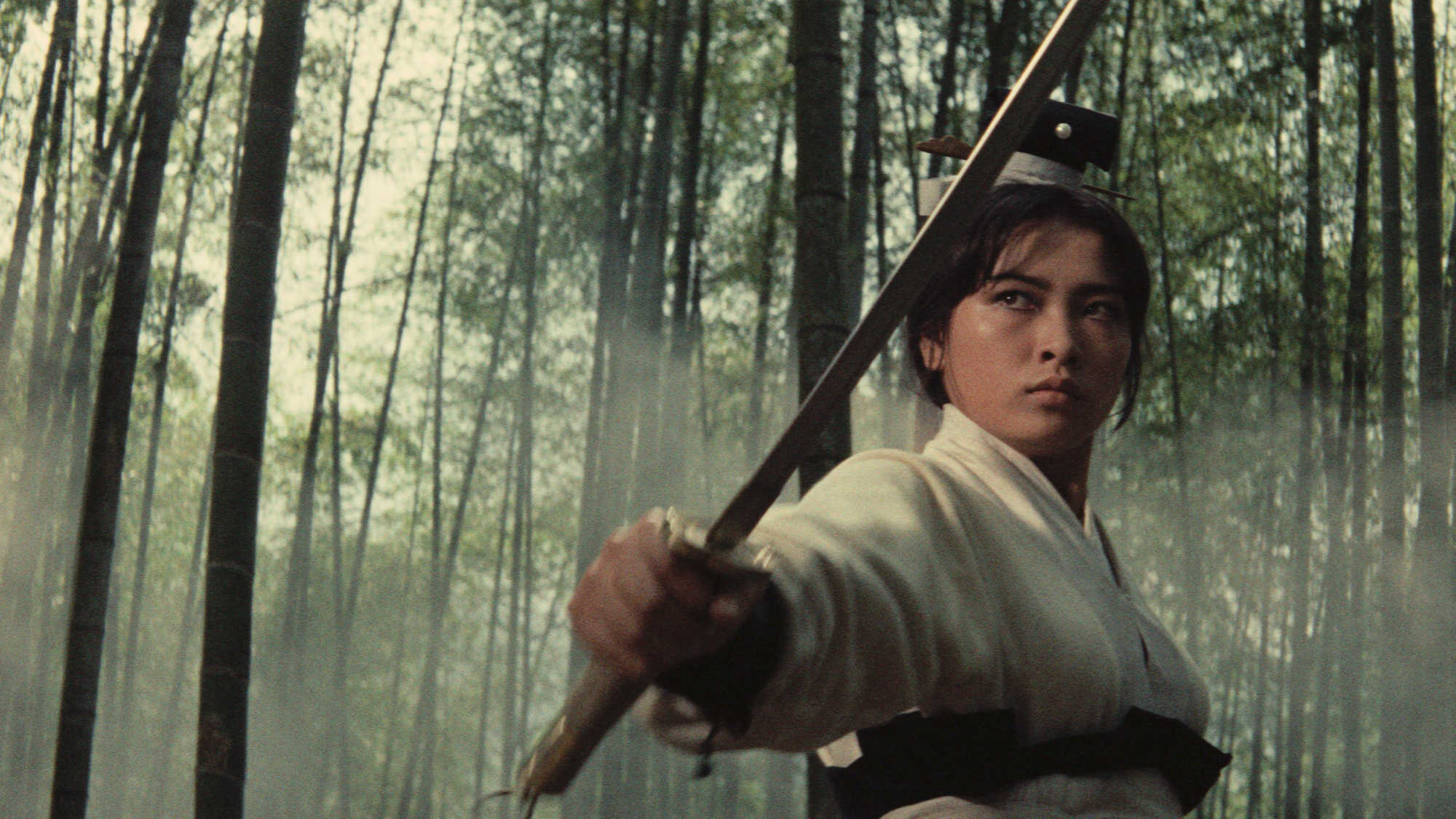
The writers themselves also became part of the stories. Their friendships, disagreements, and mutual admiration lend another dimension to the characters they created. The spirit of xia (侠) is not only about martial prowess. It is also about character, conviction, and the willingness to act for others.
If the practical and utilitarian demands of contemporary life sometimes feel overwhelming, a wuxia novel from Hong Kong’s golden era can surely offer you a different kind of escape. Step into one of these imagined worlds, and you may find that its heroes’ struggles with honor, love, and responsibility remain surprisingly close to our own.
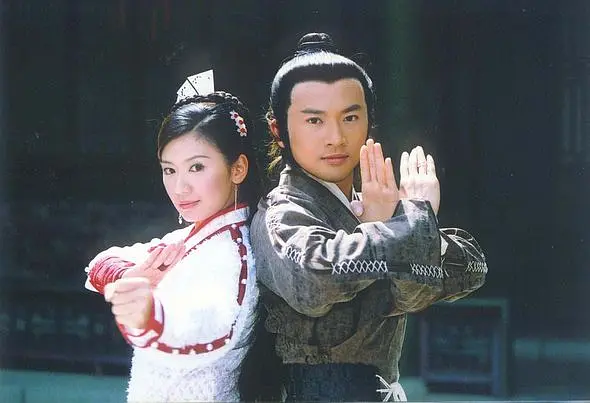
Cover Image via CTWANT.