
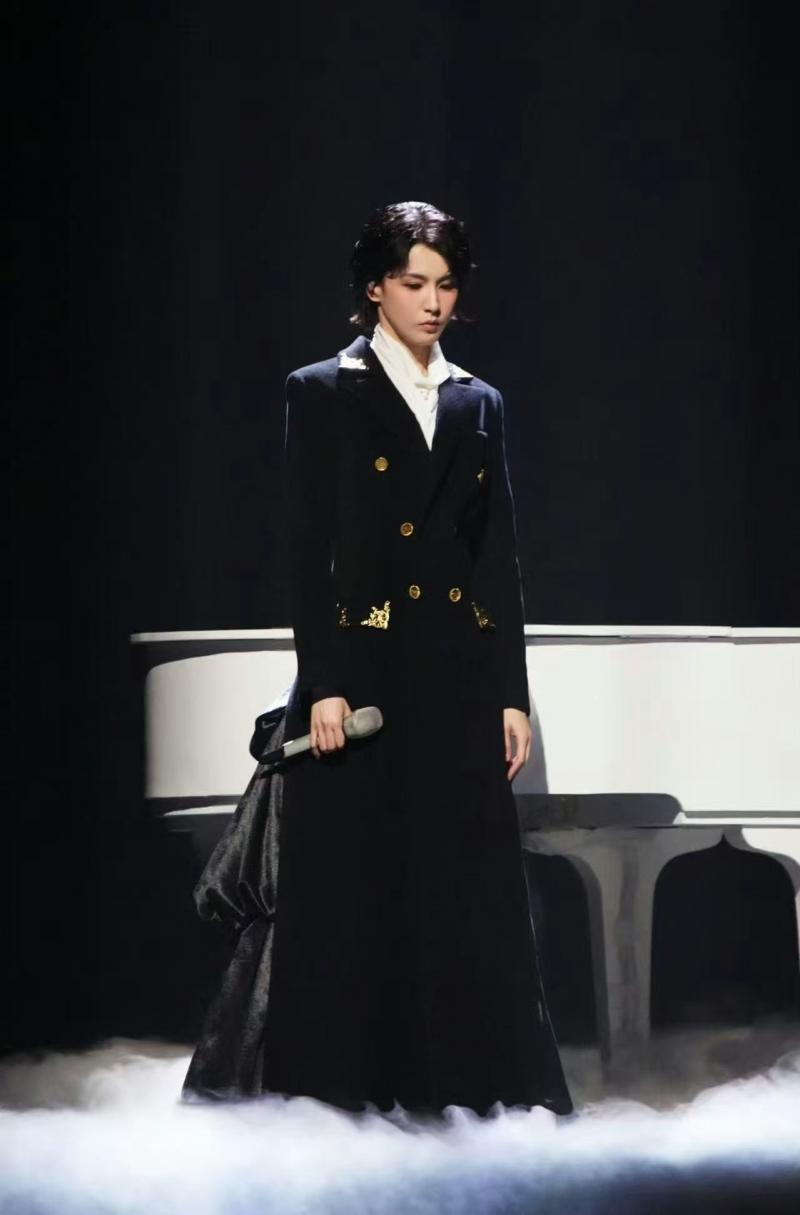
Taiwanese singer and actress Pets Tseng recently appeared on the popular Mango TV reality show Ride the Wind 2026. The show features 30 female artists aged 30 and above, competing to form a new girl group, and Pets has unexpectedly emerged as the top-ranked contestant by a wide margin. Before her appearance on Ride the Wind, she was not a household name compared to Taiwanese actors active in the Chinese mainland. Her success on the show owes not only to her well-maintained stage presence and distinctive singing style, but also to the strong support of a devoted fan base from Taiwanese drama audiences—an indispensable factor.
Taiwanese dramas have long stood out for their unique production styles and storytelling. From the 1990s to the 2010s, they held significant influence across Chinese-speaking regions, particularly in the romance genre. Known in Chinese as Taiwanese idol dramas (台湾偶像剧), or Tai Ou (台偶), these shows typically feature attractive young idols in leading roles. While acting skills are not always the main focus, romantic relationships and themes of youth self-discovery sit at the core. Looking back two decades later, audiences often describe these dramas as 古早味—meaning “old-fashioned flavor” in Hokkien—now associated with a shared sense of nostalgia.
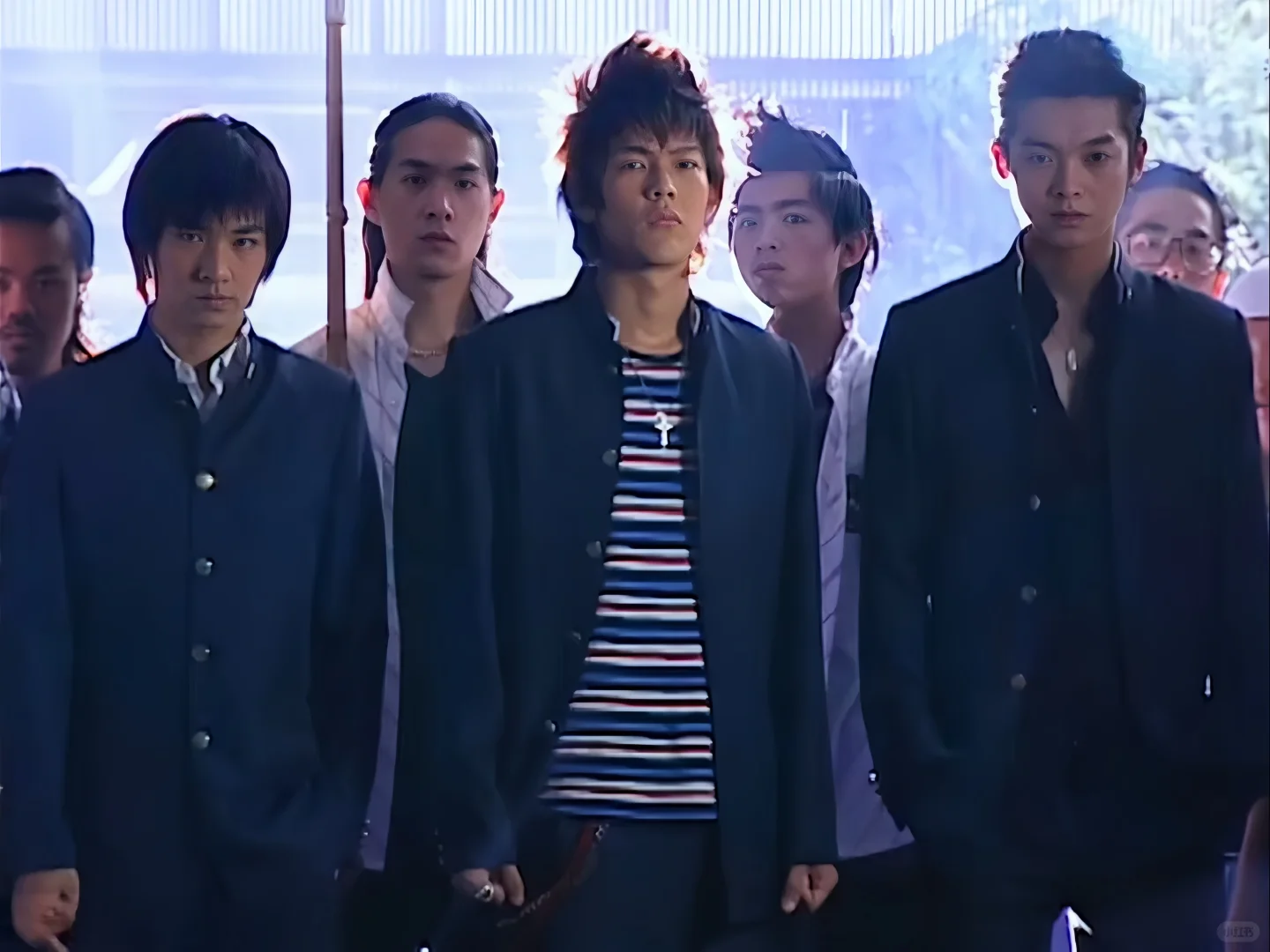
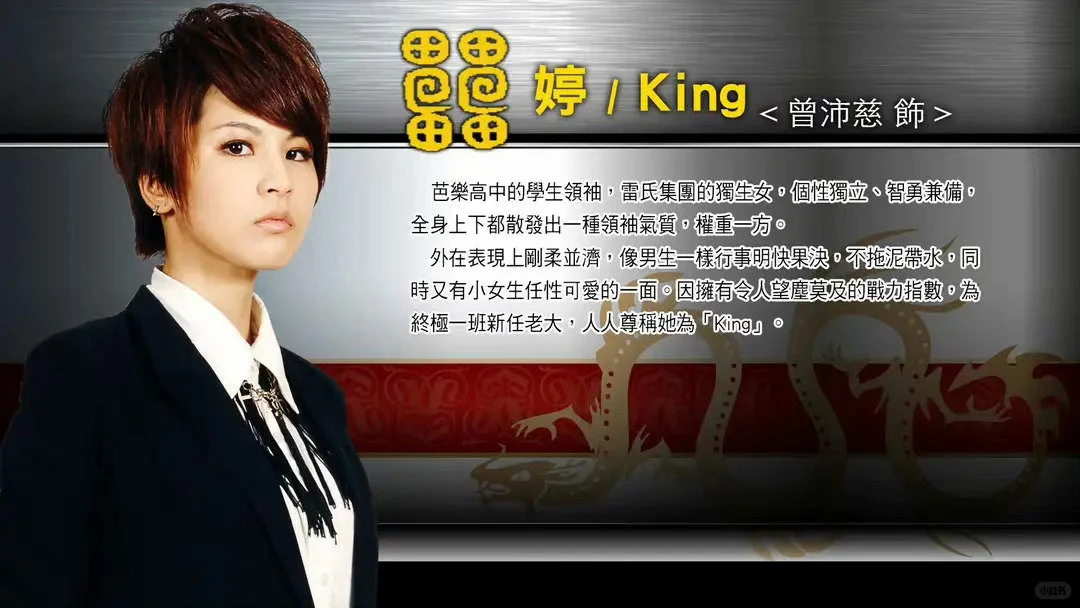
Pets rose to prominence through two influential dramas: Moon River (明若晓溪) and The Ultimate (终极系列). The latter is a franchise spanning multiple settings, from high school gang conflicts in K.O. One, to stories inspired by the historical Three Kingdoms period in K.O. 3an Guo, to the fully fantastical world of The X Family, all featuring overlapping casts. Fans embraced this universe, built over nearly a decade of heartfelt performances. Across these series, Pets consistently portrayed unconventional, strong female leads—feminist-leaning roles that remain a key reason for her continued popularity today.
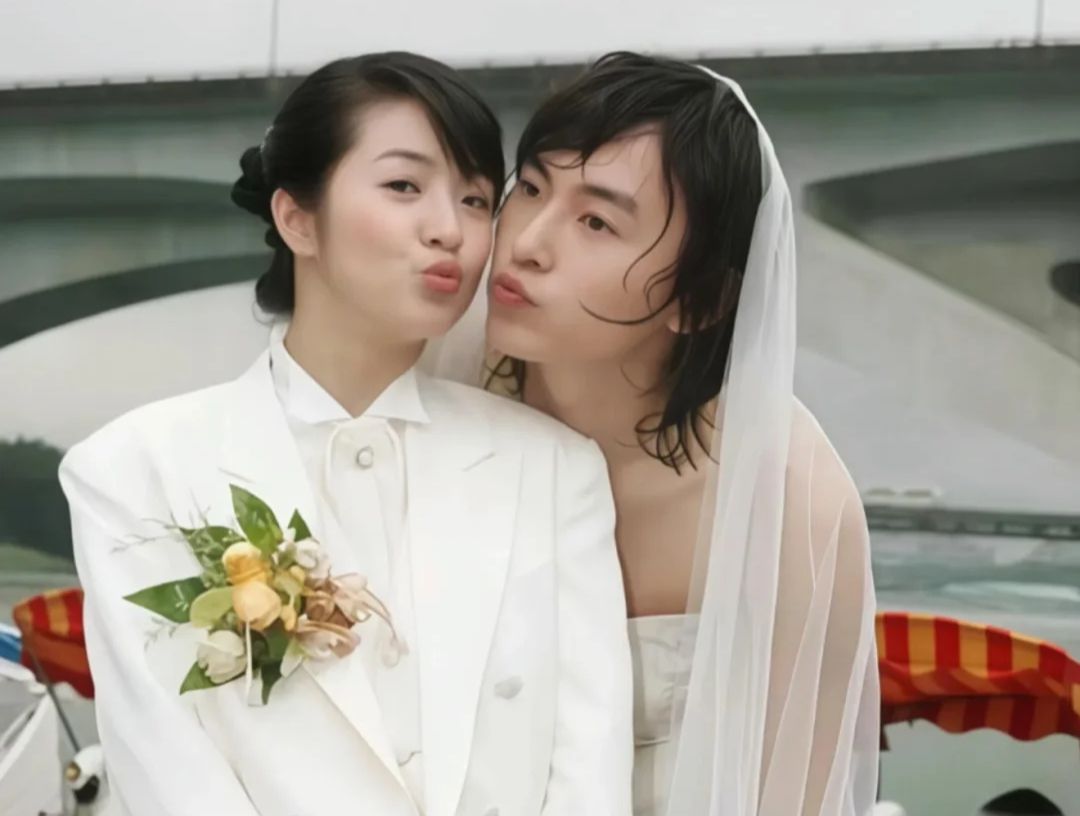
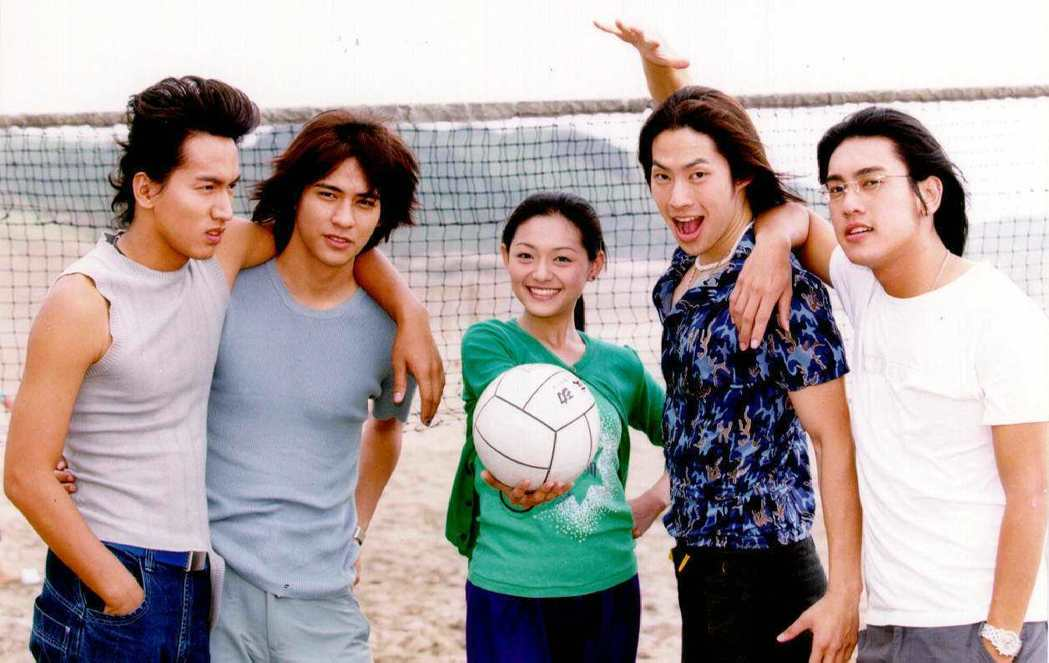
Looking back at the most iconic Taiwanese dramas, it’s clear that beyond the central love stories, memorable character portrayals are what endure. One standout example, It Started with a Kiss (恶作剧之吻), was adapted from a Japanese manga. The story follows Zhishu, a popular yet introverted boy, and Xiangqin, a clumsy but kind-hearted girl, who end up living together after her home is destroyed by a meteor. Xiangqin’s persistence gradually softens Zhishu, leading to a classic happy-ending romance. Meteor Garden (流星花园) similarly catapulted its cast to fame. It tells the story of Shancai, a working-class girl who enters university and crosses paths with a group of wealthy boys, forming both romantic and platonic bonds. Beyond its Cinderella narrative, it was Shancai’s unwavering dignity—staying true to herself despite elite pressures—that resonated with audiences.
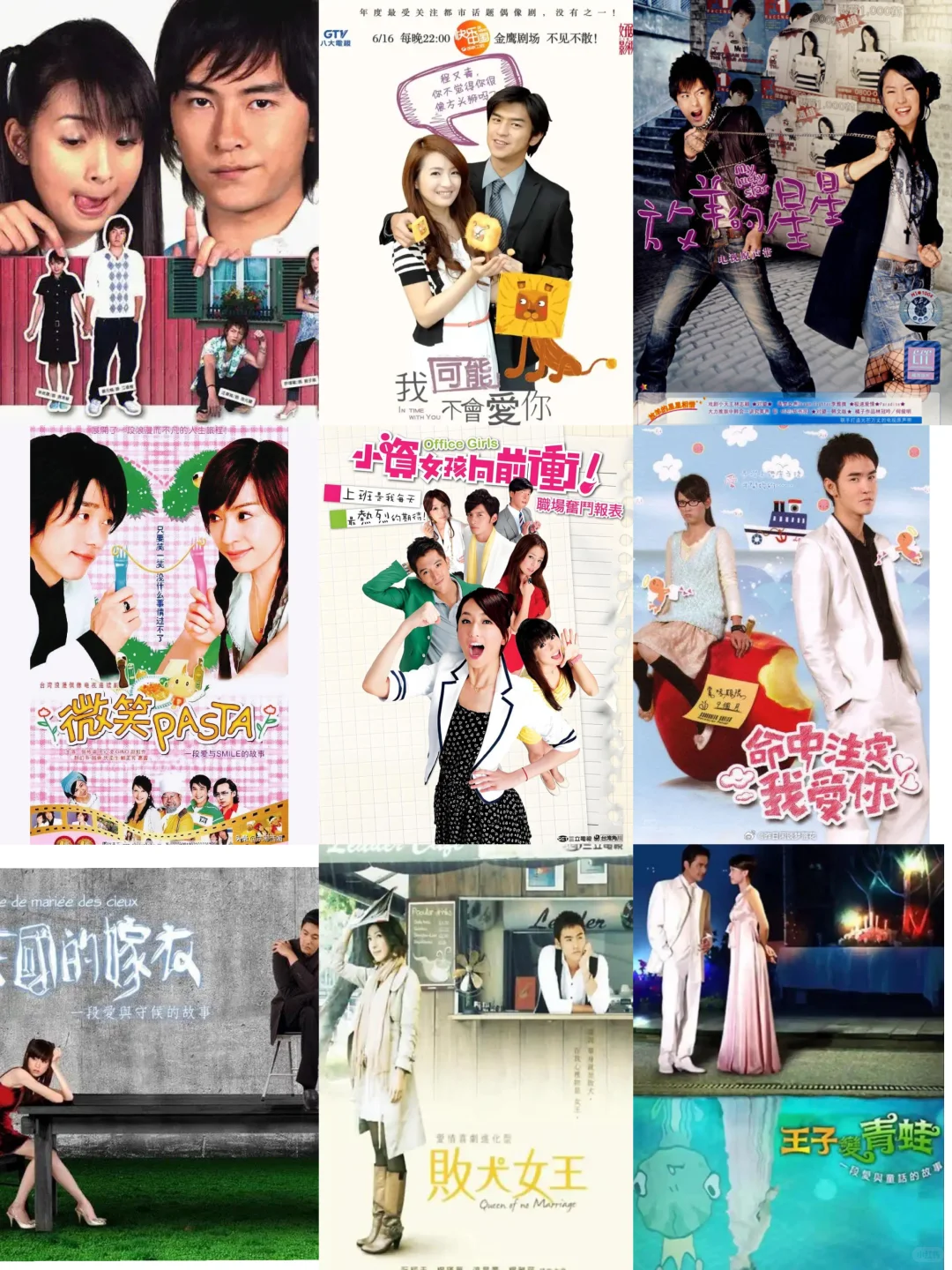
Other hits like Hi My Sweetheart (海派甜心), Autumn’s Concerto (下一站,幸福), My Lucky Star (放羊的星星), and Fated to Love You (命中注定我爱你) follow a similar formula: romance as the entry point, with deeper explorations of identity and independence within relationships.
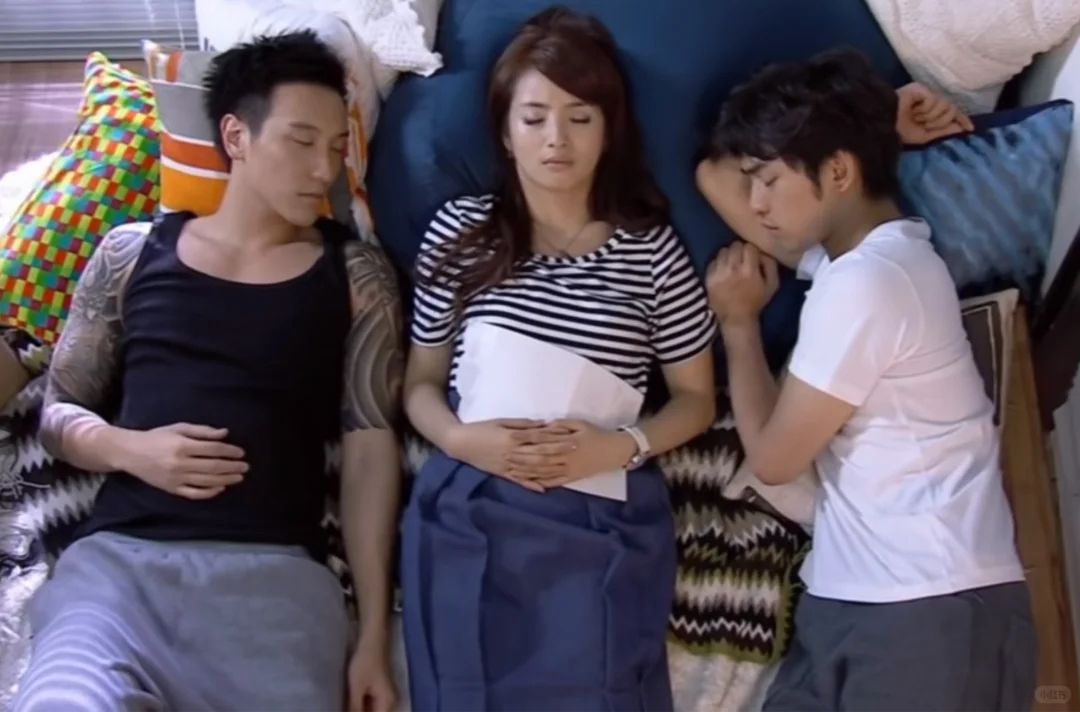
Taiwanese dramas have also tackled early career struggles. My Queen (败犬女王) and In Time with You (我可能不会爱你) are two notable examples. During the economic boom of the early 2000s, women across East Asia increasingly pursued independent careers. These series explore the tension between personal ambitions and traditional expectations around family life. Through characters like Cheng Youqing and Shan Wu Shuang, they present nuanced portrayals of modern women navigating love and career.
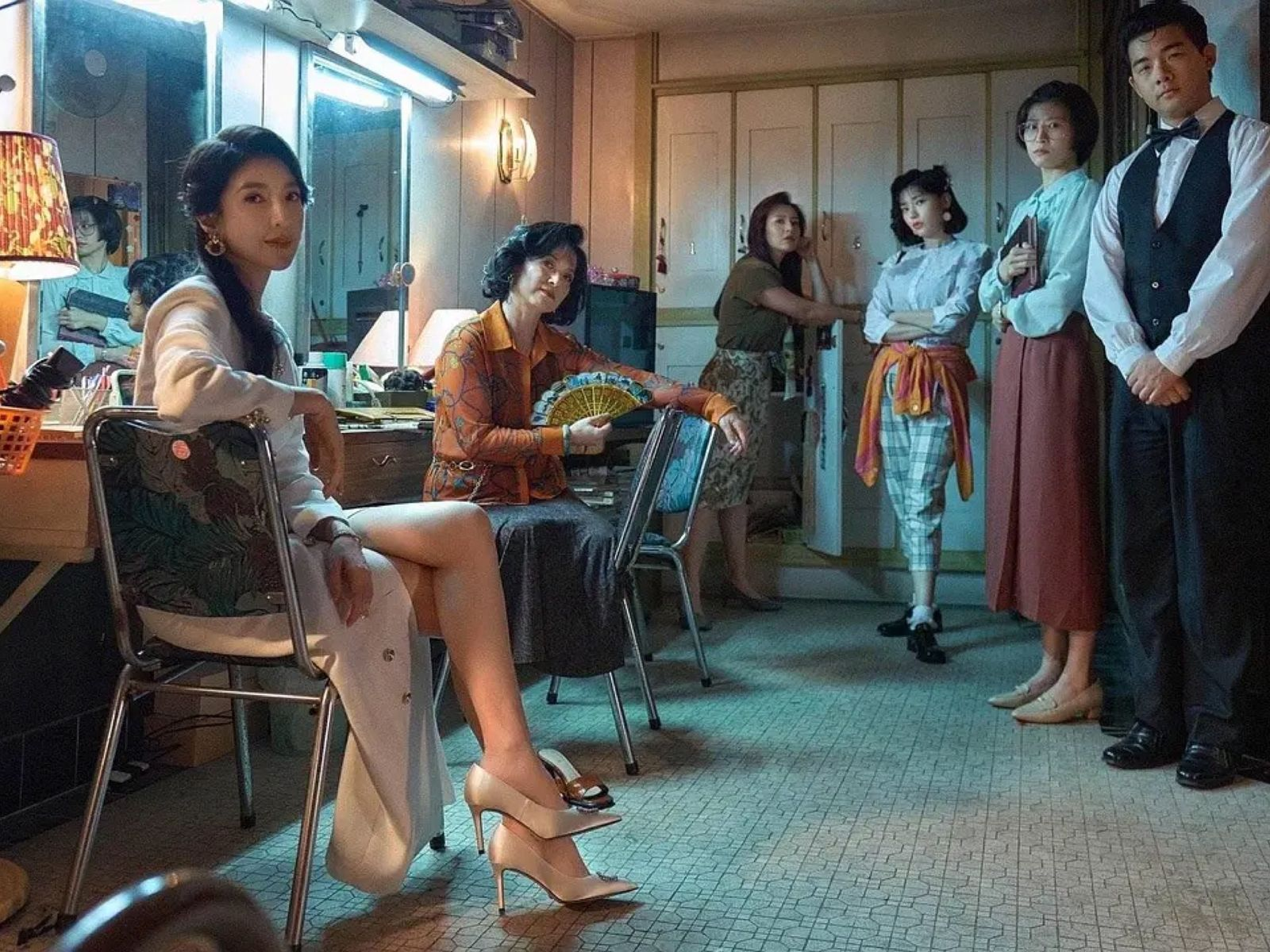
Although the Tai Ou era has largely passed—and some performances may feel exaggerated today, partly due to their roots in Japanese manga—the thoughtful and empathetic portrayal of characters continues to resonate. In recent years, Taiwan has produced standout romance dramas like Someday or One Day (想见你), while also expanding into more diverse social themes. Many actors from earlier idol dramas are now leveraging their experience to produce their own series. A prime example is Ruby Lin’s Light the Night (华灯初上). As one of East Asia’s most pioneering television industries in tackling sensitive subjects, Taiwan’s drama scene remains consistently compelling and worth watching.
Cover Image via It Started with A Kiss.