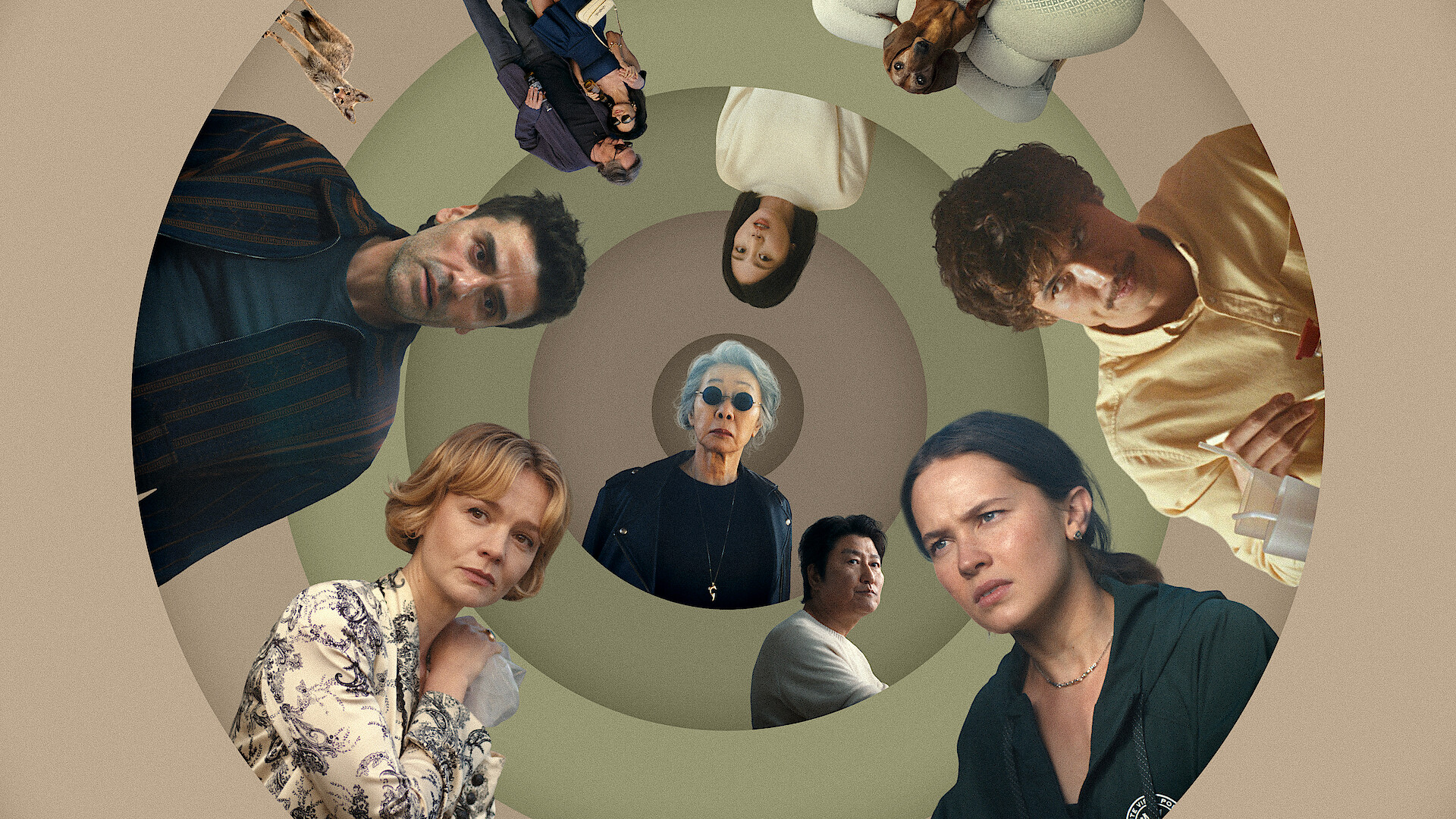

Feature image of Do We Have Beef With Season 2 of Netflix’s Hit TV Show, ‘Beef’?

Do We Have Beef With Season 2 of Netflix’s Hit TV Show, ‘Beef’?

3 mins read

3 mins read

Feature image of Do We Have Beef With Season 2 of Netflix’s Hit TV Show, ‘Beef’?
There's a lot of controversy with 'Beef'—not in the show's context, but about the show itself. RADII explores the real-life beef with Sonny Lee's Netflix hit.

If you haven’t seen Season 1 of Beef, Lee Sung Jin (aka Sonny Lee)’s hit Netflix show, you absolutely should. And if you have, you’re probably wondering: what’s going on with Season 2?

The inaugural season was widely acclaimed. It followed two strangers who become entangled after a road rage incident in Los Angeles. Amy Lau (Ali Wong), a wealthy plant entrepreneur, clashes with Danny Cho (Steven Yeun), a struggling contractor. What starts as petty rage spirals into something deeper—a raw exploration of insecurity, middle-aged anxiety, and existential dread. Audiences, particularly Asian American viewers, saw themselves reflected in it and quickly began calling for a second season.

Now it’s back—but with almost no Asian leads.
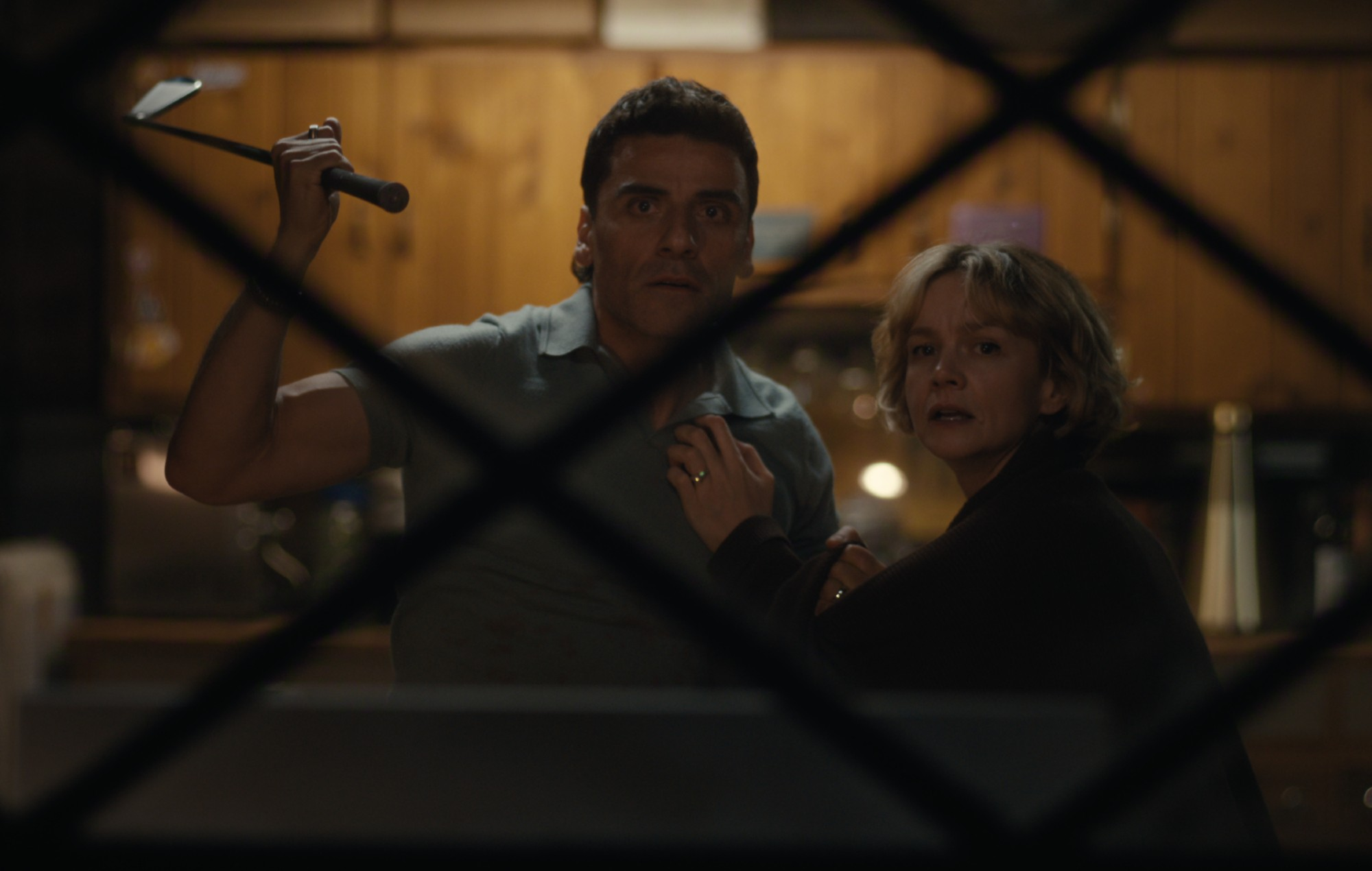
Josh and Lindsay in Beef Season 2 are a couple attempting to integrate into the elite class while simultaneously sliding into the dangers of social decline. Photo via NME.

The first wave of controversy began last year when it was announced that Season 2 would center on a new cast with no Asian protagonists. Heavyweights Oscar Isaac and Carey Mulligan step in as the central couple. Despite Isaac’s Latino background, many viewers weren’t convinced, with some accusing the show of being “whitewashed.”

Now that the full season has dropped, the picture is slightly more complicated. Roughly half the storyline unfolds in South Korea, featuring a cast of Korean actors, including Parasite star Song Kang-ho. Still, the backlash hasn’t fully died down.
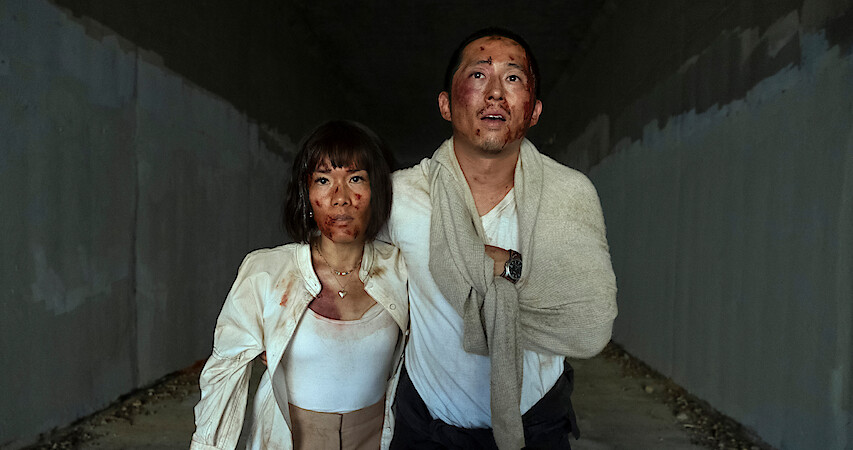
Amy and Danny holding hands trying to get out of the cave, screenshots from Season 1 of beef.
From Beef to Bonding. Amy and Danny in Beef Seaon 1 Photo via Reddit.

In Season 1, the “beef” was sharply defined—between Vietnamese-Chinese American Amy and Korean American Danny—but extended into a rich ensemble. Amy’s Japanese husband and Danny’s Korean neighbor were fully fleshed-out characters with meaningful arcs.

Season 2, by contrast, sidelines its Korean characters. They often feel like narrative tools rather than fully realized individuals. As the main conflict shifts to a middle-class white (and Latino) couple trying to break into elite circles—alongside their domestic workers—many viewers say it feels closer to The White Lotus than Beef.
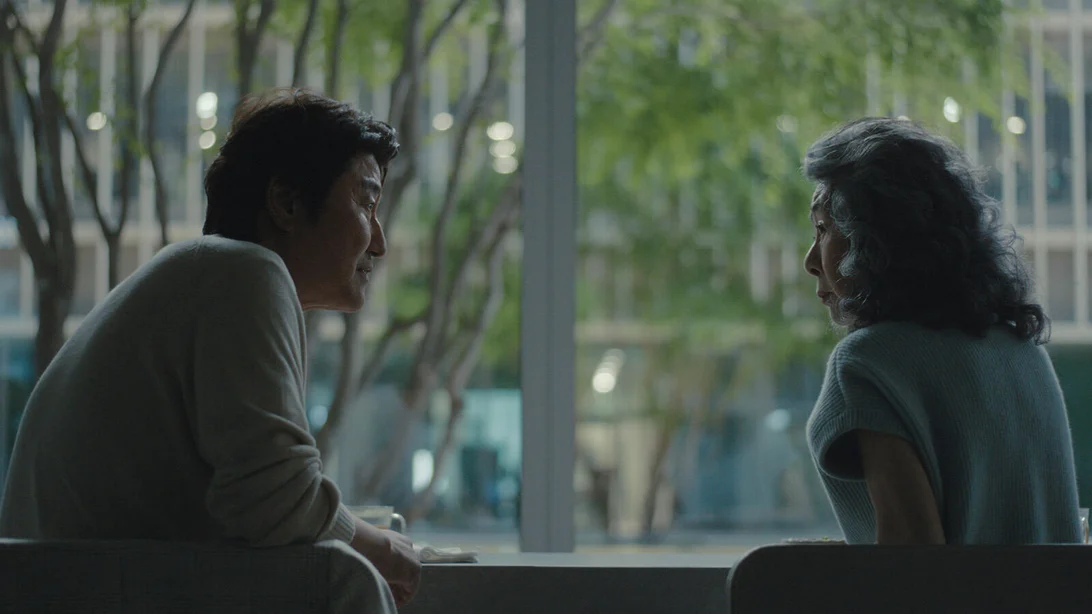
Song Kang-ho (left) apparently agreed to join Beef following an invitation from fellow South Korean Academy Award winner Youn Yuh-jung. Photo via TV Guide.

The deeper issue lies in how Asian elements are used. Even with Lee Sung Jin returning as writer, the cultural texture doesn’t always land. In one scene, Song Kang-ho delivers a reflective monologue in Korean, leaving other characters—and, arguably, some viewers—disconnected. In the finale, a Korean chairwoman leans against her first husband’s tomb, a symbolic convergence point for the story’s tangled lives.

Not all of it falls flat. That final moment gestures toward something bigger, echoing the Wheel of Life—a central symbol in Tibetan Buddhism—and hinting at cycles of karma, consequence, and connection.

Still, a more fundamental problem lingers: there’s no real “beef.”

Season 1 thrived on conflict—messy, uncomfortable, and deeply human. It used tension as a lens to expose buried insecurities and emotional fragility. Season 2, while polished and ambitious, feels strangely hollow. There are shades of Parasite in its class critique, but without the same bite—or emotional payoff.
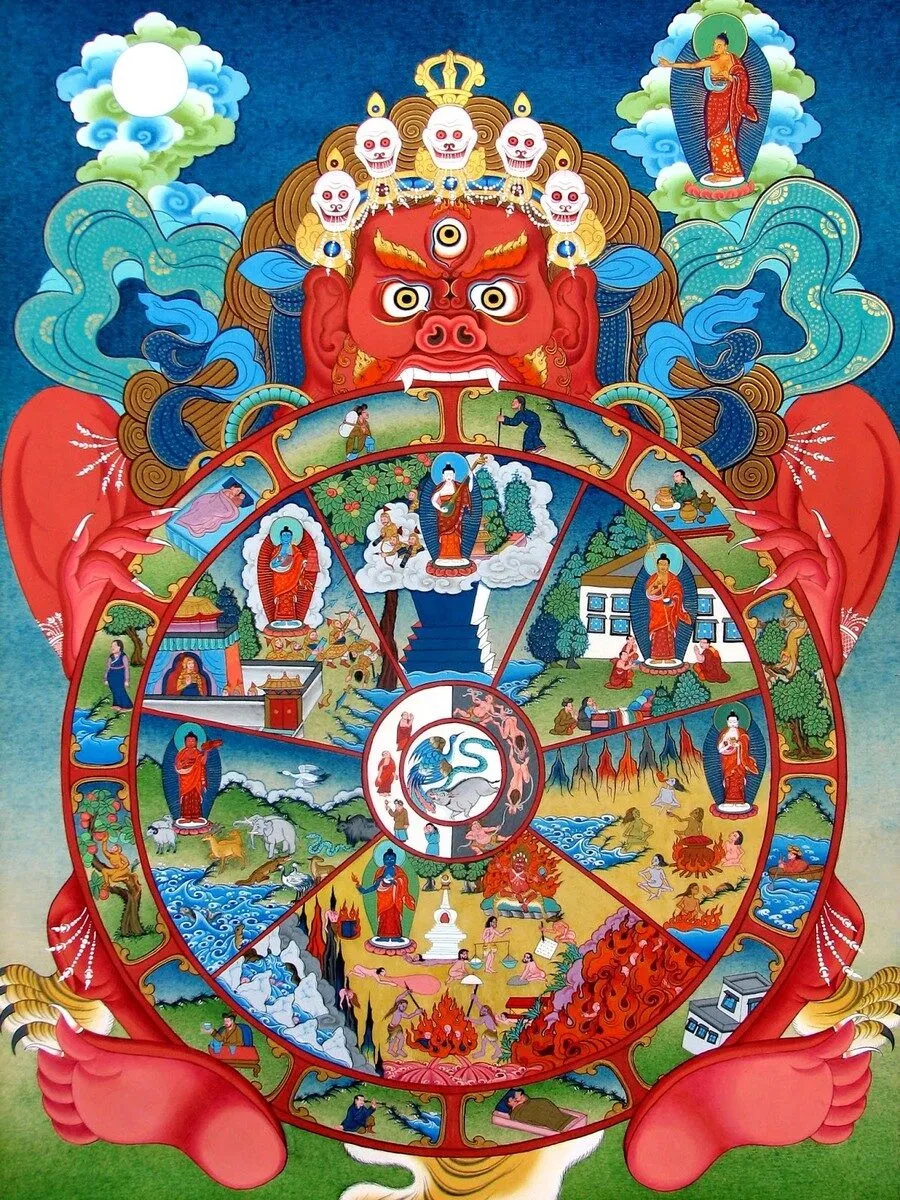

The Wheel of Life in Tibetan Buddhism symbolizes the Buddhist concepts of the cycle of life, death, rebirth, and suffering, aiming to remind people to seek liberation from this cycle. Photo via Deep Psychology.
Screenshot from the last scene in Beef season 2 that clearly takes inspiration from Tibet’s depiction of The Wheel of Life. Screenshot via X.

The biggest “beef” this season might actually be between the creators and the audience. Critics have called it “overcooked,” and not without reason. Viewers came in expecting another sharp, culturally grounded story about Asian American life. Instead, they got something broader, more abstract—and arguably less satisfying.

Maybe that’s the point. Netflix’s Beef was never meant to be only about Asian identity. It’s trying to map a wider, messier emotional terrain—one that stretches beyond race into the contradictions of adulthood itself.

Whether that makes Season 2 more ambitious or more diluted is still up for debate.

Cover Image via Netflix.

NEWSLETTER

Get weekly top picks and exclusive, newsletter only content delivered straight to you inbox.

NEWSLETTER

Get weekly top picks and exclusive, newsletter only content delivered straight to you inbox.

RADII NEWSLETTER

Get weekly top picks and exclusive, newsletter only content delivered straight to you inbox

Feature image of Do We Have Beef With Season 2 of Netflix’s Hit TV Show, ‘Beef’?

Do We Have Beef With Season 2 of Netflix’s Hit TV Show, ‘Beef’?

3 mins read

There's a lot of controversy with 'Beef'—not in the show's context, but about the show itself. RADII explores the real-life beef with Sonny Lee's Netflix hit.

If you haven’t seen Season 1 of Beef, Lee Sung Jin (aka Sonny Lee)’s hit Netflix show, you absolutely should. And if you have, you’re probably wondering: what’s going on with Season 2?

The inaugural season was widely acclaimed. It followed two strangers who become entangled after a road rage incident in Los Angeles. Amy Lau (Ali Wong), a wealthy plant entrepreneur, clashes with Danny Cho (Steven Yeun), a struggling contractor. What starts as petty rage spirals into something deeper—a raw exploration of insecurity, middle-aged anxiety, and existential dread. Audiences, particularly Asian American viewers, saw themselves reflected in it and quickly began calling for a second season.

Now it’s back—but with almost no Asian leads.

Josh and Lindsay in Beef Season 2 are a couple attempting to integrate into the elite class while simultaneously sliding into the dangers of social decline. Photo via NME.

The first wave of controversy began last year when it was announced that Season 2 would center on a new cast with no Asian protagonists. Heavyweights Oscar Isaac and Carey Mulligan step in as the central couple. Despite Isaac’s Latino background, many viewers weren’t convinced, with some accusing the show of being “whitewashed.”

Now that the full season has dropped, the picture is slightly more complicated. Roughly half the storyline unfolds in South Korea, featuring a cast of Korean actors, including Parasite star Song Kang-ho. Still, the backlash hasn’t fully died down.

Amy and Danny holding hands trying to get out of the cave, screenshots from Season 1 of beef.
From Beef to Bonding. Amy and Danny in Beef Seaon 1 Photo via Reddit.

In Season 1, the “beef” was sharply defined—between Vietnamese-Chinese American Amy and Korean American Danny—but extended into a rich ensemble. Amy’s Japanese husband and Danny’s Korean neighbor were fully fleshed-out characters with meaningful arcs.

Season 2, by contrast, sidelines its Korean characters. They often feel like narrative tools rather than fully realized individuals. As the main conflict shifts to a middle-class white (and Latino) couple trying to break into elite circles—alongside their domestic workers—many viewers say it feels closer to The White Lotus than Beef.

Song Kang-ho (left) apparently agreed to join Beef following an invitation from fellow South Korean Academy Award winner Youn Yuh-jung. Photo via TV Guide.

The deeper issue lies in how Asian elements are used. Even with Lee Sung Jin returning as writer, the cultural texture doesn’t always land. In one scene, Song Kang-ho delivers a reflective monologue in Korean, leaving other characters—and, arguably, some viewers—disconnected. In the finale, a Korean chairwoman leans against her first husband’s tomb, a symbolic convergence point for the story’s tangled lives.

Not all of it falls flat. That final moment gestures toward something bigger, echoing the Wheel of Life—a central symbol in Tibetan Buddhism—and hinting at cycles of karma, consequence, and connection.

Still, a more fundamental problem lingers: there’s no real “beef.”

Season 1 thrived on conflict—messy, uncomfortable, and deeply human. It used tension as a lens to expose buried insecurities and emotional fragility. Season 2, while polished and ambitious, feels strangely hollow. There are shades of Parasite in its class critique, but without the same bite—or emotional payoff.

The Wheel of Life in Tibetan Buddhism symbolizes the Buddhist concepts of the cycle of life, death, rebirth, and suffering, aiming to remind people to seek liberation from this cycle. Photo via Deep Psychology.
Screenshot from the last scene in Beef season 2 that clearly takes inspiration from Tibet’s depiction of The Wheel of Life. Screenshot via X.

The biggest “beef” this season might actually be between the creators and the audience. Critics have called it “overcooked,” and not without reason. Viewers came in expecting another sharp, culturally grounded story about Asian American life. Instead, they got something broader, more abstract—and arguably less satisfying.

Maybe that’s the point. Netflix’s Beef was never meant to be only about Asian identity. It’s trying to map a wider, messier emotional terrain—one that stretches beyond race into the contradictions of adulthood itself.

Whether that makes Season 2 more ambitious or more diluted is still up for debate.

Cover Image via Netflix.
NEWSLETTER

Get weekly top picks and exclusive, newsletter only content delivered straight to you inbox.

RADII NEWSLETTER

Get weekly top picks and exclusive, newsletter only content delivered straight to you inbox

RELATED POSTS

Feature image of Do We Have Beef With Season 2 of Netflix’s Hit TV Show, ‘Beef’?

Do We Have Beef With Season 2 of Netflix’s Hit TV Show, ‘Beef’?

3 mins read

3 mins read

Feature image of Do We Have Beef With Season 2 of Netflix’s Hit TV Show, ‘Beef’?
There's a lot of controversy with 'Beef'—not in the show's context, but about the show itself. RADII explores the real-life beef with Sonny Lee's Netflix hit.

If you haven’t seen Season 1 of Beef, Lee Sung Jin (aka Sonny Lee)’s hit Netflix show, you absolutely should. And if you have, you’re probably wondering: what’s going on with Season 2?

The inaugural season was widely acclaimed. It followed two strangers who become entangled after a road rage incident in Los Angeles. Amy Lau (Ali Wong), a wealthy plant entrepreneur, clashes with Danny Cho (Steven Yeun), a struggling contractor. What starts as petty rage spirals into something deeper—a raw exploration of insecurity, middle-aged anxiety, and existential dread. Audiences, particularly Asian American viewers, saw themselves reflected in it and quickly began calling for a second season.

Now it’s back—but with almost no Asian leads.

Josh and Lindsay in Beef Season 2 are a couple attempting to integrate into the elite class while simultaneously sliding into the dangers of social decline. Photo via NME.

The first wave of controversy began last year when it was announced that Season 2 would center on a new cast with no Asian protagonists. Heavyweights Oscar Isaac and Carey Mulligan step in as the central couple. Despite Isaac’s Latino background, many viewers weren’t convinced, with some accusing the show of being “whitewashed.”

Now that the full season has dropped, the picture is slightly more complicated. Roughly half the storyline unfolds in South Korea, featuring a cast of Korean actors, including Parasite star Song Kang-ho. Still, the backlash hasn’t fully died down.

Amy and Danny holding hands trying to get out of the cave, screenshots from Season 1 of beef.
From Beef to Bonding. Amy and Danny in Beef Seaon 1 Photo via Reddit.

In Season 1, the “beef” was sharply defined—between Vietnamese-Chinese American Amy and Korean American Danny—but extended into a rich ensemble. Amy’s Japanese husband and Danny’s Korean neighbor were fully fleshed-out characters with meaningful arcs.

Season 2, by contrast, sidelines its Korean characters. They often feel like narrative tools rather than fully realized individuals. As the main conflict shifts to a middle-class white (and Latino) couple trying to break into elite circles—alongside their domestic workers—many viewers say it feels closer to The White Lotus than Beef.

Song Kang-ho (left) apparently agreed to join Beef following an invitation from fellow South Korean Academy Award winner Youn Yuh-jung. Photo via TV Guide.

The deeper issue lies in how Asian elements are used. Even with Lee Sung Jin returning as writer, the cultural texture doesn’t always land. In one scene, Song Kang-ho delivers a reflective monologue in Korean, leaving other characters—and, arguably, some viewers—disconnected. In the finale, a Korean chairwoman leans against her first husband’s tomb, a symbolic convergence point for the story’s tangled lives.

Not all of it falls flat. That final moment gestures toward something bigger, echoing the Wheel of Life—a central symbol in Tibetan Buddhism—and hinting at cycles of karma, consequence, and connection.

Still, a more fundamental problem lingers: there’s no real “beef.”

Season 1 thrived on conflict—messy, uncomfortable, and deeply human. It used tension as a lens to expose buried insecurities and emotional fragility. Season 2, while polished and ambitious, feels strangely hollow. There are shades of Parasite in its class critique, but without the same bite—or emotional payoff.

The Wheel of Life in Tibetan Buddhism symbolizes the Buddhist concepts of the cycle of life, death, rebirth, and suffering, aiming to remind people to seek liberation from this cycle. Photo via Deep Psychology.
Screenshot from the last scene in Beef season 2 that clearly takes inspiration from Tibet’s depiction of The Wheel of Life. Screenshot via X.

The biggest “beef” this season might actually be between the creators and the audience. Critics have called it “overcooked,” and not without reason. Viewers came in expecting another sharp, culturally grounded story about Asian American life. Instead, they got something broader, more abstract—and arguably less satisfying.

Maybe that’s the point. Netflix’s Beef was never meant to be only about Asian identity. It’s trying to map a wider, messier emotional terrain—one that stretches beyond race into the contradictions of adulthood itself.

Whether that makes Season 2 more ambitious or more diluted is still up for debate.

Cover Image via Netflix.
NEWSLETTER

Get weekly top picks and exclusive, newsletter only content delivered straight to you inbox.

NEWSLETTER

Get weekly top picks and exclusive, newsletter only content delivered straight to you inbox.

RADII NEWSLETTER

Get weekly top picks and exclusive, newsletter only content delivered straight to you inbox

Feature image of Do We Have Beef With Season 2 of Netflix’s Hit TV Show, ‘Beef’?

Do We Have Beef With Season 2 of Netflix’s Hit TV Show, ‘Beef’?

3 mins read

There's a lot of controversy with 'Beef'—not in the show's context, but about the show itself. RADII explores the real-life beef with Sonny Lee's Netflix hit.

If you haven’t seen Season 1 of Beef, Lee Sung Jin (aka Sonny Lee)’s hit Netflix show, you absolutely should. And if you have, you’re probably wondering: what’s going on with Season 2?

The inaugural season was widely acclaimed. It followed two strangers who become entangled after a road rage incident in Los Angeles. Amy Lau (Ali Wong), a wealthy plant entrepreneur, clashes with Danny Cho (Steven Yeun), a struggling contractor. What starts as petty rage spirals into something deeper—a raw exploration of insecurity, middle-aged anxiety, and existential dread. Audiences, particularly Asian American viewers, saw themselves reflected in it and quickly began calling for a second season.

Now it’s back—but with almost no Asian leads.

Josh and Lindsay in Beef Season 2 are a couple attempting to integrate into the elite class while simultaneously sliding into the dangers of social decline. Photo via NME.

The first wave of controversy began last year when it was announced that Season 2 would center on a new cast with no Asian protagonists. Heavyweights Oscar Isaac and Carey Mulligan step in as the central couple. Despite Isaac’s Latino background, many viewers weren’t convinced, with some accusing the show of being “whitewashed.”

Now that the full season has dropped, the picture is slightly more complicated. Roughly half the storyline unfolds in South Korea, featuring a cast of Korean actors, including Parasite star Song Kang-ho. Still, the backlash hasn’t fully died down.

Amy and Danny holding hands trying to get out of the cave, screenshots from Season 1 of beef.
From Beef to Bonding. Amy and Danny in Beef Seaon 1 Photo via Reddit.

In Season 1, the “beef” was sharply defined—between Vietnamese-Chinese American Amy and Korean American Danny—but extended into a rich ensemble. Amy’s Japanese husband and Danny’s Korean neighbor were fully fleshed-out characters with meaningful arcs.

Season 2, by contrast, sidelines its Korean characters. They often feel like narrative tools rather than fully realized individuals. As the main conflict shifts to a middle-class white (and Latino) couple trying to break into elite circles—alongside their domestic workers—many viewers say it feels closer to The White Lotus than Beef.

Song Kang-ho (left) apparently agreed to join Beef following an invitation from fellow South Korean Academy Award winner Youn Yuh-jung. Photo via TV Guide.

The deeper issue lies in how Asian elements are used. Even with Lee Sung Jin returning as writer, the cultural texture doesn’t always land. In one scene, Song Kang-ho delivers a reflective monologue in Korean, leaving other characters—and, arguably, some viewers—disconnected. In the finale, a Korean chairwoman leans against her first husband’s tomb, a symbolic convergence point for the story’s tangled lives.

Not all of it falls flat. That final moment gestures toward something bigger, echoing the Wheel of Life—a central symbol in Tibetan Buddhism—and hinting at cycles of karma, consequence, and connection.

Still, a more fundamental problem lingers: there’s no real “beef.”

Season 1 thrived on conflict—messy, uncomfortable, and deeply human. It used tension as a lens to expose buried insecurities and emotional fragility. Season 2, while polished and ambitious, feels strangely hollow. There are shades of Parasite in its class critique, but without the same bite—or emotional payoff.

The Wheel of Life in Tibetan Buddhism symbolizes the Buddhist concepts of the cycle of life, death, rebirth, and suffering, aiming to remind people to seek liberation from this cycle. Photo via Deep Psychology.
Screenshot from the last scene in Beef season 2 that clearly takes inspiration from Tibet’s depiction of The Wheel of Life. Screenshot via X.

The biggest “beef” this season might actually be between the creators and the audience. Critics have called it “overcooked,” and not without reason. Viewers came in expecting another sharp, culturally grounded story about Asian American life. Instead, they got something broader, more abstract—and arguably less satisfying.

Maybe that’s the point. Netflix’s Beef was never meant to be only about Asian identity. It’s trying to map a wider, messier emotional terrain—one that stretches beyond race into the contradictions of adulthood itself.

Whether that makes Season 2 more ambitious or more diluted is still up for debate.

Cover Image via Netflix.

NEWSLETTER

Get weekly top picks and exclusive, newsletter only content delivered straight to you inbox.

RADII NEWSLETTER

Get weekly top picks and exclusive, newsletter only content delivered straight to you inbox

RADII newsletter pop up visual

NEWSLETTER​

Get weekly top picks and exclusive, newsletter only content delivered straight to you inbox

RADII Newsletter Pop Up small banner

NEWSLETTER

Get weekly top picks and exclusive, newsletter only content delivered straight to you inbox.

Link Copied!

Share

Feature image of Do We Have Beef With Season 2 of Netflix’s Hit TV Show, ‘Beef’?

Do We Have Beef With Season 2 of Netflix’s Hit TV Show, ‘Beef’?

There's a lot of controversy with 'Beef'—not in the show's context, but about the show itself. RADII explores the real-life beef with Sonny Lee's Netflix hit.

PULSE

Tap into the latest in music, fashion, art, design, entertainment, pop culture, celebrity news, and contemporary culture

DISCOVER

Embark on a journey through food, travel, wellness, heritage, traditional culture, and lifestyle

STYLE

An insider’s look at the intersection of fashion, art, and design

FEAST

Titillate your taste buds with coverage of the best food and drink trends from China and beyond.

FUTURE

Explore the cutting edge in tech, AI, gadgets, gaming, and innovative tech-related products

FEAST

Titillate your taste buds with coverage of the best food and drink trends from China and beyond

STYLE

An insider’s look at the intersection of fashion, art, and design

PULSE

Unpacking Chinese youth culture through coverage of nightlife, film, sports, celebrities, and the hottest new music