As China’s first-ever fully AI-generated film clears theatrical release, and microdramas become increasingly reliant on generative tools, it’s no longer possible to discuss AI without acknowledging its impact on the screen industries.
What once required months of shooting and post-production can now be rendered in minutes, if not seconds. But the harder question is: what happens to actors? From there, the conversation quickly spirals into copyright issues, consent, and an entirely new legal landscape.
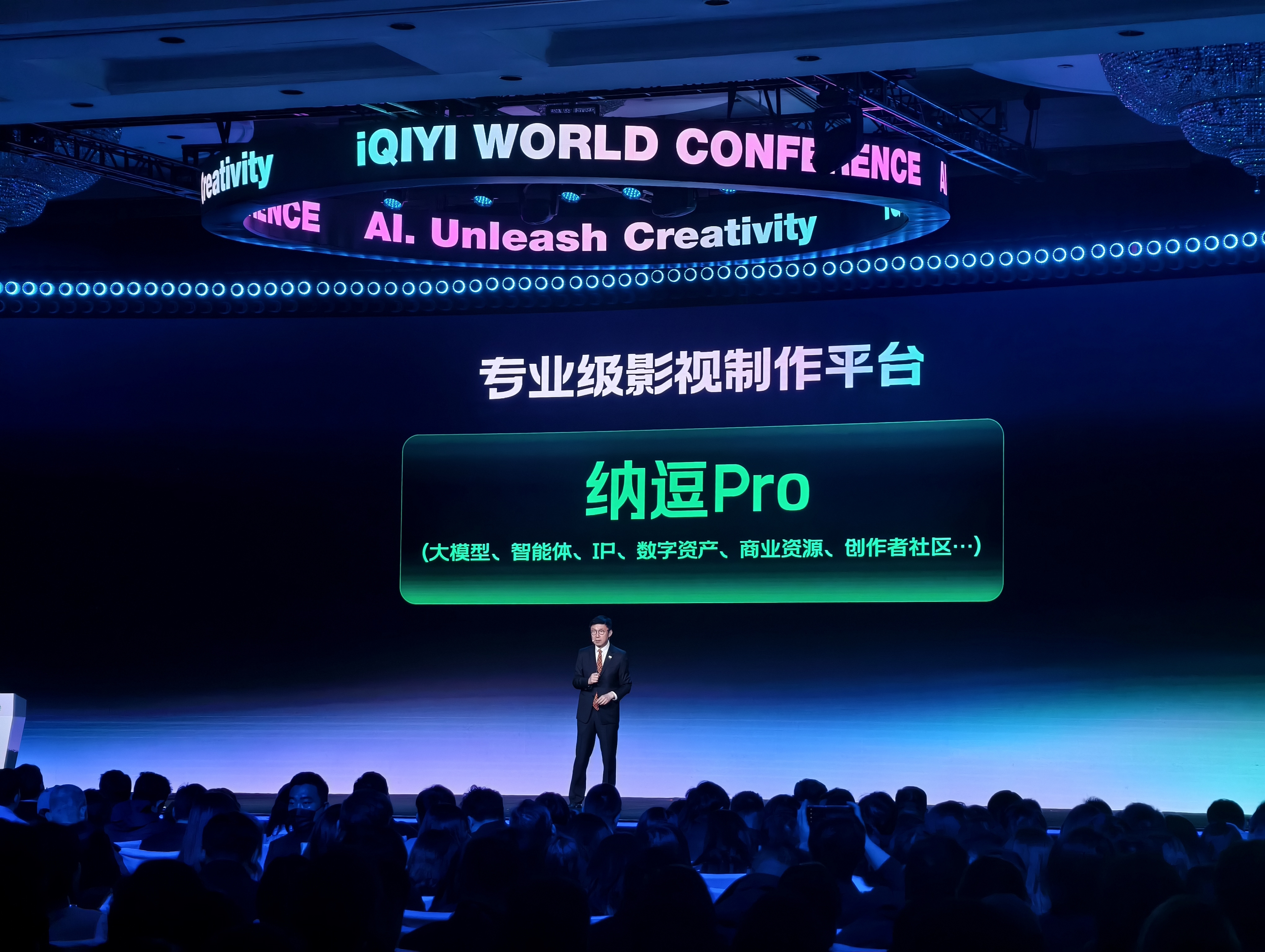
At the recent annual conference of iQIYI, one of China’s largest media companies, it was announced that “more than 100 artists in deep collaborative partnerships have agreed to join the AI platform ‘Nadou Pro’ artist database.” CTO Liu Wenfeng framed the project as a production aid, reducing the need for actors to be physically present for every shoot. CEO Gong Yu went further, suggesting that “real human live action work will become increasingly rare, perhaps becoming an intangible cultural heritage in the future.”
Several high-profile actors have already publicly denied any such agreements. The backlash online was almost immediate, too, ranging from lighthearted ridicule to comments like: “Put bluntly, it means capitalists don’t need so many real people living in this world.”
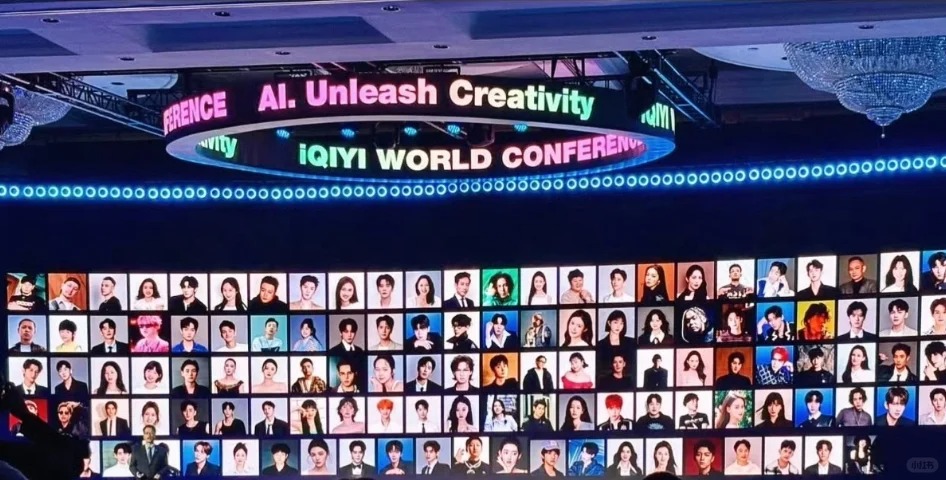
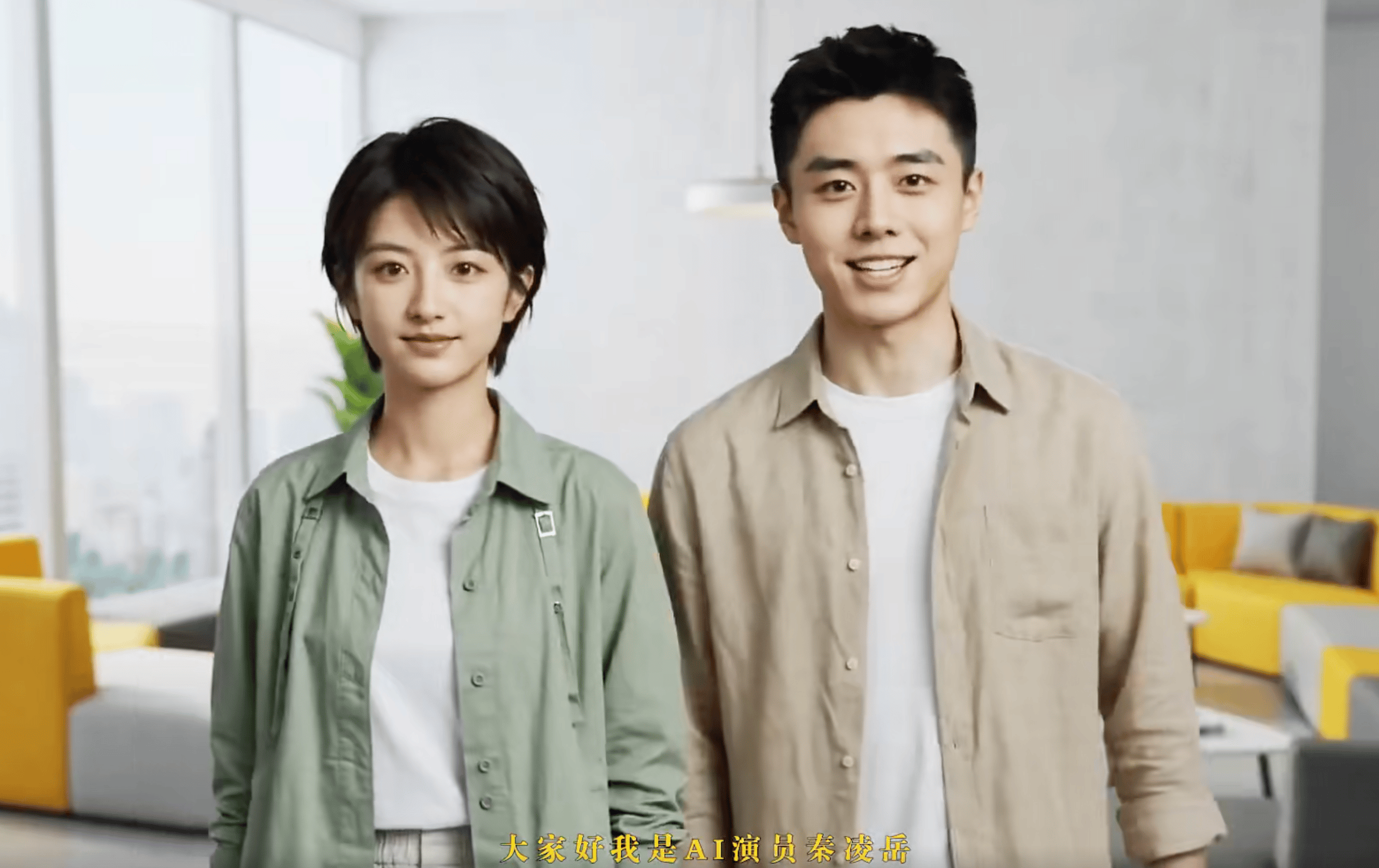
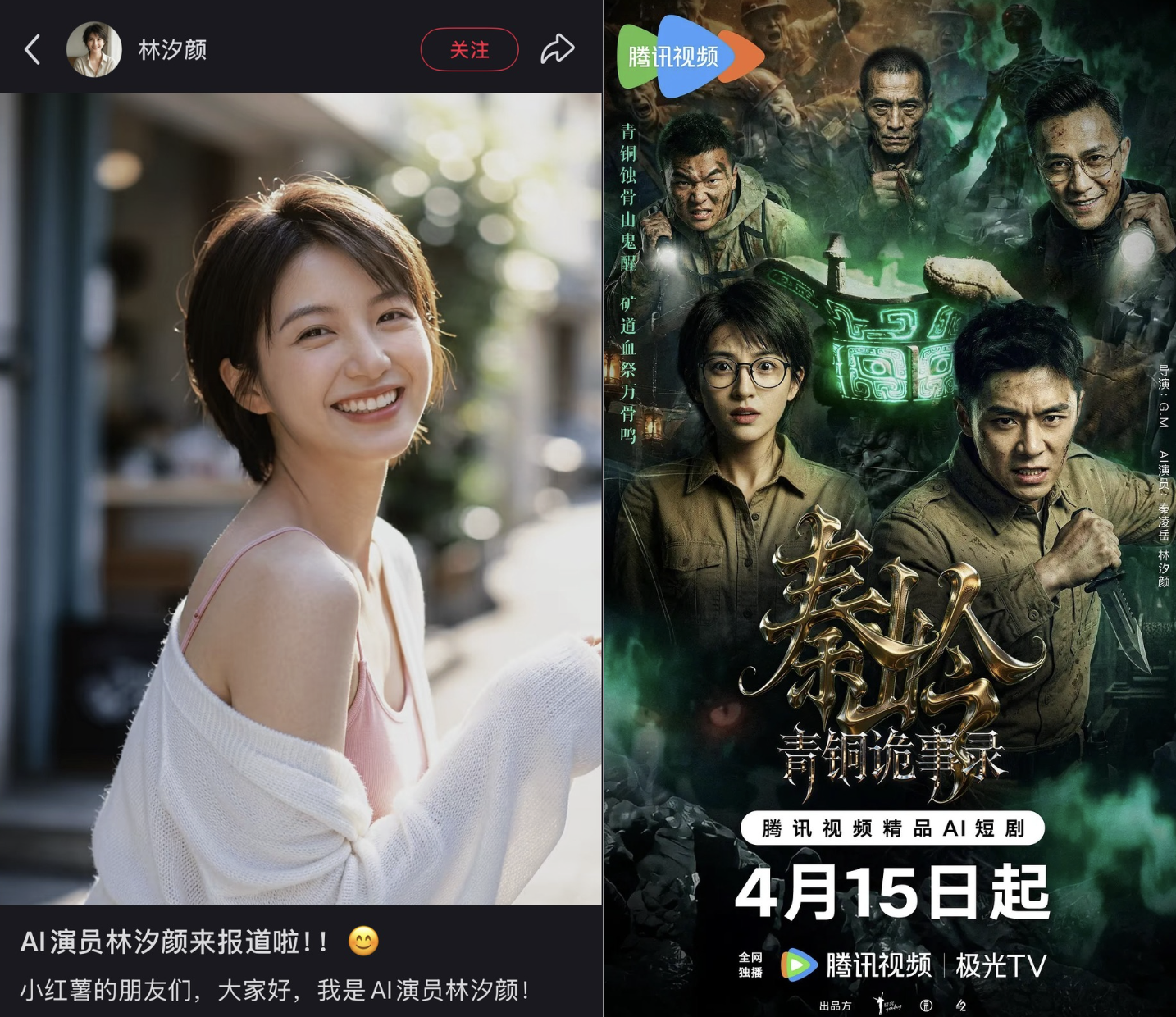
Nadou Pro (纳豆Pro) and its AI actors database are just one piece of the media industry’s broader push into AI. iQIYI has also rolled out Chijing AI (吃鲸AI) and Taodou World (桃豆世界), generative tools designed to streamline everything from production to distribution. Meanwhile, Youhug Media (耀客传媒) introduced AI actors Qin Lingyue and Lin Xiyan. These two already have their dedicated social media accounts and debuted in the AI microdrama Qinling Bronze Mystery Records (秦岭青铜诡事录) last month.
A pattern of mixed (if largely skeptical) reception continues to follow AI developments in film and television. Viewers frequently describe the result as “stuck in the uncanny valley,” while industry workers raise concerns over job security and the future of the profession. For now, this is less a finished product than a test run, and our creative future defined by AI coexistence remains to be seen.
Cover image via Youhug Media