Feature image of What Does it Feel Like When You Step Into a Collective Dream?

What Does it Feel Like When You Step Into a Collective Dream?

4 mins read

4 mins read

Feature image of What Does it Feel Like When You Step Into a Collective Dream?
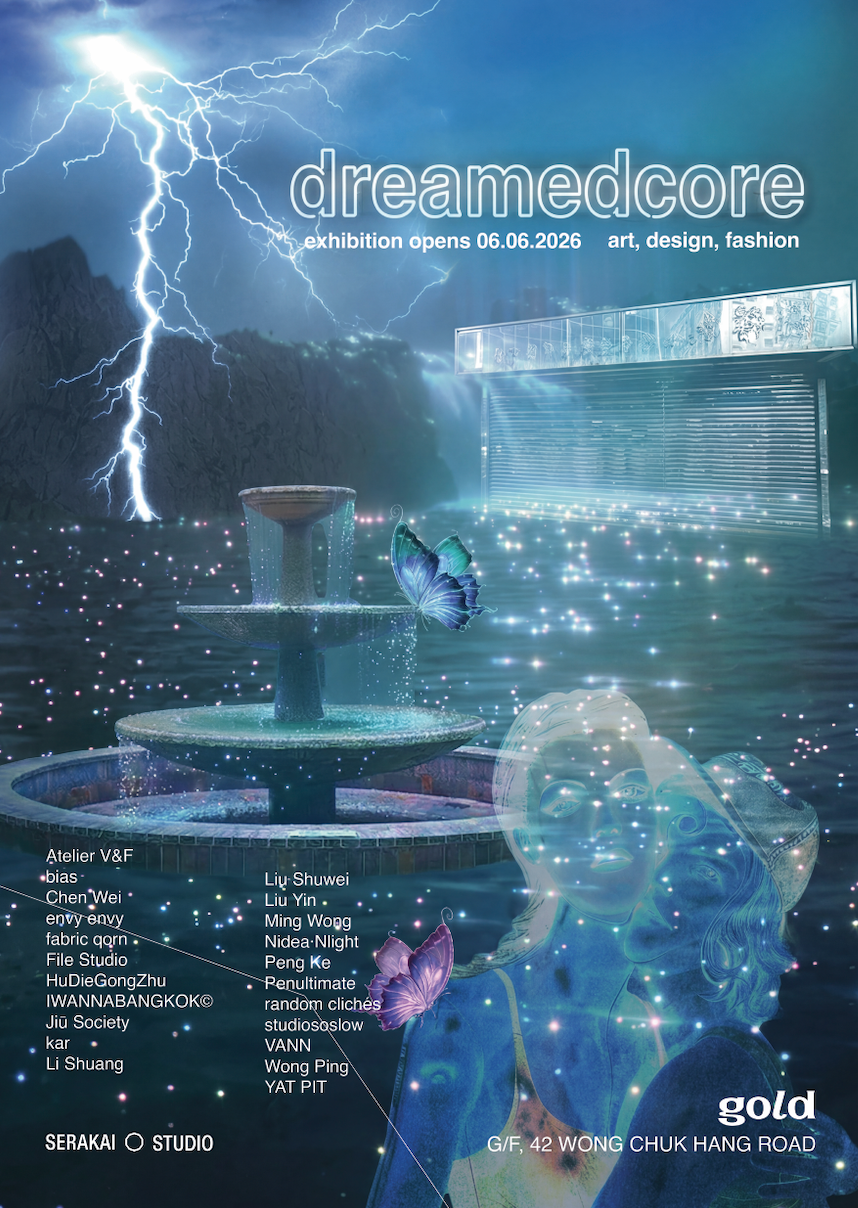
"dreamedcore" is an exhibition in Hong Kong that relives nostalgia through a surreal, multi-artist landscape, curated by Serakai Studio's GOLD Salon.

“We want to explore the tension that exists between memory and present experience, between nostalgia and uncertainty, between digital and physical, between connection and disconnection,” says Shirley Lau, Associate Curator of Serakai Studio, when speaking about the “dreamedcore” exhibition held at GOLD. And the exhibition itself makes this tension palpable.

Held throughout June to August 1st, the exhibition brings together 22 artists, designers, fashion brands, and creative studios from across Asia. Clothing, photography, installation, animation—the algorithmic aesthetics of the ’90s and early 2000s were integrated into a hybrid space of art exhibition, concept store, and fashion show. Each tells the story of everyone’s dreams in its own way.
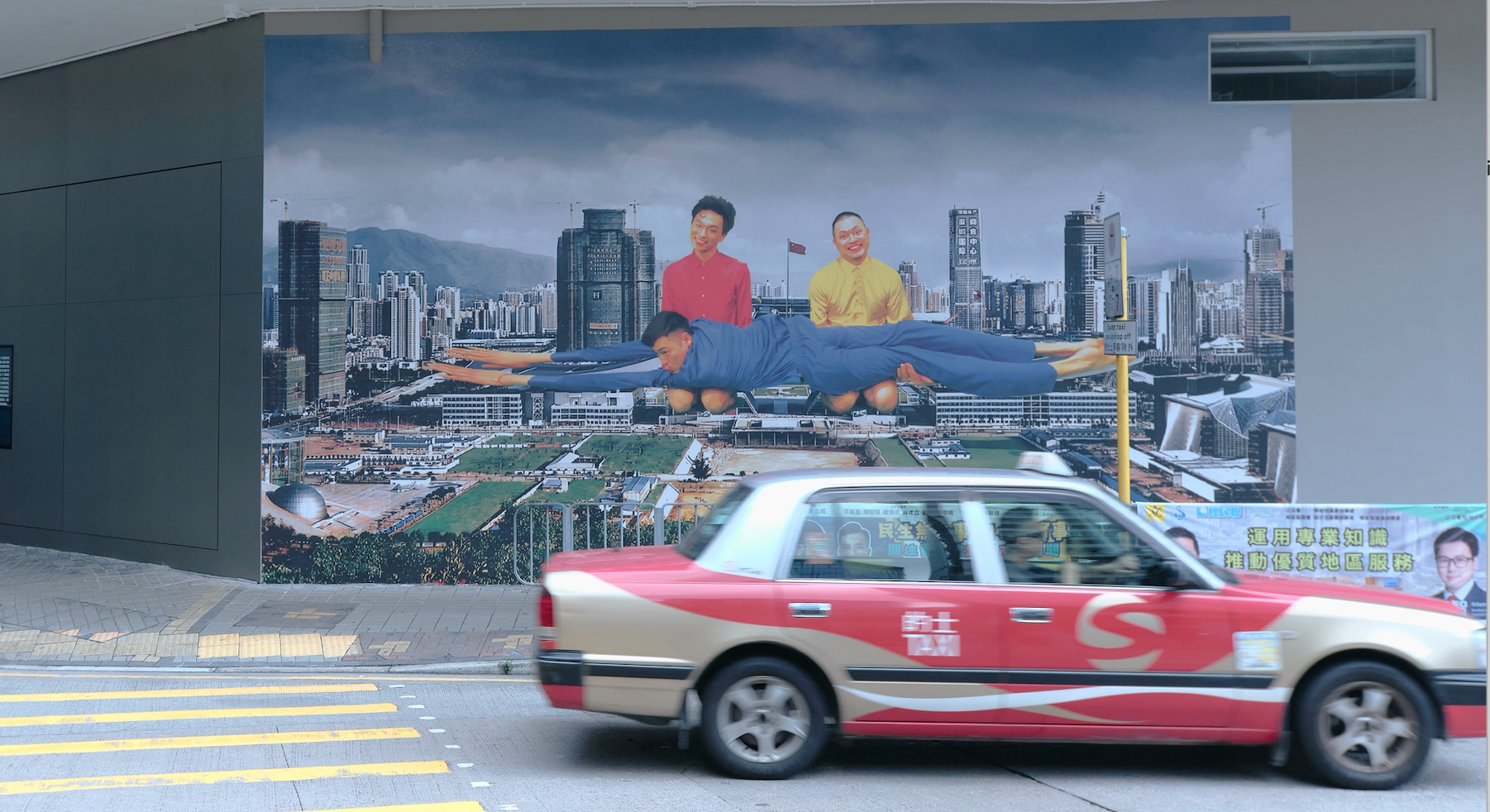
Co-curated by Lau and Tobias Berger, Co-founder and Curatorial Director of Serakai Studio, the exhibition is the result of a year and a half of research into emerging creative practices across China and Asia. For many exhibitors, this also marked their debut in Hong Kong.

By the time you walked out of the mirrored corridor before stepping into the exhibition, it became hard to make sense of the multiple reflections of yourself as they all stared back at you. This mirrored corridor served as a liminal space—a passageway of “slipping” from reality into a dream—and a perfect entrance to what the show itself represents.

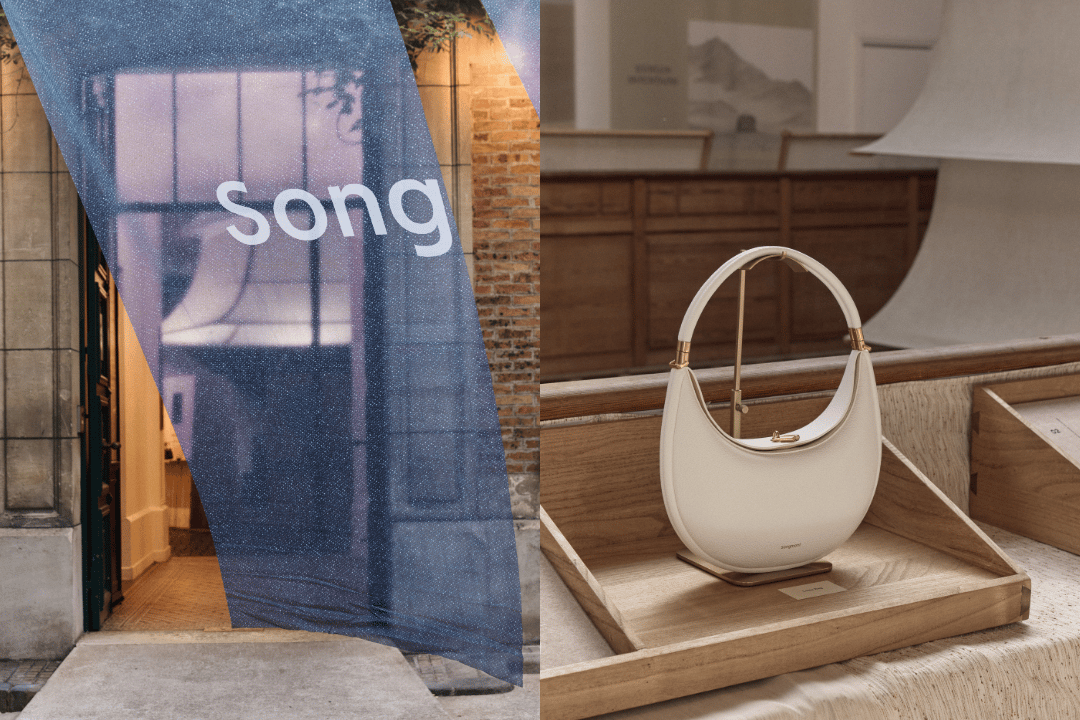
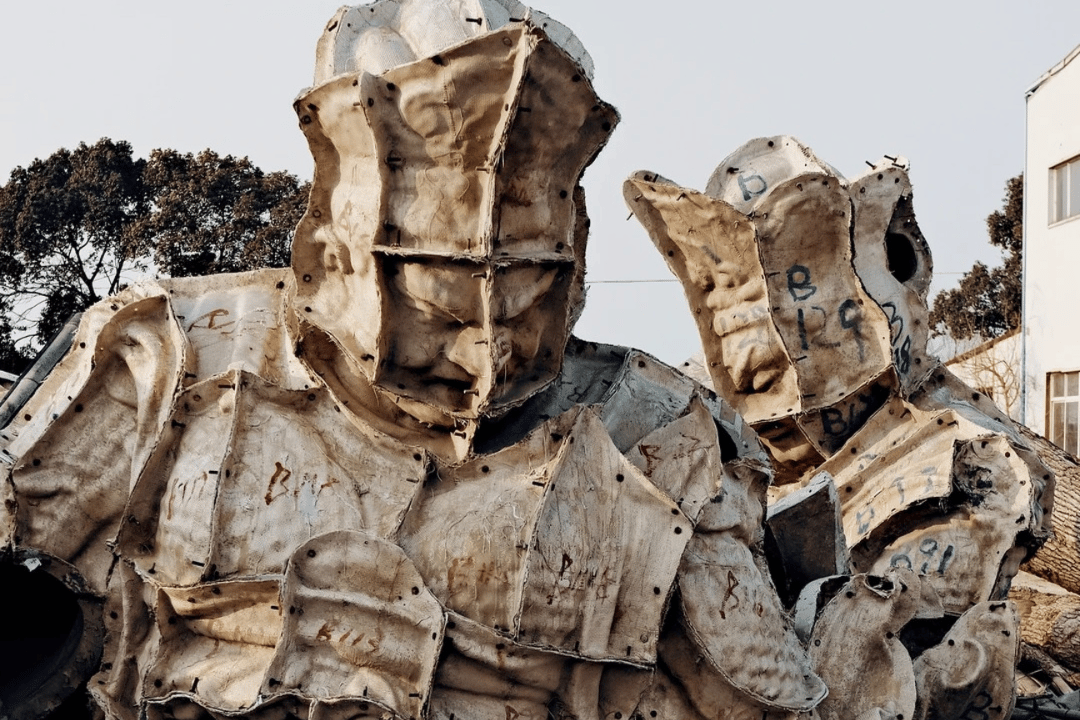
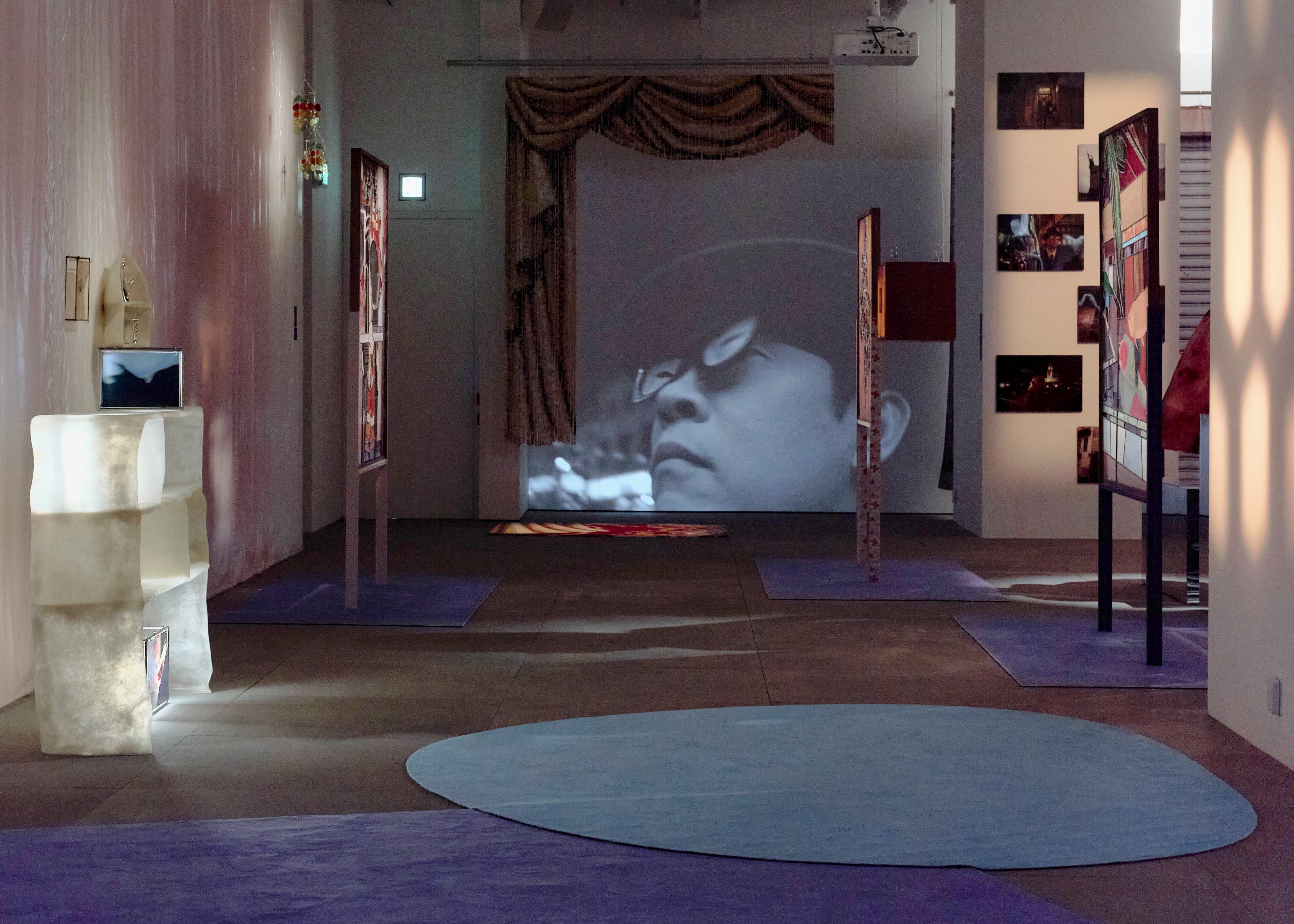
The spatial narrative of the exhibition is itself part of the work. The exhibition space is organized around a central fashion runway, surrounded by artwork, design furniture, and mannequins adorning the many exhibiting brands. The space is divided into two chapters: “Chapter 1: The Lure” uses flowing lighting, surreal furniture, and works by artists including Li Shuang to sketch the hazy collective memories of the internet age; “Chapter 2: The Twist” turns toward an exploration of the grotesque.
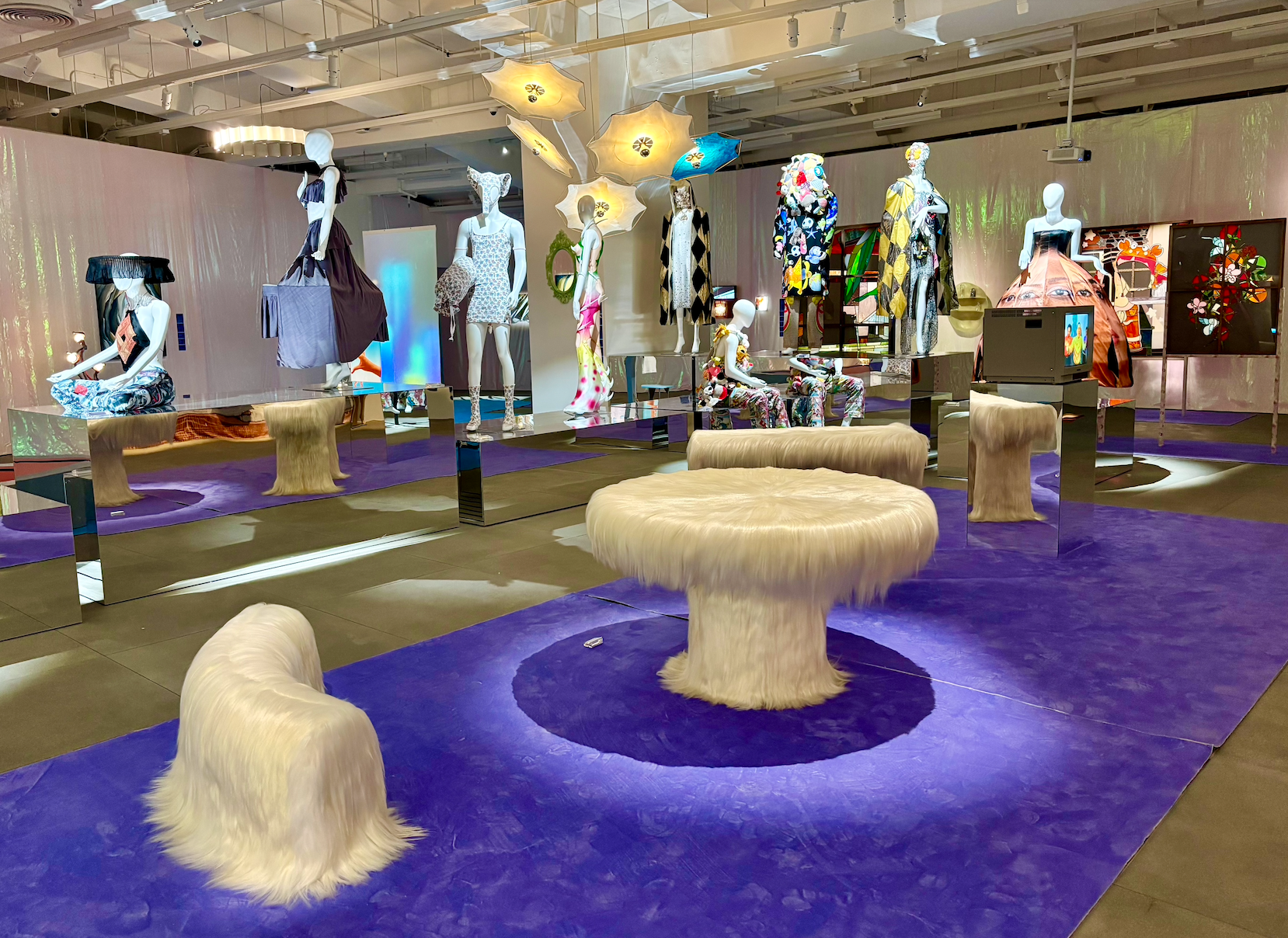
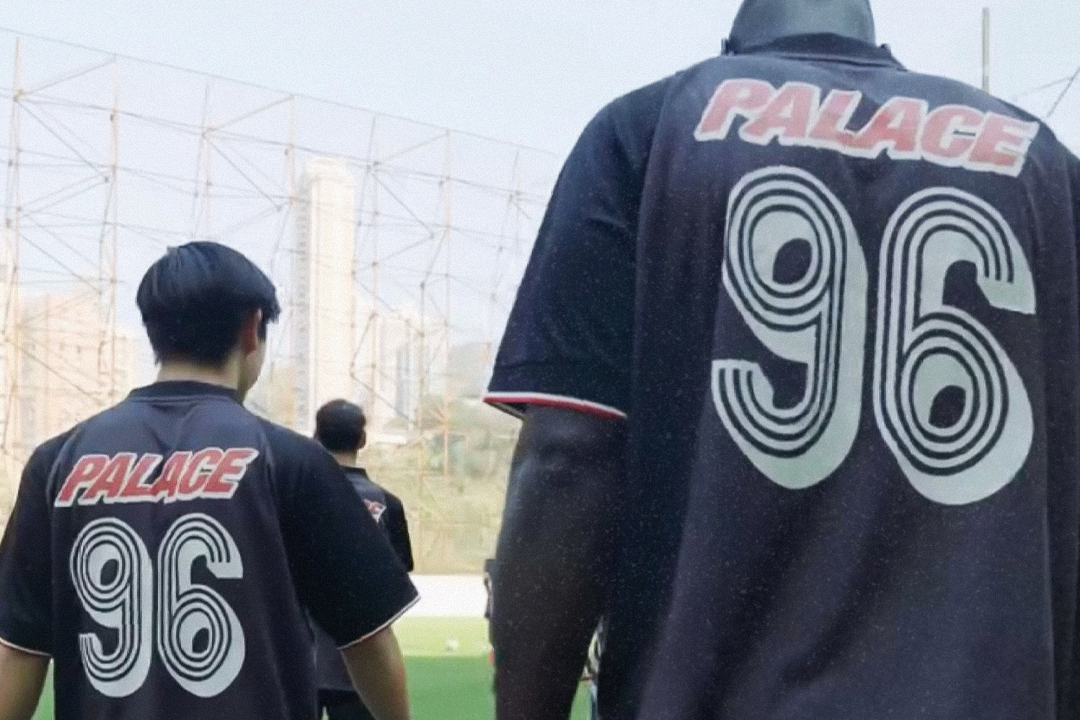
The central runway stage, the ambient lighting, Wong Ping‘s video playing in the mini cinema as you lie on kar‘s sofa, File Studio’s pendant lamp hanging from above—each installation invites you to linger and, in doing so, becomes part of the experience itself. This setting invites audiences to slow down and immerse themselves fully—a component the curators describe as “indispensable” to the dreamcore experience.

Viewers are confronted with a familiar Chinese collective memory, yet one that artists have recoded through defamiliarization. The non-linear, fragmented, scattered layout gives the exhibition a peculiar coexistence of connection and disconnection. Just as its theme suggests: surreal, suspended, dreamlike. Here, dreamedcore becomes a way of processing rapid change, memory, and loss.

Butterfly Princess (蝴蝶公主), the founder and designer behind the coveted brand HuDieGongZhu, transposes onto clothing what she has collected from streets and alleys, Douyin and Kuaishou feeds, even parents’ WeChat Moments: high brightness, high saturation, the sinking Chinese aesthetic. Advertisements, facial features, and Microsoft WordArt. Beneath the visual impact, serious national identity and playful subculture are twisted together.
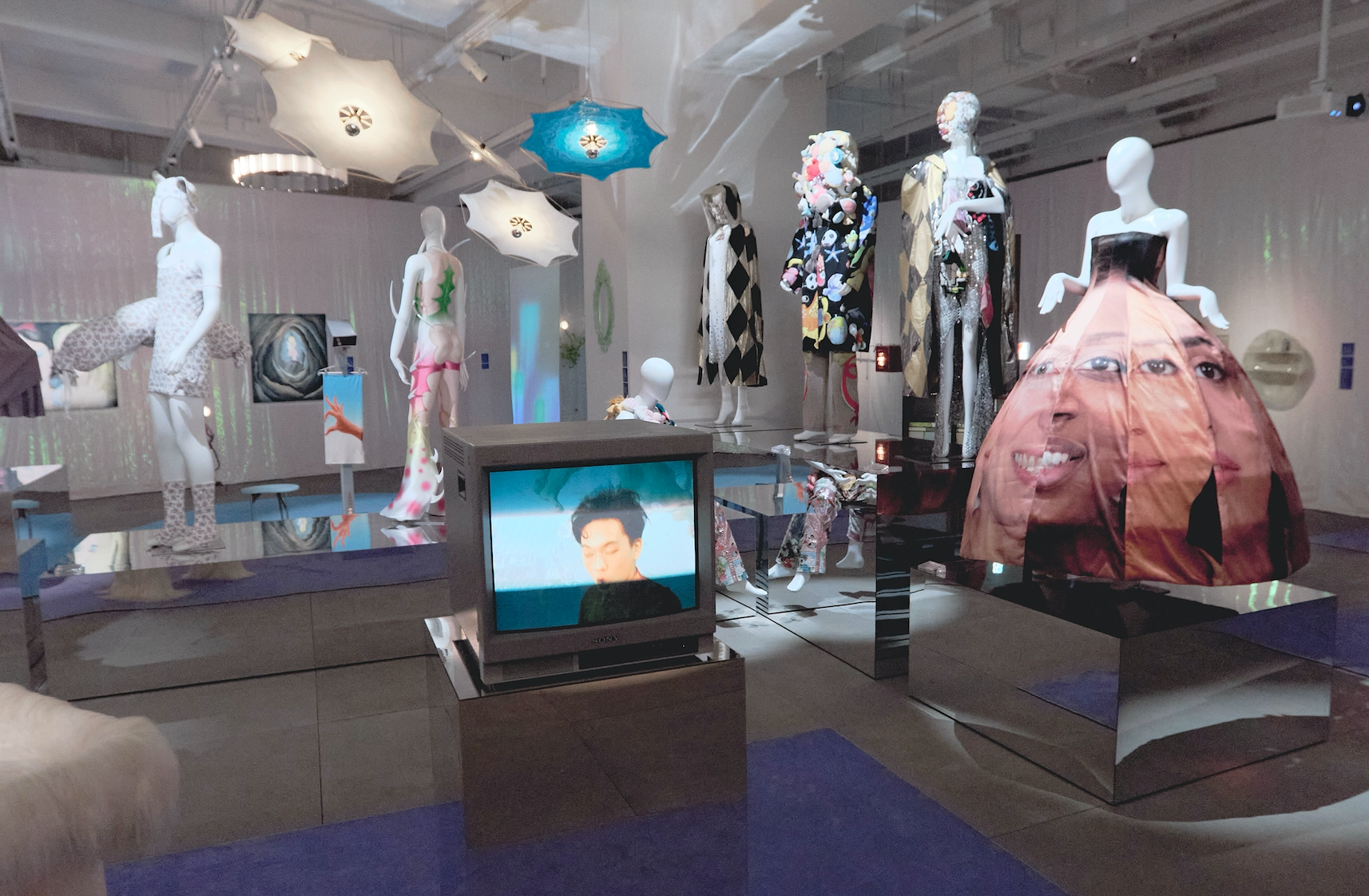
Butterfly Princess‘s work, titled “Copy Queen,” itself responds to mechanisms of copying and dissemination. Her practice is rooted in the generation of creators who pivoted to DTC (direct-to-consumer) operations during the pandemic—through platforms like WeChat and Xiaohongshu, niche aesthetics have been able to circulate beyond traditional cultural structures.

Bu Jiaxin, the founder of envy envy, presents his The Beat Series. Steel pipes are bent and folded into racks—irregularity and chaos subvert their functionality. “Vision is the first thing that attracts me,” he says. “Pipes breaking free of their framework, like every ill-fitting person.”

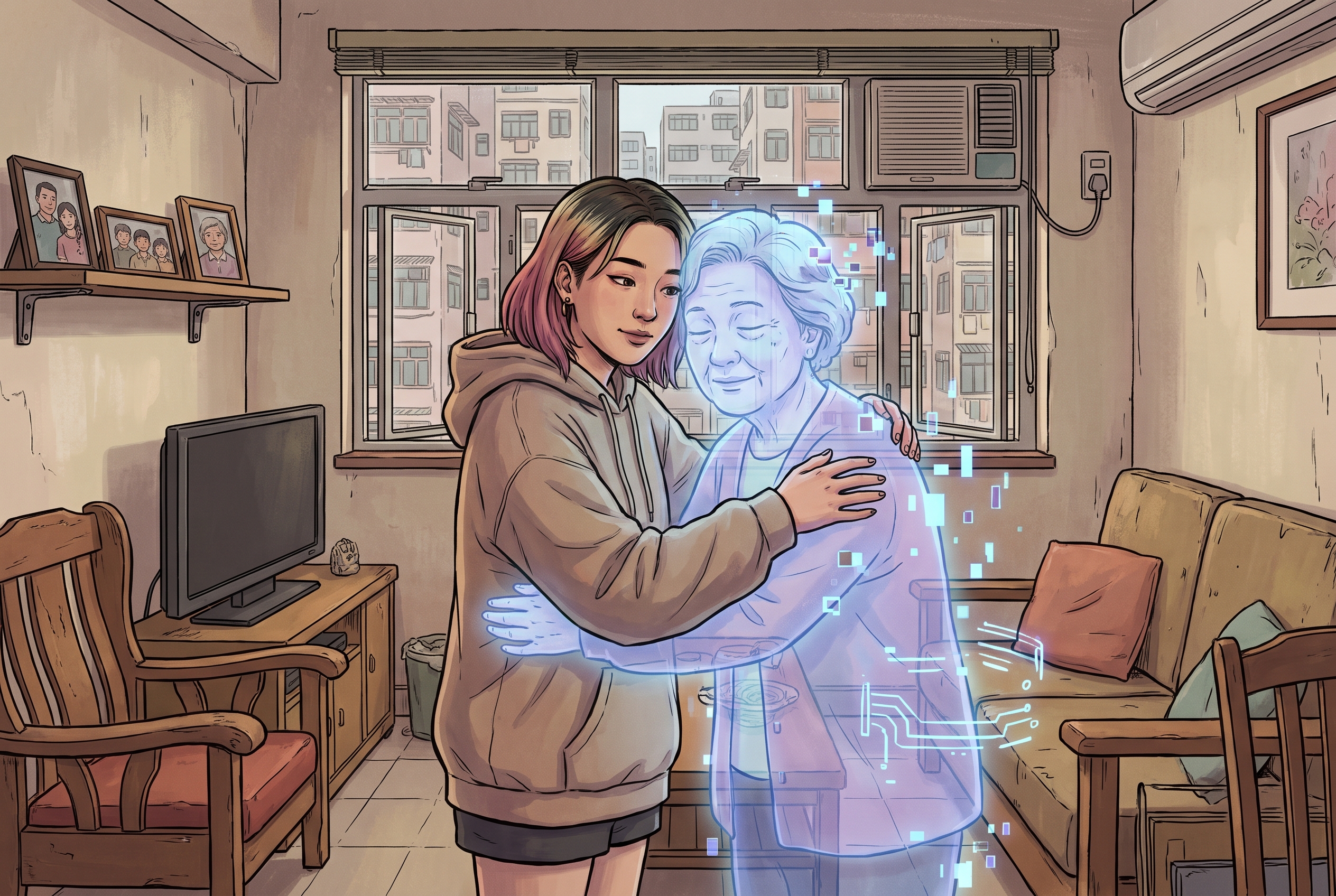
There is also a more subtle sense of familiarity in the exhibition. You may never have experienced the late ’90s or early 2000s, yet you still feel a certain “homesickness.” The magic of collective memory.
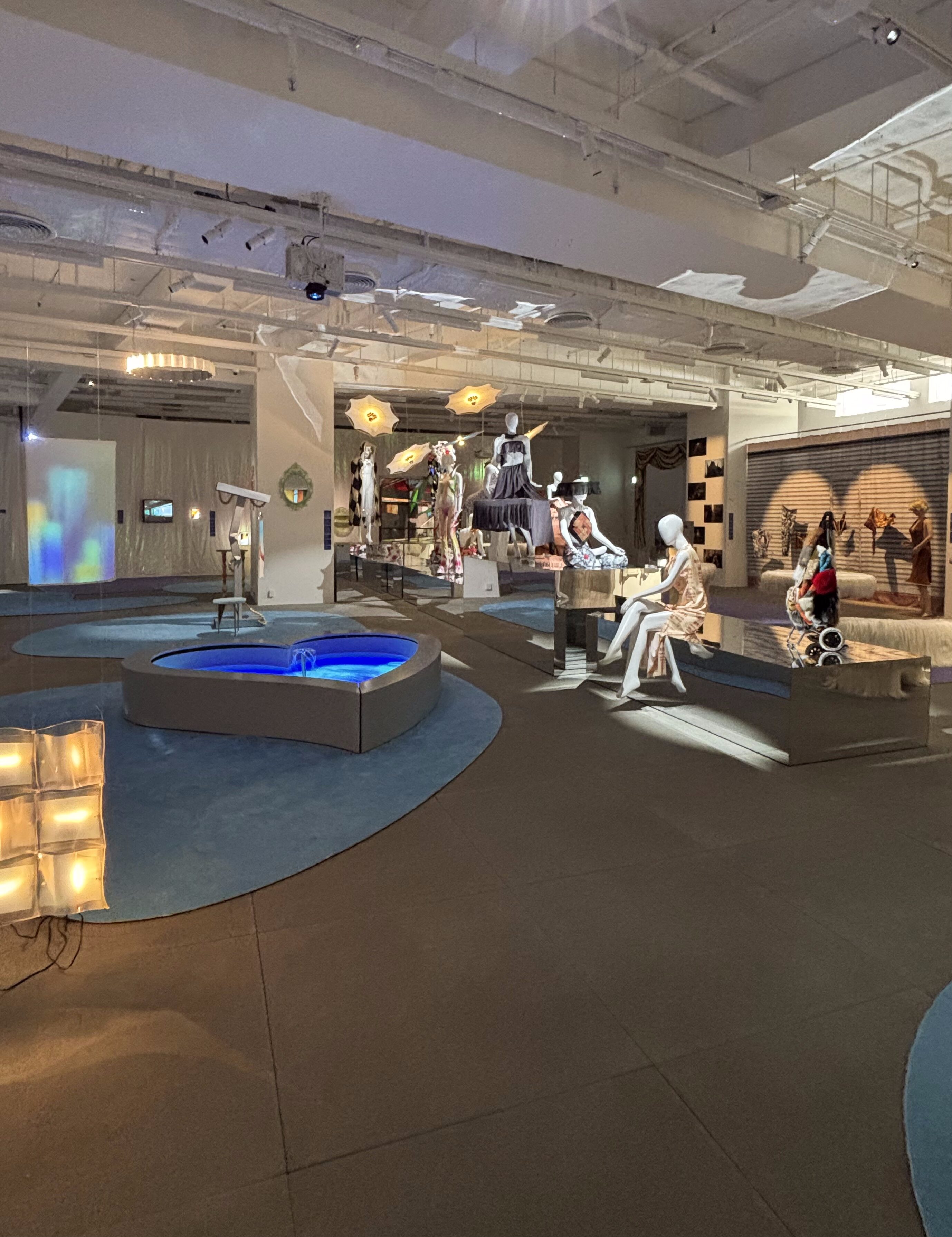
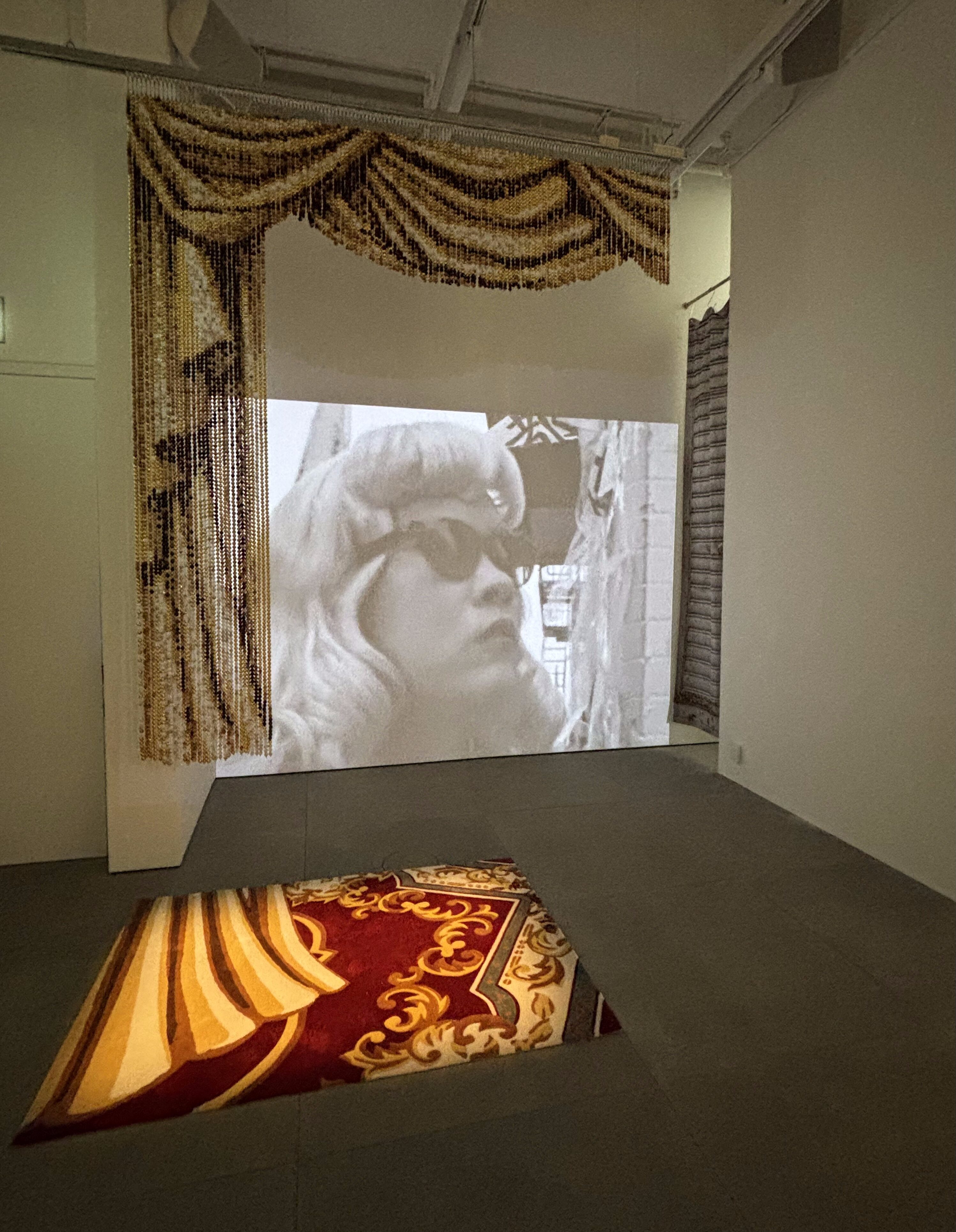
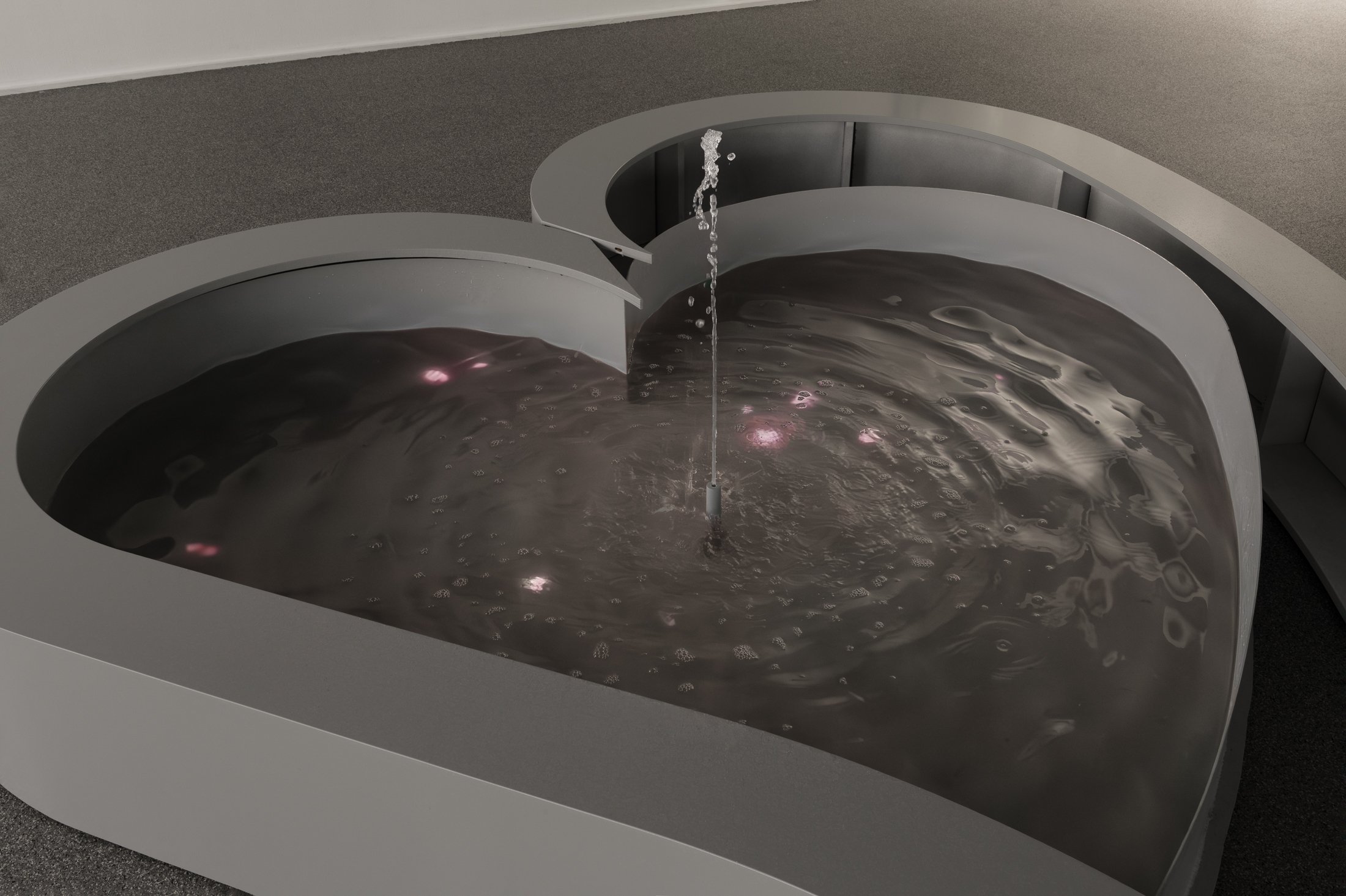
It is an emotion suspended between “the future we once thought we would have” and “the loss we actually experienced.” In Peng Ke‘s work, glass and screens become transparent barriers—refracted memories visible yet untouchable. In Li Shuang‘s video pieces, internet-age memory is fragmented and endlessly looping, like a skipping record.

And then there is the random clichés’ bead curtain—that plastic doorway “curtain” you push aside and drop back into place, often found in the households of millennials. It becomes a tactile anchor, pulling viewers back into a living room they never really left. Chen Wei‘s “Hypnotic Rain” is also presented in “The Lure” chapter, using a fluid visual language that echoes the theme of the exhibition’s first chapter.

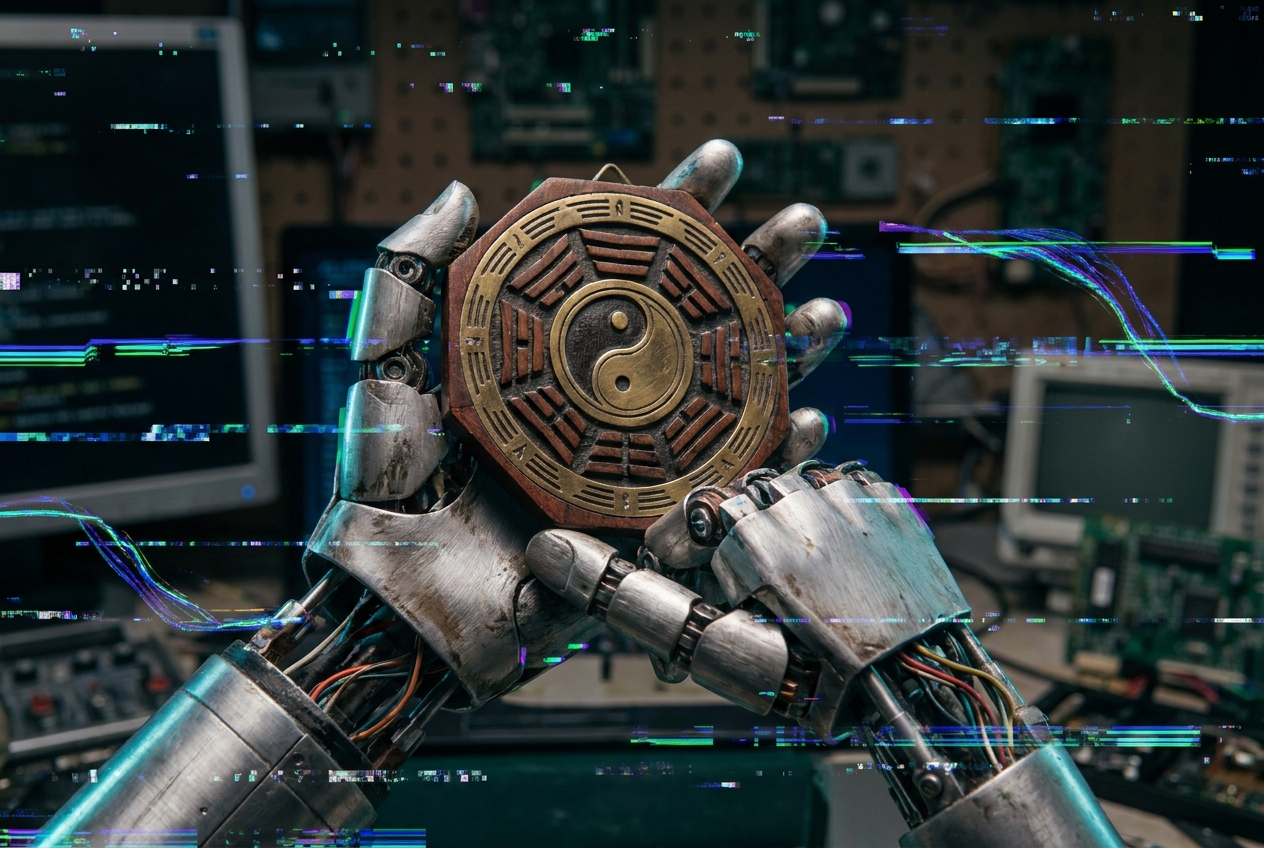
The visual textures of the ’90s and early 2000s that recur throughout the exhibition—low resolution, blur, glitch, screen fluorescence—are the embodiment of digital-era collective memory. These visual elements resonate because they once formed a shared daily reality.
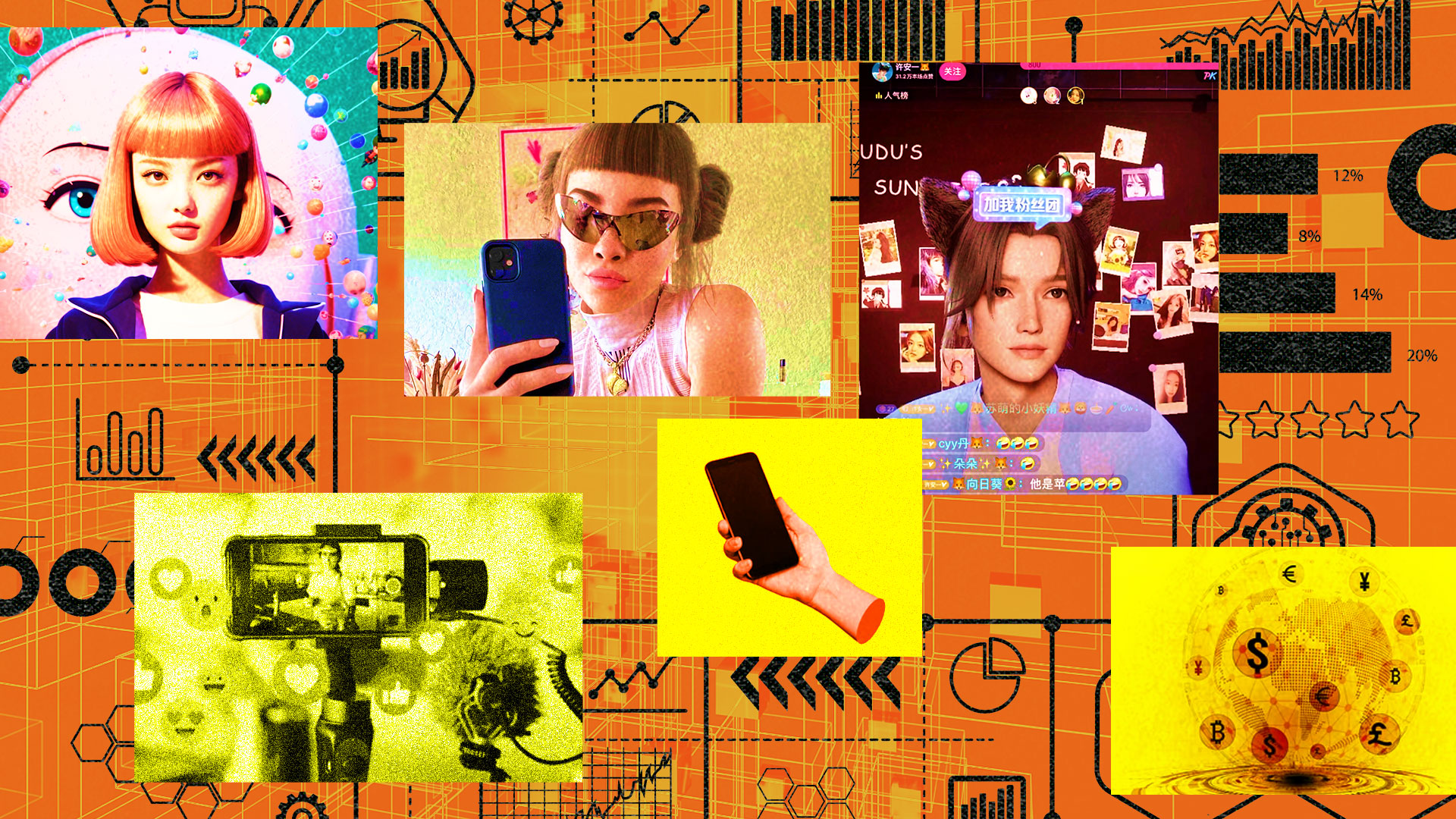
Bu Jiaxin shares that he creates content and manages his own account, and the analytics tell him clearly what kind of people like his work. On the other side of the screen, those “equally ill-fitting people” complete a silent form of connection—through likes, saves, and comments. The digital artwork invites you to enter an interface—an interface where you once dialed up through a 56k modem, waiting for images to load line by line under a blinking cursor.

That kind of connection was fragile, delayed, liable to disconnect at any moment. It was an emotional state we once shared.

The space in which GOLD now sits was once a jewelry store. Now it is a hybrid cultural salon. This spatial transformation fittingly echoes the exhibition’s theme: old functions are suspended, new connections grow from the ruins.
Twenty-two creators, each telling their own story, yet together constructing “everyone’s dream” within the same space. Each walks their own corridor, but sees one another through reflections. Together yet non-interfering. Common yet disconnected. This is exactly what a dream looks like.

Sight, sound, smell, taste, touch—all so vivid, yet unreachable. All phenomena are like dreams, illusions, bubbles, shadows. Dreams are projections of one’s own memory, the work of the subconscious. Walking into the venue, passing through the mirrored corridor, seeing yourself and your reflection. Within this dreamlike bubble, we did indeed dream together.

All images via Serakai Studios/GOLD.
NEWSLETTER

Get weekly top picks and exclusive, newsletter only content delivered straight to you inbox.

NEWSLETTER

Get weekly top picks and exclusive, newsletter only content delivered straight to you inbox.

RADII NEWSLETTER

Get weekly top picks and exclusive, newsletter only content delivered straight to you inbox

Feature image of What Does it Feel Like When You Step Into a Collective Dream?

What Does it Feel Like When You Step Into a Collective Dream?

4 mins read

"dreamedcore" is an exhibition in Hong Kong that relives nostalgia through a surreal, multi-artist landscape, curated by Serakai Studio's GOLD Salon.

“We want to explore the tension that exists between memory and present experience, between nostalgia and uncertainty, between digital and physical, between connection and disconnection,” says Shirley Lau, Associate Curator of Serakai Studio, when speaking about the “dreamedcore” exhibition held at GOLD. And the exhibition itself makes this tension palpable.

Held throughout June to August 1st, the exhibition brings together 22 artists, designers, fashion brands, and creative studios from across Asia. Clothing, photography, installation, animation—the algorithmic aesthetics of the ’90s and early 2000s were integrated into a hybrid space of art exhibition, concept store, and fashion show. Each tells the story of everyone’s dreams in its own way.

Co-curated by Lau and Tobias Berger, Co-founder and Curatorial Director of Serakai Studio, the exhibition is the result of a year and a half of research into emerging creative practices across China and Asia. For many exhibitors, this also marked their debut in Hong Kong.

By the time you walked out of the mirrored corridor before stepping into the exhibition, it became hard to make sense of the multiple reflections of yourself as they all stared back at you. This mirrored corridor served as a liminal space—a passageway of “slipping” from reality into a dream—and a perfect entrance to what the show itself represents.

The spatial narrative of the exhibition is itself part of the work. The exhibition space is organized around a central fashion runway, surrounded by artwork, design furniture, and mannequins adorning the many exhibiting brands. The space is divided into two chapters: “Chapter 1: The Lure” uses flowing lighting, surreal furniture, and works by artists including Li Shuang to sketch the hazy collective memories of the internet age; “Chapter 2: The Twist” turns toward an exploration of the grotesque.

The central runway stage, the ambient lighting, Wong Ping‘s video playing in the mini cinema as you lie on kar‘s sofa, File Studio’s pendant lamp hanging from above—each installation invites you to linger and, in doing so, becomes part of the experience itself. This setting invites audiences to slow down and immerse themselves fully—a component the curators describe as “indispensable” to the dreamcore experience.

Viewers are confronted with a familiar Chinese collective memory, yet one that artists have recoded through defamiliarization. The non-linear, fragmented, scattered layout gives the exhibition a peculiar coexistence of connection and disconnection. Just as its theme suggests: surreal, suspended, dreamlike. Here, dreamedcore becomes a way of processing rapid change, memory, and loss.

Butterfly Princess (蝴蝶公主), the founder and designer behind the coveted brand HuDieGongZhu, transposes onto clothing what she has collected from streets and alleys, Douyin and Kuaishou feeds, even parents’ WeChat Moments: high brightness, high saturation, the sinking Chinese aesthetic. Advertisements, facial features, and Microsoft WordArt. Beneath the visual impact, serious national identity and playful subculture are twisted together.

Butterfly Princess‘s work, titled “Copy Queen,” itself responds to mechanisms of copying and dissemination. Her practice is rooted in the generation of creators who pivoted to DTC (direct-to-consumer) operations during the pandemic—through platforms like WeChat and Xiaohongshu, niche aesthetics have been able to circulate beyond traditional cultural structures.

Bu Jiaxin, the founder of envy envy, presents his The Beat Series. Steel pipes are bent and folded into racks—irregularity and chaos subvert their functionality. “Vision is the first thing that attracts me,” he says. “Pipes breaking free of their framework, like every ill-fitting person.”

There is also a more subtle sense of familiarity in the exhibition. You may never have experienced the late ’90s or early 2000s, yet you still feel a certain “homesickness.” The magic of collective memory.

It is an emotion suspended between “the future we once thought we would have” and “the loss we actually experienced.” In Peng Ke‘s work, glass and screens become transparent barriers—refracted memories visible yet untouchable. In Li Shuang‘s video pieces, internet-age memory is fragmented and endlessly looping, like a skipping record.

And then there is the random clichés’ bead curtain—that plastic doorway “curtain” you push aside and drop back into place, often found in the households of millennials. It becomes a tactile anchor, pulling viewers back into a living room they never really left. Chen Wei‘s “Hypnotic Rain” is also presented in “The Lure” chapter, using a fluid visual language that echoes the theme of the exhibition’s first chapter.

The visual textures of the ’90s and early 2000s that recur throughout the exhibition—low resolution, blur, glitch, screen fluorescence—are the embodiment of digital-era collective memory. These visual elements resonate because they once formed a shared daily reality.

Bu Jiaxin shares that he creates content and manages his own account, and the analytics tell him clearly what kind of people like his work. On the other side of the screen, those “equally ill-fitting people” complete a silent form of connection—through likes, saves, and comments. The digital artwork invites you to enter an interface—an interface where you once dialed up through a 56k modem, waiting for images to load line by line under a blinking cursor.

That kind of connection was fragile, delayed, liable to disconnect at any moment. It was an emotional state we once shared.

The space in which GOLD now sits was once a jewelry store. Now it is a hybrid cultural salon. This spatial transformation fittingly echoes the exhibition’s theme: old functions are suspended, new connections grow from the ruins.

Twenty-two creators, each telling their own story, yet together constructing “everyone’s dream” within the same space. Each walks their own corridor, but sees one another through reflections. Together yet non-interfering. Common yet disconnected. This is exactly what a dream looks like.

Sight, sound, smell, taste, touch—all so vivid, yet unreachable. All phenomena are like dreams, illusions, bubbles, shadows. Dreams are projections of one’s own memory, the work of the subconscious. Walking into the venue, passing through the mirrored corridor, seeing yourself and your reflection. Within this dreamlike bubble, we did indeed dream together.

All images via Serakai Studios/GOLD.
NEWSLETTER

Get weekly top picks and exclusive, newsletter only content delivered straight to you inbox.

RADII NEWSLETTER

Get weekly top picks and exclusive, newsletter only content delivered straight to you inbox

RELATED POSTS

Feature image of What Does it Feel Like When You Step Into a Collective Dream?

What Does it Feel Like When You Step Into a Collective Dream?

4 mins read

4 mins read

Feature image of What Does it Feel Like When You Step Into a Collective Dream?
"dreamedcore" is an exhibition in Hong Kong that relives nostalgia through a surreal, multi-artist landscape, curated by Serakai Studio's GOLD Salon.

“We want to explore the tension that exists between memory and present experience, between nostalgia and uncertainty, between digital and physical, between connection and disconnection,” says Shirley Lau, Associate Curator of Serakai Studio, when speaking about the “dreamedcore” exhibition held at GOLD. And the exhibition itself makes this tension palpable.

Held throughout June to August 1st, the exhibition brings together 22 artists, designers, fashion brands, and creative studios from across Asia. Clothing, photography, installation, animation—the algorithmic aesthetics of the ’90s and early 2000s were integrated into a hybrid space of art exhibition, concept store, and fashion show. Each tells the story of everyone’s dreams in its own way.

Co-curated by Lau and Tobias Berger, Co-founder and Curatorial Director of Serakai Studio, the exhibition is the result of a year and a half of research into emerging creative practices across China and Asia. For many exhibitors, this also marked their debut in Hong Kong.

By the time you walked out of the mirrored corridor before stepping into the exhibition, it became hard to make sense of the multiple reflections of yourself as they all stared back at you. This mirrored corridor served as a liminal space—a passageway of “slipping” from reality into a dream—and a perfect entrance to what the show itself represents.

The spatial narrative of the exhibition is itself part of the work. The exhibition space is organized around a central fashion runway, surrounded by artwork, design furniture, and mannequins adorning the many exhibiting brands. The space is divided into two chapters: “Chapter 1: The Lure” uses flowing lighting, surreal furniture, and works by artists including Li Shuang to sketch the hazy collective memories of the internet age; “Chapter 2: The Twist” turns toward an exploration of the grotesque.

The central runway stage, the ambient lighting, Wong Ping‘s video playing in the mini cinema as you lie on kar‘s sofa, File Studio’s pendant lamp hanging from above—each installation invites you to linger and, in doing so, becomes part of the experience itself. This setting invites audiences to slow down and immerse themselves fully—a component the curators describe as “indispensable” to the dreamcore experience.

Viewers are confronted with a familiar Chinese collective memory, yet one that artists have recoded through defamiliarization. The non-linear, fragmented, scattered layout gives the exhibition a peculiar coexistence of connection and disconnection. Just as its theme suggests: surreal, suspended, dreamlike. Here, dreamedcore becomes a way of processing rapid change, memory, and loss.

Butterfly Princess (蝴蝶公主), the founder and designer behind the coveted brand HuDieGongZhu, transposes onto clothing what she has collected from streets and alleys, Douyin and Kuaishou feeds, even parents’ WeChat Moments: high brightness, high saturation, the sinking Chinese aesthetic. Advertisements, facial features, and Microsoft WordArt. Beneath the visual impact, serious national identity and playful subculture are twisted together.

Butterfly Princess‘s work, titled “Copy Queen,” itself responds to mechanisms of copying and dissemination. Her practice is rooted in the generation of creators who pivoted to DTC (direct-to-consumer) operations during the pandemic—through platforms like WeChat and Xiaohongshu, niche aesthetics have been able to circulate beyond traditional cultural structures.

Bu Jiaxin, the founder of envy envy, presents his The Beat Series. Steel pipes are bent and folded into racks—irregularity and chaos subvert their functionality. “Vision is the first thing that attracts me,” he says. “Pipes breaking free of their framework, like every ill-fitting person.”

There is also a more subtle sense of familiarity in the exhibition. You may never have experienced the late ’90s or early 2000s, yet you still feel a certain “homesickness.” The magic of collective memory.

It is an emotion suspended between “the future we once thought we would have” and “the loss we actually experienced.” In Peng Ke‘s work, glass and screens become transparent barriers—refracted memories visible yet untouchable. In Li Shuang‘s video pieces, internet-age memory is fragmented and endlessly looping, like a skipping record.

And then there is the random clichés’ bead curtain—that plastic doorway “curtain” you push aside and drop back into place, often found in the households of millennials. It becomes a tactile anchor, pulling viewers back into a living room they never really left. Chen Wei‘s “Hypnotic Rain” is also presented in “The Lure” chapter, using a fluid visual language that echoes the theme of the exhibition’s first chapter.

The visual textures of the ’90s and early 2000s that recur throughout the exhibition—low resolution, blur, glitch, screen fluorescence—are the embodiment of digital-era collective memory. These visual elements resonate because they once formed a shared daily reality.

Bu Jiaxin shares that he creates content and manages his own account, and the analytics tell him clearly what kind of people like his work. On the other side of the screen, those “equally ill-fitting people” complete a silent form of connection—through likes, saves, and comments. The digital artwork invites you to enter an interface—an interface where you once dialed up through a 56k modem, waiting for images to load line by line under a blinking cursor.

That kind of connection was fragile, delayed, liable to disconnect at any moment. It was an emotional state we once shared.

The space in which GOLD now sits was once a jewelry store. Now it is a hybrid cultural salon. This spatial transformation fittingly echoes the exhibition’s theme: old functions are suspended, new connections grow from the ruins.

Twenty-two creators, each telling their own story, yet together constructing “everyone’s dream” within the same space. Each walks their own corridor, but sees one another through reflections. Together yet non-interfering. Common yet disconnected. This is exactly what a dream looks like.

Sight, sound, smell, taste, touch—all so vivid, yet unreachable. All phenomena are like dreams, illusions, bubbles, shadows. Dreams are projections of one’s own memory, the work of the subconscious. Walking into the venue, passing through the mirrored corridor, seeing yourself and your reflection. Within this dreamlike bubble, we did indeed dream together.

All images via Serakai Studios/GOLD.
NEWSLETTER

Get weekly top picks and exclusive, newsletter only content delivered straight to you inbox.

NEWSLETTER

Get weekly top picks and exclusive, newsletter only content delivered straight to you inbox.

RADII NEWSLETTER

Get weekly top picks and exclusive, newsletter only content delivered straight to you inbox

Feature image of What Does it Feel Like When You Step Into a Collective Dream?

What Does it Feel Like When You Step Into a Collective Dream?

4 mins read

"dreamedcore" is an exhibition in Hong Kong that relives nostalgia through a surreal, multi-artist landscape, curated by Serakai Studio's GOLD Salon.

“We want to explore the tension that exists between memory and present experience, between nostalgia and uncertainty, between digital and physical, between connection and disconnection,” says Shirley Lau, Associate Curator of Serakai Studio, when speaking about the “dreamedcore” exhibition held at GOLD. And the exhibition itself makes this tension palpable.

Held throughout June to August 1st, the exhibition brings together 22 artists, designers, fashion brands, and creative studios from across Asia. Clothing, photography, installation, animation—the algorithmic aesthetics of the ’90s and early 2000s were integrated into a hybrid space of art exhibition, concept store, and fashion show. Each tells the story of everyone’s dreams in its own way.

Co-curated by Lau and Tobias Berger, Co-founder and Curatorial Director of Serakai Studio, the exhibition is the result of a year and a half of research into emerging creative practices across China and Asia. For many exhibitors, this also marked their debut in Hong Kong.

By the time you walked out of the mirrored corridor before stepping into the exhibition, it became hard to make sense of the multiple reflections of yourself as they all stared back at you. This mirrored corridor served as a liminal space—a passageway of “slipping” from reality into a dream—and a perfect entrance to what the show itself represents.

The spatial narrative of the exhibition is itself part of the work. The exhibition space is organized around a central fashion runway, surrounded by artwork, design furniture, and mannequins adorning the many exhibiting brands. The space is divided into two chapters: “Chapter 1: The Lure” uses flowing lighting, surreal furniture, and works by artists including Li Shuang to sketch the hazy collective memories of the internet age; “Chapter 2: The Twist” turns toward an exploration of the grotesque.

The central runway stage, the ambient lighting, Wong Ping‘s video playing in the mini cinema as you lie on kar‘s sofa, File Studio’s pendant lamp hanging from above—each installation invites you to linger and, in doing so, becomes part of the experience itself. This setting invites audiences to slow down and immerse themselves fully—a component the curators describe as “indispensable” to the dreamcore experience.

Viewers are confronted with a familiar Chinese collective memory, yet one that artists have recoded through defamiliarization. The non-linear, fragmented, scattered layout gives the exhibition a peculiar coexistence of connection and disconnection. Just as its theme suggests: surreal, suspended, dreamlike. Here, dreamedcore becomes a way of processing rapid change, memory, and loss.

Butterfly Princess (蝴蝶公主), the founder and designer behind the coveted brand HuDieGongZhu, transposes onto clothing what she has collected from streets and alleys, Douyin and Kuaishou feeds, even parents’ WeChat Moments: high brightness, high saturation, the sinking Chinese aesthetic. Advertisements, facial features, and Microsoft WordArt. Beneath the visual impact, serious national identity and playful subculture are twisted together.

Butterfly Princess‘s work, titled “Copy Queen,” itself responds to mechanisms of copying and dissemination. Her practice is rooted in the generation of creators who pivoted to DTC (direct-to-consumer) operations during the pandemic—through platforms like WeChat and Xiaohongshu, niche aesthetics have been able to circulate beyond traditional cultural structures.

Bu Jiaxin, the founder of envy envy, presents his The Beat Series. Steel pipes are bent and folded into racks—irregularity and chaos subvert their functionality. “Vision is the first thing that attracts me,” he says. “Pipes breaking free of their framework, like every ill-fitting person.”

There is also a more subtle sense of familiarity in the exhibition. You may never have experienced the late ’90s or early 2000s, yet you still feel a certain “homesickness.” The magic of collective memory.

It is an emotion suspended between “the future we once thought we would have” and “the loss we actually experienced.” In Peng Ke‘s work, glass and screens become transparent barriers—refracted memories visible yet untouchable. In Li Shuang‘s video pieces, internet-age memory is fragmented and endlessly looping, like a skipping record.

And then there is the random clichés’ bead curtain—that plastic doorway “curtain” you push aside and drop back into place, often found in the households of millennials. It becomes a tactile anchor, pulling viewers back into a living room they never really left. Chen Wei‘s “Hypnotic Rain” is also presented in “The Lure” chapter, using a fluid visual language that echoes the theme of the exhibition’s first chapter.

The visual textures of the ’90s and early 2000s that recur throughout the exhibition—low resolution, blur, glitch, screen fluorescence—are the embodiment of digital-era collective memory. These visual elements resonate because they once formed a shared daily reality.

Bu Jiaxin shares that he creates content and manages his own account, and the analytics tell him clearly what kind of people like his work. On the other side of the screen, those “equally ill-fitting people” complete a silent form of connection—through likes, saves, and comments. The digital artwork invites you to enter an interface—an interface where you once dialed up through a 56k modem, waiting for images to load line by line under a blinking cursor.

That kind of connection was fragile, delayed, liable to disconnect at any moment. It was an emotional state we once shared.

The space in which GOLD now sits was once a jewelry store. Now it is a hybrid cultural salon. This spatial transformation fittingly echoes the exhibition’s theme: old functions are suspended, new connections grow from the ruins.

Twenty-two creators, each telling their own story, yet together constructing “everyone’s dream” within the same space. Each walks their own corridor, but sees one another through reflections. Together yet non-interfering. Common yet disconnected. This is exactly what a dream looks like.

Sight, sound, smell, taste, touch—all so vivid, yet unreachable. All phenomena are like dreams, illusions, bubbles, shadows. Dreams are projections of one’s own memory, the work of the subconscious. Walking into the venue, passing through the mirrored corridor, seeing yourself and your reflection. Within this dreamlike bubble, we did indeed dream together.

All images via Serakai Studios/GOLD.
NEWSLETTER

Get weekly top picks and exclusive, newsletter only content delivered straight to you inbox.

RADII NEWSLETTER

Get weekly top picks and exclusive, newsletter only content delivered straight to you inbox

RADII newsletter pop up visual

NEWSLETTER​

Get weekly top picks and exclusive, newsletter only content delivered straight to you inbox

RADII Newsletter Pop Up small banner

NEWSLETTER

Get weekly top picks and exclusive, newsletter only content delivered straight to you inbox.

Link Copied!

Share

Feature image of What Does it Feel Like When You Step Into a Collective Dream?

What Does it Feel Like When You Step Into a Collective Dream?

"dreamedcore" is an exhibition in Hong Kong that relives nostalgia through a surreal, multi-artist landscape, curated by Serakai Studio's GOLD Salon.

PULSE

Tap into the latest in music, fashion, art, design, entertainment, pop culture, celebrity news, and contemporary culture

DISCOVER

Embark on a journey through food, travel, wellness, heritage, traditional culture, and lifestyle

STYLE

An insider’s look at the intersection of fashion, art, and design

FEAST

Titillate your taste buds with coverage of the best food and drink trends from China and beyond.

FUTURE

Explore the cutting edge in tech, AI, gadgets, gaming, and innovative tech-related products

FEAST

Titillate your taste buds with coverage of the best food and drink trends from China and beyond

STYLE

An insider’s look at the intersection of fashion, art, and design

PULSE

Unpacking Chinese youth culture through coverage of nightlife, film, sports, celebrities, and the hottest new music