

Feature image of So, What Exactly Happened to Crypto in China?

So, What Exactly Happened to Crypto in China?

7 mins read

7 mins read

Feature image of So, What Exactly Happened to Crypto in China?
A simple guide to what actually happened to crypto in China, what’s going on now, and how the youth are handling it.

Around the middle of last year, I found myself at a side event for the Bitcoin Asia conference in Hong Kong. Not my usual scene—but a Web3 client of mine was in town, and I was tagging along to support.

The moment I stepped inside, it felt like a parallel universe. I work in Hong Kong’s Web3 space, but on the more buttoned-up, enterprise side of things. This party had the usual characters you’d expect: North American “crypto bros” shouting over bass drops, young Western expats who flew in from Southeast Asia, LED screens looping NFT-ish visuals, people casually (and illegally) smoking indoors, and a sudden stampede when the free open bar for well drinks kicked off.
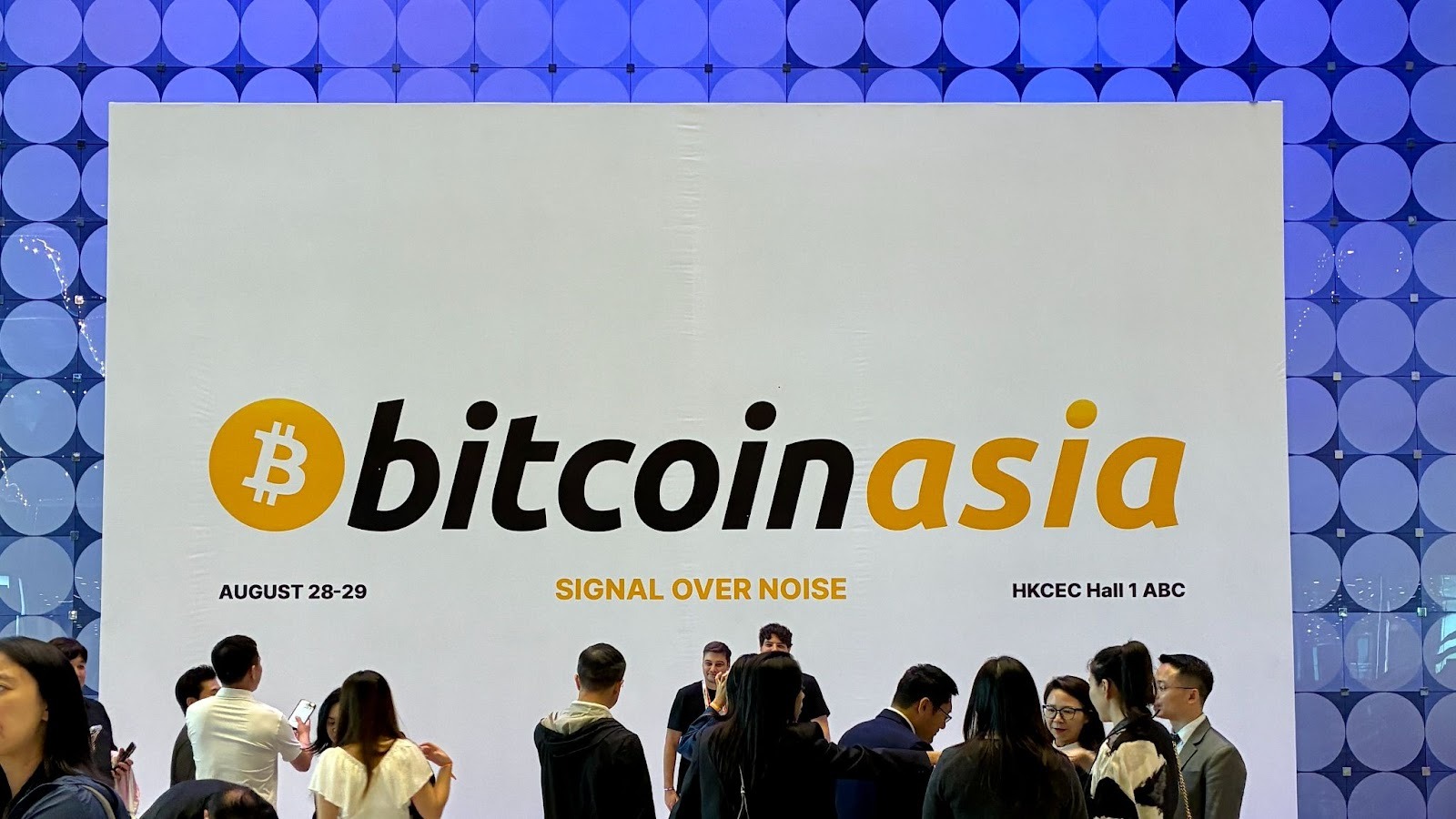
RADII Viewpoints Op-Ed on Crypto Currency culture in China and Hong Kong.
Image via Iris Van Kerckhove.

Mixed into all of that were Hongkongers who actually work in the industry. But what surprised me most was how many people were from the Chinese Mainland—more reserved and seemingly not there for the party energy.

One woman from Hangzhou asked to sit with us. We tried to chat, but my rusty Mandarin only got us as far as polite smiles and her complimenting my “beautiful, large nose”—a line I often get as a mixed woman in Chinese spaces and still have no idea how to react to.

The next day, at the main conference, the question stuck with me: If crypto is banned, why does it feel like half the people here are from the Chinese Mainland? It made me realize that even though I work in Web3, I’d never stopped to think about what’s actually happening across the border.

Web3, Crypto, Blockchain…What?

A quick guide for anyone who doesn’t live online:

  • Web3 = the umbrella term: digital identity, ownership, decentralized apps
  • Crypto = the financial part: coins, tokens, speculation
  • Blockchain = the tech underneath, a digital ledger

These terms are often used interchangeably, albeit incorrectly. However, inside China, they’re definitely separate concepts. Blockchain technology is allowed and even encouraged, while crypto trading and mining are illegal.

So, what does Web3 look like in a place where crypto activity is banned?

A Bitcoin drone show spotted in Hong Kong.

How China Built the Early Crypto World…And Then Shut It Down

For almost a decade, China wasn’t just part of crypto—it powered most of it.

Thanks to cheap energy and world-class hardware manufacturing, the Chinese Mainland became the global center of Bitcoin mining (computers solving puzzles to keep Bitcoin running, earning Bitcoin in return). At one point, more than half of all Bitcoin was produced there. If you sent a transaction, odds were it passed through Sichuan, Xinjiang, or Inner Mongolia.

Then came the platforms. Major exchanges—basically apps where you buy and sell crypto—were all born in China: Huobi, OKX, Binance. They later moved offshore, but their culture and early user base were heavily shaped by China.

Before everything exploded, the early scene was surprisingly small and intimate. People meeting in breweries, reading the Bitcoin whitepaper, debating privacy and autonomy. It was a lot of expats at first, but Chinese users became much more interested once crypto turned from theory into something practical—something that could make money.
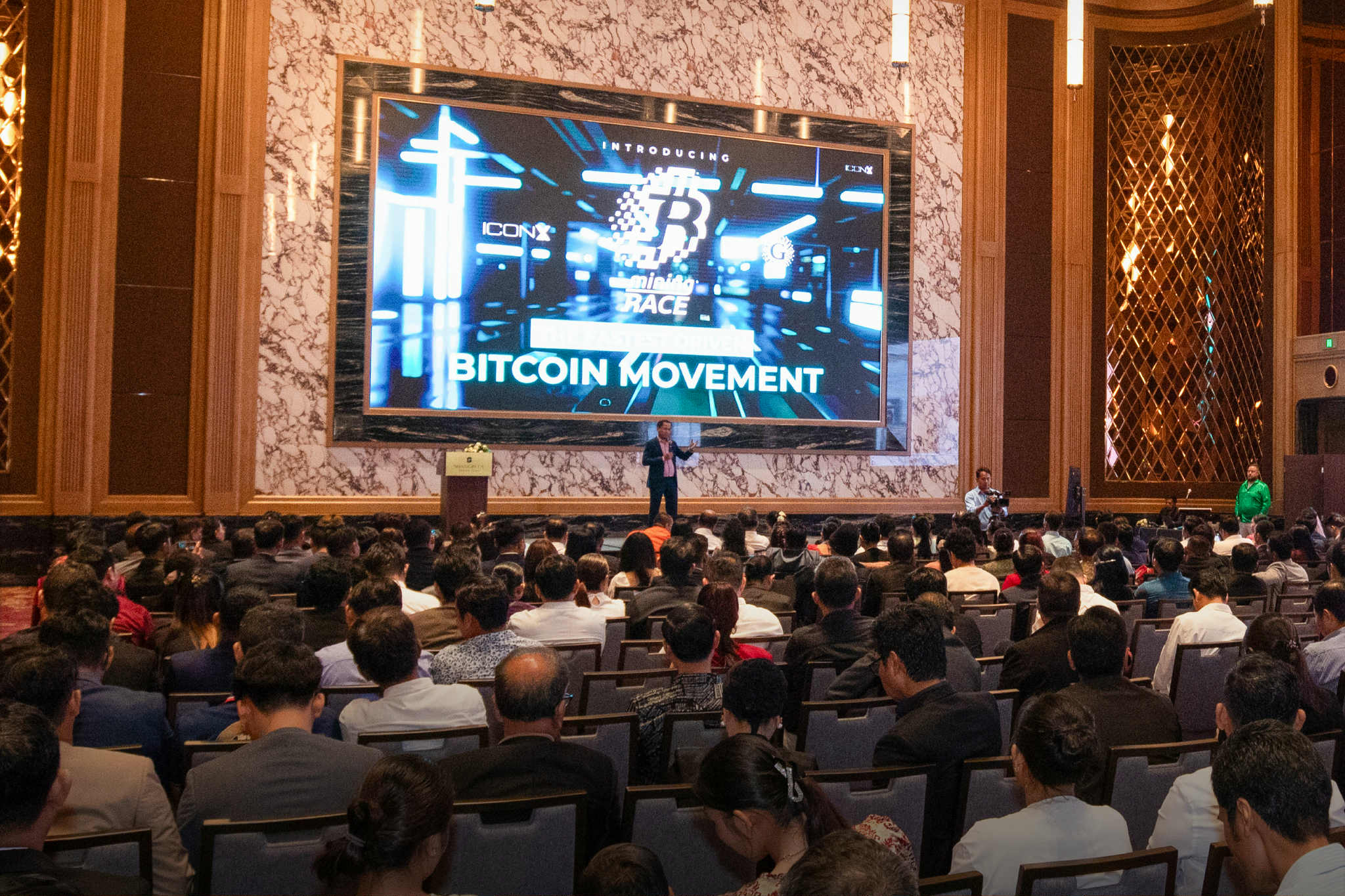
The ICONX Asia Tour last year. Image via WIVB.

When Ethereum launched in 2015, things accelerated. Anyone could suddenly launch a token or build a new project. Many projects began genuinely, but when they failed to gain traction, things often turned messy. Plenty of investors felt ge jiu tsai (割韭菜)—literally “cutting chives,” slang for what happens when ordinary people invest hoping to grow wealth, only to be the ones harvested when insiders cash out.

From a regulatory perspective, everything was moving too fast. Scams multiplied, money flowed past controls, and mining consumed enormous amounts of electricity. The rules tightened year by year until crypto trading, mining, and token fundraising were fully banned in China.

What Survived—and What Moved to Hong Kong

After the ban, the Chinese Mainland’s crypto scene didn’t disappear completely, but rather it reshaped itself.

The public-facing figures left first: exchange founders, project leads, VCs. But the technical backbone stayed. Developers, engineers, designers, and enterprise teams tied into China’s giant hardware and tech ecosystem continued their work. Partly because China had already declared blockchain a strategic technology; partly because relocating entire teams simply didn’t make sense.

Image via Investing News Network.

A Chinese Mainland version of Web3 kept evolving—focused on infrastructure, not speculation. Major companies like Ant Group and Tencent continue building enterprise blockchain systems. China remains a global leader in blockchain patents and technical development. Academia stayed engaged, too. People working with universities say blockchain education hasn’t slowed at all. The tech is studied while speculative trading is simply kept separate.

Then there’s the digital yuan. It’s not a cryptocurrency, but it’s built using some of the same ideas behind blockchain—just in a fully centralized, state-run system. Beijing is already testing it widely, including in cross-border payment trials with Hong Kong.

Meanwhile, Hong Kong’s crypto and Web3 scene continued to flourish. With its own financial rules, the city took the opposite approach: licensed exchanges, strict frameworks, and a non-stop Web3 event calendar. It became a meeting point for global crypto and for Chinese Mainland-born founders now based abroad.

For China, Hong Kong functions like a controlled sandbox—close enough to observe, different enough to experiment. It gives the Chinese Mainland a front-row seat to how regulated crypto evolves without opening the doors at home.

Chinese artist Crypto ZR’s “The Consensus”—a multi-format artwork archiving 410 public commentaries on Bitcoin, rendered digitally, inscribed on-chain, and engraved in wood.

Crypto & Chinese Youth: Two Realities

I found in my research on this topic that Chinese crypto interest often clusters at two ends of the age spectrum. You have your older investors—people who’ve already built wealth—dabble in crypto because it’s fast, exciting, and offers a kind of return traditional assets no longer do. They have safety nets, and they can take risks.

But Gen Z is the other end of the spectrum, and I’ve come to believe you can’t separate the story of crypto from the story of youth. It’s not just that they are more native to new technology like this; it’s the motivations behind their interest in crypto. And we’re seeing a really similar story around the world when it comes to Gen Z: stagnant wages, rising costs, AI reshaping job prospects, and a growing sense that the old financial path—study hard, work hard, buy a home—might not work for them.

Hong Kong’s Gen Z treats crypto like one of the few remaining paths to financial security. With property out of reach and a fully regulated digital-asset ecosystem around them, they see crypto as practical for passive income, long-term bets, and a sense of possibility their parents found in real estate. In a city where licensed exchanges, ETFs, and fintech jobs are everywhere, digital assets feel almost normal to young people figuring out how to get ahead.

Gen Z in the Chinese Mainland sits in a totally different regulatory world, but their relationship with crypto shows a similar pragmatism and optimism. They’re hugely confident, highly risk-tolerant, and often see digital assets—whether through NFTs, collectibles, or quiet grey-area channels—as one of the few tools that might actually move them up the ladder. Even with trading restricted, they follow crypto closely through domestic platforms like WeChat, Weibo, and Bilibili.

An IZBLU Labs NFT featuring the legendary Monkey King. Image via Jing Daily.

Older generations often dismiss Gen Z’s interest in crypto as naivety or tech addiction, but the reality is more grounded. Having entered adulthood during the 2008 crash, I recognize the instinct to take bigger swings when the traditional path already feels out of reach. For young people in Hong Kong and the Mainland—where economic pressure and expectations around success are intense—crypto isn’t about recklessness. It’s about not wanting to fall behind before they’ve even started.

The Story Is Still Being Written

Despite ending in a crypto bear market (where the prices of cryptocurrencies drastically fall), 2025 was one of crypto’s biggest years: new regulations, major institutions jumping in, Bitcoin hitting record highs. Whether you love crypto, hate it, or politely pretend it doesn’t exist, you were likely forced to pay attention to it at some point.. Writing it all off as “crypto bro stuff” misses the very real mix of pressures and hopes pulling people toward it—including those who aren’t struggling at all, but simply feel the system around them doesn’t work the way it used to.

And in China, the story definitely didn’t end with the ban. The speculative layer shut down; everything underneath kept moving. And while trading is restricted, owning crypto isn’t—plenty of people still hold assets; the pathways around them have just changed. 

China helped build the early crypto world, and now it’s building a different version of it—slower, more controlled, and distinctly its own. Where that goes next, both here and globally, feels like something worth keeping an eye on this year—even if you’re still not sure how you feel about any of it.

Cover image via Nano Banana Pro/RADII.

NEWSLETTER

Get weekly top picks and exclusive, newsletter only content delivered straight to you inbox.

NEWSLETTER

Get weekly top picks and exclusive, newsletter only content delivered straight to you inbox.

RADII NEWSLETTER

Get weekly top picks and exclusive, newsletter only content delivered straight to you inbox

Feature image of So, What Exactly Happened to Crypto in China?

So, What Exactly Happened to Crypto in China?

7 mins read

A simple guide to what actually happened to crypto in China, what’s going on now, and how the youth are handling it.

Around the middle of last year, I found myself at a side event for the Bitcoin Asia conference in Hong Kong. Not my usual scene—but a Web3 client of mine was in town, and I was tagging along to support.

The moment I stepped inside, it felt like a parallel universe. I work in Hong Kong’s Web3 space, but on the more buttoned-up, enterprise side of things. This party had the usual characters you’d expect: North American “crypto bros” shouting over bass drops, young Western expats who flew in from Southeast Asia, LED screens looping NFT-ish visuals, people casually (and illegally) smoking indoors, and a sudden stampede when the free open bar for well drinks kicked off.

RADII Viewpoints Op-Ed on Crypto Currency culture in China and Hong Kong.
Image via Iris Van Kerckhove.

Mixed into all of that were Hongkongers who actually work in the industry. But what surprised me most was how many people were from the Chinese Mainland—more reserved and seemingly not there for the party energy.

One woman from Hangzhou asked to sit with us. We tried to chat, but my rusty Mandarin only got us as far as polite smiles and her complimenting my “beautiful, large nose”—a line I often get as a mixed woman in Chinese spaces and still have no idea how to react to.

The next day, at the main conference, the question stuck with me: If crypto is banned, why does it feel like half the people here are from the Chinese Mainland? It made me realize that even though I work in Web3, I’d never stopped to think about what’s actually happening across the border.

Web3, Crypto, Blockchain…What?

A quick guide for anyone who doesn’t live online:

  • Web3 = the umbrella term: digital identity, ownership, decentralized apps
  • Crypto = the financial part: coins, tokens, speculation
  • Blockchain = the tech underneath, a digital ledger

These terms are often used interchangeably, albeit incorrectly. However, inside China, they’re definitely separate concepts. Blockchain technology is allowed and even encouraged, while crypto trading and mining are illegal.

So, what does Web3 look like in a place where crypto activity is banned?

A Bitcoin drone show spotted in Hong Kong.

How China Built the Early Crypto World…And Then Shut It Down

For almost a decade, China wasn’t just part of crypto—it powered most of it.

Thanks to cheap energy and world-class hardware manufacturing, the Chinese Mainland became the global center of Bitcoin mining (computers solving puzzles to keep Bitcoin running, earning Bitcoin in return). At one point, more than half of all Bitcoin was produced there. If you sent a transaction, odds were it passed through Sichuan, Xinjiang, or Inner Mongolia.

Then came the platforms. Major exchanges—basically apps where you buy and sell crypto—were all born in China: Huobi, OKX, Binance. They later moved offshore, but their culture and early user base were heavily shaped by China.

Before everything exploded, the early scene was surprisingly small and intimate. People meeting in breweries, reading the Bitcoin whitepaper, debating privacy and autonomy. It was a lot of expats at first, but Chinese users became much more interested once crypto turned from theory into something practical—something that could make money.

The ICONX Asia Tour last year. Image via WIVB.

When Ethereum launched in 2015, things accelerated. Anyone could suddenly launch a token or build a new project. Many projects began genuinely, but when they failed to gain traction, things often turned messy. Plenty of investors felt ge jiu tsai (割韭菜)—literally “cutting chives,” slang for what happens when ordinary people invest hoping to grow wealth, only to be the ones harvested when insiders cash out.

From a regulatory perspective, everything was moving too fast. Scams multiplied, money flowed past controls, and mining consumed enormous amounts of electricity. The rules tightened year by year until crypto trading, mining, and token fundraising were fully banned in China.

What Survived—and What Moved to Hong Kong

After the ban, the Chinese Mainland’s crypto scene didn’t disappear completely, but rather it reshaped itself.

The public-facing figures left first: exchange founders, project leads, VCs. But the technical backbone stayed. Developers, engineers, designers, and enterprise teams tied into China’s giant hardware and tech ecosystem continued their work. Partly because China had already declared blockchain a strategic technology; partly because relocating entire teams simply didn’t make sense.

Image via Investing News Network.

A Chinese Mainland version of Web3 kept evolving—focused on infrastructure, not speculation. Major companies like Ant Group and Tencent continue building enterprise blockchain systems. China remains a global leader in blockchain patents and technical development. Academia stayed engaged, too. People working with universities say blockchain education hasn’t slowed at all. The tech is studied while speculative trading is simply kept separate.

Then there’s the digital yuan. It’s not a cryptocurrency, but it’s built using some of the same ideas behind blockchain—just in a fully centralized, state-run system. Beijing is already testing it widely, including in cross-border payment trials with Hong Kong.

Meanwhile, Hong Kong’s crypto and Web3 scene continued to flourish. With its own financial rules, the city took the opposite approach: licensed exchanges, strict frameworks, and a non-stop Web3 event calendar. It became a meeting point for global crypto and for Chinese Mainland-born founders now based abroad.

For China, Hong Kong functions like a controlled sandbox—close enough to observe, different enough to experiment. It gives the Chinese Mainland a front-row seat to how regulated crypto evolves without opening the doors at home.

Chinese artist Crypto ZR’s “The Consensus”—a multi-format artwork archiving 410 public commentaries on Bitcoin, rendered digitally, inscribed on-chain, and engraved in wood.

Crypto & Chinese Youth: Two Realities

I found in my research on this topic that Chinese crypto interest often clusters at two ends of the age spectrum. You have your older investors—people who’ve already built wealth—dabble in crypto because it’s fast, exciting, and offers a kind of return traditional assets no longer do. They have safety nets, and they can take risks.

But Gen Z is the other end of the spectrum, and I’ve come to believe you can’t separate the story of crypto from the story of youth. It’s not just that they are more native to new technology like this; it’s the motivations behind their interest in crypto. And we’re seeing a really similar story around the world when it comes to Gen Z: stagnant wages, rising costs, AI reshaping job prospects, and a growing sense that the old financial path—study hard, work hard, buy a home—might not work for them.

Hong Kong’s Gen Z treats crypto like one of the few remaining paths to financial security. With property out of reach and a fully regulated digital-asset ecosystem around them, they see crypto as practical for passive income, long-term bets, and a sense of possibility their parents found in real estate. In a city where licensed exchanges, ETFs, and fintech jobs are everywhere, digital assets feel almost normal to young people figuring out how to get ahead.

Gen Z in the Chinese Mainland sits in a totally different regulatory world, but their relationship with crypto shows a similar pragmatism and optimism. They’re hugely confident, highly risk-tolerant, and often see digital assets—whether through NFTs, collectibles, or quiet grey-area channels—as one of the few tools that might actually move them up the ladder. Even with trading restricted, they follow crypto closely through domestic platforms like WeChat, Weibo, and Bilibili.

An IZBLU Labs NFT featuring the legendary Monkey King. Image via Jing Daily.

Older generations often dismiss Gen Z’s interest in crypto as naivety or tech addiction, but the reality is more grounded. Having entered adulthood during the 2008 crash, I recognize the instinct to take bigger swings when the traditional path already feels out of reach. For young people in Hong Kong and the Mainland—where economic pressure and expectations around success are intense—crypto isn’t about recklessness. It’s about not wanting to fall behind before they’ve even started.

The Story Is Still Being Written

Despite ending in a crypto bear market (where the prices of cryptocurrencies drastically fall), 2025 was one of crypto’s biggest years: new regulations, major institutions jumping in, Bitcoin hitting record highs. Whether you love crypto, hate it, or politely pretend it doesn’t exist, you were likely forced to pay attention to it at some point.. Writing it all off as “crypto bro stuff” misses the very real mix of pressures and hopes pulling people toward it—including those who aren’t struggling at all, but simply feel the system around them doesn’t work the way it used to.

And in China, the story definitely didn’t end with the ban. The speculative layer shut down; everything underneath kept moving. And while trading is restricted, owning crypto isn’t—plenty of people still hold assets; the pathways around them have just changed. 

China helped build the early crypto world, and now it’s building a different version of it—slower, more controlled, and distinctly its own. Where that goes next, both here and globally, feels like something worth keeping an eye on this year—even if you’re still not sure how you feel about any of it.

Cover image via Nano Banana Pro/RADII.

NEWSLETTER

Get weekly top picks and exclusive, newsletter only content delivered straight to you inbox.

RADII NEWSLETTER

Get weekly top picks and exclusive, newsletter only content delivered straight to you inbox

RELATED POSTS

Feature image of So, What Exactly Happened to Crypto in China?

So, What Exactly Happened to Crypto in China?

7 mins read

7 mins read

Feature image of So, What Exactly Happened to Crypto in China?
A simple guide to what actually happened to crypto in China, what’s going on now, and how the youth are handling it.

Around the middle of last year, I found myself at a side event for the Bitcoin Asia conference in Hong Kong. Not my usual scene—but a Web3 client of mine was in town, and I was tagging along to support.

The moment I stepped inside, it felt like a parallel universe. I work in Hong Kong’s Web3 space, but on the more buttoned-up, enterprise side of things. This party had the usual characters you’d expect: North American “crypto bros” shouting over bass drops, young Western expats who flew in from Southeast Asia, LED screens looping NFT-ish visuals, people casually (and illegally) smoking indoors, and a sudden stampede when the free open bar for well drinks kicked off.

RADII Viewpoints Op-Ed on Crypto Currency culture in China and Hong Kong.
Image via Iris Van Kerckhove.

Mixed into all of that were Hongkongers who actually work in the industry. But what surprised me most was how many people were from the Chinese Mainland—more reserved and seemingly not there for the party energy.

One woman from Hangzhou asked to sit with us. We tried to chat, but my rusty Mandarin only got us as far as polite smiles and her complimenting my “beautiful, large nose”—a line I often get as a mixed woman in Chinese spaces and still have no idea how to react to.

The next day, at the main conference, the question stuck with me: If crypto is banned, why does it feel like half the people here are from the Chinese Mainland? It made me realize that even though I work in Web3, I’d never stopped to think about what’s actually happening across the border.

Web3, Crypto, Blockchain…What?

A quick guide for anyone who doesn’t live online:

  • Web3 = the umbrella term: digital identity, ownership, decentralized apps
  • Crypto = the financial part: coins, tokens, speculation
  • Blockchain = the tech underneath, a digital ledger

These terms are often used interchangeably, albeit incorrectly. However, inside China, they’re definitely separate concepts. Blockchain technology is allowed and even encouraged, while crypto trading and mining are illegal.

So, what does Web3 look like in a place where crypto activity is banned?

A Bitcoin drone show spotted in Hong Kong.

How China Built the Early Crypto World…And Then Shut It Down

For almost a decade, China wasn’t just part of crypto—it powered most of it.

Thanks to cheap energy and world-class hardware manufacturing, the Chinese Mainland became the global center of Bitcoin mining (computers solving puzzles to keep Bitcoin running, earning Bitcoin in return). At one point, more than half of all Bitcoin was produced there. If you sent a transaction, odds were it passed through Sichuan, Xinjiang, or Inner Mongolia.

Then came the platforms. Major exchanges—basically apps where you buy and sell crypto—were all born in China: Huobi, OKX, Binance. They later moved offshore, but their culture and early user base were heavily shaped by China.

Before everything exploded, the early scene was surprisingly small and intimate. People meeting in breweries, reading the Bitcoin whitepaper, debating privacy and autonomy. It was a lot of expats at first, but Chinese users became much more interested once crypto turned from theory into something practical—something that could make money.

The ICONX Asia Tour last year. Image via WIVB.

When Ethereum launched in 2015, things accelerated. Anyone could suddenly launch a token or build a new project. Many projects began genuinely, but when they failed to gain traction, things often turned messy. Plenty of investors felt ge jiu tsai (割韭菜)—literally “cutting chives,” slang for what happens when ordinary people invest hoping to grow wealth, only to be the ones harvested when insiders cash out.

From a regulatory perspective, everything was moving too fast. Scams multiplied, money flowed past controls, and mining consumed enormous amounts of electricity. The rules tightened year by year until crypto trading, mining, and token fundraising were fully banned in China.

What Survived—and What Moved to Hong Kong

After the ban, the Chinese Mainland’s crypto scene didn’t disappear completely, but rather it reshaped itself.

The public-facing figures left first: exchange founders, project leads, VCs. But the technical backbone stayed. Developers, engineers, designers, and enterprise teams tied into China’s giant hardware and tech ecosystem continued their work. Partly because China had already declared blockchain a strategic technology; partly because relocating entire teams simply didn’t make sense.

Image via Investing News Network.

A Chinese Mainland version of Web3 kept evolving—focused on infrastructure, not speculation. Major companies like Ant Group and Tencent continue building enterprise blockchain systems. China remains a global leader in blockchain patents and technical development. Academia stayed engaged, too. People working with universities say blockchain education hasn’t slowed at all. The tech is studied while speculative trading is simply kept separate.

Then there’s the digital yuan. It’s not a cryptocurrency, but it’s built using some of the same ideas behind blockchain—just in a fully centralized, state-run system. Beijing is already testing it widely, including in cross-border payment trials with Hong Kong.

Meanwhile, Hong Kong’s crypto and Web3 scene continued to flourish. With its own financial rules, the city took the opposite approach: licensed exchanges, strict frameworks, and a non-stop Web3 event calendar. It became a meeting point for global crypto and for Chinese Mainland-born founders now based abroad.

For China, Hong Kong functions like a controlled sandbox—close enough to observe, different enough to experiment. It gives the Chinese Mainland a front-row seat to how regulated crypto evolves without opening the doors at home.

Chinese artist Crypto ZR’s “The Consensus”—a multi-format artwork archiving 410 public commentaries on Bitcoin, rendered digitally, inscribed on-chain, and engraved in wood.

Crypto & Chinese Youth: Two Realities

I found in my research on this topic that Chinese crypto interest often clusters at two ends of the age spectrum. You have your older investors—people who’ve already built wealth—dabble in crypto because it’s fast, exciting, and offers a kind of return traditional assets no longer do. They have safety nets, and they can take risks.

But Gen Z is the other end of the spectrum, and I’ve come to believe you can’t separate the story of crypto from the story of youth. It’s not just that they are more native to new technology like this; it’s the motivations behind their interest in crypto. And we’re seeing a really similar story around the world when it comes to Gen Z: stagnant wages, rising costs, AI reshaping job prospects, and a growing sense that the old financial path—study hard, work hard, buy a home—might not work for them.

Hong Kong’s Gen Z treats crypto like one of the few remaining paths to financial security. With property out of reach and a fully regulated digital-asset ecosystem around them, they see crypto as practical for passive income, long-term bets, and a sense of possibility their parents found in real estate. In a city where licensed exchanges, ETFs, and fintech jobs are everywhere, digital assets feel almost normal to young people figuring out how to get ahead.

Gen Z in the Chinese Mainland sits in a totally different regulatory world, but their relationship with crypto shows a similar pragmatism and optimism. They’re hugely confident, highly risk-tolerant, and often see digital assets—whether through NFTs, collectibles, or quiet grey-area channels—as one of the few tools that might actually move them up the ladder. Even with trading restricted, they follow crypto closely through domestic platforms like WeChat, Weibo, and Bilibili.

An IZBLU Labs NFT featuring the legendary Monkey King. Image via Jing Daily.

Older generations often dismiss Gen Z’s interest in crypto as naivety or tech addiction, but the reality is more grounded. Having entered adulthood during the 2008 crash, I recognize the instinct to take bigger swings when the traditional path already feels out of reach. For young people in Hong Kong and the Mainland—where economic pressure and expectations around success are intense—crypto isn’t about recklessness. It’s about not wanting to fall behind before they’ve even started.

The Story Is Still Being Written

Despite ending in a crypto bear market (where the prices of cryptocurrencies drastically fall), 2025 was one of crypto’s biggest years: new regulations, major institutions jumping in, Bitcoin hitting record highs. Whether you love crypto, hate it, or politely pretend it doesn’t exist, you were likely forced to pay attention to it at some point.. Writing it all off as “crypto bro stuff” misses the very real mix of pressures and hopes pulling people toward it—including those who aren’t struggling at all, but simply feel the system around them doesn’t work the way it used to.

And in China, the story definitely didn’t end with the ban. The speculative layer shut down; everything underneath kept moving. And while trading is restricted, owning crypto isn’t—plenty of people still hold assets; the pathways around them have just changed. 

China helped build the early crypto world, and now it’s building a different version of it—slower, more controlled, and distinctly its own. Where that goes next, both here and globally, feels like something worth keeping an eye on this year—even if you’re still not sure how you feel about any of it.

Cover image via Nano Banana Pro/RADII.

NEWSLETTER

Get weekly top picks and exclusive, newsletter only content delivered straight to you inbox.

NEWSLETTER

Get weekly top picks and exclusive, newsletter only content delivered straight to you inbox.

RADII NEWSLETTER

Get weekly top picks and exclusive, newsletter only content delivered straight to you inbox

Feature image of So, What Exactly Happened to Crypto in China?

So, What Exactly Happened to Crypto in China?

7 mins read

A simple guide to what actually happened to crypto in China, what’s going on now, and how the youth are handling it.

Around the middle of last year, I found myself at a side event for the Bitcoin Asia conference in Hong Kong. Not my usual scene—but a Web3 client of mine was in town, and I was tagging along to support.

The moment I stepped inside, it felt like a parallel universe. I work in Hong Kong’s Web3 space, but on the more buttoned-up, enterprise side of things. This party had the usual characters you’d expect: North American “crypto bros” shouting over bass drops, young Western expats who flew in from Southeast Asia, LED screens looping NFT-ish visuals, people casually (and illegally) smoking indoors, and a sudden stampede when the free open bar for well drinks kicked off.

RADII Viewpoints Op-Ed on Crypto Currency culture in China and Hong Kong.
Image via Iris Van Kerckhove.

Mixed into all of that were Hongkongers who actually work in the industry. But what surprised me most was how many people were from the Chinese Mainland—more reserved and seemingly not there for the party energy.

One woman from Hangzhou asked to sit with us. We tried to chat, but my rusty Mandarin only got us as far as polite smiles and her complimenting my “beautiful, large nose”—a line I often get as a mixed woman in Chinese spaces and still have no idea how to react to.

The next day, at the main conference, the question stuck with me: If crypto is banned, why does it feel like half the people here are from the Chinese Mainland? It made me realize that even though I work in Web3, I’d never stopped to think about what’s actually happening across the border.

Web3, Crypto, Blockchain…What?

A quick guide for anyone who doesn’t live online:

  • Web3 = the umbrella term: digital identity, ownership, decentralized apps
  • Crypto = the financial part: coins, tokens, speculation
  • Blockchain = the tech underneath, a digital ledger

These terms are often used interchangeably, albeit incorrectly. However, inside China, they’re definitely separate concepts. Blockchain technology is allowed and even encouraged, while crypto trading and mining are illegal.

So, what does Web3 look like in a place where crypto activity is banned?

A Bitcoin drone show spotted in Hong Kong.

How China Built the Early Crypto World…And Then Shut It Down

For almost a decade, China wasn’t just part of crypto—it powered most of it.

Thanks to cheap energy and world-class hardware manufacturing, the Chinese Mainland became the global center of Bitcoin mining (computers solving puzzles to keep Bitcoin running, earning Bitcoin in return). At one point, more than half of all Bitcoin was produced there. If you sent a transaction, odds were it passed through Sichuan, Xinjiang, or Inner Mongolia.

Then came the platforms. Major exchanges—basically apps where you buy and sell crypto—were all born in China: Huobi, OKX, Binance. They later moved offshore, but their culture and early user base were heavily shaped by China.

Before everything exploded, the early scene was surprisingly small and intimate. People meeting in breweries, reading the Bitcoin whitepaper, debating privacy and autonomy. It was a lot of expats at first, but Chinese users became much more interested once crypto turned from theory into something practical—something that could make money.

The ICONX Asia Tour last year. Image via WIVB.

When Ethereum launched in 2015, things accelerated. Anyone could suddenly launch a token or build a new project. Many projects began genuinely, but when they failed to gain traction, things often turned messy. Plenty of investors felt ge jiu tsai (割韭菜)—literally “cutting chives,” slang for what happens when ordinary people invest hoping to grow wealth, only to be the ones harvested when insiders cash out.

From a regulatory perspective, everything was moving too fast. Scams multiplied, money flowed past controls, and mining consumed enormous amounts of electricity. The rules tightened year by year until crypto trading, mining, and token fundraising were fully banned in China.

What Survived—and What Moved to Hong Kong

After the ban, the Chinese Mainland’s crypto scene didn’t disappear completely, but rather it reshaped itself.

The public-facing figures left first: exchange founders, project leads, VCs. But the technical backbone stayed. Developers, engineers, designers, and enterprise teams tied into China’s giant hardware and tech ecosystem continued their work. Partly because China had already declared blockchain a strategic technology; partly because relocating entire teams simply didn’t make sense.

Image via Investing News Network.

A Chinese Mainland version of Web3 kept evolving—focused on infrastructure, not speculation. Major companies like Ant Group and Tencent continue building enterprise blockchain systems. China remains a global leader in blockchain patents and technical development. Academia stayed engaged, too. People working with universities say blockchain education hasn’t slowed at all. The tech is studied while speculative trading is simply kept separate.

Then there’s the digital yuan. It’s not a cryptocurrency, but it’s built using some of the same ideas behind blockchain—just in a fully centralized, state-run system. Beijing is already testing it widely, including in cross-border payment trials with Hong Kong.

Meanwhile, Hong Kong’s crypto and Web3 scene continued to flourish. With its own financial rules, the city took the opposite approach: licensed exchanges, strict frameworks, and a non-stop Web3 event calendar. It became a meeting point for global crypto and for Chinese Mainland-born founders now based abroad.

For China, Hong Kong functions like a controlled sandbox—close enough to observe, different enough to experiment. It gives the Chinese Mainland a front-row seat to how regulated crypto evolves without opening the doors at home.

Chinese artist Crypto ZR’s “The Consensus”—a multi-format artwork archiving 410 public commentaries on Bitcoin, rendered digitally, inscribed on-chain, and engraved in wood.

Crypto & Chinese Youth: Two Realities

I found in my research on this topic that Chinese crypto interest often clusters at two ends of the age spectrum. You have your older investors—people who’ve already built wealth—dabble in crypto because it’s fast, exciting, and offers a kind of return traditional assets no longer do. They have safety nets, and they can take risks.

But Gen Z is the other end of the spectrum, and I’ve come to believe you can’t separate the story of crypto from the story of youth. It’s not just that they are more native to new technology like this; it’s the motivations behind their interest in crypto. And we’re seeing a really similar story around the world when it comes to Gen Z: stagnant wages, rising costs, AI reshaping job prospects, and a growing sense that the old financial path—study hard, work hard, buy a home—might not work for them.

Hong Kong’s Gen Z treats crypto like one of the few remaining paths to financial security. With property out of reach and a fully regulated digital-asset ecosystem around them, they see crypto as practical for passive income, long-term bets, and a sense of possibility their parents found in real estate. In a city where licensed exchanges, ETFs, and fintech jobs are everywhere, digital assets feel almost normal to young people figuring out how to get ahead.

Gen Z in the Chinese Mainland sits in a totally different regulatory world, but their relationship with crypto shows a similar pragmatism and optimism. They’re hugely confident, highly risk-tolerant, and often see digital assets—whether through NFTs, collectibles, or quiet grey-area channels—as one of the few tools that might actually move them up the ladder. Even with trading restricted, they follow crypto closely through domestic platforms like WeChat, Weibo, and Bilibili.

An IZBLU Labs NFT featuring the legendary Monkey King. Image via Jing Daily.

Older generations often dismiss Gen Z’s interest in crypto as naivety or tech addiction, but the reality is more grounded. Having entered adulthood during the 2008 crash, I recognize the instinct to take bigger swings when the traditional path already feels out of reach. For young people in Hong Kong and the Mainland—where economic pressure and expectations around success are intense—crypto isn’t about recklessness. It’s about not wanting to fall behind before they’ve even started.

The Story Is Still Being Written

Despite ending in a crypto bear market (where the prices of cryptocurrencies drastically fall), 2025 was one of crypto’s biggest years: new regulations, major institutions jumping in, Bitcoin hitting record highs. Whether you love crypto, hate it, or politely pretend it doesn’t exist, you were likely forced to pay attention to it at some point.. Writing it all off as “crypto bro stuff” misses the very real mix of pressures and hopes pulling people toward it—including those who aren’t struggling at all, but simply feel the system around them doesn’t work the way it used to.

And in China, the story definitely didn’t end with the ban. The speculative layer shut down; everything underneath kept moving. And while trading is restricted, owning crypto isn’t—plenty of people still hold assets; the pathways around them have just changed. 

China helped build the early crypto world, and now it’s building a different version of it—slower, more controlled, and distinctly its own. Where that goes next, both here and globally, feels like something worth keeping an eye on this year—even if you’re still not sure how you feel about any of it.

Cover image via Nano Banana Pro/RADII.

NEWSLETTER

Get weekly top picks and exclusive, newsletter only content delivered straight to you inbox.

RADII NEWSLETTER

Get weekly top picks and exclusive, newsletter only content delivered straight to you inbox

NEWSLETTER​

Get weekly top picks and exclusive, newsletter only content delivered straight to you inbox

RADII Newsletter Pop Up small banner

NEWSLETTER

Get weekly top picks and exclusive, newsletter only content delivered straight to you inbox.

Link Copied!

Share

Feature image of So, What Exactly Happened to Crypto in China?

So, What Exactly Happened to Crypto in China?

A simple guide to what actually happened to crypto in China, what’s going on now, and how the youth are handling it.

PULSE

Tap into the latest in music, fashion, art, design, entertainment, pop culture, celebrity news, and contemporary culture

DISCOVER

Embark on a journey through food, travel, wellness, heritage, traditional culture, and lifestyle

STYLE

An insider’s look at the intersection of fashion, art, and design

FEAST

Titillate your taste buds with coverage of the best food and drink trends from China and beyond.

FUTURE

Explore the cutting edge in tech, AI, gadgets, gaming, and innovative tech-related products

FEAST

Titillate your taste buds with coverage of the best food and drink trends from China and beyond

STYLE

An insider’s look at the intersection of fashion, art, and design

PULSE

Unpacking Chinese youth culture through coverage of nightlife, film, sports, celebrities, and the hottest new music