Feature image of Understanding the Emergence of Creative Third Spaces in China’s Small Towns

Understanding the Emergence of Creative Third Spaces in China’s Small Towns

3 mins read

3 mins read

Feature image of Understanding the Emergence of Creative Third Spaces in China’s Small Towns
A growing number of youth-run cafés, libraries, and cultural spaces are emerging across China’s smaller towns, but why now?

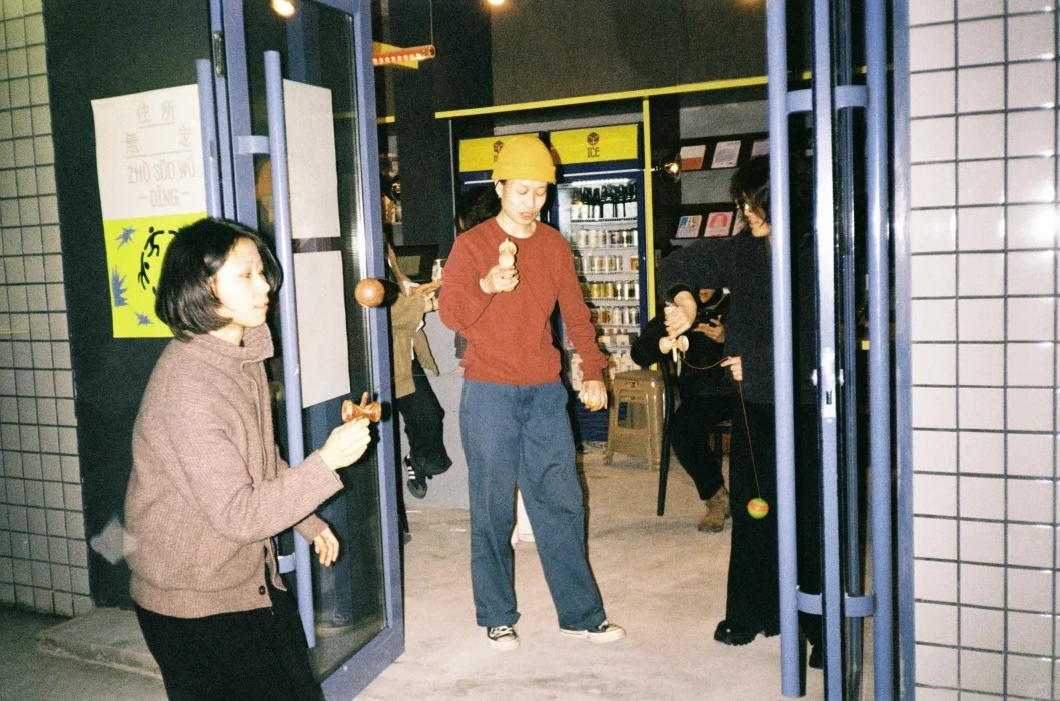
Last month, a space in Cili, Hunan Province, celebrated its one-year anniversary. Called Zhu Suo Wu Ding (住所无定, literally “no fixed dwelling,” Zhu Suo for short), it’s a place that serves coffee during the day and slings cocktails at night. More importantly, it is a place where young people in this small town gather around to share in hobbies and dreams. In their search for a like-minded community, Zhu Suo has become a gathering space rooted in this little-known county in central China.
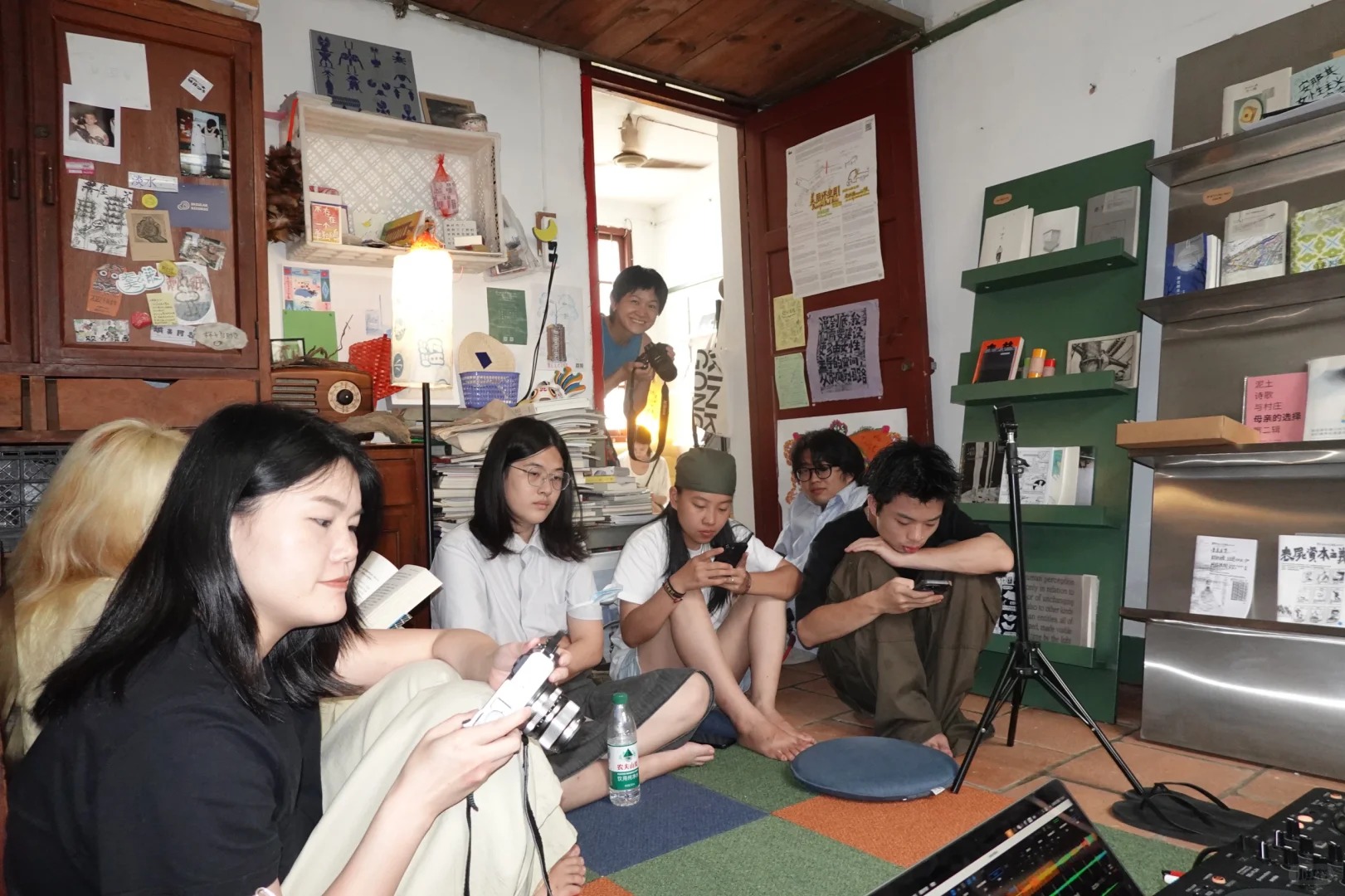
Visitors gather for an event at Muinn-khau, a youth-run cultural space in Zhangzhou, Fujian Province. Photo via Muinn-khau.
Young people gather at Muinn-khau, a cultural space in Zhangzhou, Fujian Province. Image via Muinn-khau.

Zhu Suo began its journey in 2022, when the founders followed the trend of the “street-stall economy” (地摊经济) that emerged after COVID. Using basic bartending skills, they gradually built a reputation among local young people. They later started a podcast to share thoughts and discussions on topics that concern China’s younger generation, including feminism, ADHD, neurodiversity, cultural practices, and more. Over the past year, Zhu Suo has also brought greater visibility to Cili County. Although the famous tourist city of Zhangjiajie is nearby, there is still no direct train or convenient transportation link between the two places. Despite this, Zhu Suo has gathered a loyal group of followers who live locally but remain curious about the wider world.
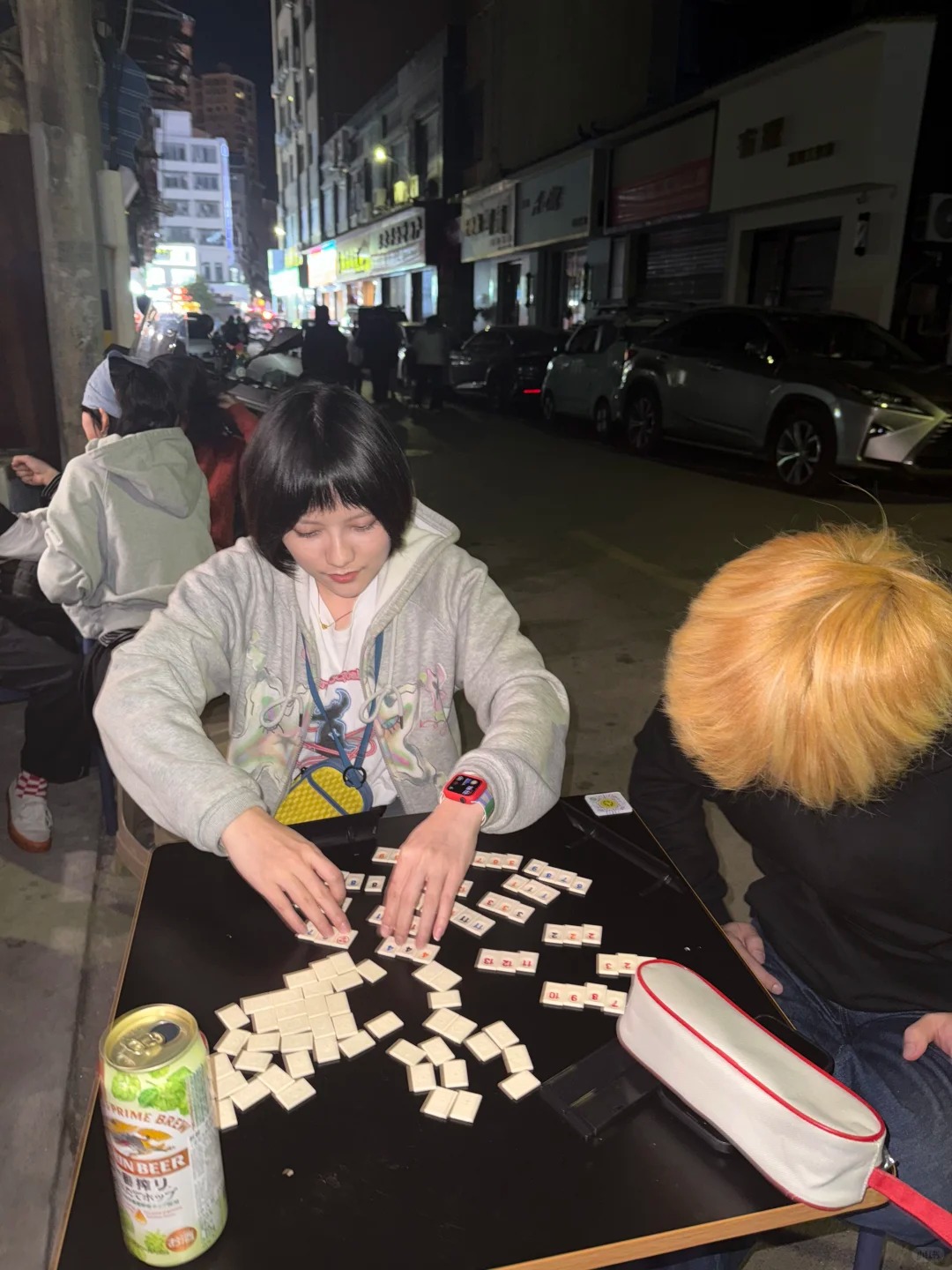
Visitors celebrate the Spring Festival at Zhu Suo by playing mahjong together. Photo via Zhu Suo.
Followers of Zhu Suo gather during the Spring Festival to play mahjong together. Image via Zhu Suo.

Zhu Suo is not the only space in China’s smaller towns aiming to create a broader cultural horizon. In its first year, one of the hosts, Xi Zao, traveled to cities around the world to share their experiences while hosting events. Within this loose network of cultural spaces, one well-known platform is boPOmofo, a library run by the art publishing organization Jia Za Zhi. Located in Ningbo, the space has operated for more than four years and was among the early examples of art spaces moving beyond major cultural centers such as Shanghai, Beijing, and Chengdu to explore how art could connect with local communities.
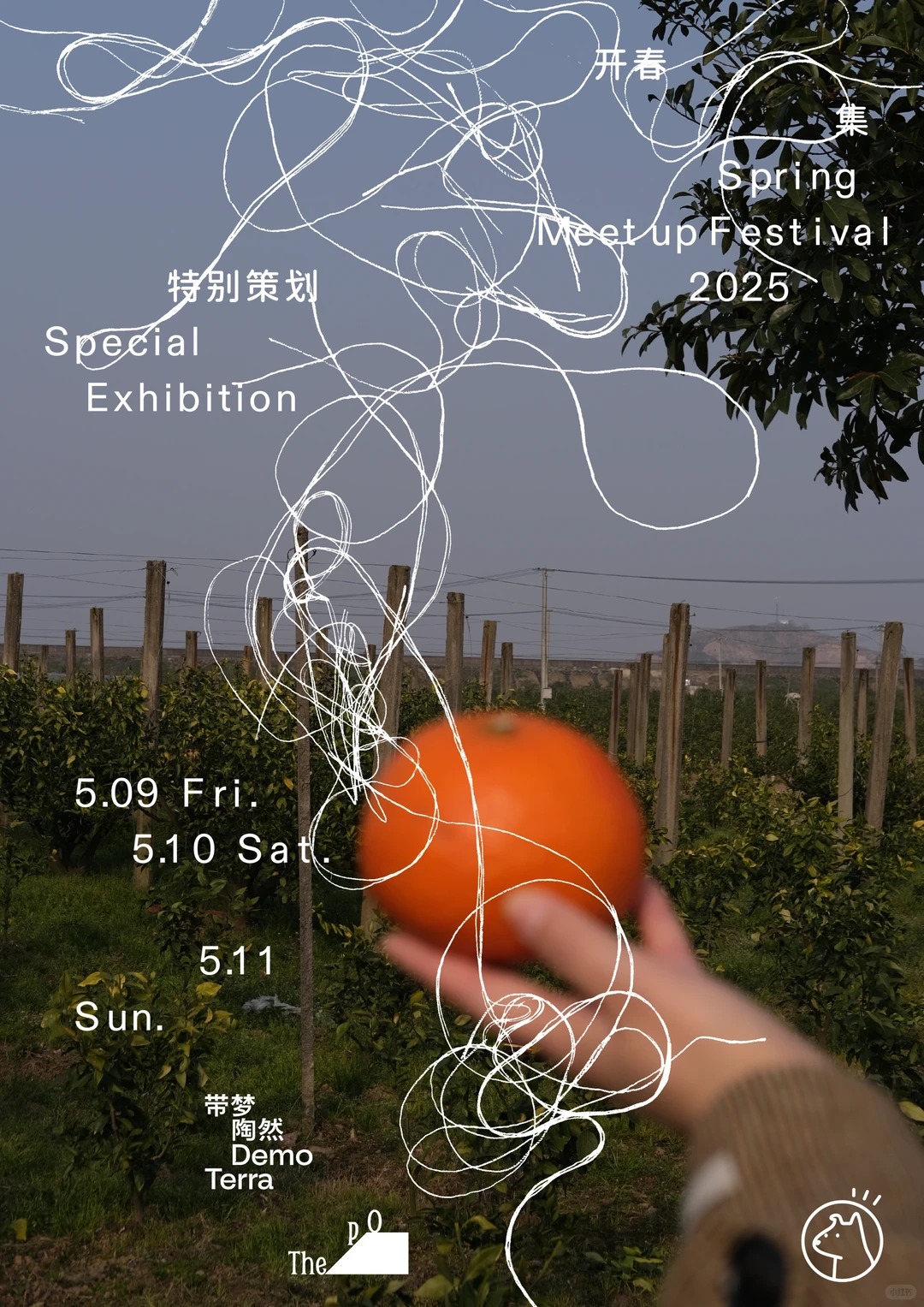
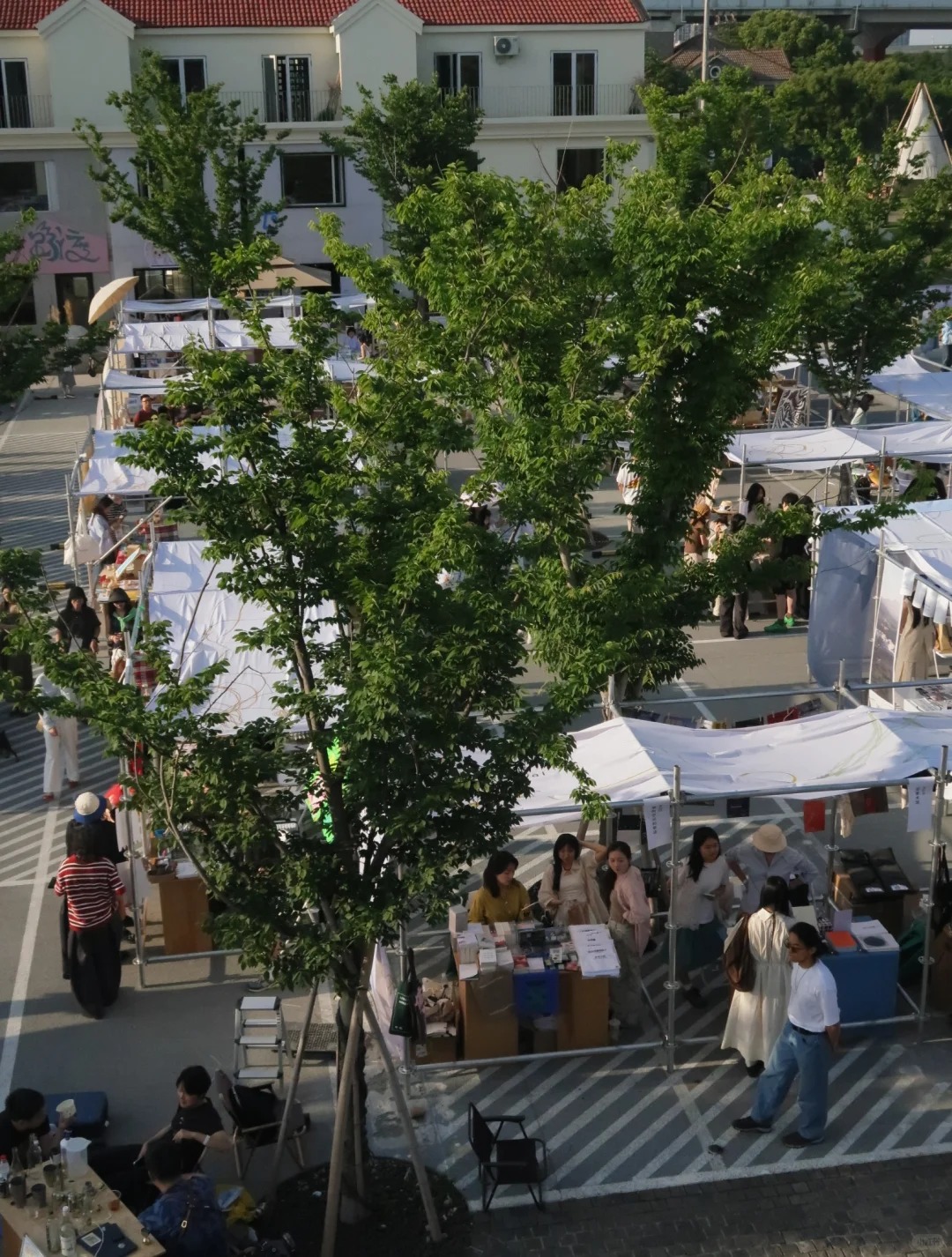
Creators and cultural practitioners from across China gather at boPOmofo’s spring fair in Ningbo. Photo via DOOGHOOD.
boPOmofo hosts a spring fair in Ningbo, bringing together creators and cultural practitioners from across China to showcase their work. Photo via DOOGHOOD.
Photo via Xiaohongshu.
Image via Xiaohongshu.

Similar initiatives can often be found in Fujian Province, a culturally rich region in southeastern China. Balangyu (巴浪鱼), known in English as “Local Fish,” belongs to a similar circle in Quanzhou. In Zhangzhou, Muinn-khau (门口, meaning “doorstep” in the Hokkien dialect) and HotBox (热盒子) represent two examples of the city’s growing cultural scene. The hosts of Muinn-khau regularly organize one-day trips to counties under Zhangzhou’s administration, encouraging young people who usually look outward to global youth trends to rediscover the subtle cultural traditions of their hometowns. Meanwhile, HotBox is an independent café dedicated solely to coffee making. Even in a small county, the café has attracted a loyal group of visitors drawn to the area’s rising coffee culture.
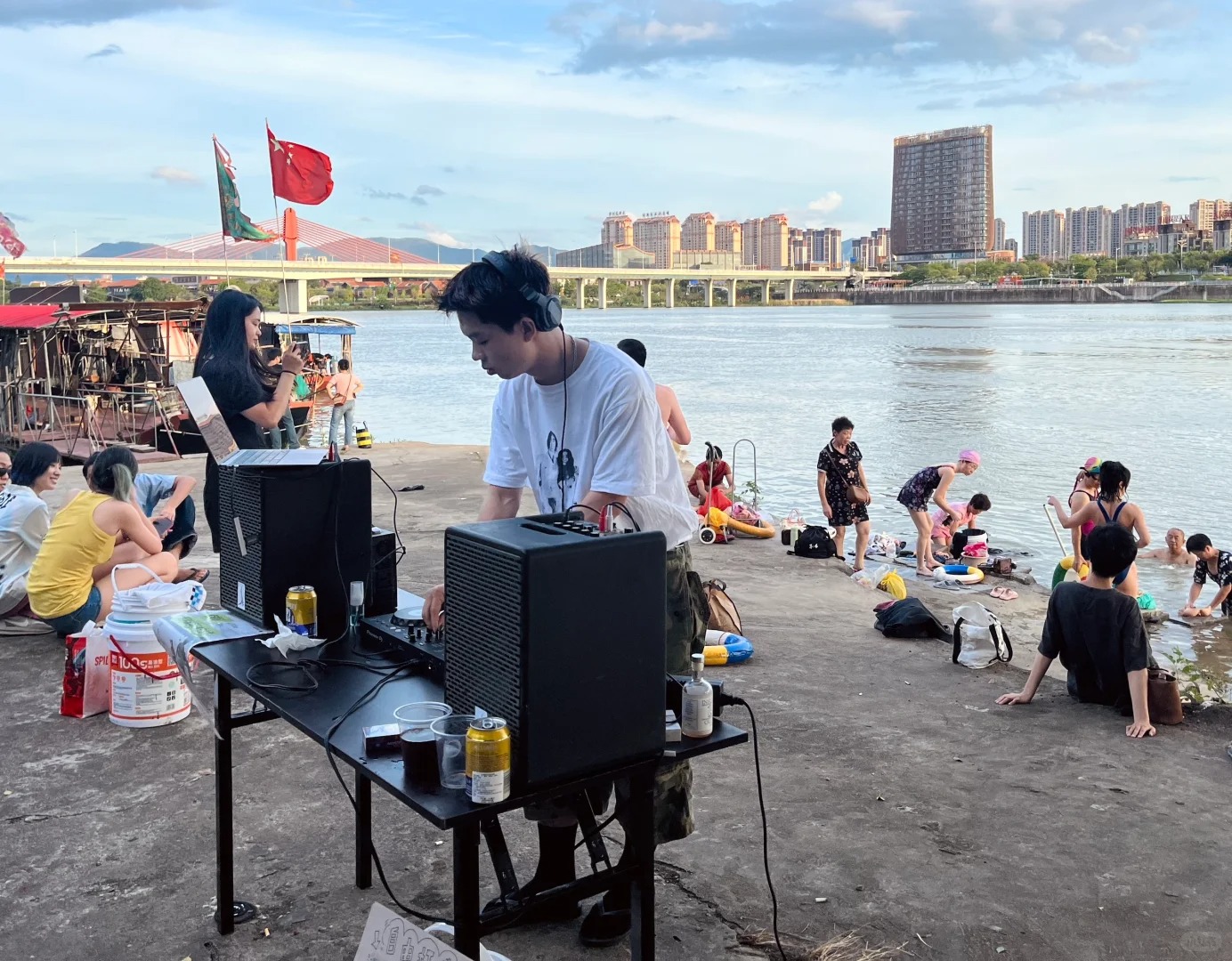
A riverside music session organized by Muinn-khau brings together local residents in Zhangzhou. Photo via Muinn-khau.
Muinn-khau organizes a music session by the river, a popular place where local residents gather to relax. Image via Muinn-khau.

Returning home and choosing a slower-paced lifestyle is not an easy decision for young people who have spent time away from their hometowns. The hosts of Zhu Suo recalled moments of frustration when no audience showed up for film screenings on ordinary workdays outside of holiday periods. Yet spaces like these have become a kind of anchor for many people living away from home. We at RADII are excited to see more spaces like this, and as per usual, we’ll continue to spotlight them.

Cover image via Zhu Suo.

NEWSLETTER

Get weekly top picks and exclusive, newsletter only content delivered straight to you inbox.

NEWSLETTER

Get weekly top picks and exclusive, newsletter only content delivered straight to you inbox.

RADII NEWSLETTER

Get weekly top picks and exclusive, newsletter only content delivered straight to you inbox

Feature image of Understanding the Emergence of Creative Third Spaces in China’s Small Towns

Understanding the Emergence of Creative Third Spaces in China’s Small Towns

3 mins read

A growing number of youth-run cafés, libraries, and cultural spaces are emerging across China’s smaller towns, but why now?

Last month, a space in Cili, Hunan Province, celebrated its one-year anniversary. Called Zhu Suo Wu Ding (住所无定, literally “no fixed dwelling,” Zhu Suo for short), it’s a place that serves coffee during the day and slings cocktails at night. More importantly, it is a place where young people in this small town gather around to share in hobbies and dreams. In their search for a like-minded community, Zhu Suo has become a gathering space rooted in this little-known county in central China.

Visitors gather for an event at Muinn-khau, a youth-run cultural space in Zhangzhou, Fujian Province. Photo via Muinn-khau.
Young people gather at Muinn-khau, a cultural space in Zhangzhou, Fujian Province. Image via Muinn-khau.

Zhu Suo began its journey in 2022, when the founders followed the trend of the “street-stall economy” (地摊经济) that emerged after COVID. Using basic bartending skills, they gradually built a reputation among local young people. They later started a podcast to share thoughts and discussions on topics that concern China’s younger generation, including feminism, ADHD, neurodiversity, cultural practices, and more. Over the past year, Zhu Suo has also brought greater visibility to Cili County. Although the famous tourist city of Zhangjiajie is nearby, there is still no direct train or convenient transportation link between the two places. Despite this, Zhu Suo has gathered a loyal group of followers who live locally but remain curious about the wider world.

Visitors celebrate the Spring Festival at Zhu Suo by playing mahjong together. Photo via Zhu Suo.
Followers of Zhu Suo gather during the Spring Festival to play mahjong together. Image via Zhu Suo.

Zhu Suo is not the only space in China’s smaller towns aiming to create a broader cultural horizon. In its first year, one of the hosts, Xi Zao, traveled to cities around the world to share their experiences while hosting events. Within this loose network of cultural spaces, one well-known platform is boPOmofo, a library run by the art publishing organization Jia Za Zhi. Located in Ningbo, the space has operated for more than four years and was among the early examples of art spaces moving beyond major cultural centers such as Shanghai, Beijing, and Chengdu to explore how art could connect with local communities.

Creators and cultural practitioners from across China gather at boPOmofo’s spring fair in Ningbo. Photo via DOOGHOOD.
boPOmofo hosts a spring fair in Ningbo, bringing together creators and cultural practitioners from across China to showcase their work. Photo via DOOGHOOD.
Photo via Xiaohongshu.
Image via Xiaohongshu.

Similar initiatives can often be found in Fujian Province, a culturally rich region in southeastern China. Balangyu (巴浪鱼), known in English as “Local Fish,” belongs to a similar circle in Quanzhou. In Zhangzhou, Muinn-khau (门口, meaning “doorstep” in the Hokkien dialect) and HotBox (热盒子) represent two examples of the city’s growing cultural scene. The hosts of Muinn-khau regularly organize one-day trips to counties under Zhangzhou’s administration, encouraging young people who usually look outward to global youth trends to rediscover the subtle cultural traditions of their hometowns. Meanwhile, HotBox is an independent café dedicated solely to coffee making. Even in a small county, the café has attracted a loyal group of visitors drawn to the area’s rising coffee culture.

A riverside music session organized by Muinn-khau brings together local residents in Zhangzhou. Photo via Muinn-khau.
Muinn-khau organizes a music session by the river, a popular place where local residents gather to relax. Image via Muinn-khau.

Returning home and choosing a slower-paced lifestyle is not an easy decision for young people who have spent time away from their hometowns. The hosts of Zhu Suo recalled moments of frustration when no audience showed up for film screenings on ordinary workdays outside of holiday periods. Yet spaces like these have become a kind of anchor for many people living away from home. We at RADII are excited to see more spaces like this, and as per usual, we’ll continue to spotlight them.

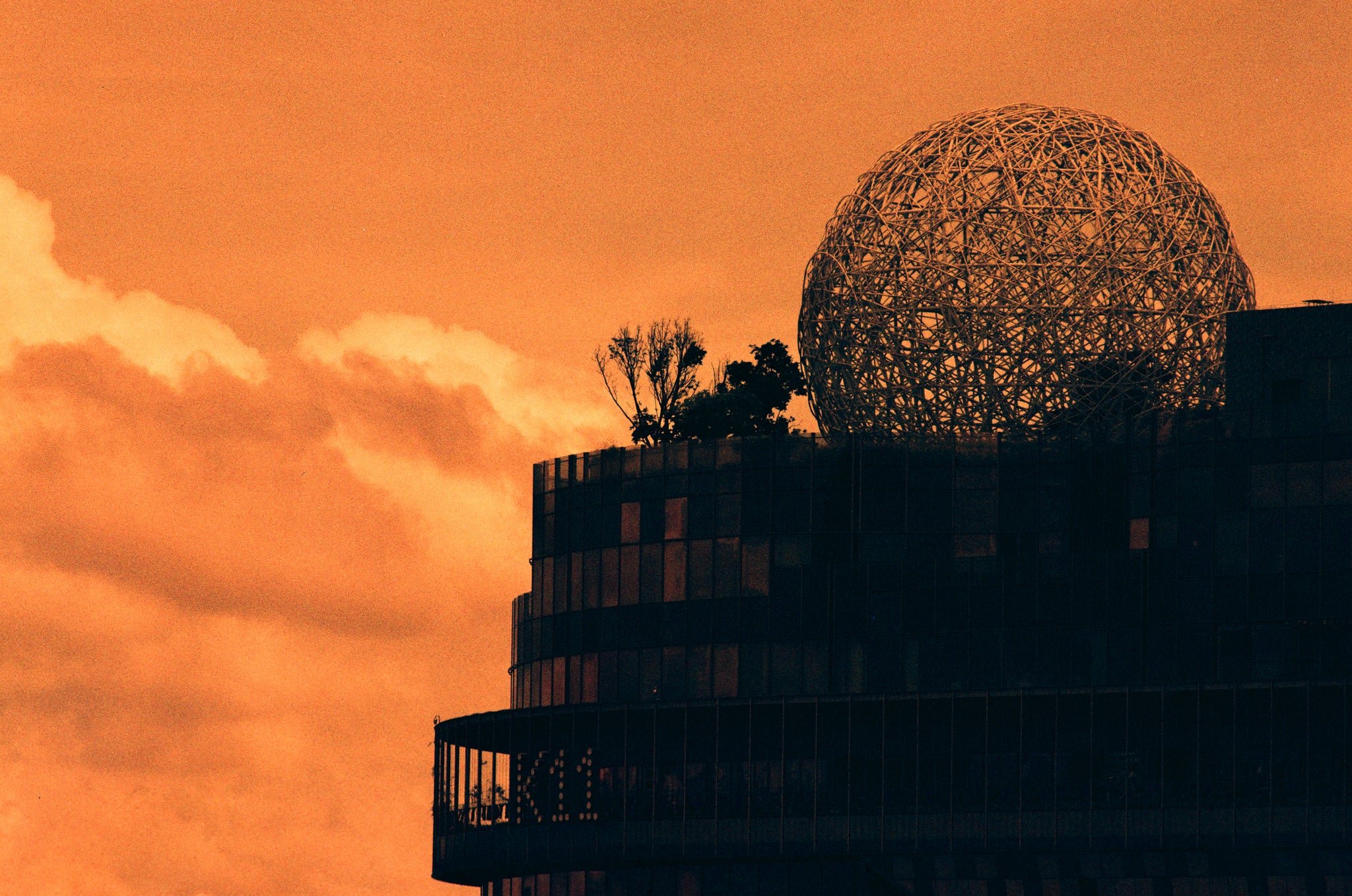
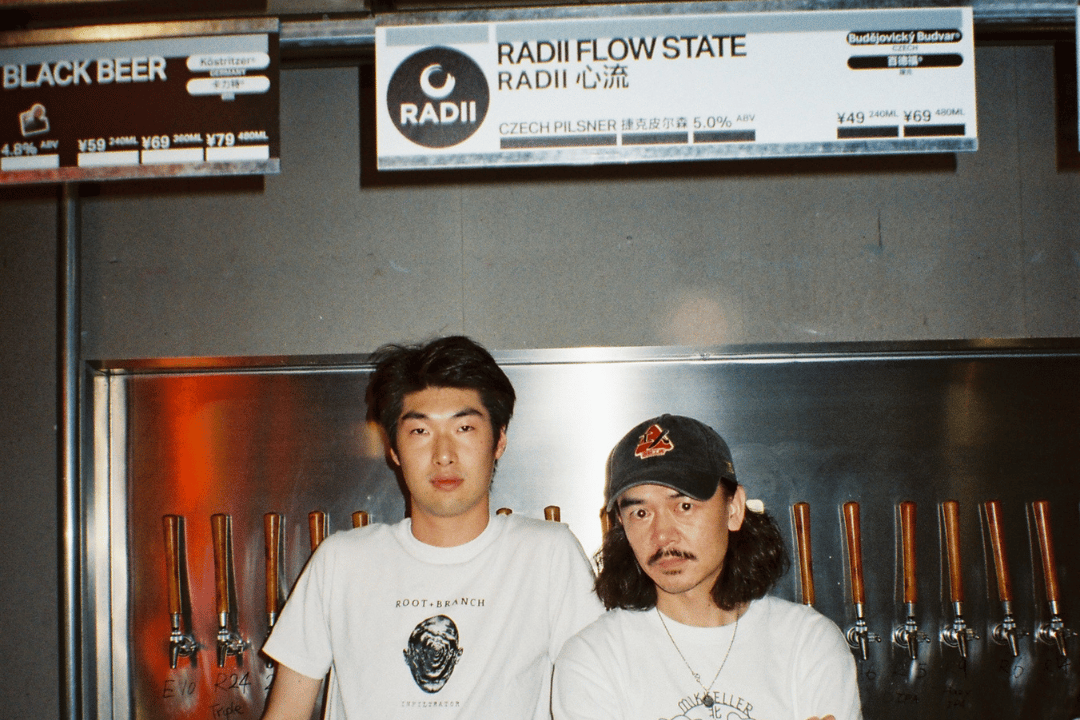
Cover image via Zhu Suo.
NEWSLETTER

Get weekly top picks and exclusive, newsletter only content delivered straight to you inbox.

RADII NEWSLETTER

Get weekly top picks and exclusive, newsletter only content delivered straight to you inbox

RELATED POSTS

Feature image of Understanding the Emergence of Creative Third Spaces in China’s Small Towns

Understanding the Emergence of Creative Third Spaces in China’s Small Towns

3 mins read

3 mins read

Feature image of Understanding the Emergence of Creative Third Spaces in China’s Small Towns
A growing number of youth-run cafés, libraries, and cultural spaces are emerging across China’s smaller towns, but why now?

Last month, a space in Cili, Hunan Province, celebrated its one-year anniversary. Called Zhu Suo Wu Ding (住所无定, literally “no fixed dwelling,” Zhu Suo for short), it’s a place that serves coffee during the day and slings cocktails at night. More importantly, it is a place where young people in this small town gather around to share in hobbies and dreams. In their search for a like-minded community, Zhu Suo has become a gathering space rooted in this little-known county in central China.

Visitors gather for an event at Muinn-khau, a youth-run cultural space in Zhangzhou, Fujian Province. Photo via Muinn-khau.
Young people gather at Muinn-khau, a cultural space in Zhangzhou, Fujian Province. Image via Muinn-khau.

Zhu Suo began its journey in 2022, when the founders followed the trend of the “street-stall economy” (地摊经济) that emerged after COVID. Using basic bartending skills, they gradually built a reputation among local young people. They later started a podcast to share thoughts and discussions on topics that concern China’s younger generation, including feminism, ADHD, neurodiversity, cultural practices, and more. Over the past year, Zhu Suo has also brought greater visibility to Cili County. Although the famous tourist city of Zhangjiajie is nearby, there is still no direct train or convenient transportation link between the two places. Despite this, Zhu Suo has gathered a loyal group of followers who live locally but remain curious about the wider world.

Visitors celebrate the Spring Festival at Zhu Suo by playing mahjong together. Photo via Zhu Suo.
Followers of Zhu Suo gather during the Spring Festival to play mahjong together. Image via Zhu Suo.

Zhu Suo is not the only space in China’s smaller towns aiming to create a broader cultural horizon. In its first year, one of the hosts, Xi Zao, traveled to cities around the world to share their experiences while hosting events. Within this loose network of cultural spaces, one well-known platform is boPOmofo, a library run by the art publishing organization Jia Za Zhi. Located in Ningbo, the space has operated for more than four years and was among the early examples of art spaces moving beyond major cultural centers such as Shanghai, Beijing, and Chengdu to explore how art could connect with local communities.

Creators and cultural practitioners from across China gather at boPOmofo’s spring fair in Ningbo. Photo via DOOGHOOD.
boPOmofo hosts a spring fair in Ningbo, bringing together creators and cultural practitioners from across China to showcase their work. Photo via DOOGHOOD.
Photo via Xiaohongshu.
Image via Xiaohongshu.

Similar initiatives can often be found in Fujian Province, a culturally rich region in southeastern China. Balangyu (巴浪鱼), known in English as “Local Fish,” belongs to a similar circle in Quanzhou. In Zhangzhou, Muinn-khau (门口, meaning “doorstep” in the Hokkien dialect) and HotBox (热盒子) represent two examples of the city’s growing cultural scene. The hosts of Muinn-khau regularly organize one-day trips to counties under Zhangzhou’s administration, encouraging young people who usually look outward to global youth trends to rediscover the subtle cultural traditions of their hometowns. Meanwhile, HotBox is an independent café dedicated solely to coffee making. Even in a small county, the café has attracted a loyal group of visitors drawn to the area’s rising coffee culture.

A riverside music session organized by Muinn-khau brings together local residents in Zhangzhou. Photo via Muinn-khau.
Muinn-khau organizes a music session by the river, a popular place where local residents gather to relax. Image via Muinn-khau.

Returning home and choosing a slower-paced lifestyle is not an easy decision for young people who have spent time away from their hometowns. The hosts of Zhu Suo recalled moments of frustration when no audience showed up for film screenings on ordinary workdays outside of holiday periods. Yet spaces like these have become a kind of anchor for many people living away from home. We at RADII are excited to see more spaces like this, and as per usual, we’ll continue to spotlight them.

Cover image via Zhu Suo.
NEWSLETTER

Get weekly top picks and exclusive, newsletter only content delivered straight to you inbox.

NEWSLETTER

Get weekly top picks and exclusive, newsletter only content delivered straight to you inbox.

RADII NEWSLETTER

Get weekly top picks and exclusive, newsletter only content delivered straight to you inbox

Feature image of Understanding the Emergence of Creative Third Spaces in China’s Small Towns

Understanding the Emergence of Creative Third Spaces in China’s Small Towns

3 mins read

A growing number of youth-run cafés, libraries, and cultural spaces are emerging across China’s smaller towns, but why now?

Last month, a space in Cili, Hunan Province, celebrated its one-year anniversary. Called Zhu Suo Wu Ding (住所无定, literally “no fixed dwelling,” Zhu Suo for short), it’s a place that serves coffee during the day and slings cocktails at night. More importantly, it is a place where young people in this small town gather around to share in hobbies and dreams. In their search for a like-minded community, Zhu Suo has become a gathering space rooted in this little-known county in central China.

Visitors gather for an event at Muinn-khau, a youth-run cultural space in Zhangzhou, Fujian Province. Photo via Muinn-khau.
Young people gather at Muinn-khau, a cultural space in Zhangzhou, Fujian Province. Image via Muinn-khau.

Zhu Suo began its journey in 2022, when the founders followed the trend of the “street-stall economy” (地摊经济) that emerged after COVID. Using basic bartending skills, they gradually built a reputation among local young people. They later started a podcast to share thoughts and discussions on topics that concern China’s younger generation, including feminism, ADHD, neurodiversity, cultural practices, and more. Over the past year, Zhu Suo has also brought greater visibility to Cili County. Although the famous tourist city of Zhangjiajie is nearby, there is still no direct train or convenient transportation link between the two places. Despite this, Zhu Suo has gathered a loyal group of followers who live locally but remain curious about the wider world.

Visitors celebrate the Spring Festival at Zhu Suo by playing mahjong together. Photo via Zhu Suo.
Followers of Zhu Suo gather during the Spring Festival to play mahjong together. Image via Zhu Suo.

Zhu Suo is not the only space in China’s smaller towns aiming to create a broader cultural horizon. In its first year, one of the hosts, Xi Zao, traveled to cities around the world to share their experiences while hosting events. Within this loose network of cultural spaces, one well-known platform is boPOmofo, a library run by the art publishing organization Jia Za Zhi. Located in Ningbo, the space has operated for more than four years and was among the early examples of art spaces moving beyond major cultural centers such as Shanghai, Beijing, and Chengdu to explore how art could connect with local communities.

Creators and cultural practitioners from across China gather at boPOmofo’s spring fair in Ningbo. Photo via DOOGHOOD.
boPOmofo hosts a spring fair in Ningbo, bringing together creators and cultural practitioners from across China to showcase their work. Photo via DOOGHOOD.
Photo via Xiaohongshu.
Image via Xiaohongshu.

Similar initiatives can often be found in Fujian Province, a culturally rich region in southeastern China. Balangyu (巴浪鱼), known in English as “Local Fish,” belongs to a similar circle in Quanzhou. In Zhangzhou, Muinn-khau (门口, meaning “doorstep” in the Hokkien dialect) and HotBox (热盒子) represent two examples of the city’s growing cultural scene. The hosts of Muinn-khau regularly organize one-day trips to counties under Zhangzhou’s administration, encouraging young people who usually look outward to global youth trends to rediscover the subtle cultural traditions of their hometowns. Meanwhile, HotBox is an independent café dedicated solely to coffee making. Even in a small county, the café has attracted a loyal group of visitors drawn to the area’s rising coffee culture.

A riverside music session organized by Muinn-khau brings together local residents in Zhangzhou. Photo via Muinn-khau.
Muinn-khau organizes a music session by the river, a popular place where local residents gather to relax. Image via Muinn-khau.

Returning home and choosing a slower-paced lifestyle is not an easy decision for young people who have spent time away from their hometowns. The hosts of Zhu Suo recalled moments of frustration when no audience showed up for film screenings on ordinary workdays outside of holiday periods. Yet spaces like these have become a kind of anchor for many people living away from home. We at RADII are excited to see more spaces like this, and as per usual, we’ll continue to spotlight them.

Cover image via Zhu Suo.
NEWSLETTER

Get weekly top picks and exclusive, newsletter only content delivered straight to you inbox.

RADII NEWSLETTER

Get weekly top picks and exclusive, newsletter only content delivered straight to you inbox

NEWSLETTER​

Get weekly top picks and exclusive, newsletter only content delivered straight to you inbox

RADII Newsletter Pop Up small banner

NEWSLETTER

Get weekly top picks and exclusive, newsletter only content delivered straight to you inbox.

Link Copied!

Share

Feature image of Understanding the Emergence of Creative Third Spaces in China’s Small Towns

Understanding the Emergence of Creative Third Spaces in China’s Small Towns

A growing number of youth-run cafés, libraries, and cultural spaces are emerging across China’s smaller towns, but why now?

PULSE

Tap into the latest in music, fashion, art, design, entertainment, pop culture, celebrity news, and contemporary culture

DISCOVER

Embark on a journey through food, travel, wellness, heritage, traditional culture, and lifestyle

STYLE

An insider’s look at the intersection of fashion, art, and design

FEAST

Titillate your taste buds with coverage of the best food and drink trends from China and beyond.

FUTURE

Explore the cutting edge in tech, AI, gadgets, gaming, and innovative tech-related products

FEAST

Titillate your taste buds with coverage of the best food and drink trends from China and beyond

STYLE

An insider’s look at the intersection of fashion, art, and design

PULSE

Unpacking Chinese youth culture through coverage of nightlife, film, sports, celebrities, and the hottest new music