Hong Kong’s art scene has long held a rare position on the global stage. It’s a high-speed cultural crossroad where blue-chip galleries, underground collectives, and international fairs collide. It’s a city where artists rise fast, exhibitions turn over even faster, and creative momentum rarely pauses. In a landscape defined by constant flux, permanence can feel almost radical.
That’s what makes GOLD—a new contemporary salon space in Wong Chuk Hang—particularly compelling.
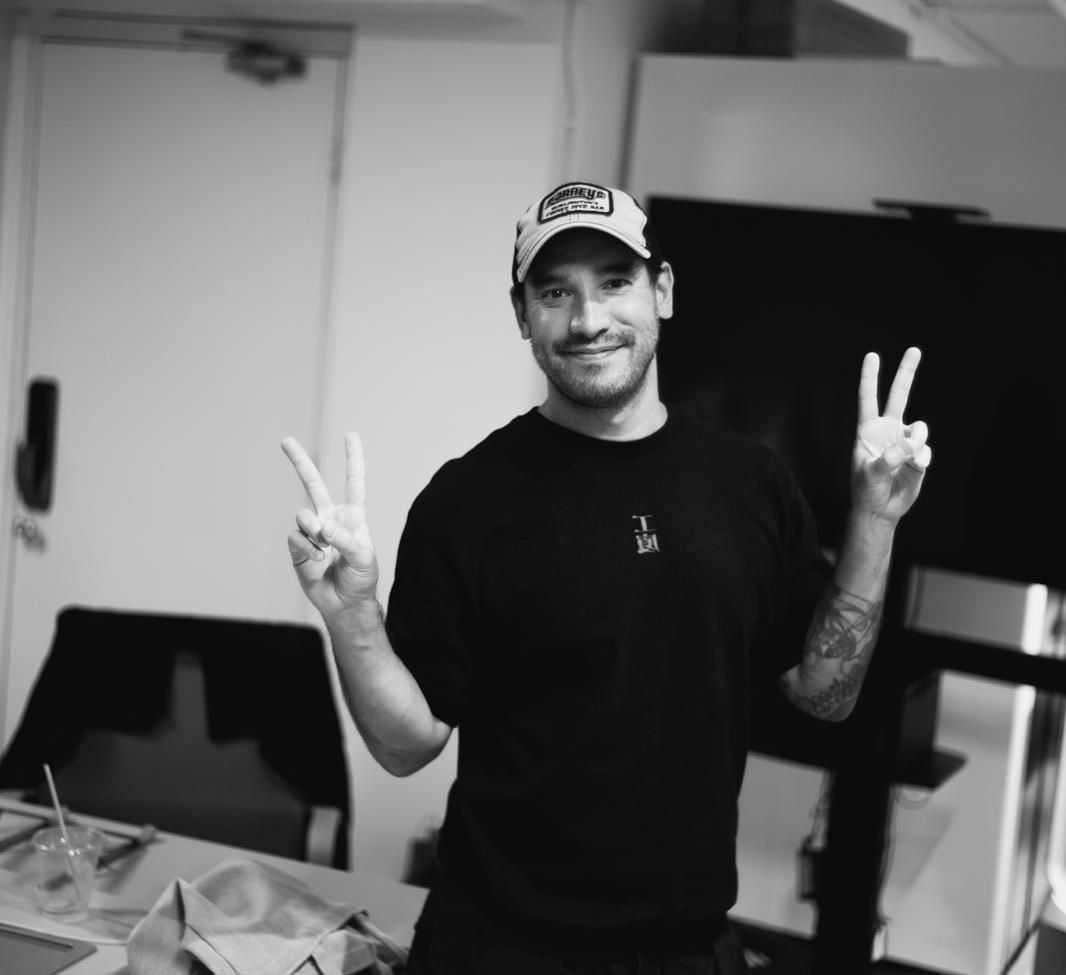
Founded by Serakai Studio, the multidisciplinary practice co-led by curator Tobias Berger and strategist Benjamin Cha, GOLD enters the scene not just as another white cube, but as something more fluid: a hybrid space designed for experimentation across art, design, music, and beyond. Berger, known for his curatorial work across Asia and Europe, brings a sharp artistic sensibility, while Cha anchors the operation with a focus on structure, scale, and long-term vision. Together, Serakai Studio has positioned itself at the intersection of culture and creative industries—GOLD is its most ambitious manifestation yet.
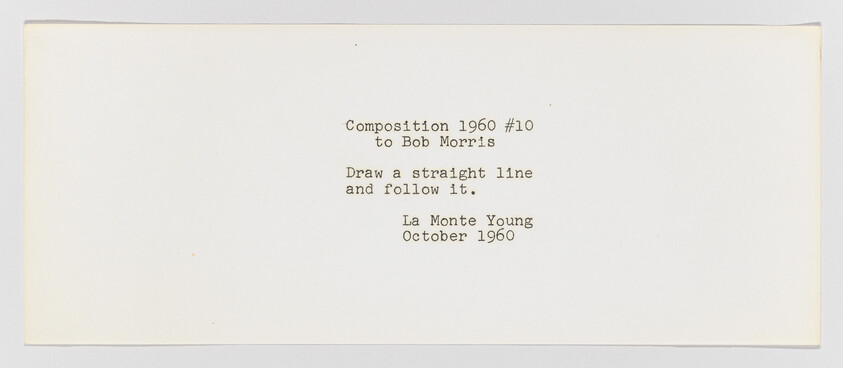
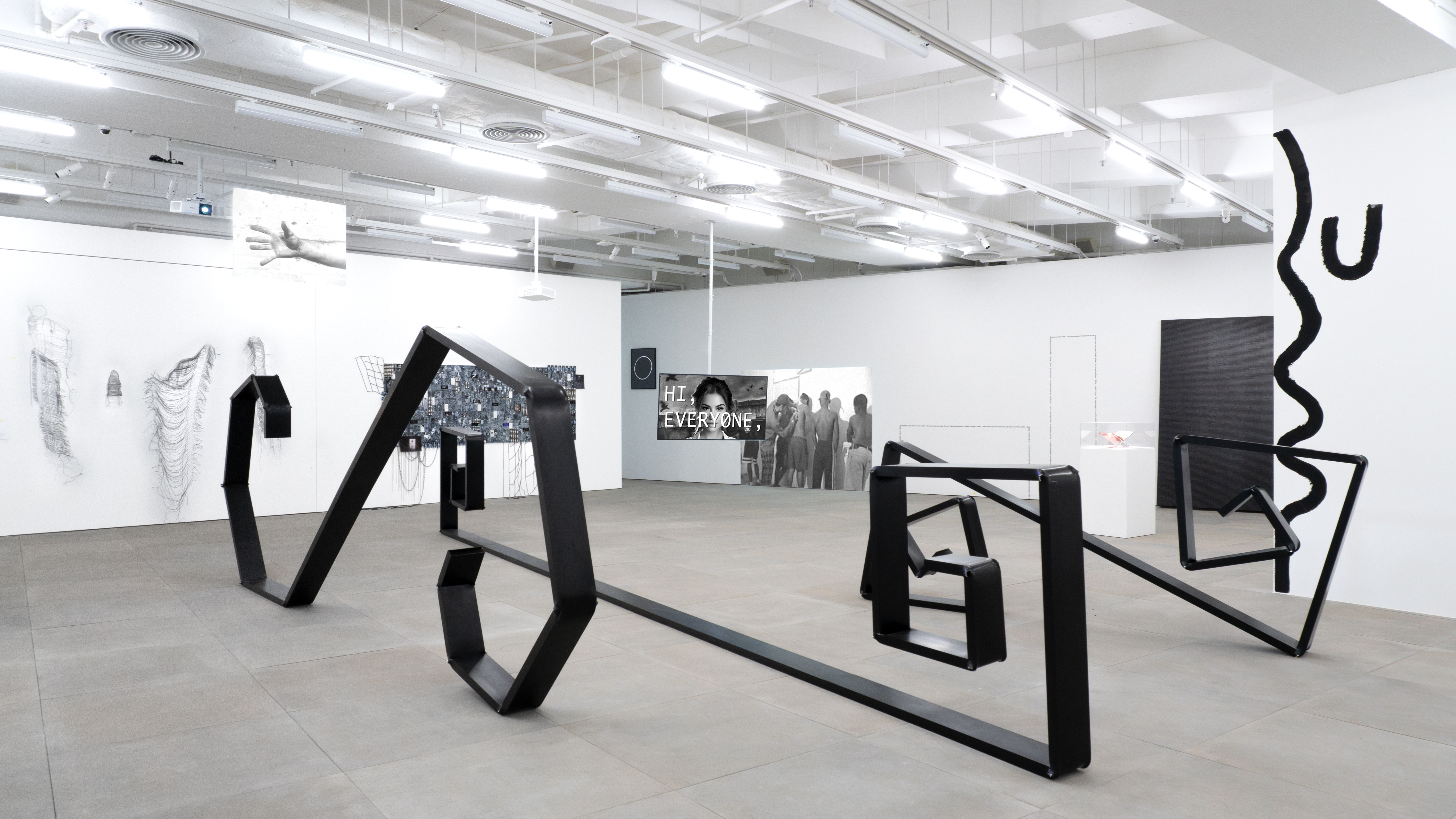
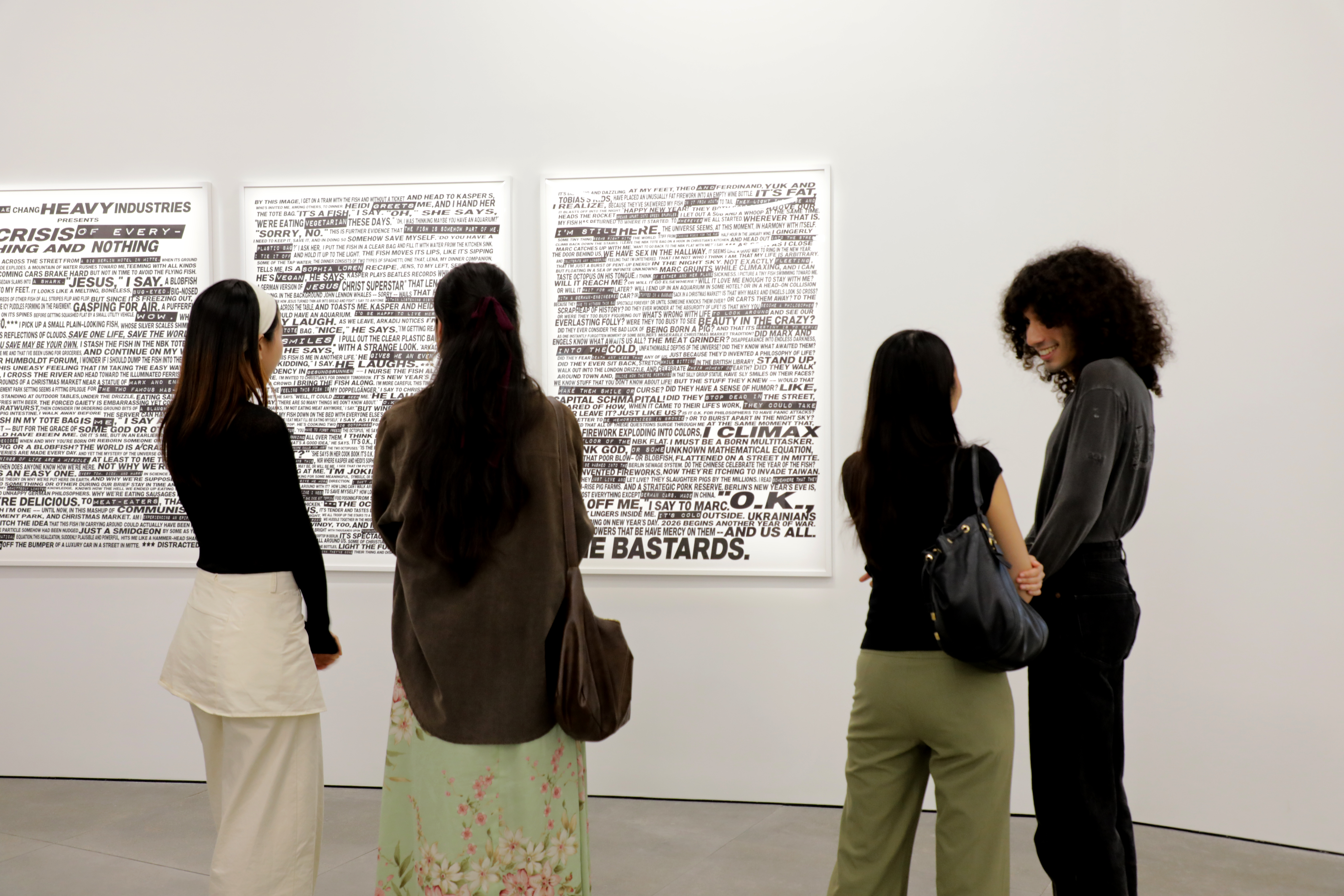
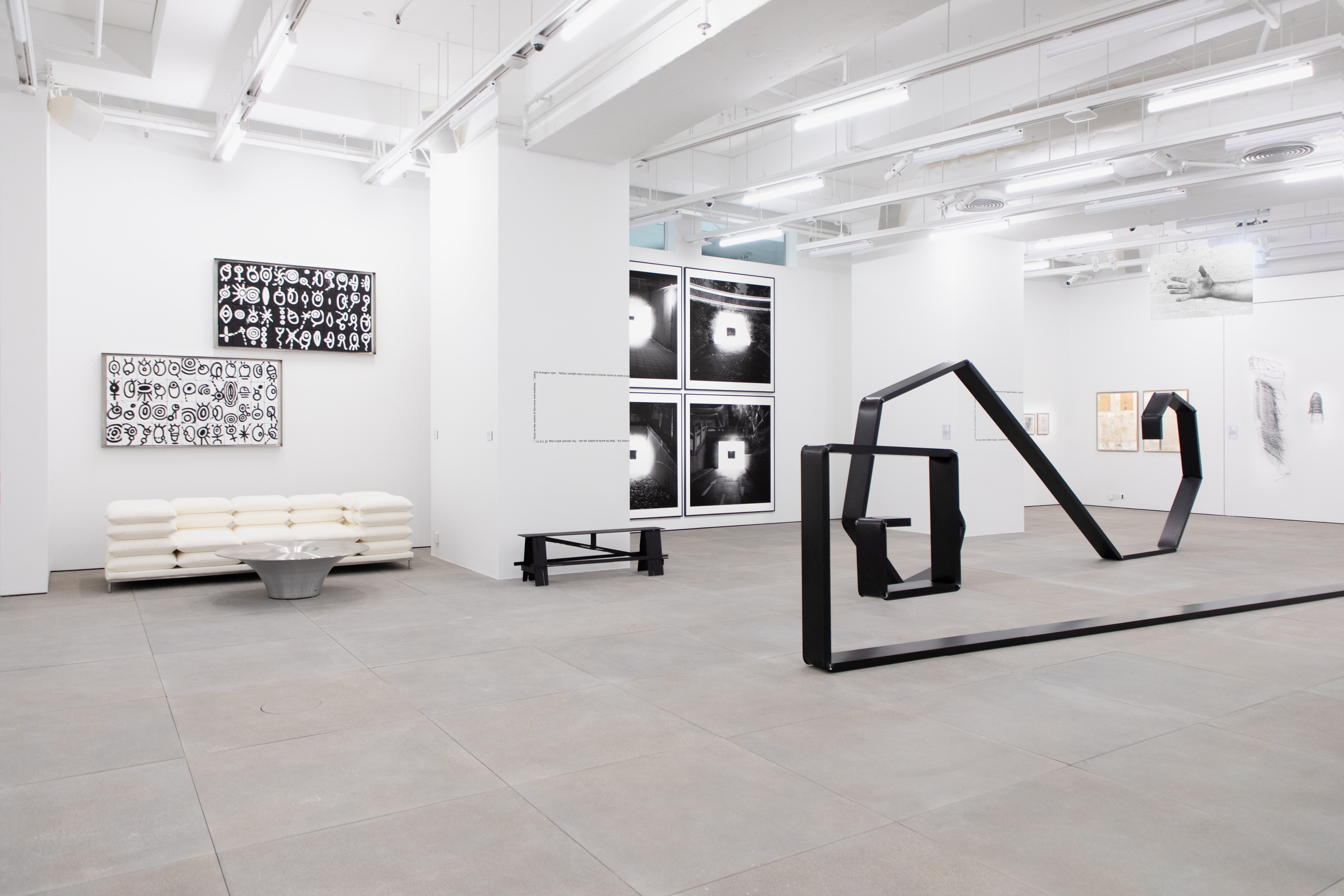
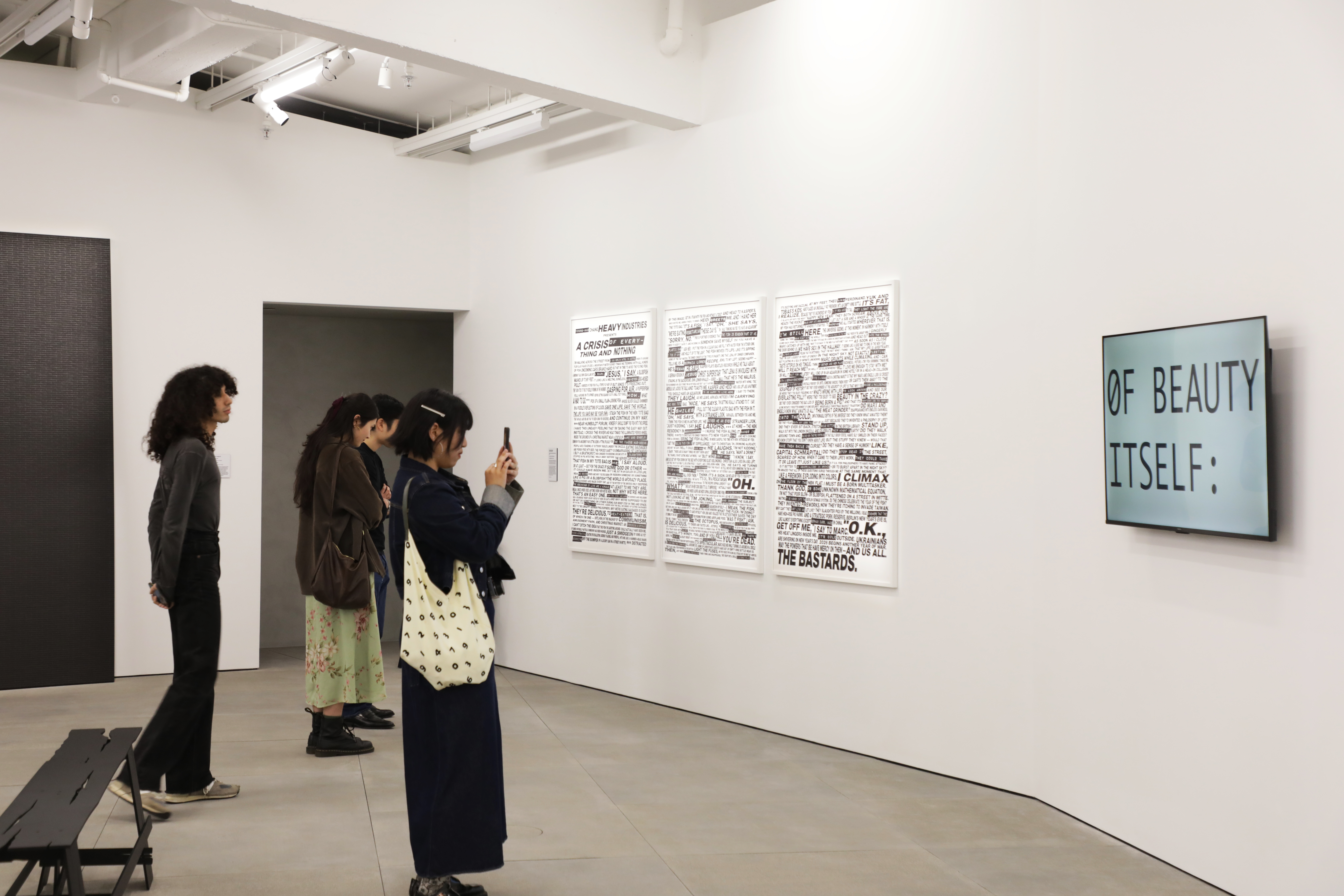
The space opens with CERTAINLY, a group exhibition inspired by La Monte Young’s 1960 instruction piece Composition 1960 #10—a deceptively simple directive to “draw a straight line and follow it.” What unfolds instead is a meditation on deviation, unpredictability, and the impossibility of control. Featuring an intergenerational lineup of artists from Richard Serra to Young-Hae Chang Heavy Industries, the show leans into uncertainty as a generative force. It’s a fitting conceptual foundation for a space that resists rigid definition.
But CERTAINLY is just the starting point. As both Berger and Cha suggest in the conversations that follow, GOLD is less about fixed programming and more about evolving dialogue—a “laboratory of ideas” where disciplines collide, and new formats emerge.
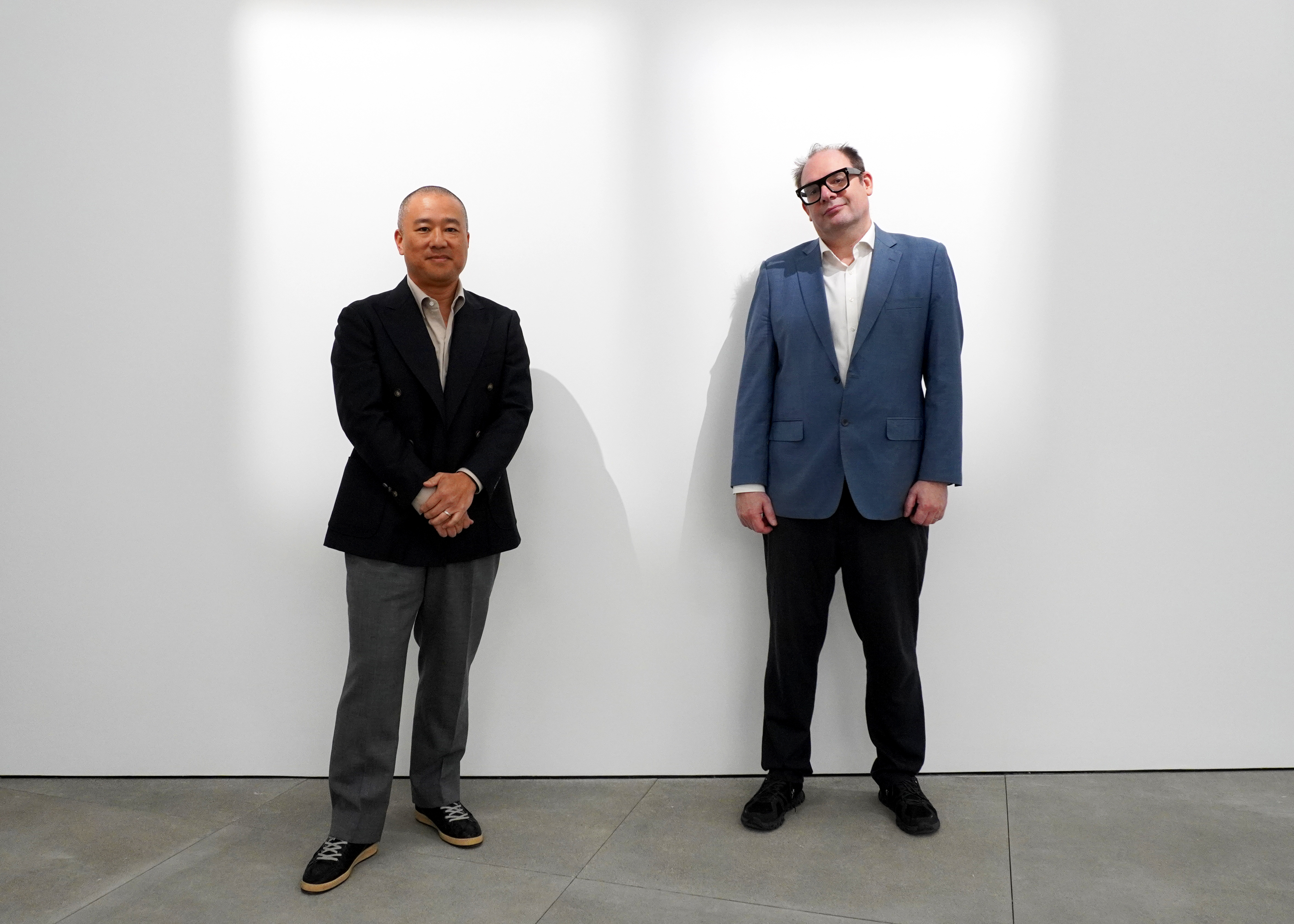
In a city that thrives on reinvention, GOLD is set to reframe its pace. And in doing so, it may offer Hong Kong’s ever-evolving art scene something increasingly rare: a space to experiment, reflect, and stay.
RADII: Following CERTAINLY’s recent exhibition debut at GOLD, how do you feel about the new salon space and its reception?
Tobias Berger: I think it’s been very encouraging. The space really supports the idea of well-curated exhibitions, and we’ve received a lot of positive feedback. People experience the show as a story—as something immersive—rather than just a commercial display. Even though it is, in part, semi-commercial, visitors perceive it more as an art space.
I also think it’s important to have these kinds of spaces within the ecosystem, especially in Wong Chuk Hang. And it’s great that we’re not the only ones—there are other initiatives happening as well. You need a mix of different exhibition formats to keep things exciting and give people reasons to come to the area.
RADII: Do you feel the response to the exhibition reflects the impression you were trying to create curatorially?
Tobias: Yes—actually, even more positively than I expected. The concept itself isn’t the most straightforward. Naming an exhibition CERTAINLY and then building it around uncertainty isn’t immediately obvious, and basing it on an obscure event score from the 1960s makes it even more abstract.
But I was surprised by how engaged people were. Many were genuinely interested in the source material—the book where we included the event score—and they really connected with the idea of uncertainty.
It’s also one of those exhibitions that ended up intersecting with real-world events. When we first planned it, the world already felt uncertain, but not to the extent we’re experiencing now. With everything that’s happened since—geopolitically and globally—the theme has become even more relevant. It’s not something we could have predicted, but it adds another layer of meaning.
RADII: Before the debut, your team had envisioned the salon as a multi-purpose space—for music, creative programming, and more. Have any new ideas come up after seeing it in action?
Tobias: One surprising thing is that several people have asked if they could host weddings here, which wasn’t something we originally planned for. But in a way, it speaks to the space itself. It’s not just acoustically strong, but also visually refined—sleek and welcoming. And honestly, if someone considers holding one of the most important moments of their life in your space, that’s a huge compliment. It suggests that the space can support almost anything.
RADII: That certainly adds diversity to the space! What kind of feedback have you received from exhibition visitors, both about CERTAINLY and the space itself?
Tobias: I think people really appreciate the openness—the willingness to embrace uncertainty. There’s an honesty in saying, “We don’t know exactly where this is going.”
In a society where everything is expected to be planned—where you’re supposed to have five-year strategies and precise growth targets—that kind of honesty feels refreshing. The idea that everything can be mapped out down to decimal points is often an illusion anyway.
So opening a new space and saying, “This is a blank page—we’re open to ideas, collaborations, and evolution,” resonates with people.
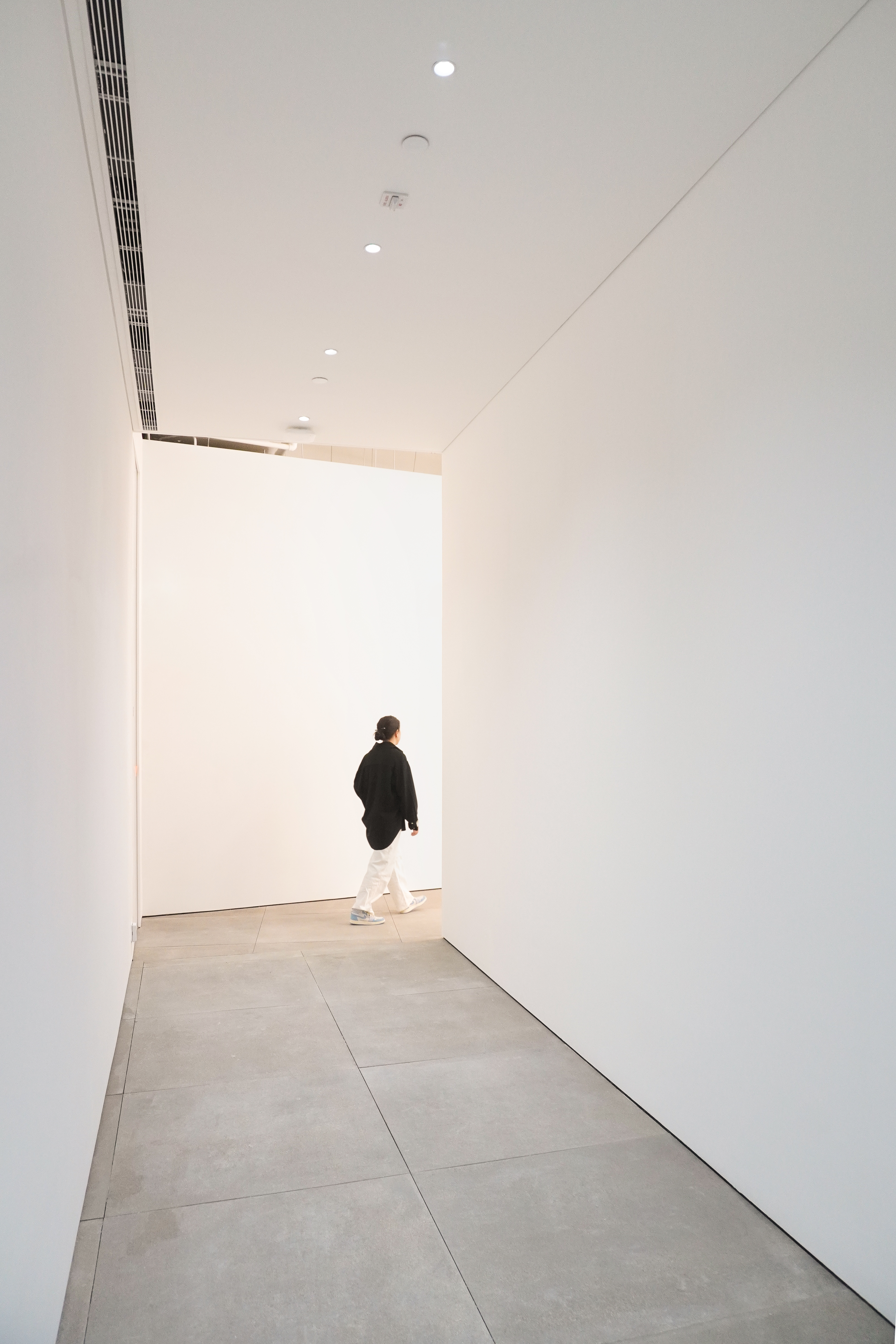
I think that also comes through in the artists we selected. Their work reflects both uncertainty and determination, and that duality is present throughout the exhibition.
RADII: Have there been any unexpected learnings about GOLD’s space since opening?
Tobias: Definitely. For example, we hosted a performance concert, and it showed us that the space works very well acoustically. Not just for louder performances, but also for quieter sound pieces. That’s been a really nice discovery.
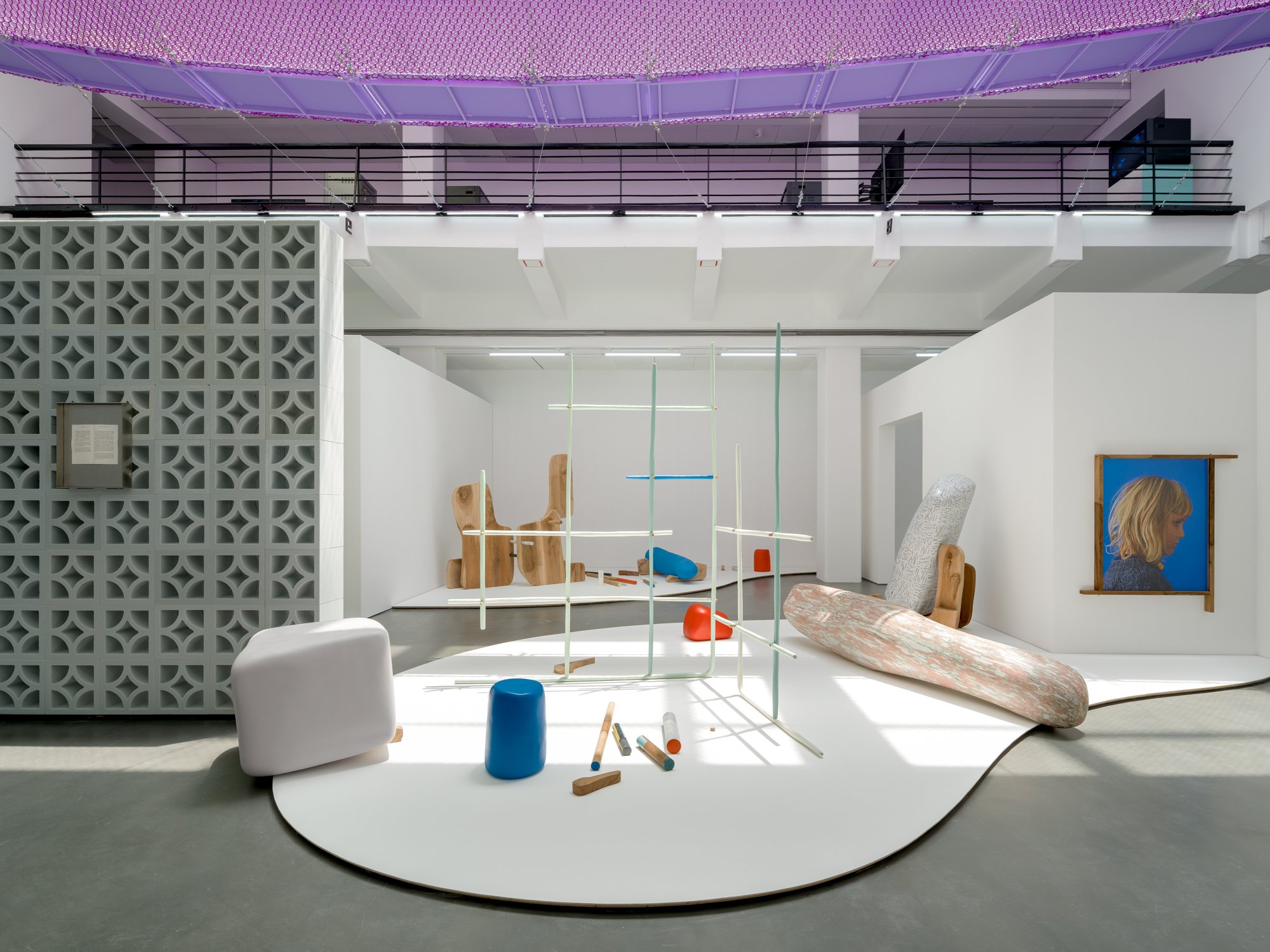
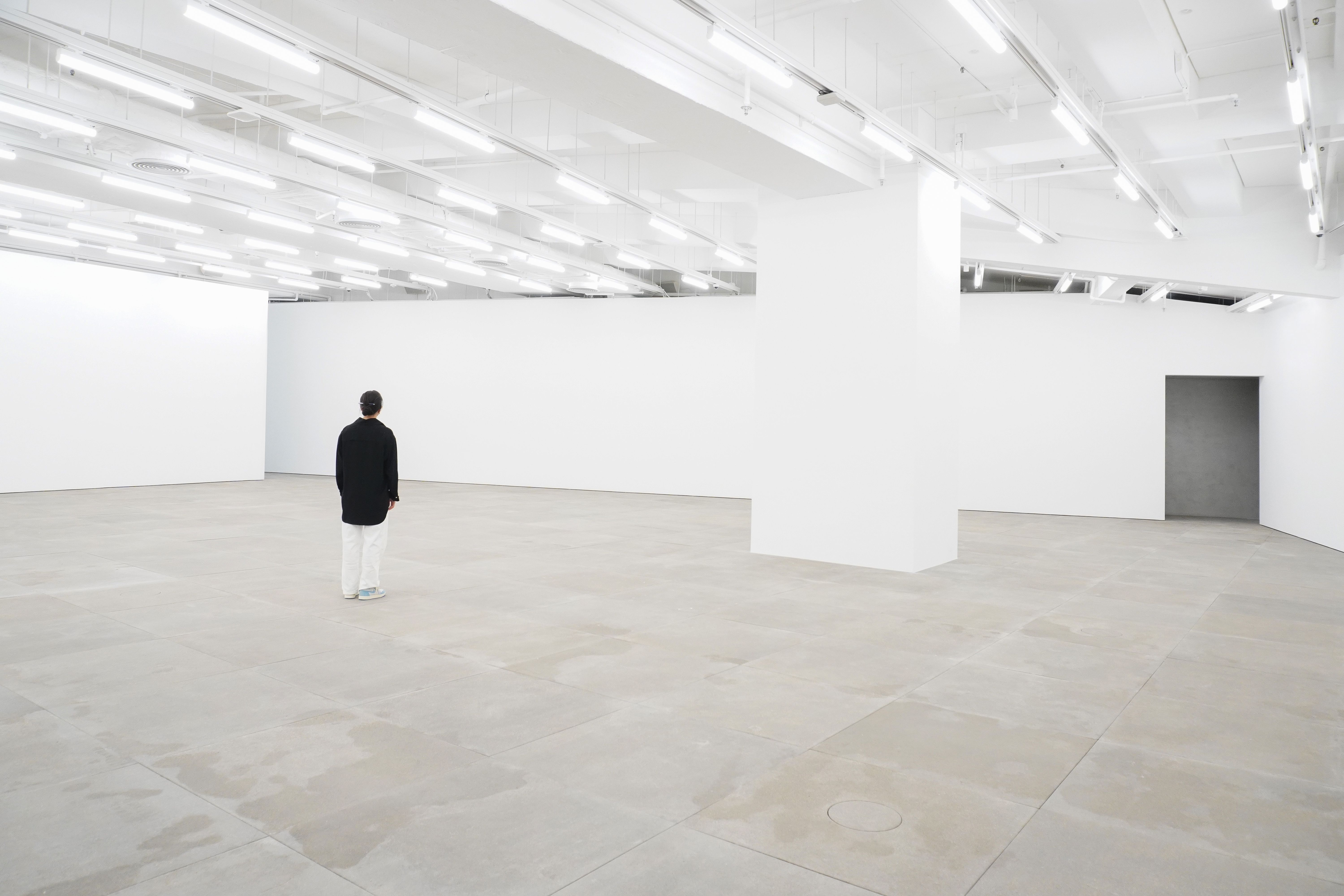
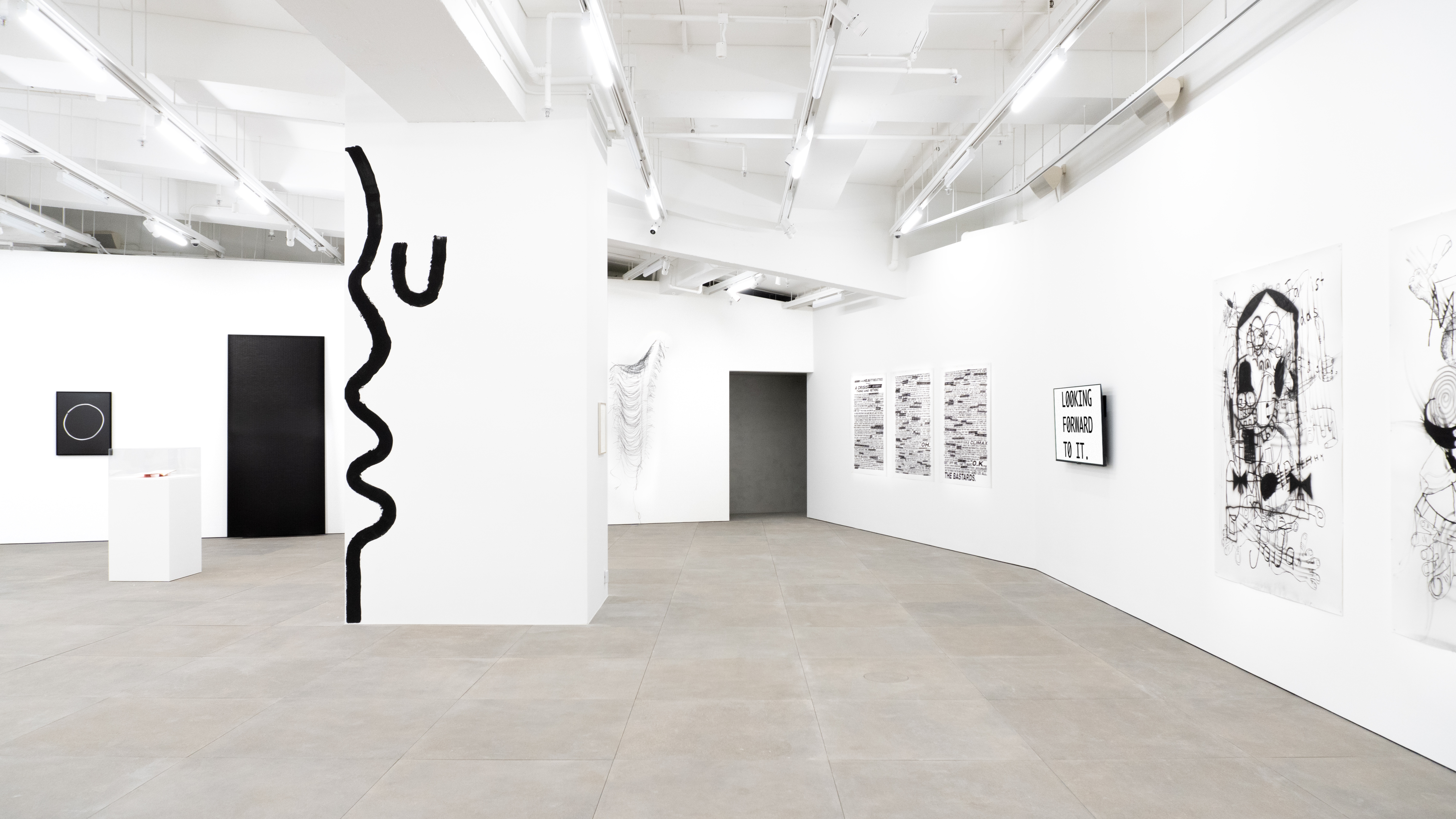
At the same time, the space is currently quite open—it’s essentially one large room without divisions—so it requires a more narrative approach to curation. You have to give people reasons to stay, rather than just walk through.
And then there’s uncertainty again: a few of the works ended up being displayed differently than originally planned, but those pieces became some of the strongest in the exhibition. We also placed a work outside the gallery, which contributes not just to our space but to the wider neighborhood. That kind of openness feels important.
RADII: Has your team shared any feedback that differs from what you’ve heard from the public?
Tobias: At the moment, it’s all about keeping things running—and maybe keeping me alive as well.
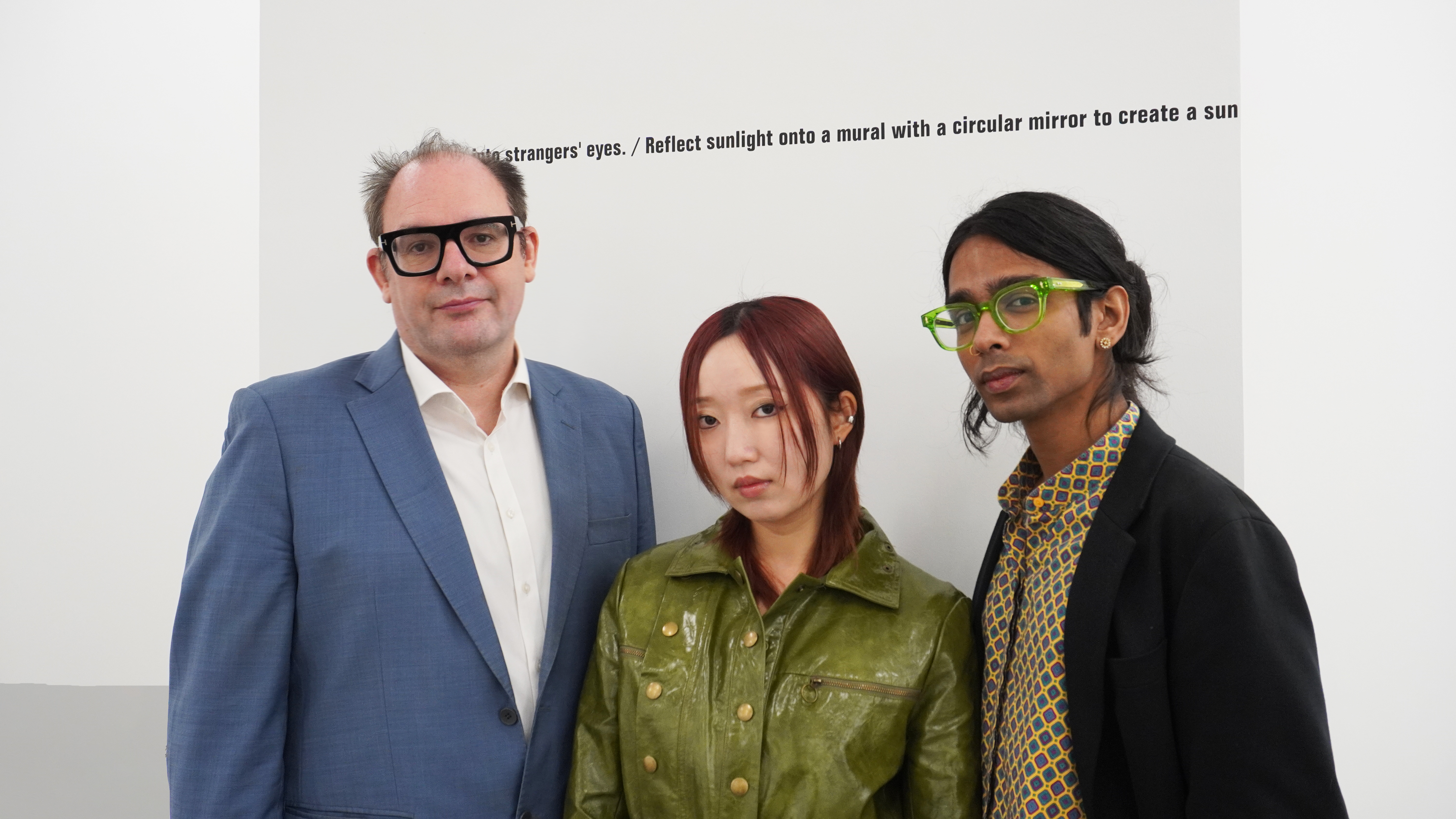
RADII: Looking ahead, you’ve got a lot in the pipeline. What can you share about what’s coming next?
Tobias: The next exhibition is “dreamedcore,” which I’m really excited about. It presents a completely different perspective.
Over the past two years, we’ve been researching young designers—primarily from the Chinese mainland, but also across Asia—and we feel they’re still very underrepresented in Hong Kong. At the same time, there’s an incredible explosion of creativity happening.
What’s interesting is that the way people produce and distribute design today is completely different from even 10 years ago. So this exhibition will reflect that shift.
It will also blur the line between exhibition and retail—almost like a concept store experience. That’s something unique about our space: we can combine commercial and non-commercial approaches in a way that more traditional institutions often can’t.
RADII: And what about sound? Do you have anything planned on that front?
Tobias: Yes—we’re working with a Hong Kong musician on a fully immersive, three-week sound installation. It’s going to be a major project, and we’re really excited about it.
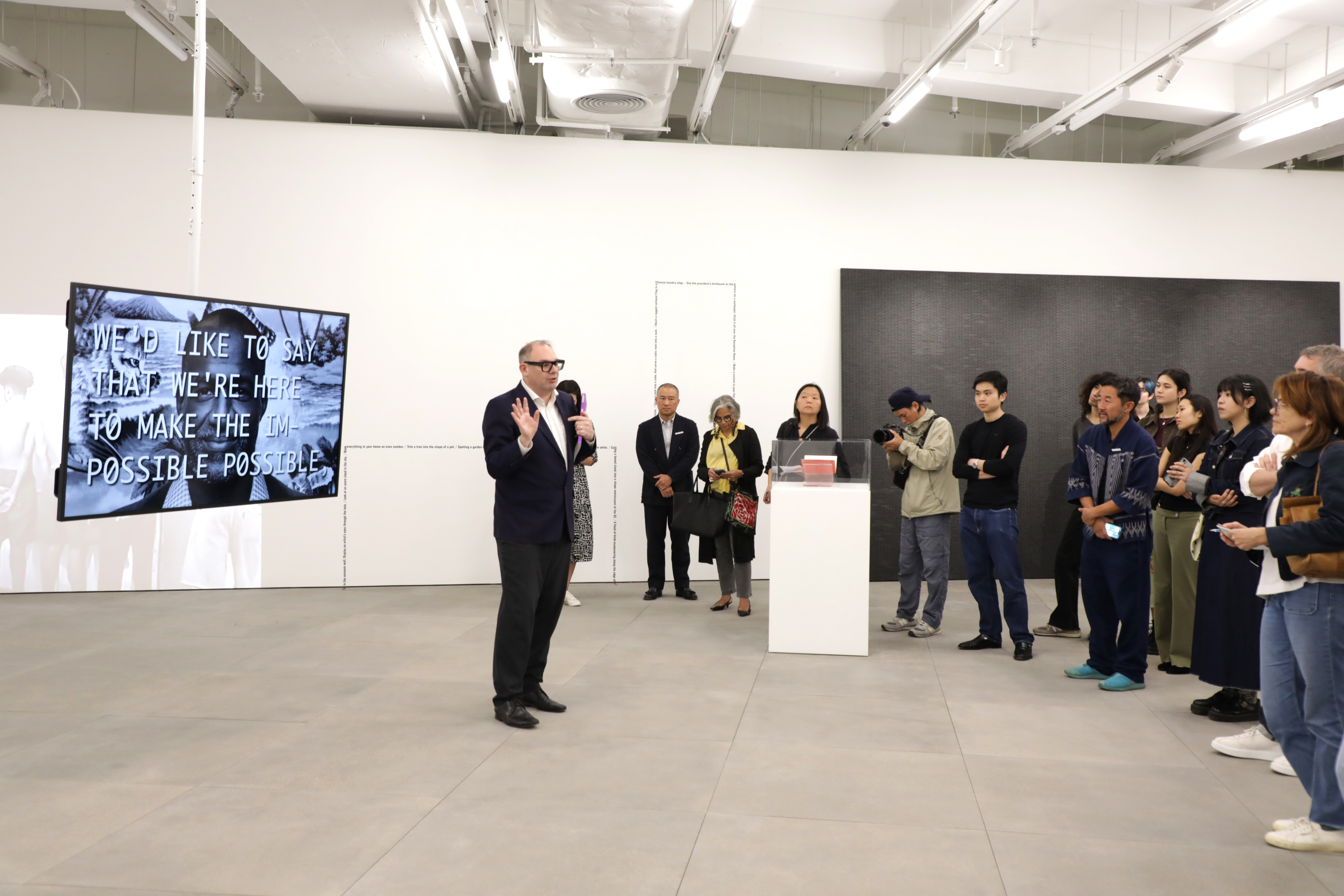
RADII: Your co-founder Tobias has done an incredible job curating CERTAINLY. How do you feel about GOLD as a space now that its debut exhibition is open and running?
Benjamin Cha: First of all, the show is absolutely stunning—I think it’s brilliant. Seeing it all come together has been incredibly rewarding.
From my side, my work is much more behind-the-scenes—operational, logistical, the kind of things people don’t necessarily see. Tobias, on the other hand, is an exceptionally capable curator, and we’re very proud of the entire team.
What’s been most exciting is watching the vision take shape in the space. When I first heard the exhibition would be entirely black and white, it felt quite counterintuitive. But the way it’s been executed, both in terms of the theme and the overall presentation, is just incredible. It really exceeded my expectations.
RADII: Were you surprised by that choice at the beginning?
Ben: Definitely. I think we all come in with certain preconceived ideas about what a black-and-white exhibition might look like—and this completely challenges those expectations. So yes, I was surprised, but in the best possible way. I’m genuinely excited about how it turned out.
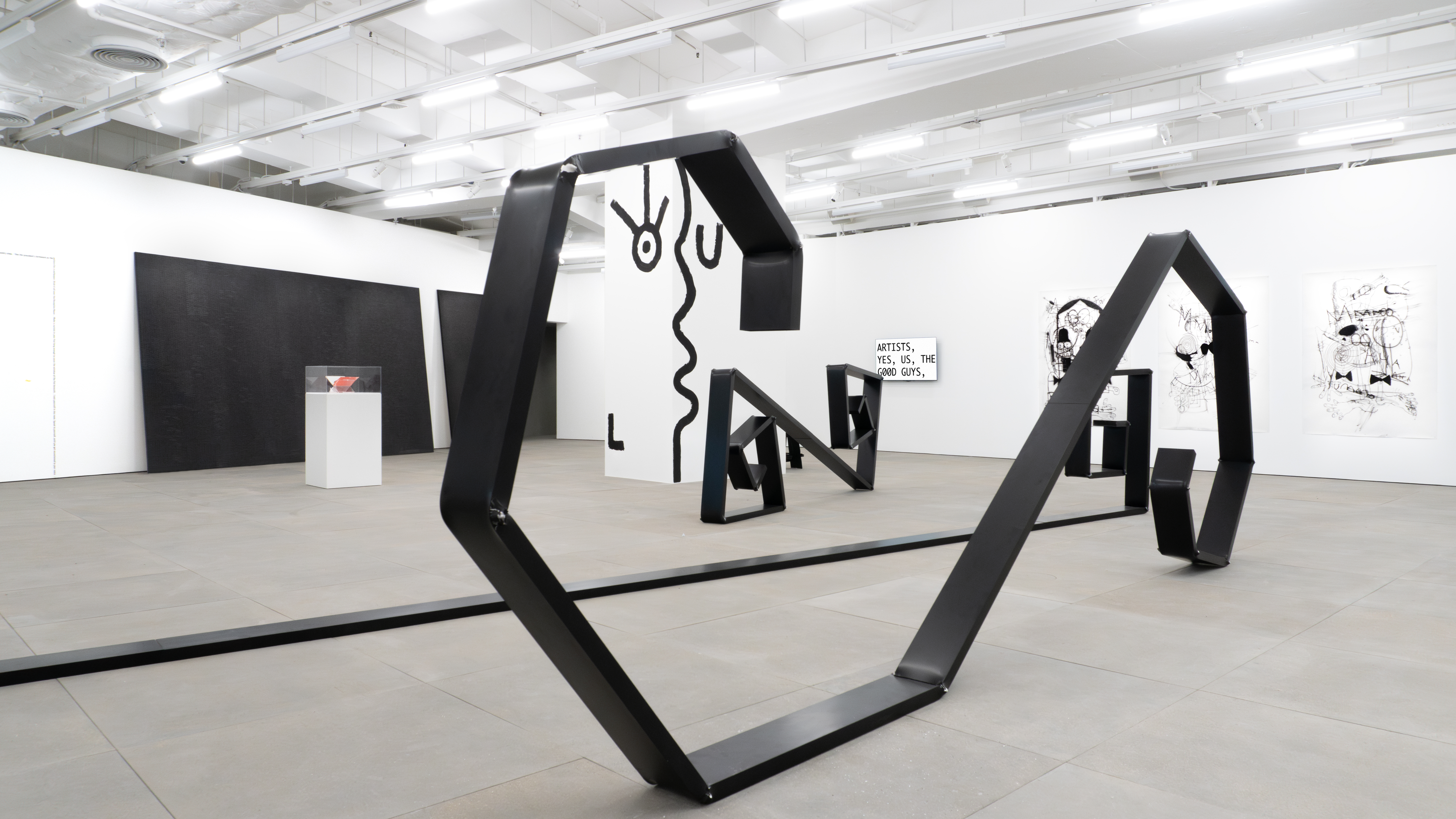
RADII: Art will clearly be a major part of GOLD’s programming. Is there anything in particular you’re excited about in terms of what’s coming next?
Ben: Absolutely. I think what Tobias has done with this exhibition is a very deliberate, almost traditional presentation of contemporary art—and that was a conscious decision. For example, choosing not to partition the space allows the works to exist in a more open, fluid environment.
So not only is it a strong exhibition in its own right, but it also showcases the potential of the space itself. It demonstrates how people can experience art here in a relatively “traditional” sense.
But what excites us even more is what happens beyond that. We’re really interested in pushing beyond conventional formats—exploring different ways of presenting art. That includes crossing disciplines, incorporating performance, sound, and music.
We’re already working with musicians and collaborators on an upcoming project, including concerts in the fall and a cross-disciplinary exhibition in the summer. For us, the real potential lies in activating the space in ways that feel less conventional and more experimental.
RADII: Now that the space is open, and based on the response you’ve received, how far do you think you can push Hong Kong’s creative boundaries with this space and team?
Ben: We’re incredibly proud of the team and very excited about what’s ahead. That said, it’s probably still a bit early to say just how far we can push things.
At the same time, it’s not just about us. It’s exciting to see new spaces, new initiatives, and new creative activity emerging across Hong Kong. We’re very happy to be contributing to that ecosystem, both here in Wong Chuk Hang and more broadly across the city.
But yes —it’s still early days. We’re only about a few weeks in, so there’s a lot more to come.
All images via Serakai Studio. Thank you to Rosanna Herries for making this interview happen.